
Reviewed · TEA CEREMONIES
Authentic Kyoto Tea Ceremony: Camellia Flower Teahouse
Slow down in the heart of Kyoto. The Camellia Flower Teahouse offers a friendly, hands-on introduction to Japanese tea ceremony, with English instruction, a seasonal sweet, and your own chance to whisk matcha. I especially like the small groups of no more than eight and the fact that chairs and tables are available for anyone who prefers not to sit on the floor. The main consideration is that the ceremony lasts only about 45 minutes, so you receive a clear introduction rather than a long, formal tea-school performance.
This is a good pick if you want more than a cup of green tea and a photo opportunity. You learn why the utensils, room arrangement, gestures, and cleansing steps matter. Kimono rental is available for an extra charge, and several people found that traditional dress made the occasion feel more special. The room itself may feel plain and compact to some, so set your expectations for an intimate cultural lesson rather than an elaborate theatrical show.
In This Review
- Key points to know before booking
- Why this 45-minute Kyoto tea ceremony works
- Entering the Higashiyama tea room
- Learning the utensils and the meaning behind each step
- Seasonal sweets and the taste of matcha
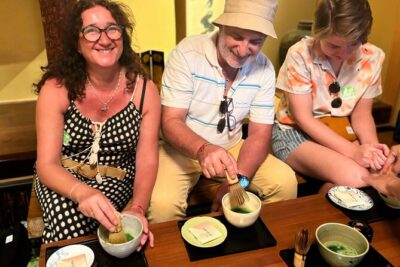
- Your turn to whisk matcha
- Sitting on the floor, or choosing a chair
- Should you add the kimono option?
- Is $36.48 good value?
- Best times to fit it into your Kyoto day
- Who will enjoy Camellia Flower most?
- Final verdict: should you book it?
- FAQ
- Where does the tea ceremony take place?
- How long does the experience last?
- What is included in the price?
- Can I make my own matcha?
- Is the ceremony conducted in English?
- How many people can join one group?
- Can children participate?
- Do I have to sit on the floor?
- Is the experience wheelchair accessible?
- Can I wear a kimono?
- Is transportation included?
- What is the cancellation policy?
- What happens if bad weather cancels the activity?
Key points to know before booking
- You make your own bowl of matcha: Tea bowls, scoops, and bamboo whisks are provided, with guidance from an English-speaking instructor.
- The group is capped at eight people: This keeps the lesson personal and leaves room for questions.
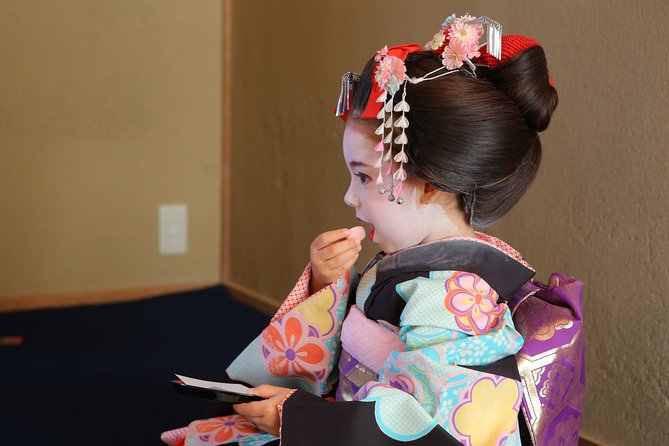
- A seasonal sweet comes with the tea: The sweet is served before or alongside the matcha as part of the ceremony.
- You can sit on a chair: Floor seating is usual, but chairs and tables can be arranged if needed.
- The Higashiyama location fits neatly into a sightseeing day: The meeting point is at 349-13 Masuyacho in Kyoto’s Higashiyama Ward.
- The experience follows a centuries-old tea tradition: Instructors come from one of Kyoto’s three main schools of tea ceremony.
Why this 45-minute Kyoto tea ceremony works
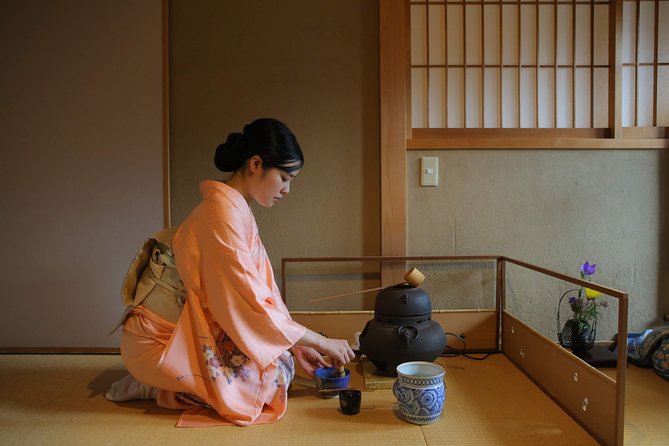
Kyoto offers many cultural activities, but tea ceremony has a useful advantage: it gives you a quiet change of pace. After hours of walking through temples, lanes, and shops, you sit still and pay attention to small actions. Water is poured carefully. A bowl is turned in a particular way. The whisk moves quickly but with control.
Camellia keeps the format approachable. You are not expected to know Japanese etiquette before arriving, and the instructor explains what is happening as the ceremony unfolds. English is spoken fluently, so you can ask about the history of matcha, the utensils, or the reason behind a particular gesture.
I like that the session does not stop at watching. The instructor first demonstrates the process, then gives you the tools to prepare your own bowl. That practical step helps you understand how much care goes into a drink that can look simple from the outside.
The format also suits families and first-time visitors. Children under six cannot take part, but children aged seven and eight have enjoyed the activity when accompanied by adults. Older children can follow the ritual, try whisking, and learn why tea preparation is tied to respect and attention.
More Tea Ceremonies in Kyoto
- Kyoto: Tea Ceremony in a Traditional Tea House in Kiyomizu
★ 4.9 · 3,519 reviews - Kyoto: Tea Ceremony Ju-An at Jotokuji Temple
★ 4.9 · 3,207 reviews - Kyoto: 45-Minute Tea Ceremony Lesson Experience
★ 4.3 · 2,378 reviews
Entering the Higashiyama tea room
The meeting point is Tea Ceremony Camellia FLOWER at 349-13 Masuyacho, in Kyoto’s Higashiyama Ward. The activity begins and ends at this same location, and no hotel pickup or drop-off is included.
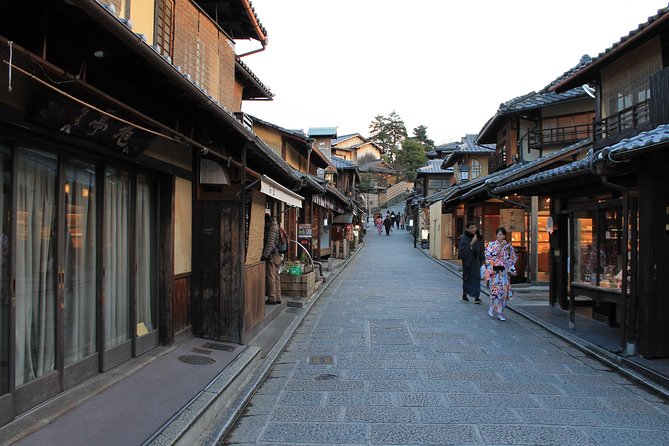
Higashiyama is a sensible setting for this experience because you can pair it with other sightseeing in the area. The location is near public transportation and sits in one of Kyoto’s best-known historic districts. You should still allow time to find the correct address, especially if you are walking through busy streets or arriving after visiting nearby sights.
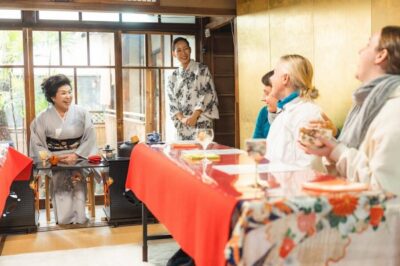
Once inside, the host welcomes you and gives a short introduction to matcha and the tea ceremony. The mood is polite and calm, but not stiff. The instructors are described as warm, patient, and easy to understand, which matters because tea ceremony can seem intimidating if every movement feels like a test.
The group limit of eight is one of the strongest practical features. A larger class could make it hard to see the demonstration or ask questions. Here, you have a better chance to watch the hand movements closely and receive help when it is your turn to whisk.
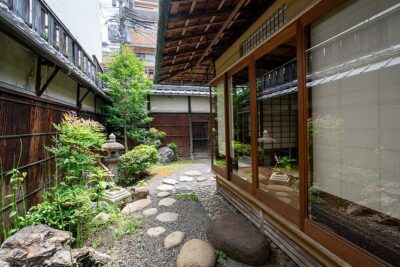
The room may not impress you as a grand architectural showpiece. One person found it very small and plain, with the atmosphere depending more on the teaching than on the decoration. That is a fair warning. Book this for the ritual, instruction, and participation, not for a lavish set.
Learning the utensils and the meaning behind each step
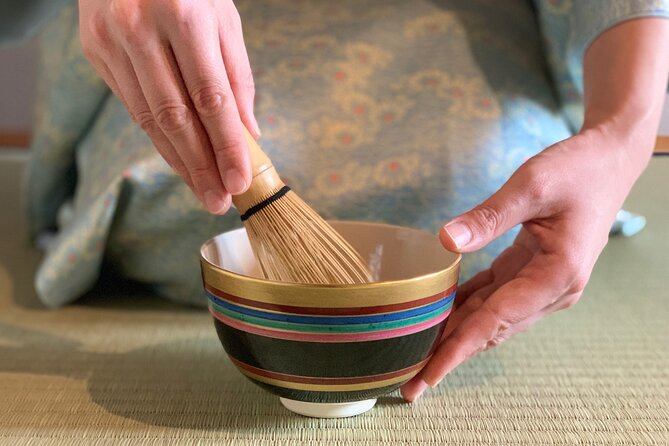
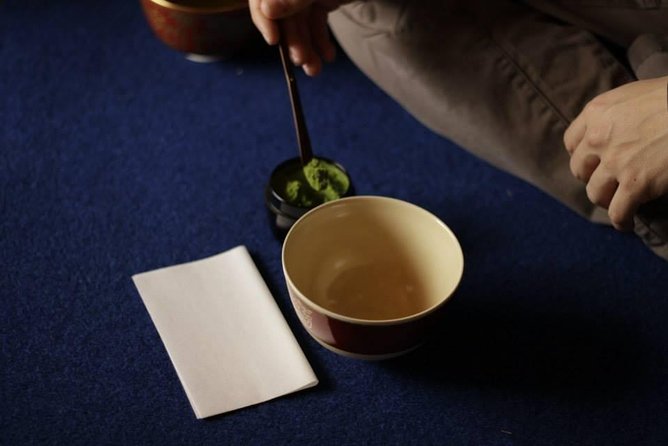
Before you prepare tea, the instructor explains the basic utensils. You receive a tea bowl, tea scoop, and whisk. These are not just props for photographs. Each tool has a role, and the instructor shows you how the pieces fit into the preparation.
You also learn about the room’s decoration and layout. The tea room is arranged to support a certain frame of mind. Simple objects, seasonal touches, and careful placement help shift attention away from the rush outside. The session connects these details with Kyoto’s wider traditions in architecture, hospitality, and taste.
One of the most useful parts is the explanation of cleansing with water. The action has a cultural meaning beyond basic hygiene, pointing toward clearing the mind and showing respect to the person receiving the tea. This is the kind of context that turns a sequence of motions into a meaningful ritual.
The ceremony also introduces the idea that tea preparation is an act of care. The host prepares matcha for the group and explains the proper procedure. You are encouraged to ask questions rather than simply sit quietly and imitate each movement.
That openness makes this a good introduction for people who want cultural context but do not want a long lecture. You learn through a mix of demonstration, explanation, and practice.
Seasonal sweets and the taste of matcha
A seasonal sweet is served with the tea. This small detail matters because traditional tea ceremony balances the bitter taste of matcha with sweetness. The sweet also gives the session a seasonal connection, even though the exact item may change.
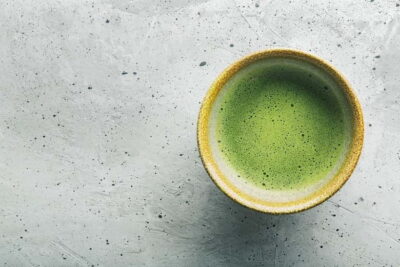
The matcha itself is a central part of the experience. You watch the host prepare a bowl with care, then taste it before making your own. Matcha is not like ordinary steeped green tea. It is whisked into the water, so the flavor is fuller and the texture can be frothy.
The drink may take some getting used to if you usually prefer mild tea. The ceremony helps because you are not simply handed a cup without explanation. You learn how it is made and why the preparation affects the final taste.
Several people particularly enjoyed the chance to prepare a good cup of matcha themselves. That process also reveals why tea ceremony requires practice. Creating a smooth, frothy bowl is more difficult than it looks, and the instructor offers guidance without making the experience feel competitive.
A completely different kind of day out:
- PERFECT KYOTO 1-Day Bus Tour
★ 5.0 · 13,518 reviews - [Kyoto & Nara Day Tour] Sagano Scenic Railway & Nara Park & Fushimi Inari Taisha Thousand Torii Gates & Togetsukyo Bridge & Bamboo Grove & Kimono Forest (Departing from Osaka)
★ 4.9 · 10,942 reviews - Kyoto: Fushimi Inari, Kinkakuji, Bamboo Grove 1 Day Bus Tour
★ 4.8 · 4,316 reviews - Kyoto: Gion Make Your Own Chopsticks with Engraving Option
★ 5.0 · 3,465 reviews
Your turn to whisk matcha
The practical finale is the part I would not skip. After watching the formal preparation, you make your own bowl of matcha using the provided tools.
The instructor explains how to handle the scoop, add the tea, pour the water, and whisk. You practice the basic motion and try to create a light foam on top. The goal is not perfection. The value comes from feeling the rhythm and seeing how technique changes the drink.
This hands-on section gives the 45-minute format a clear shape. You begin with an introduction, watch a demonstration, learn the cultural background, taste tea and a sweet, then put the lesson into practice. It is enough to leave you with a real understanding of the basics, though not enough to teach the full complexity of a tea-school discipline.
You also have time to chat with the host. If you are curious about matcha at home, Japanese tea schools, utensils, or the meaning of the ceremony, ask. The instructors come from one of Kyoto’s three main schools of tea ceremony, so the answers can connect your short visit with a living tradition rather than a simplified tourist script.
Sitting on the floor, or choosing a chair
Traditional tea rooms often involve floor seating, and that is the usual arrangement here. You should be prepared for that if you want the most traditional feel.
Chairs and tables are available if sitting on the floor is uncomfortable. This is useful for older adults, people with limited flexibility, or anyone who simply wants to focus on the ceremony without worrying about their knees.
The activity is not wheelchair accessible, so you need to check your own mobility needs carefully before booking. Service animals are allowed. Children under six cannot participate, and the experience is intended for all other ages.
The chair option is a practical accommodation, but it may change the visual feel of the setting. If you are hoping for a formal floor-seated presentation, ask about the arrangement in advance. If comfort matters more, using a chair lets you enjoy the lesson without physical distraction.
Should you add the kimono option?
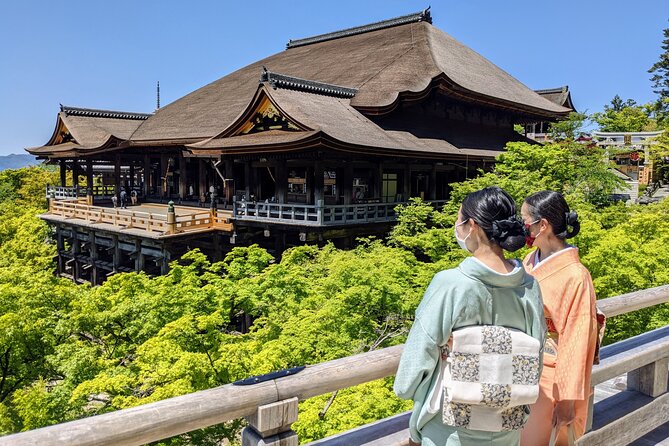
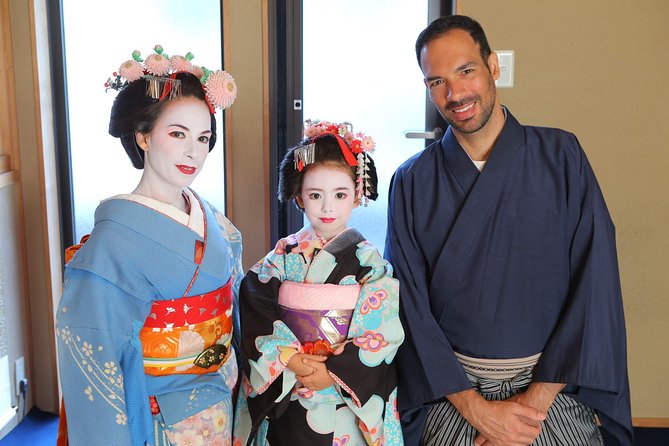
Kimono rental is not part of the listed price, but you can request it by message for an additional charge. Several people felt that wearing a kimono, with help dressing and a quick hairstyle, made the ceremony feel more connected to the setting.
I see the kimono as an optional extra, not a requirement. The tea lesson itself remains the main event, and you do not need traditional clothing to understand the ritual or prepare matcha. Still, if you want photographs or are marking a special occasion, the clothing can make the visit feel more ceremonial.
Allow extra time and cost if you choose this option. The standard tea activity lasts about 45 minutes, while dressing and preparation may affect the timing. Confirm the details directly when requesting it, since the supplied information does not give a separate kimono price or schedule.
Is $36.48 good value?
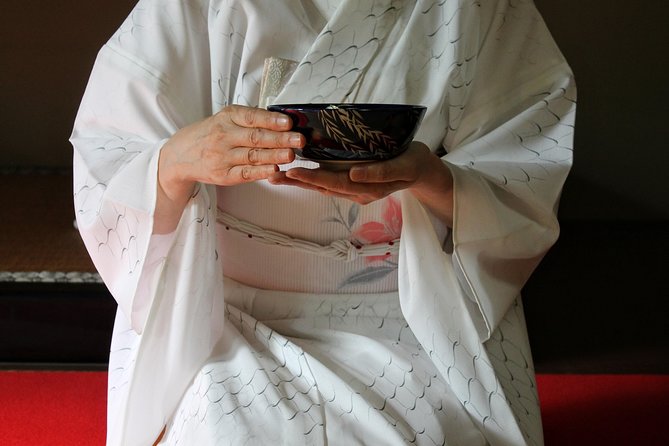
At $36.48 per person, this is reasonably priced for a small-group cultural activity in Kyoto. You are paying for instruction, the use of tea utensils, matcha, a seasonal sweet, and the chance to prepare tea yourself.
The value is strongest if you take part fully. If you only want to watch a quick ceremony, the short duration and simple room may leave you wanting more. If you enjoy learning by doing, the price covers a clear introduction with enough structure to make the experience worthwhile.
The group cap also helps justify the cost. With no more than eight people, the instructor can explain the steps and assist with whisking. This is different from a large demonstration where you might see the ceremony but never understand how to perform it.
A private tea ceremony is available as a possible alternative, but details about its price are not provided. If you want more individual attention or have a family group with younger participants, you can ask about the private option before booking.
Best times to fit it into your Kyoto day
The ceremony lasts approximately 45 minutes, making it easy to add between larger sightseeing stops. I would place it after a busy morning or before dinner, when a quiet indoor activity gives your feet and mind a break.
The Higashiyama location also makes it practical to combine with a day in that part of Kyoto. Since transportation to and from the meeting point is not included, plan your own route and allow enough time to arrive.
The experience depends on good weather. If poor weather causes a cancellation, you are offered another date or a full refund. For ordinary changes to your plans, free cancellation is available up to 24 hours before the start time. Changes or cancellations inside that 24-hour window are not accepted for a refund.
Who will enjoy Camellia Flower most?
I would recommend this experience to first-time visitors who want a gentle introduction to Japanese culture. You do not need previous knowledge of tea ceremony, and fluent English instruction makes the symbolism easier to follow.
It also suits families with children aged six and older, though children under six cannot join. The activity gives children something to do with their hands, rather than asking them to sit through a long historical talk.
Couples and solo visitors may like the quiet mood and the option to add a kimono. Anyone interested in Japanese crafts, ritual, hospitality, or food culture will get useful context from the utensils and preparation methods.
I would be more cautious if you want a grand, highly formal production or a large, beautifully decorated tea room. The setting can be small and plain, and the ceremony is designed as a welcoming lesson. Its strength is personal instruction, not spectacle.
Final verdict: should you book it?
Book Camellia Flower if you want a short, practical, and respectful introduction to matcha in Kyoto. The small group, English-speaking instructors, seasonal sweet, and hands-on whisking make the format easy to enjoy. The calm pace also offers a welcome pause from sightseeing.
Skip it if you want a lengthy formal ceremony, wheelchair access, or a grand room. Otherwise, $36.48 buys more than a drink. You leave understanding why tea ceremony values precision, simplicity, respect, and attention, and you have made your own bowl to prove you were paying attention.
FAQ
Where does the tea ceremony take place?
It takes place at Tea Ceremony Camellia FLOWER, 349-13 Masuyacho, Higashiyama Ward, Kyoto, Japan.
How long does the experience last?
The ceremony lasts approximately 45 minutes.
What is included in the price?
Tea bowls, tea scoops, and tea whisks are provided. You also receive matcha and a seasonal sweet during the ceremony.
Can I make my own matcha?
Yes. The instructor demonstrates the process and gives you the opportunity to whisk your own bowl of matcha.
Is the ceremony conducted in English?
Yes. The instructors speak English fluently.
How many people can join one group?
The maximum group size is eight people.
Can children participate?
Children aged six and older can participate. Children under six cannot join the experience.
Do I have to sit on the floor?
Floor seating is usual, but chairs and tables are available if you prefer or need them.
Is the experience wheelchair accessible?
No. The experience is not wheelchair accessible. Service animals are allowed.
Can I wear a kimono?
Kimono rental is not included, but you can request it by message for an additional charge.
Is transportation included?
No. Pickup and drop-off are not included. You meet at the Higashiyama location and finish at the same meeting point.
What is the cancellation policy?
You can cancel at least 24 hours before the start time for a full refund. Cancellations or changes made less than 24 hours before the experience are not refunded or accepted.
What happens if bad weather cancels the activity?
If the experience is canceled because of poor weather, you are offered a different date or a full refund.
Just added in Kyoto
- The “Golden Route” and Ancient Japan by DIAMIR Erlebnisreisen – 14-Day Tour★ 2.0 · 2 reviews
- Japan: Castles & Cuisine by G Adventures – 6-Day Kyoto to Osaka Tour★ 4.5 · 4 reviews
- Cycle Japan by Explore! – 13-Day Kyoto to Tokyo Tour★ 4.7 · 12 reviews
- Cycle Japan by Intrepid Travel – 11-Day Kyoto to Tokyo Tour★ 4.8 · 2 reviews
- Classic Japan by Intrepid Travel – 11-Day Kyoto to Tokyo Tour★ 4.4 · 14 reviews
- Ancient & Modern Japan 14-Day Tour by Exodus Adventure Travels★ 4.4 · 40 reviews
- 5 Day Cultural Adventure of Kyoto, Nara & Osaka by Tourist Journey★ 2.5 · 2 reviews
- 12 Days Kinosaki Onsen Escape: A Journey Through Japan’s Timeless Towns by UME Travel★ 4.8 · 5 reviews
Tea Ceremonies, compared.
Tea Ceremony in a Traditional Tea House in Kiyomizu
Read our review →
World Heritage Kyoto & Nara Uji Authentic Matcha Experience
Read our review →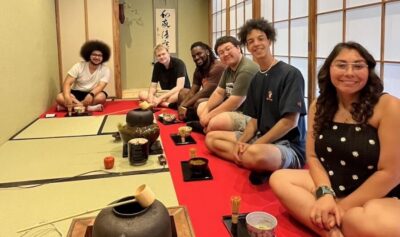
Browse the lists this tour appears in