
Reviewed · CASTLES AND HISTORIC SITES
Authentic Ninja Weapon Forging Experience in Kyoto
Sparks make a better souvenir. At Atelier NIN in Kyoto, you heat steel, hammer it into shape, refine the edges, and finish it as a handmade ninja weapon. I like the mix of real workshop skills and ninja lore, plus the chance to take home a personal keepsake rather than a shop-bought trinket. The main consideration is the price, $151.92 per person, which may feel high if you expect to do every step alone.
The session runs about two and a half hours and suits beginners, families, and curious adults. I also like the lively instruction from the staff, including Taka, who is praised for patient help with shaping and symmetry. The studio is off the usual Kyoto route, and the directions can be vague, so allow extra time to reach the meeting point.
In This Review
- Five things to know before you book
- Why this Kyoto workshop is different
- Putting on samue and choosing your weapon
- Heating steel to 800°C
- Shaping the blade with files and a belt sander
- Kanji engraving and the dark finish
- The history lesson adds useful context
- Getting to the studio in Yase
- Is $151.92 a fair price?
- Who will enjoy this most?
- Booking, cancellation, and final practical advice
- Should you book the Atelier NIN ninja forging experience?
- FAQ
- Where does the ninja weapon workshop take place?
- How long does the experience last?
- What weapons can I make?
- Do I need previous blacksmithing experience?
- What do I wear during the workshop?
- Can I take the finished weapon home?
- What is the cancellation policy?
Five things to know before you book
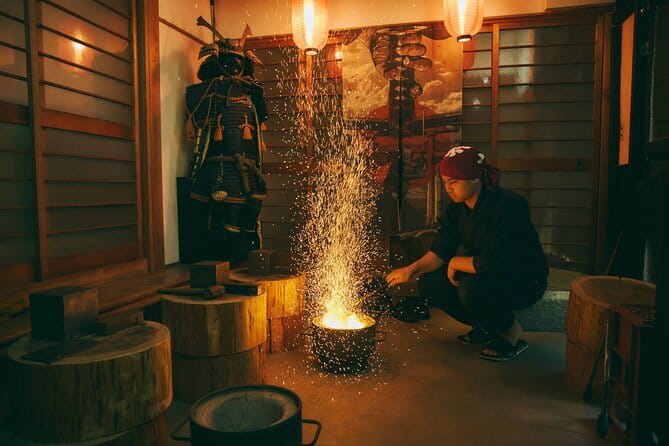
- You work with steel heated to 800°C, then hammer and shape it under staff supervision.
- You choose your weapon, with three shuriken styles or one kunai available.
- You wear samue and a tenugui, giving the workshop a proper blacksmith feel.
- You personalize the finished piece, with a chosen kanji character engraved into the metal.
- You leave with a box and bag, although you should plan carefully for carrying the weapon home.
- The studio is outside central Kyoto, near public transportation but not in the middle of the sightseeing district.
Why this Kyoto workshop is different
Kyoto offers temples, gardens, tea ceremonies, and plenty of polished cultural demonstrations. This activity takes a rougher, more hands-on path. You do not simply watch a craftsman work while holding a camera. You handle tools, strike heated metal, use a belt sander, and help turn a plain piece of steel into a ninja weapon.
That difference matters. The finished shuriken or kunai has small marks of your own work. It may not look like a museum piece, and that is part of the charm. You can point to the shaping, engraving, dark finish, and polish and say, I helped make this.
The word authentic needs a little care here. This is a supervised workshop, not a lesson in historical combat, and the final object is a souvenir. Still, the process uses real heat, real steel, real hammers, and professional equipment. That gives the experience more weight than a plastic ninja activity or a quick photo opportunity.
The session has a maximum of 25 people. That is not a tiny private class, but the staff guide each person through the stages. The atmosphere sounds energetic and social, with plenty of encouragement and chances for action photographs. If you prefer a silent, highly private craft lesson, the group setting may feel busy.
More Castles and Historic Sites in Kyoto
- Kyoto Samurai Experience
★ 5.0 · 1,294 reviews - Kyoto: Nijo-jo Castle and Ninomaru Palace Guided Tour
★ 4.7 · 1,020 reviews - Kyoto: Kendo and Samurai Experience with Uniform and Gear
★ 4.9 · 815 reviews
Putting on samue and choosing your weapon
The session begins with a change into samue, the traditional work clothing associated with Japanese craftspeople and laborers. You also wrap a tenugui around your head. This is more than costume dressing. It sets the tone and helps you feel ready to work rather than simply pose.
You then choose your weapon. The options are three shuriken styles or one kunai, each with a different shape and feel. A shuriken is the familiar star-shaped throwing tool linked with ninja imagery. A kunai has a more elongated form and can feel more substantial in the hand.
Ask about the available designs before you commit. One booking included an additional 3,000 yen for the kunai, so the advertised per-person price may not cover every possible selection. The supplied details describe a kunai choice, but the extra charge reported for one session means you should confirm the cost if that is the weapon you want.
This choice is a nice early part of the activity because it gives you a clear goal. You are not making a generic object. You are working toward a particular shape and finish that will later be engraved and packed for you.
Heating steel to 800°C
The forge is the heart of the experience. Your metal is heated in a furnace reaching 800°C, then brought out for hammering while it is glowing hot. Sparks fly, and staff control the process closely.
You should expect this stage to feel dramatic. The heat and noise make the work seem serious, but you are not left to guess what to do. The instructors show you how to use the hammer and where to strike. A moderate level of physical fitness is recommended, since hammering and handling tools require some effort.
This is also where the value of the workshop becomes easier to judge. You are paying for instruction, equipment, heat, supervision, and access to a process that would be difficult to arrange independently. The furnace is not a stage prop. It is part of the actual work.
At the same time, keep your expectations realistic. The amount of hammering you personally do may vary. One unhappy customer felt the activity involved only a few hammer strikes while much of the weapon had already been prepared. That is an important warning for anyone expecting a full blacksmith apprenticeship.
The staff must balance safety, time, and a group of up to 25 people. You will take part in key stages, but the craftsmen may handle some of the more demanding or precise work. I see this as a guided introduction to forging, not a complete start-to-finish solo build.
Shaping the blade with files and a belt sander
After heating and hammering, you refine the metal. Files are available for sharpening and shaping, and a professional belt sander helps smooth the piece and bring its edges into form.
This stage can be less theatrical than the furnace, but it is where patience matters. A few hammer blows create the basic form. Sanding and filing help make the lines cleaner and the shape more balanced. The staff step in when your weapon needs correction, especially if the edges become uneven.
The workshop makes an effort to accommodate different stamina levels. Easier options are available for sharpening, which helps children and adults who do not want prolonged manual work. Families with teenagers have found the session manageable, and one group of four included children aged 12 and 15.
You should still wear clothing and shoes suitable for a working environment. The supplied details do not list a dress code beyond the rented uniform, so avoid bringing anything you would worry about around metal dust or workshop activity.
This is also the point where you may notice the limits of a short experience. A two-and-a-half-hour session cannot give you the same control as a long craft course. If you want every curve to be your own, ask the instructor for help while there is still time to adjust the piece.
A completely different kind of day out:
- PERFECT KYOTO 1-Day Bus Tour
★ 5.0 · 13,518 reviews - [Kyoto & Nara Day Tour] Sagano Scenic Railway & Nara Park & Fushimi Inari Taisha Thousand Torii Gates & Togetsukyo Bridge & Bamboo Grove & Kimono Forest (Departing from Osaka)
★ 4.9 · 10,942 reviews - Kyoto: Fushimi Inari, Kinkakuji, Bamboo Grove 1 Day Bus Tour
★ 4.8 · 4,316 reviews - Kyoto: Tea Ceremony in a Traditional Tea House in Kiyomizu
★ 4.9 · 3,519 reviews
Kanji engraving and the dark finish
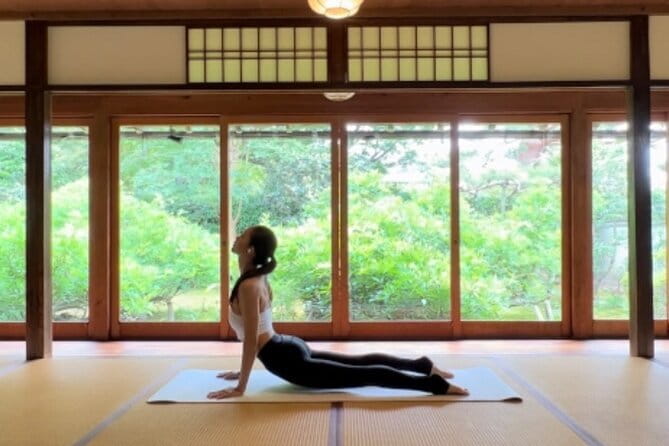
Once the weapon has taken shape, you choose a kanji character for engraving. Staff engrave it for you with precision, turning the object into a more personal souvenir.
The kanji adds meaning without making the session overly complicated. You do not need previous calligraphy or metalworking skills. You select a character, and the staff handle the detailed engraving. The result gives your weapon a clear personal mark.
Next comes blackening. A special solution protects the steel and gives it a dark finish associated with a ninja tool. This is a useful lesson in metal care as well as a visual change. The piece begins to look less like raw workshop material and more like a finished object.
The final step is polishing. You bring out the surface and prepare the weapon for display. The process has a pleasing rhythm: heat, hammer, shape, engrave, darken, polish. Even if the craftsmen assist with parts of the work, you can see the object change at every stage.
A clean box and bag are provided. That small detail matters because a sharp metal souvenir is awkward to carry loose through Kyoto or pack among clothing.
The history lesson adds useful context
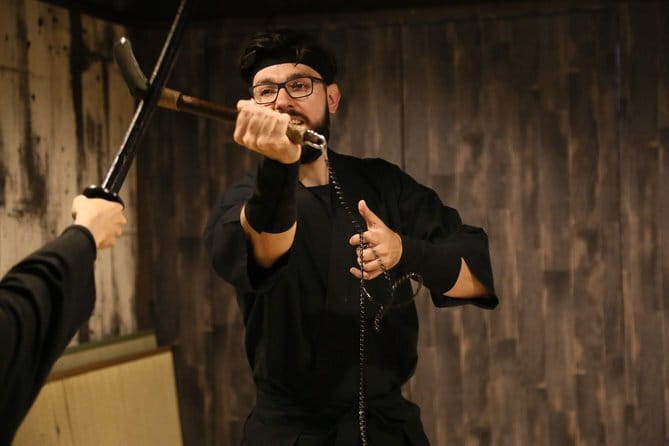
The workshop includes a session on ninja history, weapons, and secret techniques. This helps explain why the shapes differ and gives the activity more purpose than simply making a pointed metal object.
I would not book this as a full academic lesson in medieval Japan. The main focus is practical work, and the historical talk supports the craft rather than replacing it. Still, learning about the weapon’s purpose can make the shaping process more interesting.
The instructors are described as friendly, enthusiastic, and comfortable explaining the activity in English. One group found the instructions occasionally vague, so do not hesitate to ask for a demonstration before using a tool. That is especially sensible during sanding and sharpening, where a small adjustment can affect the final form.
Staff support seems to be one of the strongest parts of the experience. Taka is singled out for helping make a kunai more symmetrical, and several people appreciated the patient, upbeat guidance. The energy may be a plus if you want a fun group outing. It may be less appealing if you prefer a quiet workshop with long stretches of independent work.
Getting to the studio in Yase
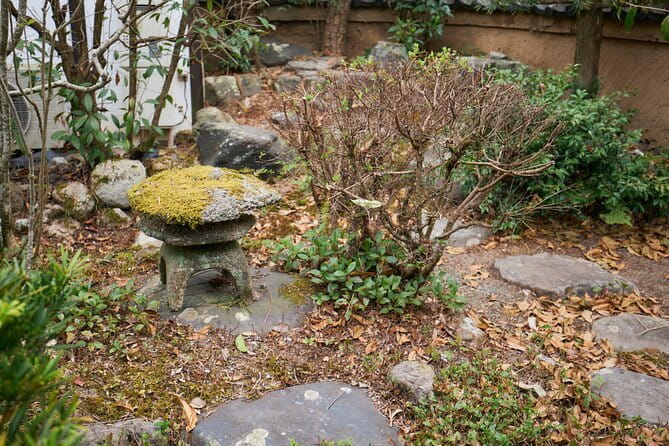
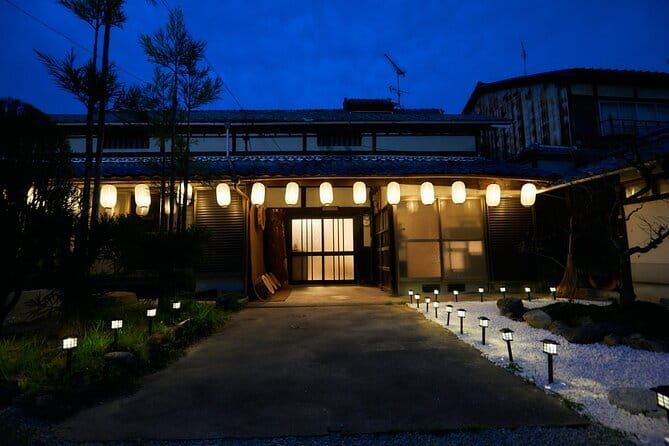
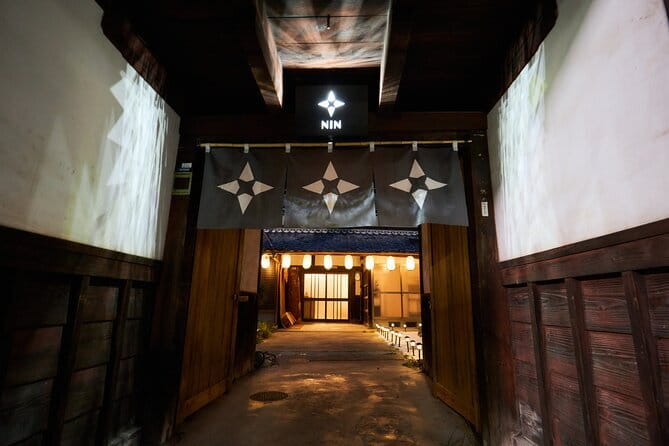
The meeting point is studio NIN at 168-1 Yasenosechō, Sakyo Ward, Kyoto, postal code 601-1254. The activity ends at the same location.
The studio is near public transportation, but it is off the main sightseeing path. Directions have been described as vague, and some people recommend having a taxi app ready. I would not leave navigation until the last minute, especially if you have a fixed start time.
This location has a practical effect on your day. You are not likely to combine the workshop with a quick visit between Gion and Kiyomizu-dera. Plan it as a dedicated outing, and allow extra time for the journey. The trip away from central Kyoto may also suit you if you want an activity in a less tour-heavy setting.
Private transportation is not included. You arrange your own way to and from the studio, so include that cost when judging the total price.
Is $151.92 a fair price?

At $151.92 per person, this is an expensive two-and-a-half-hour activity. It makes the most sense if you value participation, instruction, and a take-home object more than you value a low-cost attraction.
The price includes the use of specialized tools such as hammers and files, the rented samue uniform, staff instruction, engraving, finishing work, and packaging. You are also paying for a controlled forge environment and for staff to monitor the hot metal and power equipment.
The value is strongest for someone who has already seen Kyoto’s temples and wants a different kind of cultural activity. It is also strong for families, couples, and friends who want a shared project with a physical result. The keepsake can make the cost feel more justified, particularly when compared with a short performance or a standard souvenir purchase.
The value is weaker if you expect to make the entire weapon independently. The staff may pre-shape or finish parts of the piece, especially in a larger group. I would book it for the guided craft experience and the story around the weapon, not on the promise of becoming a trained bladesmith in one afternoon.
Check the price of your chosen design as well. A kunai may involve an extra 3,000 yen, based on one reported booking. The headline price should not be your only figure when planning the budget.
Who will enjoy this most?
I think the workshop fits you best if you meet several of these conditions:
- You like hands-on activities more than passive sightseeing.
- You are interested in ninja culture but want something beyond a museum display.
- You enjoy making a personalized souvenir.
- You can manage moderate physical effort with a hammer, files, or sanding equipment.
- You are comfortable in an upbeat group setting.
- You can spare a half-day once transport time is included.
It is a particularly good choice for families with older children and teenagers. The tools and heat give the activity enough drama to hold attention, while the staff can offer simpler sharpening options for people with less stamina.
You might skip it if your budget is tight, your schedule is packed, or your main aim is a long, independent blacksmith lesson. You should also think carefully about transporting a metal weapon home. One family packed the finished kunai in checked baggage, but airline and customs rules can vary, so you remain responsible for checking the requirements for your journey.
Booking, cancellation, and final practical advice
Confirmation arrives when you book, and the activity accepts mobile tickets. Free cancellation is available up to 24 hours before the start time. Cancel within 24 hours, or request a change during that period, and you will not receive a refund.
The biggest practical tip is simple: arrive with time to spare. Locate the studio before the session begins, keep a taxi app available, and confirm any extra charge for your selected weapon. During the workshop, ask for help whenever an instruction feels unclear. The staff are there to guide you, and a quick question can prevent an uneven edge or a lopsided shape.
Should you book the Atelier NIN ninja forging experience?
I would book this if you want an unusual Kyoto memory that you can hold in your hands. The best parts are the 800°C forge, the change from raw steel to finished object, the kanji engraving, and the friendly staff who help you through the tricky stages.
I would not book it expecting a full traditional apprenticeship. The session is short, group-based, and guided. Some of the hardest work may be done or corrected by the craftsmen, and the off-center location adds transport work.
For families, friends, and curious first-time makers, the combination of heat, tools, stories, and a boxed souvenir is compelling. At 4.9 out of 5 with 98 percent recommending it, the activity has earned strong support, but the price and limited personal forging time deserve an honest look. If those tradeoffs suit you, this can be one of Kyoto’s most memorable hands-on outings.
FAQ
Where does the ninja weapon workshop take place?
It takes place at studio NIN, 168-1 Yasenosechō, Sakyo Ward, Kyoto, 601-1254, Japan.
How long does the experience last?
The activity lasts approximately 2 hours and 30 minutes.
What weapons can I make?
You can choose from three shuriken styles or one kunai. An additional 3,000 yen was paid for a kunai in one booking, so confirm the price of your selected option.
Do I need previous blacksmithing experience?
No. The activity is designed for people without experience, and skilled craftsmen guide you through the process.
What do I wear during the workshop?
A samue uniform and tenugui head wrap are provided for use during the activity.
Can I take the finished weapon home?
Yes. A clean box and bag are provided for taking the finished weapon home. One booking reported packing the kunai in checked baggage.
What is the cancellation policy?
You can cancel at least 24 hours before the start time for a full refund. Cancellations or changes made less than 24 hours before the start time are not accepted for a refund.
Just added in Kyoto
- The “Golden Route” and Ancient Japan by DIAMIR Erlebnisreisen – 14-Day Tour★ 2.0 · 2 reviews
- Japan: Castles & Cuisine by G Adventures – 6-Day Kyoto to Osaka Tour★ 4.5 · 4 reviews
- Cycle Japan by Explore! – 13-Day Kyoto to Tokyo Tour★ 4.7 · 12 reviews
- Cycle Japan by Intrepid Travel – 11-Day Kyoto to Tokyo Tour★ 4.8 · 2 reviews
- Classic Japan by Intrepid Travel – 11-Day Kyoto to Tokyo Tour★ 4.4 · 14 reviews
- Ancient & Modern Japan 14-Day Tour by Exodus Adventure Travels★ 4.4 · 40 reviews
- 5 Day Cultural Adventure of Kyoto, Nara & Osaka by Tourist Journey★ 2.5 · 2 reviews
- 12 Days Kinosaki Onsen Escape: A Journey Through Japan’s Timeless Towns by UME Travel★ 4.8 · 5 reviews
Castles and Historic Sites, compared.



Imperial Palace and Shogun Historical Walking Tour
Read our review →
Tokyo Castle & Imperial PalaceーShogun Walking Tour
Read our review →
Nijo-jo Castle and Ninomaru Palace Guided Tour
Read our review →
Samurai Ninja Museum Guided tour and Experience
Read our review →Browse the lists this tour appears in