
Reviewed · TEA CEREMONIES
Experience a tea ceremony in an authentic tearoom, in Kyoto!
Step through a garden into old Kyoto. This short tea ceremony gives you a calm introduction to Japanese tea culture inside the authentic tea room of a 130-year-old townhouse. I especially like the hands-on matcha lesson and the setting, which feels far removed from Kyoto’s crowded sightseeing routes.
The host, Kaori, is praised for her clear English, patience, and warm manner. You also receive traditional dried sweets from the Kyoto confectionery shop Shioyoshi-ken, along with matcha from a long-established local shop. The main point to consider is value: at $39.63 per person for about 45 minutes, this is a brief experience, and some people may find the price high for the length.
In This Review
- Key Points to Know Before You Book
- Entering a 130-Year-Old Kyoto Townhouse
- Watching the Tea Ceremony Demonstration
- Wasanbon Sweets and Kyoto Tea
- Making Your Own Matcha
- The Host Makes the Difference
- Sitting Comfortably in the Tea Room
- Is $39.63 a Fair Price?
- Who Will Enjoy This Kyoto Experience?
- Practical Booking Advice for Kyoto
- Should You Book This Tea Ceremony?
- FAQ
- How long does the tea ceremony last?
- Where does the experience take place?
- Where does the activity end?
- Is the experience suitable for beginners?
- Do I get to make my own matcha?
- Are sweets included?
- Is a kimono included?
- Can I cancel for a full refund?
Key Points to Know Before You Book
- A 130-year-old Kyoto townhouse: Enter the tea room through the garden for a setting with real age and character.
- You make your own matcha: The demonstration is followed by a practical lesson, so you do more than watch.
- Traditional sweets from Shioyoshi-ken: The small dried sweets are made with Japanese wasanbon sugar and accompany the tea.
- Kaori’s clear English: The host explains tea customs, history, preparation, and etiquette in an approachable way.
- Small groups of up to 10: Your experience may feel intimate, especially when only a few people book the same time.
- A short cultural stop: The activity lasts approximately 45 minutes, making it easy to fit into a busy Kyoto day.
Entering a 130-Year-Old Kyoto Townhouse
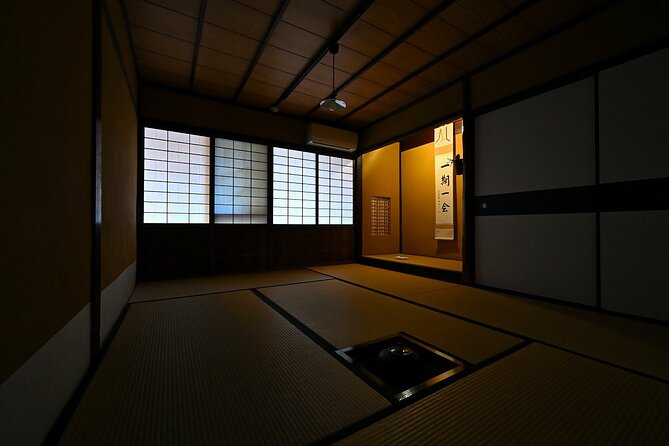
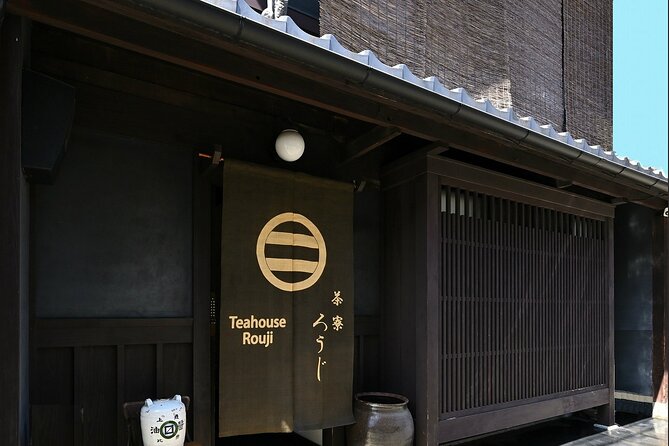
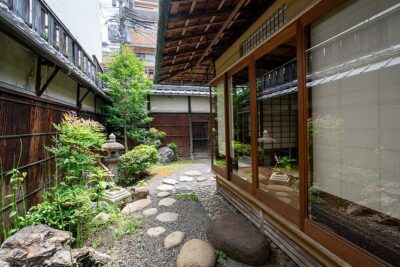
The experience begins at 22-26 Nishinokyō Ikenouchichō in Nakagyo Ward. You enter the tea room from the garden, which gives the arrival a quiet sense of occasion. It is a small detail, but it matters. Instead of walking straight into a modern classroom or hotel lounge, you pass from the street into an older Kyoto home and then into the world of tea.
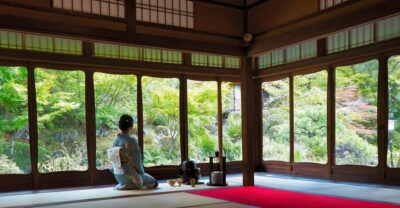
The townhouse is about 130 years old. That does not turn the activity into a museum visit, but it gives the ceremony a fitting backdrop. Japanese tea culture places value on simplicity, careful movement, and attention to the room itself. An old townhouse helps those ideas make sense.
The location is near public transportation, though the supplied information does not name a specific station or give walking directions. You should use the exact address and mobile ticket when planning your arrival. Since one scheduling dispute caused a serious problem for a participant, I would arrive with time to spare and check your confirmation carefully before setting out.
The group limit is 10 people. That is small enough for questions and individual guidance, though the atmosphere will depend on how many people book your time. A group of three or four can feel almost private. A full group of 10 will be more structured, but still far smaller than a large sightseeing tour.
More Tea Ceremonies in Kyoto
- Kyoto: Tea Ceremony in a Traditional Tea House in Kiyomizu
★ 4.9 · 3,519 reviews - Kyoto: Tea Ceremony Ju-An at Jotokuji Temple
★ 4.9 · 3,207 reviews - Kyoto: 45-Minute Tea Ceremony Lesson Experience
★ 4.3 · 2,378 reviews
Watching the Tea Ceremony Demonstration
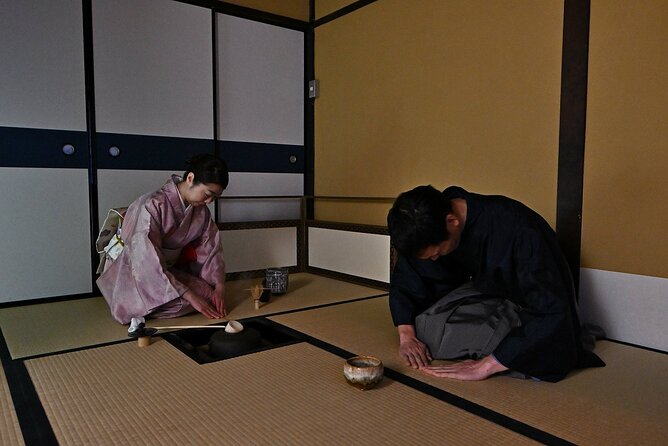
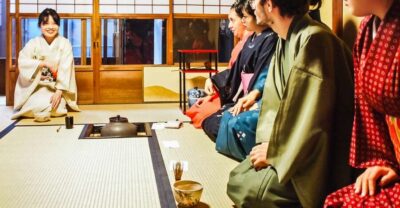
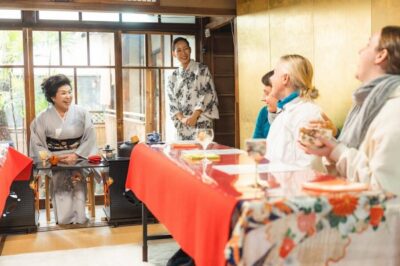
Once seated, you first watch the host demonstrate the ceremony. The purpose is not simply to show you how to mix powdered green tea. You are introduced to the gestures, order, and manners that give the ceremony its meaning.
The host explains the history and culture of tea ceremony, along with how to appreciate and drink matcha. You learn where to focus your attention, how the tea is approached, and why the accompanying sweet is part of the experience rather than just a snack.
The explanations are a major part of the value here. Several descriptions of the activity praise the host’s careful instruction, good English, and willingness to answer questions. Kaori is described as calm, kind, funny, and patient. Those qualities are useful in a ceremony that can otherwise feel formal or intimidating.
You do not need prior knowledge of Japanese customs. The activity is designed for beginners, and the instruction is detailed enough to guide you through the process. I would treat it as an introduction rather than a full education in chanoyu, the formal Japanese tea ceremony tradition. In less than an hour, you can understand the basic structure and try the central skill, but you will not become a tea master in one sitting.
That modest scope is actually a strength for many people. If you want a first taste of tea culture without giving up half a day, the format is efficient.
Wasanbon Sweets and Kyoto Tea
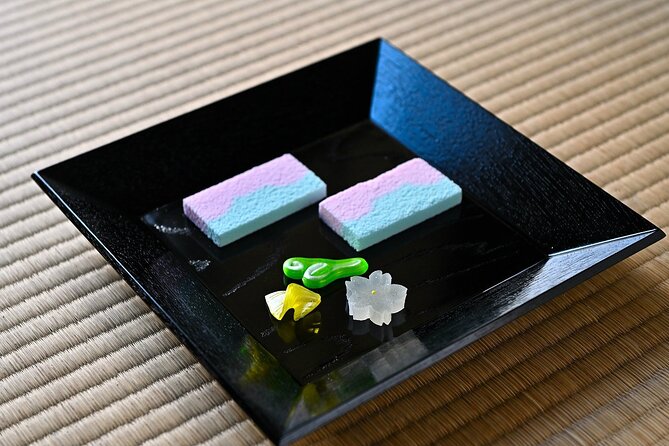
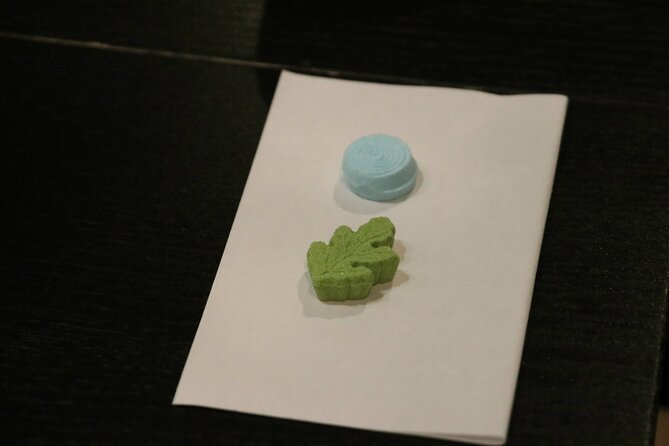
The sweets served during the demonstration are dried Japanese confections from Shioyoshi-ken, a long-established Kyoto shop. They are made with wasanbon, a refined type of Japanese sugar traditionally associated with wagashi and tea service.
Expect a small serving rather than a dessert course. The portions are described as two tiny sweets by one disappointed participant, while the activity description refers to a cookie or candy. The exact item may vary, but the purpose is clear: the sweetness prepares your palate for the bitter, grassy taste of matcha.
This is also where expectations matter. If you are looking for a large serving of food or a tasting menu, this is not that experience. The sweets are a traditional accompaniment, not a meal. Some people will enjoy the restraint and the connection to Japanese confectionery. Others may find the portions too small for the price.
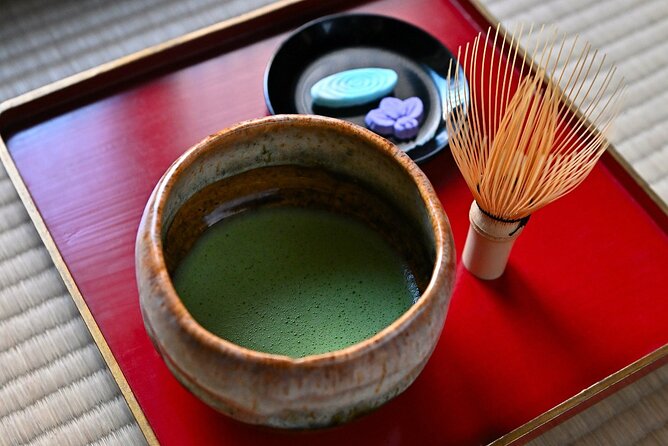
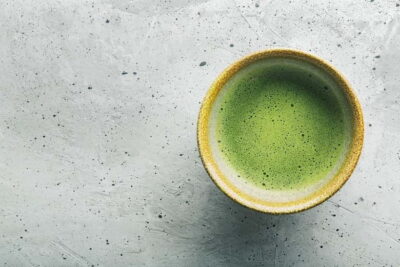
The matcha comes from a historic Kyoto shop. Again, the focus is quality and tradition rather than quantity. You receive a bowl of tea and the chance to prepare your own. The taste of matcha can surprise first-time drinkers. It is not sweet green tea, and the powdered leaves create a fuller, more intense drink than an ordinary tea bag.
Making Your Own Matcha
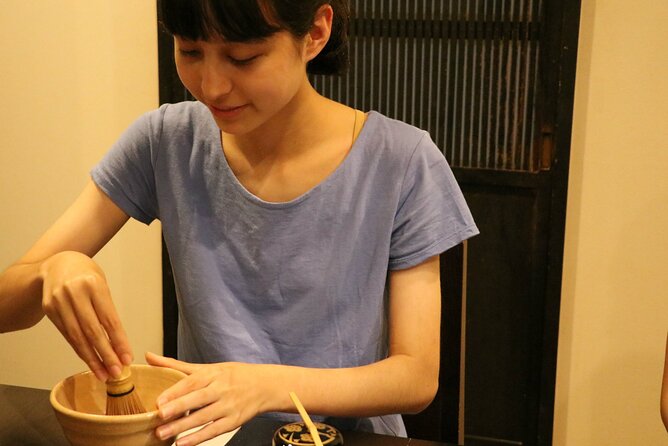
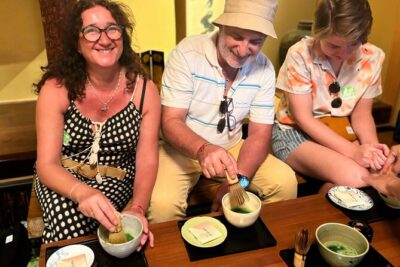
After watching the demonstration, you prepare matcha yourself. This is the most practical part of the activity and one of its strongest features. You are not left simply observing a ritual from the edge of the room.
The host gives detailed instructions, making the process suitable for beginners. You learn how to handle the tea utensils, combine the powder and hot water, and whisk the tea. The pace allows you to follow along rather than guess at each step.
The finished cup may not look perfect on your first attempt. That is part of the fun. The point is to understand the basic method and leave with enough confidence to repeat it at home. The activity also explains how to enjoy matcha without traditional tea utensils, which is useful if you like the taste but do not plan to buy a complete tea set.
One particularly practical benefit is that you can take the knowledge home. You might buy a matcha whisk afterward, as one participant did, but the instruction is intended to work even if you do not have formal equipment. That makes this more useful than a purely theatrical ceremony.
You also learn how to serve and drink matcha properly. These small details can make a later visit to a tea house or Japanese confectionery shop more enjoyable. You will recognize the relationship between the sweet, the tea, the bowl, and the movements involved.
A completely different kind of day out:
- PERFECT KYOTO 1-Day Bus Tour
★ 5.0 · 13,518 reviews - [Kyoto & Nara Day Tour] Sagano Scenic Railway & Nara Park & Fushimi Inari Taisha Thousand Torii Gates & Togetsukyo Bridge & Bamboo Grove & Kimono Forest (Departing from Osaka)
★ 4.9 · 10,942 reviews - Kyoto: Fushimi Inari, Kinkakuji, Bamboo Grove 1 Day Bus Tour
★ 4.8 · 4,316 reviews - Kyoto: Gion Make Your Own Chopsticks with Engraving Option
★ 5.0 · 3,465 reviews
The Host Makes the Difference
A good tea ceremony needs more than a beautiful room. It needs someone who can explain a formal tradition without making you feel awkward for not knowing the rules.
Kaori receives especially strong praise for creating a welcoming atmosphere. Her English is described as excellent, and her teaching style as patient and clear. Families, couples, and small groups have found the experience easy to follow. That is important if your group includes children or first-time visitors who might otherwise worry about making a mistake.
The host has been described as wearing a kimono during the ceremony. However, participant kimono rental or dressing is not listed as part of the activity. Do not book this expecting to put on formal clothing yourself.
The mood is quiet and personal. This is not a loud performance with a long scripted commentary. You watch, listen, ask questions, and then try the tea-making process. If you enjoy learning through conversation and demonstration, the format should suit you well.
If you want a grand, highly formal tea ceremony with elaborate seasonal decorations, multiple courses, or a long presentation, you may find this too simple. The strength here is the personal introduction.
Sitting Comfortably in the Tea Room
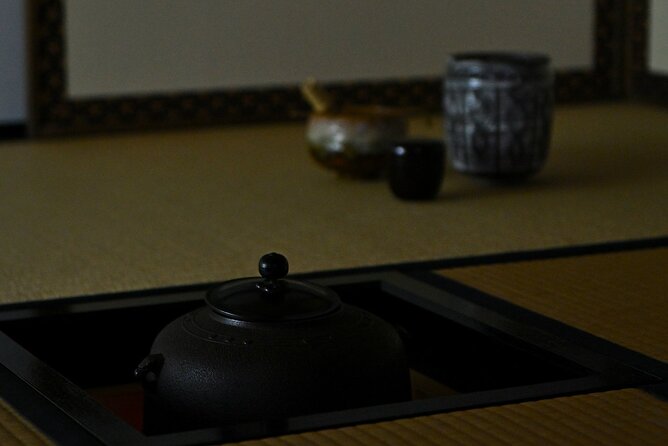
Traditional tea ceremony can involve sitting on the floor in a formal position. The activity is not ideal for everyone with knee or hip problems, but a stool is available if needed.
I would contact the provider before booking if you have serious mobility concerns. The information confirms that a stool can be provided, but it does not promise a fully accessible seating arrangement or describe step-free access. The tea room is in an old townhouse, so you should ask about any specific physical requirements that matter to you.
For most people, the short duration helps. At approximately 45 minutes, you are not committing to a long period of uncomfortable sitting. Some descriptions place the total experience closer to an hour, so allow a little extra time rather than planning your next appointment immediately afterward.
This is also a good reason to avoid rushing in from another attraction. The ceremony works best when you can slow down and pay attention. Arrive early enough to settle yourself, especially if your knees make floor seating difficult.
Is $39.63 a Fair Price?
The listed price is $39.63 per person. That is not a bargain-basement cultural activity, but the price includes more than a cup of green tea. You are paying for access to an old Kyoto townhouse, an instructor-led ceremony, traditional sweets, matcha, and a hands-on preparation lesson.
The value depends on what you want. If you mainly want to taste matcha, the price may feel high. You can find green tea in many places for much less. If you want context, instruction, and a chance to take part in the process, the cost is easier to justify.
The experience also saves time. A 45-minute introduction can fit between temple visits, shopping, and dinner. You do not need to dedicate an entire morning or afternoon to it. For a first visit to Japan, that compact format may be more useful than a longer ceremony conducted entirely in Japanese or aimed at people with prior knowledge.
Still, you should keep the limits in mind. The sweets are small, the ceremony is short, and the experience does not include a kimono for you. I would book it for the setting and instruction, not for a large meal, a photo session, or a lengthy formal performance.
Who Will Enjoy This Kyoto Experience?
I would recommend this tea ceremony to first-time visitors who want a clear introduction to an important Japanese tradition. It also suits people who enjoy practical activities. Making your own matcha gives the session a purpose beyond sitting quietly and watching.
Families can fit comfortably into the format, especially because the time commitment is manageable. Couples and small groups may appreciate the calm atmosphere and personal attention. The maximum group size of 10 keeps the activity from feeling like a large lecture.
It is also a good choice if you are curious about Japanese sweets, tea etiquette, or the connection between Zen ideas and tea practice. You do not need to be a serious tea enthusiast. In fact, beginners are likely to gain the most from the explanation.
I would think twice if you dislike bitter tea, have major difficulty with traditional seating, or expect a long ceremony with elaborate production. I would also compare the price with your other Kyoto plans if your schedule is tight. The activity is short, but it still takes travel time and planning.
Practical Booking Advice for Kyoto
You receive a mobile ticket, and confirmation is sent within 48 hours, subject to availability. Because confirmation may take time, do not assume that an unconfirmed request is final. Check your email and make sure the date and time are correct.
The meeting point and return point are the same: 22-26 Nishinokyō Ikenouchichō, Nakagyo Ward, Kyoto, 604-8375, Japan. The activity ends back there, so it is easy to continue with your Kyoto plans from the same neighborhood.
Free cancellation applies when you cancel at least 24 hours before the start time. Cancellations made less than 24 hours before the experience are not refunded, and late changes are not accepted. The cut-off follows Kyoto local time.
A minimum number of participants is required. If the provider cancels because that minimum is not met, you will be offered another date or experience, or receive a full refund. Given the scheduling problem described by one participant, I would keep all confirmation messages and contact the booking platform promptly if anything looks unclear.
Should You Book This Tea Ceremony?
Book it if you want a short, friendly, hands-on introduction to matcha in an old Kyoto home. The 130-year-old townhouse, garden entrance, traditional sweets, and patient English instruction give the activity a strong sense of place.
The best reason to choose it is the balance between watching and doing. You learn what the ceremony means, see the host demonstrate it, then prepare your own tea. That makes the experience useful after you leave Kyoto.
Skip it if $39.63 feels too high for 45 minutes, or if you want a full formal ceremony with elaborate food and costumes. For the right visitor, though, this is a thoughtful and manageable way to add traditional Japanese culture to a busy Kyoto itinerary.
FAQ
How long does the tea ceremony last?
The advertised duration is approximately 45 minutes. Some descriptions of the experience place it closer to one hour, so allow a little extra time in your schedule.
Where does the experience take place?
It takes place in an authentic tea room inside a 130-year-old Kyoto townhouse at 22-26 Nishinokyō Ikenouchichō, Nakagyo Ward, Kyoto, 604-8375, Japan.
Where does the activity end?
The experience ends back at the meeting point.
Is the experience suitable for beginners?
Yes. The host provides detailed instructions on making matcha, appreciating and drinking it, and enjoying tea without traditional utensils at home.
Do I get to make my own matcha?
Yes. You first watch a demonstration and then prepare your own matcha with instruction from the host.
Are sweets included?
Yes. You receive dried Japanese sweets from the Kyoto confectionery shop Shioyoshi-ken, along with matcha from a historic Kyoto shop.
Is a kimono included?
No participant kimono is listed as included. The host has been described as wearing a kimono, but dressing participants is not part of the stated activity.
Can I cancel for a full refund?
You can cancel for a full refund if you cancel at least 24 hours before the experience start time. Cancellations and changes made less than 24 hours in advance are not accepted for a refund.
Just added in Kyoto
- The “Golden Route” and Ancient Japan by DIAMIR Erlebnisreisen – 14-Day Tour★ 2.0 · 2 reviews
- Japan: Castles & Cuisine by G Adventures – 6-Day Kyoto to Osaka Tour★ 4.5 · 4 reviews
- Cycle Japan by Explore! – 13-Day Kyoto to Tokyo Tour★ 4.7 · 12 reviews
- Cycle Japan by Intrepid Travel – 11-Day Kyoto to Tokyo Tour★ 4.8 · 2 reviews
- Classic Japan by Intrepid Travel – 11-Day Kyoto to Tokyo Tour★ 4.4 · 14 reviews
- Ancient & Modern Japan 14-Day Tour by Exodus Adventure Travels★ 4.4 · 40 reviews
- 5 Day Cultural Adventure of Kyoto, Nara & Osaka by Tourist Journey★ 2.5 · 2 reviews
- 12 Days Kinosaki Onsen Escape: A Journey Through Japan’s Timeless Towns by UME Travel★ 4.8 · 5 reviews
Tea Ceremonies, compared.
Tea Ceremony in a Traditional Tea House in Kiyomizu
Read our review →
World Heritage Kyoto & Nara Uji Authentic Matcha Experience
Read our review →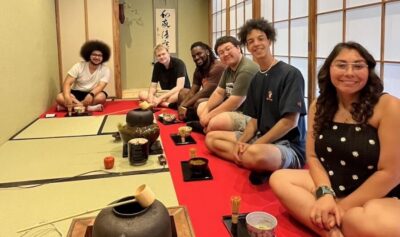
Browse the lists this tour appears in