
Reviewed · DINING EXPERIENCES
Experience all of Japanese culture and Japanese food experience classes “origami, udon, Japanese food, green tea, calligraphy” in 4 hours
Four hours, five Japanese traditions, one welcoming home. This private Tokyo experience brings you into Taka and Keiko’s house near JR Omori Station for origami, udon making, sushi, gyoza, tempura, matcha, and calligraphy. I especially like the hands-on cooking, since you make udon from its ingredients and prepare the main meal yourself. I also like the personal welcome, including a walk through a quiet neighborhood and a name written in Japanese calligraphy as a keepsake.
The main consideration is pace. There is a lot to cover in four hours, and this is more about sharing food and customs than mastering a recipe. The open drinks policy, including sake, beer, shochu, and soft drinks, adds value, but guests who do not drink alcohol should think of it as a social extra rather than a reason to book.
In This Review
- Five reasons this Tokyo home experience is special
- Meeting Taka and Keiko near JR Omori Station
- Folding a paper crane before lunch
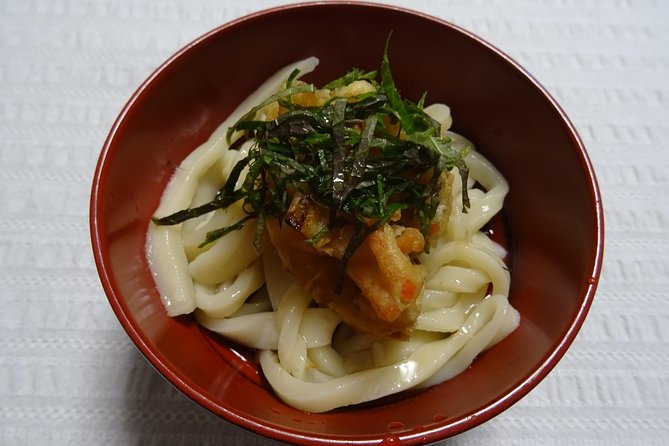
- Making udon by hand, including the famous dough step
- Preparing sushi, gyoza, tempura, and Japanese small plates
- Matcha and Japanese sweets slow the pace
- Keiko’s calligraphy souvenir
- Why the personal welcome matters
- Is $92.50 a fair Tokyo price?
- Who will enjoy this four-hour experience most?
- Practical details before you book
- Should you book homecoming TAKA?
- FAQ
- Where does the experience begin?
- How far is the hosts’ home from JR Omori Station?
- How long does the experience last?
- Is this a private activity?
- What food do you make?
- Are drinks included?
- Is lunch included?
- Can vegetarians and vegans participate?
- What souvenir do you receive?
- Is transportation included?
- Can you cancel for a full refund?
Five reasons this Tokyo home experience is special
- You walk from JR Omori Station through a quiet residential area and pass a shrine before reaching the hosts’ home.
- You make udon from scratch, including stepping on the dough mixture as part of the traditional process.
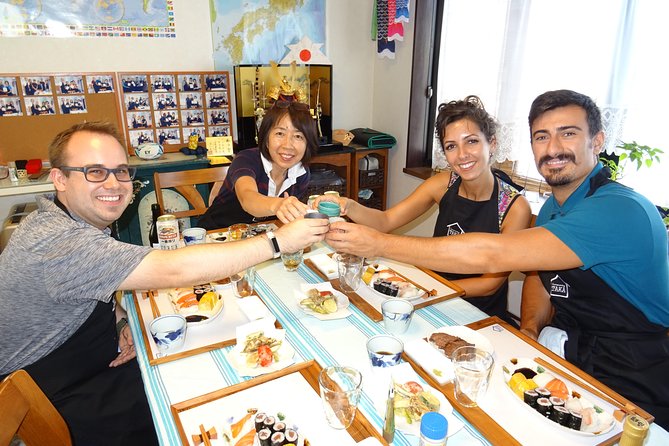
- Lunch combines sushi, gyoza, tempura, and Japanese small plates prepared with Taka and Keiko.
- Matcha and local Japanese sweets provide a calm finish after the meal.
- Keiko writes your name in calligraphy on colored paper, giving you a personal souvenir.
- Vegetarian and vegan versions are available with different ingredients.
Meeting Taka and Keiko near JR Omori Station
Your morning begins at 10:30 am at the central exit of JR Omori Station. Look for a person carrying a bag marked with the homecoming TAKA logo. From the station, you walk about eight minutes to the house.
That short walk matters. You do not simply appear at a cooking studio in a commercial part of Tokyo. You pass a shrine and move through a quiet residential neighborhood, which gives you a small look at everyday surroundings in Ota City. It is a gentle start, especially if this is your first activity in Tokyo and you want to get your bearings fast.
Taka and Keiko lead the experience in their own home. Their hospitality is the heart of the morning. Again and again, they greet people as friends and talk about staying in touch after the visit. That warmth can make the activity feel closer to a family gathering than a formal class.
The setting also means you should expect a personal home environment, not a large teaching kitchen. The activity is private, so only your group participates. That makes it easier to ask questions, work at your own pace, and share conversation with the hosts.
A few more options to weigh up in Tokyo
- Tokyo Bar Hopping Tour in Shinjuku (All-You-Can-Drink + Dinner)
★ 5.0 · 3,587 reviews - Tokyo: Sumo Show and Dining Experience
★ 4.8 · 2,742 reviews - Sumida River: Japanese Traditional Yakatabune Dinner Cruise
★ 4.6 · 779 reviews
Folding a paper crane before lunch
Origami comes first, with a paper crane as the project. This is a smart opening activity because it is simple in materials but not always simple in practice. You get your hands busy while Taka and Keiko explain the day.
The crane also gives the morning a traditional Japanese touch without demanding cooking skills right away. Children can take part, and adults who have never tried origami will have a clear project to complete. One useful point from the experience is that the activities suit a wide age range. Families with children as young as seven and eight have enjoyed the session, while solo participants and older couples have also found it rewarding.
Do not expect a long art lesson. The crane is one part of a packed program. Think of it as a relaxed introduction to Japanese craft and a chance to start talking with the hosts.
Making udon by hand, including the famous dough step
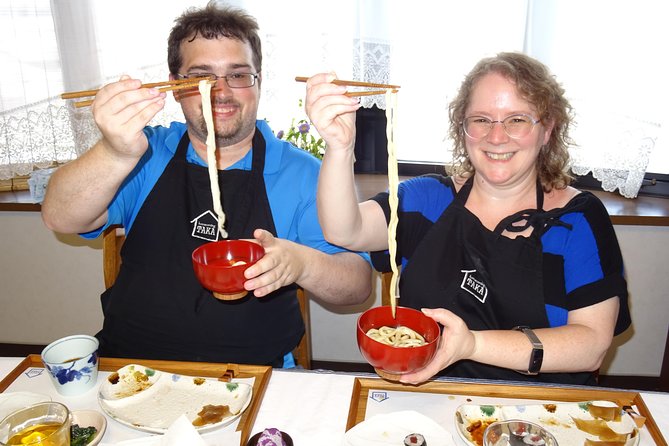
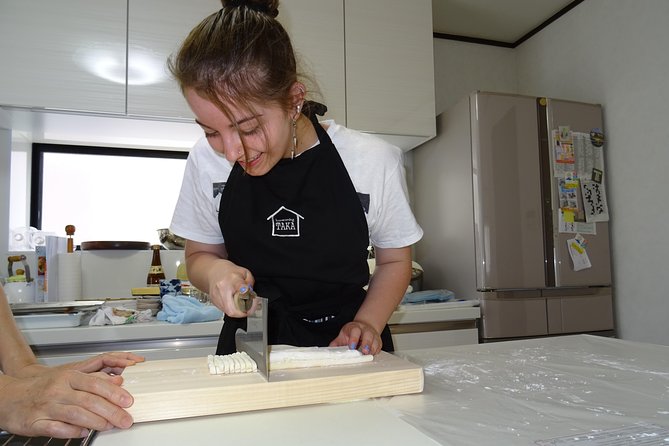
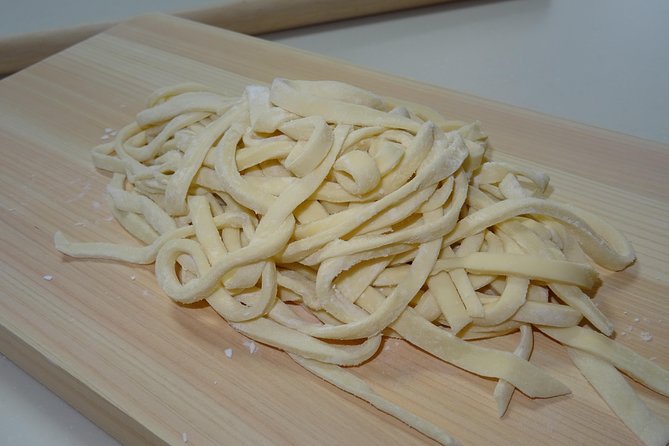
The udon lesson is one of the most memorable parts of the morning. You begin with the ingredients and follow the dough through to the finished noodles. The process includes stepping on the mixture, an unusual but traditional-feeling part of the preparation that children often enjoy.
This is the kind of food activity that helps you understand texture. You are not only watching someone boil noodles in a pot. You handle the dough, see how it changes, and take part in the work needed before the noodles reach the bowl.
The lesson is also practical. Several people have gone home eager to make the recipes again, and one family even prepared sushi after returning home and sent photos to Taka and Keiko. You may not leave with a printed cookbook, since none is promised, but the memory of making the dough can help you remember the method.
Allow yourself to make a mess. An apron is included, so you do not need to bring special clothing. The experience is designed around participation, not polished restaurant presentation.
Preparing sushi, gyoza, tempura, and Japanese small plates
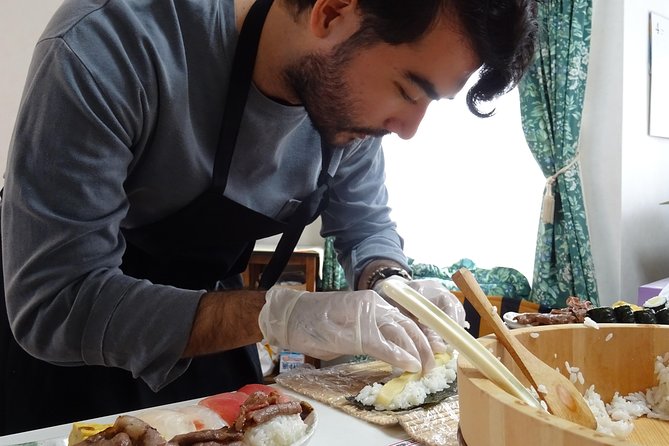
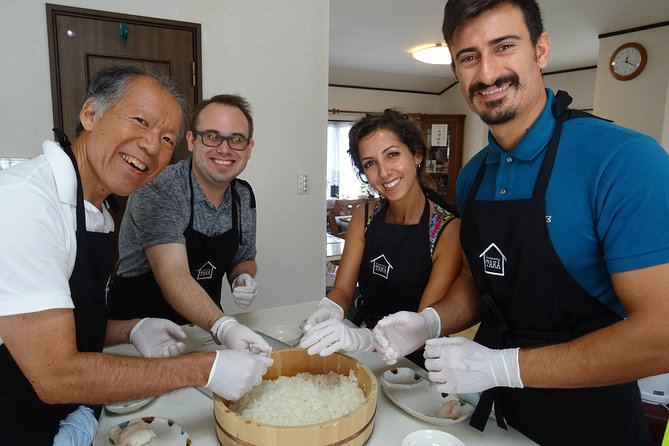
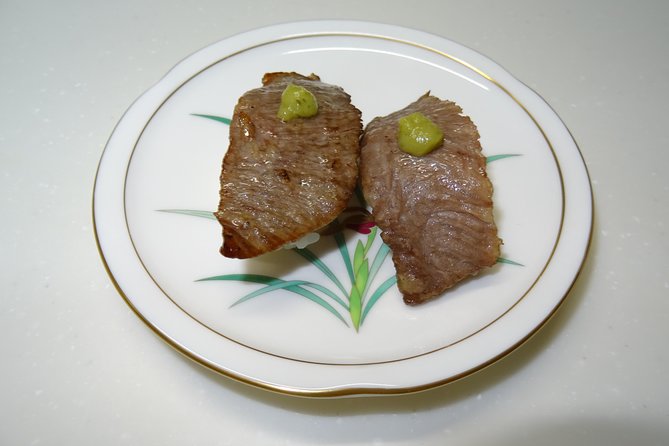
The main meal brings several cooking styles together. You work with Taka and Keiko to make sushi and gyoza, while tempura is also part of the food experience. Keiko serves additional Japanese small plates, giving the meal more variety than a single dish prepared in isolation.
This is where the price begins to make sense. For $92.50 per person, you are not paying only for lunch. You receive a four-hour private activity that combines instruction, food, drinks, craft, conversation, and a souvenir. In central Tokyo, a meal alone can take a fair part of that amount, while this experience gives you several hours of guided participation.
The cooking is collaborative. You should expect to prepare food with your hosts rather than receive a highly technical chef’s course. That is a strength if you want to learn by doing and eat what you helped create. It may be less suitable if you want advanced knife skills, detailed culinary theory, or a formal lesson focused on one regional dish.
The ingredients and drinks are described as Japanese-made. Beer, sake, shochu, and soft drinks are included at no extra charge. Alcohol can make the meal more festive, but you can simply choose soft drinks if you prefer not to drink.
The meal is also a chance to talk. Many people value the conversation as much as the cooking, since Taka and Keiko share information about Japan while learning about the people at their table. If you enjoy cultural exchange, this part may become the real highlight.
A completely different kind of day out:
- Tokyo Disney Resort – Tokyo Disneyland & Tokyo DisneySea Park Tickets
★ 4.8 · 99,488 reviews - SHIBUYA SKY Ticket
★ 4.7 · 46,509 reviews - JR Whole Japan Rail Pass
★ 4.8 · 29,150 reviews - Mt Fuji and Hakone 1-Day Bus Tour Return by Bullet Train
★ 5.0 · 26,383 reviews
Matcha and Japanese sweets slow the pace
After the meal, you prepare matcha together and taste it with local Japanese sweets. The timing works well. After several active tasks and a substantial lunch, the tea portion gives the morning a quieter rhythm.
Matcha has a sharp, distinctive flavor, and the sweets provide a traditional counterpoint. You are not just ordering tea at a café. You take part in preparing it, which gives you a better sense of the care built into a familiar Japanese custom.
This section may appeal most to anyone who wants more than food sampling. It connects the meal to Japanese hospitality and everyday ceremony without turning the morning into a stiff performance. Taka and Keiko keep the mood friendly and conversational.
Keiko’s calligraphy souvenir
The final activity is a personal one. Keiko writes each visitor’s name in calligraphy on colored paper, which you take home. It is a small souvenir, but a useful one because it connects directly to your visit and is made during the session.
The souvenir also gives you something more distinctive than a standard Tokyo gift. You do not need to shop for it, carry it through the city all day, or wonder where it came from. It is part of the time spent with the hosts.
Calligraphy is not presented as a long formal class. Instead, it acts as a graceful closing activity after the cooking and tea. You can watch your name take shape and leave with a keepsake that recalls the people who welcomed you.
Why the personal welcome matters
Taka and Keiko’s friendliness receives the strongest praise. Their replies to visitors often refer to them as friends or family, and that reflects the tone described throughout the experience. Taka meets you at the station, guides you to the house, and sends you back afterward, according to several accounts of the activity.
That personal care is especially helpful in a home-based setting. You are not left to find an unfamiliar residence alone. The station meeting point is clear, and the logo bag makes the first meeting easier.
The social side suits people who enjoy conversation. Several solo participants found it easy to connect with the hosts and the people in their group. Families also appreciated that the children were included in the activities rather than expected to sit quietly through an adult lecture.
The atmosphere is not for everyone. If you prefer to keep your distance from hosts, avoid personal conversation, or move independently through a cooking class, this may feel unusually intimate. The repeated emphasis on friendship is sincere, but it means the experience is social by design.
Is $92.50 a fair Tokyo price?
I consider $92.50 reasonable for what is included. The session lasts about four hours and covers lunch, an apron, origami materials, the calligraphy souvenir, and alcoholic and nonalcoholic drinks. You also receive private participation with your own group.
The value is strongest for people who would otherwise book separate activities. A food class, tea session, craft workshop, and cultural talk could easily take up more time and cost more when booked separately. Here, the elements are tied together by two hosts and one meal.
The value is weaker if you mainly want a cheap lunch. You are paying for hospitality and activities, not simply for a plate of sushi. You should also note that transfers are not included, although the meeting point is at JR Omori Station and the walk to the house is short.
The experience is often booked well ahead, with an average booking time of 107 days. That is a useful warning for a carefully planned Tokyo trip. If you want a particular date, reserve early rather than waiting until the week of your visit.
Free cancellation is available when you cancel at least 24 hours before the 10:30 am start. Changes or cancellations inside that window are not accepted for a refund.
Who will enjoy this four-hour experience most?
I would recommend it most strongly to families, couples, solo visitors, and small groups who want a personal introduction to Japanese food and customs. Children have enjoyed the origami and udon work, while adults can focus on the food, tea, calligraphy, and conversation.
Vegetarians and vegans can take part because different ingredients can be used for all dishes. Still, you should communicate your dietary needs when booking so the hosts can prepare properly.
This is also a good choice for anyone who has already seen Tokyo’s major sights and wants time with local hosts. It takes place away from the main sightseeing circuit, yet it remains near public transportation.
I would be more cautious about recommending it to a visitor with a strict schedule. The program is full, and the friendly conversation is part of the appeal. If you need to leave exactly at a certain minute, allow plenty of time after the stated four hours.
Practical details before you book
The meeting point is 1 Chome-6 Omorikita, Ota City, Tokyo 143-0016, Japan, beginning at 10:30 am. The activity ends back at the meeting point after Taka and Keiko send you toward JR Omori Station.
Wear clothes you do not mind wearing during food preparation, although an apron is included. Since the day includes kneading and stepping on udon dough, hands-on work is the rule.
Plan to eat lunch during the session. Sushi, gyoza, tempura, and small Japanese plates are part of the meal, and drinks are supplied. If you have dietary restrictions, state them ahead of time.
The activity is confirmed at booking, takes place near public transportation, and is private to your group. Its five-star rating from 105 ratings and 100 percent recommendation are strong signs of consistent satisfaction, especially for the hospitality and personal attention.
Should you book homecoming TAKA?
Book this experience if you want to cook, talk, eat, and learn in a Japanese home rather than move through a standard sightseeing program. The combination of handmade udon, sushi, gyoza, tempura, matcha, origami, and calligraphy gives you plenty to do, while Taka and Keiko provide the human connection that ties it together.
Skip it if you want a short, highly technical cooking class or a quiet meal with little conversation. For most people seeking a warm and personal Tokyo memory, $92.50 is a fair price for four hours of food, culture, drinks, and genuine hospitality.
FAQ
Where does the experience begin?
It begins at the central exit of JR Omori Station in Tokyo at 10:30 am. Look for someone carrying a bag with the homecoming TAKA logo.
How far is the hosts’ home from JR Omori Station?
The home is about an eight-minute walk from the station. The route passes a shrine and goes through a quiet residential area.
How long does the experience last?
The experience lasts approximately four hours.
Is this a private activity?
Yes. Only your group participates in the activity.
What food do you make?
You make handmade udon, sushi, and gyoza. Tempura and Japanese small plates are also part of the meal.
Are drinks included?
Yes. Sake, beer, shochu, and soft drinks are included.
Is lunch included?
Yes. Lunch is included in the price.
Can vegetarians and vegans participate?
Yes. Vegetarians and vegans can enjoy the dishes with different ingredients.
What souvenir do you receive?
Keiko writes your name in calligraphy on colored paper, which you can take home.
Is transportation included?
Transfer service is not included. You are responsible for reaching the meeting point at JR Omori Station.
Can you cancel for a full refund?
Yes, if you cancel at least 24 hours before the experience start time. Cancellations or changes made less than 24 hours before the start are not accepted for a refund.
Just added in Tokyo
- Japanese Home Cooking Class & Walk in Todoroki Temple Tokyo★ 5.0 · 88 reviews
- A One-of-a-Kind Sushi Experience in a Special Place of Japan★ 5.0 · 15 reviews
- Tokyo Cute Bento Cooking Class – Make a Kawaii Character Lunchbox★ 5.0 · 126 reviews
- Japan Tokyo Tower Observatory Deck E-Ticket★ 4.0 · 34 reviews
- Catch a Baseball Game in Tokyo with a Local – Tickets Included★ 5.0 · 24 reviews
- JDM Experience with Fast&Furious RX-7 (English speaking Driver)★ 5.0 · 57 reviews
- Tokyo Private Day Tour by Car with English speaking Driver Guide★ 4.0 · 29 reviews
- Japan Classic 10 Day – One Life Adventures★ 5.0 · 129 reviews
Dining Experiences, compared.
Tokyo Bar Hopping Tour in Shinjuku (All-You-Can-Drink + Dinner)
Read our review →

Deep Backstreet Osaka Tours (Option to add Dinner)
Read our review →
Deep Backstreets Walking Tour with Dinner Option
Read our review →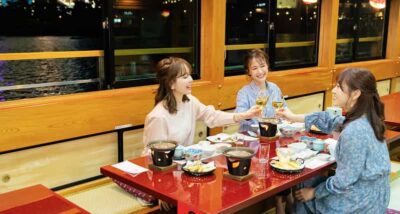
Sumida River: Japanese Traditional Yakatabune Dinner Cruise
Read our review →
Kyoto Gion Cultural Walk & Geisha Show with Dining Options
Read our review →Kyoto Gion Cultural Walk & Geisha Show with Dining Options
Read our review →Browse the lists this tour appears in