
Reviewed · WORKSHOPS
Fish Cutting workshop in Kyoto Japan
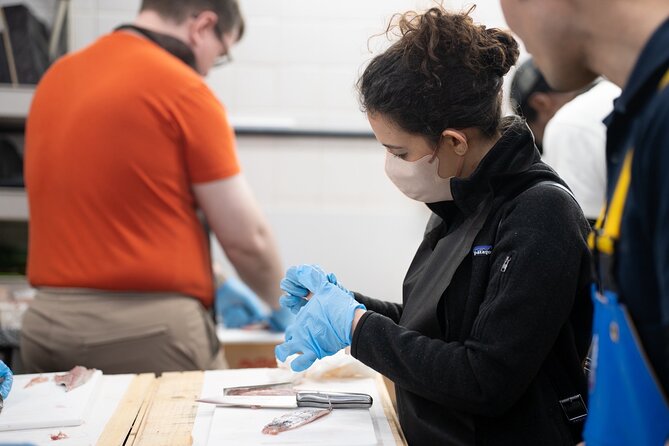
Cut your own sashimi in Kyoto. This hands-on workshop takes place at Kimura Fresh Fish, a fishmonger with a 400-year history, where an instructor teaches you how to handle, fillet, and prepare raw fish. I especially like the small group of no more than six and the fact that you eat the fish you prepare, rather than watching a demonstration and leaving hungry. The workshop also gives you a close look at a traditional Japanese food skill that most sushi meals never reveal.
The main consideration is the knife work. You will handle raw fish and learn to cut it into three pieces, so this is an active class, not a casual tasting. Children under eight are asked not to attend because of the knives, and anyone who dislikes sashimi or feels uneasy handling fish should think carefully before booking.
In This Review
- Key points at a glance
- Why this Kyoto food class is different
- Arriving at Kimura Fresh Fish at 10:00 am
- The first lesson: handling fish before cutting
- Breaking down three fish types into sashimi
- Turning your work into a sashimi lunch
- The small group makes the knife lesson work
- What the $98.53 price includes
- Who should book this experience
- Timing, tickets, and cancellation advice
- Is the fish-cutting workshop worth booking?
- FAQ
- Where does the fish-cutting workshop meet?
- What time does the workshop start?
- How many people can join the class?
- Is lunch included?
- Can children attend?
- Can I cancel for a full refund?
Key points at a glance
- A 400-year-old fishmonger sets the scene: The class takes place at Kimura Fresh Fish in central Kyoto.
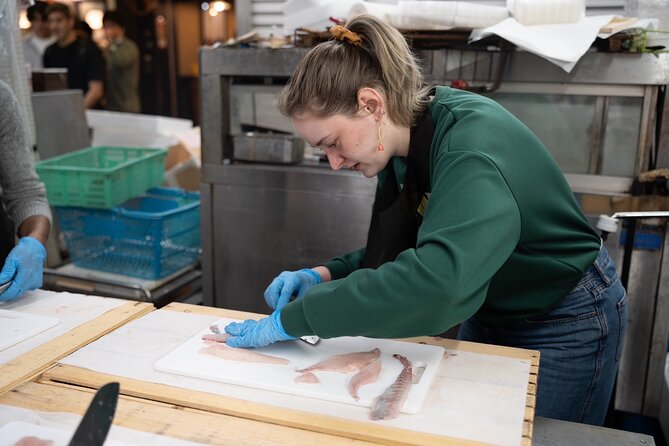
- You do the cutting yourself: The instructor first explains how to handle the fish, then supervises your work closely.
- Three types of fish may be part of the lesson: The experience includes breaking down fish and preparing it for sashimi.
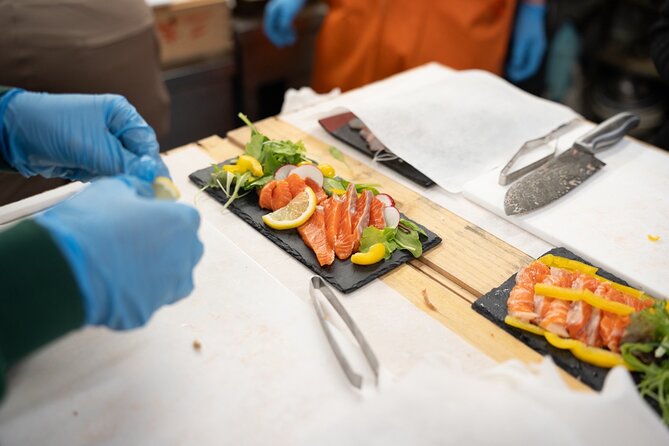
- Your work becomes lunch: The sashimi you prepare is arranged and served for you to eat at the end.
- The group is capped at six people: That leaves room for questions and careful guidance with the knife.
- The workshop takes about two and a half hours: It starts at 10:00 am and ends back at the meeting point.
Why this Kyoto food class is different
Kyoto has no shortage of sushi counters and market snacks. This workshop gives you something those meals cannot: a look at the work behind the plate. You are not simply learning how to arrange slices of fish. You are learning how Japanese fish preparation depends on clean handling, controlled cuts, and respect for the ingredient.
That makes the setting important. Kimura Fresh Fish is not just a classroom rented for the occasion. It is a fish shop with a 400-year history, located at 483 Nakauoyacho in Nakagyo Ward. The class gives you a chance to learn inside a working food tradition, with an instructor who has spent more than 20 years in a fish shop.
I like that the lesson is built around doing, not just looking. You receive an explanation first, watch the technique, and then take your turn. The instructor stays close while you work, correcting your cuts and helping you feel comfortable with the process.
The experience also has a friendly social side. The instructors make time for conversation about Kyoto, Japanese food, knives, and food customs. That will appeal to you if you enjoy an informal class as much as the finished meal.
A few more options to weigh up in Kyoto
- PERFECT KYOTO 1-Day Bus Tour
★ 5.0 · 13,518 reviews - [Kyoto & Nara Day Tour] Sagano Scenic Railway & Nara Park & Fushimi Inari Taisha Thousand Torii Gates & Togetsukyo Bridge & Bamboo Grove & Kimono Forest (Departing from Osaka)
★ 4.9 · 10,942 reviews - Kyoto: Fushimi Inari, Kinkakuji, Bamboo Grove 1 Day Bus Tour
★ 4.8 · 4,316 reviews
Arriving at Kimura Fresh Fish at 10:00 am
The workshop begins at 10:00 am at Kimura Fresh Fish, 483 Nakauoyacho, Nakagyo Ward, Kyoto, postal code 604-8125. The location is near public transportation, but private transportation is not included, so you need to make your own way there.
Arrive ready for a practical lesson rather than a polished restaurant visit. You will be working with fish and knives, and the activity lasts about two hours and 30 minutes. Comfortable clothing and a willingness to concentrate will serve you better than dressing for a long lunch.
The mobile ticket makes entry simple. Your booking confirmation is issued at the time of booking, so keep the ticket available on your phone. Since the activity ends at the same place where it starts, you can plan another central Kyoto activity afterward without arranging a separate return transfer.
The start time matters. A 10:00 am class takes up much of the late morning, and the sashimi lunch comes at the end. You should not schedule something that requires you to leave early. With a small class and hands-on instruction, the pace is likely to depend partly on how quickly each person becomes comfortable with the knife.
The first lesson: handling fish before cutting
The instructor does not expect you to arrive with fish-cutting experience. The first step is careful instruction on how to handle the fish, which makes the class more approachable if your kitchen experience is limited.
This early guidance is one of the strongest parts of the experience. Raw fish preparation can seem intimidating, especially when the final goal is sashimi, where the quality of the cut is easy to see. You are shown the process before being asked to repeat it, and the instructor answers questions as they come up.
The class teaches basic Japanese fish-processing techniques. You will learn how the fish is held, where the knife moves, and how the flesh is separated. The focus is not on rushing. The aim is to help you understand the correct motion and produce clean pieces under supervision.
You may also see how the inside of the fish is removed. That offers a more complete lesson than a simple filleting demonstration. You begin to understand that sashimi preparation starts well before the fish reaches the serving plate.
If you enjoy cooking, this part should be especially useful. The class can improve your awareness of knife angle, pressure, and control, even if you do not plan to prepare sashimi at home. The techniques are specialized, but the basic lesson in careful cutting can carry over to other kitchen work.
Breaking down three fish types into sashimi
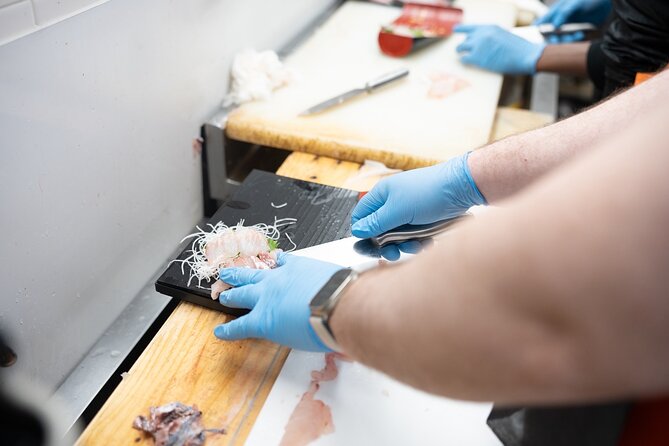
The practical centerpiece is your turn with the fish. You cut the fish into three pieces yourself, while the instructor watches and offers help. The class also involves preparing three different types of fish, giving you a chance to compare how each one feels under the knife.
That variety matters. Fish do not all handle in exactly the same way, so working with more than one type gives you a broader lesson. You can notice differences in texture and learn why the cutting technique needs care from one fish to the next.
This is not a competition. The point is not to create restaurant-perfect slices on your first attempt. The instructor’s close supervision lets you correct mistakes as you go. Several parts of the experience are designed to help beginners feel at ease, including a step-by-step demonstration before you begin.
Still, you should expect some work. If you want a completely relaxed morning with no raw ingredients or knife handling, choose a tasting instead. This workshop asks you to pay attention and participate.
You will also have the chance to ask direct questions about fish. If you are curious about preparation, storage, types of fish, or the logic behind a particular cut, this small setting makes it easier to speak up. With a maximum of six people, you are less likely to be lost at the back of a large demonstration.
A completely different kind of day out:
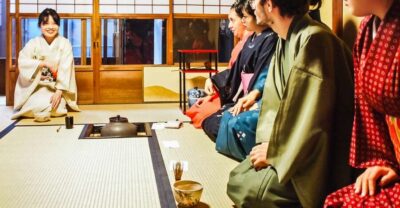
- Kyoto: Tea Ceremony in a Traditional Tea House in Kiyomizu
★ 4.9 · 3,519 reviews - Kyoto: Gion Make Your Own Chopsticks with Engraving Option
★ 5.0 · 3,465 reviews - Kyoto Nara Day Trip │ Kiyomizu-dera Temple + Fushimi Inari-taisha Shrine + Nara Park (Departing from Osaka/Kyoto)
★ 4.7 · 3,408 reviews - Kyoto Geisha Walking Tour: Gion District & Hidden Gems
★ 4.7 · 3,273 reviews
Turning your work into a sashimi lunch
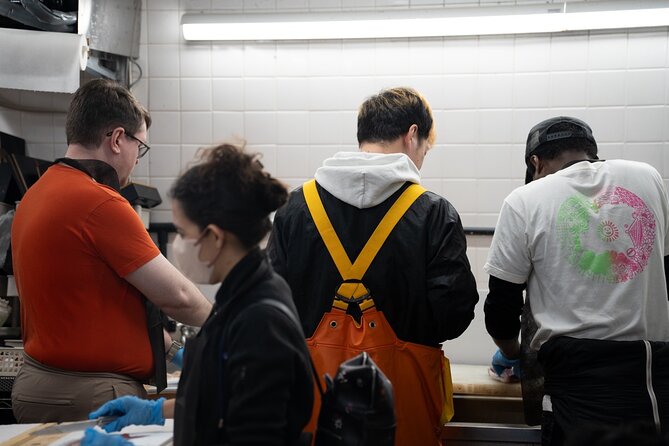
At the end, the fish you processed becomes your lunch. It is arranged and served as sashimi, giving the lesson a satisfying finish. I like this approach because it connects the technique to the meal immediately. You see the result of your own work instead of receiving a separate dish prepared somewhere else.
The lunch is included in the price. You should come hungry, since the experience is designed to end with a proper tasting of the fresh fish you handled. The meal is also a useful chance to examine the slices you made and notice how preparation affects appearance and texture.
The food has a personal quality that a standard restaurant plate cannot match. You have watched the fish being broken down, taken part in the process, and then sat down to eat it. That sequence helps explain why Japanese food culture places such value on clean technique and careful presentation.
The lunch also gives the class a social finish. The instructors make time to talk with participants about their home countries, Kyoto, Japanese food, and knives. If you like meeting people through food, this can be as memorable as the technical lesson.
One practical point: sashimi is the destination of the class, not an optional extra. If you do not eat raw fish, the experience will lose much of its appeal. The lesson may still interest a keen cook, but the final meal is a central part of the value.
The small group makes the knife lesson work
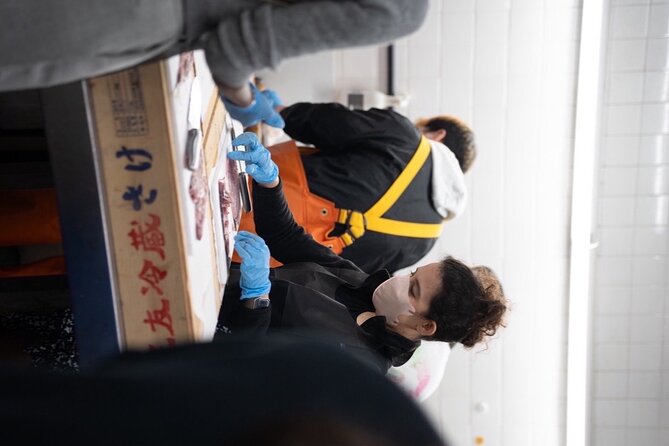
The maximum group size is six. That is a real advantage here, since knife instruction works best when the teacher can see what each person is doing.
You can ask questions without interrupting a large presentation, and the instructor can watch your hand position and cutting motion. The teaching style is described as supportive and interactive, with careful supervision when it is your turn.
The class appears to be run by two instructors in some sessions, which can make the hands-on portion feel less crowded. The exact teaching arrangement may vary, but the experience provider is listed as しおやん. The emphasis is on personal instruction rather than a fixed speech delivered to a large audience.
You should also expect conversation, not just technical instruction. The informal exchange about Kyoto and local recommendations adds warmth to the morning. It may not suit you if you want a silent, highly formal culinary school lesson, but it fits the friendly scale of the activity.
What the $98.53 price includes
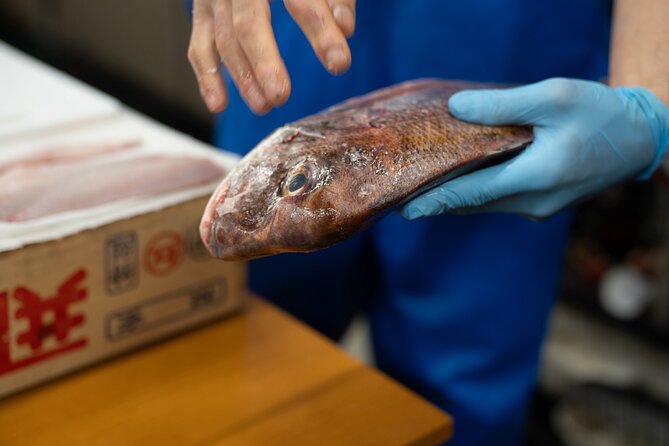
At $98.53 per person, this is more expensive than simply buying sashimi at a market. That comparison is fair, but it misses what you are paying for. The fee includes lunch, instruction from an experienced fishmonger, the use of the class setting, and the chance to prepare the fish yourself.
I see the value most clearly if you enjoy cooking, Japanese food, or hands-on cultural activities. You are getting more than a meal, but less than a full professional culinary course. The class is short enough to fit into a Kyoto itinerary, while still giving you several hours of focused instruction.
The price is harder to justify if your only goal is to eat fresh fish. Kyoto offers easier and cheaper ways to do that. This workshop earns its cost through the access, personal guidance, and unusual subject matter.
The strong satisfaction record supports the value, with a five-star rating and 100 percent recommendation rate based on 16 reviews. That is a small sample, so I would not treat it as proof that every person will love the class. Still, the consistent praise for the friendly instruction, fresh fish, close supervision, and enjoyable lunch points to a clear strength: the experience delivers the combination it promises.
Who should book this experience
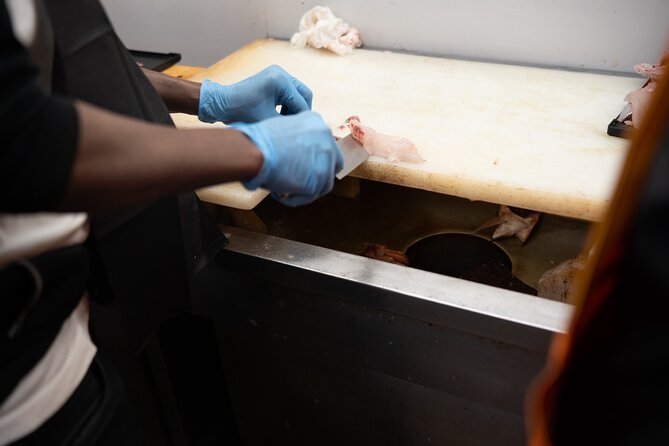
I would recommend this class most strongly to:
- Home cooks who want to improve knife control
- People curious about the work behind sushi and sashimi
- Food-focused visitors looking for something beyond restaurant dining
- Adults who enjoy small, social workshops
- Anyone interested in traditional Japanese fish preparation
- Visitors who are happy to eat raw fish for lunch
You do not need advanced cooking skills. The lesson begins with basic handling and demonstrations, and the instructors are used to helping people who are new to fish preparation.
I would be more cautious if you have a strong aversion to raw fish, fish interiors, or knives. The class is not simply a talk about seafood. You will handle the fish yourself, and the finished meal is sashimi.
Children under eight should not attend because they handle knives. The information provided does not specify other age limits, so older children should still be comfortable following careful safety instructions.
Timing, tickets, and cancellation advice
The class starts at 10:00 am, lasts approximately two hours and 30 minutes, and finishes at the meeting point. It is usually booked about 48 days ahead, which suggests you should reserve early if your Kyoto dates are fixed.
Your confirmation arrives when you book, and the activity uses a mobile ticket. Public transportation is nearby, but private transportation is not provided.
Free cancellation is available if you cancel at least 24 hours before the local start time. Cancellations made less than 24 hours before the experience, along with changes during that period, are not accepted for a refund. That policy is reasonable, but you should check your Kyoto schedule before committing, especially with a morning class that is often reserved well ahead.
Is the fish-cutting workshop worth booking?
Book it if you want to understand Japanese food through your hands, not just your appetite. The 400-year-old fishmonger setting, small group, attentive instruction, and lunch made from your own work create a rare combination in Kyoto.
Skip it if you only want a quick sashimi meal, dislike raw fish, or would rather not use a knife on a whole fish. For cooks and curious food lovers, however, the $98.53 price buys a memorable lesson, a fresh lunch, and a clearer sense of the skill behind a seemingly simple plate of sashimi.
FAQ
Where does the fish-cutting workshop meet?
The class meets at Kimura Fresh Fish, 483 Nakauoyacho, Nakagyo Ward, Kyoto, 604-8125, Japan. It ends back at the same meeting point.
What time does the workshop start?
The workshop starts at 10:00 am and lasts approximately two hours and 30 minutes.
How many people can join the class?
The activity has a maximum of six participants.
Is lunch included?
Yes. Lunch is included, and you eat the sashimi prepared from the fish you handled during the class.
Can children attend?
Children under eight years old should not attend because the activity involves handling knives.
Can I cancel for a full refund?
Yes, if you cancel at least 24 hours before the experience start time. Cancellations or changes made less than 24 hours before the start are not refunded.
Just added in Kyoto
- The “Golden Route” and Ancient Japan by DIAMIR Erlebnisreisen – 14-Day Tour★ 2.0 · 2 reviews
- Japan: Castles & Cuisine by G Adventures – 6-Day Kyoto to Osaka Tour★ 4.5 · 4 reviews
- Cycle Japan by Explore! – 13-Day Kyoto to Tokyo Tour★ 4.7 · 12 reviews
- Cycle Japan by Intrepid Travel – 11-Day Kyoto to Tokyo Tour★ 4.8 · 2 reviews
- Classic Japan by Intrepid Travel – 11-Day Kyoto to Tokyo Tour★ 4.4 · 14 reviews
- Ancient & Modern Japan 14-Day Tour by Exodus Adventure Travels★ 4.4 · 40 reviews
- 5 Day Cultural Adventure of Kyoto, Nara & Osaka by Tourist Journey★ 2.5 · 2 reviews
- 12 Days Kinosaki Onsen Escape: A Journey Through Japan’s Timeless Towns by UME Travel★ 4.8 · 5 reviews
Workshops, compared.
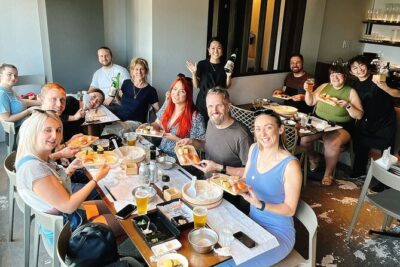
Sushi Making Tokyo Roll and Authentic Japanese Sushi Class
Read our review →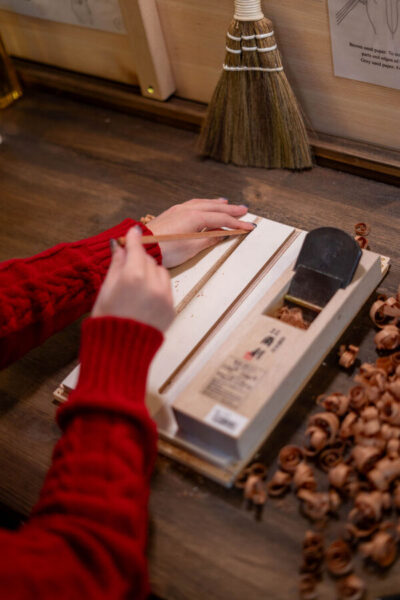
Gion Make Your Own Chopsticks with Engraving Option
Read our review →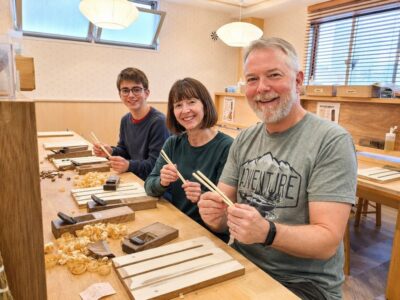
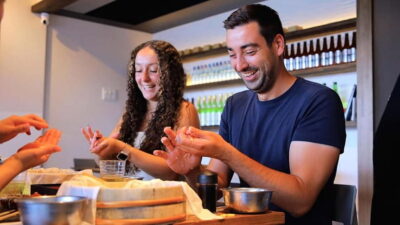
Roll and Authentic Sushi Making Class in Asakusa
Read our review →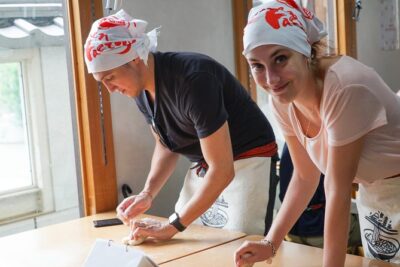
Ramen Cooking Class at Ramen Factory in Kyoto
Read our review →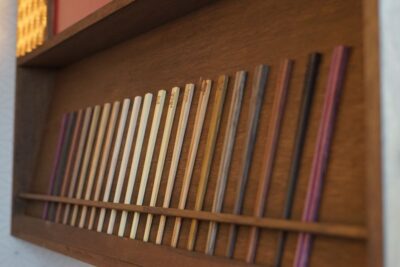
Tokyo Asakusa Chopsticks Workshop: Make Your Own Pair
Read our review →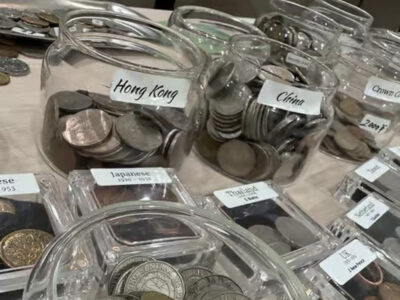
Ring Making Workshop : Vintage Japanese Coin Ring
Read our review →Browse the lists this tour appears in