
Reviewed · WORKSHOPS
Itajime Shibori Scarf Class
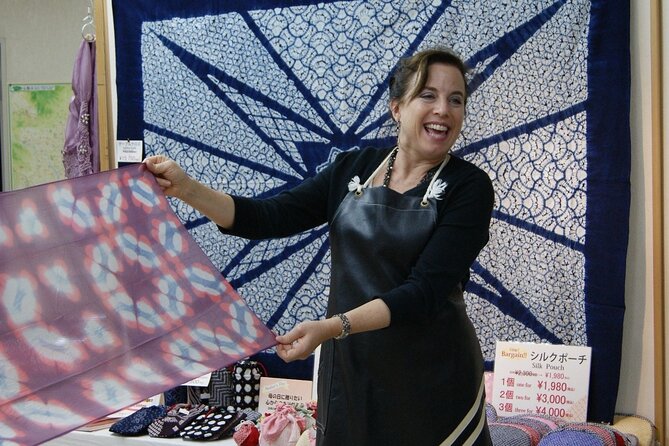
Make something beautiful in under an hour. The Itajime Shibori Scarf Class at Kyoto Shibori Museum gives you a hands-on introduction to one of Japan’s oldest dyeing methods, with a finished scarf to take home. You choose Japanese fabric, arrange it with traditional tools, and work with a friendly instructor through the dyeing process. I especially like the personal instruction and the chance to see finished shibori masterpieces upstairs. The main consideration is the short, variable schedule: the class lasts roughly 30 minutes to one hour, so this is a focused craft session rather than a full museum visit.
At $43.60 per person, I find the experience fairly priced for Kyoto. You are paying for instruction, materials, a handmade souvenir, and admission to the museum. The small group limit of 10 helps keep the class personal, though the second-floor classroom can be a little hard to spot from the street.
In This Review
- Key points to know before you book
- What Itajime Shibori Means
- Arriving at Kyoto Shibori Museum
- Choosing Fabric, Colors, and a Pattern
- The Hands-On Scarf-Making Process
- The Museum Upstairs and the Waiting Time
- Taking Home a Useful Kyoto Souvenir
- Why the $43.60 Price Makes Sense
- Who Will Enjoy This Class Most
- Practical Details That Matter
- Should You Book the Itajime Shibori Class?
- FAQ
- How long does the Itajime Shibori Scarf Class last?
- Where does the class take place?
- What is included in the experience?
- What is the minimum age?
- How many people can join the class?
- Is the museum near public transportation?
- Can I cancel for a refund?
Key points to know before you book
- You make a real silk or Japanese-fabric scarf: The finished piece is a useful souvenir, not just a craft-project token.
- The class is short and easy to fit into a Kyoto day: Allow about 30 minutes to one hour for the activity, with museum viewing adding interest.
- The instruction is hands-on: Staff guide you through the folding, clamping, color choices, and final reveal.
- The museum adds valuable context: Upstairs displays and a film help explain how demanding traditional shibori work can be.
- It suits families and solo visitors: The minimum age is 6, and one-on-one help is available when the class is quiet.
- Look for the second-floor entrance: The classroom is not well marked from the street, so arrive with the museum name and location ready on your phone.
What Itajime Shibori Means
Shibori is a Japanese resist-dyeing craft. Parts of the cloth are folded, pressed, stitched, wrapped, or tied before dye is applied. Those protected sections resist the color, creating patterns when the fabric is opened.
Itajime shibori uses folding and pressure. The fabric is arranged in layers, then held with tools so dye reaches some sections but not others. The result is a pattern that cannot be perfectly predicted. That small element of surprise is part of the fun.
You do not need to be artistic. Several people who arrived unsure of their creative skills ended up enjoying the process, and even teenagers took part happily. The instruction is clear, and the activity is more about making thoughtful choices than producing a flawless work of art.
That makes this a good change of pace in Kyoto. After temples, gardens, and busy shopping streets, you get to sit down, use your hands, and focus on one simple task.
A few more options to weigh up in Kyoto
- PERFECT KYOTO 1-Day Bus Tour
★ 5.0 · 13,518 reviews - [Kyoto & Nara Day Tour] Sagano Scenic Railway & Nara Park & Fushimi Inari Taisha Thousand Torii Gates & Togetsukyo Bridge & Bamboo Grove & Kimono Forest (Departing from Osaka)
★ 4.9 · 10,942 reviews - Kyoto: Fushimi Inari, Kinkakuji, Bamboo Grove 1 Day Bus Tour
★ 4.8 · 4,316 reviews
Arriving at Kyoto Shibori Museum
The museum is near public transportation and close to Nijo Castle. One useful planning tip is to pair the class with a visit to the castle, which is about a two-minute walk away according to the information provided for the experience.
The entrance may require a little attention. The classroom is on the second floor, and the signage from the street is not especially clear. I would keep the mobile ticket open on your phone and allow a few extra minutes to find the right doorway.
The setting is small rather than grand. That works in your favor. Staff can spend time with each person, and the class does not feel like a large production line. The group maximum is 10 people, although some sessions may feel much smaller.
Two car parking spaces and bicycle parking are available. Those spaces are limited, so public transportation is the more practical choice for most people visiting Kyoto.
Choosing Fabric, Colors, and a Pattern
The first creative decision is choosing your fabric and colors. Japanese fabrics are available, and the color selection shapes the character of your scarf.
You may prefer soft, restrained tones that suit everyday clothing. Or you may choose stronger colors that show off the folded pattern. Since the final design changes when the cloth is opened, it helps to accept a little uncertainty. Shibori is not a printed pattern you simply copy. The folding and dyeing create a result that belongs to your hands.
The staff explain what you need to do and why it matters. That explanation is important because the folding stage can seem simple at first. Small changes in how the cloth is arranged affect the final design.
If you are taking the class with children, this is a good point to let them make the main decisions. The minimum age is 6, and adult pricing applies to all ages. The hands-on nature of the session gives younger participants a clear job, while adults can enjoy the craft at their own pace.
The Hands-On Scarf-Making Process
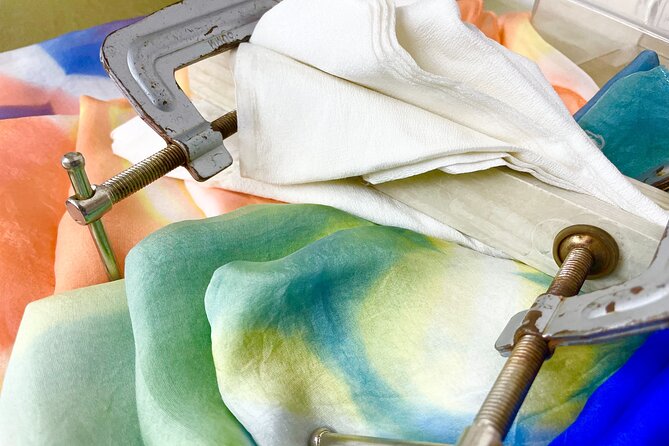
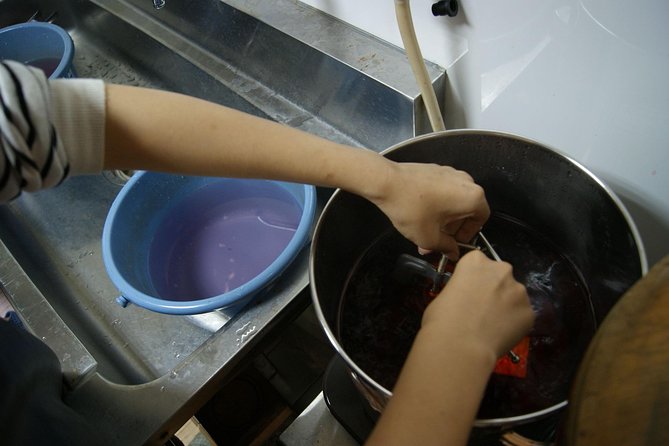
Once you choose your materials and pattern, the instructor guides you through the scarf-making steps. You work with traditional tools to fold and secure the cloth before it is dyed.
The class has a calm rhythm. First comes planning, then careful preparation, followed by the color work. Staff remain close enough to help, but you still make the important choices yourself.
Personal attention is one of the strongest parts of the experience. In a quiet session, you may receive nearly one-on-one guidance. One instructor named June was praised for being patient and kind, while the wider staff are described as warm, attentive, and eager to explain the craft.
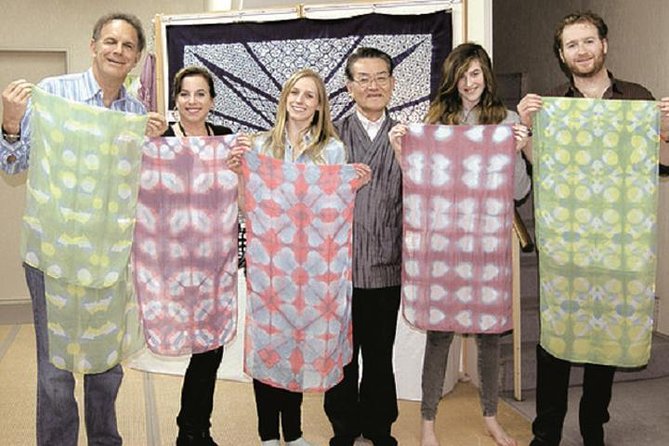
The final opening is the best moment. You see how the protected folds affected the color and discover the pattern you created. It is a simple reveal, but it gives the class a satisfying finish. Some children receive a certificate after completing their scarf, which adds a thoughtful touch for families.
The class is also forgiving. You do not need previous craft experience, and the instructions are designed for beginners. I would still pay close attention during the folding stage, since that is where your pattern begins.
A completely different kind of day out:
- Kyoto: Tea Ceremony in a Traditional Tea House in Kiyomizu
★ 4.9 · 3,519 reviews - Kyoto: Gion Make Your Own Chopsticks with Engraving Option
★ 5.0 · 3,465 reviews - Kyoto Nara Day Trip │ Kiyomizu-dera Temple + Fushimi Inari-taisha Shrine + Nara Park (Departing from Osaka/Kyoto)
★ 4.7 · 3,408 reviews - Kyoto Geisha Walking Tour: Gion District & Hidden Gems
★ 4.7 · 3,273 reviews
The Museum Upstairs and the Waiting Time

The museum visit gives the craft a wider frame. While your scarf dries, you can explore the second-floor exhibition and learn more about shibori techniques used in kimono fabric making.
The displays include striking finished pieces. They show the patience, precision, and labor behind traditional textile work. After making a simple scarf yourself, you are better prepared to appreciate the complexity of the larger works.
A film explains the process and the different forms of shibori. This is useful because the scarf class offers only a short introduction. The museum helps you see that shibori is not one single pattern or method. It is a broad craft with many approaches.
The museum can also make the drying period feel productive. You are not simply waiting for your souvenir. You are seeing examples of what skilled makers can do with techniques related to the one you have just tried.
The exhibition is one reason I would not rush away after the scarf is finished. The class is brief, but the museum adds depth and makes the $43.60 price easier to justify.
Taking Home a Useful Kyoto Souvenir

Your scarf is the main souvenir, and it has a personal story attached to it. You selected the fabric, made the folds, chose the colors, and watched the design appear.
That gives it more meaning than a standard shop purchase. It is also light and easy to pack, which matters when you are carrying purchases through a longer Japan itinerary.
Staff dry and package the scarves so they are ready to take with you. The timing can vary, but the museum visit and browsing period may coincide with the drying process.
Some people make more than one scarf during a session. The activity is flexible enough for a solo visitor to enjoy a slower, more personal class, and a family group can each create a different design.
You should keep your expectations realistic. Handmade shibori has irregularities by nature. If you want a perfectly uniform scarf, a shop-bought printed item may suit you better. If you like the evidence of handwork, the uneven details are part of its appeal.
Why the $43.60 Price Makes Sense
At $43.60 per person, this is not the cheapest short activity in Kyoto. It is also more than the cost of buying a basic scarf at a market.
The value comes from the combination of materials, teaching, museum admission, and the finished item. You are not only watching a demonstration. You are making something under guidance and learning how the craft fits into Japanese textile culture.
The small group size improves that value. A maximum of 10 people means the instructor can answer questions and correct a fold before it affects the final result.
The experience also uses time well. You can complete it in about 30 minutes to one hour, making it practical before or after Nijo Castle. For a short Kyoto activity, it offers more substance than a quick photo stop and less commitment than a full-day workshop.
I would consider it good value for families, couples, solo visitors, and anyone who wants a cultural activity that ends with something tangible.
Who Will Enjoy This Class Most
This is especially well suited to:
- Families with children age 6 and older
- Teenagers who like hands-on activities
- Solo visitors who appreciate personal instruction
- Couples looking for a small shared project
- Anyone interested in Japanese textiles, kimono fabric, or traditional crafts
- Visitors who want a quiet break from temple sightseeing
It is also a good choice for people who do not see themselves as artistic. The process is structured, and the staff provide help at each stage.
You may want to choose another activity if you need a long workshop, a large museum collection, or a highly advanced lesson. The session is introductory and compact. The museum adds information, but the main goal is making your scarf.
Practical Details That Matter
Confirmation is provided when you book, and the experience uses a mobile ticket. Keep the ticket easy to access, especially since the entrance may not be obvious from the street.
Most people can participate, and the minimum age is 6. Adult pricing applies to all ages, so check the total cost carefully when booking for a family.
The class is near public transportation. Limited car and bicycle parking is available, with two spaces for cars, so do not count on parking unless you confirm it directly.
You can cancel for a full refund if you do so at least 24 hours before the start time. Cancellations or changes made within 24 hours are not refunded or accepted, and the cut-off follows Kyoto local time.
The experience is listed as 30 minutes to one hour. I would plan for the full hour, especially if you want time to view the museum and displays rather than leave immediately after the scarf is made.
Should You Book the Itajime Shibori Class?
I would book this class if you want a personal Kyoto experience with a clear result at the end. The best parts are the friendly instruction, the satisfying scarf reveal, and the museum display that shows how much skill sits behind traditional shibori.
It is a particularly smart choice near Nijo Castle. You can combine a major historic sight with a quiet craft session without giving up half a day.
I would hesitate only if your schedule is extremely tight, you dislike making crafts, or you expect a large museum with hours of exhibits. For everyone else, this is a pleasant, well-priced way to learn a Japanese art form and take home a souvenir you made yourself.
FAQ
How long does the Itajime Shibori Scarf Class last?
The class lasts approximately 30 minutes to one hour. Plan for up to an hour so you have time for the activity and museum displays.
Where does the class take place?
The experience takes place at Kyoto Shibori Museum in Kyoto, Japan. The classroom is on the second floor.
What is included in the experience?
The experience includes instruction, Japanese fabrics and traditional tools for making the scarf, the finished scarf to take home, and admission to the museum.
What is the minimum age?
The minimum age is 6 years old. Adult pricing applies to all ages.
How many people can join the class?
The activity has a maximum group size of 10 people.
Is the museum near public transportation?
Yes. The museum is near public transportation. Two car parking spaces and bicycle parking spaces are also available.
Can I cancel for a refund?
Yes. You can receive a full refund if you cancel at least 24 hours before the experience start time. Cancellations and changes made less than 24 hours before the start time are not accepted, and the payment is not refunded.
Just added in Kyoto
- The “Golden Route” and Ancient Japan by DIAMIR Erlebnisreisen – 14-Day Tour★ 2.0 · 2 reviews
- Japan: Castles & Cuisine by G Adventures – 6-Day Kyoto to Osaka Tour★ 4.5 · 4 reviews
- Cycle Japan by Explore! – 13-Day Kyoto to Tokyo Tour★ 4.7 · 12 reviews
- Cycle Japan by Intrepid Travel – 11-Day Kyoto to Tokyo Tour★ 4.8 · 2 reviews
- Classic Japan by Intrepid Travel – 11-Day Kyoto to Tokyo Tour★ 4.4 · 14 reviews
- Ancient & Modern Japan 14-Day Tour by Exodus Adventure Travels★ 4.4 · 40 reviews
- 5 Day Cultural Adventure of Kyoto, Nara & Osaka by Tourist Journey★ 2.5 · 2 reviews
- 12 Days Kinosaki Onsen Escape: A Journey Through Japan’s Timeless Towns by UME Travel★ 4.8 · 5 reviews
Workshops, compared.

Sushi Making Tokyo Roll and Authentic Japanese Sushi Class
Read our review →
Gion Make Your Own Chopsticks with Engraving Option
Read our review →

Roll and Authentic Sushi Making Class in Asakusa
Read our review →
Ramen Cooking Class at Ramen Factory in Kyoto
Read our review →
Tokyo Asakusa Chopsticks Workshop: Make Your Own Pair
Read our review →
Ring Making Workshop : Vintage Japanese Coin Ring
Read our review →Browse the lists this tour appears in