Reviewed · TEA CEREMONIES
Kimono Tea Ceremony Experience at Kyoto Oritzuruya, Nishiki
Kyoto’s tea ritual becomes easier to understand. At Orizuruya near Nishiki Market, you choose from more than 200 kimono designs, receive help dressing, and learn to whisk your own matcha in a traditional tea room. I especially like the personal choice built into the kimono fitting and the chance to walk around afterward for photographs.
The small group, capped at 10 people, keeps the activity manageable, and the simple hair styling is included for women. The main caution is that the tea ceremony may feel more like a guided demonstration than a full ceremony in which you take part, so visitors seeking serious instruction in tea culture may find the presentation a little light.
In This Review
- Key points to know before booking
- Choosing a kimono at Orizuruya
- Hair ornaments, sandals, and the photo moment
- Entering the tea room
- Whisking matcha with a bamboo chasen
- Adding the calligraphy session
- How much value does the $50.87 price offer?
- Location near Nishiki Market
- Who will enjoy this Kyoto activity most?
- My verdict on Orizuruya’s tea ceremony
- FAQ
- How long does the Kimono Tea Ceremony Experience last?
- Where does the activity begin and end?
- Is kimono dressing included in the price?
- Is hair styling included?
- Can I add calligraphy to the tea ceremony?
- Can I cancel for a full refund?
Key points to know before booking
- More than 200 kimono designs: You can choose the colors and patterns that suit you, with help from the staff.
- Matcha preparation is hands-on: You learn to use a bamboo whisk and make your own bowl of tea.
- Simple hair styling is included for women: Hair ornaments, flowers, and other accessories complete the outfit.
- Calligraphy is an optional add-on: You can create a Japanese character artwork to take home.
- The location is convenient: Orizuruya is at 452 Jūmonjichō, Nakagyo Ward, close to Nishiki Market and public transportation.
- The schedule is compact: The activity lasts about 90 minutes, with the option in some cases to keep the kimono for a short walk afterward.
Choosing a kimono at Orizuruya
The experience begins at Nishiki Orizuruya, where the dressing process is a major part of the fun. You select your kimono from a large collection, then choose details such as the sash, cord, hairpin, and flower. The staff helps match the pieces, which is useful if you do not know how the colors and layers are normally put together.
This is not a quick costume change. Traditional dressing involves several stages, and the staff take care to arrange the clothing properly. One useful detail is the light, moisture-wicking underlayer provided beneath the kimono. It makes the outfit more comfortable, especially if you are visiting Kyoto during a warm spell.
For women, simple hair styling is included. You can choose hair sticks, flowers, and other ornaments, and the staff create a traditional look to match the kimono. The styling is one of the most praised parts of the activity, particularly because the staff work patiently with different hair types and textures.
The selection also appears to work well for a range of body sizes. Plus-size participants have found a wide choice of suitable kimonos, which matters because many costume experiences offer only a narrow range of fits. Still, you should expect a traditional wrap-style garment rather than modern, tailored clothing.
The dressing room can become the busiest part of the morning. Several staff members may be helping at once, but this also means the process moves along efficiently. If you are hoping for a quiet, private fitting, this setting may feel more like a popular cultural studio than a secluded Kyoto salon.
More Kimono Experiences in Kyoto
- [Kyoto & Nara Day Tour] Sagano Scenic Railway & Nara Park & Fushimi Inari Taisha Thousand Torii Gates & Togetsukyo Bridge & Bamboo Grove & Kimono Forest (Departing from Osaka)
★ 4.9 · 10,942 reviews - Kyoto Geisha Walking Tour: Gion District & Hidden Gems
★ 4.7 · 3,273 reviews - Kyoto: Gion Magical Night Walking Tour with Geisha Trivia
★ 4.9 · 2,393 reviews
Hair ornaments, sandals, and the photo moment
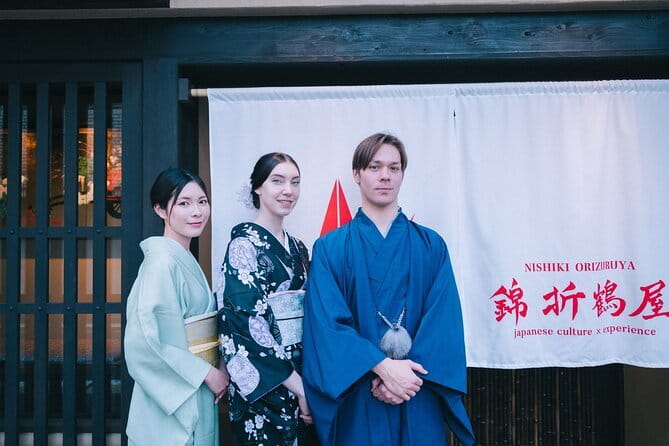
Once dressed, you put on traditional sandals and have a short photo session. Staff can take a few pictures, giving you an easy record of the experience without needing to arrange a separate photographer.
The photographs are not the main cultural lesson, but they add value to the price. The kimono, hair arrangement, and accessories create a polished look that is difficult to assemble on your own. I would allow a little extra time for choosing the design you like, since the selection is part of the activity rather than a rushed prelude.
Some participants are allowed to wear the kimono outside after the ceremony and return it by the closing time, reported as 6 p.m. This appears to depend on the day and the arrangement at the venue, so confirm the return details before you walk away. If this option is available, it gives you a chance to take photographs around the Nishiki area instead of posing only indoors.
Walking in the sandals is worth considering when planning the rest of your day. The activity is close to Nishiki Market, but you should not assume that you will spend hours touring Kyoto in the outfit. The kimono is best treated as a special short outing, not a full-day walking costume.
Entering the tea room
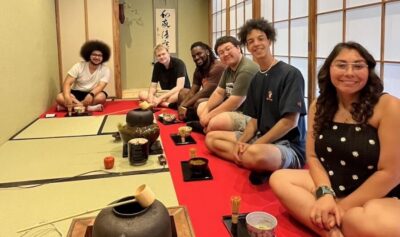
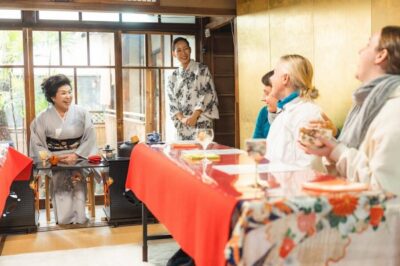
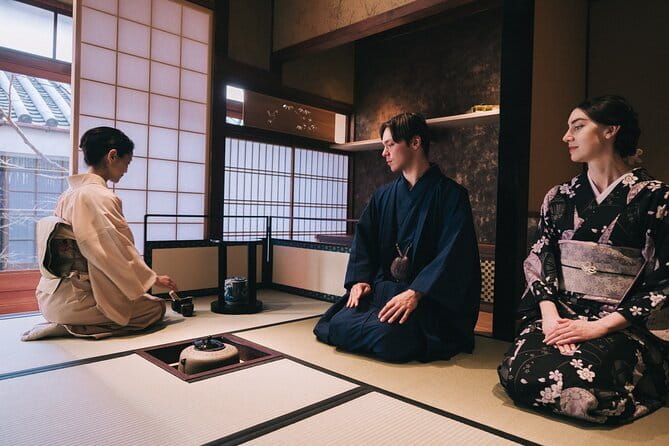
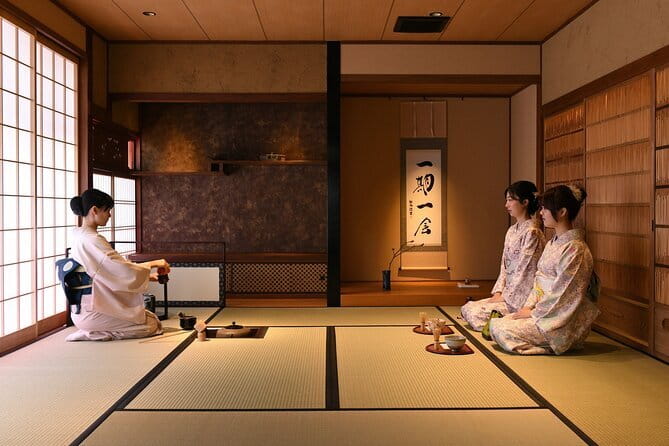
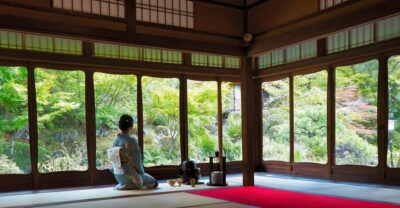
After the dressing and photographs, you move into a quiet tea room for the ceremony. The change in mood is part of the appeal. The colorful fitting area gives way to a more restrained space where movements slow down and small gestures receive attention.
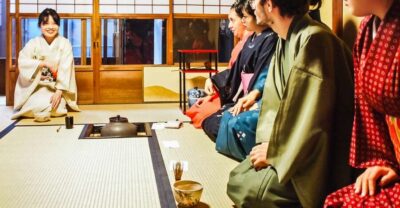
The instructor explains the cleansing process before the tea is prepared. This helps you understand that the ceremony is not simply about drinking a cup of matcha. Purification, welcoming, placement of utensils, and careful movement all help set the tone.
The presentation includes an explanation of the customs and intentions behind the actions. The ceremony itself is performed by the instructor, which allows you to watch the sequence clearly. You then have a chance to prepare your own matcha rather than attempting every part of the formal ceremony.
This distinction matters. If you imagine kneeling as the tea master and conducting a complete formal service, you may be disappointed. The activity gives you an introduction to the etiquette and atmosphere, but it does not train you in the full discipline of tea ceremony.
The setting is calm and accessible for many people. One participant with bad knees was able to take part, and an older person who could not sit on the floor was provided with a small table and chair. You should still mention mobility needs when arranging your visit, since the standard tea room setup involves sitting low.
Whisking matcha with a bamboo chasen
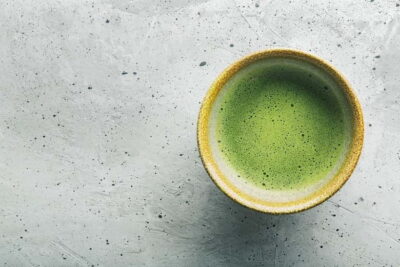
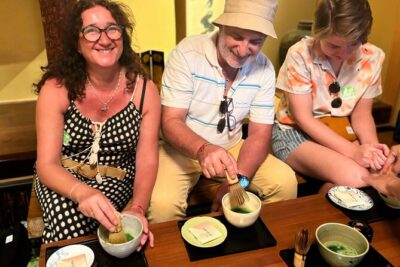
The most hands-on section is the matcha lesson. The instructor shows you how to use a traditional bamboo whisk, called a chasen, and then you try to froth your own bowl.
This is a simple skill, but it gives the tea ritual a physical focus. You are not only watching someone else prepare tea. You learn the basic whisking motion, see how the powder and water change texture, and drink the result yourself.
The matcha comes with wagashi, a Japanese sweet supplied by a confectioner with a century of history. The sweet balances the tea’s sharper, grassy taste and gives you a small example of how food and tea are paired in Japanese custom.
Do not expect a long tea apprenticeship. The lesson is designed for first-time visitors, and the tea portion is relatively brief compared with the dressing. Some people find the ceremony too short or rushed, while others appreciate that it fits neatly into a busy Kyoto day.
The instructor’s presentation can shape your impression of the entire event. A warm and clear teacher can make the quiet motions feel meaningful. The main weakness is that the question period may not always provide detailed answers about the spiritual or aesthetic background of the ceremony. I would treat this as a well-made introduction, not a specialist seminar.
More Markets and Food Halls in Kyoto
- Nishiki Market Brunch Walking Tour (7 Tastings + Brunch)
★ 5.0 · 1,355 reviews - Kimono Tea Ceremony at Kyoto Maikoya, NISHIKI
★ 5.0 · 911 reviews - Kyoto Nishiki Market Food and Culture Walking Tour
★ 5.0 · 412 reviews - Kyoto: Nishiki Market Tea Ceremony with Koto Performance
★ 4.8 · 294 reviews
Adding the calligraphy session
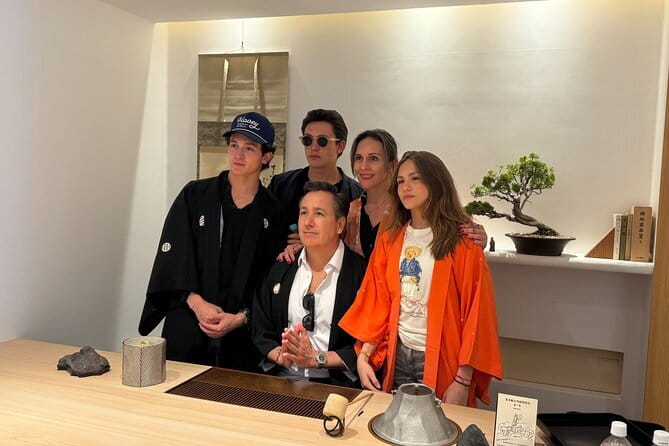
Calligraphy is optional, but it may be the best extra for you if you want a souvenir with some personal meaning. You learn the basic brush technique and create your own piece rather than buying a finished item from a shop.
The calligraphy lesson has received especially strong praise from people who added it. A private lesson and the chance to write a character such as beautiful can turn the experience into something more personal. You leave with an artwork connected to the day, not just a photograph.
The available information does not specify the extra charge or the exact length of the calligraphy lesson, so check those details before booking. It is also wise to decide in advance if you want it, since the base price covers the kimono, tea, sweets, and matcha preparation but does not clearly list calligraphy as included.
How much value does the $50.87 price offer?
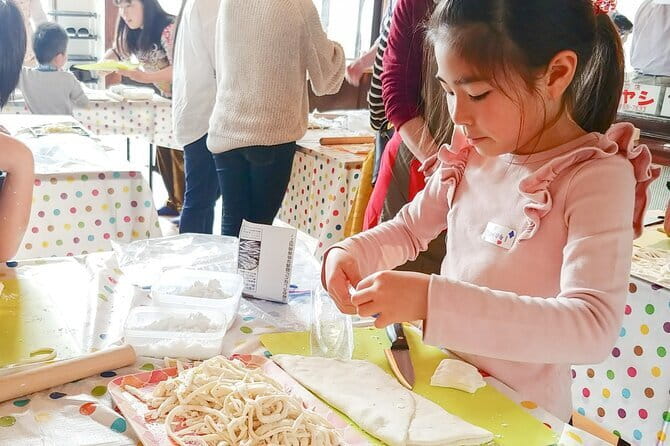
At $50.87 per person, the price covers several separate services: kimono rental, dressing assistance, simple hair styling for women, utensils, matcha, wagashi, a licensed guide, and taxes. You are paying for both the cultural activity and the work involved in getting you properly dressed.
I consider that a fair price if you want a polished first taste of Kyoto culture without arranging each part separately. Kimono rental alone can involve fitting, accessories, and return rules. Here, the dressing, hair, tea, and sweets are gathered into a 90-minute session.
The value is strongest for couples, families, and first-time visitors who want an easy cultural activity. It is also a practical choice if you have limited time in Kyoto and want something near Nishiki Market.
The value is weaker if your main goal is an in-depth study of tea ceremony. Much of the schedule goes toward dressing and hair, and the formal tea portion is performed for you. A specialist tea school would likely offer more depth, but it would not necessarily provide the same convenient kimono and photograph combination.
The small group helps. With no more than 10 participants, you are not entering a large performance hall. Even so, the venue can feel commercial and busy, particularly during the dressing stage. That is not automatically a flaw, but it sets the right expectation: this is a friendly cultural activity for visitors, not a private ceremony in a historic temple.
Location near Nishiki Market
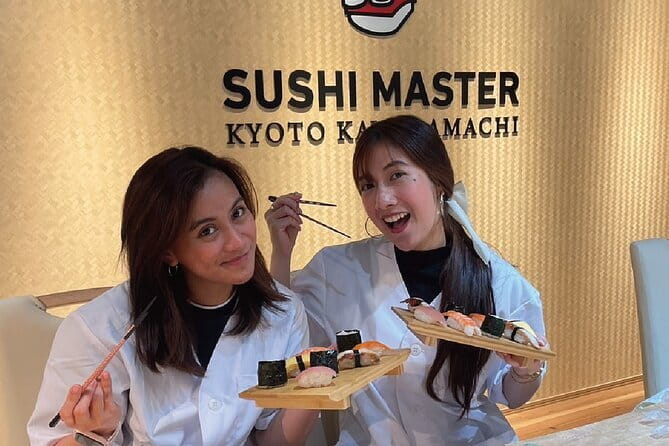
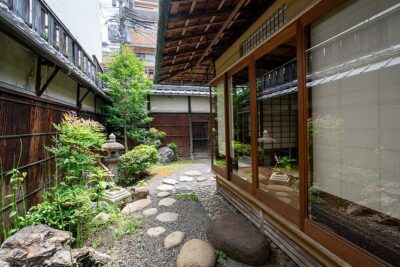
The meeting point is Nishiki Orizuruya at 452 Jūmonjichō in Kyoto’s Nakagyo Ward. It is near public transportation and close to Nishiki Market, making it easy to combine with food stalls, shops, and a walk through central Kyoto.
Transportation to the venue is not included. You make your own way there and return to the same point when the activity ends. Plan to arrive with enough time to find the entrance and complete check-in, especially if you are navigating Kyoto for the first time.
The central location is useful for building a half-day plan. You could schedule the tea ceremony in the morning, visit Nishiki Market afterward, and continue toward nearby shopping streets. If you are permitted to keep the kimono for a short period, the surrounding area provides a convenient setting for photographs.
Booking details require attention. Your voucher contains a website link, and you must open it on a smartphone, press the Use button, and show the live screen to the staff. Screenshots and printed tickets are not accepted, so make sure your phone can connect to the internet.
Date and time changes are not flexible after booking. To alter them, you must cancel the existing reservation and book again. The cancellation policy allows a full refund if you cancel at least 24 hours before the start time. Changes or cancellations inside that window are not accepted for a refund.
The activity also lists a good-weather requirement. If poor weather causes cancellation, you are offered another date or a full refund. Since transportation is your responsibility, keep your plans flexible around the scheduled start.
Who will enjoy this Kyoto activity most?
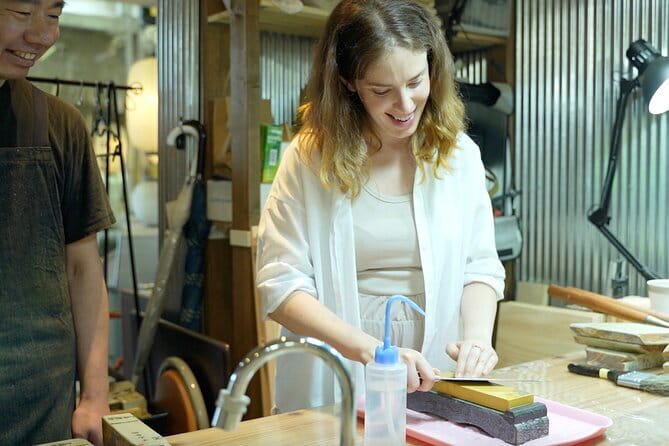
I would recommend it to you if you want:
- A first introduction to matcha and tea ceremony customs
- A chance to wear a kimono without arranging a rental on your own
- A visually memorable activity for a honeymoon or special trip
- A family-friendly cultural stop with a short time commitment
- A personal souvenir through the optional calligraphy session
- A central activity near Nishiki Market
It is particularly well suited to people who enjoy choosing clothes, accessories, and hairstyles. The selection process is not filler. For many participants, it becomes the most enjoyable part of the visit.
You may want to skip it if you already have a strong background in Japanese tea schools or expect to perform a complete formal ceremony. The lesson gives you a taste of the movements and lets you make matcha, but the instructor remains responsible for the formal sequence.
I would also think carefully about your knees and footwear. Seating accommodations have been provided, but the activity still involves traditional dress, sandals, and time in a low seating environment for some participants. Ask the staff about your needs before the ceremony begins.
My verdict on Orizuruya’s tea ceremony
I like this experience because it makes a potentially intimidating tradition approachable. You receive help with every unfamiliar step, from selecting the kimono to using the whisk, and the staff are repeatedly praised for being kind, patient, and attentive.
The strongest part is the combination of dressing and tea. The kimono gives you a physical connection to the setting, while the matcha lesson keeps the ceremony from being only something you watch. The calligraphy option adds another layer if you want to spend more time with a Japanese art form.
The main compromise is authenticity versus convenience. The presentation is designed for international visitors, and some of the ceremony may feel staged or lighter than expected. That does not make it worthless, but you should book it for an enjoyable introduction, not for rigorous tea training.
At about $50.87, the package offers solid value for a short Kyoto activity, especially if you appreciate the hair styling, accessories, photographs, and possible walk outside afterward. I would book it for a first visit, a couple’s trip, or a family itinerary that needs one calm cultural experience near the city center.
FAQ
How long does the Kimono Tea Ceremony Experience last?
The experience lasts approximately 1 hour and 30 minutes.
Where does the activity begin and end?
It begins and ends at Nishiki Orizuruya, 452 Jūmonjichō, Nakagyo Ward, Kyoto, 604-8121, Japan.
Is kimono dressing included in the price?
Yes. The kimono costume, dressing assistance, utensils, snacks, matcha, taxes, and a licensed guide are included.
Is hair styling included?
Simple hairstyling is included for women. Hair sticks, flowers, and other accessories may be selected as part of the traditional look.
Can I add calligraphy to the tea ceremony?
Yes. Calligraphy is an optional addition. You learn the basics and create a piece to take home, but the supplied details do not state the additional price.
Can I cancel for a full refund?
You can receive a full refund if you cancel at least 24 hours before the experience start time. Cancellations or changes made less than 24 hours in advance are not accepted for a refund.
More Tea Ceremonies in Kyoto
- Kyoto: Tea Ceremony in a Traditional Tea House in Kiyomizu
★ 4.9 · 3,519 reviews - Kyoto: Tea Ceremony Ju-An at Jotokuji Temple
★ 4.9 · 3,207 reviews - Kyoto: 45-Minute Tea Ceremony Lesson Experience
★ 4.3 · 2,378 reviews - Kyoto: Table-Style Tea Ceremony at a Kyo-Machiya
★ 4.9 · 1,211 reviews
Just added in Kyoto
- The “Golden Route” and Ancient Japan by DIAMIR Erlebnisreisen – 14-Day Tour★ 2.0 · 2 reviews
- Japan: Castles & Cuisine by G Adventures – 6-Day Kyoto to Osaka Tour★ 4.5 · 4 reviews
- Cycle Japan by Explore! – 13-Day Kyoto to Tokyo Tour★ 4.7 · 12 reviews
- Cycle Japan by Intrepid Travel – 11-Day Kyoto to Tokyo Tour★ 4.8 · 2 reviews
- Classic Japan by Intrepid Travel – 11-Day Kyoto to Tokyo Tour★ 4.4 · 14 reviews
- Ancient & Modern Japan 14-Day Tour by Exodus Adventure Travels★ 4.4 · 40 reviews
- 5 Day Cultural Adventure of Kyoto, Nara & Osaka by Tourist Journey★ 2.5 · 2 reviews
- 12 Days Kinosaki Onsen Escape: A Journey Through Japan’s Timeless Towns by UME Travel★ 4.8 · 5 reviews
Tea Ceremonies, compared.
Tea Ceremony in a Traditional Tea House in Kiyomizu
Read our review →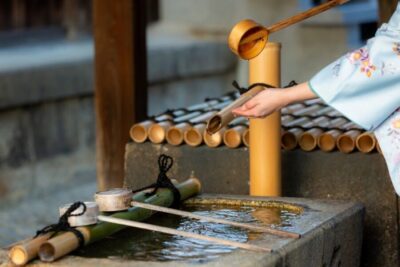
World Heritage Kyoto & Nara Uji Authentic Matcha Experience
Read our review →