
Reviewed · KIMONO AND CULTURAL DRESS
Kyomai Dance by Maiko Geiko and Visits of Gion Art Museum Kyoto
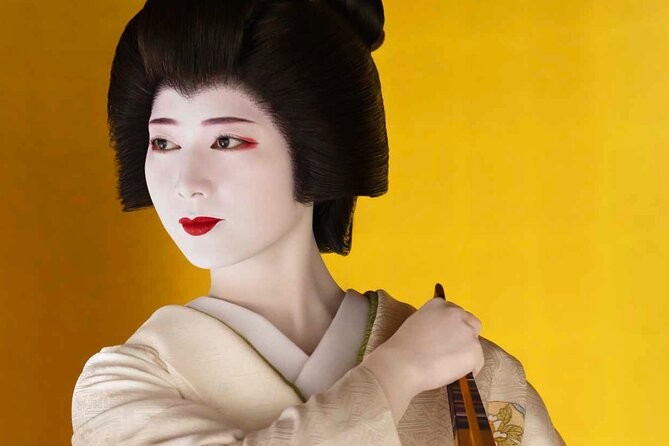
A brief dance can open a larger world. This Kyoto experience pairs a live Kyomai performance by a maiko or geiko with entry to the Gion Kagai Art Museum, giving you both the art and the setting behind Gion’s traditional entertainment culture. I like the intimate scale of the show and the chance to see exquisite kimono, obi sashes, hair ornaments, and makeup items up close. The main drawback is clear: the dance lasts only about 15 minutes, so anyone expecting a full evening program may find it too short.
I also like the simple $20 price, which covers the museum and performance rather than just a quick stage appearance. You should arrive with the right expectations, though. This is a concise cultural introduction, not a long theatrical production, and the performance is deliberately restrained.
In This Review
- Four things to know before you book
- What this Gion experience actually offers
- Arriving at the Yasaka club in Gion
- Begin with the museum, not the dance
- The 15-minute Kyomai performance
- Why the museum makes the $20 worthwhile
- The setting and the sense of place
- Who will enjoy this most
- Practical advice for a smoother visit
- Should you book the Kyomai dance?
- FAQ
- How long does the Kyomai dance performance last?
- How long is the full experience?
- What is included in the $20 price?
- Who performs the dance?
- Can I take photos during the dance?
- Do I need to remove my shoes?
- Where does the experience start and end?
- Can I cancel for a refund?
Four things to know before you book
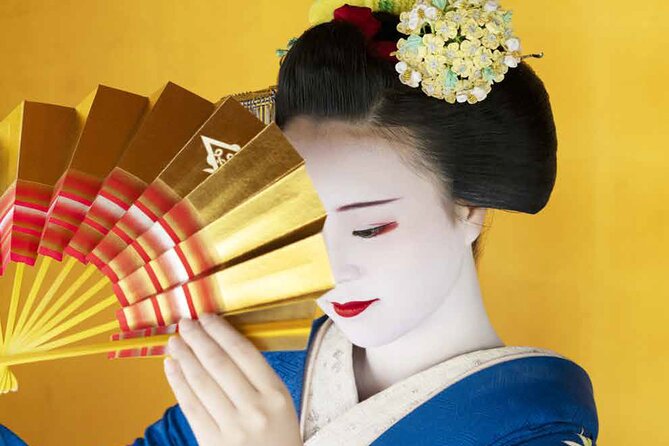
- The dance lasts about 15 minutes: You see two songs in the Inoue style of Kyomai, performed by one maiko or geiko.
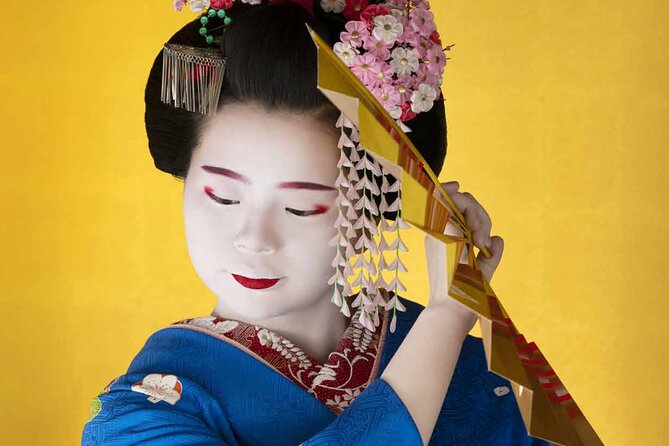
- The museum gives the performance context: Exhibits include hand-painted Yuzen kimono, Nishijin brocade obi, kanzashi hair ornaments, and maiko cosmetics.
- The setting is part of the appeal: The venue is the Gion Kagai Art Museum at the Yasaka club in historic Gion-machi.
- Shoes must come off: Prepare to remove your shoes before entering the building.
- Photography is restricted during the dance: A separate photo session costs 2,000 yen per group, for up to five people.
- The experience is short but easy to fit in: Most of the visit takes about 20 minutes, with time to inspect the exhibits before or after the show.
What this Gion experience actually offers
The name geisha is widely known outside Japan, but Kyoto’s own terms are more precise. A geiko is a professional entertainer in Kyoto, while a maiko is an apprentice who is still learning the arts of dance, music, and traditional hospitality.
This visit gives you a direct look at that world without requiring a full dinner engagement or a private evening appointment. You enter the Gion Kagai Art Museum, spend time with displays connected to the Kagai districts, and watch a live Kyomai dance in an atmospheric banquet room.
The result is best viewed as an introduction. You get a carefully presented glimpse of a highly trained art form, then see the clothing and tools that help explain it. The performance alone could feel brief. The museum makes the visit more satisfying.
The experience has a strong reputation, with a 4.8 rating from 65 reviews and a 94 percent recommendation rate. Those numbers fit the strongest qualities here: the dance is often described as captivating, authentic, and beautiful, while the museum adds useful background. The less enthusiastic response is also fair. The performance is simple, short, and quiet rather than flashy.
More Kimono Experiences in Kyoto
- [Kyoto & Nara Day Tour] Sagano Scenic Railway & Nara Park & Fushimi Inari Taisha Thousand Torii Gates & Togetsukyo Bridge & Bamboo Grove & Kimono Forest (Departing from Osaka)
★ 4.9 · 10,942 reviews - Kyoto Geisha Walking Tour: Gion District & Hidden Gems
★ 4.7 · 3,273 reviews - Kyoto: Gion Magical Night Walking Tour with Geisha Trivia
★ 4.9 · 2,393 reviews
Arriving at the Yasaka club in Gion
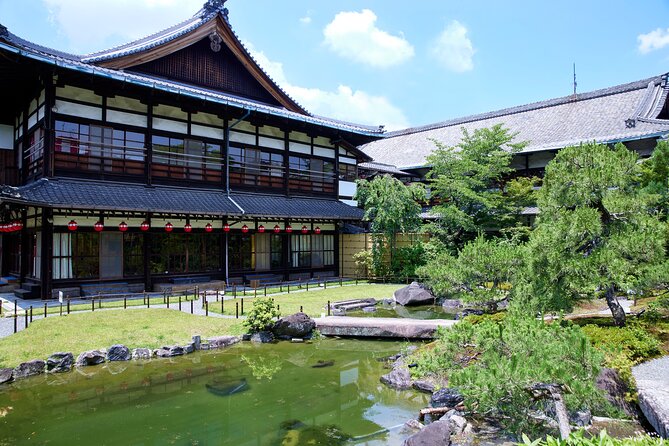
Your meeting point is the Gion Kagai Art Museum, also identified as the Yasaka club, at 570-2 Gionmachi Minamigawa in Kyoto’s Higashiyama Ward. The location is near public transportation, and the activity finishes at the same point.
That fixed start and finish makes this easy to add to a day in Gion. You do not need to follow a guide through several city stops or arrange a return transfer. Plan your surrounding schedule around the booked performance time, then allow a little extra time to find the entrance and remove your shoes.
The building itself helps set the mood. This is not a modern cinema or a large concert hall. You enter a traditional setting connected to the Gion Kagai world, where the room, garden, and quiet atmosphere are part of the experience.
One practical point matters: shoes come off before entering. Wear socks or footwear that you can remove without a struggle. It is a small detail, but knowing it in advance keeps the arrival smooth.
Begin with the museum, not the dance
The smartest way to visit is to see the permanent exhibit before the performance. One helpful approach is to arrive early, walk through the displays, and then watch the dance with some idea of what you are seeing.
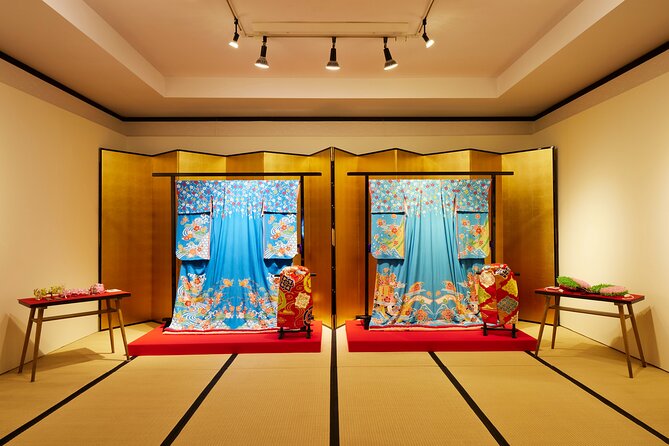
The museum presents the culture of geiko and maiko through objects rather than a long lecture. You can examine hand-painted Yuzen kimono, Nishijin brocade obi sashes, seasonal kanzashi hair ornaments, and personal belongings used by maiko. Displays also include makeup items and black crested formal kimono, clothing that is rarely seen casually in the Gion quarter.
These objects explain why the dance should not be judged like a modern stage show. A maiko’s appearance, posture, costume, and controlled gestures all belong to a wider tradition. The museum helps you notice those details instead of waiting for large movements or dramatic scenery.
The garden is another pleasant part of the visit. It gives you a quiet place to pause, and it can help younger children stay interested for a little longer. The museum may hold a child’s attention less successfully after the dance, since the displays ask for careful looking rather than active participation.
You should also allow time to read. The exhibit is most useful when you slow down and connect the objects to the performance. If you rush straight to your seat, you may still enjoy the dance, but you lose some of the meaning behind the clothing and accessories.
The 15-minute Kyomai performance
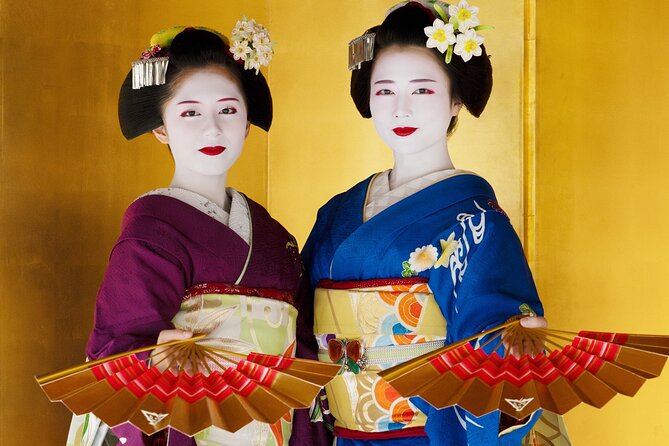
The central event is a Kyomai, or Kyoto Mai, dance performed in the Inoue style by a geiko or maiko. The presentation lasts about 15 minutes and includes two songs.
Kyomai is an art of control. The dancer’s movements are measured and graceful, with attention to posture, hand positions, facial expression, and the way the kimono moves. This is not a high-energy show built around quick costume changes or a large cast.
That restraint is exactly what some people value. The close setting allows you to see the dancer without the distance of a huge theater. The performance has been praised as captivating, beautiful, and a rare chance to see this form up close.
It is also the reason some people may leave wanting more. If you picture a one-hour cultural program, the 15-minute dance will feel like a sample. I think the short format works well for a first introduction, especially when you are fitting it between other Kyoto sights. But you should book it for a concentrated look at Kyomai, not a full night of entertainment.
The room is designed for a relatively small audience. Information about the performance describes each show as accommodating roughly 40 to 50 people, while the activity itself has a maximum of 25 participants. Either way, this is a much more personal setting than a large public theater. Seating arrangements can vary, so do not assume every place offers the same view.
Please stay quiet during the dance. The calm atmosphere is part of the tradition, and young children may find the stillness difficult. Families can enjoy the visit, but parents should explain beforehand that this is a short performance to watch respectfully, not a hands-on activity.
More Museums and Galleries in Kyoto
- teamLab Biovortex Kyoto ticket
★ 4.8 · 3,186 reviews - Kyoto: Tea Museum Tickets and Matcha Grinding Experience
★ 4.9 · 739 reviews - Skip the lines Basic Ticket at SAMURAI NINJA MUSEUM KYOTO
★ 4.5 · 632 reviews - Kyoto : Geiko Maiko Dance of Kyoto & Visits of Gion Museum
★ 4.6 · 415 reviews
Why the museum makes the $20 worthwhile
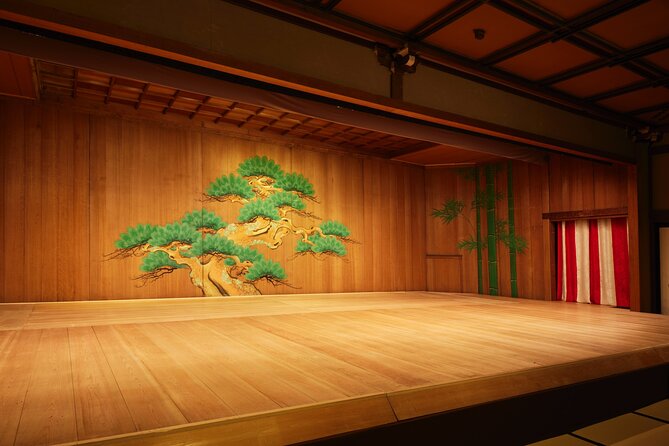
At $20, this is priced as a modest cultural stop rather than a luxury evening. Admission and the dance are included, along with all fees and taxes. You are not paying separately for the museum, and there is no long tour transfer to inflate the cost.
The value depends on your interests. If you want a substantial performance, the price may feel less attractive because the dance itself lasts only 15 minutes. If you want a compact introduction to Gion’s traditional arts, the combination is stronger.
The museum adds time and meaning without making the visit tiring. You can look at textiles, formal clothing, hair ornaments, and cosmetics, then connect those objects with the live dancer. That pairing is more useful than seeing an isolated stage performance with no explanation.
There is one optional extra. Photography is not allowed during the dance, but you can purchase a photo session for 2,000 yen per group, with a maximum of five people. This can make sense if a family wants a formal souvenir, but it is not needed to enjoy the main experience.
You may also find tickets available directly at the museum, with several performance times during the day. Buying online gives you a mobile ticket and advance confirmation, while buying in person may offer flexibility if you are already walking through Gion. Compare the convenience of a reserved time with the possibility of finding a suitable slot on arrival.
The setting and the sense of place
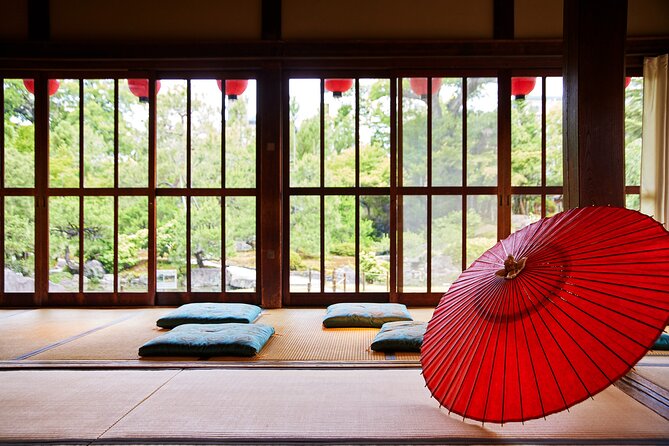
The Gion Kagai Art Museum is not simply a box containing costumes. It is located in Gion-machi, within a district shaped by centuries of performance, hospitality, and training.
The museum describes itself as a place devoted to the sophisticated culture of Kyoto’s Kagai districts. That focus matters. You are not getting a general introduction to Japanese dance. You are seeing a presentation tied specifically to the geiko and maiko traditions of Gion.
The banquet room gives the dance a fitting backdrop. Instead of watching a performance in an anonymous auditorium, you see it in a place connected to the culture being presented. The garden and traditional interiors add to the feeling of a pause from modern Kyoto.
Still, it is wise to keep the word authentic in perspective. This is a public museum experience designed for short visits, not a private banquet with conversation, food, or personal entertainment. You are receiving a respectful public presentation of a living tradition. That makes it accessible, but also necessarily limited.
Who will enjoy this most
I would recommend the experience to you if you have a clear interest in Japanese performing arts, traditional dress, or Gion culture. It is especially useful early in a Kyoto stay, when you want a quick orientation before seeing more temples, neighborhoods, or museums.
It suits couples, solo visitors, and families with older children. A 10-year-old can enjoy the dance and garden, especially if you explain what to watch for. Very young children may lose interest during the museum portion and may need reminders to remain quiet during the performance.
This also works well for a tight schedule. The listed duration is approximately 20 minutes, and the performance itself is about 15 minutes. You can place it between a Gion walk and another reservation without giving up half a day.
You may want to skip it if you dislike short presentations or expect an interactive encounter. There is no indication of a long talk, extended show, or broad city tour. The appeal comes from close observation, not constant activity.
Practical advice for a smoother visit
Use these simple tips to get more from the time:
- Arrive early enough to explore the museum before your assigned dance.
- Wear easy-to-remove shoes and remember that you will enter without them.
- Read the exhibit descriptions so the costumes and accessories have meaning when you see the dancer.
- Keep children prepared for a quiet, formal performance.
- Do not plan to photograph the dance. The optional photo session is separate and costs 2,000 yen per group of up to five people.
- Use the mobile ticket for convenience, especially if you have a fixed Kyoto schedule.
- If you prefer flexibility, ask about same-day availability at the museum, since several performance times may be offered.
The activity allows service animals and is near public transportation. Most people can participate, and the booking confirmation is provided at the time of reservation. Since the meeting point and ending point are the same, you can continue exploring Gion on foot afterward.
Free cancellation is available if you cancel at least 24 hours before the local start time. Inside that window, the payment is not refunded, and late changes are not accepted.
Should you book the Kyomai dance?
Book this experience if you want a short, well-priced introduction to geiko and maiko culture with a real live dance and a useful museum attached. The strongest plan is to arrive early, study the permanent exhibit, enjoy the 15-minute performance, and then take a final look at the garden or displays.
Do not book it expecting a grand show. The dance is brief and intentionally understated. For many people, that makes it easy to fit into a Kyoto day and leaves the performance feeling special rather than overproduced.
At $20, the museum and live Kyomai pairing offer good value. I would choose it for a first visit to Gion, for a family seeking a manageable cultural activity, or for anyone curious about the details behind Kyoto’s traditional entertainers. The optional photo session is available, but the core visit is complete without it.
FAQ
How long does the Kyomai dance performance last?
The performance lasts approximately 15 minutes and includes two songs.
How long is the full experience?
The listed duration is approximately 20 minutes, though you can spend additional time exploring the museum exhibits and garden.
What is included in the $20 price?
Admission to the Gion Kagai Art Museum, the Kyomai dance performance, all fees, and taxes are included.
Who performs the dance?
The dance is performed by a geiko or maiko in the Inoue style of Kyomai.
Can I take photos during the dance?
Photography during the dance is not allowed. A separate photo session costs 2,000 yen per group, with a maximum of five people.
Do I need to remove my shoes?
Yes. Shoes must be removed before entering the building.
Where does the experience start and end?
It starts at the Gion Kagai Art Museum, Yasaka club, at 570-2 Gionmachi Minamigawa, Higashiyama Ward, Kyoto. The activity ends at the same meeting point.
Can I cancel for a refund?
You can cancel at least 24 hours before the local start time for a full refund. Cancellations or changes made less than 24 hours before the start time are not refunded or accepted.
Just added in Kyoto
- The “Golden Route” and Ancient Japan by DIAMIR Erlebnisreisen – 14-Day Tour★ 2.0 · 2 reviews
- Japan: Castles & Cuisine by G Adventures – 6-Day Kyoto to Osaka Tour★ 4.5 · 4 reviews
- Cycle Japan by Explore! – 13-Day Kyoto to Tokyo Tour★ 4.7 · 12 reviews
- Cycle Japan by Intrepid Travel – 11-Day Kyoto to Tokyo Tour★ 4.8 · 2 reviews
- Classic Japan by Intrepid Travel – 11-Day Kyoto to Tokyo Tour★ 4.4 · 14 reviews
- Ancient & Modern Japan 14-Day Tour by Exodus Adventure Travels★ 4.4 · 40 reviews
- 5 Day Cultural Adventure of Kyoto, Nara & Osaka by Tourist Journey★ 2.5 · 2 reviews
- 12 Days Kinosaki Onsen Escape: A Journey Through Japan’s Timeless Towns by UME Travel★ 4.8 · 5 reviews
Kimono and Cultural Dress, compared.
![[Kyoto & Nara Day Tour] Sagano Scenic Railway & Nara Park & Fushimi Inari Taisha Thousand Torii Gates & Togetsukyo Bridge & Bamboo Grove & Kimono Forest (Departing from Osaka)](https://media.japanvisits.com/wp-content/uploads/kyoto-nara-day-tour-sagano-scenic-railway-nara-park-fushimi-inari-taisha-thousand-torii-gates-togetsukyo-bridge-bamboo-grove-kimono-forest-departing-from-osaka-k110001-400x257.jpg)

Tokyo Asakusa Kimono&Yukata Rental at Kimono Miyabi Asakusa Station
Read our review →
Kyoto Geisha Walking Tour: Gion District & Hidden Gems
Read our review →
Gion Magical Night Walking Tour with Geisha Trivia
Read our review →
Gion Geisha District Walking Tour – Stories of Geisha
Read our review →
Best of Kyoto: Gion, Geisha, Pagodas & Cobblestones
Read our review →
Kyoto Kimono Rental Experience (Optional Exquisite Hair Styling/Japanese Makeup/Photography) (Ookini Kiyomizu-dera Main Store)
Read our review →Browse the lists this tour appears in