
Reviewed · WORKSHOPS
Kyoto : Chopsticks Making Workshop in Gion with Engraving Option
Woodworking makes a memorable souvenir. This one-hour workshop in Gion gives you a simple wooden blank, a traditional Japanese kanna hand plane, and patient instruction to turn both into a useful pair of chopsticks. I like the calm, hands-on work and the fact that you leave with something you actually use, not another decorative trinket. I also like the optional name engraving, available in Japanese or your own language.
The $15.25 price is reasonable for a short cultural activity in central Kyoto, especially since two wood choices are included. The main point to consider is that the workshop can feel a little organized like a production line when the room is busy, and wood availability may not always match the advertised selection.
In This Review
- Key points at a glance
- A practical craft activity in the heart of Gion
- Choosing Japanese wood before the shaping begins
- Shaping the chopsticks with a kanna
- Sanding turns rough work into a usable pair
- Natural oil adds the final finish
- Engraving makes the souvenir personal
- How much value do you get for $15.25?
- The pace, group size, and workshop feel
- Who should book this experience?
- Booking and cancellation details worth knowing
- Should you book the Gion chopsticks workshop?
- FAQ
- How long does the chopsticks workshop last?
- Where does the workshop begin and end?
- Do I need woodworking experience?
- What steps are included?
- Is name engraving included?
- Can I cancel for a full refund?
Key points at a glance
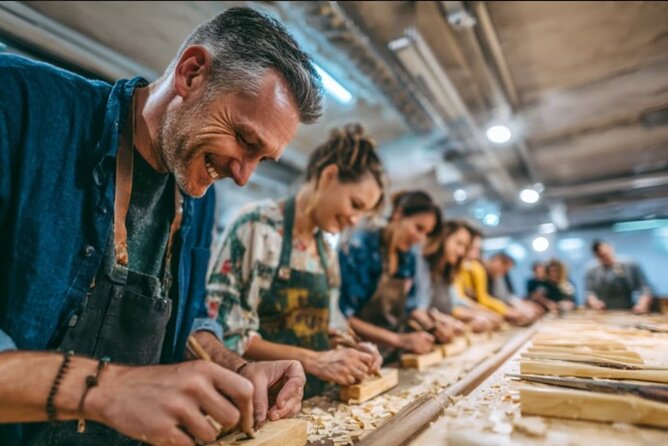
- Use a real kanna hand plane: You shape the chopsticks yourself instead of simply decorating a prepared pair.
- Choose your wood: Two wood types are included, with premium options available for an added fee.
- Finish every step by hand: You carve, sand, and oil the chopsticks before taking them home.
- Add a personal engraving: Your name can be engraved in Japanese or your native language.
- Beginner-friendly instruction: English-speaking staff guide you through the process, even if you have no woodworking experience.
- Easy Gion location: The workshop begins and ends at ZEN Chopsticks Making Workshop on Yasaka Koji South.
A practical craft activity in the heart of Gion
The workshop takes place at 禅, or ZEN Chopsticks Making Workshop, at Yasaka Koji South in Higashiyama Ward. This puts the activity in a handy part of Gion, where you can fit it around sightseeing in the area. The meeting point is also the finishing point, so you do not need to arrange transport between parts of the activity.
The session lasts about one hour. That is long enough to make the process feel real, but short enough to fit into a packed Kyoto day. You could schedule it between visits to nearby sights, or use it as a slower break after walking through Gion.
The setting is near public transportation, and most people can participate. The maximum group size is 32, so the experience is not guaranteed to feel intimate. Still, the staff provide individual help, and the activity itself keeps your hands occupied rather than requiring you to watch a long demonstration.
That matters in Kyoto, where many cultural activities ask you to observe a craft or ceremony from the side. Here, you make the object yourself. The result is modest, but personal.
A few more options to weigh up in Kyoto
- PERFECT KYOTO 1-Day Bus Tour
★ 5.0 · 13,518 reviews - [Kyoto & Nara Day Tour] Sagano Scenic Railway & Nara Park & Fushimi Inari Taisha Thousand Torii Gates & Togetsukyo Bridge & Bamboo Grove & Kimono Forest (Departing from Osaka)
★ 4.9 · 10,942 reviews - Kyoto: Fushimi Inari, Kinkakuji, Bamboo Grove 1 Day Bus Tour
★ 4.8 · 4,316 reviews
Choosing Japanese wood before the shaping begins
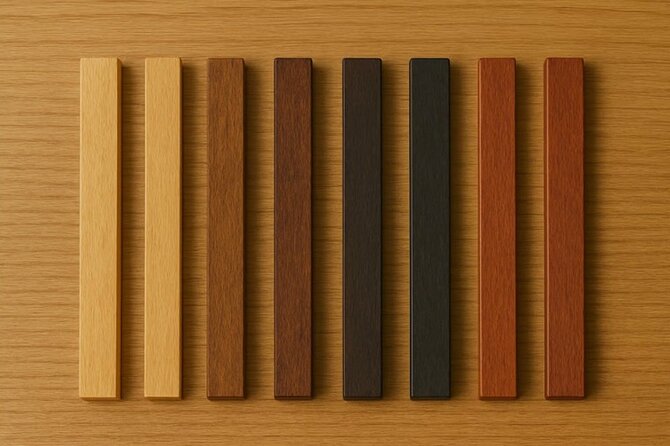
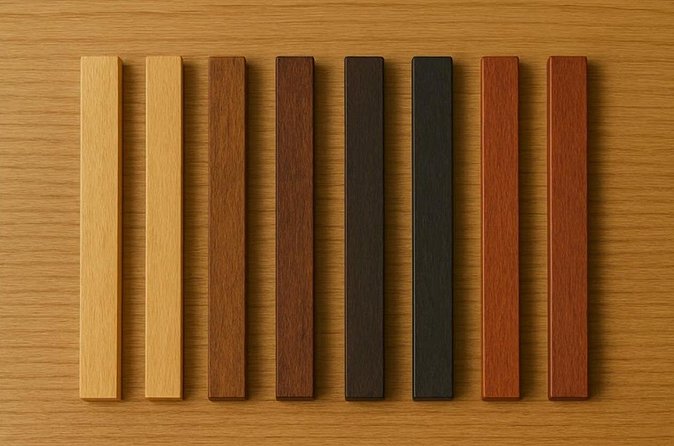
You begin by choosing the wood for your chopsticks. The available pieces differ in natural color, grain, texture, and aroma. You can choose a lighter or darker appearance, or look for a pattern that appeals to you.
Two wood types are included in the basic price. Premium woods may be available for an additional charge. If a particular wood matters to you, ask what is available before you start. One participant found that only one of the advertised two included choices was on hand, so the selection may vary from day to day.
This is a small but useful tip. The workshop is about making your own chopsticks, but the wood is part of the final character. A pale, fine-grained pair gives a different feel from a darker pair with more visible markings. You are not buying a factory-perfect object. You are choosing a natural material with its own small differences.
The choice also gives the activity a personal starting point. You are not handed an identical kit and told to decorate it. You make an early decision about how you want the finished chopsticks to look.
Shaping the chopsticks with a kanna
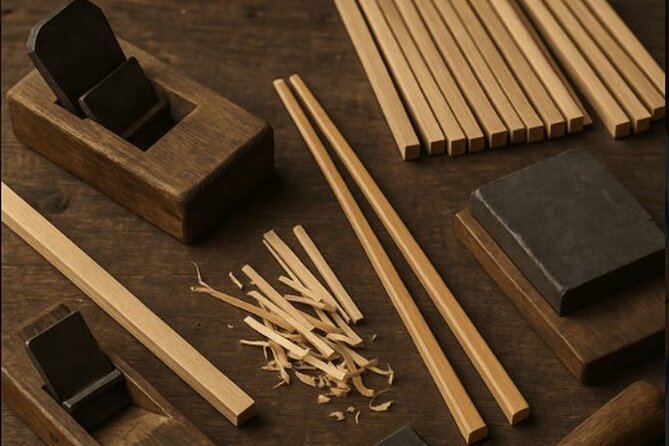
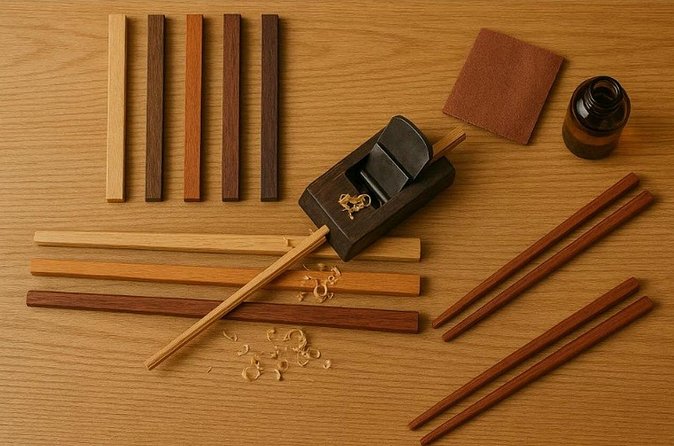
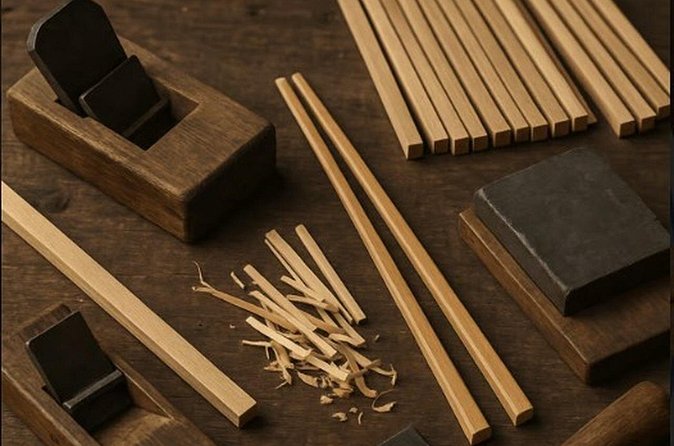
After selecting the wood, you place the blanks on a stand and use a kanna, the traditional Japanese hand plane, to remove thin shavings. The goal is to turn the rough pieces into chopsticks with a comfortable shape.
This is the part that gives the workshop its strongest Japanese craft connection. You feel the resistance of the wood and see each pass of the plane change the surface. It is not advanced woodworking, but it does require attention. Keep your movements controlled and follow the instructor’s directions rather than trying to remove too much wood at once.
You do not need previous woodworking experience. The instructions are designed for first-timers, and English-speaking staff are available to help. The teaching is patient, which is especially helpful if you are working with children or have never used a hand plane.
The tool is also a good reason to book this instead of a basic souvenir-painting activity. You are learning a small part of a traditional process. You will not become a professional craftsperson in an hour, but you will understand how a rough piece of wood becomes a smooth, useful utensil.
Families seem particularly well suited to this stage. Children can take part in the physical work with supervision and guidance, while adults get a clear sense of how much care goes into ordinary wooden chopsticks.
Sanding turns rough work into a usable pair
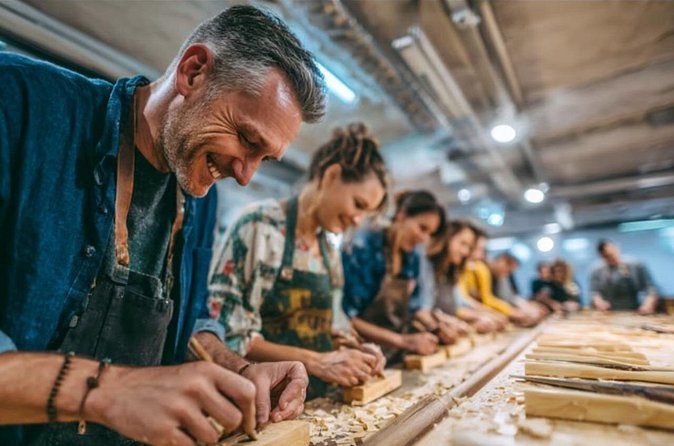
Once the main shaping is done, you use sandpaper to smooth the surfaces and edges. This step may sound less exciting than using the hand plane, but it is where the chopsticks begin to feel finished.
Pay attention to the ends and edges. A pair can look attractive yet feel awkward if a rough spot remains. Sanding gives you a chance to improve the comfort and remove the traces of the rough blank. The work is slow and simple, with no special skill needed beyond patience.
I like this part because it makes the final object feel properly yours. The shape comes from the workshop’s guidance, but the final smoothness depends on how carefully you work. It also gives the session a calm rhythm after the more active carving.
The one-hour schedule means you should not expect unlimited time for perfection. Follow the instructor’s pace so you can complete the oiling and engraving options before the session ends. If you are making chopsticks with a child, keep an eye on the clock during the shaping stage.
A completely different kind of day out:
- Kyoto: Tea Ceremony in a Traditional Tea House in Kiyomizu
★ 4.9 · 3,519 reviews - Kyoto: Gion Make Your Own Chopsticks with Engraving Option
★ 5.0 · 3,465 reviews - Kyoto Nara Day Trip │ Kiyomizu-dera Temple + Fushimi Inari-taisha Shrine + Nara Park (Departing from Osaka/Kyoto)
★ 4.7 · 3,408 reviews - Kyoto Geisha Walking Tour: Gion District & Hidden Gems
★ 4.7 · 3,273 reviews
Natural oil adds the final finish
The final basic step is applying natural oil. This protects the wood and brings out its color and grain, giving the chopsticks a soft, polished appearance.
Oil is a practical finish rather than a flashy one. It helps the wood look warmer and more complete, while preserving the natural feel of the material. You can see why the earlier choices matter at this stage: the grain and color become more noticeable after the surface has been smoothed and treated.
This finish also separates the activity from a simple craft souvenir. You are not just producing an item to display for a few weeks. You are making a functional pair intended for use. The result will still show small signs of handwork, which is part of its charm.
I would treat the chopsticks as a personal keepsake first and a daily kitchen tool second. The instructions describe them as functional, but the workshop’s real value is the connection between the finished object and your time in Kyoto.
Engraving makes the souvenir personal
You can add an optional engraving after making the chopsticks. Your name may be engraved in Japanese or in your native language. This is an extra cost, so check the price before choosing it.
The engraving is one of the most appealing additions because it changes a nice souvenir into a clearly personal one. A name in Japanese gives the pair a strong connection to the setting, while your own language may be easier for family members or friends to recognize.
The engraving process has been especially well received, and it is a strong choice if you are making the chopsticks as a gift. It can also help distinguish several pairs made by members of the same family.
Do not assume the engraving is included in the $15.25 base price. The workshop price covers the main activity, while engraving is an optional touch. Premium woods may also cost extra, so decide how much you want to spend before adding upgrades.
How much value do you get for $15.25?
At $15.25 per person, this is an inexpensive Kyoto activity. You receive about an hour of instruction, the chance to use a traditional tool, two included wood choices, and a finished pair of chopsticks to take with you.
The value is strongest if you want three things at once: a short activity, a practical souvenir, and a small lesson in Japanese craftsmanship. A shop-bought pair would cost less, but it would not come with the experience of shaping, sanding, and oiling the wood yourself.
The value is less clear if you are looking for a detailed woodworking class. The session is brief and beginner-focused. You will not receive an extended lesson in wood selection, tool maintenance, or advanced joinery. The goal is a pleasant introduction, not professional training.
The optional charges deserve attention. Engraving and premium woods can raise the final cost. That is not a problem, but you should see the base price as the starting point if you want the more personalized version.
The pace, group size, and workshop feel
The activity can accommodate up to 32 people. That is a fairly large maximum for a craft session, and the atmosphere may feel more structured than private. One person described the setup as having a production-line quality, even while finding the tools and instruction good.
I would keep that in mind if you prefer quiet, one-on-one teaching. You may share the room with several other groups, and the sequence of steps is likely to follow a set rhythm. The upside is that a structured format helps keep a one-hour activity moving.
The staff are described as friendly, professional, and attentive to detail. English-speaking support is available, which removes much of the worry for international visitors. You can ask for help as you shape the wood, and beginners are not expected to work everything out alone.
The workshop is particularly suitable for families, couples, and solo visitors who want a break from temple and shrine sightseeing. It also works well for a rainy-day plan because the main activity takes place indoors, although the supplied details do not state specific accessibility arrangements.
Who should book this experience?
I would recommend it to you if you enjoy making things, want an activity that takes about an hour, or prefer souvenirs with a personal story. It is also a good option for families because the steps are simple, physical, and easy to understand.
It suits first-timers far better than experienced woodworkers. If you already work with Japanese hand tools, you may find the lesson basic. For everyone else, using a kanna and feeling the wood change under the blade is enough to make the hour worthwhile.
The workshop is also a good choice for anyone tired of buying mass-produced souvenirs. Your chopsticks may not be perfectly identical or machine-smooth, but that is precisely what gives them a connection to your visit.
I would be more cautious if your schedule is extremely tight. The activity itself is one hour, but you still need to reach the Gion meeting point on time. You should also avoid booking it if you are set on a specific wood type without first confirming what is available.
Booking and cancellation details worth knowing
Your booking confirmation is provided at the time of booking, and the activity is available with a mobile ticket. The experience starts and ends at ZEN Chopsticks Making Workshop, Yasaka Koji South, machi-71-13 Tamamizu, Higashiyama Ward, Kyoto, 605-0851, Japan.
Free cancellation is available if you cancel at least 24 hours before the local start time. Cancellations or changes made less than 24 hours before the start are not accepted for a refund, so keep that deadline in mind when arranging a Kyoto itinerary.
The experience is provided by Traveling Kyoto. Since the activity has a maximum capacity of 32, booking ahead is sensible if you want a particular time, though the available schedule is not specified here.
Should you book the Gion chopsticks workshop?
Yes, if you want an affordable, beginner-friendly activity with a souvenir you make yourself. The best parts are the use of the kanna, the patient English-speaking instruction, and the option to add a name engraving.
I would book it as a one-hour addition to a Gion day, not as a major woodworking course. Expect a structured group experience, check the wood selection when you arrive, and remember that engraving and premium materials may cost extra.
For $15.25, you get more than a pair of chopsticks. You get a short lesson in shaping wood, a quiet break from sightseeing, and a useful reminder of Kyoto that carries your own handwork.
FAQ
How long does the chopsticks workshop last?
The activity lasts approximately one hour.
Where does the workshop begin and end?
It begins and ends at ZEN Chopsticks Making Workshop, Yasaka Koji South, machi-71-13 Tamamizu, Higashiyama Ward, Kyoto, 605-0851, Japan.
Do I need woodworking experience?
No. The workshop is designed for beginners, and English-speaking staff provide guidance throughout the process.
What steps are included?
You choose wood, shape the chopsticks with a kanna hand plane, smooth them with sandpaper, and apply natural oil for the finish.
Is name engraving included?
Engraving is optional and may be done in Japanese or your native language. It is not stated as part of the base price, so expect it to be an additional option.
Can I cancel for a full refund?
Yes, if you cancel at least 24 hours before the experience start time. Cancellations or changes made less than 24 hours before the local start time are not accepted for a refund.
Just added in Kyoto
- The “Golden Route” and Ancient Japan by DIAMIR Erlebnisreisen – 14-Day Tour★ 2.0 · 2 reviews
- Japan: Castles & Cuisine by G Adventures – 6-Day Kyoto to Osaka Tour★ 4.5 · 4 reviews
- Cycle Japan by Explore! – 13-Day Kyoto to Tokyo Tour★ 4.7 · 12 reviews
- Cycle Japan by Intrepid Travel – 11-Day Kyoto to Tokyo Tour★ 4.8 · 2 reviews
- Classic Japan by Intrepid Travel – 11-Day Kyoto to Tokyo Tour★ 4.4 · 14 reviews
- Ancient & Modern Japan 14-Day Tour by Exodus Adventure Travels★ 4.4 · 40 reviews
- 5 Day Cultural Adventure of Kyoto, Nara & Osaka by Tourist Journey★ 2.5 · 2 reviews
- 12 Days Kinosaki Onsen Escape: A Journey Through Japan’s Timeless Towns by UME Travel★ 4.8 · 5 reviews
Workshops, compared.
Sushi Making Tokyo Roll and Authentic Japanese Sushi Class
Read our review →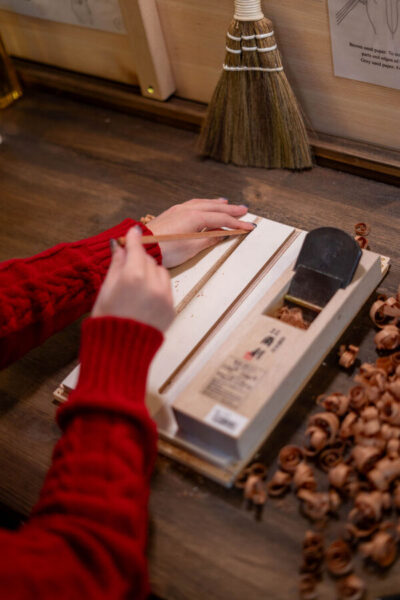
Gion Make Your Own Chopsticks with Engraving Option
Read our review →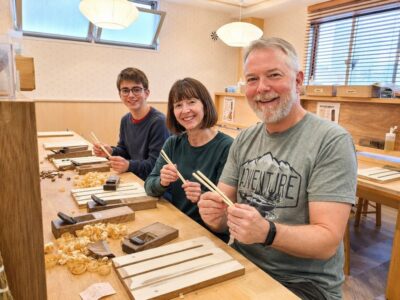
Roll and Authentic Sushi Making Class in Asakusa
Read our review →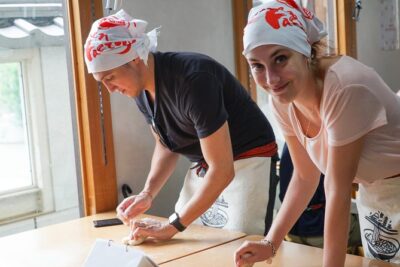
Ramen Cooking Class at Ramen Factory in Kyoto
Read our review →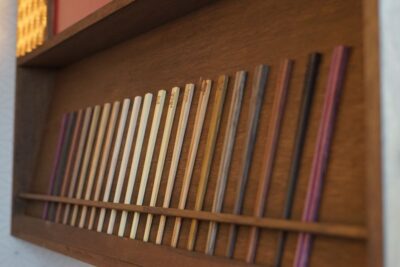
Tokyo Asakusa Chopsticks Workshop: Make Your Own Pair
Read our review →
Ring Making Workshop : Vintage Japanese Coin Ring
Read our review →Browse the lists this tour appears in