
Reviewed · CASTLES AND HISTORIC SITES
Kyoto: Discover Every Bit of Kyoto Imperial Palace
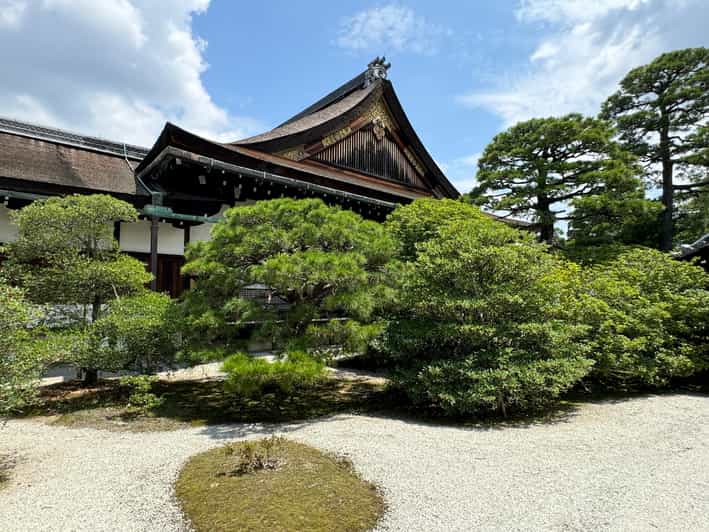
Royal history feels close here. This guided walk through Kyoto Imperial Palace brings Japan’s former imperial residence to life through its ceremony halls, private court spaces, and carefully kept gardens. I especially like the chance to see the majestic Shishinden, where major imperial events took place, and the way the tour connects grand architecture with ordinary court life.
I also like the small-group or private format, since it gives you a better chance to ask questions than a large group would. The main caution is simple: the palace entrance itself is free, so the $38 price only feels worthwhile if your guide adds real historical detail. Guide quality appears uneven, although Yoshi has earned strong praise for explaining Japanese history and pointing out small details around the grounds.
In This Review
- Key Points to Know Before You Go
- Why Kyoto Imperial Palace Matters
- Meeting at Hamaguri Gate
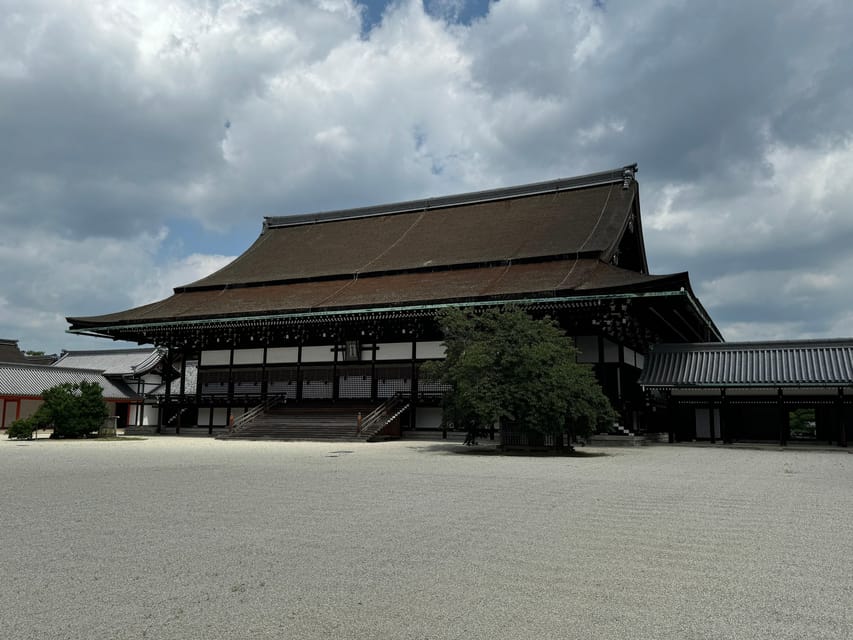
- Grand Ceremonies at Shishinden
- The Emperor’s Personal Residence
- Gardens That Change the Pace
- What the Guide Adds for $38
- A Practical Look at the One-Hour Route
- Who Will Get the Most From This Visit
- Booking Flexibility and Basic Details
- Should You Book the Kyoto Imperial Palace Tour?
- FAQ
- Where does the Kyoto Imperial Palace tour begin?
- Where does the tour finish?
- How long does the tour last?
- What language is the tour offered in?
- Is entry to Kyoto Imperial Palace included?
- Is this a private tour or a group tour?
- Can I cancel the booking?
Key Points to Know Before You Go
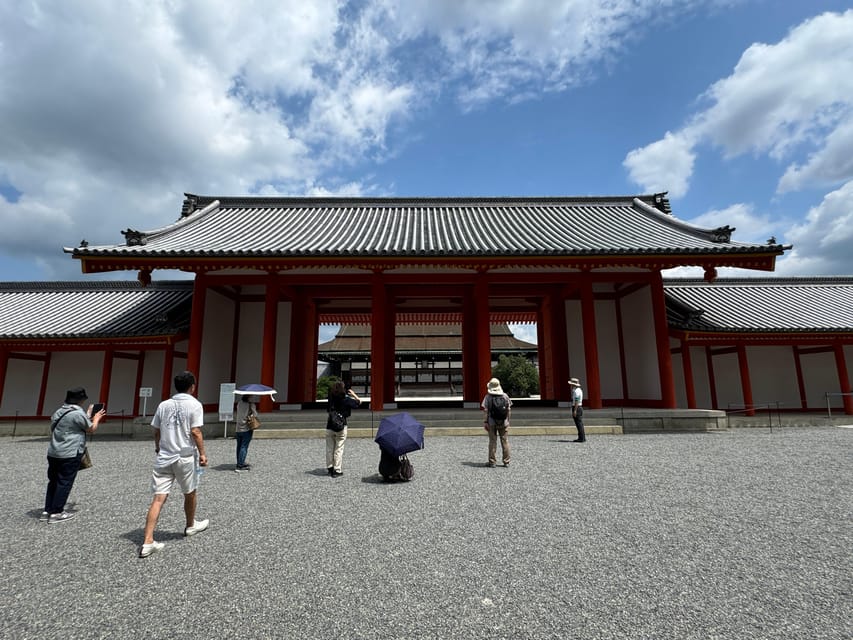
- Shishinden is the star attraction: This grand hall was used for important imperial ceremonies and gives the visit its strongest sense of occasion.
- The palace was once Japan’s imperial home: The emperor and court lived here before the capital moved to Tokyo in 1869.
- The gardens soften the formal architecture: Serene planted areas and an interior garden provide some of the most memorable views.
- Your guide is the main value: Entry is free, so interpretation, context, and answers to your questions make or break the experience.
- The meeting point is easy to identify: Meet in front of Hamaguri Gate, where the guide waits with a yellow DeepExperience sign.
- Check the exact duration: The activity is advertised as one hour in some details, while the guided palace visit is listed as one and a half hours.
Why Kyoto Imperial Palace Matters
Kyoto Imperial Palace was the home of Japan’s imperial family until the capital moved to Tokyo in 1869. That fact alone makes it different from many Kyoto sights. You are not simply looking at an old temple or a pretty garden. You are walking through the former center of Japan’s court life.
The palace grounds are in Kyoto Gyoen National Garden, a broad green area in the middle of the city. Once you arrive at Hamaguri Gate, the mood changes quickly. The setting is quiet, formal, and spacious, with traditional buildings arranged around open courtyards and gardens.
I find the palace most interesting when you look past the grand scale. The buildings show how the imperial family handled ceremonies, official duties, and private life. The tour promises attention to both sides of that world, from halls built for major events to the emperor’s personal residence and the routines of the imperial court.
That balance matters. Without it, the palace can seem like a series of elegant wooden buildings. With it, you can begin to picture how rank, ritual, and daily life shaped the people who lived here.
More Castles and Historic Sites in Kyoto
- Kyoto Samurai Experience
★ 5.0 · 1,294 reviews - Kyoto: Nijo-jo Castle and Ninomaru Palace Guided Tour
★ 4.7 · 1,020 reviews - Kyoto: Kendo and Samurai Experience with Uniform and Gear
★ 4.9 · 815 reviews
Meeting at Hamaguri Gate
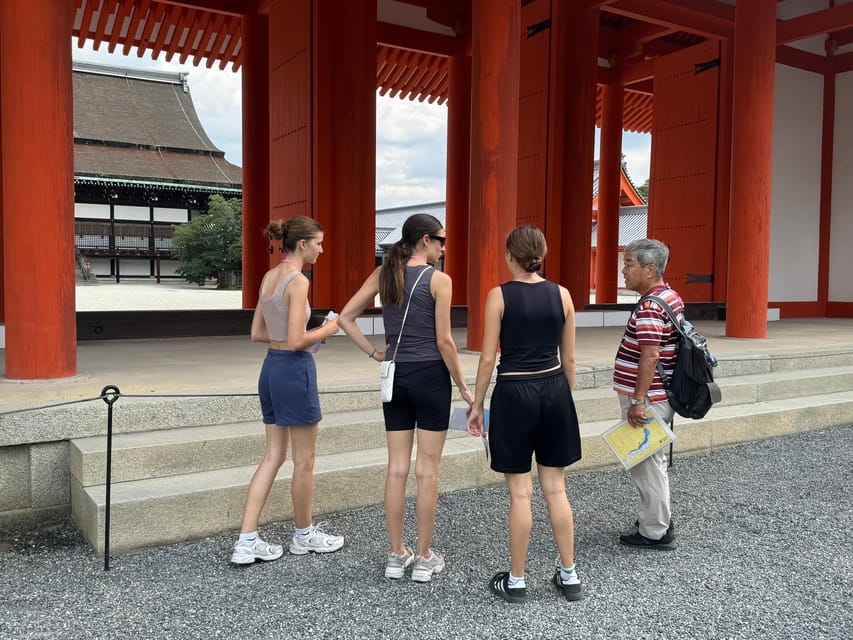
Your starting point is the front of Hamaguri Gate, also called Hamagurigomon, at Kyoto Imperial Palace. Look for a guide holding a yellow sign marked DeepExperience. This is an important detail because the palace grounds are large enough that wandering around looking for the group would be an annoying way to begin.
The meeting arrangement is straightforward, but I would still arrive with enough time to identify the gate and settle in. Your guide leads you back to the same gate at the end, so you do not need to arrange a separate return point.
The tour is offered in English, with private and small-group options available. That makes it a sensible choice if you want to ask about Japanese court customs, architectural features, or the role of the emperor without feeling you are holding up a large crowd.
The activity information gives the total duration as one hour, while the detailed plan lists a one-and-a-half-hour guided visit inside the palace. Since timing can affect your next reservation, check the starting time and current duration when booking.
Grand Ceremonies at Shishinden
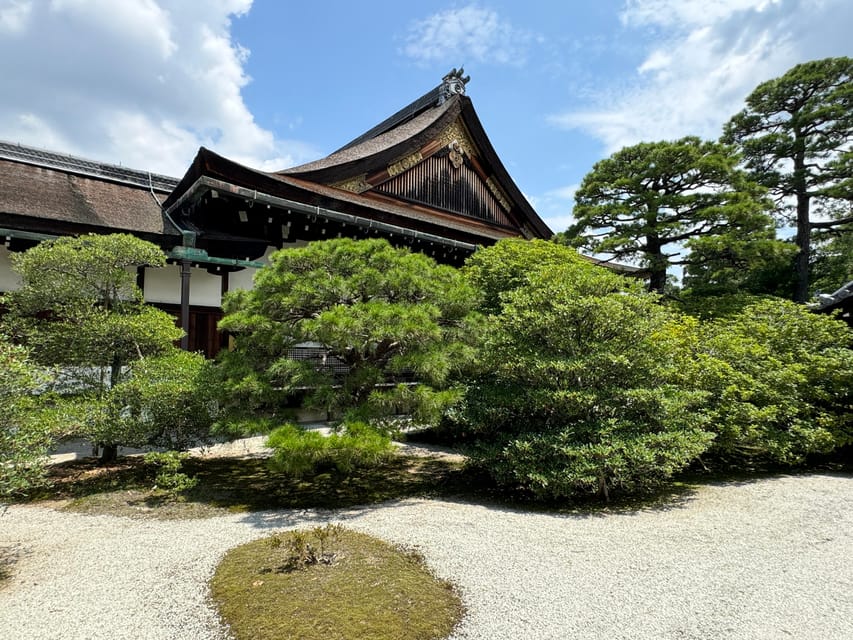
The palace’s main ceremonial hall, Shishinden, is the architectural centerpiece. This is where emperors conducted important ceremonies, and it gives you the clearest view of the palace as a working institution rather than simply a historic site.
The building’s traditional Japanese design is deliberately restrained. Instead of heavy decoration, the effect comes from proportion, timber, open space, and the relationship between the hall and its surrounding grounds. I like this kind of architecture because it rewards patience. The longer you look, the more you notice how the structure controls movement and attention.
Your guide should explain why this hall mattered and how ceremonies were staged. That context is especially useful here. A visitor walking alone may recognize a beautiful traditional building, but a good explanation can show why its position, scale, and formal setting were appropriate for imperial events.
The strongest praise for the tour has centered on guides who point out details that are easy to miss. Yoshi, in particular, was praised for explaining Japanese history and drawing attention to features within the palace grounds. That is exactly the kind of help that makes a short visit worthwhile.
Keep your expectations realistic, though. This is not an extended academic lecture. You get a focused walk through the palace, not an exhaustive account of every emperor or political change connected to Kyoto.
The Emperor’s Personal Residence
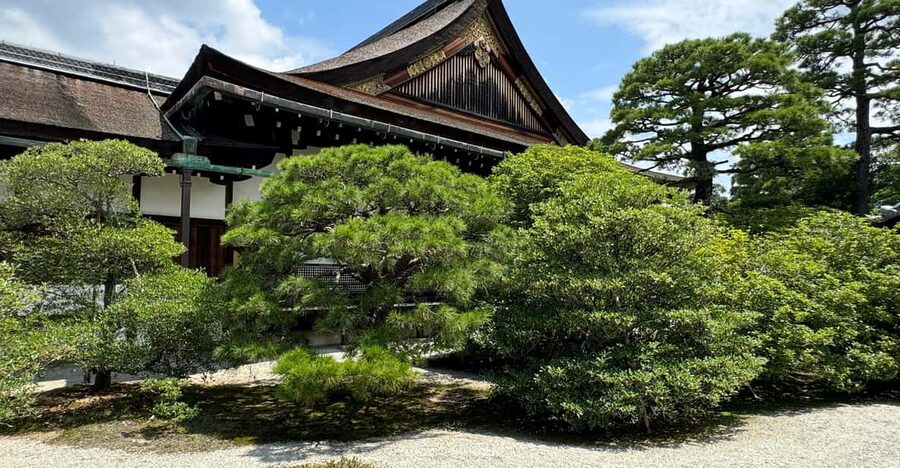
The palace complex also includes the emperor’s personal residence. This part gives the visit a more human scale. Grand ceremony halls tell you how the imperial family appeared in public, while the personal residence offers a glimpse of how court life functioned away from official events.
The tour description places emphasis on daily life in the imperial court. That is one of the most useful promises of the experience because it gives you a second way to understand the palace. You can compare the rigid formality of public ceremonies with the spaces connected to private routines.
I would pay attention to how your guide explains the difference between official and personal areas. The value is not only in seeing another building. It is in understanding the separate worlds that operated within the same palace complex.
The available information does not promise access to every interior room, nor does it list specific furnishings or displays. You should therefore expect a guided look at the palace structures and grounds rather than a museum-style visit packed with objects.
A completely different kind of day out:
- PERFECT KYOTO 1-Day Bus Tour
★ 5.0 · 13,518 reviews - [Kyoto & Nara Day Tour] Sagano Scenic Railway & Nara Park & Fushimi Inari Taisha Thousand Torii Gates & Togetsukyo Bridge & Bamboo Grove & Kimono Forest (Departing from Osaka)
★ 4.9 · 10,942 reviews - Kyoto: Fushimi Inari, Kinkakuji, Bamboo Grove 1 Day Bus Tour
★ 4.8 · 4,316 reviews - Kyoto: Tea Ceremony in a Traditional Tea House in Kiyomizu
★ 4.9 · 3,519 reviews
Gardens That Change the Pace
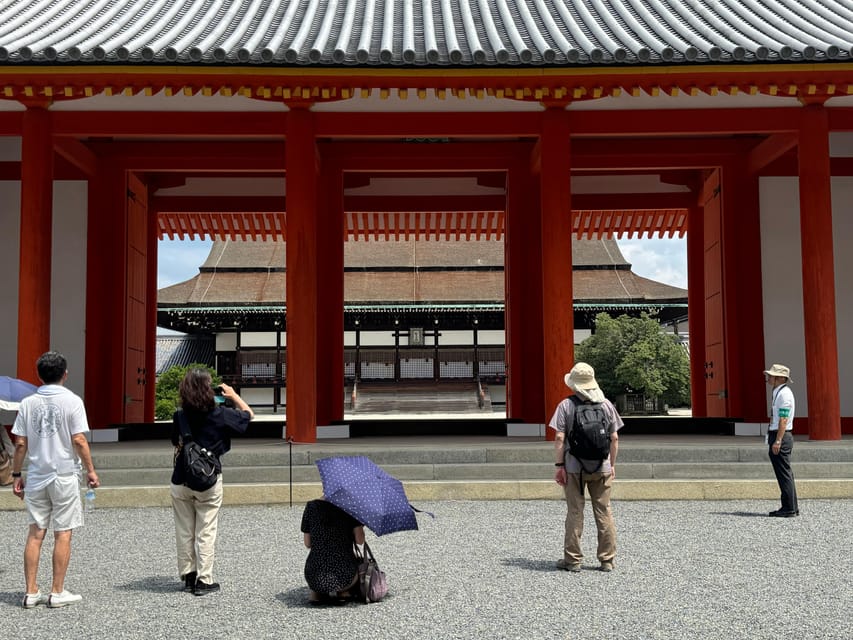
The palace gardens provide a welcome pause between the formal buildings. They are carefully landscaped, serene, and tied closely to the architecture. The combination gives you a better sense of how traditional Japanese design uses buildings, paths, open areas, and planted spaces together.
One particularly strong comment praised the interior garden as jaw droppingly beautiful. That description points to an important part of the experience. The palace is not only about political history. Some of its best moments come when you stop looking for information and simply notice the calm arrangement of the garden.
I like that the gardens prevent the tour from becoming a march between halls. They give you time to absorb what you have just seen and to appreciate the setting. Your guide may also use these areas to explain details that are easier to understand outdoors, such as the relationship between a building and its surrounding grounds.
The gardens are a good reason to keep your camera ready, but I would not rush through them for photographs. The appeal comes from the overall composition rather than a single famous viewpoint. Your guide’s comments may help you notice details that would otherwise pass by.
What the Guide Adds for $38
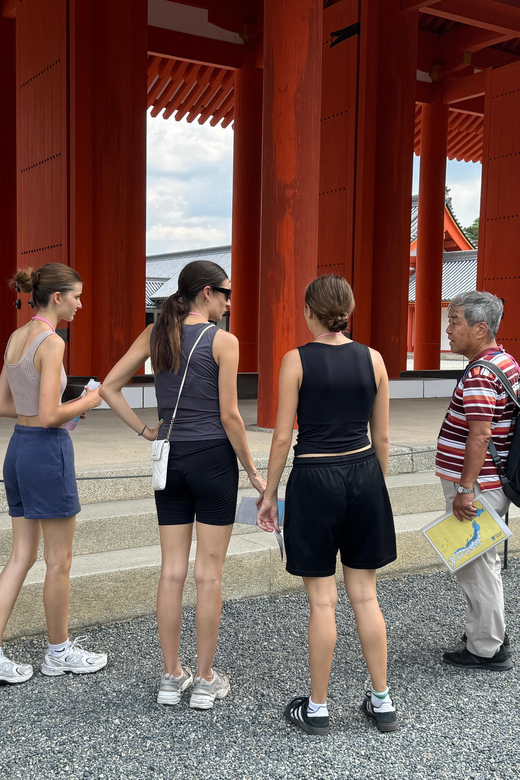
The price is $38 per person, and entry to Kyoto Imperial Palace is free. That means you are paying for the guide, organization, and access to an English-speaking explanation rather than for admission.
This makes the value easy to judge. If you already know the palace’s history and prefer to read signs or explore at your own speed, you may find the booking unnecessary. One German-language assessment reached exactly that conclusion, noting that the accessible areas could be seen without a guide.
I would still consider the fee reasonable for visitors who want context in English, especially on a first visit to Kyoto. The palace’s importance is not always obvious from its buildings alone. A well-prepared guide can explain why the halls were used, how the court operated, and what separates ceremonial spaces from personal ones.
The key phrase is well-prepared guide. The guide quality has not been perfectly consistent. One poor experience described a guide who offered little information and mainly walked alongside the group while taking photographs. That is a serious weakness because interpretation is the central reason to pay for this tour.
At the other end, Yoshi received warm praise for being well informed, helpful, and alert to interesting details. Another guide was praised for being energetic, cultured, and open to questions. These stronger experiences show what the tour can be when the guide does the job properly.
I would book this experience if you value conversation and historical explanation. I would skip it if you only want to enter the grounds and take photos.
A Practical Look at the One-Hour Route
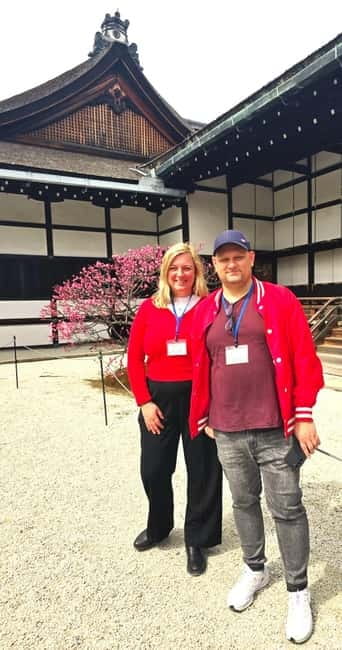
The route begins at Hamaguri Gate and returns there after the palace visit. The detailed schedule allows about one and a half hours for the guided palace portion, though the general activity information says one hour. Confirm the current timing before you commit to another activity immediately afterward.
The visit is focused rather than sprawling. You can expect your guide to lead you through the main areas, explain the grand ceremonial halls, discuss the emperor’s residence, and point out the gardens. The tour is not designed as a full-day exploration of Kyoto Gyoen National Garden.
That shorter format works well if you are building a busy Kyoto schedule. You can see the palace without giving up most of your morning or afternoon. It also suits you if you want a clear introduction before exploring other parts of Kyoto on your own.
The tradeoff is that the experience may feel brief if you want detailed architectural study or a long look at every garden area. A one-hour or one-and-a-half-hour walk can introduce the palace, but it cannot cover every layer of imperial history.
Who Will Get the Most From This Visit
I would recommend this tour to first-time visitors who want an organized introduction to the imperial palace. It is also a good fit if you have limited time and want someone to explain what you are seeing rather than simply wandering through the grounds.
History-minded visitors should find the focus on ceremonies and court life useful. The tour also suits anyone who wants to connect formal architecture with the people who used it. Families and small groups may appreciate the private or small-group choices, particularly if questions and conversation are important to you.
You may want to skip the guide if you are comfortable exploring independently and do not need English commentary. Since palace entry is free, self-guided access can be the better value for an independent visitor.
I would also be cautious if your schedule depends on a precise end time. The one-hour and one-and-a-half-hour descriptions do not match, so confirm the current timing before booking a train, restaurant, or another timed attraction.
Booking Flexibility and Basic Details
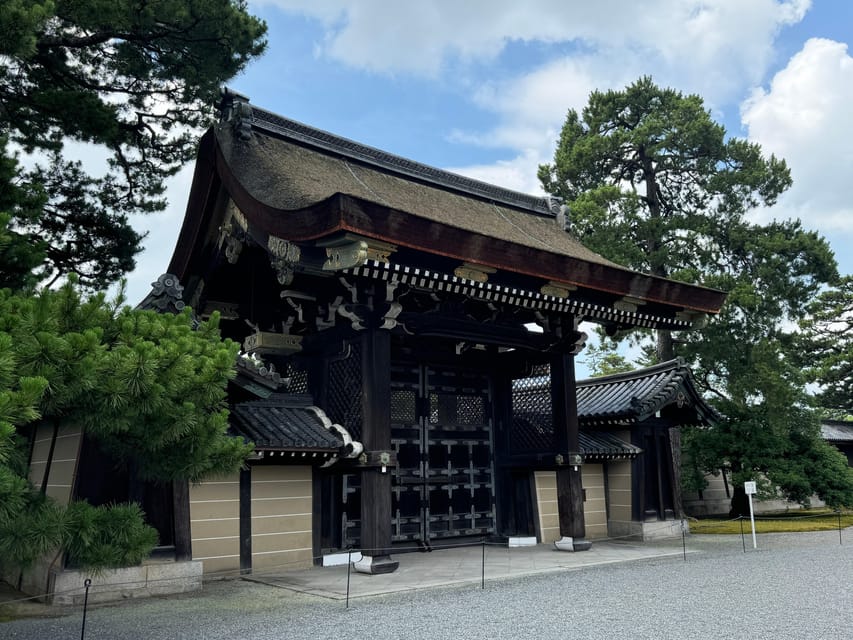
The tour is offered in English only. You can choose a private or small-group format, depending on availability. The guide meets you at Hamaguri Gate with the yellow DeepExperience sign, then leads you through the palace and back to the same gate.
You can reserve now and pay later, which helps if your Kyoto plans are still shifting. Cancellation is free up to 24 hours before the activity for a full refund. These terms make it easier to fit the visit into a changing itinerary.
The experience provider is DeepExperience, Inc. The listed price is $38 per person, and the palace entrance is free. I would treat the booking as a paid interpretation service, not as a ticket purchase.
Should You Book the Kyoto Imperial Palace Tour?
Book it if you want historical explanation, a focused route, and an English-speaking guide to connect the ceremony halls, personal residence, and gardens. The best version of this experience gives you more than attractive buildings. It helps you understand how Japan’s imperial court worked and why the palace mattered.
Skip it if you are happy to explore free-access areas alone or if you mainly want photographs. The mixed guide quality means the $38 fee is not automatically a bargain. If you book, arrive at Hamaguri Gate prepared to ask questions, and confirm whether your session lasts one hour or one and a half.
For the right visitor, this is a compact and worthwhile look at Kyoto’s royal past. Just remember that the guide, not the admission ticket, is what you are buying.
FAQ
Where does the Kyoto Imperial Palace tour begin?
The tour begins in front of Hamaguri Gate, also called Hamagurigomon, at Kyoto Imperial Palace. Your guide will be holding a yellow DeepExperience sign.
Where does the tour finish?
The guided visit returns to Hamaguri Gate, the same place where the tour begins.
How long does the tour last?
The activity information gives a duration of one hour, while the detailed guided visit is listed as one and a half hours. Check the available starting time and current duration when booking.
What language is the tour offered in?
The live tour guide speaks English.
Is entry to Kyoto Imperial Palace included?
Yes. Entry to Kyoto Imperial Palace is included, and the listed admission cost is free. The $38 price covers the guided experience.
Is this a private tour or a group tour?
Private and small-group options are available.
Can I cancel the booking?
Yes. You can cancel up to 24 hours in advance for a full refund. You can also reserve now and pay later.
Just added in Kyoto
- The “Golden Route” and Ancient Japan by DIAMIR Erlebnisreisen – 14-Day Tour★ 2.0 · 2 reviews
- Japan: Castles & Cuisine by G Adventures – 6-Day Kyoto to Osaka Tour★ 4.5 · 4 reviews
- Cycle Japan by Explore! – 13-Day Kyoto to Tokyo Tour★ 4.7 · 12 reviews
- Cycle Japan by Intrepid Travel – 11-Day Kyoto to Tokyo Tour★ 4.8 · 2 reviews
- Classic Japan by Intrepid Travel – 11-Day Kyoto to Tokyo Tour★ 4.4 · 14 reviews
- Ancient & Modern Japan 14-Day Tour by Exodus Adventure Travels★ 4.4 · 40 reviews
- 5 Day Cultural Adventure of Kyoto, Nara & Osaka by Tourist Journey★ 2.5 · 2 reviews
- 12 Days Kinosaki Onsen Escape: A Journey Through Japan’s Timeless Towns by UME Travel★ 4.8 · 5 reviews
Castles and Historic Sites, compared.

Imperial Palace and Shogun Historical Walking Tour
Read our review →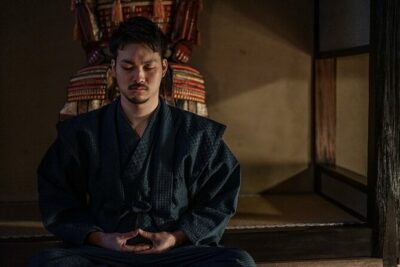
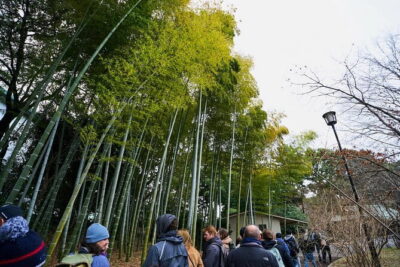
Tokyo Castle & Imperial PalaceーShogun Walking Tour
Read our review →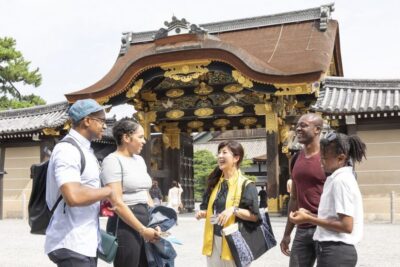
Nijo-jo Castle and Ninomaru Palace Guided Tour
Read our review →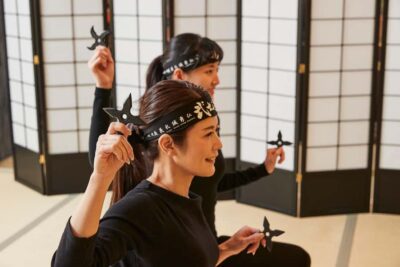
Samurai Ninja Museum Guided tour and Experience
Read our review →Browse the lists this tour appears in