
Reviewed · MARKETS AND FOOD HALLS
Kyoto: Enjoy Sushi & Market Tour! Best for Family & Couple!
Fresh fish, warm rice, and a little kitchen creativity make this Kyoto experience memorable. In two hours, you visit Nishiki Market, watch fish being prepared, make three styles of sushi, prepare miso soup, and sit down to eat what you created. I especially like the market visit and the chance to learn techniques you can repeat at home.
The small group, capped at 10 people, keeps the class personal without making it feel too formal. I also like the added Kyoto sightseeing advice, since seasonal tips from a local tourism expert can help you plan the rest of your visit. The main caution is value: at $77 per person, you should want a hands-on food class, not simply a sushi lunch. One person felt the instruction was less interactive than expected, so your enjoyment may depend on how actively the guide involves the group.
In This Review
- Key Points Before You Book
- Why This Two-Hour Class Works Well in Kyoto
- Starting at Nishiki Market With Fresh Fish
- Vinegar Rice, Dashi, and the Basics That Matter
- Three Sushi Styles, Three Different Skills
- Sitting Down to Eat What You Made
- The Guide’s Role Can Shape the Whole Experience
- Location, Timing, and Access
- Who Will Enjoy This Most?
- Is $77 a Fair Price?
- Final Verdict: Book It for the Lesson, Not Just the Meal
- FAQ
- Where does the Kyoto sushi class meet?
- How long does the experience last?
- How much does the tour cost?
- What types of sushi will I make?
- Is miso soup included?
- Is the experience available in English?
- How many people can join the class?
Key Points Before You Book
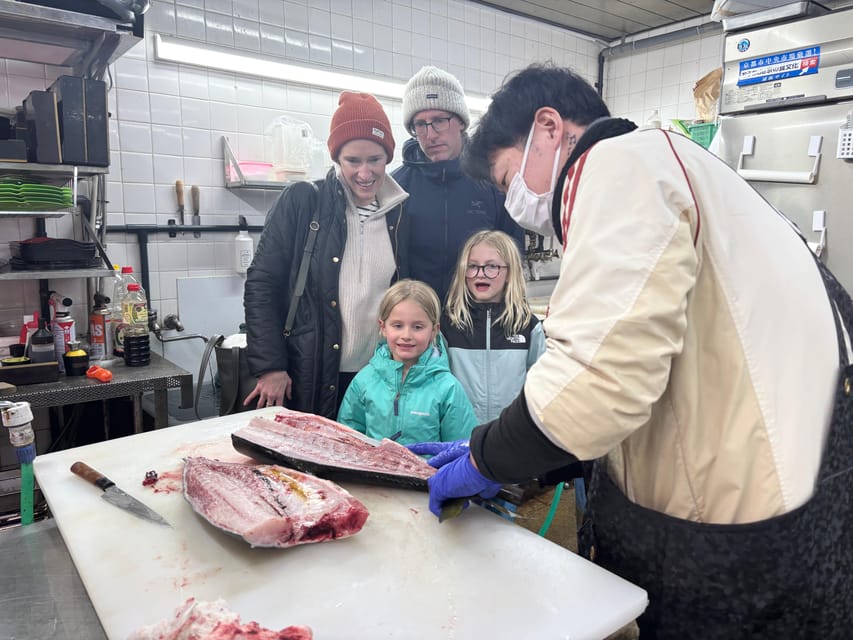
- Watch fish preparation at Nishiki Market: The outing includes a look at skilled vendors cutting fish, including salmon in one recent session.
- Make three kinds of sushi: You prepare nigiri, temari, and temaki, each with a different shape and method.
- Learn more than rolling technique: The class covers vinegar rice, dashi, miso soup, and Japanese food culture.
- Eat a full small meal: Your food includes sushi, miso soup, dessert, and coffee, with sake and beer available for an extra charge.
- Stay close to central Kyoto: The meeting point is about 10 minutes from Kyoto Station and five minutes from Shijo Station.
- Expect a compact class: The two-hour session is offered in English or Japanese and welcomes up to 10 people.
Why This Two-Hour Class Works Well in Kyoto
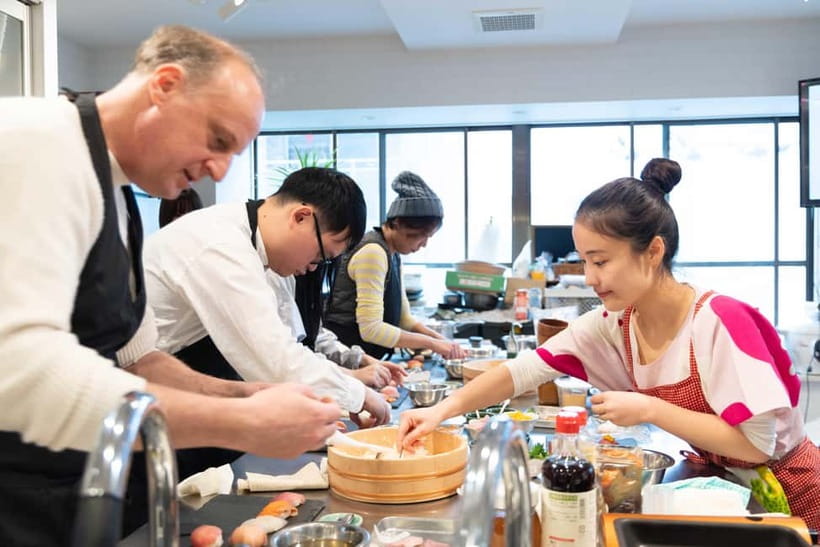
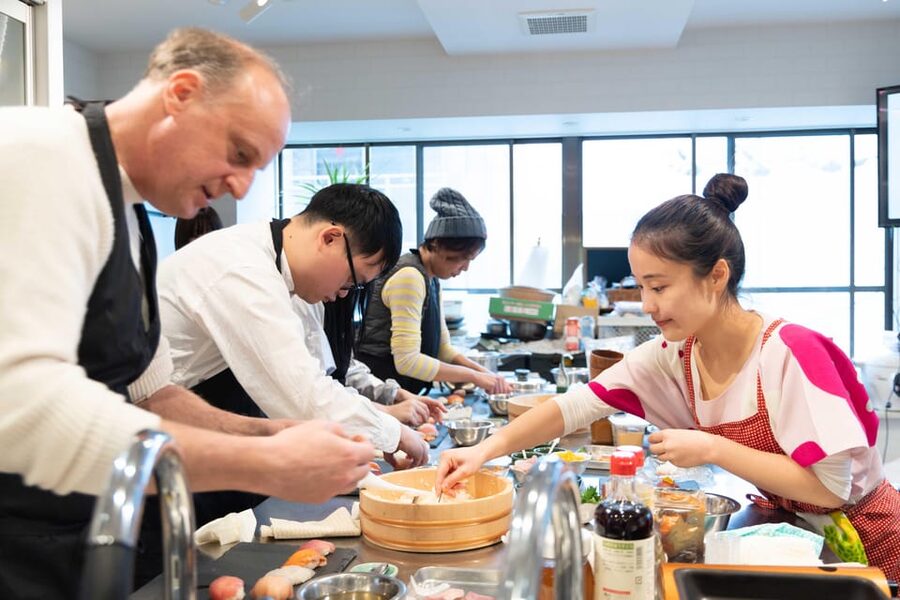
Kyoto has no shortage of food experiences, but many are built around watching someone else cook. This one gives you a task at nearly every stage. You see the fish, prepare the rice, shape the sushi, make soup, and then eat the result.
That makes the class especially useful for families and couples. Children and first-time cooks get clear goals, while adults can pay attention to the details of Japanese ingredients and presentation. You are not expected to create restaurant-perfect sushi. The point is to learn a method that you can use at home.
The setting also helps with planning. The class is in central Kyoto, near Gion and Kiyomizu-dera, so you can fit it into a day of sightseeing. You meet in front of the building with Salon Roll hair salon on the first floor. That landmark matters because a central Kyoto meeting point can otherwise be easy to miss among narrow streets and busy storefronts.
The two-hour duration is another plus. It is long enough to feel like a real activity, but short enough to fit before an afternoon temple visit or an evening meal. If you are building a packed Kyoto schedule, this is less of a commitment than a long restaurant-based cooking course.
More Markets and Food Halls in Kyoto
- Nishiki Market Brunch Walking Tour (7 Tastings + Brunch)
★ 5.0 · 1,355 reviews - Kimono Tea Ceremony at Kyoto Maikoya, NISHIKI
★ 5.0 · 911 reviews - Kyoto Nishiki Market Food and Culture Walking Tour
★ 5.0 · 412 reviews
Starting at Nishiki Market With Fresh Fish
The market visit gives the class a useful beginning. Instead of treating sushi as an abstract recipe, you first see the ingredient in a working food market. Nishiki Market is known for its food stalls and traditional products, and this experience focuses on the fish that will help shape your meal.
The most interesting part is watching fish cutting. A skilled vendor prepares the fish while you observe the process. One family group singled out salmon cutting as a memorable part of the day. This is a small moment, but it gives you a better sense of the care behind the slices placed on sushi rice.
You should keep your expectations in check. This is not a guided historical tour of Nishiki Market, and the supplied details do not promise a long market walk or tastings at many stalls. The market visit serves the cooking class. You go there to see the fish being selected and prepared, then return to the class with a clearer idea of what you are about to eat.
That focus is a strength if you like practical food experiences. You get to connect the ingredient with the finished dish. It is less suitable if you want a broad market tour with lots of independent browsing.
Vinegar Rice, Dashi, and the Basics That Matter
Good sushi starts with rice, and this class gives vinegar rice its proper place. You learn how to prepare the seasoned rice used for sushi rather than simply receiving a bowl of ready-made rice. That step helps explain why sushi rice tastes different from ordinary steamed rice.
The class also covers dashi, the savory stock used in Japanese cooking. You taste and compare it before using it in miso soup. This tasting and comparison is a useful feature because it lets you notice the base flavor before it is mixed into the finished soup.
Then you make miso soup. For many people, this may be the most practical lesson of the day. Sushi can look intimidating at home, especially when shaping and slicing are involved. Miso soup is easier to repeat, and learning how dashi and miso work together gives you a simple Japanese dish for future meals.
The food culture introduction adds context without turning the class into a lecture. You learn why the components matter, then use them. That balance should suit you if you prefer short explanations followed by something active.
Three Sushi Styles, Three Different Skills
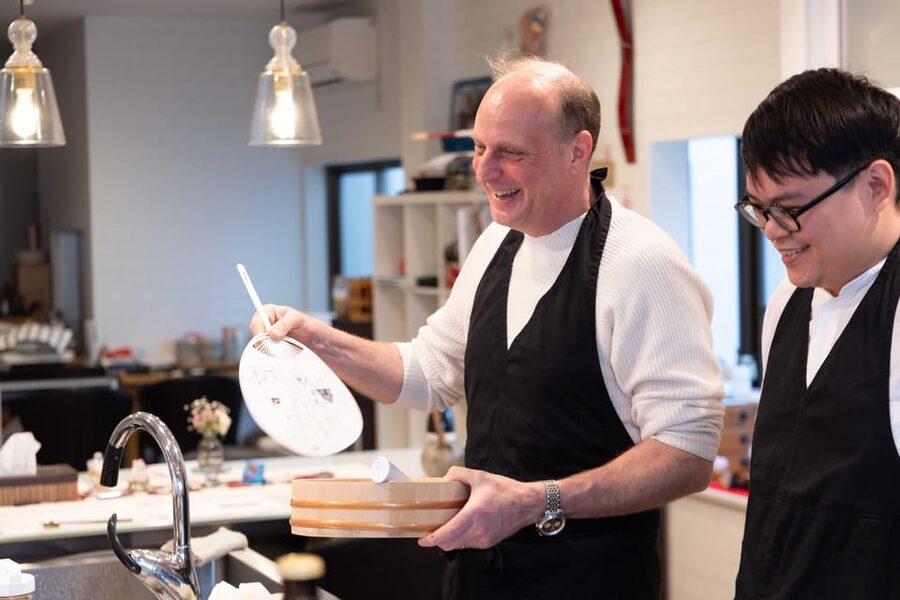
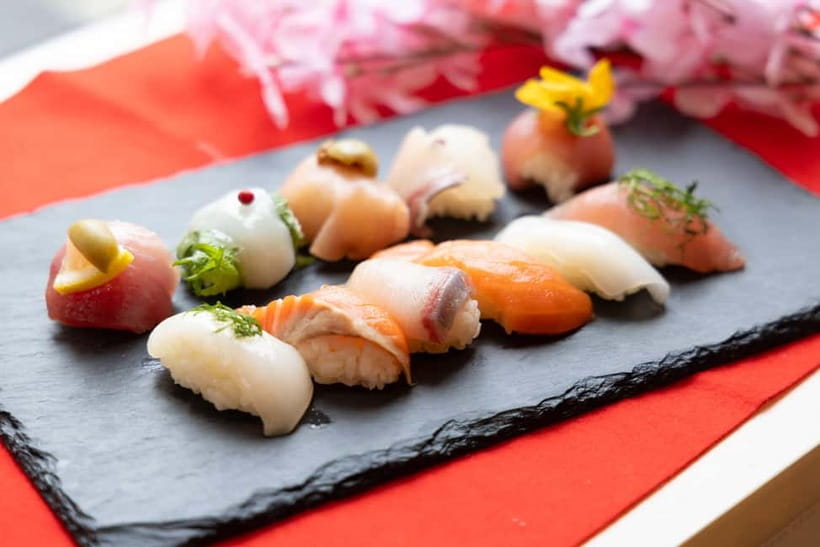
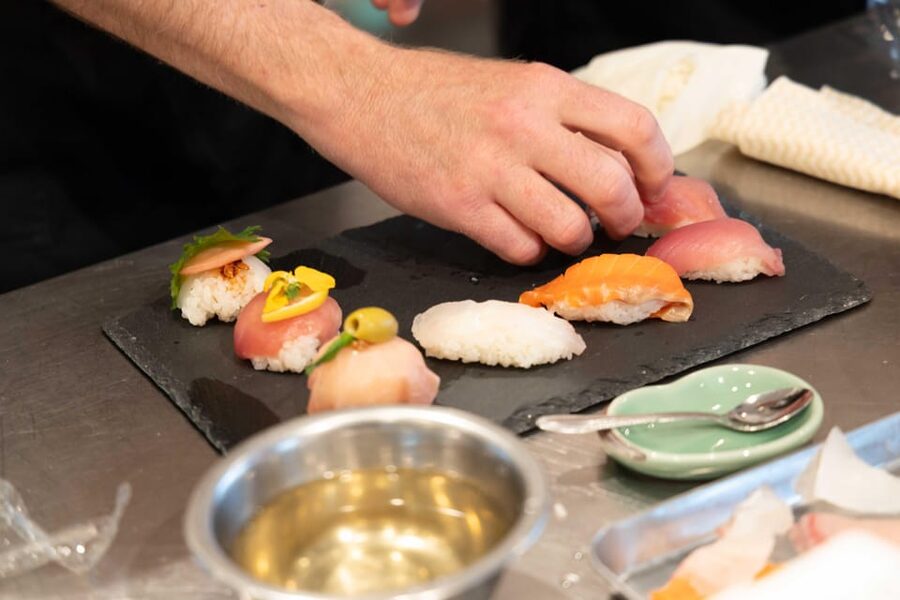
The class includes nigiri, temari, and temaki. Learning all three gives the session more range than a basic roll-making workshop.
Nigiri is the familiar hand-shaped sushi with fish or another topping placed over rice. It requires a light touch. Press too hard and the rice becomes dense; press too little and the shape falls apart. You get a feel for the balance between tidy presentation and a pleasant texture.
Temari sushi is shaped like a small ball. Its rounded form gives you room to be creative with toppings and color. This is likely to appeal to children and anyone who enjoys arranging food. The goal is not just to reproduce identical pieces. You are encouraged to use your own creativity while keeping the sushi easy to make at home.
Temaki is hand-rolled sushi, usually formed into a cone. It is often the most relaxed style of the three and can be a good choice for a home gathering. The class presents these forms as something you can take back to your own kitchen, not as techniques reserved for trained chefs.
That home-party angle is one of the strongest reasons to book. You leave with several presentation ideas, and you can adapt them to your own ingredients. Still, do not expect professional knife training or an advanced sushi apprenticeship. The stated focus is approachable preparation, not chef certification.
A completely different kind of day out:
- PERFECT KYOTO 1-Day Bus Tour
★ 5.0 · 13,518 reviews - [Kyoto & Nara Day Tour] Sagano Scenic Railway & Nara Park & Fushimi Inari Taisha Thousand Torii Gates & Togetsukyo Bridge & Bamboo Grove & Kimono Forest (Departing from Osaka)
★ 4.9 · 10,942 reviews - Kyoto: Fushimi Inari, Kinkakuji, Bamboo Grove 1 Day Bus Tour
★ 4.8 · 4,316 reviews - Kyoto: Tea Ceremony in a Traditional Tea House in Kiyomizu
★ 4.9 · 3,519 reviews
Sitting Down to Eat What You Made
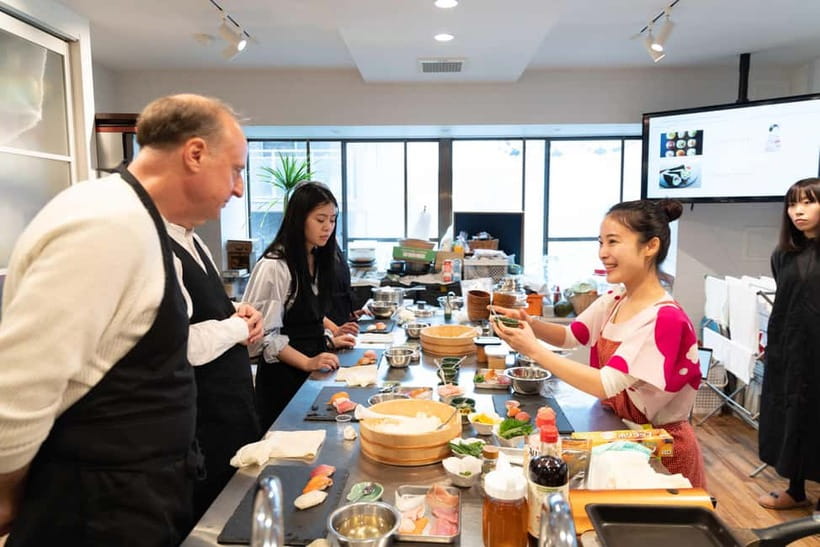
After the preparation, you eat the sushi and miso soup as a meal. This changes the mood from lesson to shared table. You can compare your results with the rest of the small group, ask questions, and enjoy the food while it is fresh.
Dessert and coffee are included. One particularly full session finished with green tea, sake, and a homemade matcha dessert, though you should treat the alcoholic drinks as optional extras rather than part of the standard price. Kyoto beverages such as sake and beer are available for an additional charge.
The included meal helps explain part of the $77 price. You are paying for instruction, ingredients, market access, a prepared meal, dessert, and a local perspective, not just for a plate of sushi. If you would happily spend that amount on a food activity, the package is reasonable.
If your main goal is quantity, the value is less convincing. A sushi restaurant may provide more food for the same money, and one participant felt the fish quality alone did not justify the price. I would book this for the activity and the lesson first, with the meal as an important bonus.
The Guide’s Role Can Shape the Whole Experience
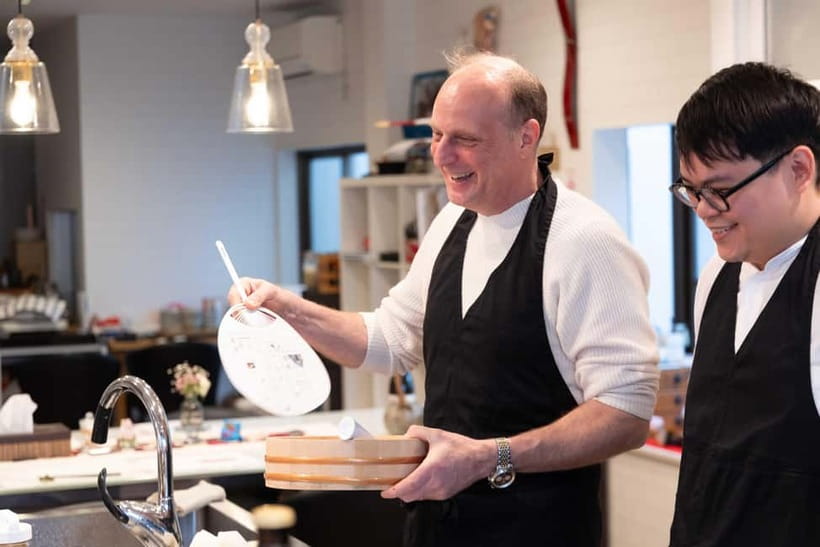
The class is offered in English or Japanese, and the guide is central to its success. The strongest feedback describes a warm, patient instructor who corrected technique while still allowing participants to explore their own flavors. That is exactly the right approach for a mixed group of beginners.
The experience also includes seasonal Kyoto sightseeing advice from a local tourism expert. This is a valuable extra because Kyoto changes with the calendar. Advice about what to see in a particular season can help you decide how to use your next day, especially if you have not planned every temple and district in advance.
You should also know that the level of interaction may vary. One participant expected more hands-on attention and found the instructor less engaged with the group. With a maximum of 10 people, the class is small, but a small group does not guarantee constant one-to-one coaching.
I would make your questions clear and take part actively. Ask for help with rice shaping, soup seasoning, or presentation when you need it. The more you participate, the more you are likely to get from the session.
Location, Timing, and Access
The meeting point is in central Kyoto, in front of the building with Salon Roll on the first floor. It is about 10 minutes from Kyoto Station and five minutes from Shijo Station. The location is also convenient for Gion and Kiyomizu-dera, making it practical as part of a sightseeing day.
The experience lasts two hours, with starting times dependent on availability. That makes it easy to place into a morning or afternoon plan, but you should avoid stacking it too tightly against another timed booking. Market visits, explanations, and group cooking do not always move at exactly the same pace.
The activity is wheelchair accessible. Smoking is not allowed indoors. The class supports English and Japanese, which makes it suitable for international visitors who want instruction without relying only on demonstrations.
Because the group is limited to 10, the class should feel more manageable than a large cooking demonstration. Couples can work at their own pace, while families can share the activity without splitting into separate stations.
Who Will Enjoy This Most?
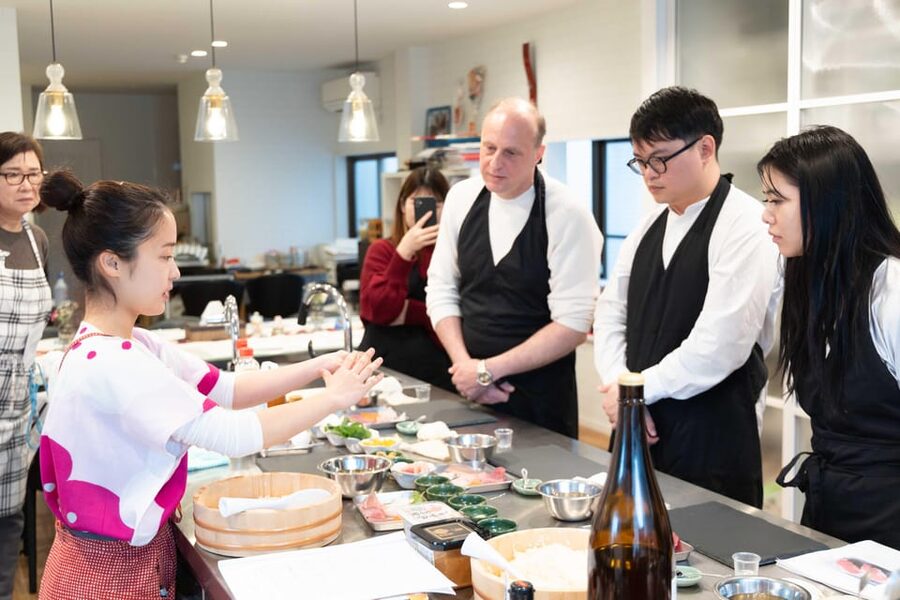
I would recommend the class most strongly to:
- Families looking for a hands-on Kyoto activity
- Couples who want a meal they create together
- First-time sushi makers
- Home cooks who want practical Japanese recipes
- People who enjoy food markets and local ingredients
- Visitors who want seasonal Kyoto planning advice
It is also a good rainy-day option, since much of the experience takes place indoors after the market visit. The class offers a change from temple visits and sightseeing walks, giving you a chance to sit, work with your hands, and eat.
You may want to skip it if you are seeking an advanced culinary course. The focus is on accessible sushi, miso soup, and food culture. It is not described as a professional knife-skills class, a long market tour, or a private chef lesson.
The experience can work for children, but the supplied details do not specify a minimum age. If you are booking for young children, confirm that point before paying.
Is $77 a Fair Price?
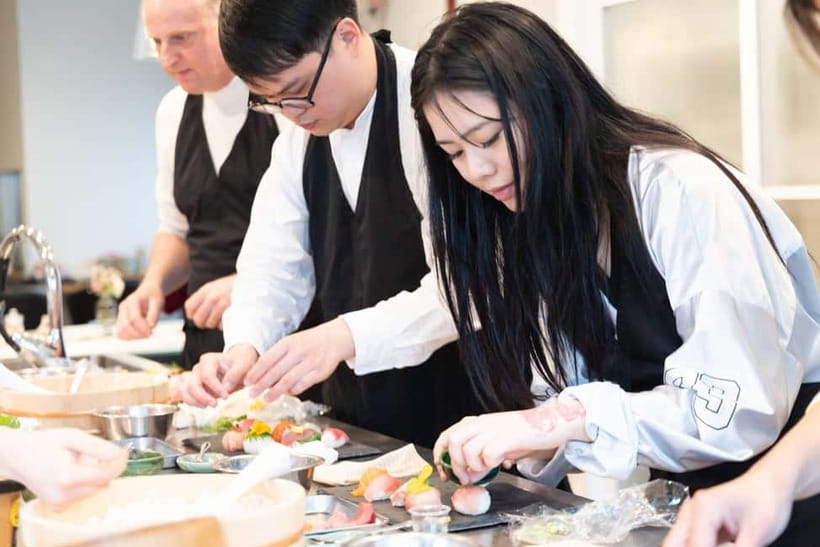
At $77 per person, this is not the cheapest way to eat sushi in Kyoto. You can find a less expensive meal elsewhere. The price makes more sense when you count the market visit, instruction, ingredients, three sushi styles, miso soup, dessert, coffee, and local sightseeing advice.
The small group also matters. A class limited to 10 people has a better chance of offering useful corrections than a large demonstration. Still, the mixed response about instructor interaction means I would not promise a highly personal lesson for every session.
For a family or couple, the shared activity may justify the cost more easily than it would for a solo diner. You are buying a memory and a skill, not simply lunch. If you plan to recreate the dishes at home, the value improves.
Free cancellation up to 24 hours before the activity and the option to reserve now and pay later add flexibility. Those terms are useful in Kyoto, where weather and sightseeing plans can shift, but the main booking decision should still come down to your interest in cooking.
Final Verdict: Book It for the Lesson, Not Just the Meal
I would book this Kyoto sushi experience if you want to make food, meet a local guide, and leave with techniques you can use at home. The Nishiki Market fish cutting, dashi comparison, three sushi styles, miso soup, and seasonal sightseeing advice give the two hours a clear sense of purpose.
The best match is a family or couple that enjoys active experiences and does not mind paying more than the cost of an ordinary meal. If you want constant hands-on coaching or a large amount of food, the price may disappoint.
For most first-time sushi makers, though, this is a pleasant and useful break from Kyoto’s temples. Bring your appetite, ask questions, and treat the class as a small food lesson with a meal at the end. That is where the value lies.
FAQ
Where does the Kyoto sushi class meet?
You meet in front of a building with a hair salon called Salon Roll on the first floor.
How long does the experience last?
The activity lasts two hours.
How much does the tour cost?
The listed price is $77 per person.
What types of sushi will I make?
You will learn to prepare nigiri, temari, and temaki sushi.
Is miso soup included?
Yes. The class includes learning how to make dashi, tasting and comparing it, and making miso soup.
Is the experience available in English?
Yes. Instruction is available in English and Japanese.
How many people can join the class?
It is a small-group activity limited to 10 participants.
Just added in Kyoto
- The “Golden Route” and Ancient Japan by DIAMIR Erlebnisreisen – 14-Day Tour★ 2.0 · 2 reviews
- Japan: Castles & Cuisine by G Adventures – 6-Day Kyoto to Osaka Tour★ 4.5 · 4 reviews
- Cycle Japan by Explore! – 13-Day Kyoto to Tokyo Tour★ 4.7 · 12 reviews
- Cycle Japan by Intrepid Travel – 11-Day Kyoto to Tokyo Tour★ 4.8 · 2 reviews
- Classic Japan by Intrepid Travel – 11-Day Kyoto to Tokyo Tour★ 4.4 · 14 reviews
- Ancient & Modern Japan 14-Day Tour by Exodus Adventure Travels★ 4.4 · 40 reviews
- 5 Day Cultural Adventure of Kyoto, Nara & Osaka by Tourist Journey★ 2.5 · 2 reviews
- 12 Days Kinosaki Onsen Escape: A Journey Through Japan’s Timeless Towns by UME Travel★ 4.8 · 5 reviews
Markets and Food Halls, compared.
Tokyo Tsukiji Fish Market Food and Culture Walking Tour
Read our review →

Senkyaku Banrai Toyosu Manyo Club Onsen Experience in Tokyo
Read our review →
Nishiki Market Brunch Walking Tour (7 Tastings + Brunch)
Read our review →
Tokyo Sushi Making Class in Tsukiji with Professional Chef
Read our review →
Tsukiji Fish Market Guided Tour and Sushi Making with Pro Chef
Read our review →Browse the lists this tour appears in