
Reviewed · CASTLES AND HISTORIC SITES
Kyoto: Forge Your Own Ninja Weapon with Japanese Tin Casting
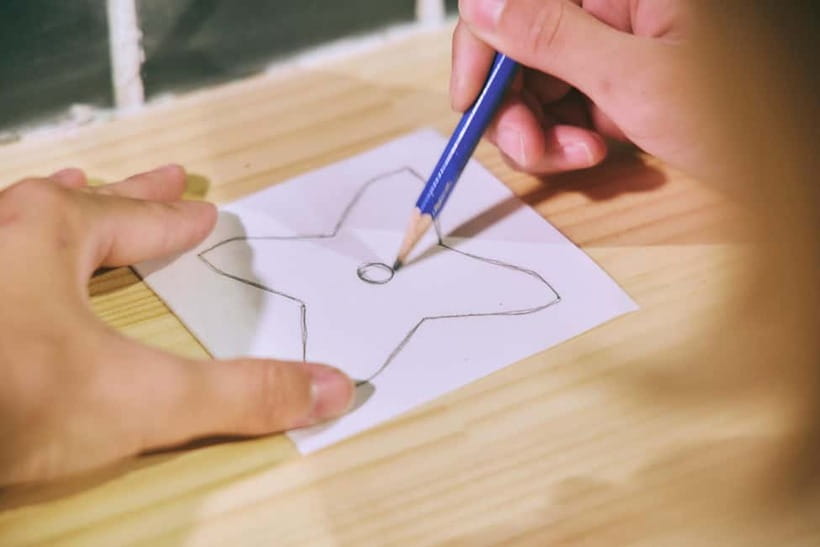
A ninja star beats another fridge magnet. Kyoto’s tin-casting workshop gives you a real hands-on craft session, with molten metal, casting sand, filing, polishing, and a finished piece in its own box. I especially like the three-minute walk from Demachiyanagi Station and the fact that you make the item from start to finish, rather than simply decorating a ready-made souvenir.
I also like the patient instruction, including English support, and the choice between a shuriken, kunai, and oni-inspired mask. The main consideration is price: at $103 per person, this is not a cheap quick activity, and the mask takes about 2.5 hours. You should also bring your own drink, since water is not provided.
In This Review
- The five details worth knowing first
- Why this Kyoto craft class feels different
- Getting to the studio near Demachiyanagi Station
- Choosing between a shuriken, kunai, and oni mask
- Building the mold in casting sand
- Pouring molten tin under supervision
- Cooling, hammering, and filing the finished piece
- Oil, rust protection, and the final presentation
- How much value do you get for $103?
- Is it suitable for children and families?
- The instructors and language support
- Who should book this experience?
- Should you book the Kyoto ninja casting class?
- FAQ
- Where is the ninja casting workshop located?
- How long does the experience take?
- What can I make?
- What material is used?
- Do I need previous metalworking experience?
- Are children allowed to participate?
- What should I bring?
- Can I cancel or pay later?
The five details worth knowing first
- Tin melts at about 230 degrees Celsius, making this a manageable introduction to metal casting with staff supervision.
- You create the mold yourself, so the finished shuriken or kunai feels personal rather than factory-made.
- The studio is three minutes from Demachiyanagi Station, a useful location when you want a craft activity without a long ride across Kyoto.
- You can choose a shuriken, kunai, or oni mask, though the kunai and mask are optional upgrades.
- Every weapon comes with a dedicated box, which makes carrying your finished piece much easier.
- The session works well for families, but children under 15 need a guardian, and children under 5 cannot join.
Why this Kyoto craft class feels different
Kyoto is full of polished cultural activities. You can watch tea preparation, try calligraphy, or rent traditional clothing for photographs. This workshop takes a rougher, more physical route. You handle casting sand, metal, files, oil, and finishing tools. The result is a small object with visible signs of your own work.
That matters because the souvenir is not just a ninja-themed product. You help form it, cast it, shape it, and polish it. If you rush the filing stage, the surface may show it. If you take care with the edges and finish, your piece will feel more refined. That personal connection gives the activity its strongest value.
The finished weapon is modest in size, about 8 to 10 centimeters. Do not expect a large movie prop. You are making a compact keepsake that fits into its own box and luggage without trouble.
The workshop uses tin, which melts at about 230 degrees Celsius and is described as easy to work with. That does not mean you should treat it casually. You will still work around hot material and equipment, but the process is suitable for beginners with staff assistance. The instructors guide you through the parts that require care.
More Castles and Historic Sites in Kyoto
- Kyoto Samurai Experience
★ 5.0 · 1,294 reviews - Kyoto: Nijo-jo Castle and Ninomaru Palace Guided Tour
★ 4.7 · 1,020 reviews - Kyoto: Kendo and Samurai Experience with Uniform and Gear
★ 4.9 · 815 reviews
Getting to the studio near Demachiyanagi Station
The location is one of the class’s practical strengths. From Demachiyanagi Station, it is about a three-minute walk. That is useful in Kyoto, where a good activity can lose some of its appeal if it requires a long trip and several transfers.
You can fit the workshop into a day around northern and eastern Kyoto, depending on your plans. The supplied information does not give a full neighborhood itinerary, so I would treat the class as an easy station-based activity rather than assume specific nearby sights or restaurants.
Arrive with a little flexibility. The listed duration is two hours to 150 minutes, depending on what you make. A shuriken or kunai takes about two hours. The oni mask takes about 2.5 hours because it includes extra finishing work.
Wear something suitable for a hands-on workshop. An apron is provided, along with the equipment and materials for one item. Bring a drink, since water is not included. Food, alcohol, smoking, and drugs are not allowed, and the class does not permit personal fire-making.
Choosing between a shuriken, kunai, and oni mask
Your first major decision is the design. Each choice offers a different amount of detail and work.
The shuriken is the straightforward option. It is compact, recognizable, and suited to a shorter session. If you want the basic metal-casting experience without extending your schedule, this is the sensible pick.
The kunai, described as a ninja knife, is available as an optional upgrade. It offers a different shape and likely requires more attention during finishing, though the exact upgrade price is not provided. Ask about the added cost before you begin if your budget is firm.
The oni mask is the most involved choice. It takes around 2.5 hours and includes gold leaf, plus a cord that lets you make the piece wearable or ready for display. This option has more visual impact and gives you extra decisions to make, but it also ties you to a longer appointment.
I would choose based on your schedule and patience, not only on appearance. The shuriken suits a first attempt and a tighter Kyoto itinerary. The kunai offers a more substantial form. The oni mask is best if you enjoy detail work and want the most elaborate finished piece.
Building the mold in casting sand
The workshop begins with the mold. You shape professional casting sand to define the form of your selected item. This is an important part of the activity because it makes you think about the final shape before the metal appears.
The mold is not a decorative side task. It controls the result. You need to form it carefully enough for the tin to fill the intended space and create the design. Staff help you through the process, which makes the class suitable even if you have never cast metal before.
This stage also gives the session a good rhythm. You are not standing around watching an instructor do everything. You make decisions and use your hands, with guidance when the material or process is unfamiliar.
A completely different kind of day out:
- PERFECT KYOTO 1-Day Bus Tour
★ 5.0 · 13,518 reviews - [Kyoto & Nara Day Tour] Sagano Scenic Railway & Nara Park & Fushimi Inari Taisha Thousand Torii Gates & Togetsukyo Bridge & Bamboo Grove & Kimono Forest (Departing from Osaka)
★ 4.9 · 10,942 reviews - Kyoto: Fushimi Inari, Kinkakuji, Bamboo Grove 1 Day Bus Tour
★ 4.8 · 4,316 reviews - Kyoto: Tea Ceremony in a Traditional Tea House in Kiyomizu
★ 4.9 · 3,519 reviews
Pouring molten tin under supervision
Once the mold is ready, solid tin is melted and poured into it. This is the moment that gives the workshop its spark. You see an ordinary metal turn into a liquid, then take the shape you prepared.
The activity information says you pour the tin under staff supervision. That point is important. You are not left to manage the hottest or most sensitive part on your own. The class is designed to let beginners take part while keeping experienced staff close by.
The temperature is serious enough that you should listen closely and follow directions. The supplied rules prohibit making fire, and the workshop controls the casting process. I would not treat this like a casual craft table for small children. Younger participants can take part with staff help, but children under 15 must have a guardian.
Cooling, hammering, and filing the finished piece
After the pour, the metal is cooled in water so it solidifies. Then comes the less glamorous but very satisfying work: shaping, hammering, filing, and smoothing.
You use files and grinders to refine the surface. The supplied steps also include shaping by hammering. This is where your object changes from a rough cast form into something you can proudly place in its box.
The finishing work takes patience. You may find that a small piece requires careful attention, especially around its edges and surface. The instructors can show you where to remove rough areas and how to improve the final look. Several participants specifically praised the clear explanations and patient help, and that is the kind of support that makes a craft class work for beginners.
Do not expect a flawless factory finish without effort. That is part of the point. A few small marks can remind you that you made the item yourself. If you want a perfect commercial object, buy one in a shop. If you want a souvenir with a story, take your time at the file and grinder stage.
Oil, rust protection, and the final presentation
The finished metal is soaked in a rust-preventive solution and coated with special oil. These final steps protect the surface and give the object a more complete finish.
The dedicated box is a small but useful touch. It protects the item during the rest of your trip and makes packing easier. You do not need to improvise a wrapping job with hotel paper or a spare sock.
The oni mask adds two final details. You can apply gold leaf for a stronger visual accent, then choose and attach a cord. That lets you prepare it for wearing or display. Since the mask takes longer and includes more finishing work, it makes sense for people who want the craft process itself, not just the souvenir.
Photos and videos of your crafting experience are also available as part of the experience’s memory-making focus. The workshop setting is described as a good place for photos, so you can document the process as well as the final object.
How much value do you get for $103?
At $103 per person, the class costs more than a standard museum visit or a simple souvenir-making session. You are paying for instruction, studio time, equipment, apron rental, materials, and a finished metal object that you take home.
The value improves if you care about the process. You get to design the item, make the mold, cast the tin, shape the piece, file it smooth, apply rust protection, and oil the surface. That is a full workshop rather than a short demonstration.
The price is easier to justify for a special occasion. One participant used the class for a birthday and found the staff especially warm and helpful. Another described the finished piece as an heirloom connected to a Japanese holiday. I would also consider it good value for families who want one strong shared activity rather than several small attractions.
The calculation changes if you only want a cheap ninja souvenir. In that case, $103 may feel high. You should book because you want to make something, not simply because you want to own a shuriken.
Is it suitable for children and families?
The class is suitable for beginners and children with staff assistance. Several family bookings included children around 9 and 10 years old, and the activity worked as a memorable project for them. The rules are clear: children under 15 must be accompanied by a guardian, and children under 5 are not suitable for the class.
Parents should remember that this is real metal casting, not a toy workshop. The process involves molten tin, tools, hammering, files, and grinders. You will need to stay involved with younger children and follow staff instructions closely.
For older children, the class offers something better than a passive cultural stop. They can see a material change state, make a mold, and leave with a physical result. It also gives them a story to tell that goes beyond buying a souvenir.
The class suits couples, friends, and solo participants too. One booking became a one-on-one session, which allowed plenty of conversation and even produced tips about things to do in Kyoto and Osaka. Group size can vary, so you should not assume you will receive a private class, but a smaller session could feel especially relaxed.
The instructors and language support
Instruction is available in English and Japanese. The strongest practical feature is the step-by-step help. You do not need prior metalworking experience, and staff explain what to do at each stage.
Daiki and a colleague were praised for being helpful, patient, and proud of their work. That matches what you want from a class like this: not a long lecture, but timely advice while you are handling the material.
English support is a major advantage for international visitors. You can ask questions as you work, rather than simply copy a demonstration and hope for the best. The tone also appears friendly, with time for conversation during the crafting process.
Still, this is a working session, so stay attentive. Staff assistance does not remove the need to listen, especially during the pour, cooling, and tool stages.
Who should book this experience?
I would recommend this class if you want an active cultural experience with a clear result. It is a strong fit for:
- First-time visitors who want something beyond temples and shopping
- Ninja, samurai, and Japanese craft enthusiasts
- Families with children over 5, with a guardian for anyone under 15
- Couples or friends looking for a shared project
- Solo visitors who enjoy learning by doing
- Anyone searching for a compact, personal souvenir
I would think twice if you dislike workshop environments, have a very tight schedule, or want a low-cost activity. The mask can take 2.5 hours, and even the shorter options require focus. You should also remember that food, alcohol, smoking, and personal fire-making are not allowed.
Cancellation is flexible if your plans change: you can cancel up to 24 hours ahead for a full refund. You can also reserve now and pay later, which helps if your Kyoto schedule is still moving around.
Should you book the Kyoto ninja casting class?
Yes, if you want to make something rather than merely see something. The short walk from Demachiyanagi Station, English and Japanese instruction, patient staff, and take-home box all make the class practical. The best part is the complete process, from sand mold to polished metal.
Choose the shuriken for a roughly two-hour introduction. Pay attention to the optional kunai and oni mask upgrades, and ask about their added cost before committing. Pick the oni mask only if you have the extra half-hour and enjoy detailed finishing, gold leaf, and cord work.
At $103, this is a considered purchase, but it offers more lasting value than a quick souvenir stop. Bring water, allow extra time, and treat the hot metal and tools with respect. If you do that, you leave Kyoto with a small object made by your own hands and a much better sense of how craft turns raw material into culture.
FAQ
Where is the ninja casting workshop located?
The studio is about a three-minute walk from Demachiyanagi Station in Kyoto.
How long does the experience take?
The shuriken and kunai sessions take approximately two hours. The oni mask takes approximately 2.5 hours. Completion times can vary, so allow extra time.
What can I make?
You can choose a shuriken, a kunai, or an oni-inspired metal mask. The kunai and oni mask are listed as optional upgrades.
What material is used?
The workshop uses tin. It melts at about 230 degrees Celsius and is cast into the mold you create.
Do I need previous metalworking experience?
No. The activity is suitable for beginners, and staff guide you through the casting, shaping, filing, and finishing steps.
Are children allowed to participate?
Children aged 5 and older can participate with staff assistance. Anyone under 15 must be accompanied by a guardian. Children under 5 are not suitable for the activity.
What should I bring?
Bring a drink. Water is not provided. An apron, equipment, and materials for one weapon are included.
Can I cancel or pay later?
You can cancel up to 24 hours in advance for a full refund. The reservation option also allows you to book now and pay later.
Just added in Kyoto
- The “Golden Route” and Ancient Japan by DIAMIR Erlebnisreisen – 14-Day Tour★ 2.0 · 2 reviews
- Japan: Castles & Cuisine by G Adventures – 6-Day Kyoto to Osaka Tour★ 4.5 · 4 reviews
- Cycle Japan by Explore! – 13-Day Kyoto to Tokyo Tour★ 4.7 · 12 reviews
- Cycle Japan by Intrepid Travel – 11-Day Kyoto to Tokyo Tour★ 4.8 · 2 reviews
- Classic Japan by Intrepid Travel – 11-Day Kyoto to Tokyo Tour★ 4.4 · 14 reviews
- Ancient & Modern Japan 14-Day Tour by Exodus Adventure Travels★ 4.4 · 40 reviews
- 5 Day Cultural Adventure of Kyoto, Nara & Osaka by Tourist Journey★ 2.5 · 2 reviews
- 12 Days Kinosaki Onsen Escape: A Journey Through Japan’s Timeless Towns by UME Travel★ 4.8 · 5 reviews
Castles and Historic Sites, compared.



Imperial Palace and Shogun Historical Walking Tour
Read our review →
Tokyo Castle & Imperial PalaceーShogun Walking Tour
Read our review →
Nijo-jo Castle and Ninomaru Palace Guided Tour
Read our review →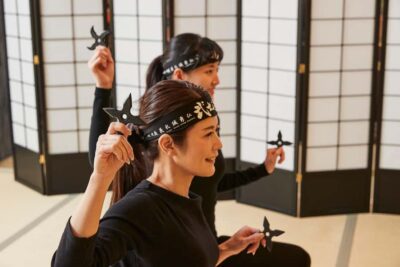
Samurai Ninja Museum Guided tour and Experience
Read our review →Browse the lists this tour appears in