
Reviewed · WALKING TOURS
Kyoto: Historic Higashiyama Walking Tour
Kyoto’s sacred east side rewards steady feet. This four-hour walk links Fushimi Inari’s vermilion torii, Gion’s traditional entertainment streets, Kodaiji’s gardens, and Kiyomizu-dera’s famous views in one well-planned route. I especially like the included train ride to Gion and the small groups of no more than 10 people, which leave room for questions and conversation.
The tour also benefits from strong guiding. Guides such as Damien, Ferdinand, Lito, and Hugo have been praised for explaining Japanese customs, answering questions, sharing food tips, and adjusting the pace when heat or tired legs become a problem. The main consideration is the walking: there are steps, hills, and uneven streets, so this is not a good fit for people with mobility impairments.
In This Review
- Key points about this Higashiyama walking tour
- Why this four-hour route works in Kyoto
- Meeting at JR Inari Station
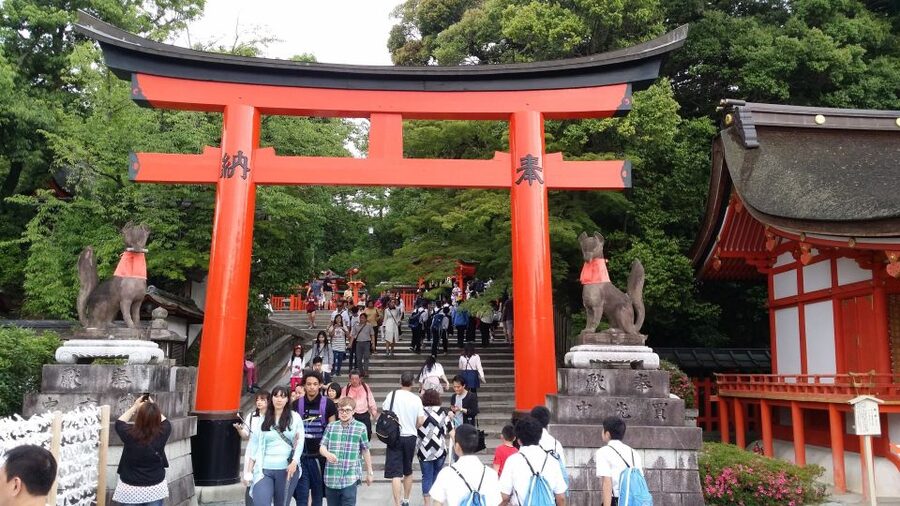
- Fushimi Inari and the Senbon Torii
- The train to Gion and a change of mood
- Kodaiji’s gardens and bamboo grove
- Sannenzaka and the walk toward Kiyomizu-dera
- Kiyomizu-dera and the Otowa Waterfall
- What the guide adds to the experience
- Is $106 a fair price?
- Who should book this walk?
- Final verdict: a strong first look at eastern Kyoto
- FAQ
- Where does the tour meet?
- How long does the tour last?
- How much does the tour cost?
- Which admissions are included?
- Is the train ride included?
- Which languages are available?
- How large is the group?
- Is the walk difficult?
- Can I bring luggage, and what happens if I need to cancel?
Key points about this Higashiyama walking tour
- Fushimi Inari comes first: Walk beneath the famous Senbon Torii and learn how the shrine fits into Shinto practice.
- A useful route through eastern Kyoto: The tour moves from Fushimi Inari to Gion by train, then continues on foot through Kodaiji, Sannenzaka, and Kiyomizu-dera.
- Small groups matter: With a limit of 10 people, you have a better chance to hear the guide and ask about customs, food, temples, and daily life.
- Two major temple admissions are included: Kodaiji and Kiyomizu-dera are covered in the $106 price.
- You get more than postcard views: The guide points out backstreets, smaller shrines, rituals, and details that are easy to miss alone.
- Plan for hills and steps: Comfortable shoes are essential, and large bags or luggage are not allowed.
Why this four-hour route works in Kyoto
Higashiyama means East Mountain, a fitting name for the area along the foothills that form Kyoto’s eastern edge. This is where some of the city’s most famous sights sit close together, but they are not arranged in a simple straight line for first-time visitors.
That makes a guided route useful. You begin in the south at Fushimi Inari, take a short train ride toward Gion, then walk north and uphill through some of Kyoto’s best-known temple streets. You get a broad introduction to the area without spending half the morning figuring out train connections or deciding which lane leads to the next sight.
The route is also nicely mixed. Fushimi Inari brings Shinto shrines and mountain symbolism. Gion adds modern Japanese culture and traditional entertainment. Kodaiji offers gardens and quiet. Sannenzaka supplies old streets, snacks, and souvenirs. Kiyomizu-dera finishes with a major temple and a wide view over Kyoto.
You should not think of this as a slow, private temple meditation. Four hours is enough for a strong overview, not for lingering at every building or walking far up the mountain at Fushimi Inari. The value comes from the range of places covered and from having a guide explain what you are seeing.
More Walking Tours in Kyoto
- Kyoto Geisha Walking Tour: Gion District & Hidden Gems
★ 4.7 · 3,273 reviews - Kyoto: Gion Magical Night Walking Tour with Geisha Trivia
★ 4.9 · 2,393 reviews - Kyoto: Gion Geisha District Walking Tour – Stories of Geisha
★ 4.7 · 2,187 reviews
Meeting at JR Inari Station
The meeting point is just outside the fare gates at JR Inari Station. That detail matters because Inari is a busy place, and the station has several possible approaches depending on where you are staying.
The information provided notes that the Keihan train line may be convenient for some visitors, followed by a short walk to the JR station. Check your route before leaving, and arrive with enough time to find the correct side of the station. The tour begins at the station entrance, not at a hotel or directly inside the shrine grounds.
The opening location is practical. Fushimi Inari is immediately nearby, so you do not waste the first part of the tour on a long transfer. It also gives the guide a clear place to gather the small group.
Fushimi Inari and the Senbon Torii
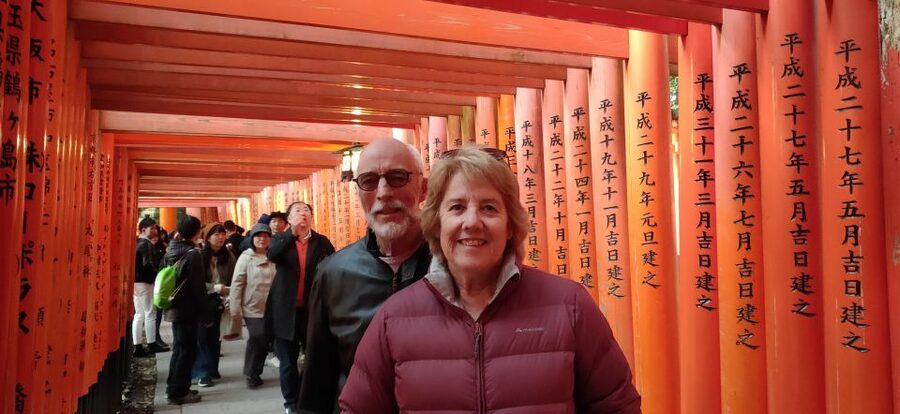
The first hour focuses on Fushimi Inari Taisha, one of Kyoto’s most recognizable religious sites. You pass beneath rows of vermilion torii gates that climb the mountainside, creating the tunnel-like effect that appears in so many photographs.
The gates are known as the Senbon Torii, meaning thousands of torii. They are not just decoration. The guide can help connect them to the shrine’s Shinto setting and to the customs surrounding Fushimi Inari. That context makes the walk more meaningful than simply counting gates and looking for the next photo.
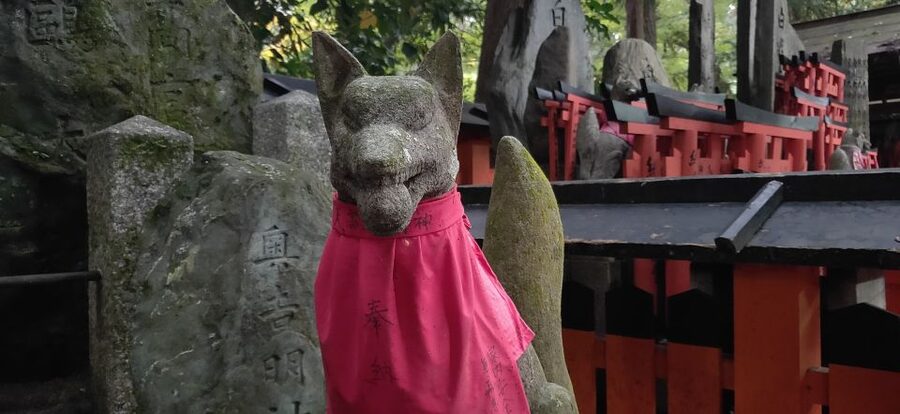
Fushimi Inari is dedicated to Inari, a Shinto deity associated with rice, prosperity, and commerce. The fox figures seen around the shrine are connected with Inari and are treated as messengers. The supplied tour information does not promise a long mountain hike, so expect a guided visit around the shrine and the torii route rather than an exhaustive climb to the highest point.
This is an early highlight, but it can also be the most crowded part of the morning or afternoon. The narrow paths and famous gates attract many people. A guide cannot remove the crowds, but a small group makes it easier to stay together and hear explanations.
You should wear shoes with good grip. Even if the uphill walking is not exceptionally steep, the route includes steps and a gradual climb. Visitors who find hills difficult may enjoy the sights but struggle with the pace.
The train to Gion and a change of mood
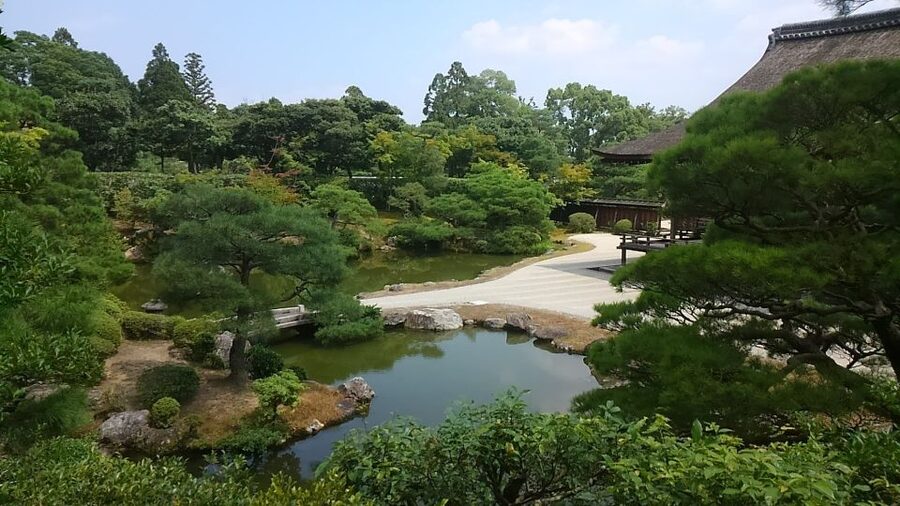
A short train ride connects Fushimi Inari with Gion, and the ticket is included. This small transfer is one of the tour’s practical strengths. You avoid retracing your steps and get a quick look at how Kyoto’s rail network connects its major districts.
The change in atmosphere is part of the experience. Fushimi Inari feels strongly tied to shrine worship and the mountain. Gion is an active part of modern Kyoto, known for evening entertainment and traditional arts associated with geisha culture. It is not simply a preserved film set.
The Gion portion lasts about 30 minutes. That is enough for an introduction and a guided walk, but not an exhaustive tour of every lane. You will hear stories about the district and its role in Kyoto life, then continue toward the Higashiyama streets.
This shorter stop works best if you arrive with the right expectation. You are getting orientation and cultural context, not a full evening in Gion. If you want to return after the tour, the guide can help you understand where you have been and what deserves more time.
A completely different kind of day out:
- PERFECT KYOTO 1-Day Bus Tour
★ 5.0 · 13,518 reviews - [Kyoto & Nara Day Tour] Sagano Scenic Railway & Nara Park & Fushimi Inari Taisha Thousand Torii Gates & Togetsukyo Bridge & Bamboo Grove & Kimono Forest (Departing from Osaka)
★ 4.9 · 10,942 reviews - Kyoto: Fushimi Inari, Kinkakuji, Bamboo Grove 1 Day Bus Tour
★ 4.8 · 4,316 reviews - Kyoto: Tea Ceremony in a Traditional Tea House in Kiyomizu
★ 4.9 · 3,519 reviews
Kodaiji’s gardens and bamboo grove
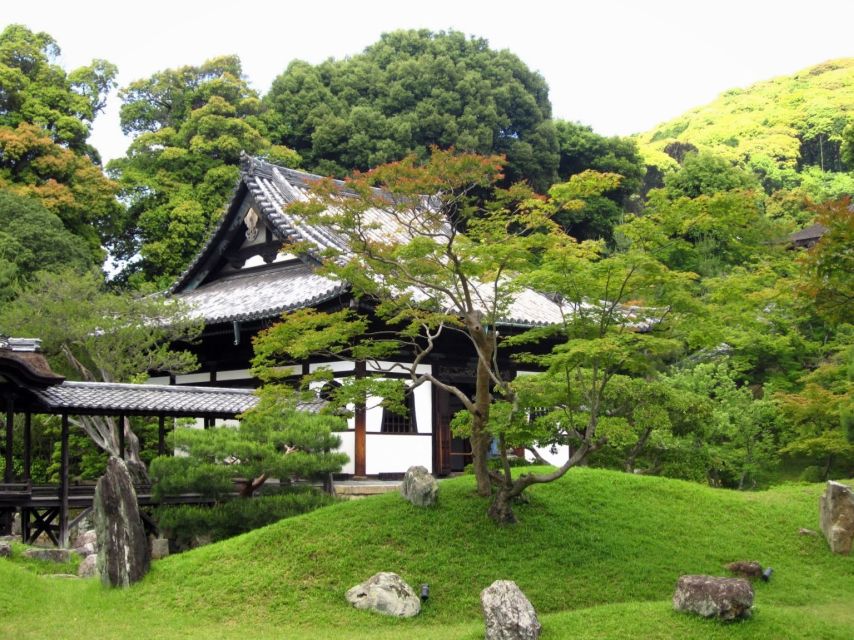
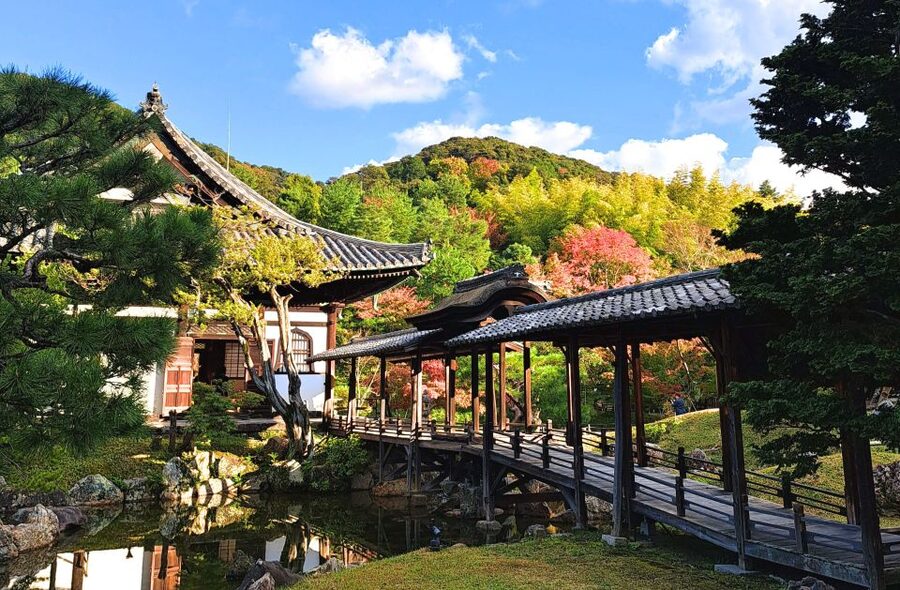
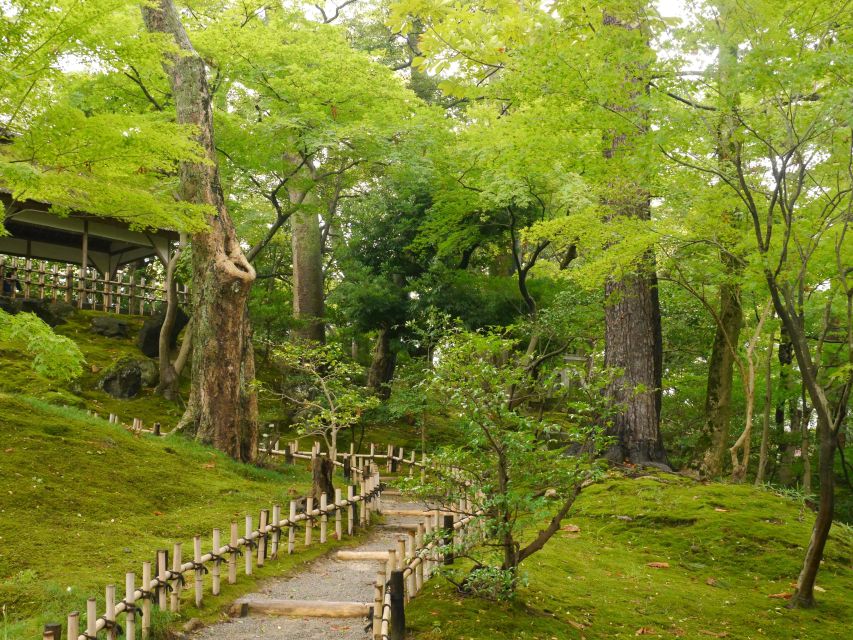
Kodaiji is the calm center of the route. The temple complex dates from the early 17th century, and admission is included. The visit lasts about 40 minutes, giving you enough time to see the grounds with explanation rather than rushing through the entrance.
The temple is known for its peaceful gardens and bamboo grove. After the movement and crowds around Fushimi Inari and Gion, this slower setting gives the tour a needed pause. I like that Kodaiji is not treated as a quick photo stop. Its value comes from the change of pace and from seeing how temple buildings, gardens, and wooded paths work together.
A guide can also explain the religious and cultural setting without turning the visit into a lecture. The best moments here are likely to come from small details: how the garden is arranged, what the temple represents, and how visitors are expected to behave.
Keep in mind that a quiet temple does not mean a completely easy walk. The route still includes steps and uphill sections. If you have been walking since morning, Kodaiji is a good place to slow down, drink water, and check how your legs feel before continuing.
Sannenzaka and the walk toward Kiyomizu-dera
From Kodaiji, the tour heads through Higashiyama’s old streets, including Sannenzaka. This section is where the route feels most like a neighborhood walk rather than a sequence of ticketed sights.
Sannenzaka and the nearby lanes are lined with places to buy snacks, small gifts, and souvenirs. Food and drinks are not included, so this is your chance to purchase something if you need a quick bite. The tour does not promise a dedicated food stop, so do not arrive expecting a full meal.
The streets are attractive, but they can also be crowded and uneven. You will share the route with people heading to Kiyomizu-dera, shopkeepers, and other groups. A guide helps by keeping the route moving and adding meaning to buildings and customs you might otherwise pass without a second thought.
This part is also useful for photographs, but the guide’s stories are the better reason to pay attention. The pleasure is in seeing how temples, shops, homes, and tourism overlap in one of Kyoto’s most visited districts.
Kiyomizu-dera and the Otowa Waterfall
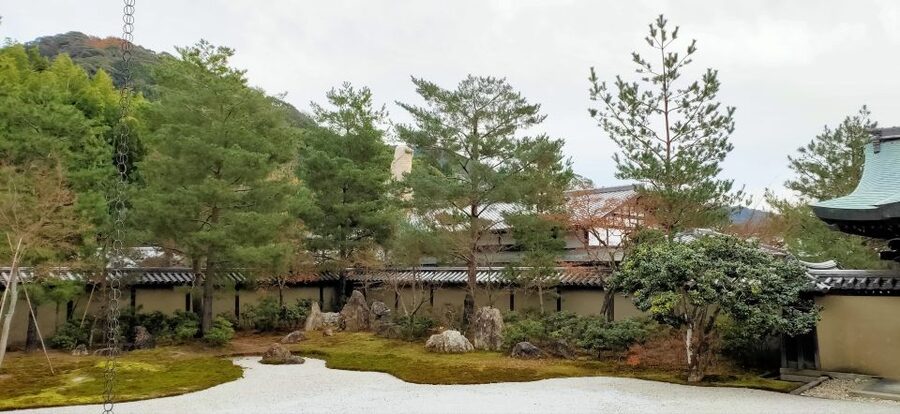
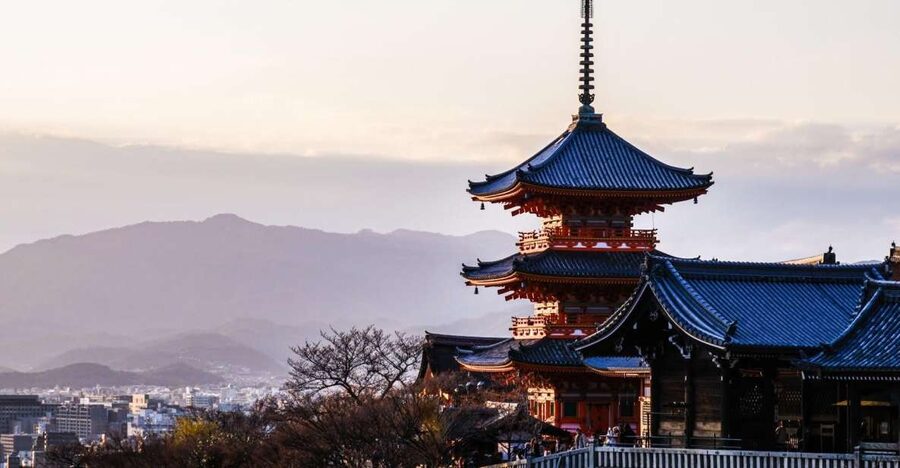
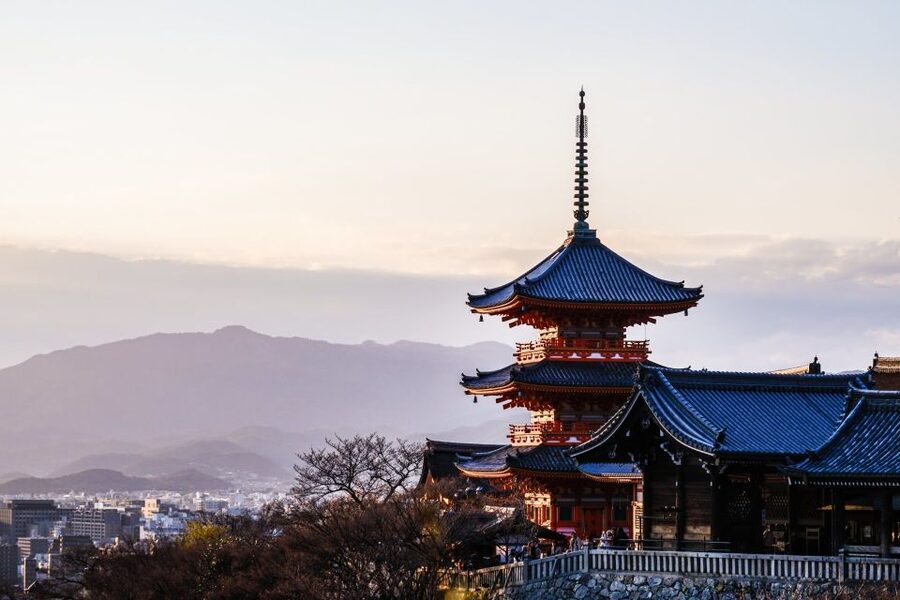
The final major stop is Kiyomizu-dera, with admission included and about 30 minutes of guided time. You get the chance to see why this temple is one of Kyoto’s essential sights, rather than simply being told to visit it later.
Kiyomizu-dera is famous for its view over Kyoto and for the clear water flowing from the mountain into the Otowa Waterfall. Three streams are associated with health, wealth, and happiness. The traditional warning is amusingly practical: choosing all three is considered greedy, and none of the wishes will come true.
You can sample the water yourself, following the local ritual. The guide is especially useful here because the meaning of the streams and the proper way to approach them may not be obvious to a first-time visitor.
The timing is the main limitation. Thirty minutes is enough for the guided portion, but you may want more time for the view, temple grounds, and surrounding streets. The tour ends after the group visits Kiyomizu-dera, so you are free to remain in the area and continue at your own pace.
That ending is well chosen. You finish near one of Kyoto’s best-known sights, with no need to hurry back to the meeting point. If Kiyomizu-dera becomes your favorite stop, you can stay longer. If you are ready for a rest, the tour has already delivered the main explanation and admission.
What the guide adds to the experience
The quality of the guide is central here. A good route through Kyoto can still feel like a checklist without someone explaining why the places matter. This tour has earned especially strong praise for guides who connect temples and shrines to Japanese customs, religion, and everyday culture.
Damien has been praised for combining a strong interest in Japan with detailed explanations of history and customs. Ferdinand has been described as friendly, energetic, and ready to answer questions about Kyoto, temples, religion, and Japan more broadly. Lito has helped families stay engaged by explaining rituals, wishes, and good-luck traditions in a way that worked for children as well as adults.
Hugo has been praised for meeting a delayed group patiently and adapting the visit to their needs. That flexibility matters in Kyoto, particularly when heat and humidity make hills and stairs harder than expected. A guide who can adjust the pace is more useful than one who simply follows a fixed script.
The tour is offered in English, French, Hebrew, and Spanish. Be sure to select the language that suits your group when booking. With no more than 10 participants, the setting should feel more personal than a large bus tour, though the exact experience will depend on group size and the guide assigned that day.
Is $106 a fair price?
At $106 per person, this is not the cheapest way to walk through Higashiyama. You are paying for a four-hour guided experience, the train from Fushimi Inari to Gion, admission to Kodaiji, admission to Kiyomizu-dera, and the convenience of a planned route.
The price makes more sense if you want cultural explanation and efficient movement between districts. Buying the train ticket yourself is simple, and independent visits may cost less, but you would need to organize the route and supply your own context. The two included temple admissions also add concrete value.
The tour is less useful for you if you prefer long, unstructured visits or already know Kyoto’s religious sites well. You may feel hurried at Kiyomizu-dera, Gion, or Fushimi Inari if you want to linger for photography. Food and drinks are extra, and the walk does not include a meal.
I see the strongest value for first-time Kyoto visitors, families who want help making sense of rituals, and anyone with only a short stay. It gives you a practical introduction to one of the city’s most important areas in half a day.
Who should book this walk?
I would choose this tour if you want a clear route, a small group, and explanations that go beyond names and dates. It suits families, couples, and solo visitors who would rather ask a local guide about shrine customs than read signs alone.
The tour can also work well for children and teenagers. Lito’s approach, which connected temple stories with wishes, luck, and traditional rituals, helped younger participants stay involved. Still, the walking distance, hills, and steps require reasonable stamina.
I would not book it for someone who uses a wheelchair or has a mobility impairment, since the activity is specifically not suitable for people with mobility impairments. I would also avoid bringing luggage or a large bag. Comfortable shoes are a must.
You can cancel up to 24 hours before the start for a full refund, and the reserve-now, pay-later option keeps your plans flexible. Check the available start times before booking, since the exact departure time depends on the date.
Final verdict: a strong first look at eastern Kyoto
Book this tour if you want to see four major parts of Kyoto without spending your first day wrestling with maps and train routes. Fushimi Inari, Gion, Kodaiji, Sannenzaka, and Kiyomizu-dera make a memorable combination, and the guide adds the cultural background that turns a pretty walk into a useful introduction to Japan.
I would set aside extra time after the tour for Kiyomizu-dera and the surrounding streets. Go prepared for hills, bring comfortable shoes, and keep your expectations realistic: this is a brisk overview, not an all-day temple study.
For $106, the tour earns its price through the guide, the small group, the included train ticket, and the two temple admissions. If those features match how you like to explore, this is an efficient and enjoyable way to get your bearings in Kyoto’s eastern districts.
FAQ
Where does the tour meet?
The meeting point is just outside the fare gates at JR Inari Station.
How long does the tour last?
The experience lasts four hours.
How much does the tour cost?
The price is $106 per person.
Which admissions are included?
Admission to Kodaiji Temple and Kiyomizu-dera is included.
Is the train ride included?
Yes. The train ticket from Fushimi Inari to Gion is included.
Which languages are available?
The live guide may conduct the tour in English, French, Hebrew, or Spanish.
How large is the group?
The activity is limited to 10 participants.
Is the walk difficult?
The tour includes some uphill walking, steps, and hills, but the uphill sections are not described as exceptionally steep or demanding. Comfortable shoes are recommended.
Can I bring luggage, and what happens if I need to cancel?
Luggage and large bags are not allowed. You can cancel up to 24 hours in advance for a full refund, and the reserve-now, pay-later option lets you book without paying immediately.
Just added in Kyoto
- The “Golden Route” and Ancient Japan by DIAMIR Erlebnisreisen – 14-Day Tour★ 2.0 · 2 reviews
- Japan: Castles & Cuisine by G Adventures – 6-Day Kyoto to Osaka Tour★ 4.5 · 4 reviews
- Cycle Japan by Explore! – 13-Day Kyoto to Tokyo Tour★ 4.7 · 12 reviews
- Cycle Japan by Intrepid Travel – 11-Day Kyoto to Tokyo Tour★ 4.8 · 2 reviews
- Classic Japan by Intrepid Travel – 11-Day Kyoto to Tokyo Tour★ 4.4 · 14 reviews
- Ancient & Modern Japan 14-Day Tour by Exodus Adventure Travels★ 4.4 · 40 reviews
- 5 Day Cultural Adventure of Kyoto, Nara & Osaka by Tourist Journey★ 2.5 · 2 reviews
- 12 Days Kinosaki Onsen Escape: A Journey Through Japan’s Timeless Towns by UME Travel★ 4.8 · 5 reviews
Walking Tours, compared.
Kyoto Geisha Walking Tour: Gion District & Hidden Gems
Read our review →
Tokyo Tsukiji Fish Market Food and Culture Walking Tour
Read our review →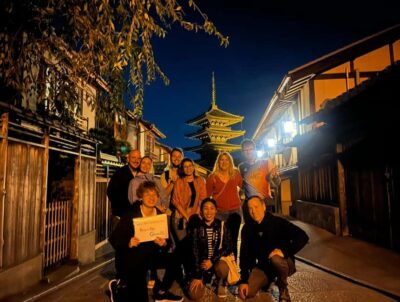
Gion Magical Night Walking Tour with Geisha Trivia
Read our review →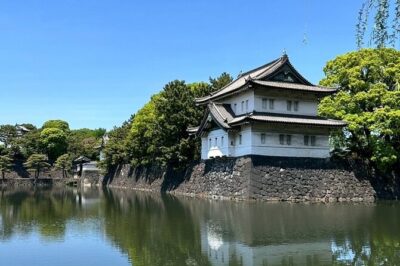
Imperial Palace and Shogun Historical Walking Tour
Read our review →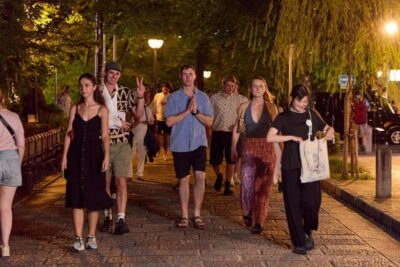
Gion Geisha District Walking Tour – Stories of Geisha
Read our review →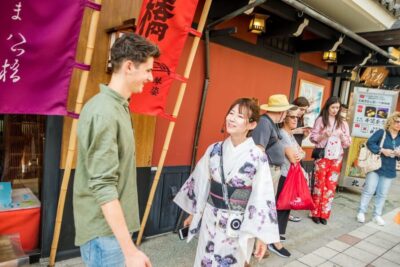

Shinjuku Local Bar and Izakaya Guided Walking Tour
Read our review →
Browse the lists this tour appears in