
Reviewed · CASTLES AND HISTORIC SITES
Kyoto: Imperial Palace & Nijo Castle Guided Walking Tour
History feels clearer when two rulers share a morning. I like the way this three-hour Kyoto tour pairs the emperor’s former residence with Nijo Castle, the shogun’s grand Kyoto base. I also like the small group limit of nine, since guides such as Jasmine, Raphael, Vincent, and Taku have earned praise for clear explanations, thoughtful answers, and personal recommendations.
The main consideration is that this is a walking tour with plenty of ground to cover. The Imperial Palace visit focuses on its grounds and exterior spaces rather than regular interior access to palace buildings, while Nijo Castle gives you access to the Ninomaru-goten Palace and garden. Wear good shoes, arrive early, and expect a full, active three hours.
In This Review
- Key points to know before booking
- Why this Kyoto pairing works so well
- Starting at Nijojo-mae Station
- Nijo Castle and the Ninomaru-goten Palace
- Moving from the castle to the Imperial Palace
- Kyoto Imperial Palace and its open grounds
- Pace, group size, and guide quality
- Is $49 a fair price?
- Who should book this tour?
- My verdict: a smart history tour with one clear limitation
- FAQ
- How long does the Kyoto Imperial Palace and Nijo Castle tour last?
- Where does the tour begin?
- Where does the tour finish?
- Which languages are available?
- What entrance fees are included?
- Can I book on the same day?
- Is the tour suitable for people with mobility or health concerns?
Key points to know before booking
- Two sides of Kyoto’s old power structure: See how the emperor and shogun occupied very different worlds.
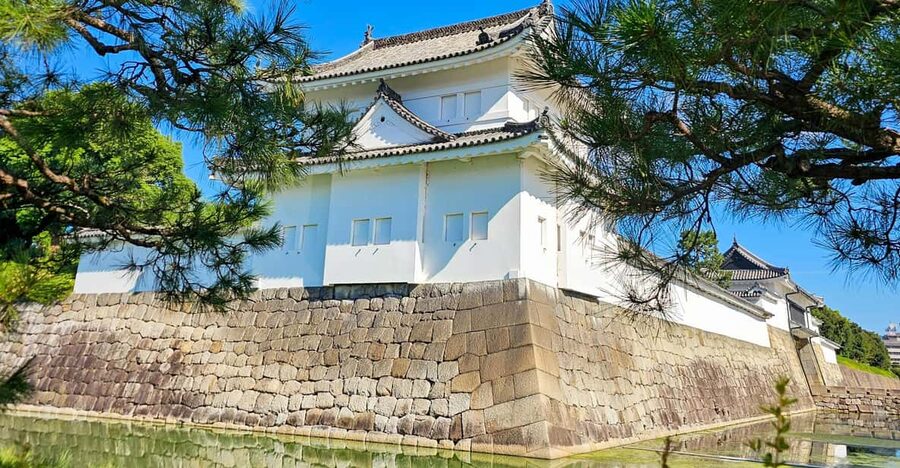
- Nijo Castle’s Ninomaru-goten Palace: Walk through the celebrated palace area, garden, and Painting Gallery included with admission.
- A small group capped at nine: The format gives you a better chance to ask questions and hear the guide.
- English, French, and Spanish tours: Live guides are available in three languages, depending on the selected departure.
- A useful same-day option: Multiple start times and last-minute reservations help fit this into a packed Kyoto schedule.
- Finish near Imadegawa Station: The route begins at Nijojo-mae Station and ends at a different station, so plan your next stop accordingly.
Why this Kyoto pairing works so well
Kyoto can overwhelm you with temples, shrines, gardens, and old streets. A guided visit to these two sites gives your sightseeing a clear theme: imperial authority versus military rule.
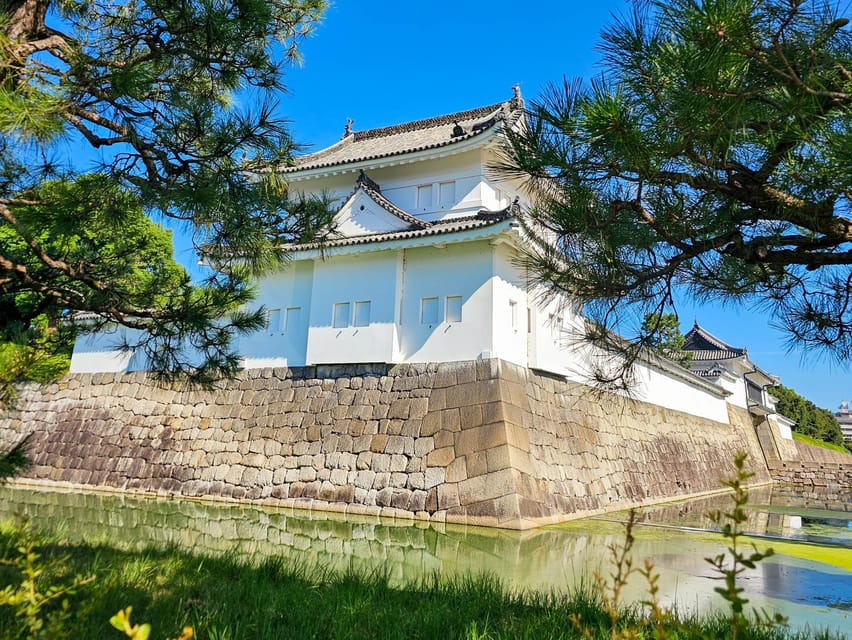
The Kyoto Imperial Palace was home to Japan’s imperial family when Kyoto served as the country’s capital. Nijo Castle, by contrast, was linked to the shogun and the military government. Seeing both on the same day turns a list of handsome buildings into a readable chapter of Japanese history.
I especially like this pairing for a first visit. You do not need to arrive with a detailed grasp of the Edo period or the relationship between emperor and shogun. The guide supplies the framework, then points out the architectural and cultural details that are easy to miss alone.
The tour has a rating of 4.7 from 453 ratings, and the strongest praise centers on the guides. Names frequently highlighted include Raphael Matsui, Jasmine, Vincent, Taku, Alex, Cecilia, and Naoki. The consistent pattern is clear explanations, patience, strong English, and the ability to answer questions beyond the basic route.
More Castles and Historic Sites in Kyoto
- Kyoto Samurai Experience
★ 5.0 · 1,294 reviews - Kyoto: Nijo-jo Castle and Ninomaru Palace Guided Tour
★ 4.7 · 1,020 reviews - Kyoto: Kendo and Samurai Experience with Uniform and Gear
★ 4.9 · 815 reviews
Starting at Nijojo-mae Station
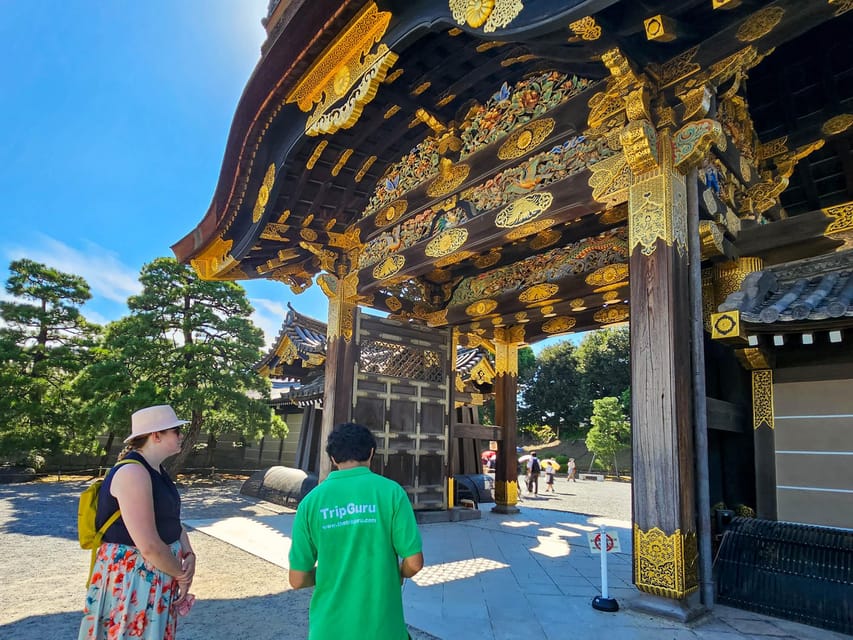
The meeting point is outside Exit 1 of Nijojo-mae Station. Look for a guide wearing a TripGuru shirt or holding a TripGuru sign.
Arrive at least 10 minutes early. Guides wait only a maximum of 10 minutes, and Kyoto traffic can be slower than navigation apps suggest, especially in the morning. That small buffer matters. Missing the group at the first stop could mean missing the entire tour.
Nijo Castle is a sensible starting point because it gives you an immediate, tangible introduction to shogunal Kyoto. Before entering, your guide provides an overview of the visit, which helps you understand the order of the grounds and the purpose of the major buildings.
The opening talk is more useful than it sounds. Nijo Castle contains several layers of meaning, and a little orientation helps you notice the difference between defensive design, ceremonial rooms, garden views, and signs of political power. Arnoud specifically valued receiving an overview before starting, since it made the visit easier to follow.
Nijo Castle and the Ninomaru-goten Palace
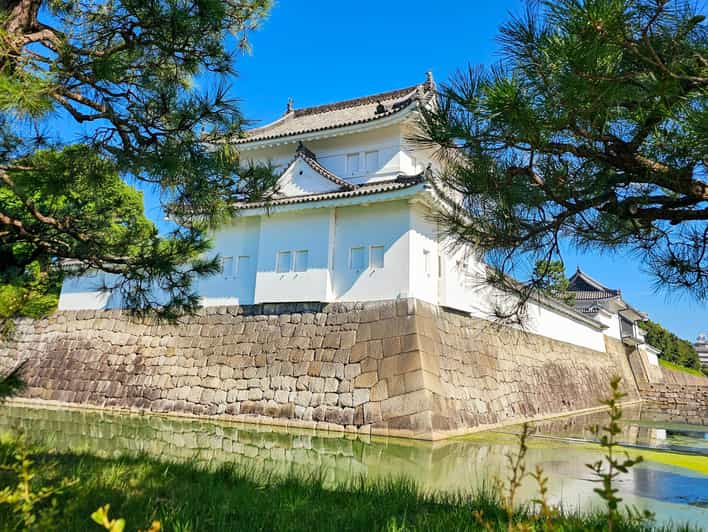
You spend about one hour at Nijo Castle. The admission includes Nijo Castle, the Ninomaru-goten Palace, and the Painting Gallery.
The castle’s importance is not only its appearance. It offers a physical setting for understanding the shogun’s role in Kyoto, where the imperial court remained even as military rulers held practical power for long periods. Your guide can connect the buildings to that larger political story instead of treating the castle as a collection of photo stops.
Inside the Ninomaru-goten Palace, pay attention to the arrangement and decoration. The interiors reflect rank, ceremony, and control. Painted screens and carefully planned rooms were not random decoration. They helped communicate who could enter, where people could sit, and how formal meetings should proceed.
The famous floors are another detail that benefits from explanation. Their sound is part of the castle’s security story, although the tour’s supplied information does not promise a specific demonstration or extended stop for every feature. Your guide can help you understand what you are seeing without forcing you to inspect every room at the same speed.
The garden provides a change of pace after the palace interiors. You get time to look at the relationship between stone, water, plants, and viewing points, rather than simply walking past a garden on the way out. Several guides are praised for explaining the meanings behind symbols and design choices, which can make Japanese gardens feel less mysterious and more legible.
There is one useful limit to keep in mind: the guide brings the group to the Ninomaru-goten Palace and garden, not every part of the wider castle complex. If you want an exhaustive exploration of every corner, you may prefer to return on your own. For most people, the included section covers the castle’s most important and visually rewarding material in a manageable hour.
Moving from the castle to the Imperial Palace
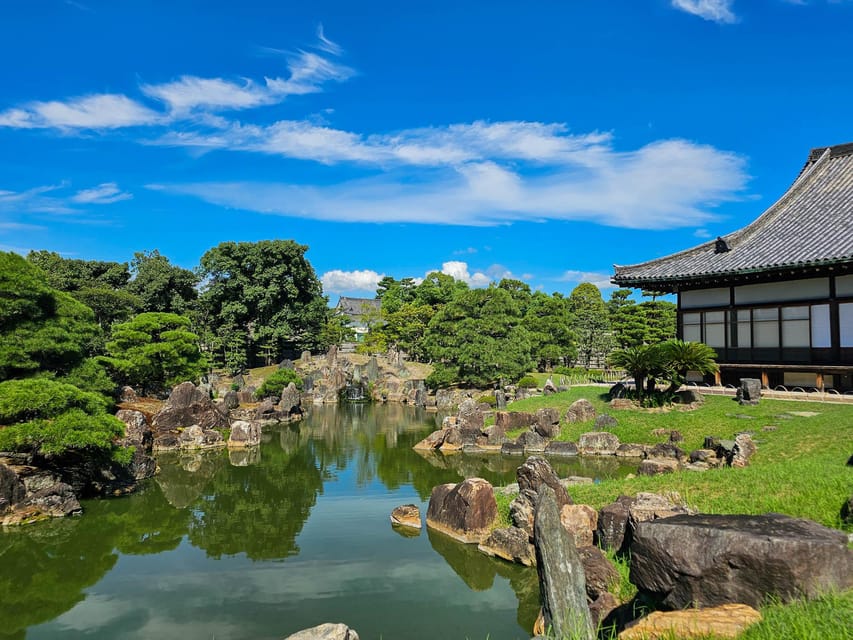
The route ends at Imadegawa Station, not back at the starting point. That is practical if your next stop lies in northern or central Kyoto, but less convenient if you have left luggage or a dinner reservation near Nijo Castle.
The tour is described as a walking experience, and the two sites are not treated as one enclosed attraction. You should expect time on your feet and a transition between the castle and palace. One account praised the guide for handling subway transfers, but the official inclusions list only the walking tour, guide, and entrance fees. I would budget for any local transport unless your booking details clearly say otherwise.
This middle section is also where the small-group format helps. A group capped at nine can move more easily than a large sightseeing crowd, and a guide can answer questions about modern Kyoto, local food, or places to visit afterward. Jasmine and Raphael were especially praised for adding personal recommendations and cultural context without losing sight of the main historical route.
More Walking Tours in Kyoto
- Kyoto Geisha Walking Tour: Gion District & Hidden Gems
★ 4.7 · 3,273 reviews - Kyoto: Gion Magical Night Walking Tour with Geisha Trivia
★ 4.9 · 2,393 reviews - Kyoto: Gion Geisha District Walking Tour – Stories of Geisha
★ 4.7 · 2,187 reviews - Night Walk in Gion: Kyoto’s Geisha District
★ 4.5 · 2,003 reviews
Kyoto Imperial Palace and its open grounds
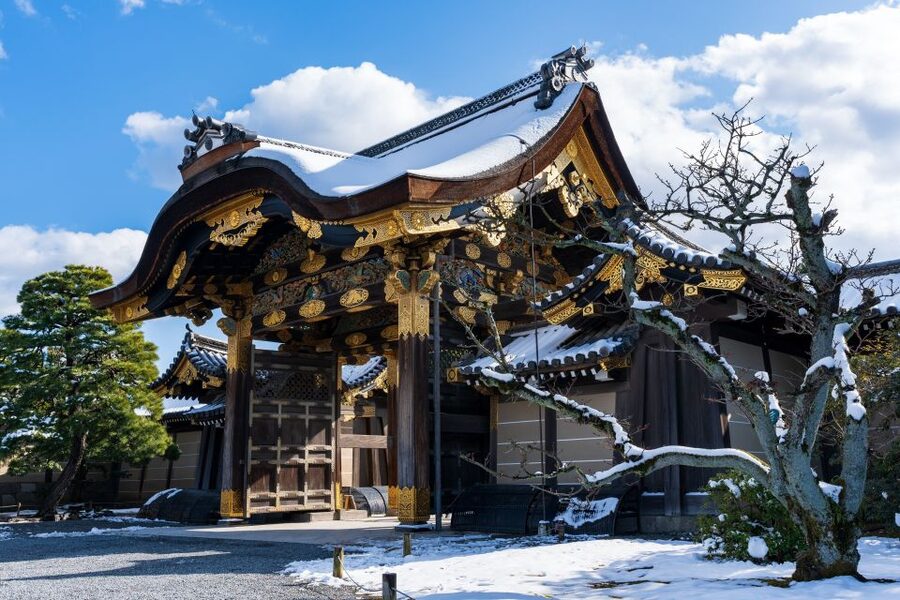
The Imperial Palace visit lasts about one hour. Kyoto’s imperial connection lasted for more than a thousand years, so this stop gives you a different view of authority from the one presented at Nijo Castle.
Expect impressive structures, gardens, broad grounds, and a more formal courtly setting. The atmosphere differs from Nijo Castle’s shogunal residence. Here, the emphasis is on the imperial court and the ceremonies and traditions connected with the emperor.
Be clear about what the visit includes. You tour the palace grounds and admire the structures, but regular visitors do not generally enter the palace buildings themselves on this experience. One rating specifically noted that the palace offered less to see than Nijo Castle and that the lack of interior access affected the experience.
That does not make the Imperial Palace a poor stop. It simply means its appeal depends more on scale, setting, architecture, and historical explanation. If you mainly want rooms filled with furnishings, Nijo Castle will likely be your favorite. If you want to understand Kyoto’s long role as the imperial capital, the palace grounds add essential context.
Your guide’s storytelling matters here. Cecilia was praised for covering a lot of ground while supplying historical context, and several other guides were credited with explaining symbols, customs, and the difference between the emperor’s position and the shogun’s power. Those connections give the palace a purpose beyond taking pictures of elegant gates and gardens.
Pace, group size, and guide quality
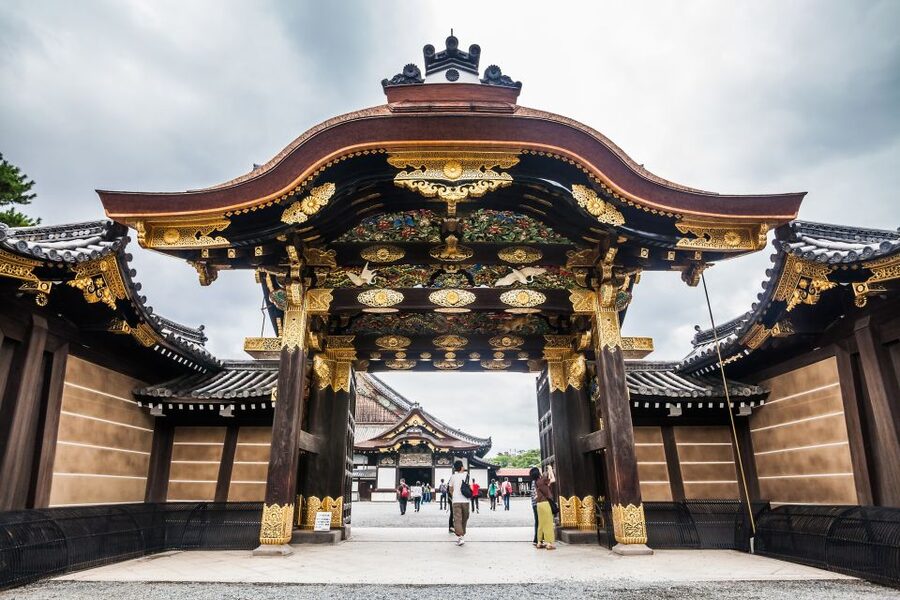
The advertised group limit is nine participants. That is small enough for a more personal experience, though the actual group size can vary. Some departures may feel almost private, while others may include the full limit.
The strongest feature of the tour is the guide. The praise is unusually consistent across many names and dates. Jasmine is often described as clear, warm, and lively, with a good sense of humor. Vincent is praised for managing time well while shifting between historical facts and present-day culture. Taku is noted for patience and care with different group needs.
Raphael Matsui receives particular praise for answering questions about Japanese history and culture, while Alex is credited with making both sites far more enjoyable than a self-guided visit. These comments point to the real value of the booking: you are not paying only for entry. You are paying for interpretation.
That said, guide quality can never be guaranteed to match a favorite experience. The tour’s structure and subject matter remain worthwhile, but the tone may vary from one guide and language departure to another. If you have a special interest, ask your guide questions early. The best guides seem happy to move beyond prepared facts.
Is $49 a fair price?
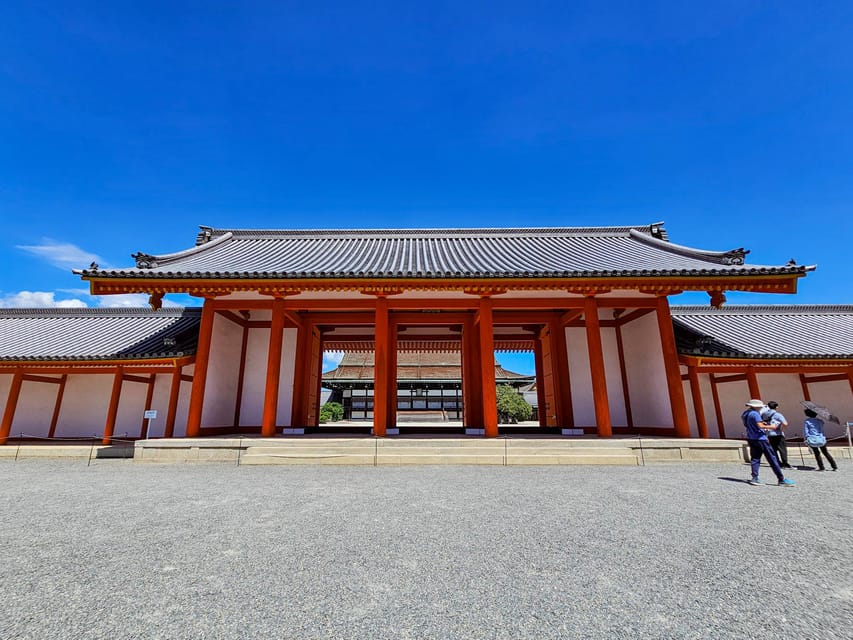
At $49 per person, the value is solid for a three-hour small-group tour that includes entrance fees to Nijo Castle, the Ninomaru-goten Palace, and Painting Gallery.
You are also getting a live English, French, or Spanish-speaking guide. If you visited both places alone, you would save the guide fee but lose the explanations that connect the shogun, emperor, castle, court, and gardens. For a first Kyoto visit, that context can be worth more than the admission tickets themselves.
The value is strongest if you want history but do not want to spend half a day reading signs or researching each room in advance. It is weaker if you prefer to move at your own pace, photograph every garden corner, or linger inside one site. The one-hour allocation at each attraction is efficient, not leisurely.
Flexible booking also has practical value. You can reserve and pay later, cancel up to 24 hours before the tour for a full refund, and choose among several start times. Same-day booking is welcome, subject to availability. That makes the tour useful on a crowded itinerary when a free morning or afternoon suddenly appears.
Who should book this tour?
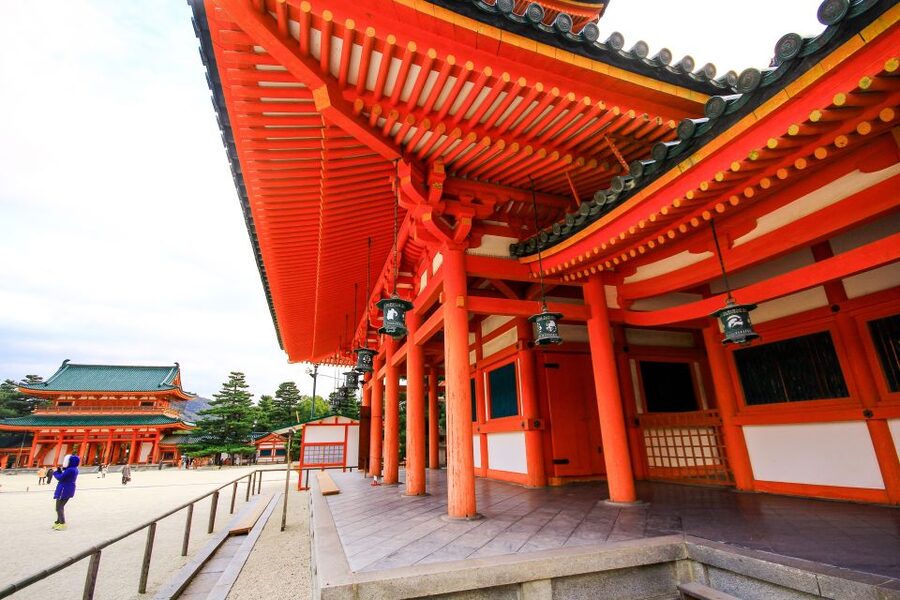
I would recommend it to first-time visitors who want a clear introduction to Kyoto’s political and imperial past. It also suits couples, solo visitors, and small families who value conversation and questions over a large coach-style outing.
This is a particularly good choice if you have only a few hours available. Three hours is long enough to see both major sites without turning the day into a marathon. Several people found the timing well judged, and one person described three hours as the perfect amount for both locations.
It is less suitable for anyone with mobility limitations, heart problems, respiratory issues, or pregnancy, since the experience involves substantial walking and time outdoors. It is also not ideal for visitors seeking full interior access at the Imperial Palace.
Dress modestly for the palace grounds. Avoid tank tops, very short clothing, or other revealing outfits. Bring comfortable shoes, water, a camera, and some cash. June and other warm months can be hot, so a hat and water are sensible additions.
My verdict: a smart history tour with one clear limitation
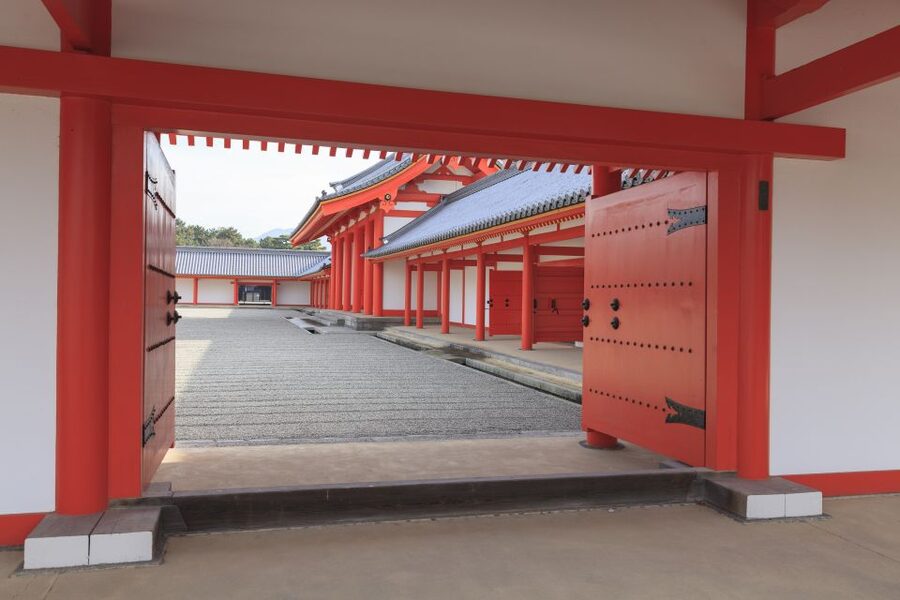
Book this tour if you want Kyoto’s major political story explained in plain language, with two important sites handled in one morning or afternoon. The contrast between Nijo Castle and the Imperial Palace is the real prize, and the small group plus strong guide record adds meaningful value.
Go in knowing that Nijo Castle is likely to feel more substantial, especially because you enter the Ninomaru-goten Palace. The Imperial Palace is more about grounds, architecture, and context than interior rooms.
For a flexible, efficient introduction to old Kyoto, I would book it. If you already know both sites well or prefer slow, independent sightseeing, buy your own admission and take your time instead.
FAQ
How long does the Kyoto Imperial Palace and Nijo Castle tour last?
The tour lasts three hours. The scheduled visits include about one hour at Nijo Castle and one hour at the Kyoto Imperial Palace, with time needed to move between the two sites.
Where does the tour begin?
Meet outside Exit 1 of Nijojo-mae Station, near Nijo Castle. Your guide will wear a TripGuru shirt or hold a TripGuru sign.
Where does the tour finish?
The tour finishes at Imadegawa Station.
Which languages are available?
Live guides are available in English, French, and Spanish, depending on the selected departure.
What entrance fees are included?
The price includes entrance to Nijo Castle, including the Ninomaru-goten Palace and Painting Gallery. It also includes the English-speaking or selected-language guide and walking tour.
Can I book on the same day?
Same-day and last-minute reservations are welcome when spaces remain available. You can also choose from multiple start times.
Is the tour suitable for people with mobility or health concerns?
The tour is not suitable for pregnant women or people with mobility impairments, heart problems, or respiratory issues. It requires comfortable walking shoes and time on your feet.
Just added in Kyoto
- The “Golden Route” and Ancient Japan by DIAMIR Erlebnisreisen – 14-Day Tour★ 2.0 · 2 reviews
- Japan: Castles & Cuisine by G Adventures – 6-Day Kyoto to Osaka Tour★ 4.5 · 4 reviews
- Cycle Japan by Explore! – 13-Day Kyoto to Tokyo Tour★ 4.7 · 12 reviews
- Cycle Japan by Intrepid Travel – 11-Day Kyoto to Tokyo Tour★ 4.8 · 2 reviews
- Classic Japan by Intrepid Travel – 11-Day Kyoto to Tokyo Tour★ 4.4 · 14 reviews
- Ancient & Modern Japan 14-Day Tour by Exodus Adventure Travels★ 4.4 · 40 reviews
- 5 Day Cultural Adventure of Kyoto, Nara & Osaka by Tourist Journey★ 2.5 · 2 reviews
- 12 Days Kinosaki Onsen Escape: A Journey Through Japan’s Timeless Towns by UME Travel★ 4.8 · 5 reviews
Castles and Historic Sites, compared.

Imperial Palace and Shogun Historical Walking Tour
Read our review →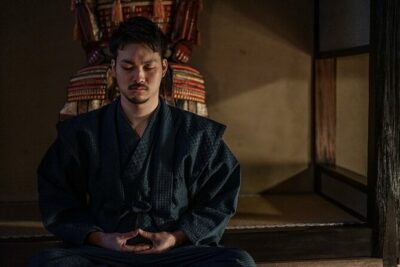
Tokyo Castle & Imperial PalaceーShogun Walking Tour
Read our review →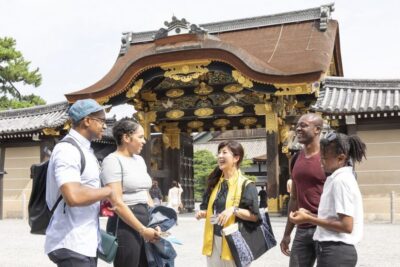
Nijo-jo Castle and Ninomaru Palace Guided Tour
Read our review →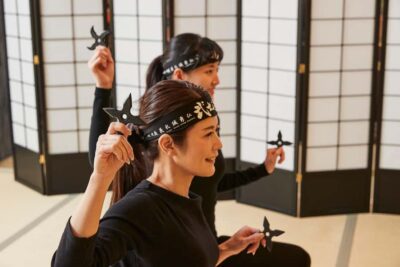
Samurai Ninja Museum Guided tour and Experience
Read our review →Browse the lists this tour appears in