
Reviewed · TEA CEREMONIES
Kyoto Japanese Tea Ceremony Experience in Ankoan
Tea can open a door to Japan. This Kyoto experience pairs a calm welcome tea with a guided matcha ceremony, giving you a friendly way to learn the customs without needing prior knowledge. I like the warm, conversational teaching style and the chance to prepare matcha yourself, not just watch someone else do it.
I also like the small maximum of eight participants, which should leave room for questions and personal help. The main consideration is timing: the tour is listed as about one hour, while the fuller description says 90 minutes and some participants spent closer to two hours, so you should leave extra space in your schedule.
In This Review
- Key points at a glance
- Why this tea ceremony works well for first-time visitors
- The welcome tea and the conversation
- Watching the matcha ceremony in the tearoom
- Wagashi and the taste of your own matcha
- The cultural conversation beyond the bowl
- How long should you allow?
- Price, group size, and overall value
- Who will enjoy this most?
- Practical tips before you go
- Should you book the Ankoan tea ceremony?
- FAQ
- How long does the Kyoto tea ceremony experience last?
- What is included in the price?
- Where does the activity begin and end?
- How many people can join the activity?
- Is the experience suitable for children?
- Can I cancel for a full refund?
Key points at a glance
- A welcome cup starts the experience: You begin with tea and conversation, a useful chance to relax after getting across Kyoto.
- You watch before you practice: The instructor demonstrates the ceremony, then guides you through preparing your own matcha.
- Wagashi is part of the tasting: The Japanese sweet helps explain how tea and food work together in the ceremony.
- The teaching is friendly and clear: Yuka is praised for her warm manner, strong English, and easy conversation.
- The group stays small: A maximum of eight participants makes this more personal than a large demonstration.
- Plan for more than the headline hour: The experience may last 90 minutes or longer, depending on the session.
Why this tea ceremony works well for first-time visitors
Kyoto offers many cultural activities, but some leave you sitting quietly while an expert performs everything. This one gives you a better sense of how the ceremony works by letting you see, hear, and practice the main steps.
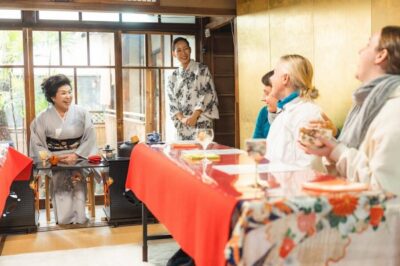
You begin with a welcome tea made by Yuka, the host named in the experience details. This opening is informal. You can ask about tea, Japanese customs, daily life, or anything else connected to the culture. That matters because the ceremony can feel mysterious if you do not understand why people move, sit, bow, or handle the bowl in a certain way.
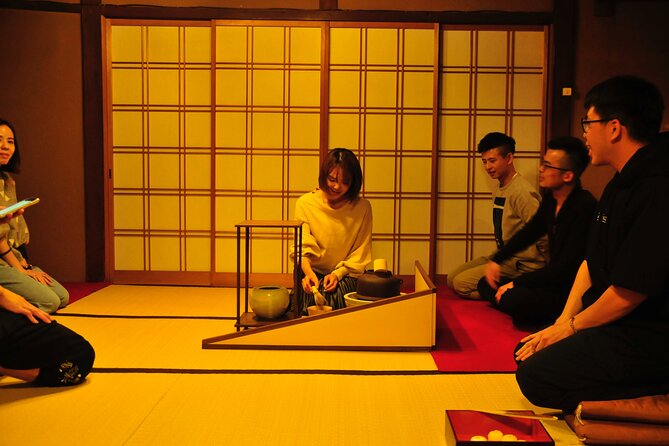
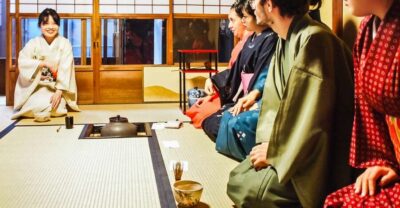
The teaching then moves into a matcha tearoom. There, you watch the instructor prepare the tea and explain the key ideas behind the ceremony. The focus is not only on making a drink. You learn how the preparation, serving, receiving, and tasting fit together as one shared act.
I especially like the watch, copy, practice pattern. It gives you a clear example first, then lets you try without making you guess what to do. The instructor stays close by to explain each step, which is helpful if this is your first time using a bamboo whisk or following Japanese tea etiquette.
More Tea Ceremonies in Kyoto
- Kyoto: Tea Ceremony in a Traditional Tea House in Kiyomizu
★ 4.9 · 3,519 reviews - Kyoto: Tea Ceremony Ju-An at Jotokuji Temple
★ 4.9 · 3,207 reviews - Kyoto: 45-Minute Tea Ceremony Lesson Experience
★ 4.3 · 2,378 reviews
The welcome tea and the conversation
The first cup is more than a quick refreshment. It gives you time to settle in and makes the experience feel like a meeting with a local teacher rather than a formal show.
The description specifically invites conversation during this part. You can use it to ask about the tea ceremony, matcha, Japanese customs, or how Japanese people live. The best cultural experiences leave space for questions, and this opening appears designed to do just that.
Yuka receives especially strong praise for her friendly approach, clear English, and ability to keep conversation moving. The provider also indicates Chinese and English are available. If you have been sightseeing all day, this slower beginning can be welcome. It kicks off the fatigue of the journey, as the description puts it, before the more formal part starts.
You should not expect a silent, highly ceremonial start from the first minute. The conversation is part of the value. If you want only a short photo opportunity, this may feel more detailed than necessary. If you want context, it gives the ceremony a human shape.
Watching the matcha ceremony in the tearoom
After the welcome tea, you move to another matcha tearoom for the main demonstration. The instructor shows how matcha is prepared and served, while explaining the customs and symbols connected with the process.
This is where the experience gains depth. You learn that a tea ceremony is not simply whisking green powder in hot water. The movements and manners help create a respectful, peaceful space shared by the person making the tea and the person receiving it.
The teaching includes the important ideas and manners of the ceremony. The information provided does not list every individual movement, so you should not arrive expecting a formal training course in every school of tea. Instead, think of it as a practical introduction to the central concepts, followed by hands-on practice.
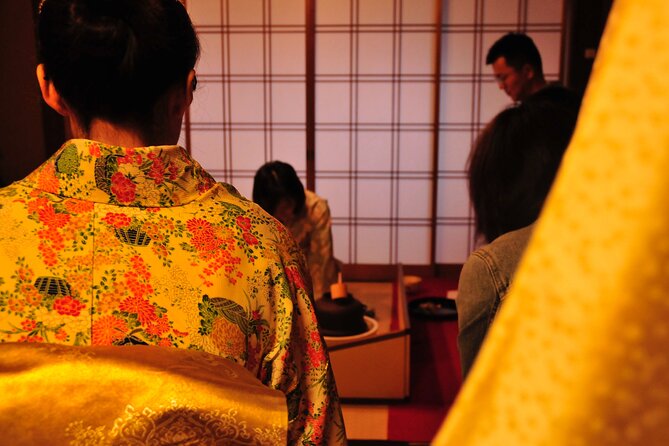
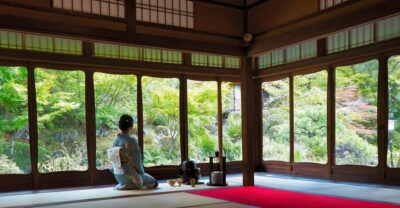
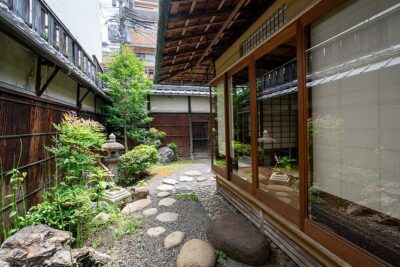
The small group limit of eight is useful here. With fewer people, it is easier to see the demonstration and ask questions. It should also make the practice portion less rushed than a large group session. The setting is described as beautiful and captivating, and indoor photography is allowed, so you can take pictures during the experience.
Still, remember to be considerate with your camera. The ceremony is built around attention and respect. Take photographs when appropriate, but do not let picture-taking replace watching the movements and listening to the explanations.
Wagashi and the taste of your own matcha
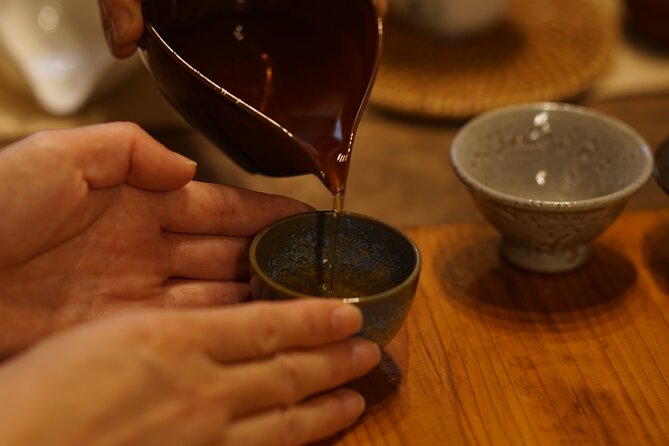
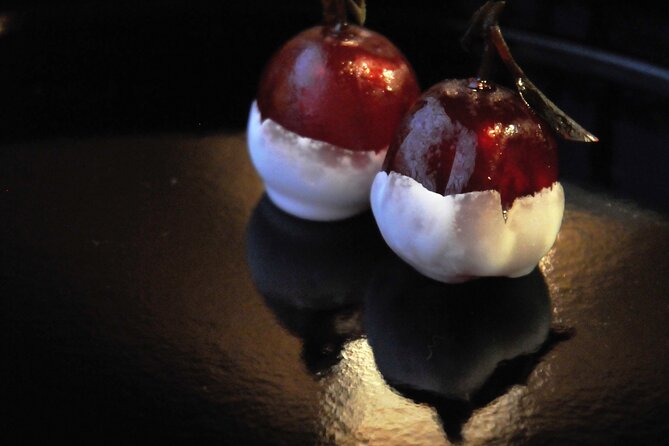
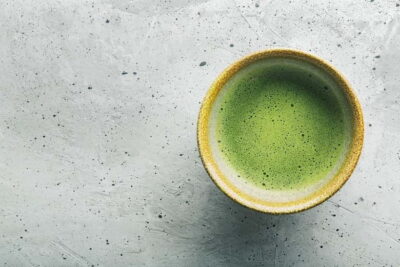
The experience includes matcha and wagashi, a traditional Japanese sweet served alongside tea. The sweet is not just an extra snack. Its flavor and texture help balance the strong, slightly bitter taste of matcha.
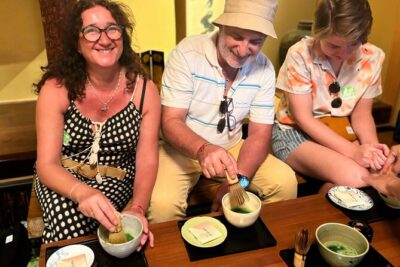
You first watch the instructor prepare and taste the tea. Then you make matcha yourself with guidance. That change from observer to participant is the main reason I find the price reasonable. You are not paying only for access to a room or a short demonstration. You are receiving instruction, cultural explanation, tea, a sweet, and time to practice.
The instructor will be nearby while you prepare your drink, so you do not need to know how to use the whisk in advance. You might still feel a little awkward during the first attempt. That is part of the fun, and the relaxed teaching style appears suited to beginners.
The final tasting has a social purpose. You taste the matcha you made, and the activity also includes making tea to offer to another participant, following the spirit of Japanese hospitality. This shared exchange helps explain the idea of creating a harmonious tea space.
For children, the practical format can work well. Families with two small children had a good time, and an eight-year-old was able to take part with the instructor’s help. Children who enjoy copying movements, preparing food, or trying something new are likely to get more from this than children who need constant action.
A completely different kind of day out:
- PERFECT KYOTO 1-Day Bus Tour
★ 5.0 · 13,518 reviews - [Kyoto & Nara Day Tour] Sagano Scenic Railway & Nara Park & Fushimi Inari Taisha Thousand Torii Gates & Togetsukyo Bridge & Bamboo Grove & Kimono Forest (Departing from Osaka)
★ 4.9 · 10,942 reviews - Kyoto: Fushimi Inari, Kinkakuji, Bamboo Grove 1 Day Bus Tour
★ 4.8 · 4,316 reviews - Kyoto: Gion Make Your Own Chopsticks with Engraving Option
★ 5.0 · 3,465 reviews
The cultural conversation beyond the bowl
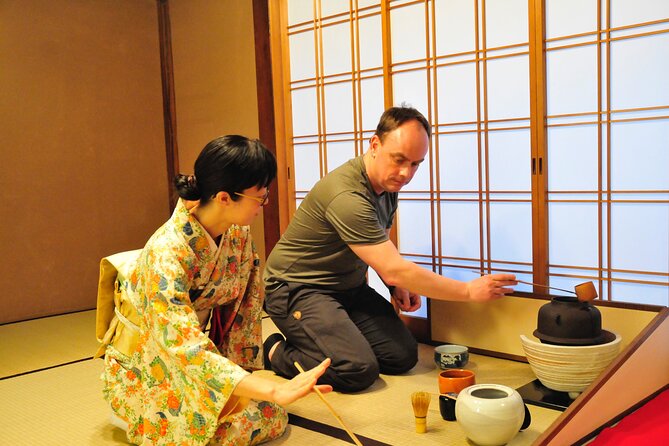
One of the strongest parts of the activity is the discussion around the tea. The instructor uses the matcha session to talk about Japanese culture, customs, symbols, and phrases used during a ceremony.
You can ask broader questions about how Japanese people live and how Japanese culture developed. The discussion is not presented as a long lecture. Instead, it grows out of what you are doing with the bowl, whisk, sweet, and tea.
That makes the information easier to remember. You learn a phrase or a gesture at the moment when it has a purpose. You also see how the ceremony can bring people from different cultures together through simple acts of preparing, offering, receiving, and sharing.
The strong 4.9 rating from 22 ratings and 95 percent recommendation figure fit this teaching style. The praise centers on the host’s kindness, clear explanations, English ability, and willingness to make the session interactive. Those qualities matter more here than grand surroundings because the instructor is the person who turns a set of rules into a meaningful experience.
How long should you allow?
The headline duration is approximately one hour. The detailed description refers to a 90-minute service, while some participants describe sessions lasting around two hours.
That difference is important when planning a Kyoto day. I would not schedule a train, restaurant reservation, or timed temple entry immediately afterward. Allow at least 90 minutes, with extra time if the group has many questions or if the session moves at a relaxed pace.
The activity begins and ends at the same meeting point, so you do not need to arrange transport between locations. The meeting point is Tea ceremonyJapan at 63 Murasakino Monzencho, Kita Ward, Kyoto, postal code 603-8216, at the address identified as Ankoan.
It is near public transportation, but the details do not specify the exact station or bus stop. Check the route carefully before leaving your hotel. One participant found the location a little troublesome to reach but still considered the experience worth the effort. Another visited nearby temples before the ceremony, which suggests you can pair this outing with sightseeing in the area.
Price, group size, and overall value
At $32.84 per person, this is a modestly priced cultural activity for Kyoto. The value comes from participation rather than length alone.
Your fee includes coffee and/or tea, the matcha activity, wagashi, instruction, and the chance to take indoor photographs. Private transportation is not included, so you must make your own way to Ankoan and back.
A small group of up to eight is a useful part of the calculation. A cheaper large demonstration might show you the basics, but it may not give you enough time to prepare the tea yourself or ask personal questions. Here, the instructor’s help is central to the experience.
The price also compares well with the cultural access you receive. You learn about etiquette, taste the tea, prepare it yourself, and discuss Japanese life with a host who speaks English well. If you are already planning to buy matcha and a whisk afterward, as one participant did, the session may give you a better sense of what you are buying and how to use it.
The main value limit is the short advertised duration. If your priority is a long, formal ceremony with extensive historical instruction, you may want a more specialized tea school. If your aim is a welcoming first introduction with hands-on practice, the cost is fair.
Who will enjoy this most?
I would recommend this activity to first-time visitors who want a cultural experience that is easy to follow. You do not need to know Japanese tea etiquette before arriving.
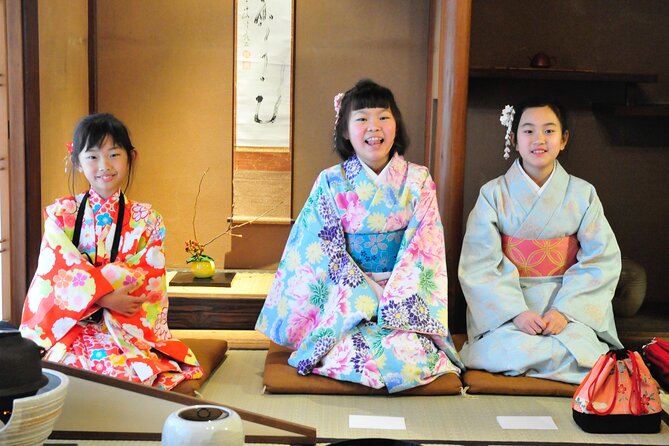
It suits couples particularly well because the experience encourages conversation and shared practice. It also works for families, provided children can listen, copy instructions, and sit through a calm activity. The experience has already accommodated young children, including an eight-year-old.
It is a good choice if you enjoy learning by doing. Watching the instructor is only one part of the session. You then prepare matcha, taste it, and offer tea to another participant.
You may want to choose something else if you have knee pain. The activity is not recommended for people with knee problems, and the information does not promise chairs or an alternative sitting arrangement. Ask before booking if sitting on the floor could be difficult for you.
You should also think about your interest level. The session includes informal discussion, cultural explanations, and time for questions. Someone looking for a quick, polished performance may find the pace too slow. Someone who wants to understand the meaning behind the ceremony should find the pace useful.
Practical tips before you go
Give yourself plenty of time to reach the Ankoan meeting point. The activity is near public transportation, but a first visit to an unfamiliar Kyoto neighborhood can take longer than expected.
Wear clothing that allows you to sit comfortably. This is especially important because the activity is not recommended for those with knee pain. The supplied information does not specify a dress code, so you do not need to plan a special outfit.
Arrive ready to participate rather than simply observe. You will have more fun if you accept that your first bowl may not look perfect. The instructor’s role is to guide you, not judge your technique.
Bring questions. The informal opening is a good time to ask about matcha, ceremony customs, Japanese daily life, or the meaning of particular gestures and phrases.
You may take photographs indoors. I would still keep your camera or phone quiet and use it with care during the demonstration and practice.
Because confirmation can take up to 48 hours and depends on availability, book before your preferred date if your Kyoto schedule is tight. The activity is booked on average 12 days ahead, so last-minute spaces may not always be available.
Free cancellation is available until 24 hours before the start time for a full refund. Changes or cancellations inside that window are not accepted, and poor weather can lead to a new date or a full refund. The weather rule is worth noting even though most of the activity takes place indoors.
Should you book the Ankoan tea ceremony?
Book it if you want a friendly, hands-on introduction to matcha and Japanese tea customs. The strongest reasons are the small group, the chance to prepare your own tea, the wagashi tasting, and Yuka’s warm, clear teaching style.
I would make this a good choice for a first or second day in Kyoto, when you want an activity that helps you understand the culture you are seeing around you. It can also provide a quiet break after temple visits and busy streets.
Skip it if you need guaranteed one-hour timing, cannot sit comfortably, or want an advanced and highly formal tea-school lesson. For everyone else, $32.84 buys more than a cup of tea. It buys a guided look at hospitality, etiquette, and the quiet pleasure of making something carefully for another person.
FAQ
How long does the Kyoto tea ceremony experience last?
The activity is listed as approximately one hour, but the detailed description says 90 minutes. Some participants spent close to two hours, so allow extra time rather than planning an immediate appointment afterward.
What is included in the price?
The experience includes coffee and/or tea, matcha preparation, matcha tasting, wagashi, instruction, and the tea ceremony activity. Private transportation is not included.
Where does the activity begin and end?
It begins at Tea ceremonyJapan, 63 Murasakino Monzencho, Kita Ward, Kyoto, postal code 603-8216, at Ankoan. It ends back at the same meeting point.
How many people can join the activity?
The maximum group size is eight participants.
Is the experience suitable for children?
Yes. Children have taken part successfully, including small children and an eight-year-old who was able to make tea with the instructor’s help.
Can I cancel for a full refund?
You can cancel at least 24 hours before the start time for a full refund. Cancellations or changes made less than 24 hours before the start time are not accepted. If poor weather causes the activity to be canceled, you will be offered another date or a full refund.
Just added in Kyoto
- The “Golden Route” and Ancient Japan by DIAMIR Erlebnisreisen – 14-Day Tour★ 2.0 · 2 reviews
- Japan: Castles & Cuisine by G Adventures – 6-Day Kyoto to Osaka Tour★ 4.5 · 4 reviews
- Cycle Japan by Explore! – 13-Day Kyoto to Tokyo Tour★ 4.7 · 12 reviews
- Cycle Japan by Intrepid Travel – 11-Day Kyoto to Tokyo Tour★ 4.8 · 2 reviews
- Classic Japan by Intrepid Travel – 11-Day Kyoto to Tokyo Tour★ 4.4 · 14 reviews
- Ancient & Modern Japan 14-Day Tour by Exodus Adventure Travels★ 4.4 · 40 reviews
- 5 Day Cultural Adventure of Kyoto, Nara & Osaka by Tourist Journey★ 2.5 · 2 reviews
- 12 Days Kinosaki Onsen Escape: A Journey Through Japan’s Timeless Towns by UME Travel★ 4.8 · 5 reviews
Tea Ceremonies, compared.
Tea Ceremony in a Traditional Tea House in Kiyomizu
Read our review →
World Heritage Kyoto & Nara Uji Authentic Matcha Experience
Read our review →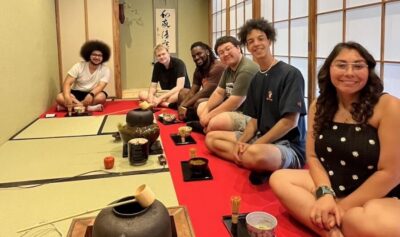
Browse the lists this tour appears in