
Reviewed · CASTLES AND HISTORIC SITES
Kyoto: Kendo Samurai Experience Tour
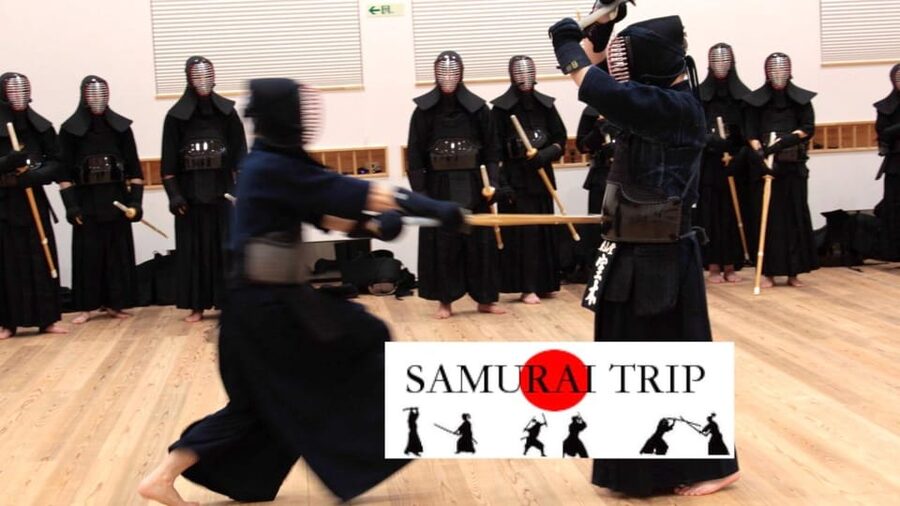
Step into the dojo and leave the costume play behind. This two-hour Kyoto experience teaches real kendo basics, from footwork and etiquette to controlled sparring with bamboo swords. I like the serious instruction from Hayashi-sensei and the chance to wear full kendo armor, rather than simply posing with a replica sword. The calm dojo setting also gives the activity a strong sense of Japanese discipline.
The main drawback is the location. JR Hanazono Station is about 15 minutes from Kyoto Station on the Sagano Line, and one participant found the journey farther than expected. You should also know that this is physical training, not a passive cultural demonstration. You will work hard, and pregnant women or people with pre-existing medical conditions should not book.
In This Review
- Key points at a glance
- What this Kyoto kendo class really offers
- Meeting Hayashi-sensei at Hanazono Station
- First lesson: etiquette, posture, and footwork
- Putting on full kendo armor
- The bamboo sword practice
- The final match in full armor
- How much value do you get for $116?
- Who should book this activity?
- Practical planning for your Kyoto day
- Should you book the Kyoto Kendo Samurai Experience?
- FAQ
- Where does the kendo experience meet?
- How far is Hanazono Station from Kyoto Station?
- How long does the activity last?
- Is the class taught in English?
- Do beginners need previous kendo experience?
- Is kendo armor included?
- Is a bamboo sword provided?
- What should I tell the provider before booking?
- Can I cancel for a full refund?
Key points at a glance
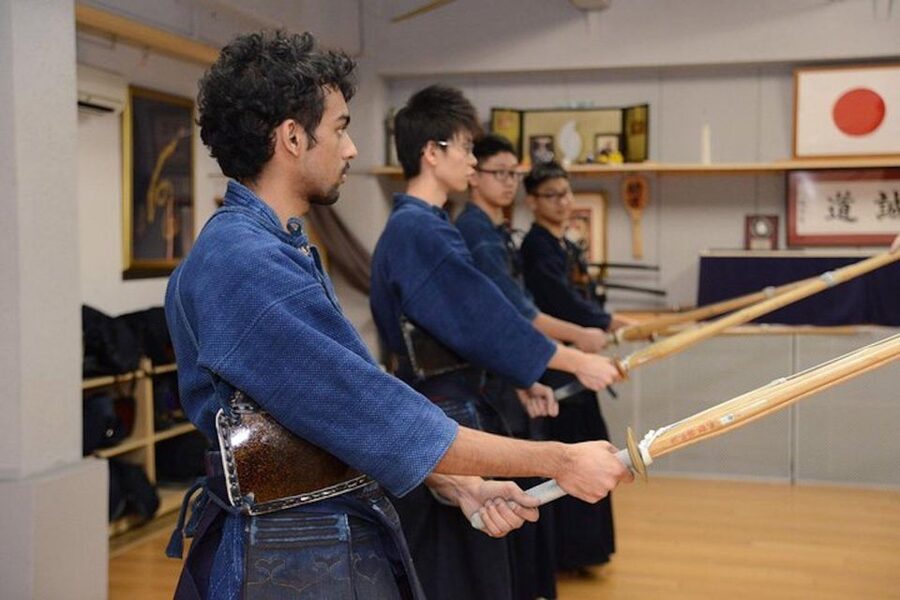
- Train with a 7th Dan instructor: Hayashi-sensei and the teaching team bring more than 40 years of kendo experience.
- Use real kendo equipment: You receive protective armor, a bamboo sword, and the equipment needed for beginner practice.
- Learn etiquette before fighting: Bowing, movement, posture, and discipline are part of the lesson, not side details.
- Finish with controlled sparring: The final match lets you use what you learned in a safe, supervised setting.
- Expect a genuine workout: The training is challenging, even for beginners, so wear practical clothing.
- Take home a small souvenir: A free kendo towel and mineral water are included.
What this Kyoto kendo class really offers
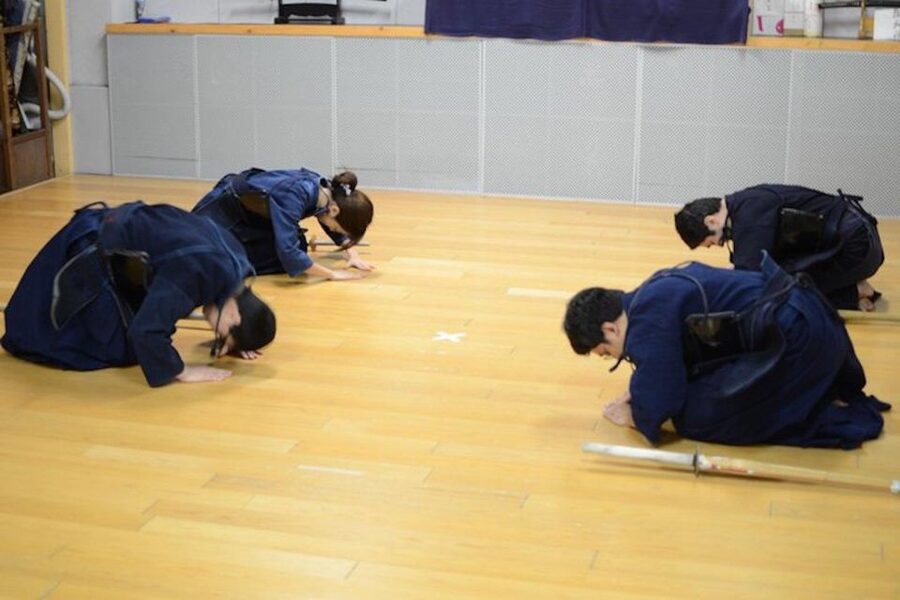
Kendo is often translated as the way of the sword. In this class, you learn the modern martial art through a bamboo sword called a shinai, protective armor, formal manners, and repeated practice. You are not handed a sharp samurai blade, and this is not a staged sword show. The goal is to teach the movement and spirit of kendo while keeping the session suitable for first-timers.
That distinction matters. You are expected to listen, copy demonstrations, and try the techniques yourself. Even at beginner level, the lesson follows the feel of an actual kendo match. The instructor does not simply swing a sword for you to photograph. You learn how to stand, move, strike, and respond.
The setting is a dojo, a place built around focus and respect. That quieter atmosphere may be a welcome change after Kyoto’s crowded sightseeing areas. You get a taste of the rules that shape kendo: controlled movement, attention to your opponent, and proper etiquette before and after practice.
The activity has a strong record, with a rating of 4.7 from 33 reviews. The most consistent praise centers on the instructor’s patience, clear demonstrations, friendly manner, and ability to make the class enjoyable without turning it into a joke.
More Castles and Historic Sites in Kyoto
- Kyoto Samurai Experience
★ 5.0 · 1,294 reviews - Kyoto: Nijo-jo Castle and Ninomaru Palace Guided Tour
★ 4.7 · 1,020 reviews - Kyoto: Kendo and Samurai Experience with Uniform and Gear
★ 4.9 · 815 reviews
Meeting Hayashi-sensei at Hanazono Station
Your meeting point is the north exit of JR Hanazono Station, written locally as JR 花園駅北口. From Kyoto Station, the ride takes about 15 minutes on the JR Sagano Line. That is manageable, but you should build in time to find the correct exit and arrive without rushing.
This is not a central Kyoto meeting point such as Kyoto Station or Gion. One family enjoyed the class but felt the location was farther from Kyoto than expected. My advice is simple: check the rail route before you reserve, especially if you have a tightly packed day of temples and museums.
The station meeting point has one practical advantage. You do not need to search for a small dojo somewhere in an unfamiliar neighborhood. Meet the instructor at the north exit, then follow the arrangements for the class.
The teaching is available in English and Japanese. Hayashi-sensei has been praised for clear physical demonstrations, patience, humor, and simple instruction, even when language skills are limited. One session included a translator and guide named Miho, which helped resolve communication problems. You should still expect demonstrations and visual teaching to do much of the work.
Before booking, send the genders and heights of everyone in your group. The provider uses that information to prepare suitable armor and equipment sizes. This is a small request, but it can make the fitting process much smoother.
First lesson: etiquette, posture, and footwork
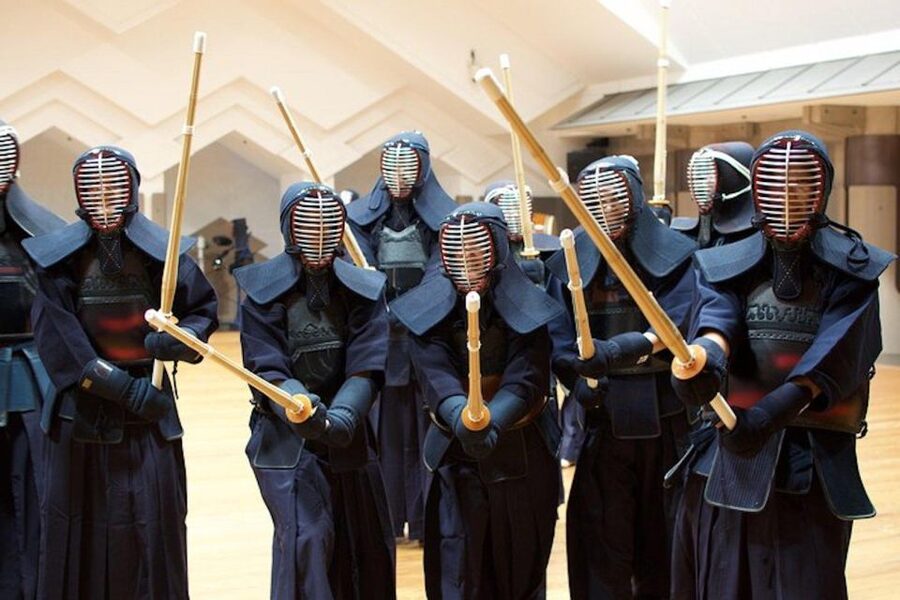
The class begins with the foundations. You learn basic etiquette and how to behave inside the dojo before picking up the bamboo sword for a match. That may sound formal, but it is central to understanding kendo.
You can expect instruction on how to stand, how to move, and how to handle the equipment. Basic exercises teach the body where to go before you worry about speed or power. Several people found the instructor’s step-by-step method especially helpful, since each technique was broken into manageable parts.
The early exercises are also where the physical side becomes clear. Kendo needs balance, concentration, repeated movement, and quick reactions. You do not need previous martial arts experience, but you should be ready to pay attention and repeat movements until they feel more natural.
I like this part because it gives the activity context. You are not merely putting on armor for a photograph. You learn why discipline and etiquette matter before you test yourself against another person.
The class is suitable for beginners, but beginner-friendly does not mean effortless. One father described the session as exciting and physical, while another family called it challenging and enjoyable. Wear clothes that allow you to move comfortably, and avoid treating the two hours as a light sightseeing stop.
Putting on full kendo armor
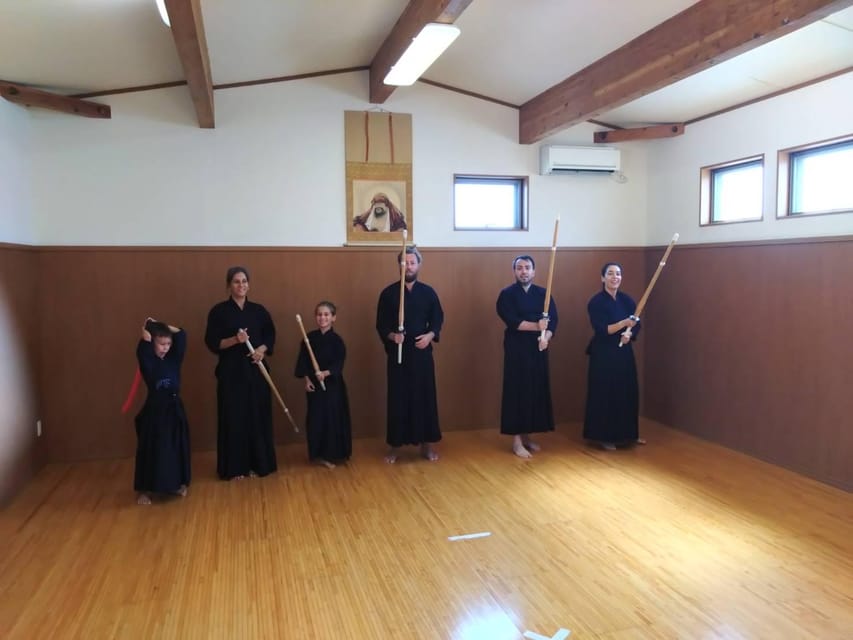
The most memorable stage for many people is getting into the equipment. You are provided with kendo armor and the other gear needed for practice. Once dressed, you look and feel much closer to a real kendo student than to someone posing in a rented samurai costume.
The armor also changes your understanding of the sport. It adds weight and structure, and it makes the final practice feel more serious. You learn to move while wearing it, not just stand still for a picture.
Equipment quality has received strong praise. A father and his sons found the armor excellent and the dojo neat and clean. Another participant specifically enjoyed learning the etiquette and techniques, then putting on all the gear. These details matter because poorly maintained equipment would quickly weaken the experience.
You receive free mineral water during the activity, along with a kendo towel to take home. Neither item changes the core value of the class, but the towel is a useful little reminder of the session.
You should let the provider know your height and gender in advance. That is especially important if several people in your party need different sizes. It is one of the few pieces of preparation clearly requested for the equipment.
A completely different kind of day out:
- PERFECT KYOTO 1-Day Bus Tour
★ 5.0 · 13,518 reviews - [Kyoto & Nara Day Tour] Sagano Scenic Railway & Nara Park & Fushimi Inari Taisha Thousand Torii Gates & Togetsukyo Bridge & Bamboo Grove & Kimono Forest (Departing from Osaka)
★ 4.9 · 10,942 reviews - Kyoto: Fushimi Inari, Kinkakuji, Bamboo Grove 1 Day Bus Tour
★ 4.8 · 4,316 reviews - Kyoto: Tea Ceremony in a Traditional Tea House in Kiyomizu
★ 4.9 · 3,519 reviews
The bamboo sword practice
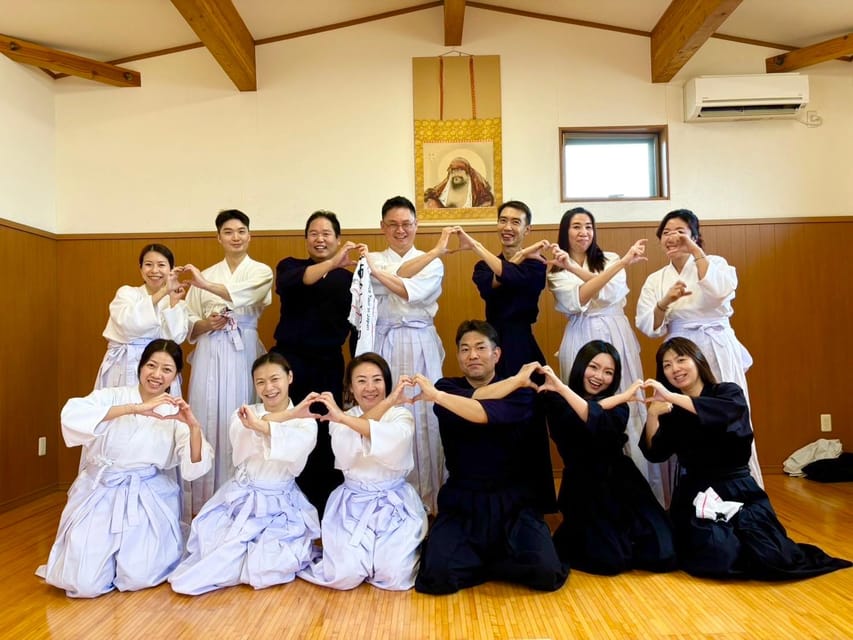
Once the basics are in place, you practice with a bamboo sword. The lesson focuses on technique and control rather than wild swinging. You are guided as if you were preparing for a genuine game, but the instructor remains close by to keep the activity safe.
This is where the class separates itself from a cultural photo session. You must coordinate your feet, hands, posture, and attention. Even simple strikes require concentration. The instructor’s demonstrations are valuable because kendo movements can be difficult to understand from verbal explanations alone.
Hayashi-sensei’s style seems to fit first-time students well. He has been described as friendly, patient, clear, and willing to use humor. Several people appreciated that he could teach effectively even when he did not speak much English. His demonstrations helped bridge the language gap.
The experience also gives you a better respect for the sport. Kendo can look simple from the outside: two people, bamboo swords, protective armor. In practice, the rules, timing, stance, and mental focus make it much more demanding.
I would not book this if you want a relaxed cultural lecture. I would book it if you want to learn by doing and do not mind repeating exercises until the instructor is satisfied.
The final match in full armor
The class builds toward a controlled kendo match. This is the point many families remember most, particularly when parents and children or brothers face one another. The match is supervised, safe, and based on the techniques introduced during the class.
The family element adds a lot of fun. A father versus son contest gives you an easy way to use the new skills without taking the activity too seriously. As one participant put it, kendo itself was the winner, which is probably the right attitude.
Do not confuse this with an unsupervised fight. The instructor guides the action, and the session is designed for beginners. You will not leave with the skill of a trained samurai after two hours, but you will understand more about the demands of kendo and experience the basic rhythm of a match.
For solo participants, the final format may depend on the group present that day. One father and son found themselves as the only participants, creating a private lesson with the instructor. That can be a major advantage if you prefer personal attention, though you should not assume every booking will be private.
The match is also a useful test of your comfort level. If you enjoy the earlier drills, this ending gives the session a satisfying purpose. If you dislike physical contact or competitive practice, the experience may feel more intense than expected.
How much value do you get for $116?
At $116 per person, this is not a cheap add-on. The value comes from the combination of a professional instructor, a two-hour lesson, rental armor and equipment, guided sparring, water, and the chance to practice in Japan rather than watch a staged performance.
I consider the price reasonable for someone who specifically wants hands-on kendo. A private martial arts lesson, full protective equipment, and a supervised match offer more substance than a short samurai photo opportunity. The 7th Dan master’s experience also adds weight to the instruction.
The value is weaker if you only want a quick cultural activity. Two hours is long enough to become physically tiring, and the class requires attention. You are paying for teaching and participation, not just access to a themed room.
The possibility of a very small group improves the value. Adrian from the United Kingdom attended with his son and found that the two of them received what amounted to private tuition. That kind of group size cannot be guaranteed, but it shows how personal the instruction can become.
Free cancellation is available up to 24 hours before the start time, and you can reserve now and pay later. Those terms are useful if your Kyoto schedule is still shifting. Food and hotel pickup are not included, so plan your meal and transportation separately.
Who should book this activity?
I would recommend this class to families with older children who enjoy active experiences, couples looking for something different from temple visits, and solo visitors with a real interest in martial arts. It also suits anyone who has wanted to try kendo in Japan but does not have time for a long course.
It is particularly good for people who value instruction. Hayashi-sensei’s clear demonstrations and patient manner are repeatedly praised, and the class appears to work well even when English is not the instructor’s strongest language.
You should think twice if you have limited mobility, a pre-existing medical condition, or want a gentle cultural activity. Pregnant women and people with pre-existing medical conditions are specifically listed as unsuitable for the tour. The class can be a workout, and full armor makes movement more demanding.
Families should also consider the height and equipment information requested before the session. Send accurate details for each participant so the provider can prepare suitable gear.
Practical planning for your Kyoto day
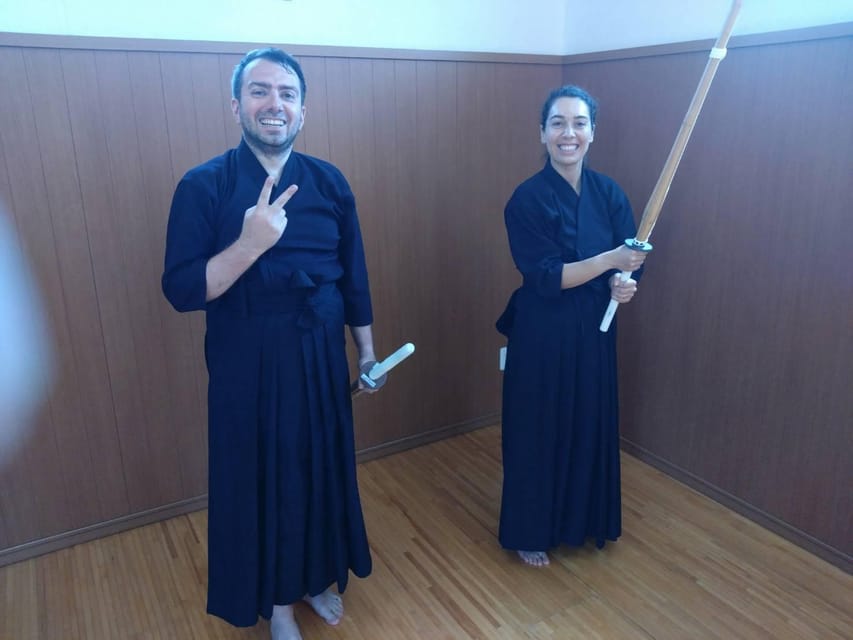
Allow more than the two-hour class itself. You need time to reach Hanazono Station, meet at the north exit, and return to central Kyoto afterward. The 15-minute train ride from Kyoto Station is short, but your total travel time depends on where you begin and where you go next.
Do not place this activity immediately before an important dinner reservation unless you leave a generous cushion. You may finish hot and tired, and the class can take more out of you than the phrase beginner experience suggests.
Food is not included. Have a meal before or after according to your schedule, but avoid arriving unprepared for physical activity. Mineral water is provided, which is helpful during the class.
The experience is offered in English and Japanese. If your English or Japanese is limited, you can still follow demonstrations, but tell the provider about any communication needs when you book. The presence of a translator such as Miho in one session shows that extra language support may sometimes be available, though it should not be assumed for every date.
Should you book the Kyoto Kendo Samurai Experience?
Book it if you want active, serious cultural learning rather than a staged samurai show. The combination of etiquette, instruction, full armor, bamboo sword practice, and a final match gives you a clear sense of what kendo demands. Hayashi-sensei’s patient teaching is the strongest reason to choose it.
Skip it if you are looking for something central, easy, and restful. Hanazono is outside the main sightseeing core, the activity can be strenuous, and the $116 price makes little sense if you are only interested in a costume photograph.
For families, the final match can become the best shared memory of the day. For solo visitors, a small group may bring unusually personal instruction. Check the train route, share everyone’s height and gender for equipment sizing, and reserve only if you are ready to train, not simply watch.
FAQ
Where does the kendo experience meet?
The meeting point is the north exit of JR Hanazono Station, written as JR 花園駅北口.
How far is Hanazono Station from Kyoto Station?
The station is about 15 minutes from Kyoto Station by the JR Sagano Line.
How long does the activity last?
The experience lasts two hours.
Is the class taught in English?
The instructor languages are English and Japanese.
Do beginners need previous kendo experience?
No previous experience is stated as necessary. The class teaches basic exercises, movement, etiquette, and techniques for beginners.
Is kendo armor included?
Yes. Rental kendo armor and equipment are included in the price.
Is a bamboo sword provided?
The experience includes equipment for kendo practice, including the bamboo sword used for training and the final controlled match.
What should I tell the provider before booking?
Send the genders and heights of everyone in your group so the provider can prepare suitable equipment and sizes.
Can I cancel for a full refund?
Yes. You can cancel up to 24 hours before the activity for a full refund. You can also reserve now and pay later.
Just added in Kyoto
- The “Golden Route” and Ancient Japan by DIAMIR Erlebnisreisen – 14-Day Tour★ 2.0 · 2 reviews
- Japan: Castles & Cuisine by G Adventures – 6-Day Kyoto to Osaka Tour★ 4.5 · 4 reviews
- Cycle Japan by Explore! – 13-Day Kyoto to Tokyo Tour★ 4.7 · 12 reviews
- Cycle Japan by Intrepid Travel – 11-Day Kyoto to Tokyo Tour★ 4.8 · 2 reviews
- Classic Japan by Intrepid Travel – 11-Day Kyoto to Tokyo Tour★ 4.4 · 14 reviews
- Ancient & Modern Japan 14-Day Tour by Exodus Adventure Travels★ 4.4 · 40 reviews
- 5 Day Cultural Adventure of Kyoto, Nara & Osaka by Tourist Journey★ 2.5 · 2 reviews
- 12 Days Kinosaki Onsen Escape: A Journey Through Japan’s Timeless Towns by UME Travel★ 4.8 · 5 reviews
Castles and Historic Sites, compared.
Imperial Palace and Shogun Historical Walking Tour
Read our review →
Tokyo Castle & Imperial PalaceーShogun Walking Tour
Read our review →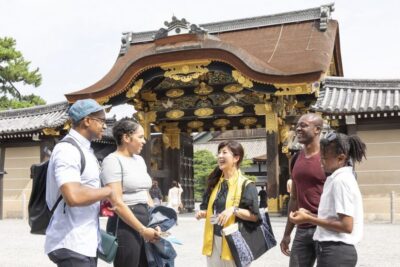
Nijo-jo Castle and Ninomaru Palace Guided Tour
Read our review →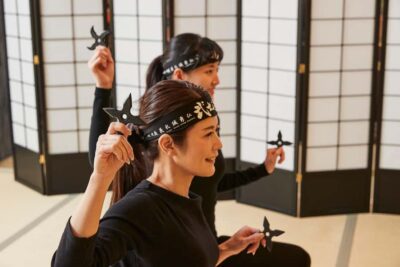
Samurai Ninja Museum Guided tour and Experience
Read our review →Browse the lists this tour appears in