
Reviewed · WORKSHOPS
Kyoto: Kintsugi Jewelry Workshop with Natural Stones
Broken pottery gets a second life. In a quiet 100-year-old Kyoto townhouse, you use kintsugi techniques to turn pottery shards, natural stones, and pearls into wearable art. I like the thoughtful setting and the chance to make a souvenir with a real connection to Japanese craft.
I also like the patient, personal teaching from Natsuka, who explains the meaning of kintsugi as clearly as the practical steps. The main consideration is that this is a careful craft session, not a quick make-and-go activity, and the 150 minutes can feel long if you prefer sightseeing at a faster pace.
In This Review
- Key points to know before you book
- A peaceful craft break near Fushimi Inari
- Finding the townhouse from the railway stations
- Learning what kintsugi means beyond gold lines
- Choosing from Japanese pottery and natural materials
- Building earrings, rings, necklaces, and brooches
- Why the small group size matters
- The value of a $106 Kyoto souvenir
- What the atmosphere feels like
- How to fit it into a Fushimi Inari day
- Who should book this experience
- FAQ
- How long does the kintsugi jewelry workshop last?
- Where is the workshop located?
- What materials can I use?
- What types of jewelry can I make?
- Is the workshop taught in English?
- Can I take my jewelry home the same day?
- Should you book it?
Key points to know before you book
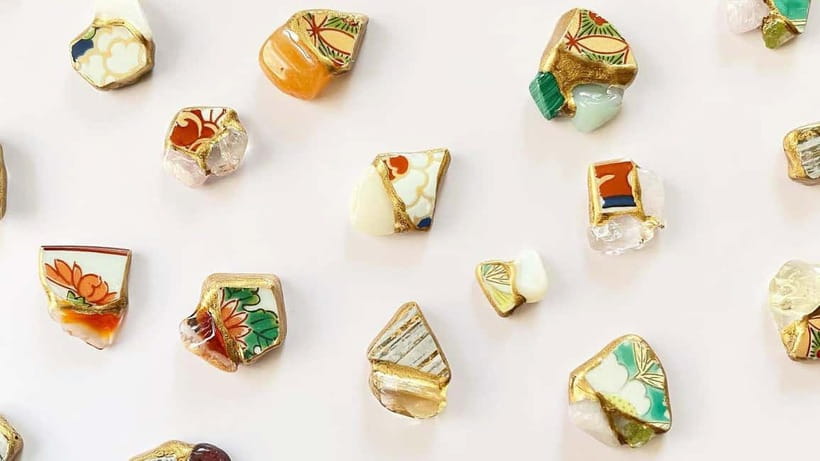
- Your jewelry begins with broken pottery: Choose fragments from Arita, Karatsu, Oribe, Kyoto, Shigaraki, and Hagi ceramics, then combine them with stones, shells, pearls, or stained glass.
- The setting is part of the experience: The workshop takes place in a traditional one-story Kyoto house about a three-minute walk from Fushimi Inari Taisha.
- You can choose your accessory: Options include earrings, rings, necklaces, brooches, tie pins, cufflinks, and other jewelry styles.
- The instruction is calm and personal: Groups are limited to 10, and Natsuka teaches in English and Japanese.
- The materials are designed with allergies in mind: The workshop uses synthetic lacquer rather than traditional urushi lacquer.
- You leave with a handmade souvenir: Participants can take their finished creations home the same day.
A peaceful craft break near Fushimi Inari
Fushimi Inari Taisha is one of Kyoto’s most visited sights, famous for its long climb through red torii gates. The shrine can be crowded, especially around the lower paths. This workshop gives you a very different way to spend time in the same area.
The atelier is only a short walk from the shrine, but it offers a slower rhythm. You step away from temple crowds and into a compact traditional home with a white noren curtain at the entrance. That detail matters because the workshop does not feel like a generic studio built for passing tour groups. It feels tied to Kyoto.
The activity lasts 150 minutes, so you have enough time to think about your design instead of grabbing the first attractive fragment. The pace is especially useful for beginners. You can compare colors, shapes, textures, and metal finishes before fixing your pieces together.
I would plan this for a rainy afternoon, a hot day when you need a break from walking, or a day when you want something more personal than another temple visit. One participant described it as a welcome pause from Kyoto’s busy sightseeing pace, and that is exactly where the workshop fits best.
A few more options to weigh up in Kyoto
- PERFECT KYOTO 1-Day Bus Tour
★ 5.0 · 13,518 reviews - [Kyoto & Nara Day Tour] Sagano Scenic Railway & Nara Park & Fushimi Inari Taisha Thousand Torii Gates & Togetsukyo Bridge & Bamboo Grove & Kimono Forest (Departing from Osaka)
★ 4.9 · 10,942 reviews - Kyoto: Fushimi Inari, Kinkakuji, Bamboo Grove 1 Day Bus Tour
★ 4.8 · 4,316 reviews
Finding the townhouse from the railway stations
The atelier is about a five-minute walk from either Keihan Ryukoku Daimae-Fukakusa Station or JR Inari Station. Fushimi Inari Taisha is nearby, making it easy to pair the workshop with the shrine before or after your class.
Pay attention to the route instructions and photo map. The house sits on a narrow alley, and the entrance is marked by a white noren curtain. There is no parking, and the alley is not suitable for vehicles, so arriving by train and walking is the practical choice.
JR Inari Station is useful if you are coming on the JR Nara Line. Keihan Ryukoku Daimae-Fukakusa Station gives you another rail option, especially if your plans already use the Keihan network. The activity information describes both routes as short walks, but I would still allow a few extra minutes to identify the correct house.
This is not a place where you should expect a large commercial sign or a wide storefront. The traditional house setting is part of the charm, but it also means you need to arrive with the meeting instructions ready on your phone.
Learning what kintsugi means beyond gold lines
Kintsugi is the Japanese practice of repairing broken ceramics and highlighting the repaired areas rather than hiding them. Gold-colored seams become part of the object’s appearance. In this workshop, the same idea is adapted for jewelry.
The lesson covers both the practical technique and the cultural meaning behind it. You learn about the connection between repair, imperfection, and wabi-sabi, the Japanese appreciation of simplicity, age, and the marks left by time.
That short cultural explanation gives the activity more weight. You are not simply gluing a fragment onto a metal backing. You are working with material that was already broken, then making the break part of its new identity.
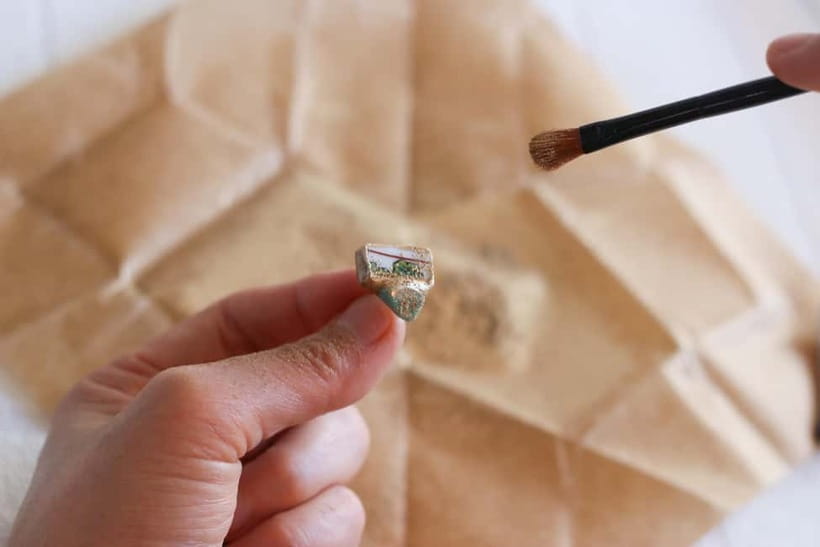
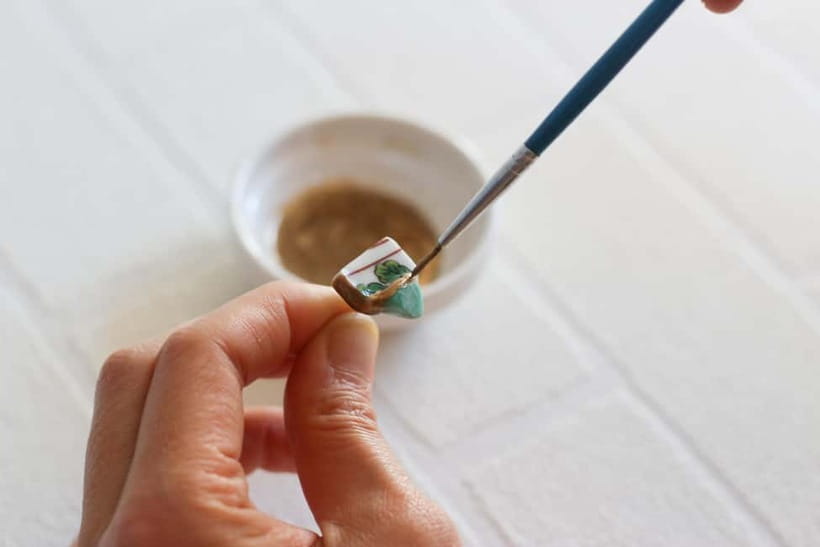
The workshop uses synthetic lacquer and gold powder. This is important because traditional urushi lacquer can cause allergic reactions, while the synthetic material allows the activity to be offered in a more accessible way. You still get the visual effect of gold-highlighted repair without working with traditional lacquer.
The gold is not just decoration. It draws attention to the join between the pieces. A small crack or uneven edge can become the feature that makes your finished jewelry look deliberate.
Choosing from Japanese pottery and natural materials
The selection of materials is one of the strongest parts of the workshop. You can choose from fragments associated with several Japanese pottery traditions, including Arita, Karatsu, Oribe, Kyoto, Shigaraki, and Hagi.
Each group offers a different look. The appeal is not only the color on the surface, but also the knowledge that the fragment comes from a particular Japanese ceramic tradition. You can ask about the pieces as you work, and the instructor explains the regions and origins represented in the collection.
You also have access to stained glass, natural stones, shells, and pearls. This opens the design beyond a simple pottery shard with a gold edge. You might favor an earthy ceramic with a muted stone, or choose a brighter combination using glass and a colorful natural stone.
I recommend taking your time at this stage. The smallest piece may become the best pendant or brooch once you see how its shape works with the setting. A pretty fragment on its own does not always make the strongest piece of jewelry.
There is also a satisfying upcycling idea behind the process. Broken pottery does not disappear into a waste bin. It becomes a small object you can wear, and the original damage remains visible as part of the design.
A completely different kind of day out:
- Kyoto: Tea Ceremony in a Traditional Tea House in Kiyomizu
★ 4.9 · 3,519 reviews - Kyoto: Gion Make Your Own Chopsticks with Engraving Option
★ 5.0 · 3,465 reviews - Kyoto Nara Day Trip │ Kiyomizu-dera Temple + Fushimi Inari-taisha Shrine + Nara Park (Departing from Osaka/Kyoto)
★ 4.7 · 3,408 reviews - Kyoto Geisha Walking Tour: Gion District & Hidden Gems
★ 4.7 · 3,273 reviews
Building earrings, rings, necklaces, and brooches
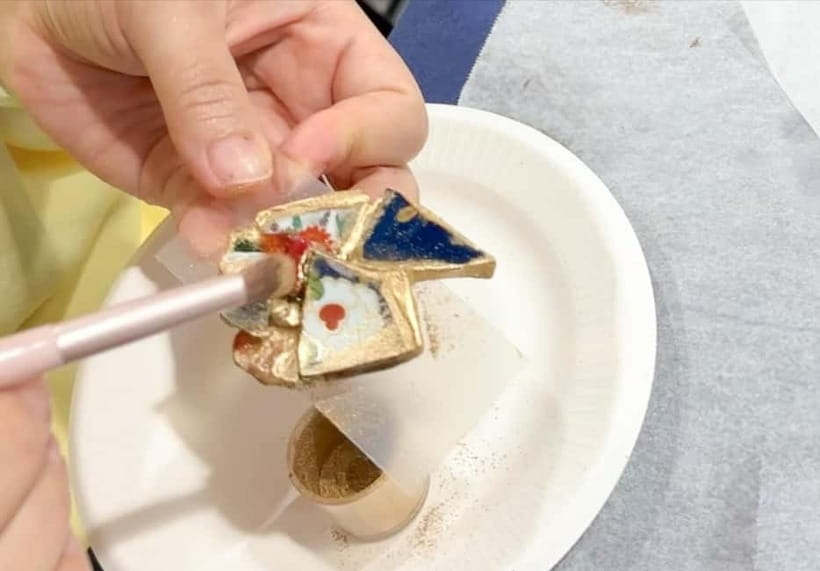
The workshop offers a wide range of accessory types. You can choose earrings, rings, necklaces, brooches, tie pins, cufflinks, and other forms, depending on the available materials and your preferred style.
This variety makes the activity suitable for different ages and tastes. A brooch or pendant may be easier to design with a larger ceramic fragment, while earrings call for smaller pieces that work as a pair. A tie pin or cufflink offers a useful option if you prefer something less decorative.
The instructor guides you step by step. You arrange the pottery and other materials, consider the balance of the design, and apply the synthetic lacquer and gold powder with assistance. The process is hands-on, but you are not left to guess what comes next.
A participant who attended with an eight-year-old daughter found the class manageable and enjoyable for both of them. That does not mean every child will have the patience for the full session, but it shows that the workshop can work well for families with children who enjoy making things carefully.
Many participants finish two jewelry pieces during the session. The exact result depends on your design choices and pace, but the time allotment gives you room to create more than a single rushed item.
Why the small group size matters
The group is limited to 10 people, which is a useful size for a craft class. You get the social feel of working alongside other people without being lost in a large room.
The instructor can explain the technique to the full group, then offer individual advice as each person chooses materials and assembles a design. That matters when your pieces do not fit together perfectly, or when you want help deciding between two possible arrangements.
The teaching style is patient and encouraging. Natsuka is described as calm, kind, and clear in her demonstrations. She also explains the pottery regions, the origins of kintsugi, and the idea of wabi-sabi rather than treating the cultural background as a quick introduction.
English and Japanese instruction is available. If you are not confident with craft vocabulary, the step-by-step format should help. You can watch the demonstration, follow the order of the process, and ask for help when needed.
One useful point about the schedule is that the workshop does not appear to punish slow work. A participant who took much longer than expected received extra time without pressure. That suggests the atmosphere favors care over speed, although you should still expect the official session to last 150 minutes.
The value of a $106 Kyoto souvenir
At $106 per person, this is not a cheap craft stop. The price makes more sense if you value instruction, a small-group setting, several material choices, and the chance to take home handmade jewelry rather than a factory-made souvenir.
The fee includes the workshop, synthetic lacquer, gold powder, pottery fragments, natural stones, shells, pearls, and instructor assistance. You are paying for the creative process as well as the finished item.
Compared with buying a piece of jewelry in a shop, the value here comes from the story. You select the fragment, decide how to place it, and take part in giving it a new use. The finished piece may have small irregularities, but those marks fit the spirit of kintsugi.
I would not book this if your main goal is to collect the most jewelry for the lowest cost. I would book it if you want one or two meaningful pieces and enjoy learning a traditional craft. The workshop also gives you a personal memory connected to Fushimi Inari, Kyoto pottery, and Japanese ideas about repair.
The same-day takeaway is a practical benefit. You do not need to arrange shipping or wait for a later delivery. Just remember to protect the jewelry carefully in your luggage.
What the atmosphere feels like
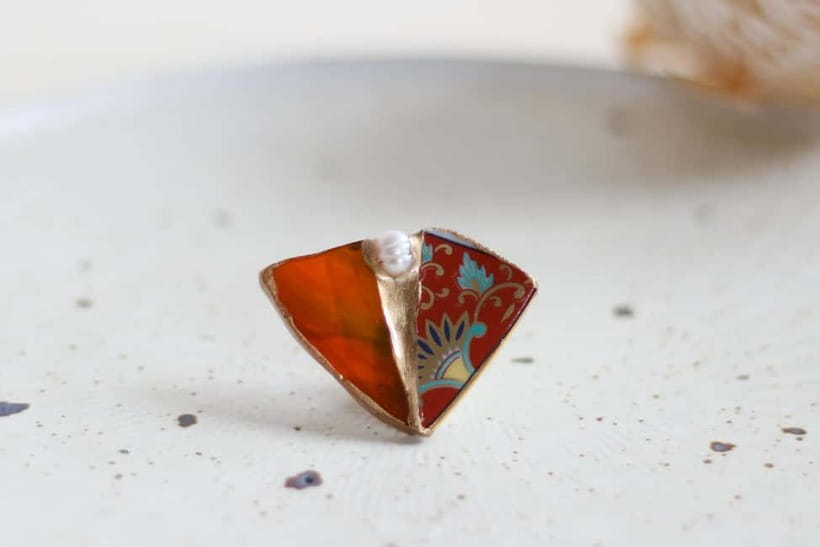
The old townhouse gives the session a calm, domestic feel. This is not a large classroom with rows of tables and a fixed production line. You work in a traditional Kyoto home, with the character that comes from age and scale.
The atmosphere suits the technique. Kintsugi asks you to notice small details, including a crack, a color change, or the way two uneven edges meet. A quiet room helps you concentrate on those choices.
Refreshments may be provided during the session, adding to the relaxed mood. The emphasis is on taking your time, learning, and enjoying the process rather than finishing as quickly as possible.
This can be a good choice for solo visitors, couples, families, and friends. It also works for people who want a cultural activity without a long lecture or a difficult physical challenge. You spend most of the time seated and working with your hands.
The main limitation is accessibility. The experience is not suitable for wheelchair users, and the traditional house may not provide the same ease of movement as a modern studio. If mobility access is important to you, contact the provider before booking.
How to fit it into a Fushimi Inari day
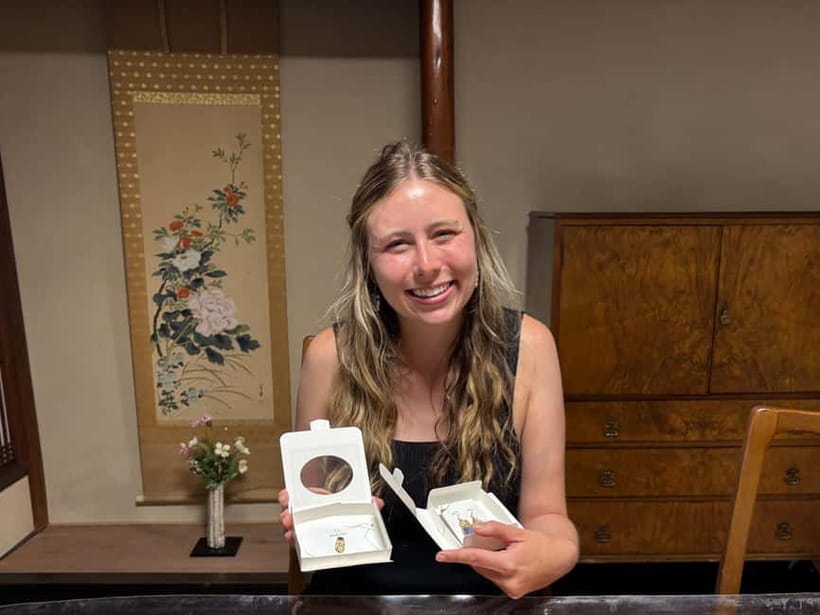
The workshop is easy to combine with Fushimi Inari Taisha because of the short walking distance. You could visit the shrine first, then use the class as a quieter second activity. You could also attend the workshop before exploring the shrine.
Think about your energy level. The shrine’s torii path can involve a substantial uphill walk if you continue beyond the lower gates. Scheduling the workshop after a long hike may feel restful, but you may also be tired when fine handwork begins.
A morning shrine visit followed by an afternoon workshop is a sensible plan. It gives you time to find the atelier without rushing and leaves room to enjoy the creative process.
I would avoid packing too many other fixed activities immediately afterward. The official length is 150 minutes, and careful participants may need extra time. The point is to slow down, not to turn the class into another item to check off.
Who should book this experience
This workshop is best for you if you enjoy handmade objects, Japanese culture, or activities that reward patience. It is also a strong choice if you want a souvenir that cannot be duplicated exactly.
Families can consider it for older children who can follow careful instructions. Couples and friends may enjoy comparing design choices, while solo visitors get a chance to meet a small group and work with a supportive instructor.
You do not need previous jewelry-making experience. The instruction is designed to make the steps understandable, and the instructor offers help as you work.
I would be cautious about booking if you dislike slow creative tasks, have limited hand mobility, or want a polished luxury jewelry product made entirely by an expert. The charm is that your own choices and small imperfections remain visible.
FAQ
How long does the kintsugi jewelry workshop last?
The workshop lasts 150 minutes. Starting times vary, so you need to check availability when selecting a date.
Where is the workshop located?
The atelier is in a traditional 100-year-old Kyoto townhouse near Fushimi Inari Taisha. It is about a five-minute walk from Keihan Ryukoku Daimae-Fukakusa Station or JR Inari Station.
What materials can I use?
You can choose from Japanese pottery fragments from Arita, Karatsu, Oribe, Kyoto, Shigaraki, and Hagi. Natural stones, stained glass, shells, and pearls are also available.
What types of jewelry can I make?
Available options include earrings, rings, necklaces, brooches, tie pins, cufflinks, and other accessories.
Is the workshop taught in English?
Yes. Instruction is available in English and Japanese.
Can I take my jewelry home the same day?
Yes. Participants can take their finished creations home on the day of the workshop. The activity uses synthetic lacquer and gold powder.
Should you book it?
Book this workshop if you want a calm, hands-on Kyoto experience and a souvenir with a personal story. The combination of Japanese pottery, natural materials, gold repair lines, and a traditional townhouse gives the activity more character than a standard craft class.
At $106, the price is easiest to justify when you value the instruction and the finished keepsake, not just the raw materials. The patient guidance from Natsuka, the small group limit, and the freedom to choose your own accessory make the session feel personal.
Skip it if you need wheelchair access, have very little time near Fushimi Inari, or prefer fast sightseeing. For everyone else, especially anyone who likes thoughtful design and meaningful souvenirs, this is a fine way to let broken pottery tell a new story.
Just added in Kyoto
- The “Golden Route” and Ancient Japan by DIAMIR Erlebnisreisen – 14-Day Tour★ 2.0 · 2 reviews
- Japan: Castles & Cuisine by G Adventures – 6-Day Kyoto to Osaka Tour★ 4.5 · 4 reviews
- Cycle Japan by Explore! – 13-Day Kyoto to Tokyo Tour★ 4.7 · 12 reviews
- Cycle Japan by Intrepid Travel – 11-Day Kyoto to Tokyo Tour★ 4.8 · 2 reviews
- Classic Japan by Intrepid Travel – 11-Day Kyoto to Tokyo Tour★ 4.4 · 14 reviews
- Ancient & Modern Japan 14-Day Tour by Exodus Adventure Travels★ 4.4 · 40 reviews
- 5 Day Cultural Adventure of Kyoto, Nara & Osaka by Tourist Journey★ 2.5 · 2 reviews
- 12 Days Kinosaki Onsen Escape: A Journey Through Japan’s Timeless Towns by UME Travel★ 4.8 · 5 reviews
Workshops, compared.

Sushi Making Tokyo Roll and Authentic Japanese Sushi Class
Read our review →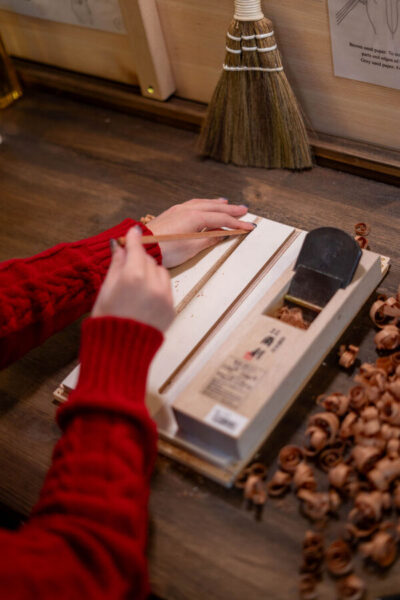
Gion Make Your Own Chopsticks with Engraving Option
Read our review →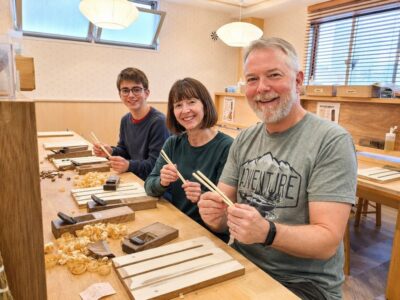
Roll and Authentic Sushi Making Class in Asakusa
Read our review →
Ramen Cooking Class at Ramen Factory in Kyoto
Read our review →
Tokyo Asakusa Chopsticks Workshop: Make Your Own Pair
Read our review →
Ring Making Workshop : Vintage Japanese Coin Ring
Read our review →Browse the lists this tour appears in