
Reviewed · TEA CEREMONIES
Kyoto Matcha Green Tea Tour
Uji makes matcha feel real. This three-hour tour takes you beyond a quick cup of green tea, with temple visits, local food, tea tasting, and a hands-on matcha-making session in the town most closely tied to Japan’s famous powdered tea. I especially like the small group of no more than eight people and the relaxed pace praised by guests who toured with guides such as Karim, Jamelah, Miki, and Sanae.
I also like the way the experience combines culture with food. You may visit Byodoin Temple, see an old shrine, eat matcha-flavored dishes, make your own tea, and still have time to browse Uji’s shops. The main drawback is the $173 price, which does not include transportation from Kyoto, extra food or drinks, or gratuity. You also need to reach the correct station and arrive on time, since the guide waits only five minutes.
In This Review
- Key points to know before booking
- Why Uji makes a better tea day than a simple tea ceremony
- Meeting at Keihan Uji Station, not JR Uji Station
- Walking through Uji’s temple and shrine country
- Byodoin Temple and the story behind the postcard
- Matcha soba, sweets, and tea in several forms
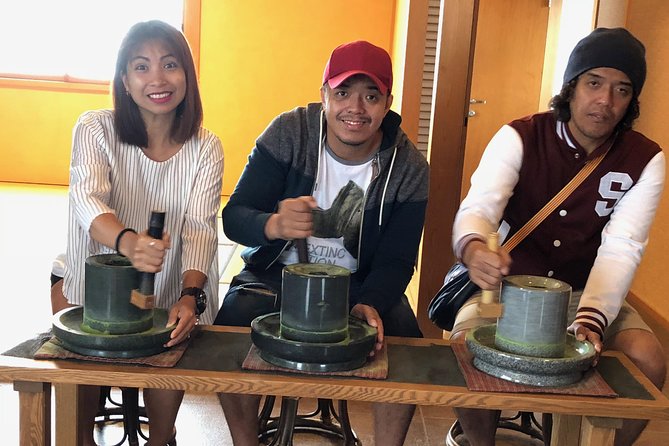
- Grinding leaves and making your own matcha
- A small group with room for questions
- Is $173 a fair price for three hours?
- Who will enjoy this Uji experience most?
- Tips for getting the most from the tour
- Should you book the Kyoto Matcha Green Tea Tour?
- FAQ
- Where does the Kyoto Matcha Green Tea Tour meet?
- How far is Uji from Kyoto City?
- How long does the tour last?
- What language is the tour offered in?
- How large is the group?
- What food and tea activities are included?
- Are children allowed on the tour?
- Can I cancel the booking?
Key points to know before booking
- Uji is the home of matcha: You explore the town where tea production, tea culture, and Kyoto’s old noble retreats come together.
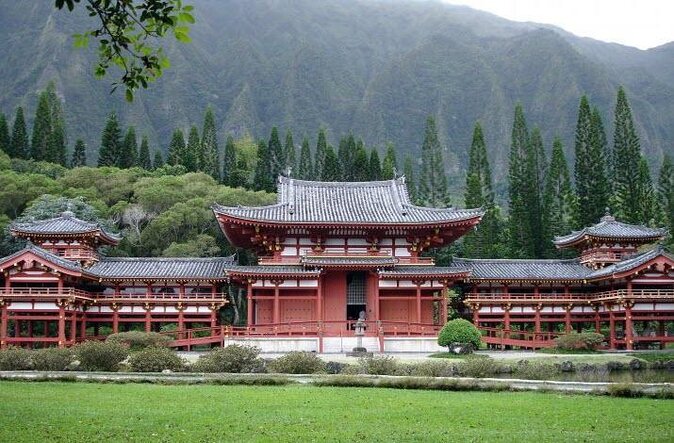
- Byodoin Temple is a major highlight: The World Heritage temple gives the tour a strong historical and visual centerpiece.
- You eat more than sweets: Food stops can include matcha soba, local treats, and matcha ice cream.
- The tea session is hands-on: You grind tea leaves and whisk your own matcha rather than simply watching a demonstration.
- The group stays small: With a maximum of eight participants, you can ask questions and keep a comfortable pace.
- The meeting point needs care: Meet at the entrance of Keihan Uji Station, not JR Uji Station.
Why Uji makes a better tea day than a simple tea ceremony
Kyoto has no shortage of tea experiences, but Uji gives you the setting behind the drink. The town sits about 40 minutes from Kyoto City and has long been associated with high-quality green tea. Here, tea is not just poured into a bowl for tourists. It appears in noodles, sweets, ice cream, shops, fields, and family traditions.
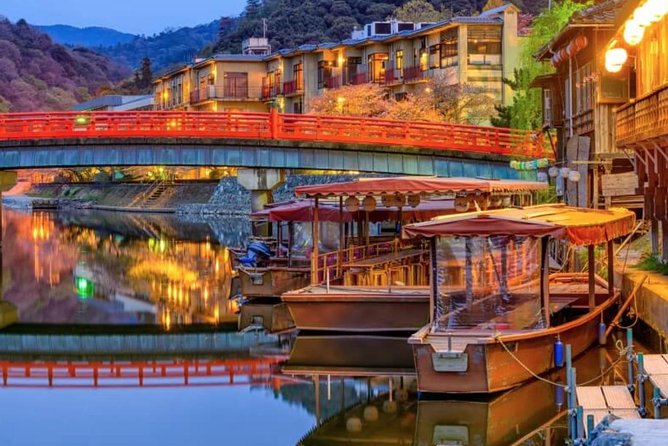
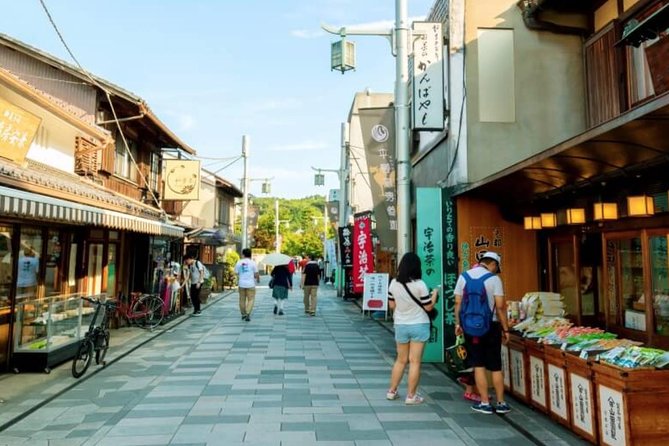
I like that this tour places matcha within the wider life of Uji. You are not spending three hours in a single tea room. You are walking through streets beside the Uji River, visiting religious sites, learning how the area developed, and tasting tea in forms you may not expect.
The setting also changes the mood. Kyoto’s central sights can feel crowded and hurried. Uji offers a calmer outing, with water, old streets, tea shops, and temple grounds creating room to slow down. The tour does not promise an untouched village, but it does give you a different side of the Kyoto area.
More Tea Ceremonies in Kyoto
- Kyoto: Tea Ceremony in a Traditional Tea House in Kiyomizu
★ 4.9 · 3,519 reviews - Kyoto: Tea Ceremony Ju-An at Jotokuji Temple
★ 4.9 · 3,207 reviews - Kyoto: 45-Minute Tea Ceremony Lesson Experience
★ 4.3 · 2,378 reviews
Meeting at Keihan Uji Station, not JR Uji Station
The practical detail that matters most is the meeting point. You meet at the entrance of Keihan Uji Station, 宇治駅, at Otsukata Uji, Kyoto 611-0021. This is not JR Uji Station.
The two stations serve the same town but are different locations. Check your route before leaving Kyoto, and allow enough time to find the station entrance and the guide’s sign. The tour can leave after a five-minute grace period, and the guide cannot give directions or call once the walk has begun.
Transportation is not included in the $173 price. That is important when you compare the cost with a self-guided day in Uji. You are paying for the guide, several food stops, tea activities, and the structure of a small group, but you still pay your own fare to and from Uji.
Walking through Uji’s temple and shrine country
The sightseeing portion usually includes Uji’s major religious landmarks, with Byodoin Temple receiving especially strong praise. The temple is a World Heritage site and one of the town’s defining sights. Its graceful architecture and long connection with Kyoto’s aristocratic past give the guide plenty to explain.
A guide makes a difference here. You can see a beautiful temple on your own, but it is easy to miss the meaning behind the buildings, grounds, and religious customs. On this tour, you can ask how to pray at a shrine, learn why a site matters, and connect the buildings to Uji’s earlier role as a retreat for noble families.
You may also visit one of Uji’s older shrines. The exact order can vary, but the combination gives the morning or afternoon a useful balance: temple architecture, shrine traditions, tea culture, and local food.
I would not book this tour only for a long temple visit. Three hours is enough for a taste of Uji, not a full study of every monument. The value comes from the way the guide links each stop together.
Byodoin Temple and the story behind the postcard
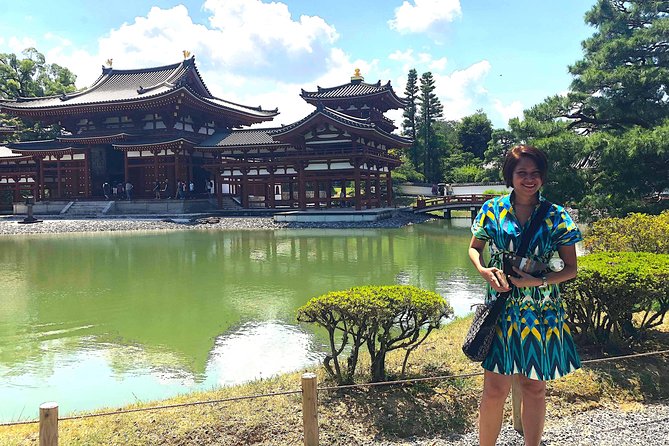
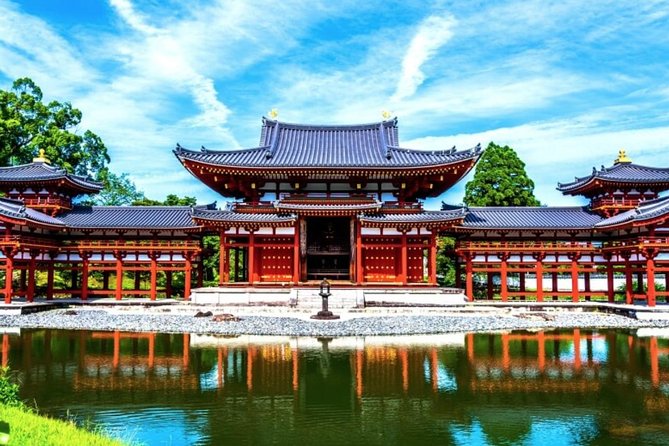
Byodoin is likely to be the visual high point. The temple is famous for its elegant Phoenix Hall, and its image appears on the Japanese 10-yen coin. Even if you have seen photographs, the real setting gives the building more weight.
The tour adds context instead of leaving you to take a few pictures and move on. Guides have explained the history of the area, the importance of the religious sites, and small details that are easy to overlook. That kind of explanation is especially useful if you are unfamiliar with Japanese Buddhist and Shinto customs.
Keep your expectations practical. The tour price does not mean every possible temple admission or optional purchase is covered. The supplied details confirm the sightseeing stops, but they do not promise a private temple visit or a long guided session inside every building. Ask your guide what is included on the day if you want more detail about entrance arrangements.
A completely different kind of day out:
- PERFECT KYOTO 1-Day Bus Tour
★ 5.0 · 13,518 reviews - [Kyoto & Nara Day Tour] Sagano Scenic Railway & Nara Park & Fushimi Inari Taisha Thousand Torii Gates & Togetsukyo Bridge & Bamboo Grove & Kimono Forest (Departing from Osaka)
★ 4.9 · 10,942 reviews - Kyoto: Fushimi Inari, Kinkakuji, Bamboo Grove 1 Day Bus Tour
★ 4.8 · 4,316 reviews - Kyoto: Gion Make Your Own Chopsticks with Engraving Option
★ 5.0 · 3,465 reviews
Matcha soba, sweets, and tea in several forms
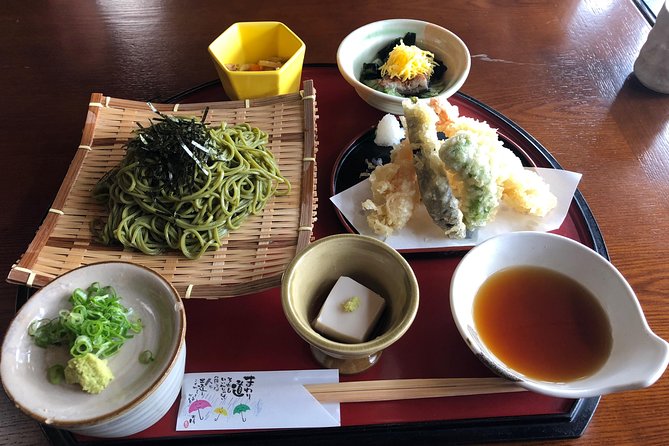
The food is more substantial than a standard tasting. One stop may include matcha soba, a local twist that shows how tea flavor moves into everyday cooking. You may also receive other dishes at multiple food stops, followed by sweets such as matcha ice cream or wagashi.
This variety is one of the tour’s strongest features. You can compare the grassy, slightly bitter taste of matcha in a savory noodle dish with the softer sweetness of ice cream or a traditional confection. It helps you understand that Uji tea is not limited to the hot drink in your cup.
One past itinerary included lunch along the river, which sounds like a pleasant pause between cultural stops. Another included a sweet treat at the end. Exact dishes can change, so I would treat the food as a generous part of the experience rather than a fixed restaurant menu.
The price includes a variety of dishes and matcha tasting, but extra food and drinks are your responsibility. If you see something tempting in a tea shop, budget a little more. Uji is a good place to buy tea, sweets, and gifts, and shopping time is included.
Grinding leaves and making your own matcha
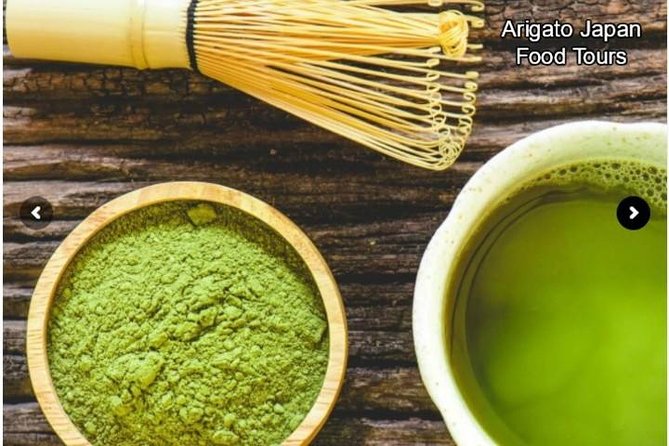
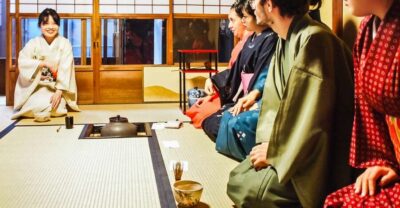
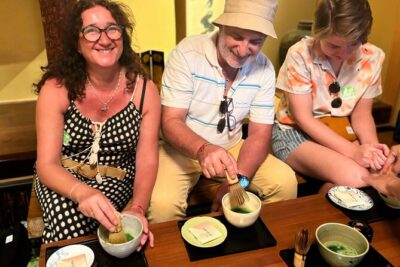
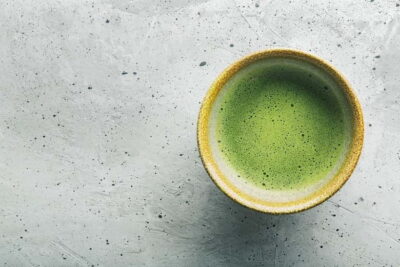
The hands-on tea session gives the tour its clearest sense of participation. You can grind tea leaves and learn how to prepare matcha rather than simply being handed a finished cup. The process makes the drink more understandable: matcha is whisked tea powder, not an infusion that leaves the leaves behind.
You will also taste the finished tea and may try local wagashi sweets alongside it. The pairing matters because traditional sweets help soften matcha’s bitter edge. Then matcha ice cream offers a colder, more familiar version of the same flavor.
I like this part because it works for both tea beginners and people who already buy matcha. Beginners get a simple introduction, while experienced tea drinkers can pay attention to texture, aroma, and preparation. The experience is also easy to remember after the trip, since you have made something yourself.
Do not expect a formal, silent tea ceremony with strict rules. The description points to an intimate tasting and making session, not a long ceremonial performance. That makes it more approachable, but it may disappoint you if your main goal is a highly traditional tea ceremony.
A small group with room for questions
The group limit is eight people. That is small enough for the guide to keep the pace together without turning every stop into a head-count exercise. You can ask about tea types, religious customs, food, and local history without competing with a large crowd.
The guide is a major part of the experience. Karim has been praised for his courteous manner and clear explanations. Jamelah was noted for taking the group off the main path and sharing details about the Uji area. Miki adjusted the outing around the group’s interests and could communicate in English, Spanish, and some Tagalog.
Other guides named in feedback include Sanae, Thomas, Heroai, and Raquel. Raquel handled a private tour for a family with an infant and adjusted the pace around the baby’s needs. These names suggest that guide assignment can vary, so you should focus on the tour format rather than expect one specific person.
The English-language guiding is a clear benefit if you want cultural explanations rather than a simple walk from one stop to the next. The tour also requires at least two people per booking, and children must be accompanied by an adult. Unaccompanied minors are not permitted.
Is $173 a fair price for three hours?
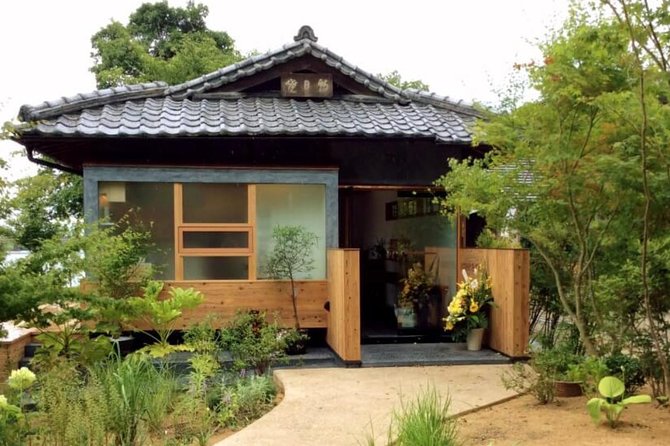
At first glance, $173 per person is high for a three-hour outing. You can reach Uji independently, walk around the river and temple areas, browse tea shops, and buy matcha for much less.
The calculation changes if you value convenience and interpretation. The fee includes multiple food stops, matcha tasting, matcha making, wagashi, matcha ice cream, a live English-speaking guide, and a small group. You are also getting help with local customs and the story of the town, rather than piecing everything together from signs and guidebooks.
I would call it fair value for someone who wants a planned cultural food tour and does not want to manage every detail. It is less attractive for an independent visitor who already knows Uji, speaks Japanese, or mainly wants to see Byodoin and shop for tea.
Transportation, gratuity, and additional purchases are not included. The tour does offer reserve-now, pay-later booking and free cancellation up to 24 hours before the start, which gives you some flexibility when your Kyoto schedule is still shifting.
Who will enjoy this Uji experience most?
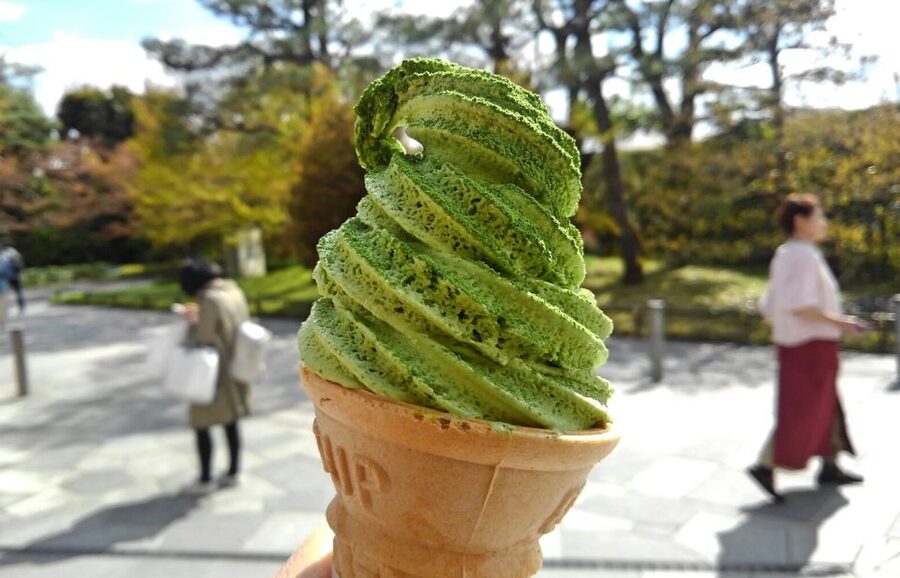
I would recommend this tour to you if you want several sides of Uji in one compact outing. It suits first-time visitors who want an introduction to tea, families with children accompanied by adults, food-focused sightseers, and anyone who prefers a small group to a large bus tour.
It also fits well into a Kyoto itinerary. Uji is about 40 minutes from Kyoto City, and one past participant had plenty of time afterward to continue exploring town and return to Kyoto early. The three-hour length leaves room for your own shopping or additional sightseeing.
You may want to skip it if you dislike scheduled food stops, do not drink tea, or prefer to explore at your own speed. The fixed start time, strict five-minute waiting limit, and extra transportation cost also require more planning than simply wandering Uji.
Dietary needs should be given to the supplier when you book. The available information does not list specific substitutions, so do not assume every dish can be changed on the spot.
Tips for getting the most from the tour
Arrive early at Keihan Uji Station. The guide holds a sign, but the short waiting period means a late train or wrong station can end your tour before it begins.
Wear shoes you can walk in comfortably. The itinerary combines streets, religious sites, food stops, and tea activities, so you will get more from the day if you are ready to move between places.
Keep some money available for tea, sweets, extra drinks, or souvenirs. Shopping time is included, and Uji is a natural place to buy matcha products for home.
If you collect goshuin, Japanese temple and shrine stamps, tell the guide. One guide made a special stop so a participant could collect stamps and helped translate during a communication problem. That is exactly the sort of small request worth raising early.
Finally, ask questions. The best parts of this experience are not only the sights, but the links between tea, food, religion, and daily life. A quiet cup of matcha becomes more interesting when you understand the town that produces it.
Should you book the Kyoto Matcha Green Tea Tour?
Book it if you want an organized introduction to Uji with food, temples, and hands-on tea making in one three-hour visit. The small group, relaxed pace, and helpful English-speaking guides make it especially good for a first visit or for anyone who wants more context than a self-guided walk provides.
Think twice if $173 feels steep, since transportation and gratuity are extra. Independent explorers can see parts of Uji for less, but they will need to arrange their own route, meals, tea tasting, and cultural explanations.
For most visitors who want to understand why Uji matters, not just photograph it, this is a strong choice. The matcha-making session, Byodoin visit, local dishes, and time to shop give you a well-rounded taste of the town without taking a full day from Kyoto.
FAQ
Where does the Kyoto Matcha Green Tea Tour meet?
The meeting point is at the entrance of Keihan Uji Station, 宇治駅, at Otsukata Uji, Kyoto 611-0021. It is not at JR Uji Station.
How far is Uji from Kyoto City?
Uji is about 40 minutes from Kyoto City. Transportation to and from Uji is not included in the tour price.
How long does the tour last?
The tour lasts three hours. Starting times vary, so you need to check availability when booking.
What language is the tour offered in?
The tour is conducted in English with a live tour guide.
How large is the group?
The tour is limited to eight participants, making it a small-group experience.
What food and tea activities are included?
The experience includes food at multiple stops, matcha tasting, matcha making, wagashi sweets, and matcha ice cream. Additional food and drinks can be purchased at your own expense.
Are children allowed on the tour?
Children are allowed, but they must be accompanied by an adult. Unaccompanied minors are not permitted.
Can I cancel the booking?
You can cancel up to 24 hours in advance for a full refund. The tour also allows you to reserve now and pay later.
Just added in Kyoto
- The “Golden Route” and Ancient Japan by DIAMIR Erlebnisreisen – 14-Day Tour★ 2.0 · 2 reviews
- Japan: Castles & Cuisine by G Adventures – 6-Day Kyoto to Osaka Tour★ 4.5 · 4 reviews
- Cycle Japan by Explore! – 13-Day Kyoto to Tokyo Tour★ 4.7 · 12 reviews
- Cycle Japan by Intrepid Travel – 11-Day Kyoto to Tokyo Tour★ 4.8 · 2 reviews
- Classic Japan by Intrepid Travel – 11-Day Kyoto to Tokyo Tour★ 4.4 · 14 reviews
- Ancient & Modern Japan 14-Day Tour by Exodus Adventure Travels★ 4.4 · 40 reviews
- 5 Day Cultural Adventure of Kyoto, Nara & Osaka by Tourist Journey★ 2.5 · 2 reviews
- 12 Days Kinosaki Onsen Escape: A Journey Through Japan’s Timeless Towns by UME Travel★ 4.8 · 5 reviews
Tea Ceremonies, compared.
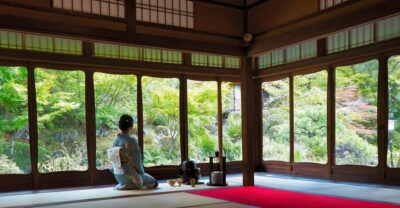
Tea Ceremony in a Traditional Tea House in Kiyomizu
Read our review →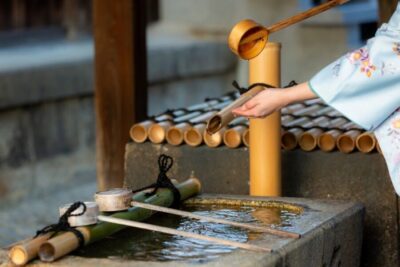
World Heritage Kyoto & Nara Uji Authentic Matcha Experience
Read our review →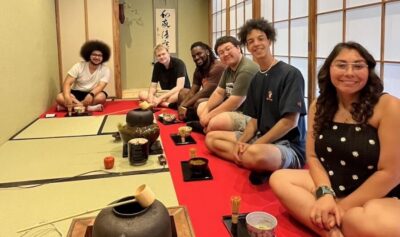
Browse the lists this tour appears in