
Reviewed · WORKSHOPS
Kyoto Michelin Ramen Workshop or Painting Ramen Essentials
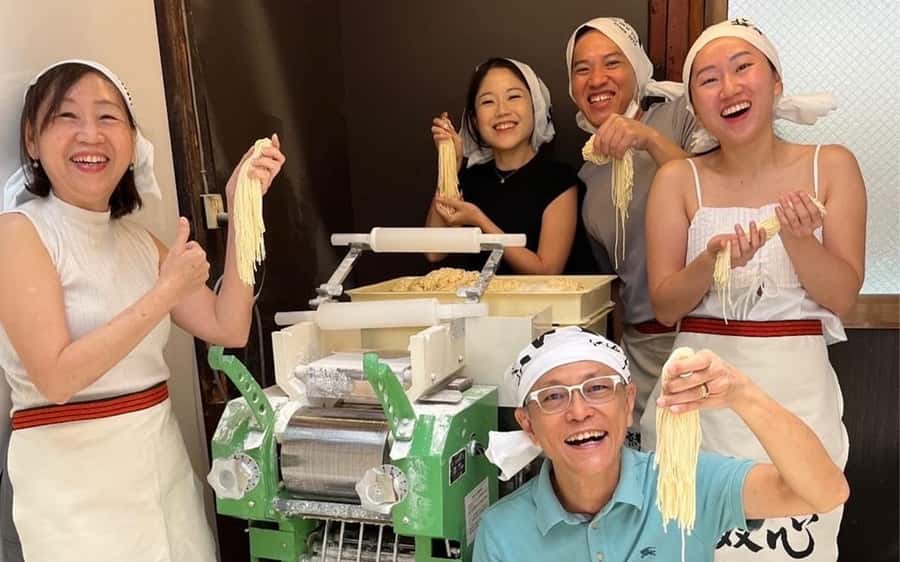
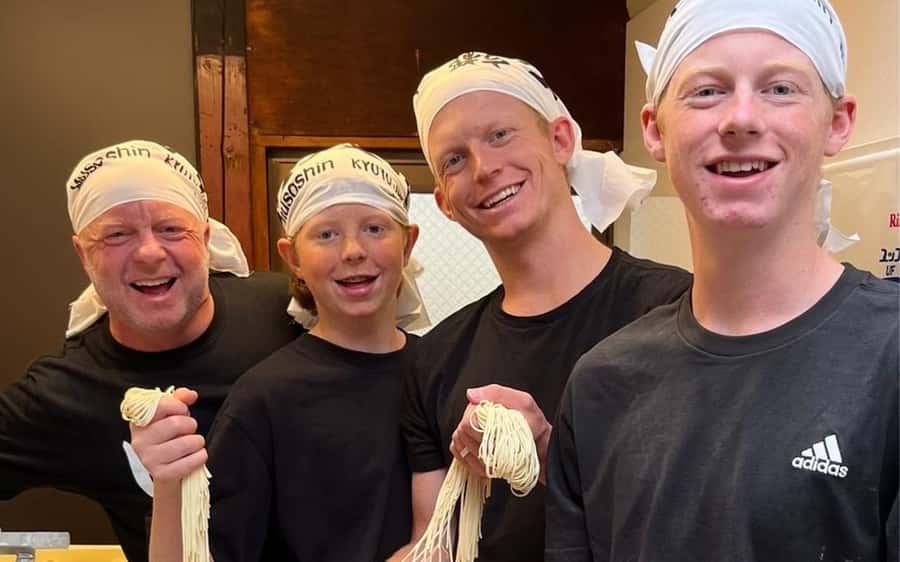
Fresh noodles make better memories. Musoshin’s Kyoto ramen workshop gives you hands-on noodle making, a meal at a Michelin-recognized restaurant, and the chance to design your own bowl or spoon. I especially like the kind, patient instruction and the fact that you eat ramen made by the same restaurant team after class. The main drawback is the small workspace, which can feel cramped when several people share the room.
This is a strong pick for families, couples, and anyone who wants more than another food tasting. You work through the noodle process instead of simply watching a chef, and the restaurant meal gives the class a tasty finish. Plan carefully if you need strict dietary control, though the team has provided gluten-free noodles and soup when alerted to a celiac requirement.
In This Review
- Why this ramen workshop is worth your time
- Inside Musoshin’s Kyoto noodle workshop
- Mixing, rolling, and cutting the dough
- Painting a bowl or spoon in Kyoto
- The restaurant meal is the best part for many people
- How family-friendly is the class?
- Dietary needs and vegetarian choices
- What you receive for $54
- The atmosphere and teaching style
- Who should book this experience?
- Practical details before you go
- Final verdict: a tasty, hands-on Kyoto choice
- FAQ
- Where does the ramen workshop take place?
- How much does the experience cost?
- What languages are available?
- How long does the noodle-making portion last?
- Can I eat the noodles I make?
- Are vegetarian and vegan ramen options available?
- Can I paint and keep a ramen bowl?
Why this ramen workshop is worth your time
- You make noodles from the beginning: Mix ingredients, work the dough, roll it out, and use the noodle machine with help from the instructors.
- The meal comes from Musoshin’s own restaurant: You are served ramen made with in-house noodles, broth, soy sauce, and roast pork.
- You can create a personal souvenir: Paint a bowl or spoon, with a custom-designed bowl baked in a kiln at no extra charge when that option is booked.
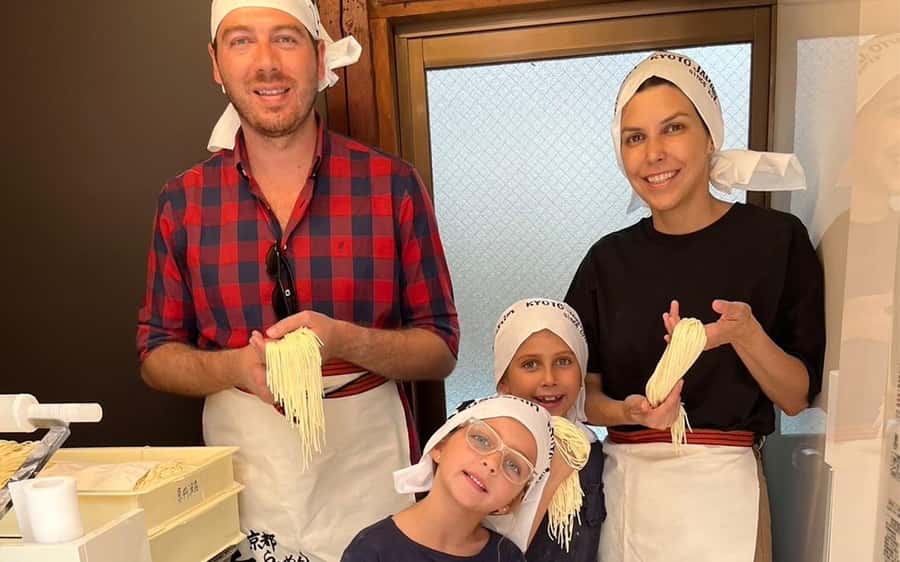
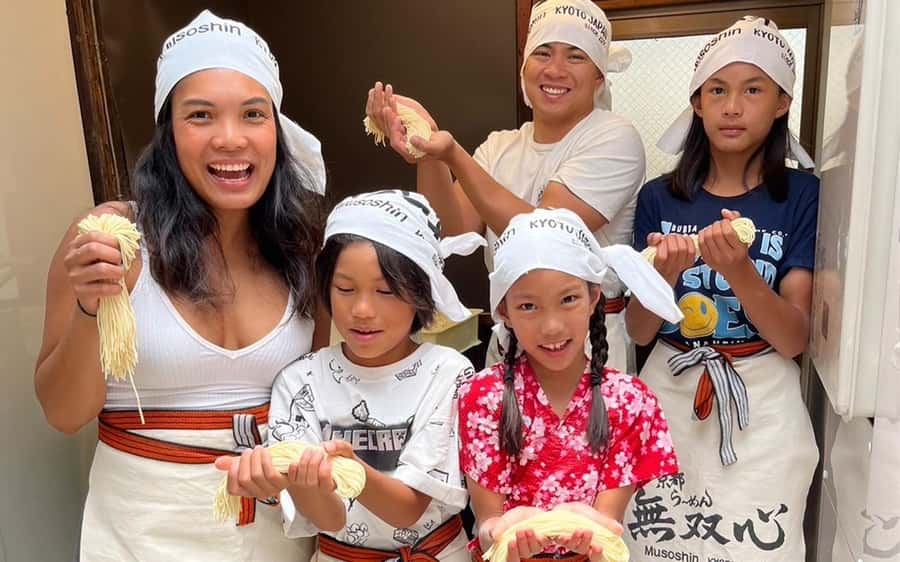
- It works well for children: Young participants can use their hands, operate parts of the noodle machine, and take part in the full process.
- Vegetarian and vegan choices are available: Tell the staff about your needs when booking or before the class.
- The Toronto connection matters: Musoshin began in Kyoto in 2022 and now operates six restaurants in Kyoto and Toronto, with its Toronto branch nominated for Michelin recognition for three consecutive years.
Inside Musoshin’s Kyoto noodle workshop
Musoshin Ramen began in Kyoto in 2022, then expanded to six restaurants across Kyoto and Toronto. The company’s Toronto branch has received Michelin attention, and the Kyoto workshop is linked directly to a working Musoshin ramen restaurant.
That connection gives the class more weight than a generic cooking activity. You are not learning a simplified recipe from a business that only offers classes. You are learning from a ramen company that makes its own noodles each morning, rests them overnight, cooks soup for 12 hours, and prepares its soy sauce and roast pork in-house.
The workshop lasts about an hour for the noodle-making portion, with additional time for painting or assembling your meal depending on the option you choose. Several class formats appear to divide the time between decorating and noodle work. One commonly described arrangement includes about an hour painting ramen bowls, followed by roughly half an hour preparing ramen.
The exact meeting point can vary by the option booked. Read that detail carefully before setting off, since the workshop and restaurant components may not use precisely the same meeting instructions.
A few more options to weigh up in Kyoto
- PERFECT KYOTO 1-Day Bus Tour
★ 5.0 · 13,518 reviews - [Kyoto & Nara Day Tour] Sagano Scenic Railway & Nara Park & Fushimi Inari Taisha Thousand Torii Gates & Togetsukyo Bridge & Bamboo Grove & Kimono Forest (Departing from Osaka)
★ 4.9 · 10,942 reviews - Kyoto: Fushimi Inari, Kinkakuji, Bamboo Grove 1 Day Bus Tour
★ 4.8 · 4,316 reviews
Mixing, rolling, and cutting the dough
The heart of the experience is making the noodles. You receive the ingredient list and take part in the process rather than standing at the back of a kitchen while someone else does the work.
The instructors guide you through mixing the ingredients, handling the dough, and rolling it through several stages. A noodle machine helps with the process, but you still get to handle the dough and see how the texture changes.
That is a useful lesson for anyone who has eaten plenty of ramen but never considered how much work sits behind the bowl. The noodles you make during class need to rest overnight, so you do not usually eat those exact noodles immediately. Instead, you enjoy a prepared ramen meal at the restaurant afterward.
The delay is not a flaw. It explains a real part of Musoshin’s method. The restaurant makes noodles each morning, then lets them sit overnight for use the following day. You come away understanding that ramen is not simply flour, water, and a quick boil.
The guides keep the pace relaxed. Names mentioned by participants include Shin, Koki, Makoto, Momo, Shima, Patti, Yaya, Pay, and Rose, depending on the session. English-speaking instructors have led classes, and English and Japanese are the stated workshop languages.
Painting a bowl or spoon in Kyoto
Some options add a creative session before or alongside the noodle work. You may paint a ramen bowl or spoon, depending on the package you select.
Painting gives the class a calmer rhythm. Noodle making is tactile and active, while decorating lets you slow down and create something personal. It also helps younger children stay interested, especially if they enjoy drawing more than measuring ingredients.
If you design a bowl, Musoshin can bake it in a kiln for free when that option is included. You pick it up the next day. That makes the bowl more than a quick craft project, but you need to leave room in your Kyoto schedule for collection.
A small practical tip matters here: light colors may not show well unless you apply them thickly. One family found that pink needed a generous layer to remain visible after painting. If you want a clear design, use strong colors and apply enough paint.
A ramen spoon is another possible option. You may also be able to purchase a Musoshin apron or staff shirt as an extra souvenir. The apron price given for one session was 3,000 yen, but extra merchandise and workshop options may vary.
The restaurant meal is the best part for many people
After the hands-on work, you move to the Musoshin Ramen restaurant for your meal. A drink at the restaurant is included, and your ramen is prepared by the same business that teaches the class.
This meal gives the activity its strongest argument. You are not paying $54 simply to knead dough and take home a craft. You also receive a restaurant meal at a Kyoto ramen shop with Michelin recognition connected to its Toronto branch.
The house-made approach continues into the bowl. Musoshin prepares its noodles, 12-hour soup, ramen soy sauce, and roast pork itself. The result is intended to show you how much flavor comes from arranging each part properly.
You can arrange your ramen yourself, which adds another useful touch. The ingredients and toppings may taste different when you control the balance. Several participants found the meal to be among the best ramen they ate during their Japan trips, including people who had tried ramen repeatedly over two weeks.
The menu can include choices such as black ramen, a house specialty, and fried chicken, based on the meal selections described by participants. The precise choices depend on the booked option and current restaurant offerings, so do not assume every dish is included in every package.
For families, serving dinner immediately after the activity is convenient. You do not need to find another restaurant, and children get a clear reward after concentrating on the noodle process.
A completely different kind of day out:
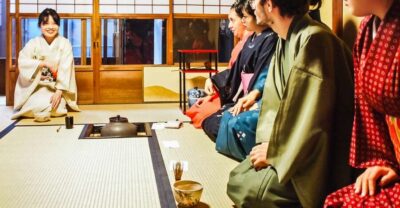
- Kyoto: Tea Ceremony in a Traditional Tea House in Kiyomizu
★ 4.9 · 3,519 reviews - Kyoto: Gion Make Your Own Chopsticks with Engraving Option
★ 5.0 · 3,465 reviews - Kyoto Nara Day Trip │ Kiyomizu-dera Temple + Fushimi Inari-taisha Shrine + Nara Park (Departing from Osaka/Kyoto)
★ 4.7 · 3,408 reviews - Kyoto Geisha Walking Tour: Gion District & Hidden Gems
★ 4.7 · 3,273 reviews
How family-friendly is the class?
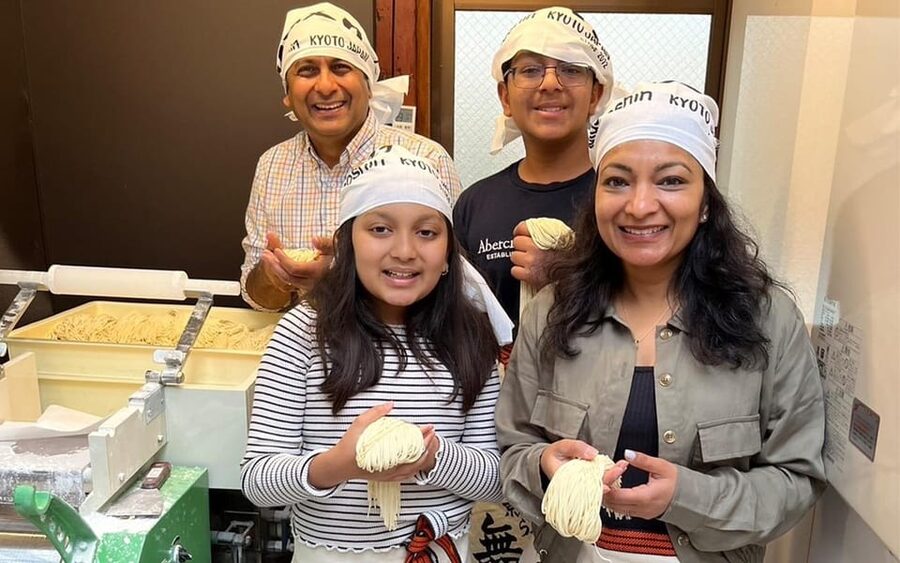
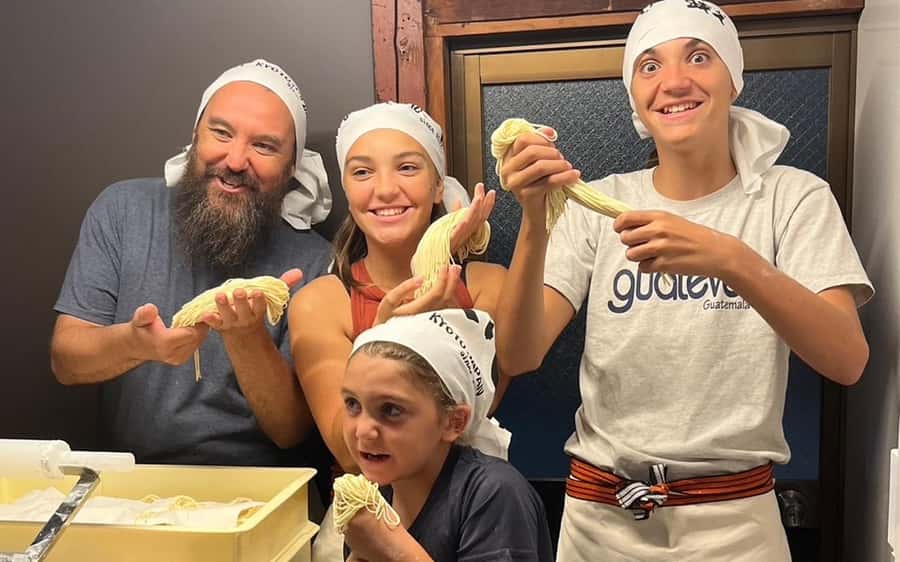
Very. Children can use their hands, help with mixing, and take part with the noodle machine under supervision. A four-year-old joined one family session, while older children and teenagers also enjoyed the activity.
The instructors receive especially strong praise for patience and humor. Shin has been described as funny and engaged, while Patti and Yaya have been praised for keeping the class lively. Other instructors have taken photos and helped participants feel included.
I would choose this activity for families who want a shared task rather than a passive demonstration. Parents and teenagers can work side by side, and children do not need advanced cooking skills to take part.
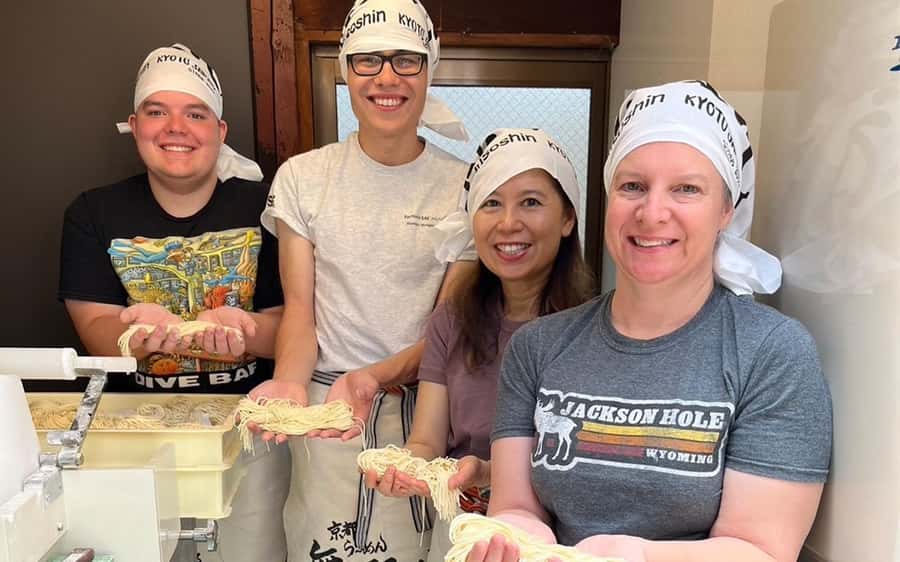
Still, the room is small. A family of four joined another pair and found the working area cramped. If you dislike close quarters or want a quiet, spacious cooking studio, this may not be your ideal class.
The compact setting also has an upside. You remain close to the instructors, and the class feels personal. The tradeoff is space, not a lack of attention.
Dietary needs and vegetarian choices
Vegetarian and vegan ramen options are available. Tell the staff in advance so they can prepare the right meal.
One particularly important detail concerns gluten. A child with celiac disease was given special gluten-free noodles and a separate gluten-free soup after the family explained the situation just before the activity. That is encouraging, but you should not rely on last-minute arrangements for a serious allergy or medical need.
Contact the provider ahead of time with clear details. Ask what can be prepared safely, and confirm the meal arrangement before arriving. The available information supports vegetarian, vegan, and at least one successful gluten-free accommodation, but it does not promise that every allergy can be handled.
What you receive for $54
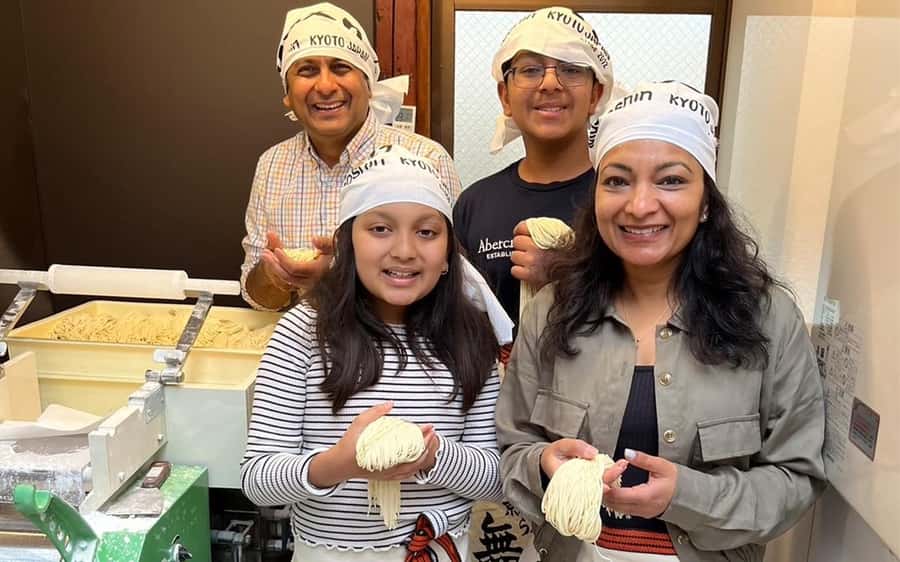
At $54 per person, the price is fair if you value both the lesson and the meal. You get guided noodle making, access to the Musoshin workshop, a Musoshin bandana used during the class, a restaurant drink, and ramen afterward.
Some packages include or offer a ramen bowl, spoon, or apron. The custom-designed bowl can be fired in a kiln for free when that option is booked. Check the exact package, since the supplied details label several items as options rather than universal inclusions.
The strongest value comes from combining three things:
- A real food lesson
- A meal at the connected Musoshin restaurant
- A handmade or painted souvenir, depending on your selection
If you only want a cheap bowl of noodles, $54 is too much. If you want a family activity, a useful look at ramen production, and dinner in one booking, the cost makes more sense.
The included meal also saves you the trouble of arranging dinner after class. That matters in Kyoto, where a busy sightseeing day can leave you tired and hungry.
The atmosphere and teaching style
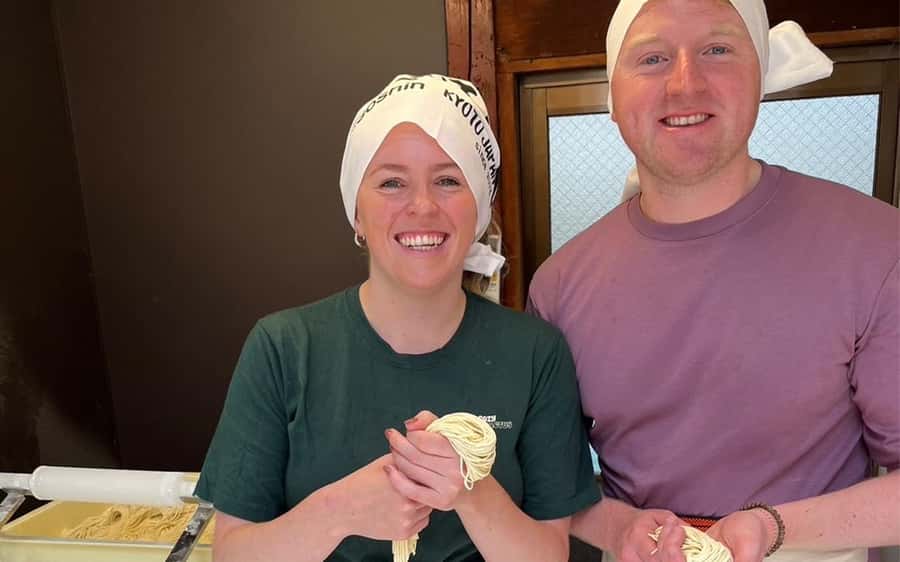
The instructors create the mood. Sessions are described as friendly, relaxed, and funny, with plenty of explanation without turning the class into a lecture.
You can ask questions as you work. The best part is that the teaching connects each action to the finished bowl. Mixing, rolling, resting, cooking, broth, and toppings all have a place in the final meal.
The staff also take photos during the activity, and an instructor may photograph you with the finished product. That is helpful if you want a record of the experience without asking a family member to remain behind the camera.
English ability appears strong among several instructors, though the official languages are English and Japanese. If clear English instruction is essential to you, confirm the session language when booking.
Who should book this experience?
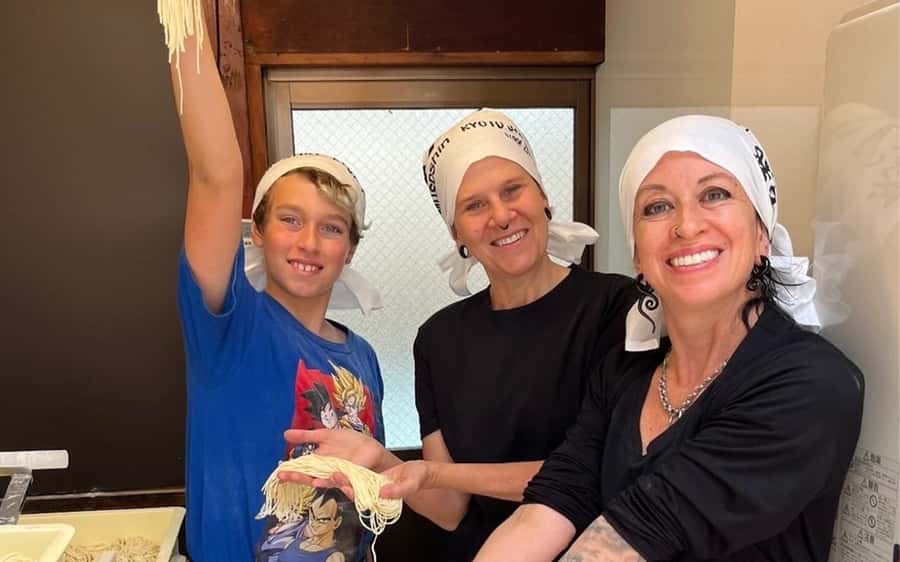
I would recommend it most strongly to:
- Families with children who enjoy hands-on activities
- Couples looking for a shared food experience
- Friends who want a relaxed Kyoto activity
- Ramen fans curious about noodles, broth, and toppings
- Visitors who want a meal and activity in one booking
- Vegetarian or vegan diners who confirm their needs in advance
It is less suited to someone seeking a long, advanced culinary course. The noodle-making segment is about an hour, and the class is designed to be accessible and fun rather than technically demanding.
It may also disappoint you if you expect to eat the noodles you personally make right away. Those noodles need to rest overnight, so the restaurant serves your meal instead.
Practical details before you go
The activity ends back at the meeting point. Since the starting point may vary by the selected option, check the booking information carefully.
You can reserve and pay later, which helps if your Kyoto schedule is still changing. Cancellation is allowed up to 24 hours in advance for a full refund.
Wear something you can move in and do not mind covering with an apron. The workshop provides an apron as an option, and the Musoshin bandana is used during the session. Since you handle dough and work near food equipment, practical clothing is a better choice than delicate sightseeing clothes.
If you want the fired bowl, confirm that the custom-bowl option is part of your booking. You will need to collect it the next day, so this works best when Kyoto is not your final stop.
Final verdict: a tasty, hands-on Kyoto choice
Book this Musoshin workshop if you want to understand ramen by making part of it yourself, then enjoy a serious bowl at the restaurant. The friendly instruction, family focus, in-house preparation, and included drink give the experience real value at $54.
The small room is the main concern. The class can feel tight when several people share the space, and the exact mix of painting, noodle work, and souvenirs depends on the option you choose.
For most families, couples, and ramen lovers, those limits are manageable. Choose a package that includes the activity you want, give the staff advance notice about dietary needs, and leave time to collect a kiln-fired bowl the next day. You will get a practical food lesson, a memorable Kyoto meal, and a souvenir with your own fingerprints on it.
FAQ
Where does the ramen workshop take place?
The experience takes place in Kyoto, on Honshu, Japan. The exact meeting point may vary depending on the option you book.
How much does the experience cost?
The listed price is $54 per person.
What languages are available?
The workshop is offered in English and Japanese.
How long does the noodle-making portion last?
The noodle-making portion is designed as an approximately one-hour workshop. Some formats also include painting or ramen preparation time, with one described arrangement taking about an additional half hour for meal preparation.
Can I eat the noodles I make?
The noodles made during class need to rest overnight, so you eat a prepared ramen meal at the Musoshin restaurant afterward.
Are vegetarian and vegan ramen options available?
Yes. Vegetarian and vegan ramen options are available. Tell the staff about your dietary needs in advance.
Can I paint and keep a ramen bowl?
A custom-designed bowl can be baked in a kiln for free when that option is booked. You can pick it up the next day. A ramen spoon, bowl, and apron are listed as options, so check the package details before booking.
Just added in Kyoto
- The “Golden Route” and Ancient Japan by DIAMIR Erlebnisreisen – 14-Day Tour★ 2.0 · 2 reviews
- Japan: Castles & Cuisine by G Adventures – 6-Day Kyoto to Osaka Tour★ 4.5 · 4 reviews
- Cycle Japan by Explore! – 13-Day Kyoto to Tokyo Tour★ 4.7 · 12 reviews
- Cycle Japan by Intrepid Travel – 11-Day Kyoto to Tokyo Tour★ 4.8 · 2 reviews
- Classic Japan by Intrepid Travel – 11-Day Kyoto to Tokyo Tour★ 4.4 · 14 reviews
- Ancient & Modern Japan 14-Day Tour by Exodus Adventure Travels★ 4.4 · 40 reviews
- 5 Day Cultural Adventure of Kyoto, Nara & Osaka by Tourist Journey★ 2.5 · 2 reviews
- 12 Days Kinosaki Onsen Escape: A Journey Through Japan’s Timeless Towns by UME Travel★ 4.8 · 5 reviews
Workshops, compared.
Sushi Making Tokyo Roll and Authentic Japanese Sushi Class
Read our review →
Gion Make Your Own Chopsticks with Engraving Option
Read our review →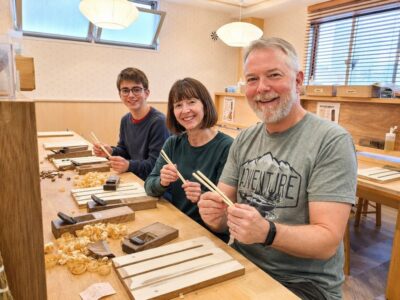
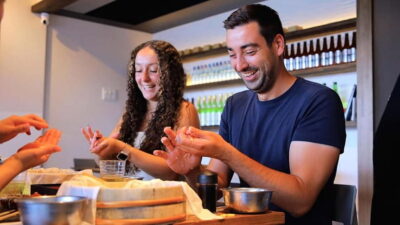
Roll and Authentic Sushi Making Class in Asakusa
Read our review →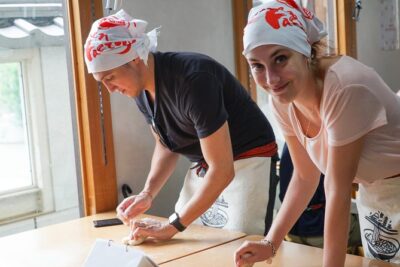
Ramen Cooking Class at Ramen Factory in Kyoto
Read our review →
Tokyo Asakusa Chopsticks Workshop: Make Your Own Pair
Read our review →
Ring Making Workshop : Vintage Japanese Coin Ring
Read our review →Browse the lists this tour appears in