
Reviewed · TEA CEREMONIES
Kyoto: Mindful Tea Ceremony in 100-Year-Old Teahouse
Quiet Kyoto has its own flavor. At Oboro, a candlelit matcha ceremony in a 100-year-old teahouse offers a gentle break from crowded streets, bright shop signs, and packed sightseeing plans. The 45-minute experience focuses on calm attention rather than strict performance, making it a friendly introduction to Japanese tea culture.
I like the soft candlelight and garden view, which give the ceremony a peaceful setting without turning it into a staged show. I also like the relaxed English guidance from hosts such as Taku and Naoki, who explain the purpose behind each movement and answer questions clearly. The main drawback is that the session requires quiet and stillness, and the low traditional seating may not suit anyone with back problems.
In This Review
- Key details before you book
- Entering Oboro and leaving the city behind
- The welcome tea sets an easy pace
- The 100-year-old teahouse gives the ceremony weight
- Watching matcha become a ceremony
- Why the candlelight works so well
- The hosts make tradition approachable
- How much time you really need
- Who will appreciate this Kyoto experience
- Useful preparation for the tea room
- Should you book Oboro?
- FAQ
- How long is the Oboro tea ceremony?
- How much does the tea ceremony cost?
- Is the instruction offered in English?
- How many people can join the session?
- What is included in the price?
- Do I need to bring anything?
- Can I take photographs?
- What happens if I arrive late?
- Is the experience suitable for children or wheelchair users?
Key details before you book
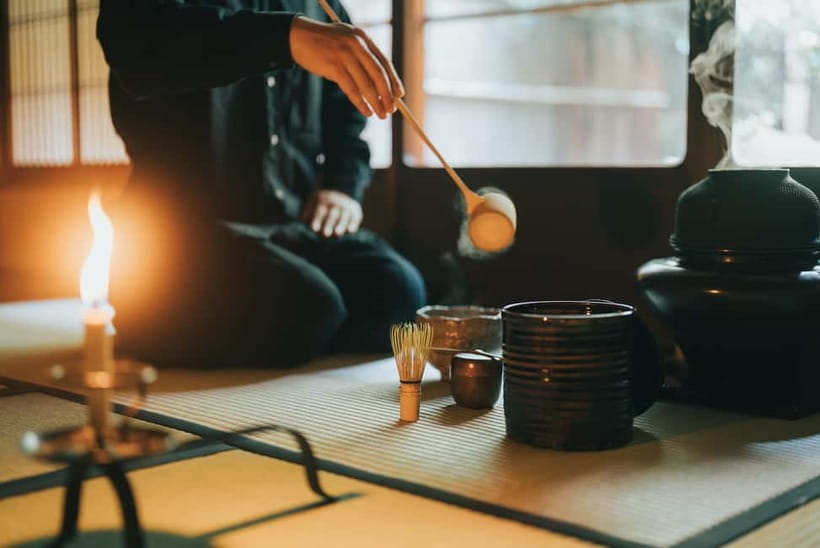
- A 100-year-old teahouse: The traditional house gives the ceremony a sense of place that a modern hotel room could not match.
- Candlelight replaces harsh lighting: The subdued room helps you notice small sounds, scents, movements, and tastes.
- Small groups of up to eight: The limited size makes it easier to follow the preparation and ask questions.
- A relaxed introduction to matcha: You can observe quietly without worrying about getting every piece of etiquette right.
- Seasonal sweets and a parting candle: The tea is paired with sweets, and you take home a small handmade candle.
- Only 45 minutes long: It fits neatly into a busy Kyoto sightseeing day, though the short length means the experience moves at a steady pace.
Entering Oboro and leaving the city behind

You should arrive about 10 minutes early. Search for Oboro: Mindful Tea Ceremony on Google Maps if the address proves hard to spot, then give yourself enough time to remove your shoes and settle in. Socks are required, so wear a clean, comfortable pair rather than treating them as an afterthought.
The first room is softly lit by candles instead of bright ceiling lights. That simple choice changes your pace almost at once. You are not walking into a grand hall or a formal tourist theater. You are entering a modest space designed to reduce distractions.
The host greets you, stores belongings if needed, and gives a short explanation of how the session will unfold. This first briefing matters because Japanese tea ceremony can seem intimidating when you do not know the customs. Here, the tone is gentle. You are encouraged to watch, listen, and ask questions rather than worry about making a mistake.
The small-group format helps. With no more than eight participants, you should be able to see the tea preparation and hear the English explanations. It also keeps the room quiet enough for the ceremony to feel personal.
More Tea Ceremonies in Kyoto
- Kyoto: Tea Ceremony in a Traditional Tea House in Kiyomizu
★ 4.9 · 3,519 reviews - Kyoto: Tea Ceremony Ju-An at Jotokuji Temple
★ 4.9 · 3,207 reviews - Kyoto: 45-Minute Tea Ceremony Lesson Experience
★ 4.3 · 2,378 reviews
The welcome tea sets an easy pace
Before the main ceremony, you settle into comfortable seats and receive a welcome tea with a seasonal sweet. This opening drink is not just filler while people arrive. It gives you a chance to adjust to the quiet room and begin paying attention to flavor.
One especially memorable detail is the welcome green tea served chilled in summer. The cool, smooth drink can be a pleasant surprise if you think of tea ceremony only as hot matcha in a steaming bowl. During warmer months, the ceremony itself also uses chilled water and ice, so the experience changes with the season.
The sweet provides a traditional counterpoint to the tea. Its purpose is practical as well as tasty: a small sweetness prepares your palate for matcha’s earthy, slightly bitter character. The exact seasonal item can vary, but it is treated as part of the ceremony rather than an ordinary snack.
I appreciate this gradual start. You do not rush straight into a formal sequence. Instead, the welcome drink helps you shift from sightseeing mode to a slower frame of mind.
The 100-year-old teahouse gives the ceremony weight
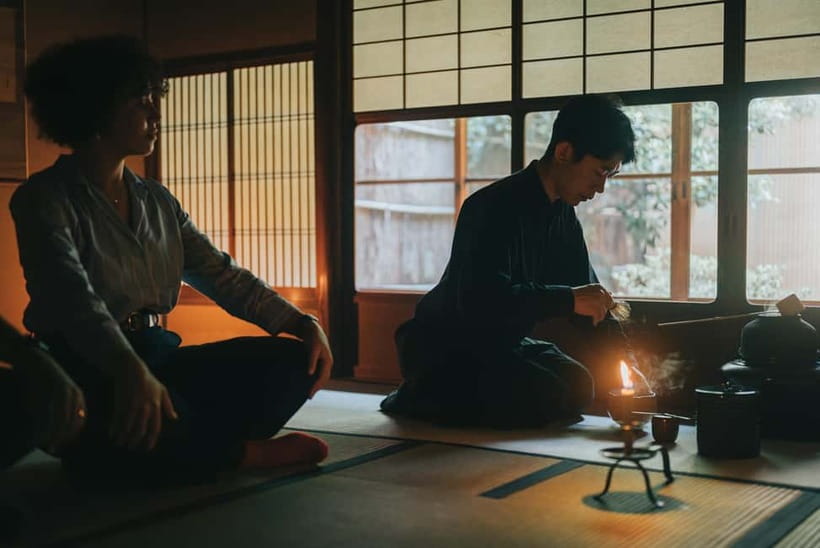
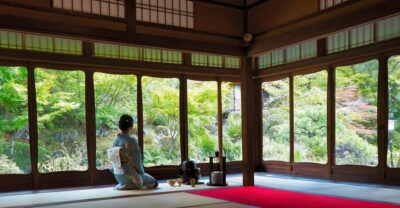
The building is one of Oboro’s strongest features. The old Japanese house, traditional interior, and garden seen through the tea room window create a setting that feels tied to Kyoto rather than copied from a generic cultural attraction.
The house is divided into three rooms, each linked to a different phase of the experience. That arrangement gives the session a quiet sense of movement. You are not simply seated in one place while someone performs a demonstration. You pass through a small sequence of spaces, with each room encouraging a slightly different kind of attention.
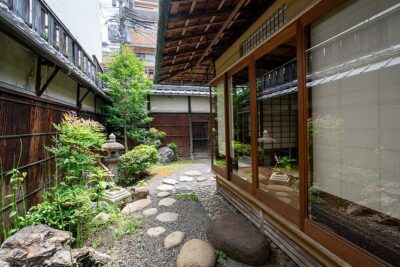
The garden view is another welcome detail. It does not need to be dramatic. A framed glimpse of greenery and the changing light outside can be enough to make the room feel connected to the seasons.
The setting is traditional, but the approach is not severe. The hosts explain the house and its role without burying you in technical terms. If you want to learn more, ask. If you prefer to observe silently, that is acceptable too.
Watching matcha become a ceremony
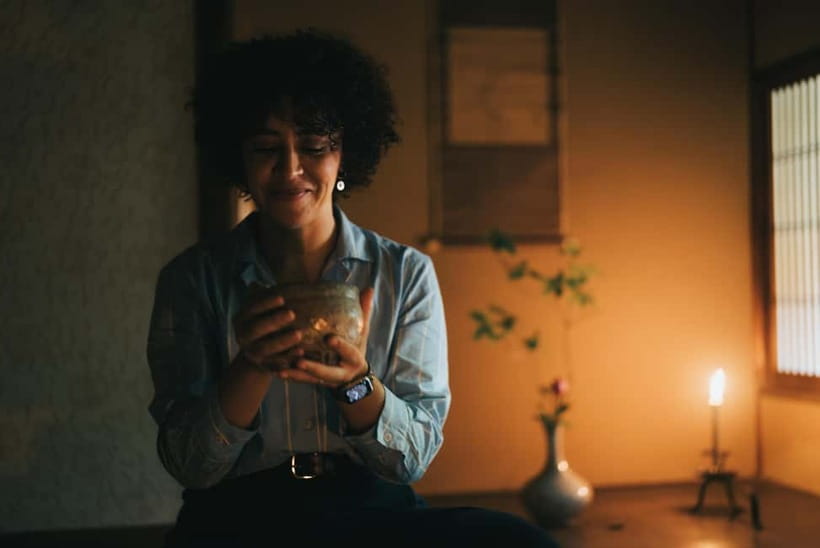
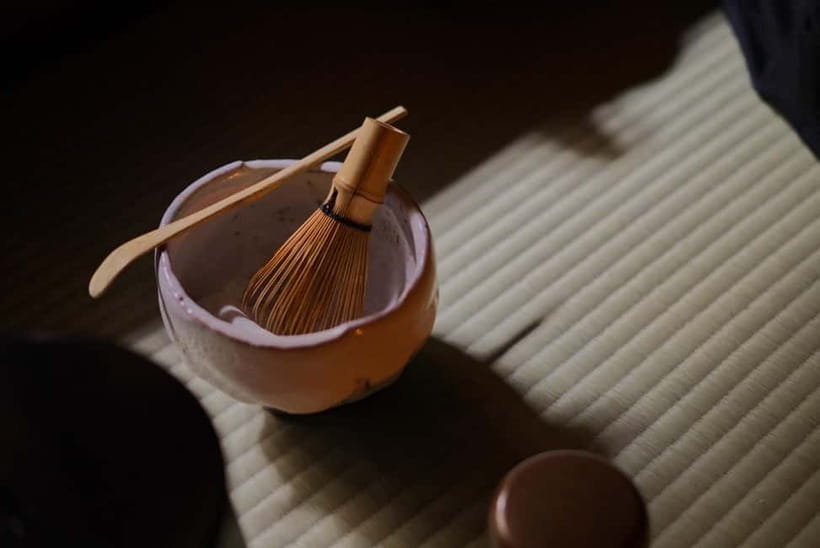
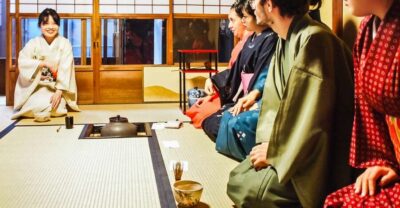
In the main tearoom, the host prepares each bowl with deliberate movements. The utensils are purified, the matcha is measured and whisked, and the finished bowl is presented with a graceful bow.
The value here is not simply learning how to make powdered green tea. You are seeing how ordinary actions can become meaningful through care, order, and attention. Water simmering, the faint scent of fresh matcha, the sound of the whisk, and the movement of the bowl all become part of the experience.
The host explains why each step matters. That context keeps the ceremony from feeling like a silent puzzle. You learn enough to understand the rhythm, but you are not forced to memorize a long list of rules.
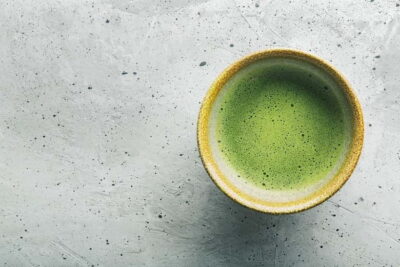
You will have the chance to lift the bowl carefully, appreciate its appearance, and taste the tea. The flavor may be stronger and more vegetal than the green tea many visitors drink at home. The accompanying sweet helps balance it.
You might also notice that the tea ceremony is not presented as a museum piece. The hosts connect the ritual to everyday ideas such as pausing, breathing, gratitude, and noticing simple beauty. That modern framing will appeal to anyone who wants cultural context without a lecture.
A completely different kind of day out:
- PERFECT KYOTO 1-Day Bus Tour
★ 5.0 · 13,518 reviews - [Kyoto & Nara Day Tour] Sagano Scenic Railway & Nara Park & Fushimi Inari Taisha Thousand Torii Gates & Togetsukyo Bridge & Bamboo Grove & Kimono Forest (Departing from Osaka)
★ 4.9 · 10,942 reviews - Kyoto: Fushimi Inari, Kinkakuji, Bamboo Grove 1 Day Bus Tour
★ 4.8 · 4,316 reviews - Kyoto: Gion Make Your Own Chopsticks with Engraving Option
★ 5.0 · 3,465 reviews
Why the candlelight works so well
The candlelit room is not just a pretty background for photographs. It changes what you notice. In a brightly lit room, your attention may wander toward walls, phones, other people, or the next stop on your itinerary. In low light, your focus narrows.
You hear the water more clearly. You notice the faint aroma of matcha. You watch the host’s hands move across the utensils. Even the warmth of the bowl becomes part of the experience.
The ceremony asks you to maintain silence, so this is not the right activity for constant conversation or phone use. Photography is allowed without flash, but you should keep your camera quiet and unobtrusive. Flash photography and smoking are not allowed.
I see this quiet rule as part of the value, but it can also be the main limitation. If you want an energetic, hands-on class with lots of chatting, Oboro may feel too restrained. If you have just spent the day moving through busy temples and train stations, the silence may be exactly what you need.
The hosts make tradition approachable
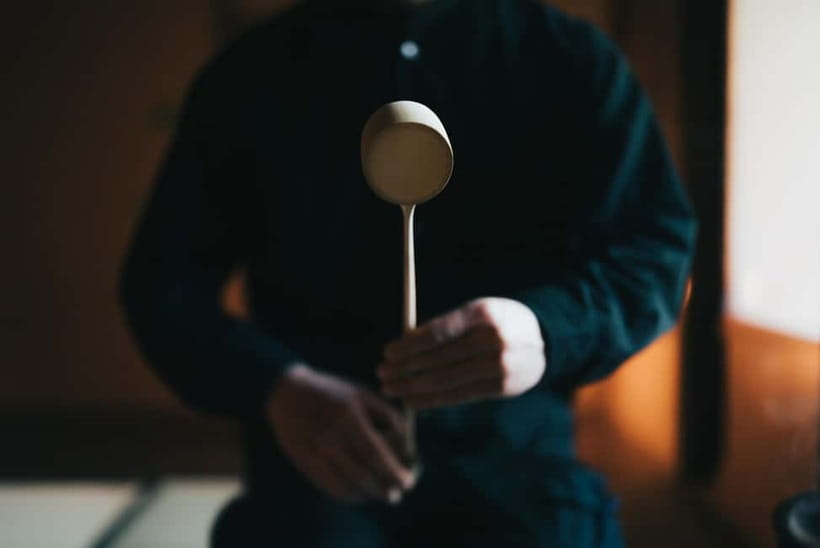
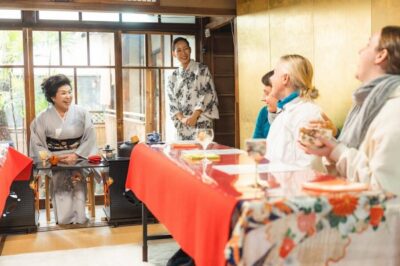
The English instruction is a major reason this works well for first-time participants. Taku and Naoki have been praised for clear explanations, warmth, and passion for Japanese tea culture. One of the hosts is a young tea master whose enthusiasm for preserving the tradition gives the session a fresh, present-day quality.
The guidance covers the history of tea ceremonies, the meaning behind the gestures, the tea itself, and basic etiquette. You can ask about matcha quality, preparation, or the reason for a particular movement.
This is not a formal examination. You are not expected to know how to hold the bowl before arriving. The relaxed style allows you to appreciate the ritual without feeling self-conscious.
At the same time, the ceremony retains its traditional shape. The careful handling of utensils, the bow, the quiet room, and the order of preparation all remain important. Oboro finds a useful middle ground between cultural explanation and respectful practice.
How much time you really need
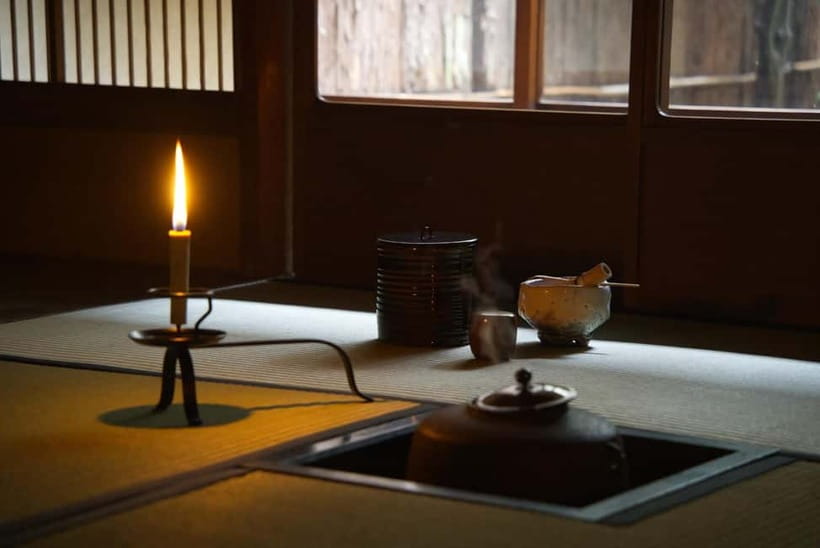
The scheduled duration is 45 minutes. That is short enough to fit before dinner, between sightseeing stops, or near the end of a busy day. It is also long enough to include an introduction, welcome tea, sweets, the main preparation, tasting, and a final moment of reflection.
The short format is useful if you are visiting Kyoto for only a few days. You can experience a traditional tea ceremony without giving up half a day. On the other hand, you should not expect a long workshop in which you prepare several bowls yourself or study every element of tea practice.
Arrive on time. Anyone more than 10 minutes late will not be admitted, since opening the door during the quiet ceremony would disturb the group. A little planning before you leave your hotel can prevent an avoidable disappointment.
The $45 price is reasonable for a small-group cultural activity in Kyoto. You are paying for an English-speaking host, the traditional setting, all tea equipment, seasonal sweets, and the candlelit format. The handmade candle to take home adds a thoughtful final touch.
This is not a meal replacement. No hotel transportation or food beyond the tea and sweets is included, so plan lunch or dinner separately.
Who will appreciate this Kyoto experience
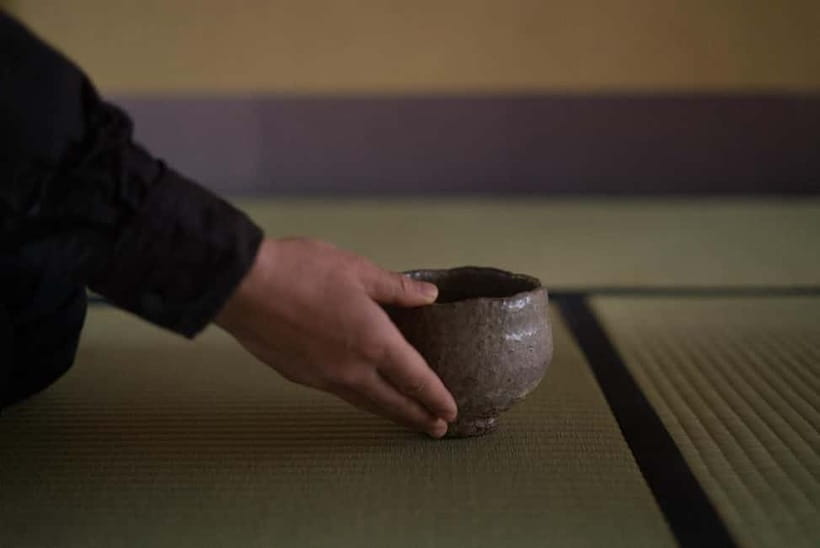
I would recommend Oboro to you if you want a calm cultural activity with clear English instruction. It suits first-time visitors who are curious about matcha but nervous about formal etiquette.
It also works well for couples, solo visitors, and small groups seeking a quieter side of Kyoto. The ceremony has a reflective quality that can be especially welcome after a noisy day in the city.
You may enjoy it if you care about atmosphere as much as information. The house, garden view, candlelight, tea bowls, water, sweets, and careful gestures all contribute to the experience.
I would think twice if you have back problems, since shoes must be removed and traditional seating may be uncomfortable. The activity is not suitable for wheelchair users or children under six. Anyone who finds prolonged silence difficult should also choose carefully.
Useful preparation for the tea room
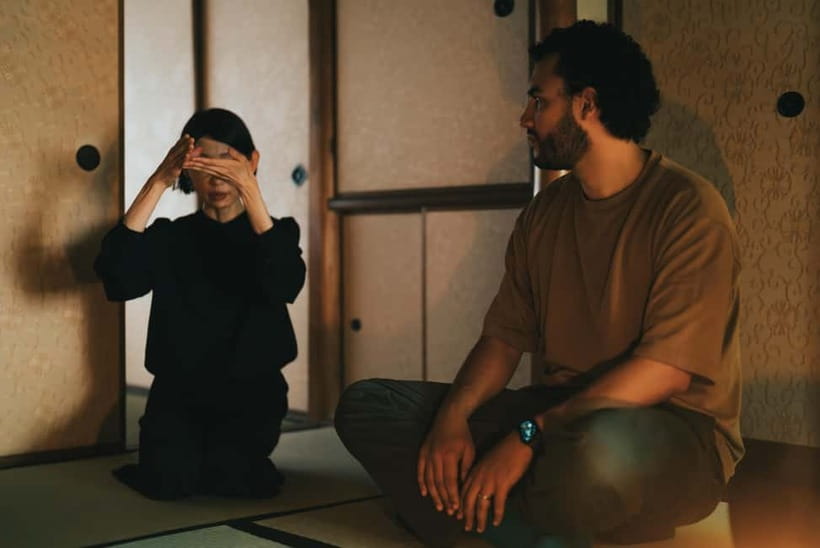
Wear comfortable clothing that allows you to sit without fuss. Socks are essential because shoes must be removed, and this is not the moment for worn-out or mismatched pairs.
Put your phone on silent before entering. You may take photographs without flash, but the quiet setting deserves priority over getting a perfect picture. The candlelight and traditional interior are attractive, but the ceremony is meant to be experienced through attention, not just recorded.
Try not to arrive after a large meal. Tea and sweets are provided, but the session is not designed to replace a full meal. A light schedule around the ceremony will make it easier to enjoy the slow pace.
Finally, come ready to taste matcha with an open mind. If you normally dislike matcha, the quality of the tea, the sweet pairing, and the careful preparation may change your view, but the flavor will still be recognizably grassy and concentrated.
Should you book Oboro?
Book it if you want a quiet, intimate introduction to Kyoto tea culture rather than a busy demonstration. The 100-year-old house, candlelit rooms, garden view, small group, English guidance, and handmade candle create more than a quick cup of matcha.
The strongest reason to go is the atmosphere. Oboro gives you room to slow down and notice details that are easy to miss during a packed Japan itinerary. The main caution is comfort: the session requires punctuality, silence, socks, and seating that may not work for every body.
At $45 for 45 minutes, it offers good value for a focused cultural experience, especially if Taku or Naoki leads your session. I would place it on a Kyoto plan for the day when you want fewer sights and a little more stillness.
FAQ
How long is the Oboro tea ceremony?
The experience lasts 45 minutes, including the welcome tea, seasonal sweet, main matcha preparation, tasting, and closing reflection.
How much does the tea ceremony cost?
The price is $45 per person.
Is the instruction offered in English?
Yes. The host provides expert instruction in English.
How many people can join the session?
The group is limited to eight participants.
What is included in the price?
The experience includes English instruction, tea ceremony equipment, seasonal sweets, and the candlelight matcha experience.
Do I need to bring anything?
Bring comfortable clothing and socks. Shoes must be removed before entering the tea room.
Can I take photographs?
Yes, photography is allowed without flash. Flash photography is not permitted.
What happens if I arrive late?
You should arrive 10 minutes early. Participants arriving more than 10 minutes late will not be allowed to enter the session.
Is the experience suitable for children or wheelchair users?
It is not suitable for children under six or wheelchair users. People with back problems should also avoid it.
Just added in Kyoto
- The “Golden Route” and Ancient Japan by DIAMIR Erlebnisreisen – 14-Day Tour★ 2.0 · 2 reviews
- Japan: Castles & Cuisine by G Adventures – 6-Day Kyoto to Osaka Tour★ 4.5 · 4 reviews
- Cycle Japan by Explore! – 13-Day Kyoto to Tokyo Tour★ 4.7 · 12 reviews
- Cycle Japan by Intrepid Travel – 11-Day Kyoto to Tokyo Tour★ 4.8 · 2 reviews
- Classic Japan by Intrepid Travel – 11-Day Kyoto to Tokyo Tour★ 4.4 · 14 reviews
- Ancient & Modern Japan 14-Day Tour by Exodus Adventure Travels★ 4.4 · 40 reviews
- 5 Day Cultural Adventure of Kyoto, Nara & Osaka by Tourist Journey★ 2.5 · 2 reviews
- 12 Days Kinosaki Onsen Escape: A Journey Through Japan’s Timeless Towns by UME Travel★ 4.8 · 5 reviews
Tea Ceremonies, compared.
Tea Ceremony in a Traditional Tea House in Kiyomizu
Read our review →
World Heritage Kyoto & Nara Uji Authentic Matcha Experience
Read our review →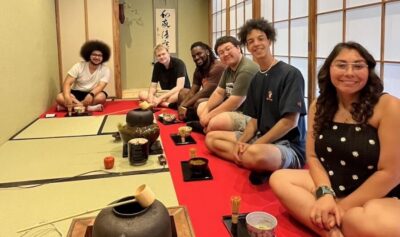
Browse the lists this tour appears in