
Reviewed · TEA CEREMONIES
Kyoto Newly Opened Tea Ceremony – Sanjo Chasuian
Slow down for one hour in Kyoto.
The Sanjo Chasuian tea ceremony offers a calm, hands-on introduction to matcha without requiring a full day or a large group. I like the clear step-by-step teaching, and I like that you drink two bowls of tea: one prepared by the host and one you whisk yourself. The seasonal Japanese sweet, sourced from a Kyoto shop with more than 100 years of history, adds a fine local touch.
The main thing to consider is timing. Entry begins only five minutes before the start, and the door is locked once the ceremony begins. Even a one-minute delay means you cannot join and no refund is offered. You should also wear or bring socks, since the ceremony room includes traditional floor seating, although chairs are available.
In This Review
- Key points to know before booking
- What happens inside the one-hour ceremony
- Why the two servings make a difference
- Entering through the traditional nijiriguchi
- Seasonal sweets from an old Kyoto confectioner
- A small group that still feels personal
- What the atmosphere is really like
- Finding Sanjo Chasuian without a late arrival
- Is $32.77 a fair Kyoto price?
- Who should book this tea ceremony?
- Should you book Sanjo Chasuian?
- FAQ
- How long does the tea ceremony last?
- How much matcha is included?
- Is a Japanese sweet included?
- How large is the group?
- Do I need to wear socks?
- What happens if I arrive late?
Key points to know before booking
- Two bowls of Kyoto matcha: The host prepares one serving, then you make a second cup yourself or with a companion.
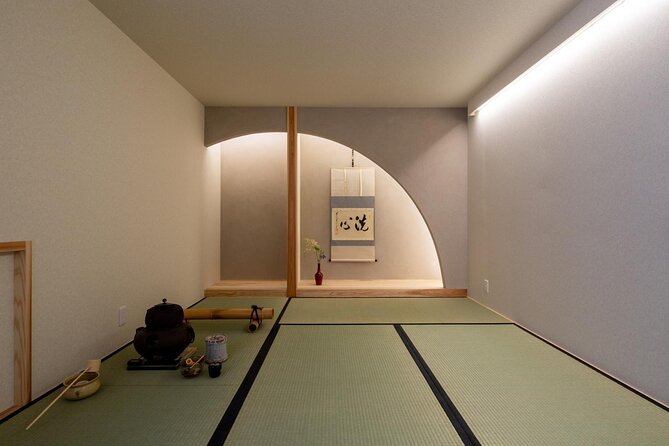
- A real nijiriguchi entrance: You enter through a low crawl-in doorway designed to leave the outside world behind.
- Small groups of up to 10: The limited size allows time for questions and personal instruction.
- Seasonal sweets are included: You receive a traditional confection from a long-established Kyoto sweet shop.
- One hour, near public transportation: This fits neatly between sightseeing stops in central Kyoto.
- Strict start time: Arrive early, wear socks, and look for the green matcha ice cream cone near the entrance.
What happens inside the one-hour ceremony
The experience begins at Tea Ceremony & Sake Tasting Kyoto, Sanjo Chasuian, at 324-2 Sanjōchō in Kyoto’s Nakagyo Ward. It ends at the same location, so you do not need to arrange a separate ride or figure out where the activity finishes.
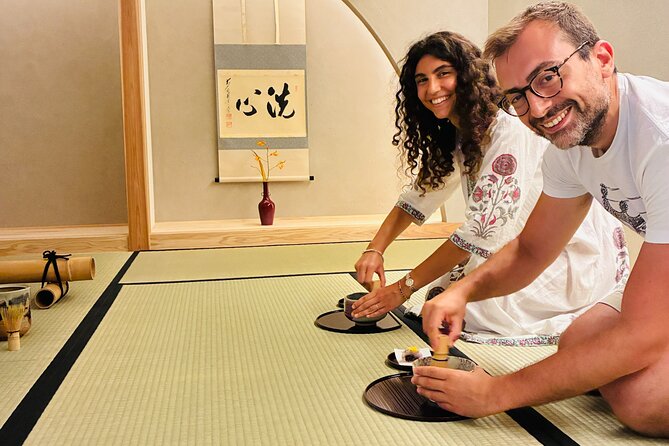
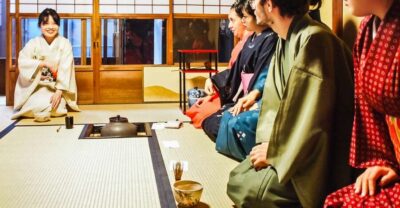
This is not just a quick cup of matcha served for a photo. The host first explains the background and purpose of the ceremony, then shows you how the movements fit together. You learn why the tea bowl is handled in a certain way, how the utensils are used, and why the pace is quiet and deliberate.
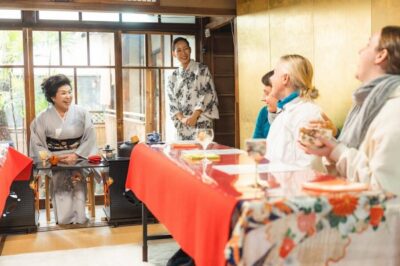
The explanations are aimed at beginners. You do not need prior knowledge of Japanese tea customs, and you are encouraged to ask questions. English instruction is available. One frequently praised host is Yuko, who is described as patient, friendly, and especially good at explaining both the practical steps and the meaning behind them. The exact host may vary by session.
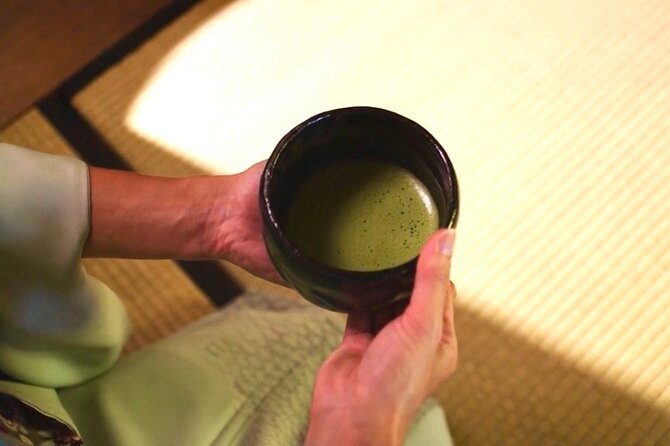
The first bowl is made by the host. This gives you a chance to watch without worrying about your own technique. You can focus on the small gestures, the sound of the whisk, the presentation of the bowl, and the way the sweet is enjoyed alongside the tea.
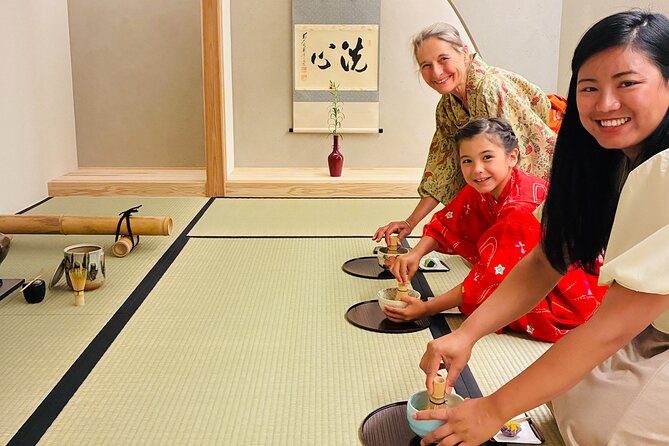
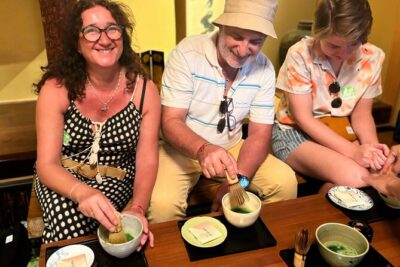
Then it is your turn. You choose a tea bowl and whisk your own matcha, either alone or with a companion. That second cup is what makes this more useful than a demonstration. You leave with a basic understanding of how matcha is prepared, rather than only a memory of watching someone else do it.
More Tea Ceremonies in Kyoto
- Kyoto: Tea Ceremony in a Traditional Tea House in Kiyomizu
★ 4.9 · 3,519 reviews - Kyoto: Tea Ceremony Ju-An at Jotokuji Temple
★ 4.9 · 3,207 reviews - Kyoto: 45-Minute Tea Ceremony Lesson Experience
★ 4.3 · 2,378 reviews
Why the two servings make a difference
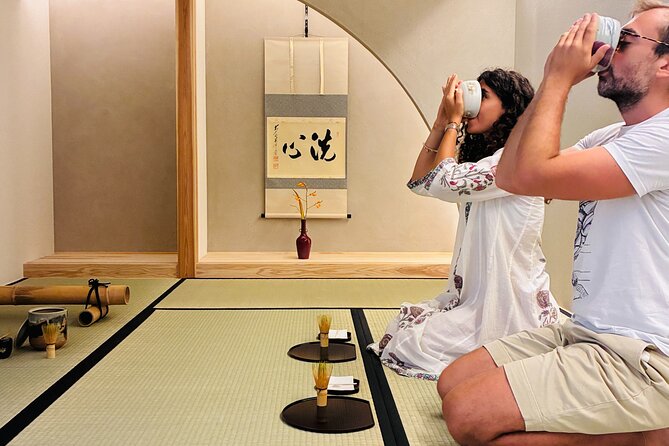
Many short tea experiences offer one prepared cup and little else. Here, the two servings create a natural before-and-after lesson.
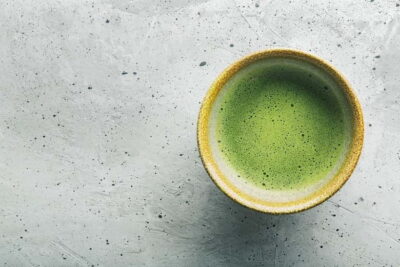
The first cup lets you taste matcha prepared by someone who has practiced the technique. The second lets you feel how the whisk moves, how much effort is needed, and how your own result compares. You may not produce a perfect bowl on your first try, but that is part of the point. The ceremony becomes something you participate in, not a performance happening across the room.
This setup works well for families and first-time matcha drinkers. Several families appreciated that every person had a chance to prepare tea. The host’s relaxed manner helps take the pressure off, particularly if you are unfamiliar with Japanese etiquette.
The tea is served in a quiet setting, so this is not the place for loud conversation or a rushed schedule. The atmosphere may feel especially refreshing after a busy morning of temples, shopping, and crowded streets.
Entering through the traditional nijiriguchi
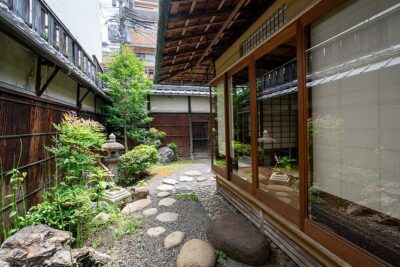
The tea room includes a nijiriguchi, a low entrance traditionally designed to make visitors bend or crawl as they enter. It is a small feature, but it gives the experience a stronger sense of place.
The doorway has symbolic meaning. Everyone entering must lower themselves, which leaves status and ordinary concerns outside the room. You are not simply walking into a modern shop for a drink. You are being asked to change your posture and pay attention.
The nijiriguchi may not suit everyone physically. If bending low is difficult, contact the operator before booking to discuss your needs. The supplied information confirms that chairs are available, which is helpful, but it does not specify every accessibility detail of the entrance or room.
Once inside, expect a serene and quiet setting. The calm is part of the activity, not a gap between instructions. If you prefer energetic entertainment or a quick tasting, this may feel too restrained. If you want a pause from Kyoto’s crowds, the quiet room is one of the strongest parts of the experience.
Seasonal sweets from an old Kyoto confectioner
The included sweet is more than a small snack. Traditional Japanese confectionery is selected to accompany the matcha, often with attention to season, shape, and color.
The sweet comes from a Kyoto shop with more than a century of history. That detail matters because wagashi, or traditional Japanese sweets, are designed to work with tea. Their sweetness balances matcha’s grassy, slightly bitter flavor, and their appearance is part of the pleasure.
You receive the sweet during the ceremony, so the host can explain how it fits into the ritual. Several people especially enjoyed how attractive and carefully made the confection was. It may look too beautiful to eat, but it is meant to be enjoyed, not saved as decoration.
The inclusion improves the value of the experience. At $32.77 per person, you are paying for guided instruction, two servings of matcha, a seasonal sweet, the tea room setting, and the chance to prepare the tea yourself. It is not the cheapest way to drink matcha in Kyoto, but it offers far more context than buying a drink at a café.
A completely different kind of day out:
- PERFECT KYOTO 1-Day Bus Tour
★ 5.0 · 13,518 reviews - [Kyoto & Nara Day Tour] Sagano Scenic Railway & Nara Park & Fushimi Inari Taisha Thousand Torii Gates & Togetsukyo Bridge & Bamboo Grove & Kimono Forest (Departing from Osaka)
★ 4.9 · 10,942 reviews - Kyoto: Fushimi Inari, Kinkakuji, Bamboo Grove 1 Day Bus Tour
★ 4.8 · 4,316 reviews - Kyoto: Gion Make Your Own Chopsticks with Engraving Option
★ 5.0 · 3,465 reviews
A small group that still feels personal
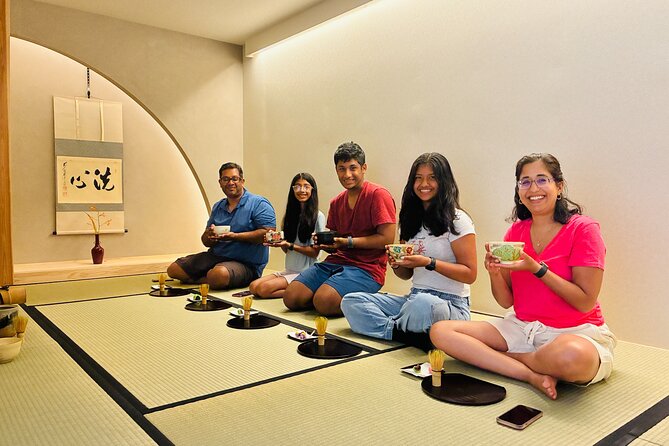
The maximum group size is 10 people. That is small enough for the host to demonstrate clearly and answer questions, while still keeping the price below what you might pay for a fully private ceremony.
The intimate format is useful during the hands-on portion. You can watch other participants try the whisking motion, then take your own turn without feeling lost in a crowd. Families of three have found the format comfortable, and solo visitors can also participate without needing to arrange a private booking.
Keep your expectations realistic. A group of up to 10 is not the same as a one-on-one lesson. The room may include people with different levels of interest, and the amount of individual attention can vary. Still, the small size is a clear advantage over large cultural demonstrations where you simply sit and watch.
The host’s teaching style is central to the experience. The strongest sessions seem to combine warmth with clear explanations, giving you the cultural background without turning the hour into a lecture. The available feedback repeatedly praises the welcoming manner, patient instruction, clean room, and thoughtful presentation.
What the atmosphere is really like
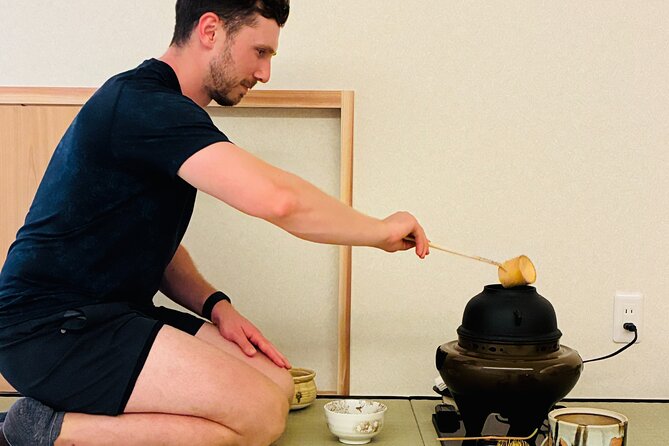
This ceremony is educational, but it is also deliberately restful. The movements are slow, the room is quiet, and the host guides you through each stage. You are not expected to know all the rules before you arrive.
Some sessions involve sitting on the floor for much of the ceremony. Chairs are available, and the instructions indicate that you may sit in the way that is comfortable for you. Even so, you should bring or wear socks. Bare feet are not appropriate for this type of tea room.
The clean, new-looking facility is another practical plus. One review specifically praised the immaculate room and the polished presentation. That matters when the experience depends so heavily on small details, from the bowls and utensils to the way the sweet and tea are arranged.
There is also an optional opportunity to wear a formal uchikake, according to one account. An uchikake is a richly decorated ceremonial robe, and it is different from the casual kimono experiences commonly offered in Kyoto. Ask about availability if this interests you, since the supplied information does not confirm that it is offered at every session or included in the price.
Finding Sanjo Chasuian without a late arrival
The meeting point is at 324-2 Sanjōchō, Nakagyo Ward, Kyoto, 604-8205. It is near public transportation, and the activity returns to the starting point.
Allow extra time to find the door. Google Maps may guide you toward a smaller street at the corner instead of the most useful approach. A practical landmark is the green matcha ice cream cone in front of the venue. Staying on the main street and looking for that sign can save you from arriving flustered.
The strict timing deserves special attention. Entry is permitted from five minutes before the start time. Once the session begins, the door is locked. Arriving one minute late means you cannot join, and the operator will not issue a refund.
I would plan to arrive at least 10 to 15 minutes early, especially if you are coming from another Kyoto sight. This is not an activity to schedule immediately after a temple visit on the other side of the city. The one-hour duration is convenient, but the fixed start time leaves no room for a delayed bus, a wrong turn, or a long queue.
A mobile ticket is provided, which keeps check-in simple. Private transportation and hotel transfers are not included, so you are responsible for reaching the venue.
Is $32.77 a fair Kyoto price?
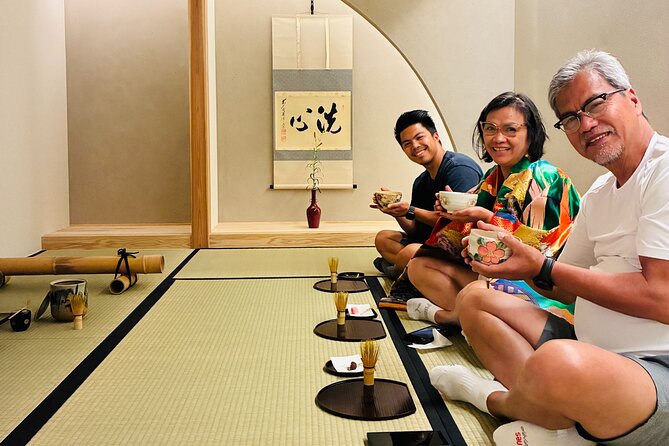
At $32.77 per person, the experience offers solid value if you want cultural explanation and participation, not just refreshment.
Your fee includes:
- Two cups of Kyoto matcha
- One cup prepared by the host
- One cup whisked by you
- A seasonal traditional Japanese confection
- Instruction on the history, customs, and movements
- A small-group tea room setting
- The nijiriguchi entrance and traditional atmosphere
The price is especially reasonable for families because each person has the chance to make tea. It also works well for first-time visitors who want an introduction without committing to a longer formal ceremony.
The value is less clear if you already have extensive tea ceremony experience or only want to taste matcha. A café will cost less, and a private ceremony may offer more personal attention. This activity earns its price through the teaching, the ritual setting, and the chance to try the process yourself.
Free cancellation is available if you cancel at least 24 hours before the local start time. Inside that window, the payment is not refunded, and changes are not accepted. Given the locked-door policy, this is an experience where careful planning matters.
Who should book this tea ceremony?
I would recommend Sanjo Chasuian to you if you want a manageable cultural activity between Kyoto sightseeing stops. It suits first-time visitors, families with older children or teenagers, couples, and anyone curious about matcha but unsure how a formal ceremony works.
It is also a good choice if you prefer instruction in English and want to ask questions. The hosts are praised for friendly explanations and for making beginners feel comfortable. The quiet pace can be a welcome change from Kyoto’s more crowded attractions.
You may want to choose another activity if you have difficulty entering a low doorway or sitting on the floor, even though chairs are available. You should also skip it if you dislike strict schedules, quiet settings, or guided rituals.
The ceremony is conducted in a peaceful room, not a lively tasting bar. That is its appeal, but it also sets the limit. You are there to observe, listen, whisk, and savor the moment.
Should you book Sanjo Chasuian?
Book it if you want a friendly, hands-on first tea ceremony in Kyoto. The strongest reasons are the two bowls of matcha, the chance to prepare your own, the seasonal sweet, the small group, and the careful explanation of why the ceremony is performed as it is.
At $32.77, it is a sensible cultural purchase for an hour, particularly when every participant gets an active role. Arrive early, bring socks, follow the main street rather than Google Maps’ smaller corner route, and look for the green matcha ice cream cone.
I would not book it as a casual drop-in activity. The locked door and no-refund rule make punctuality essential. For the right visitor, though, this is a calm and well-priced way to understand matcha as a Japanese tradition, not simply a fashionable green drink.
FAQ
How long does the tea ceremony last?
The experience lasts approximately one hour.
How much matcha is included?
Two cups of Kyoto matcha are included. The host prepares one, and you prepare the second yourself or with a companion.
Is a Japanese sweet included?
Yes. A traditional seasonal Japanese confection from a Kyoto sweet shop with more than 100 years of history is included.
How large is the group?
The activity has a maximum of 10 participants.
Do I need to wear socks?
Yes. You are asked to bring or wear socks during the experience.
What happens if I arrive late?
Entry is allowed from five minutes before the start time. Once the ceremony begins, the door is locked. Even one minute late means you cannot participate, and no refund is given.
Just added in Kyoto
- The “Golden Route” and Ancient Japan by DIAMIR Erlebnisreisen – 14-Day Tour★ 2.0 · 2 reviews
- Japan: Castles & Cuisine by G Adventures – 6-Day Kyoto to Osaka Tour★ 4.5 · 4 reviews
- Cycle Japan by Explore! – 13-Day Kyoto to Tokyo Tour★ 4.7 · 12 reviews
- Cycle Japan by Intrepid Travel – 11-Day Kyoto to Tokyo Tour★ 4.8 · 2 reviews
- Classic Japan by Intrepid Travel – 11-Day Kyoto to Tokyo Tour★ 4.4 · 14 reviews
- Ancient & Modern Japan 14-Day Tour by Exodus Adventure Travels★ 4.4 · 40 reviews
- 5 Day Cultural Adventure of Kyoto, Nara & Osaka by Tourist Journey★ 2.5 · 2 reviews
- 12 Days Kinosaki Onsen Escape: A Journey Through Japan’s Timeless Towns by UME Travel★ 4.8 · 5 reviews
Tea Ceremonies, compared.
Tea Ceremony in a Traditional Tea House in Kiyomizu
Read our review →
World Heritage Kyoto & Nara Uji Authentic Matcha Experience
Read our review →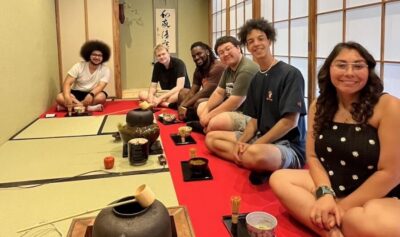
Browse the lists this tour appears in