
Reviewed · CASTLES AND HISTORIC SITES
Kyoto: Ninja Weapon Forging Experience
Forge a souvenir while sparks fly. Kyoto’s Ninja Weapon Forging Experience gives you real steel, a hot furnace, a hammer, and skilled guidance to make a shuriken or kunai. I like the hands-on work and the fact that your finished piece goes home in a box rather than sitting in a shop display. The main catch is the $148 price, plus ¥3,000 for a kunai, which makes this a special splurge rather than a cheap add-on.
I also like the friendly English-speaking team. Taka is often the energetic lead, while Mits, Ako, Yok, and Daiki, also called Dike, help with the different stages. The workshop is family-friendly, but you should expect heat, noise, sanding, and careful tool use. Reaching the studio takes some planning from central Kyoto, even though it is only a minute from Hieizanguchi Station.
In This Review
- What makes this Kyoto workshop worth your time
- Arriving at Hieizanguchi Station
- Samue, headbands, and the first few minutes
- Choosing a shuriken or paying extra for a kunai
- Heating the steel and making the first strike
- Sanding, sharpening, and watching the shape appear
- Choosing kanji and creating a personal mark
- Learning about ninja culture between the tools
- Blackening, polishing, and placing the piece in its box
- Photos, souvenirs, and the flight home
- Who will get the most from the $148 price
- Should you book the Ninja Weapon Forging Experience?
- FAQ
- How long does the Ninja Weapon Forging Experience last?
- What weapon can I make?
- Does making a kunai cost extra?
- Is the experience offered in English?
- Where do I meet the group?
- Can I take the finished weapon on my flight?
What makes this Kyoto workshop worth your time
- You hammer steel heated to about 800°C, with an instructor controlling the process and guiding your strikes.
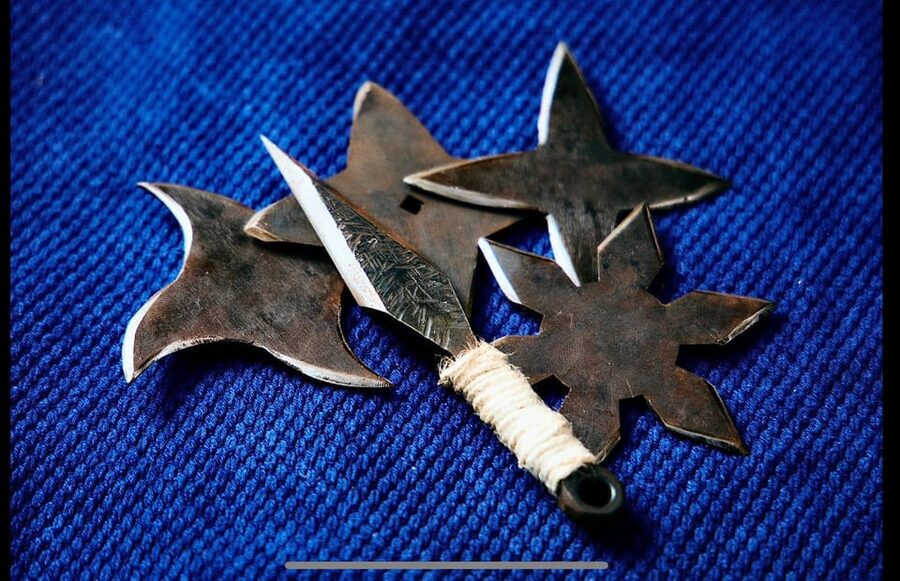
- You choose your own design, selecting one of three shuriken styles or paying ¥3,000 extra for a kunai.
- You personalize the finished piece with a kanji character engraved by the staff.
- You wear samue and a tenugui, traditional work clothing that makes the workshop feel like a real craft session.
- You handle several stages yourself, including shaping, sanding, blackening, and polishing.
- You leave with a boxed keepsake, plus photos and videos of the making process.
Arriving at Hieizanguchi Station
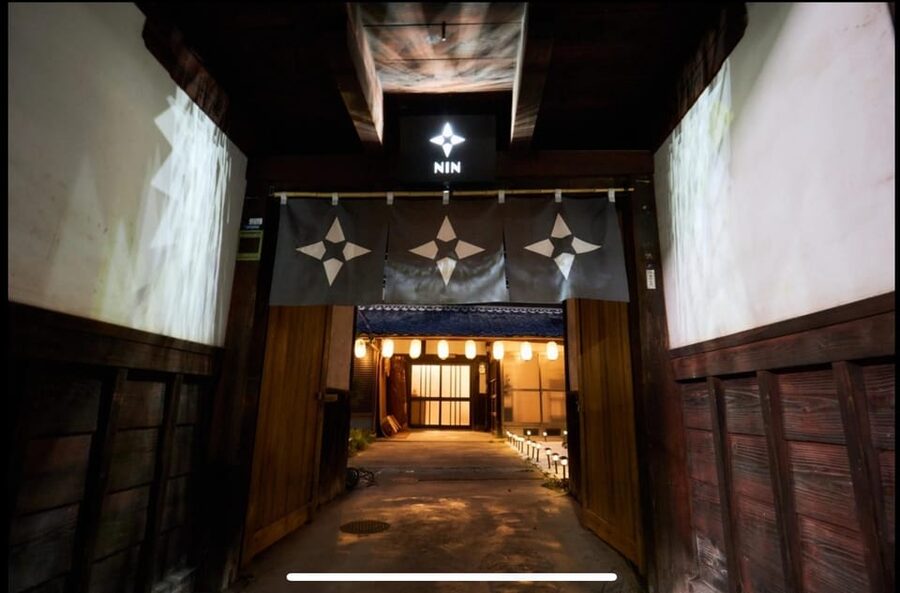
The studio is in Honshu, outside Kyoto’s most concentrated sightseeing zone. The meeting point is a one-minute walk from Hieizanguchi Station. Once you arrive, go uphill toward the red postbox in front of the station.
That final direction matters. The workshop is close to the station, but the station itself is not close to central Kyoto in the way Kyoto Station, Gion, or Nishiki Market are. One account of the trip described roughly a 40-minute bus ride from the city center. Another recommended a taxi because the route can involve an uphill walk. I would build extra time into your plan and avoid placing this activity immediately before a timed train or dinner reservation.
The out-of-town setting works in the workshop’s favor. You are not stepping from a crowded shopping street into a polished tourist attraction. The quiet residential surroundings help the studio feel like a working place, and the small climb gives the visit a sense of purpose. Just wear shoes and clothes you do not mind using around heat and metal dust.
More Castles and Historic Sites in Kyoto
- Kyoto Samurai Experience
★ 5.0 · 1,294 reviews - Kyoto: Nijo-jo Castle and Ninomaru Palace Guided Tour
★ 4.7 · 1,020 reviews - Kyoto: Kendo and Samurai Experience with Uniform and Gear
★ 4.9 · 815 reviews
Samue, headbands, and the first few minutes
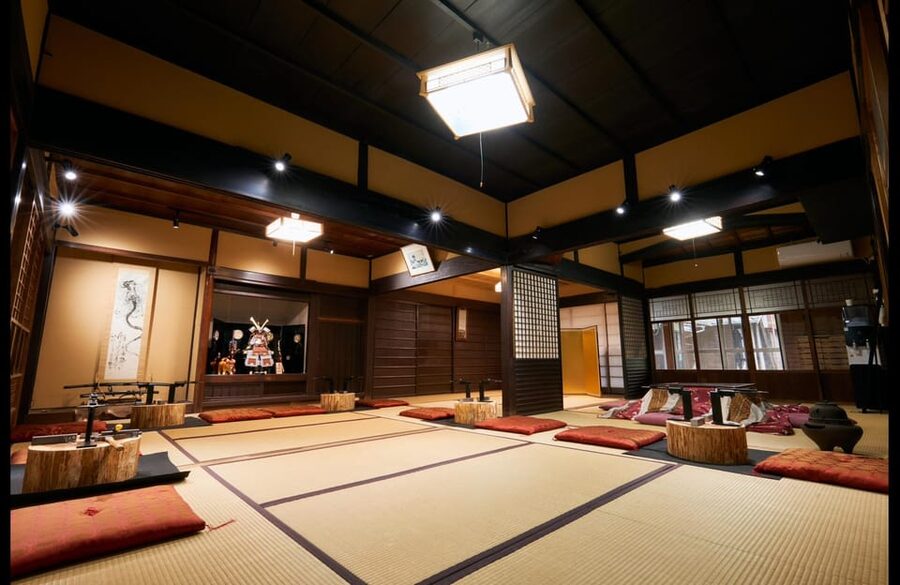
Your session begins with a change of clothing. You put on samue, the loose workwear traditionally associated with Japanese craftsmen, and wrap a tenugui around your head. This is more than a costume photograph. It signals that you are about to work, not simply watch a demonstration.
The instructors set the tone quickly. Taka is known for high energy and a playful teaching style, while the rest of the team helps keep the steps moving. English is the working language, and the instructions are designed for people who have never handled blacksmithing tools before.
You will probably take photographs and videos as the session unfolds. The staff can help capture the memorable moments, especially around the furnace. Still, keep your phone safely out of the way when tools are moving. The workshop is described as a safe environment, but safety depends on listening closely and following directions.
Choosing a shuriken or paying extra for a kunai
You can choose from three shuriken styles. Each has a different outline and character, so the decision is not only about appearance. Think about whether you want a compact star-shaped display piece or a more knife-like form.
A kunai is available, but it requires an additional ¥3,000. You need to select the Kunai option when booking. That extra charge covers material and processing costs, so do not assume you can change to a kunai at no cost after arriving.
The standard booking price is $148 per person. That is a serious amount for a 150-minute activity, especially if several people in your party take part. The value comes from the combination of instruction, equipment, clothing, real steel, engraving, finishing, and the take-home piece. You are paying for access to a craft process that is difficult to arrange independently, not simply for a souvenir.
For a family, the cost can add up quickly. For a couple, solo visitor, or enthusiast who wants an unusual Kyoto memory, the price is easier to justify. The item is also personal. You make choices, work the metal, select kanji, and finish the surface yourself.
Heating the steel and making the first strike
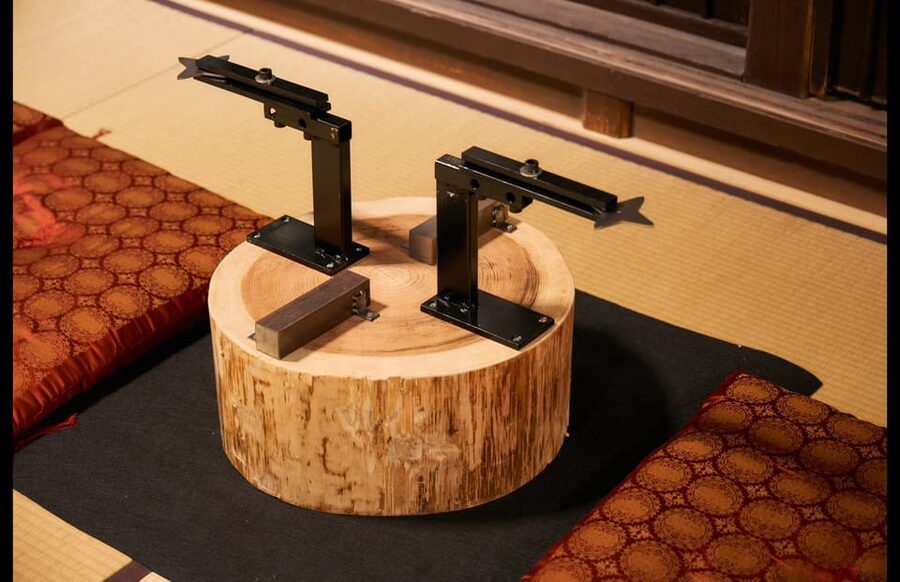
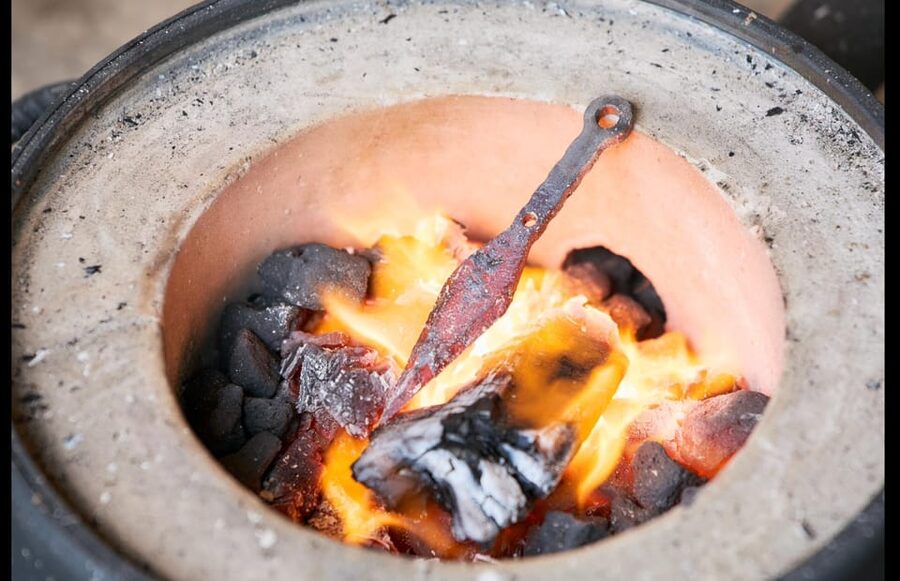
The furnace is the dramatic center of the session. You watch the steel glow at about 800°C, then work under close direction as you strike it with a hammer. Sparks, heat, and the repeated rhythm of the hammer make this feel far more substantial than a craft class using soft metal or a prefinished blank.
The instructors explain each action before asking you to try it. You are not left to guess how hard to hit or where to place the tool. This matters because the metal is hot and the work is physical, but it also means beginners can take part without prior blacksmithing experience.
Your role is real, though it is guided. The basic shape is prepared enough that you can make progress within the time limit, and the team steps in when precision or safety calls for it. I see that as a sensible compromise. A full blacksmithing course would take much longer, while this format lets you experience the important stages in one afternoon.
Some people may want more time at the anvil. The hammering portion is one of the shortest parts of the overall process, and the schedule must accommodate everyone in the group. If striking hot steel is the main reason you are booking, keep your expectations realistic. You will do the work, but you will not spend hours shaping a blade from a raw bar.
A completely different kind of day out:
- PERFECT KYOTO 1-Day Bus Tour
★ 5.0 · 13,518 reviews - [Kyoto & Nara Day Tour] Sagano Scenic Railway & Nara Park & Fushimi Inari Taisha Thousand Torii Gates & Togetsukyo Bridge & Bamboo Grove & Kimono Forest (Departing from Osaka)
★ 4.9 · 10,942 reviews - Kyoto: Fushimi Inari, Kinkakuji, Bamboo Grove 1 Day Bus Tour
★ 4.8 · 4,316 reviews - Kyoto: Tea Ceremony in a Traditional Tea House in Kiyomizu
★ 4.9 · 3,519 reviews
Sanding, sharpening, and watching the shape appear
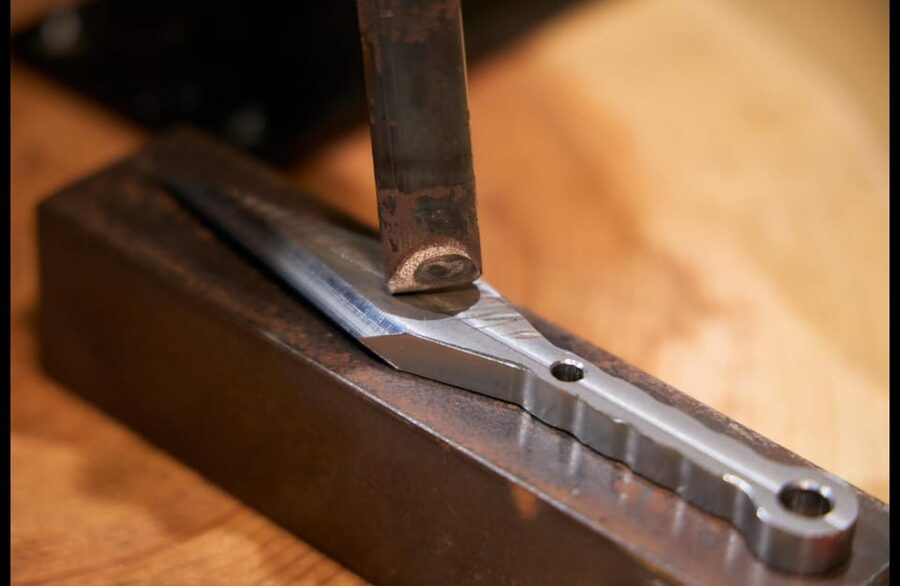
After heating and hammering, you refine the piece with a professional belt sander. This is where the rough form begins to look like a finished weapon. You remove uneven areas, clean up the lines, and work toward the profile you selected.
This stage requires concentration. The belt sander is powerful, so the instructor shows you how to use it and helps you control the angle. You may find this more satisfying than the furnace because the changes are easy to see. Each pass reveals a cleaner edge and a clearer silhouette.
You also have some choice in how sharp the final item becomes. One useful option is to keep a shuriken relatively dull if you plan to display it in a classroom or home. If you want a sharper finish, the staff can guide you toward that result. The important point is that this is a crafted souvenir, not a tool for use or testing.
A few people may wish for more one-on-one time at this stage. The instructors rotate around the group, so you may spend moments working independently before someone checks your progress. That is part of the class format, not a lack of support. The team remains available and explains the steps clearly.
Choosing kanji and creating a personal mark
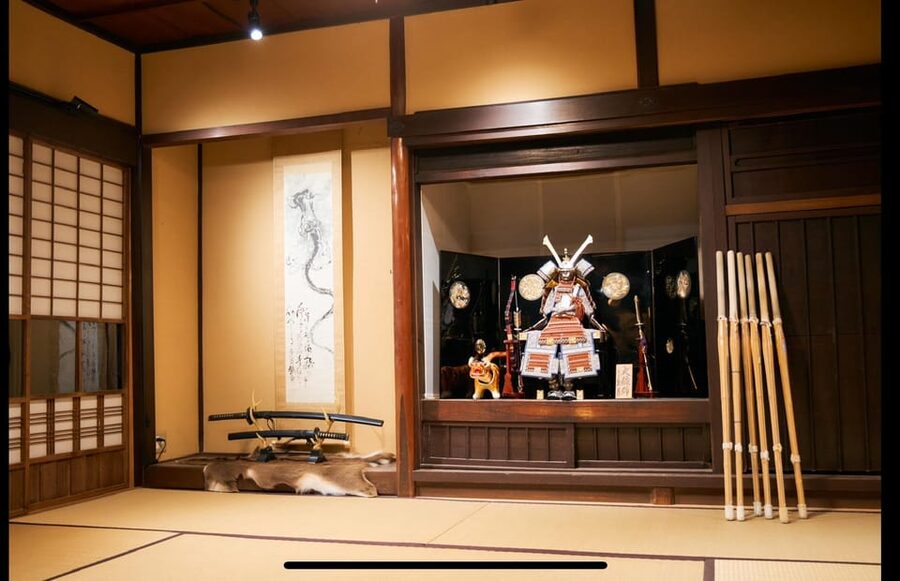
The kanji engraving gives your piece a strong personal touch. You choose a character that inspires you, and a staff member engraves it onto the metal with care.
This is one point where I would ask questions before settling on a character. Kanji can carry shades of meaning that are not obvious from a quick translation. Let the instructor confirm what your selected character means and how it is read. The engraving is permanent, so a short pause here is wise.
Yok is praised for the engraving work, and the staff treats this step as more than a hurried add-on. Your weapon may have begun with a common shape, but the engraved kanji makes it distinctly yours. For many people, this becomes the detail that turns a nice souvenir into a lasting reminder of the trip.
Learning about ninja culture between the tools
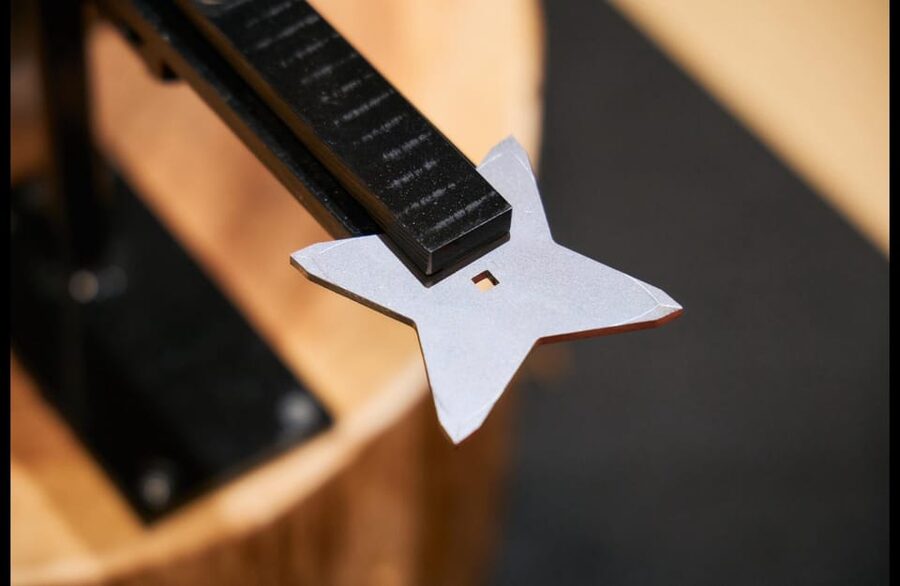
The class includes a session on ninja history, symbolism, and hidden techniques. This talk adds context to the object in your hands. Without it, you would leave with an attractive metal piece. With it, you get a clearer sense of how tools, secrecy, balance, and practicality connect to the popular image of the ninja.
Keep your expectations grounded. This is not a full academic course in Japanese military history, and you are not being trained in ninja combat. It is a craft-focused introduction that explains why these objects have meaning and how the blacksmithing process relates to historical Japanese practice.
That balance works well for a mixed group. Adults can enjoy the cultural background, while younger participants have a clear activity to follow. Families with children around eight, eleven, twelve, fifteen, and seventeen have found the process manageable when the children listen to instructions. Very young children may need close supervision around tools and hot metal.
Blackening, polishing, and placing the piece in its box
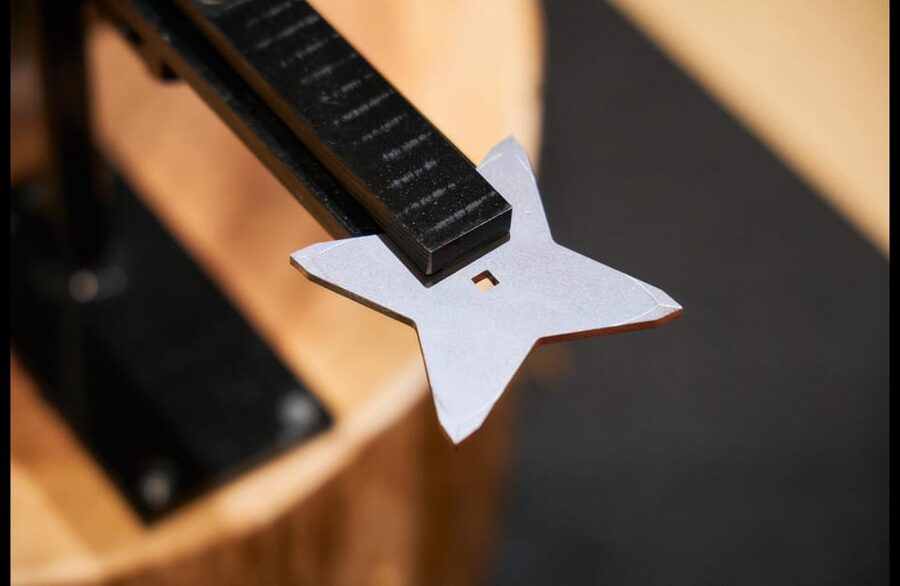
Near the end, the steel is treated with a special solution that darkens the surface and helps protect it from rust. The black finish gives the shuriken or kunai a subdued look that suits the ninja theme. It also makes the earlier bright metal and sparks feel like part of a clear transformation.
Then comes the final polishing. You bring out selected areas of the surface and refine the overall appearance. The work is not over until the shape, finish, and engraved character look right.
The finished weapon is placed in a beautiful box for you to take home. That packaging matters when you are carrying a handmade item through airports and hotels. It also gives the piece a proper place in your home instead of leaving it loose in a suitcase.
Some sessions include a chance to choose cord or other finishing details, as noted by one couple who made different pieces. The exact options may vary, so ask the staff what is available on your date.
Photos, souvenirs, and the flight home
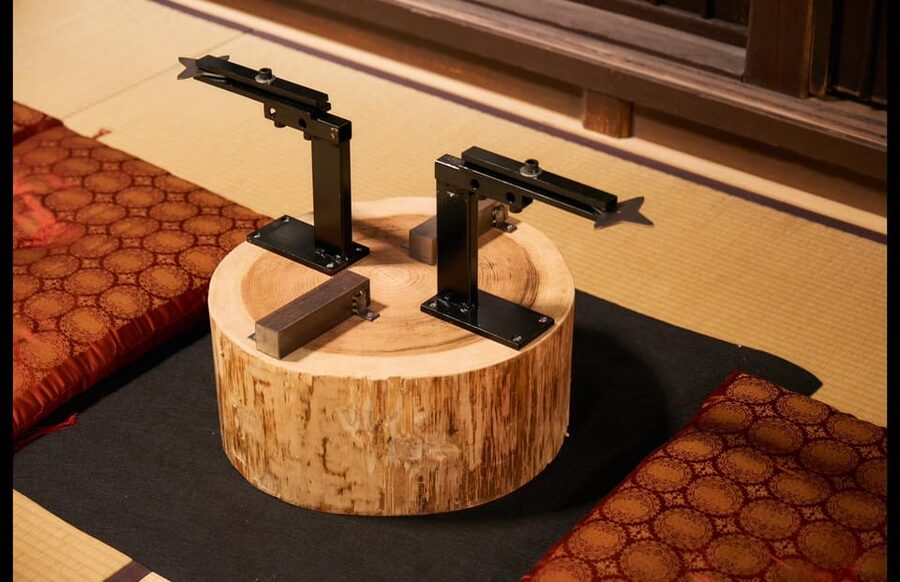
The furnace creates the best photo opportunity, but the whole process gives you useful images: changing into samue, hammering the steel, working at the sander, and receiving the finished item. If you are traveling alone, ask the staff to help capture the key moments. Their willingness to take photos and videos is one of the practical strengths of the class.
You can bring the weapon home on your flight, but only in checked luggage. It cannot go in your carry-on bag. Pack it securely in the provided box, and follow the airline and customs instructions for your destination. If you are also tempted by the replica swords sold at the studio, remember that those cost extra and create another packing and airline issue.
The workshop is not offering a toy that you can test outside. One person wished there had been a chance to try out the finished item, but that would raise obvious safety and transport concerns. Think of your piece as a display souvenir and a record of the work you completed.
Who will get the most from the $148 price
I would recommend this to you if you want a Kyoto activity that is active, unusual, and tied to Japanese craft. It works especially well for:
- Couples who want matching but individually customized souvenirs
- Families with children old enough to follow safety instructions
- Solo visitors who enjoy making things and meeting a small group
- Fans of ninja culture, Japanese history, or metalwork
- Anyone tired of collecting souvenirs made by someone else
The class also suits visitors who prefer a focused activity over a long sightseeing day. For 150 minutes, you are doing something with your hands almost the entire time, with the cultural talk woven into the process.
I would hesitate if you want a relaxed demonstration with little physical effort. You will handle a hammer, work near heat, use a belt sander, and pay attention for the full session. I would also think twice if your Kyoto schedule is packed around central attractions, since the trip to Hieizanguchi Station takes time.
The score is 4.8 out of 5 from 478 bookings, and the strongest praise centers on the same things: the friendly staff, clear step-by-step help, the amount of work you do yourself, and the finished souvenir. Taka receives repeated praise for his energy, but the wider team matters just as much. Mits, Ako, Yok, and Daiki help turn a technical process into an approachable group activity.
Should you book the Ninja Weapon Forging Experience?
Book it if you want to leave Kyoto with a story, not just another purchase. The hot steel, hammering, kanji engraving, and black finish give you several distinct memories, and the boxed shuriken or kunai lets you keep a physical reminder of the day.
At $148, this is not a bargain activity. Add ¥3,000 for a kunai, allow time to reach the hillside studio, and plan to check the finished piece on your flight. But if you value personal instruction and a souvenir you helped create from real steel, the cost is reasonable. For a hands-on Kyoto day with an unusual cultural angle, I would put this high on your list.
FAQ
How long does the Ninja Weapon Forging Experience last?
The experience lasts 150 minutes. Starting times vary, so check availability when booking.
What weapon can I make?
You can choose one of three shuriken styles. A kunai is also available if you select the Kunai option when reserving.
Does making a kunai cost extra?
Yes. A kunai requires an additional fee of ¥3,000 for processing and materials.
Is the experience offered in English?
Yes. The instructor language is English, and English is used throughout the workshop.
Where do I meet the group?
The studio is a one-minute walk from Hieizanguchi Station. Go uphill toward the red postbox in front of the station.
Can I take the finished weapon on my flight?
Yes, but it must go in checked luggage. It cannot be carried onto the plane in your carry-on baggage.
Just added in Kyoto
- The “Golden Route” and Ancient Japan by DIAMIR Erlebnisreisen – 14-Day Tour★ 2.0 · 2 reviews
- Japan: Castles & Cuisine by G Adventures – 6-Day Kyoto to Osaka Tour★ 4.5 · 4 reviews
- Cycle Japan by Explore! – 13-Day Kyoto to Tokyo Tour★ 4.7 · 12 reviews
- Cycle Japan by Intrepid Travel – 11-Day Kyoto to Tokyo Tour★ 4.8 · 2 reviews
- Classic Japan by Intrepid Travel – 11-Day Kyoto to Tokyo Tour★ 4.4 · 14 reviews
- Ancient & Modern Japan 14-Day Tour by Exodus Adventure Travels★ 4.4 · 40 reviews
- 5 Day Cultural Adventure of Kyoto, Nara & Osaka by Tourist Journey★ 2.5 · 2 reviews
- 12 Days Kinosaki Onsen Escape: A Journey Through Japan’s Timeless Towns by UME Travel★ 4.8 · 5 reviews
Castles and Historic Sites, compared.



Imperial Palace and Shogun Historical Walking Tour
Read our review →
Tokyo Castle & Imperial PalaceーShogun Walking Tour
Read our review →
Nijo-jo Castle and Ninomaru Palace Guided Tour
Read our review →
Samurai Ninja Museum Guided tour and Experience
Read our review →Browse the lists this tour appears in