
Reviewed · MARKETS AND FOOD HALLS
Kyoto Nishiki Market Tour
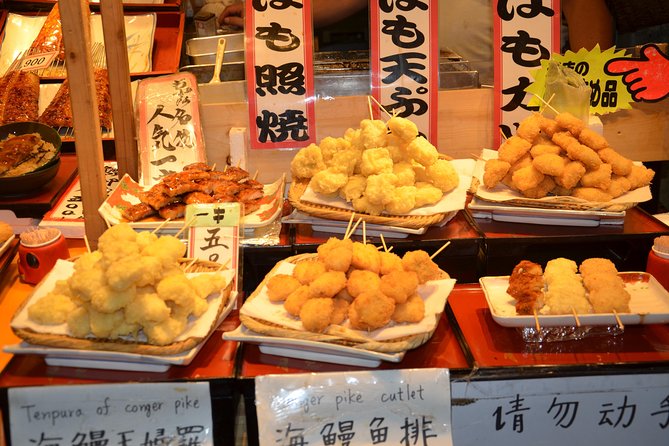
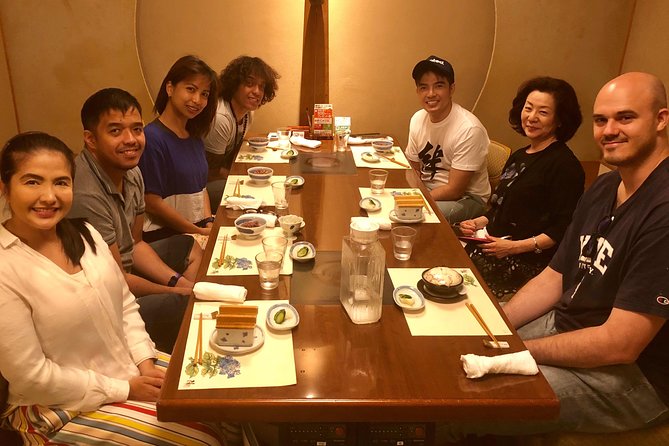
Come hungry, leave curious. This three-hour food walk through Kyoto’s Nishiki Market offers a direct way to understand the city’s cooking, from mountain pickles and tofu to dashi, sashimi, tea, and sake. I especially like the focus on family-owned food shops and the chance to taste ingredients while learning how they move from harvest to market stall to table.
I also like that a seasonal lunch and Japanese tea are included, rather than leaving you to pay for every bite. The main drawback is the market itself: Nishiki can be narrow, crowded, and loud, so hearing the guide and gathering around a stall may take patience. The tour also lists visits to 10 market vendors in one place and 12 family-run shops in another, so confirm the exact tasting count when you book.
In This Review
- Key Points At A Glance
- Why Nishiki Market Is Worth Your Morning
- Meeting At 10:00 Near Central Kyoto
- Tasting Kyoto One Shop At A Time
- From Harvest To Preservation
- The Included Lunch And Tea
- Crowds, Noise, And The Real Nishiki Experience
- The Route Beyond The Market
- Is $221 A Fair Price?
- Who Should Book This Food Walk?
- Booking And Cancellation Details
- Should You Book The Kyoto Nishiki Market Tour?
- FAQ
- Where does the Kyoto Nishiki Market Tour start?
- What time does the tour begin?
- How long does the tour last?
- Where does the tour end?
- Is lunch included?
- How many food vendors does the tour visit?
- Is the tour suitable for vegetarians?
- Can I cancel for a full refund?
Key Points At A Glance
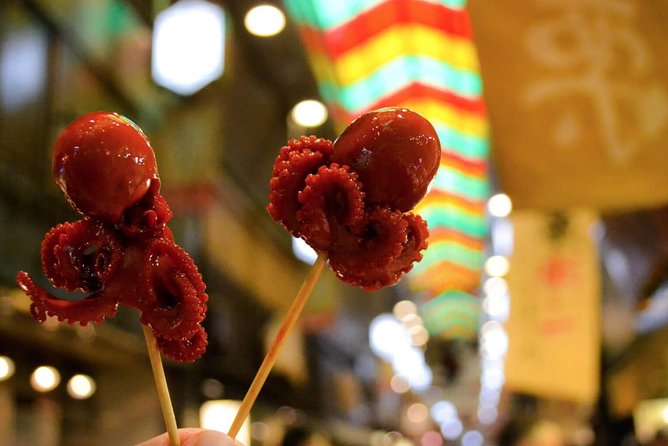
- Twelve generations of food culture in one market: Nishiki is roughly 400 years old and is known locally as the Kitchen of Kyoto.
- Small-group format: The maximum group size is 10, with some departures much smaller.
- A meal, not just a snack crawl: Seasonal and regional lunch is included, along with Japanese tea and the listed tastings.
- Good guide support: Guides such as Chie and Rosali have been praised for clear English, patience, and the ability to answer many food questions.
- Expect a moving lesson in Japanese cuisine: Tastings may include tsukemono, yuuba, sashimi, tofu, tamagoyaki, dashi, seafood, matcha, and sake.
- A practical first-day Kyoto activity: The 10:00 am start leaves much of the afternoon open for temples, shopping, or another neighborhood.
Why Nishiki Market Is Worth Your Morning
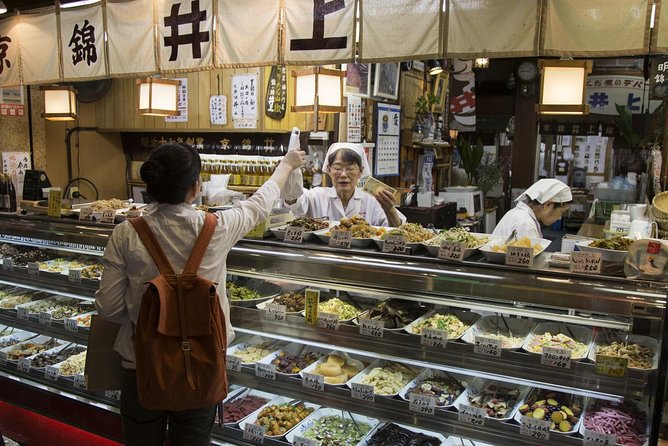
Nishiki Market is not a quiet food hall. It is a long shopping district filled with vendors selling fresh seafood, prepared foods, pickles, sweets, tea, seasonings, and other Japanese staples. The passage can feel overwhelming if you arrive without a plan, especially when narrow walkways fill with shoppers and people stopping to look at food.
That is where a guide earns the fee. Instead of wandering from stall to stall and guessing what something is, you can ask why it matters, how it is made, and how people in Kyoto eat it. The tour places food in context, connecting ingredients with preservation, regional farming, preparation, and everyday meals.
I like that approach because Nishiki is more than a place to grab snacks. It gives you a view of Kyoto away from temple roofs and garden paths. The food is local, but the ideas are broader: careful preparation, seasonal buying, preservation, presentation, and respect for ingredients.
The market is also a useful place to learn the difference between food made for quick eating and food bought for a Japanese kitchen. Some stalls sell ready-to-eat samples, while others specialize in ingredients you might carry home. Your guide helps make sense of that distinction.
More Markets and Food Halls in Kyoto
- Nishiki Market Brunch Walking Tour (7 Tastings + Brunch)
★ 5.0 · 1,355 reviews - Kimono Tea Ceremony at Kyoto Maikoya, NISHIKI
★ 5.0 · 911 reviews - Kyoto Nishiki Market Food and Culture Walking Tour
★ 5.0 · 412 reviews
Meeting At 10:00 Near Central Kyoto
The meeting point is at 376 Naramonochō in Kyoto’s Shimogyo Ward, near the Lacoste Kyoto Store. The tour begins at 10:00 am and finishes in the Karasuma area, at or near Karasuma Station on Naginatabokōchō.
This central location makes the tour easy to fit into a Kyoto day. You do not need hotel pickup, and transportation costs are not included, so plan your own way to the starting point. The area is near public transportation, which helps if you are staying outside central Kyoto.
Arrive ready to walk and eat. The tour lasts about 3 hours and 5 minutes, and good walking shoes are recommended. You will probably prefer a light breakfast, since the tasting stops and included lunch add up quickly.
The small-group limit is 10 people. That matters in Nishiki, where a large group could block the passage or make it hard to hear. Some departures may be much smaller. One guide, Chie, was praised for adjusting the pace so two older family members, including a 66-year-old participant, could keep up. That suggests the walking pace can be manageable, but you should still have a moderate level of fitness.
Tasting Kyoto One Shop At A Time
The central part of the tour takes you through family-owned shops, some with histories stretching back hundreds of years. The experience is not built around one formal restaurant meal. Instead, you move through the market and sample a series of foods that show different parts of Kyoto cooking.
The published details describe visits to 10 market vendors, while the main tour description refers to 12 family-owned shops. The exact number can change because restaurants and market businesses have their own schedules, holidays, and operating conditions. The important point is that you receive several tastings across different stalls, not one or two token bites.
Here are the foods you may encounter:
- Tsukemono: Pickled vegetables from the surrounding mountains. These show how preservation can turn a simple vegetable into a sharp, salty, refreshing side dish.
- Yuuba: The delicate skin that forms on heated soy milk, described here as sashimi tofu and made with mountain water. It is a good example of Kyoto’s preference for subtle textures.
- Sashimi and fresh seafood: The tour may include very smooth sashimi and other seafood samples. These tastings offer a chance to notice freshness and texture without the distractions of a full restaurant menu.
- Tofu: Kyoto is especially associated with refined tofu dishes. Sampling tofu at a market stall gives you a practical introduction to the ingredient before you encounter it in a temple meal or formal restaurant.
- Tamagoyaki: Japanese rolled omelet, often lightly sweet and tender. It is familiar enough to understand quickly, yet different from an ordinary Western omelet.
- Dashi: The savory stock that supports many Japanese dishes. Learning about dashi helps explain why Japanese food can taste full even when the seasoning seems restrained.
- Matcha and Japanese tea: Tea is included, and the tour connects it with Kyoto’s food culture rather than treating it as a separate souvenir.
- Sake: You may taste sparkling sake straight from the tap. The minimum drinking age is 21, so this part is not available to younger participants.
You may also find regional sweets, crackers, seafood products, and other seasonal items. The precise food lineup is not fixed. Substitutions can happen because of weather, public holidays, restaurant schedules, or other unexpected changes.
From Harvest To Preservation
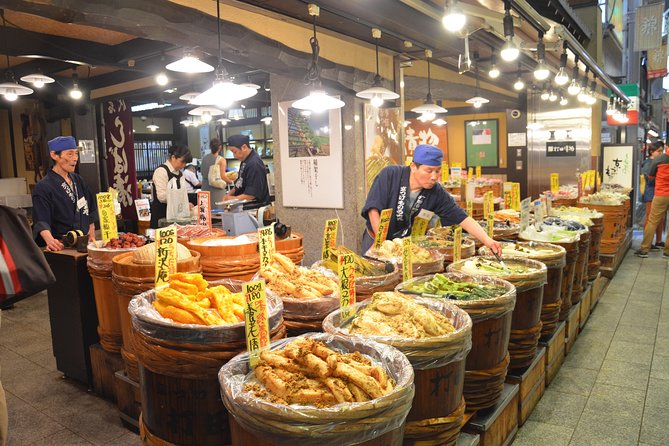
The strongest part of this experience is the explanation between tastings. Your guide discusses how food is produced, harvested, brought to market, sold, and preserved. That turns each sample into a small lesson.
For example, pickles are not just a crunchy side dish. They reflect the need to preserve vegetables and make use of seasonal harvests. Dashi is not merely a broth. It is a foundation that gives depth to soups, sauces, and simmered dishes. Yuuba is not just tofu skin. It shows how a simple soy product can be treated with care and presented as a refined specialty.
I find this kind of explanation more useful than a list of Japanese food names. You leave with a better sense of how Japanese meals are built. You can also ask questions as you go, including questions about ingredients, preparation, and Kyoto specialties.
Guide quality matters here. Chie has been praised for her English, kindness, and ability to answer a long stream of questions. Rosali also led a private departure for a mother and daughter, where the included lunch and Japanese snacks were particular highlights. These details suggest the guide can shape the experience, especially when the group is small.
A completely different kind of day out:
- PERFECT KYOTO 1-Day Bus Tour
★ 5.0 · 13,518 reviews - [Kyoto & Nara Day Tour] Sagano Scenic Railway & Nara Park & Fushimi Inari Taisha Thousand Torii Gates & Togetsukyo Bridge & Bamboo Grove & Kimono Forest (Departing from Osaka)
★ 4.9 · 10,942 reviews - Kyoto: Fushimi Inari, Kinkakuji, Bamboo Grove 1 Day Bus Tour
★ 4.8 · 4,316 reviews - Kyoto: Tea Ceremony in a Traditional Tea House in Kiyomizu
★ 4.9 · 3,519 reviews
The Included Lunch And Tea
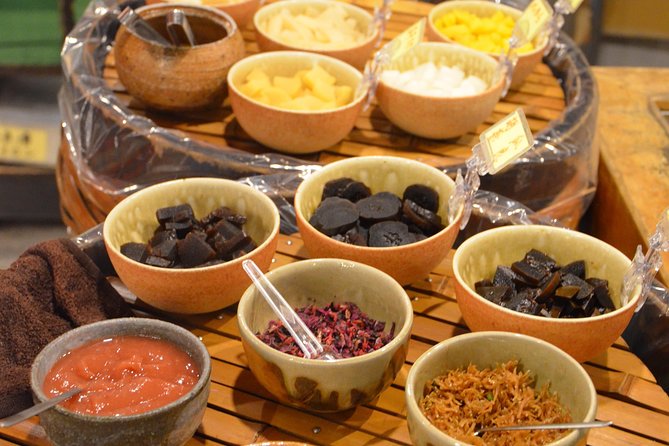
A seasonal and regional lunch is included, along with Japanese tea. This makes the $221 price easier to assess because you are not paying the tour fee and then buying a separate meal at every stop.
The lunch is not described as one fixed menu. It can change with the season and available restaurants, and an equal-quality substitute may be used if the regular restaurant is unavailable. One meal was described as good Japanese food with beef, so you might receive a more substantial dish rather than only market samples.
The food inclusions need a little care when reading the booking details. Tastings and food are included as specified in the tour plan, but extra food and drinks are not included. Purchases from stalls, such as rice crackers or packaged souvenirs, cost extra.
The best strategy is to eat lightly before meeting the group and keep some room for lunch. You are not simply stopping for one small taste. With numerous samples, tea, sake for eligible adults, and a meal, this is a food-centered morning.
Vegetarian and pescatarian options are available. If you have other dietary needs, ask before booking rather than expecting the guide to solve every problem at the market. The food selection can change, and the tour operates around vendors and restaurants with their own menus.
Crowds, Noise, And The Real Nishiki Experience
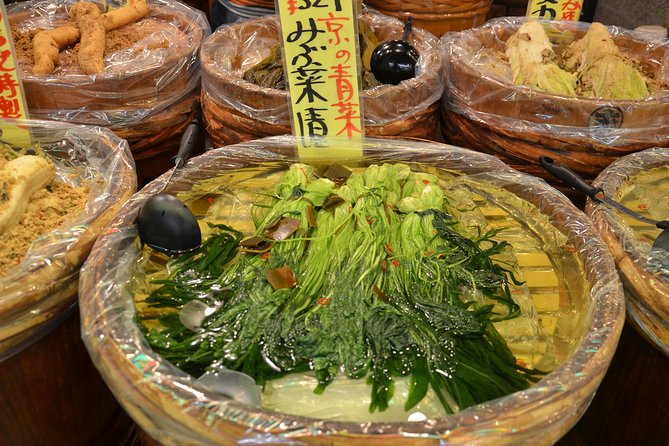
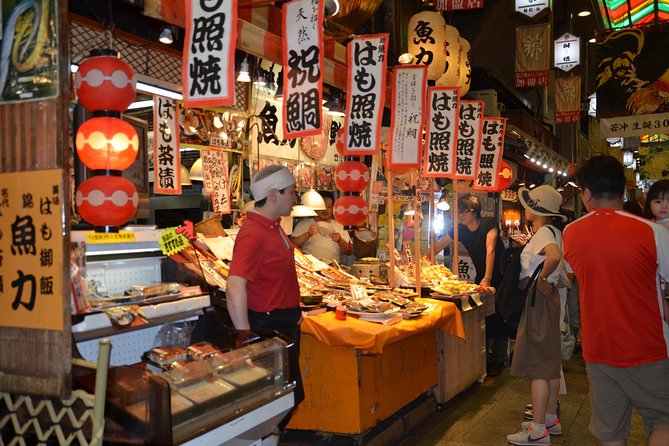
Nishiki Market’s energy is part of its appeal, but it is also the main practical weakness. The passage can be crowded and loud. Narrow sections may make it difficult for the whole group to gather without getting in the way, and you may occasionally struggle to hear the guide.
That is not a flaw the operator can fully remove. A market is a working shopping street, not a private tasting room. You should expect movement, noise, and people buying food around you.
A small group helps. So does staying close to the guide and listening for the next meeting point. If you have hearing difficulties, ask to stand near the guide during explanations. You can also expect the group to move aside quickly rather than pause in the middle of the walkway.
The crowd may be less of an issue in a group of four or fewer. One departure had only four people, while another was effectively private with two participants. Group size is not guaranteed, but the 10-person maximum keeps the tour from becoming unwieldy.
The Route Beyond The Market
The principal experience is Nishiki Market, but the route information also names several nearby or associated places: Nishiki Tenmangu Shrine, Rokkakudo Temple, Umenohana as an ending point, and the Karasuma area near the finish. These references suggest that the morning may connect food with nearby cultural sights, but the published timing does not assign separate visit lengths to each one.
You should think of these places as route markers or possible surroundings rather than guaranteed guided temple visits. The tour description gives the market and food tastings the clear emphasis.
The start near the Lacoste Kyoto Store is simply an easy landmark for meeting the group. The finish near Karasuma Station is useful because you can continue into central Kyoto without returning to the starting point.
Fushimi Inari Taisha also appears among the named places, but it is not presented with a separate duration in the food-walk description. Since Fushimi Inari is not close to Nishiki Market, confirm how that reference applies before assuming the tour includes a visit there. The practical expectation should remain a three-hour Nishiki Market food tour.
Is $221 A Fair Price?
At $221 per person, this is not a cheap way to grab lunch in Kyoto. You pay for more than the food itself: a local guide, interpretation, access to a planned route, multiple tastings, Japanese tea, and a seasonal lunch.
The value is strongest if you are new to Japanese food or uneasy about ordering unfamiliar dishes. You can taste many items in a short period, ask questions immediately, and avoid wasting time trying to figure out which stalls are worth your attention.
The value is weaker if you already know Nishiki well, speak Japanese, and enjoy exploring markets on your own. You could spend much less by buying individual snacks and choosing a casual meal. You would, however, lose the explanations and the organized introduction to Kyoto’s food traditions.
The high rating and full recommendation rate point to a consistently strong experience, but I would still judge the price by your priorities. For a special first morning in Kyoto, the fee can make sense. For a budget-focused food stop, it is a splurge.
Who Should Book This Food Walk?
I would recommend it to first-time Kyoto visitors who want a clear introduction to local food. It is also a good fit for couples, families with older children, and adults who prefer tasting several foods rather than committing to one unfamiliar restaurant.
The family-friendly policy helps, though children must be accompanied by an adult. A passport information copy is required for children aged 10 and above. The drinking age is 21, and the sake portion should be treated accordingly.
This tour also suits curious eaters who want cultural context. You do not need to be a serious food expert. In fact, the guide’s explanations are most useful if you are still learning what dashi, yuuba, tsukemono, and tamagoyaki mean.
It may not suit you if you dislike crowds, have difficulty walking for about three hours, or want a quiet sit-down meal. The market is active and confined, and the group must work around other shoppers.
Solo participants should email the operator before booking. Vegetarian and pescatarian guests have options, but anyone with strict allergies or complex dietary restrictions should ask for confirmation.
Booking And Cancellation Details
You receive confirmation when you book, and same-day booking is available. The experience is offered with a mobile ticket, making it easy to keep the booking on your phone.
Free cancellation is available up to 24 hours before the local start time for a full refund. Changes or cancellations inside that 24-hour window are not accepted for a refund. Poor weather or failure to reach the minimum group size can lead to a new date, another experience, or a full refund.
The operator may change food stops because of restaurant schedules, public holidays, weather, or other unexpected conditions. Substitutions are part of the normal operating plan, not a sign that the tour has failed.
Should You Book The Kyoto Nishiki Market Tour?
Book it if you want a guided introduction to Kyoto’s food culture, a substantial number of tastings, and a seasonal lunch in one organized morning. The small-group limit, flexible pacing, and strong guide reports make it especially appealing for families and first-time visitors.
Skip it if your main goal is the lowest possible food cost or a quiet market visit. Nishiki can be noisy and crowded, and $221 is a serious fee for three hours.
For most visitors who want to understand what they are eating, I think the guide and range of samples justify the price. Arrive hungry, wear comfortable shoes, keep an open mind about pickles and tofu, and confirm the final vendor count and route details before you pay.
FAQ
Where does the Kyoto Nishiki Market Tour start?
The tour starts at 376 Naramonochō, Shimogyo Ward, Kyoto, 600-8004, near the Lacoste Kyoto Store.
What time does the tour begin?
The start time is 10:00 am.
How long does the tour last?
The experience lasts approximately 3 hours and 5 minutes.
Where does the tour end?
The stated ending area is Karasuma, near Karasuma Station at Naginatabokōchō, Shimogyo Ward, Kyoto, 600-8008.
Is lunch included?
Yes. A seasonal and regional lunch is included, along with Japanese tea and the food tastings specified for the tour.
How many food vendors does the tour visit?
The included details state 10 market vendors, while the main description refers to 12 family-owned shops. The number may change because of shop schedules, holidays, weather, or other unexpected conditions.
Is the tour suitable for vegetarians?
Yes. Vegetarian and pescatarian options are available.
Can I cancel for a full refund?
Yes, if you cancel at least 24 hours before the local start time. Cancellations or changes made less than 24 hours before the start time are not refunded.
Just added in Kyoto
- The “Golden Route” and Ancient Japan by DIAMIR Erlebnisreisen – 14-Day Tour★ 2.0 · 2 reviews
- Japan: Castles & Cuisine by G Adventures – 6-Day Kyoto to Osaka Tour★ 4.5 · 4 reviews
- Cycle Japan by Explore! – 13-Day Kyoto to Tokyo Tour★ 4.7 · 12 reviews
- Cycle Japan by Intrepid Travel – 11-Day Kyoto to Tokyo Tour★ 4.8 · 2 reviews
- Classic Japan by Intrepid Travel – 11-Day Kyoto to Tokyo Tour★ 4.4 · 14 reviews
- Ancient & Modern Japan 14-Day Tour by Exodus Adventure Travels★ 4.4 · 40 reviews
- 5 Day Cultural Adventure of Kyoto, Nara & Osaka by Tourist Journey★ 2.5 · 2 reviews
- 12 Days Kinosaki Onsen Escape: A Journey Through Japan’s Timeless Towns by UME Travel★ 4.8 · 5 reviews
Markets and Food Halls, compared.
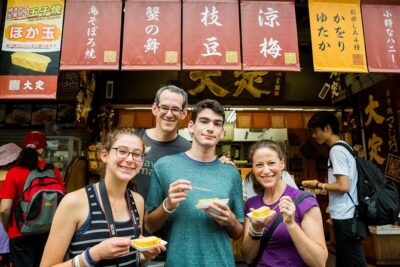
Tokyo Tsukiji Fish Market Food and Culture Walking Tour
Read our review →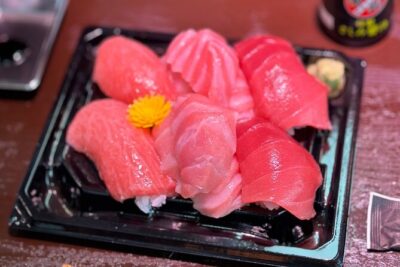

Senkyaku Banrai Toyosu Manyo Club Onsen Experience in Tokyo
Read our review →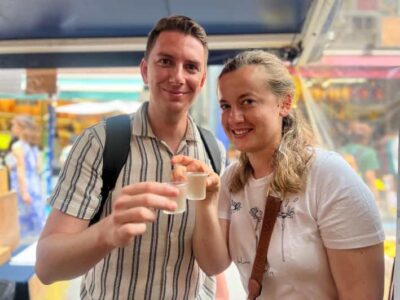
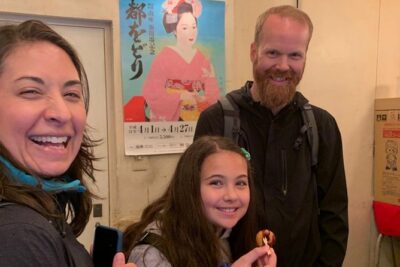
Nishiki Market Brunch Walking Tour (7 Tastings + Brunch)
Read our review →
Tokyo Sushi Making Class in Tsukiji with Professional Chef
Read our review →
Tsukiji Fish Market Guided Tour and Sushi Making with Pro Chef
Read our review →Browse the lists this tour appears in