
Reviewed · WALKING TOURS
Kyoto : Private Custom Walking Tour With A Local Guide
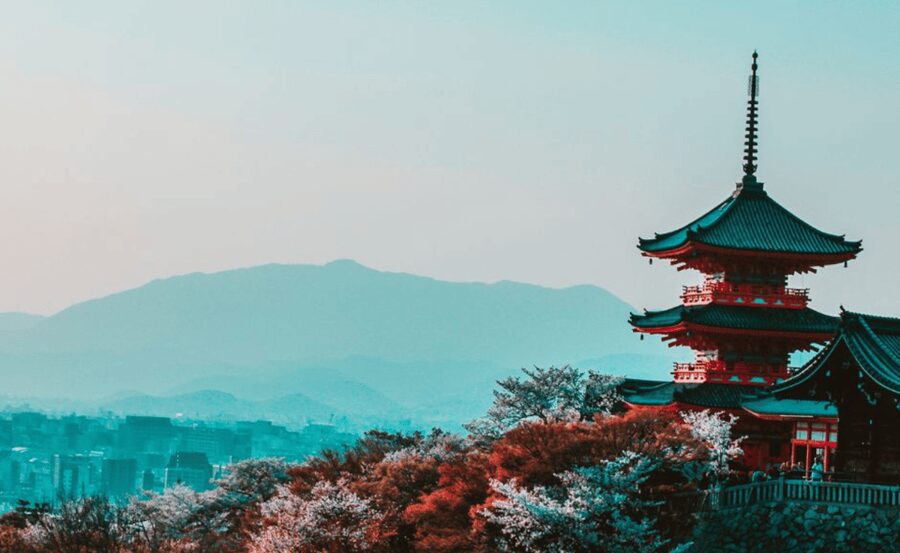
Kyoto rewards a thoughtful first step. This private tour pairs you with a local guide who can shape the day around temples, shrines, museums, neighborhoods, food, or quiet streets that are easy to miss alone. I especially like the private format and the chance to ask questions as you go. I also like that guides such as Kevin, Wajid, Jerome, and Flavio have adapted routes for children, hot weather, food interests, and different walking speeds.
The main point to consider is that the $62 price covers the guide and custom walking experience, not attraction tickets, food, or general transportation costs around Kyoto. A short two-hour booking can help you get oriented, but the price makes more sense when you use several hours and ask your guide to connect multiple areas.
In This Review
- Key points to know before booking
- Why a private Kyoto walk can be worth your time
- Starting in Kyoto with a route that can change
- Fushimi Inari and the meaning behind the gates
- Sanjusangendo and Kiyomizu-dera
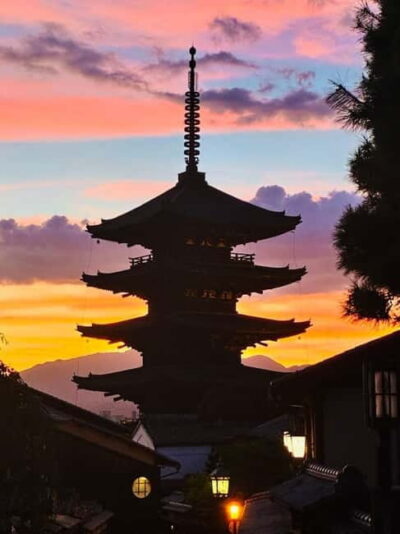
- Gion, Maruyama Park, and Kyoto’s traditional side
- Daimonji, the Philosopher’s Path, and Ginkakuji
- Food, coffee, sake, and useful local advice
- How much ground can you cover?
- What the guides add to the experience
- Price, inclusions, and the real value
- Who should book this Kyoto tour?
- Should you book it?
- FAQ
- Where does the tour take place?
- How long does the private walking tour last?
- Is the tour private?
- Which languages are available?
- Can I customize the route?
- Can the guide help arrange attraction tickets?
- Are food and drinks included?
- Is transportation included?
- Is the tour wheelchair accessible?
- What is the cancellation policy?
Key points to know before booking
- Your route is built around your interests: Request temples, shrines, museums, Gion, food, architecture, sake, or quieter areas.
- The tour lasts from two to eight hours: Two hours is useful for a quick introduction, while a full day allows several districts and breaks.
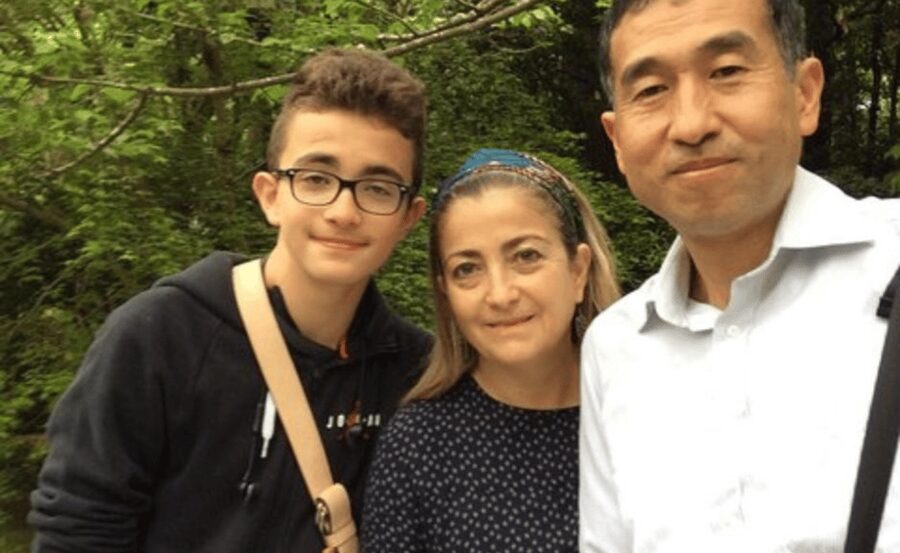
- Guides adjust to real conditions: Past tours have been changed for heat, children, walking pace, and family interests.
- Popular sights can be combined with local corners: Routes have included Fushimi Inari, Kiyomizu-dera, Gion, the Philosopher’s Path, Daimonji, and quiet riverside walks.
- Practical advice is part of the value: Guides can suggest restaurants, cafes, transport options, photo spots, and plans for the rest of your stay.
- You pay separately for extras: Food, drinks, attraction admission, and local transportation around Kyoto are not included.
Why a private Kyoto walk can be worth your time

Kyoto can feel like several cities stitched together. One district is known for wooden lanes and traditional entertainment, another for hillside temples, another for a long line of orange shrine gates. The sights are rewarding, but the distance between them and the customs at each site can make a first visit tiring.
A private guide gives you a person to help sort the city into a plan that makes sense. You can say what interests you, what you have already seen, and how much walking suits you. Instead of following a fixed route, you can spend more time on architecture, religious practice, local food, photography, or family-friendly stops.
I like this arrangement for a first day in Kyoto. A guide can help you understand the difference between a Buddhist temple and a Shinto shrine, then point out how that difference appears in gates, buildings, rituals, and daily life. Sophie’s outing with Kevin included this explanation before heading up Daimonji, followed by the Philosopher’s Path and Ginkakuji.
The guides also seem to be useful beyond the hours you book. Jerome offered restaurant and city advice, Flavio finished a long day with ramen suggested by his wife, and Kevin recommended places to eat after the walk. Those tips can save you from spending the rest of your trip searching blindly for dinner.
More Walking Tours in Kyoto
- Kyoto Geisha Walking Tour: Gion District & Hidden Gems
★ 4.7 · 3,273 reviews - Kyoto: Gion Magical Night Walking Tour with Geisha Trivia
★ 4.9 · 2,393 reviews - Kyoto: Gion Geisha District Walking Tour – Stories of Geisha
★ 4.7 · 2,187 reviews
Starting in Kyoto with a route that can change
The meeting point is in Kyoto, and hotel pickup is available when your accommodation is in the city. The exact starting location matters because Kyoto is spread out, so give your guide a clear idea of your interests before the meeting.
The experience can last from two to eight hours. That range is important. A two-hour walk is best treated as an introduction or a focused visit to one area. You could use it for Gion, a temple district, or an orientation walk near your hotel.
Four to six hours gives your guide room to connect neighborhoods and include a break. An eight-hour day can cover major sights, quieter stops, food suggestions, and more detailed explanations, although Kyoto’s heat and hills make regular pauses sensible.
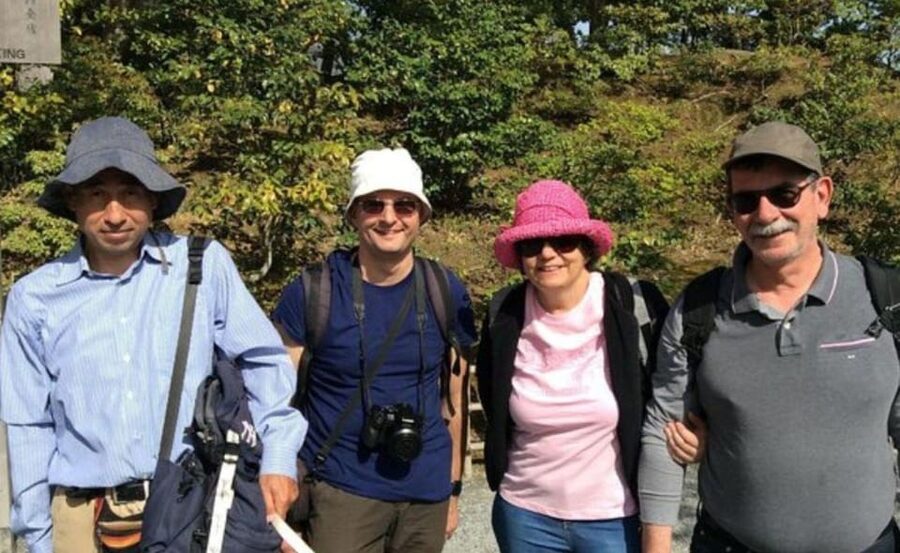
Your guide can also adapt the plan during the walk. Erin’s guide, Kev, shifted the route toward less popular spots because of the heat. Sophie’s group stopped for iced coffee, later enjoyed frozen apple pie, and adjusted the day as needed. This sort of flexibility is one of the strongest reasons to choose a private tour instead of a fixed group outing.
Fushimi Inari and the meaning behind the gates
Fushimi Inari is one of Kyoto’s most recognizable sights, with long corridors of orange torii gates climbing the wooded hillside. A guide can add context that a quick photo stop cannot, particularly by explaining how the shrine functions and what the gates represent.
You should be clear about how far you want to walk. The shrine grounds extend uphill, and a private guide can help you choose a suitable section rather than treating the entire mountain route as compulsory. If you are traveling with children, older family members, or anyone managing the summer heat, this matters.
Wajid included Fushimi Inari during a full day and explained the site while walking through the gates. The route then continued to Sanjusangendo and Kiyomizu-dera, showing how a custom day can link several major sights without becoming a simple checklist.
Admission to attractions is not included, so ask your guide in advance which places you want to enter and how ticket costs will affect your day.
Sanjusangendo and Kiyomizu-dera
Sanjusangendo is known for its hall filled with 1,001 statues of Kannon. The scale can be difficult to grasp from a short description, and a guide can help you notice the layout, religious meaning, and visual details rather than simply walking through and leaving.
Kiyomizu-dera offers a different experience, with a major temple setting and views around the hillside. The approach through Sannenzaka and Ninenzaka adds narrow lanes, traditional-looking buildings, cultural details, and plenty of photo opportunities.
Wajid paced this section carefully, explaining the temple and pointing out places to photograph. That is useful because the approach can be as memorable as the temple itself, but it can also be crowded and tiring. A private guide can slow down for pictures, move on when the lanes feel too busy, or adjust the order of stops.
Keep in mind that admission fees are separate. If you want a museum or paid site added, tell the team before the tour so they can help with ticket bookings. The guide can focus on exteriors when you prefer to keep the day moving, but museum visits are possible when arranged ahead of time.
A completely different kind of day out:
- PERFECT KYOTO 1-Day Bus Tour
★ 5.0 · 13,518 reviews - [Kyoto & Nara Day Tour] Sagano Scenic Railway & Nara Park & Fushimi Inari Taisha Thousand Torii Gates & Togetsukyo Bridge & Bamboo Grove & Kimono Forest (Departing from Osaka)
★ 4.9 · 10,942 reviews - Kyoto: Fushimi Inari, Kinkakuji, Bamboo Grove 1 Day Bus Tour
★ 4.8 · 4,316 reviews - Kyoto: Tea Ceremony in a Traditional Tea House in Kiyomizu
★ 4.9 · 3,519 reviews
Gion, Maruyama Park, and Kyoto’s traditional side

Gion is a natural choice if you want to see Kyoto’s traditional streets and learn about the city’s geisha culture. It is also an area where respectful behavior matters. A guide can explain what you are seeing without turning ordinary local life into a photo prop.
Frederic’s guide, Jerome, adapted a Gion walk for children. That detail says a lot about the experience: the route does not have to be built only for adults who want long historical explanations. A guide can keep younger visitors involved by shortening stops, adding simple observations, or changing the pace.
A route can continue into Maruyama Park, where Wajid explained geisha culture and pointed out small details such as a Pokémon manhole cover. That combination of major cultural subjects and everyday city surprises gives the walk a more complete feel. Kyoto is not only temples and old lanes. It is also a modern working city with small visual details you could easily pass by.
Daimonji, the Philosopher’s Path, and Ginkakuji
If you enjoy walking and want a less standard route, Daimonji can add a more active element. Sophie’s tour began with coffee in Sakyo before the climb, a sensible choice during a hot Kyoto day. The group then continued down toward the Philosopher’s Path and Ginkakuji.
This route can work well for visitors who want a mix of scenery, religious sites, and neighborhood atmosphere. It is not the best match for anyone seeking a short, flat stroll. Tell your guide about mobility needs and your preferred pace before setting off.
The Philosopher’s Path offers a calmer change from the busiest central sights. Ginkakuji, often called the Silver Pavilion, gives the walk a clear destination and adds gardens and temple architecture to the day. Kevin was praised for knowing when to explain and when to let the group simply enjoy the surroundings. That balance matters. Too little explanation leaves you guessing, while constant talking can make a peaceful walk feel like a lecture.
Food, coffee, sake, and useful local advice
Food is not included, but food-related interests can shape the route. The day with Flavio included a sake tour and tasting, pizza, and a final bowl of ramen. Kevin’s route included cafe stops and restaurant recommendations. These details show how a private walk can become more than a sequence of monuments.
You should tell the guide what you eat and what you want to try. The available information confirms that guides can recommend restaurants and cafes, but it does not promise a specific food tour or tasting on every booking. Sake, meals, drinks, and cafe purchases cost extra.
I see food advice as one of the best practical benefits. Kyoto dining choices can be confusing, particularly when you want something near your next stop. A good recommendation from someone who understands your budget and preferences can save time during a short stay.
How much ground can you cover?
The tour is primarily a walking experience, with public transport included as part of the walking tour arrangement. At the same time, local transportation around the city is listed as an extra, and car transportation is not included. Confirm the exact transport plan and any fares before your tour, especially if you want to move between distant districts.
The route may involve hills, temple approaches, and long stretches on foot. The guides have shown flexibility with heat and children, but you should still state your limits clearly. A private tour gives you more control, not unlimited energy.
For a couple or solo visitor, two to four hours can provide a useful introduction without taking over the day. Families may prefer a shorter route with cafe breaks. A full eight-hour booking suits people who want to combine several neighborhoods and make the guide part of their first full day in Kyoto.
What the guides add to the experience
The strongest praise is aimed at the guides’ ability to explain, adjust, and keep the day comfortable. Maria was described as having more than 25 years of experience living in Japan and as a licensed guide. Terry helped a mother and son understand the city through shrine and temple history, while Ian covered requested areas and additional stops during a two-hour booking.
The names and backgrounds of guides can vary, so you should not assume you will receive a particular person. Still, the range of guide styles is encouraging. Some guests wanted architecture and culture, some wanted food, some wanted children entertained, and others wanted efficient sightseeing. Guides such as Kenta, Kevin, Jerome, Wajid, Flavio, and Omar were praised for meeting those different needs.
A useful pre-tour message can make the difference. Send a short list of must-see places, interests, mobility concerns, food preferences, and any sights you have already booked. If you want a museum visit, say so in advance because entry tickets and timing need planning.
Price, inclusions, and the real value
At $62 per person, the tour is reasonably priced for a private experience, especially if two or more people share the guide. The value rises when you use the guide for route planning, cultural explanations, local advice, and practical help with the rest of your Kyoto stay.
The price includes a private walking tour, route customization, hotel pickup within Kyoto, and help arranging tickets for desired visits. It does not include drinks, food, attraction admission, or local transportation around the city. You also need to remember that a private tour does not make entrance fees disappear.
A two-hour booking may feel expensive if you only want a quick stroll. It becomes more convincing at four hours or longer, when the guide can connect major sights and less familiar areas. Nicola specifically wished for more time after booking two hours, which is a useful warning for anyone tempted to choose the shortest option.
You can cancel up to 24 hours before the activity for a full refund, and the reserve-now, pay-later option keeps your plans flexible. The tour is wheelchair accessible, but because it is a walking experience with varied terrain, discuss the route in advance.
Who should book this Kyoto tour?
I would choose this tour if Kyoto is new to you and you want a clear plan without surrendering control. It is also a good fit for families, couples, solo visitors, and anyone who wants to focus on a particular subject.
You are likely to get the most from it if you:
- Want to ask questions throughout the day
- Prefer a private pace to a fixed group schedule
- Need help combining several districts
- Care about temples, shrines, architecture, food, or local customs
- Want restaurant and sightseeing advice for later
- Are traveling with children or need a route adjusted for heat
I would think twice if you prefer exploring entirely alone, want all admission fees included, or expect car transportation between every stop. The tour depends on walking, communication, and a willingness to shape the day with your guide.
Should you book it?
Book it if you want Kyoto to make sense faster. The best use is a first or second day, when a guide can explain the city’s religious sites, show you how districts connect, and leave you with practical ideas for the rest of your stay.
Choose at least four hours if your budget allows, and send your priorities before meeting your guide. If you want Fushimi Inari, Kiyomizu-dera, Gion, a museum, or a food stop, list them clearly. For a focused introduction, two hours works. For a fuller Kyoto orientation with time to adapt, a longer booking offers better value.
FAQ
Where does the tour take place?
The tour takes place in Kyoto on Honshu, Japan. The pickup location is listed as Kyoto, and hotel pickup is available from accommodation located in the city.
How long does the private walking tour last?
You can book a tour lasting from two to eight hours. Starting times depend on availability.
Is the tour private?
Yes. The experience is offered for a private group rather than a shared group.
Which languages are available?
Live guides are available in English, Spanish, French, and Italian.
Can I customize the route?
Yes. The tour is customizable around your interests. You can request particular sights, areas, venues, or a museum visit.
Can the guide help arrange attraction tickets?
Yes. The team can help book tickets for visits you want to include. Attraction admission itself is not included in the tour price.
Are food and drinks included?
No. Food and drinks are not included, so you pay separately for meals, tastings, cafes, and other purchases.
Is transportation included?
The activity includes a walking tour and public transport as part of the tour arrangement, except where a different option is selected. Local transportation around the city and car transportation are not included, so confirm the transport details before booking.
Is the tour wheelchair accessible?
Yes. The activity is listed as wheelchair accessible. Discuss your preferred route with the team in advance because the experience involves walking.
What is the cancellation policy?
You can cancel up to 24 hours in advance for a full refund. You can also reserve now and pay later to keep your plans flexible.
Just added in Kyoto
- The “Golden Route” and Ancient Japan by DIAMIR Erlebnisreisen – 14-Day Tour★ 2.0 · 2 reviews
- Japan: Castles & Cuisine by G Adventures – 6-Day Kyoto to Osaka Tour★ 4.5 · 4 reviews
- Cycle Japan by Explore! – 13-Day Kyoto to Tokyo Tour★ 4.7 · 12 reviews
- Cycle Japan by Intrepid Travel – 11-Day Kyoto to Tokyo Tour★ 4.8 · 2 reviews
- Classic Japan by Intrepid Travel – 11-Day Kyoto to Tokyo Tour★ 4.4 · 14 reviews
- Ancient & Modern Japan 14-Day Tour by Exodus Adventure Travels★ 4.4 · 40 reviews
- 5 Day Cultural Adventure of Kyoto, Nara & Osaka by Tourist Journey★ 2.5 · 2 reviews
- 12 Days Kinosaki Onsen Escape: A Journey Through Japan’s Timeless Towns by UME Travel★ 4.8 · 5 reviews
Walking Tours, compared.
Kyoto Geisha Walking Tour: Gion District & Hidden Gems
Read our review →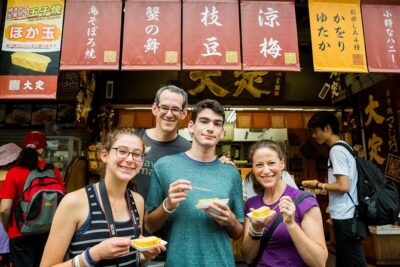
Tokyo Tsukiji Fish Market Food and Culture Walking Tour
Read our review →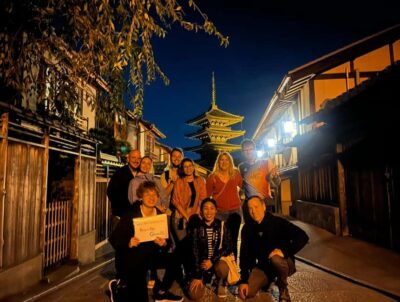
Gion Magical Night Walking Tour with Geisha Trivia
Read our review →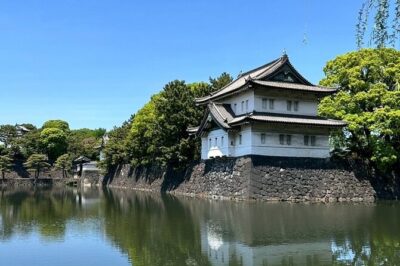
Imperial Palace and Shogun Historical Walking Tour
Read our review →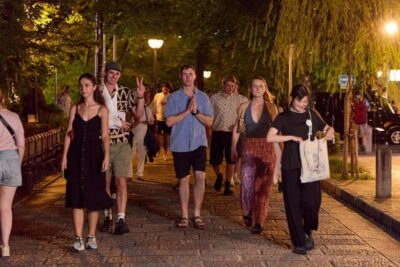
Gion Geisha District Walking Tour – Stories of Geisha
Read our review →

Shinjuku Local Bar and Izakaya Guided Walking Tour
Read our review →
Browse the lists this tour appears in