
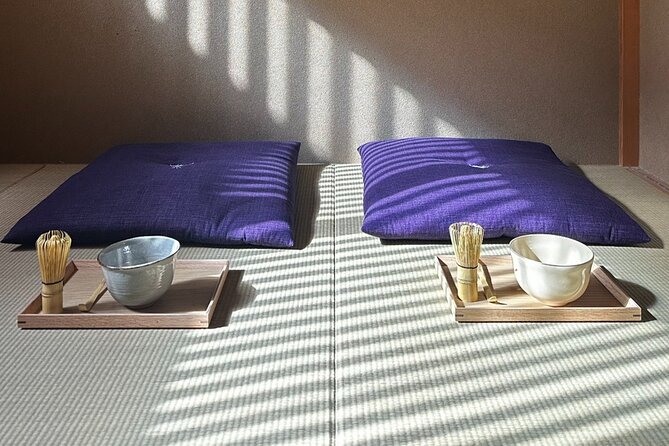
Reviewed · TEA CEREMONIES
KYOTO: Private Tea Ceremony in Hidden Townhouse (Kid-Friendly)
Tea gets personal here. This 45-minute Kyoto experience takes you into a private townhouse for a small-group matcha lesson, not a crowded performance. I like the hands-on preparation, especially the chance to mill matcha powder with a stone tool, and I like the calm, family-friendly format. The main consideration is the short running time: you get a focused introduction rather than a long, formal tea-school lesson.
The experience begins with footage of tea plantations, then moves through milling, a tea ceremony demonstration, your own cup of matcha, tasting, and matcha latte making. The host, Yuki, has been praised for being polite, friendly, and clear, while another booking described the setting as relaxing and unforgettable. At $51.24 per person, the price is fair if you want personal guidance and a cultural activity that children can join, but it may feel high if you only want to drink one prepared bowl of tea.
In This Review
- Key points at a glance
- Entering a private Kyoto townhouse
- Tea plantation footage sets the scene
- Stone milling gives the lesson a tactile center
- The demonstration shows how the pieces fit
- Making and tasting your own matcha
- Matcha latte making adds a modern finish
- Why the private format works for families
- Is $51.24 per person good value?
- Timing, tickets, and cancellation
- Who should book this matcha experience?
- Final verdict: a friendly first step into matcha
- FAQ
- Where does the tea ceremony take place?
- How long does the activity last?
- Is this a private activity?
- Are children allowed to join?
- What happens during the activity?
- Can I make my own cup of matcha?
- Is there time to take photos?
- Where does the activity end?
- Can I cancel for a full refund?
Key points at a glance
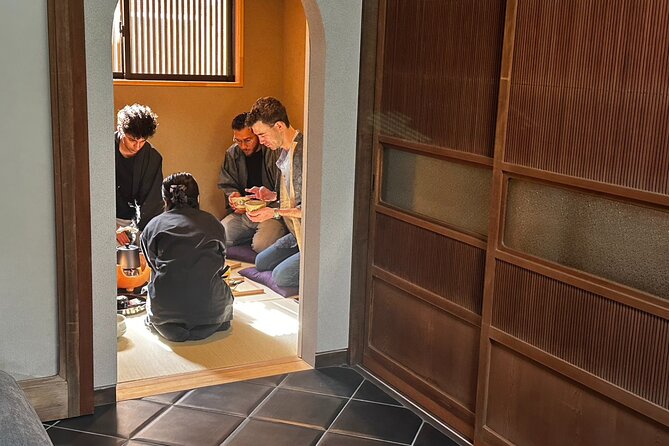
- Stone-milled matcha: You help make matcha powder with a traditional stone-milling step.
- Private townhouse setting: Only your personal group participates, which keeps the lesson quiet and flexible.
- A clear four-part format: Tea plantation footage, powder making, a demonstration, then hands-on tasting.
- Family-friendly design: Children are welcome, making this easier to plan for a mixed-age group.
- More than a tea tasting: You also make a matcha latte and learn a technique you can repeat at home.
- Easy photo time: The experience allows time to capture pictures of your tea ceremony.
Entering a private Kyoto townhouse
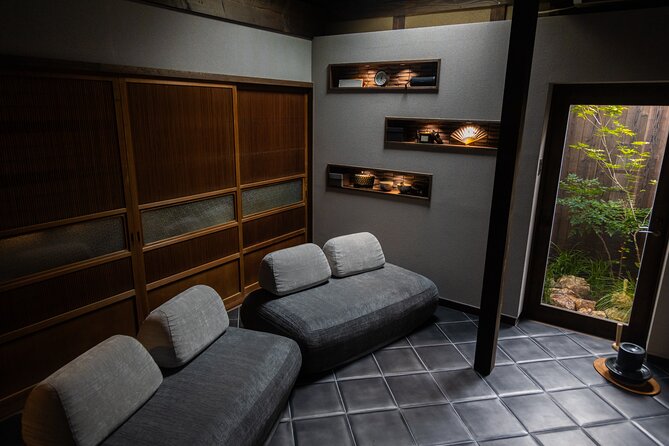
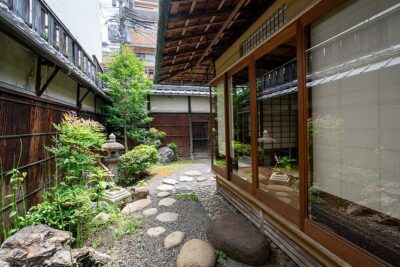
The meeting point is WOM-Way of Matcha at 863-41 Jurakucho in Kyoto’s Kamigyo Ward. The activity starts and ends at this same location, so you do not need to manage a second meeting point at the end.
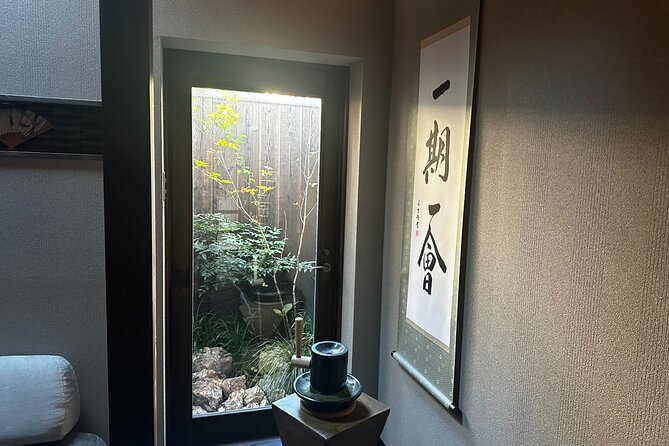
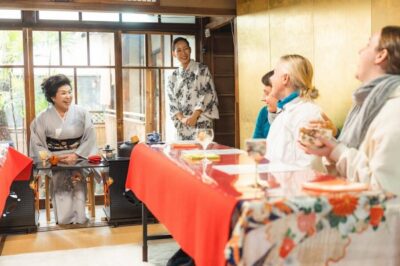
The townhouse setting matters. A private room gives the ceremony a more personal feel than a large class where you watch from the back. You can ask questions, follow the host’s movements, and let children take part without worrying about disturbing a larger group.
This is not presented as a grand, formal ceremony in a famous temple. Its appeal is smaller and more practical. You see how matcha is introduced, prepared, whisked, tasted, and adapted into a latte. For many people, that makes the experience easier to follow than a highly ritualized demonstration where every gesture feels out of reach.
The address is worth checking carefully before you set out. The supplied details identify the exact venue, but they do not provide transport instructions. I would save the address on your phone and allow enough time to find the townhouse, particularly if you are coming with children.
More Tea Ceremonies in Kyoto
- Kyoto: Tea Ceremony in a Traditional Tea House in Kiyomizu
★ 4.9 · 3,519 reviews - Kyoto: Tea Ceremony Ju-An at Jotokuji Temple
★ 4.9 · 3,207 reviews - Kyoto: 45-Minute Tea Ceremony Lesson Experience
★ 4.3 · 2,378 reviews
Tea plantation footage sets the scene
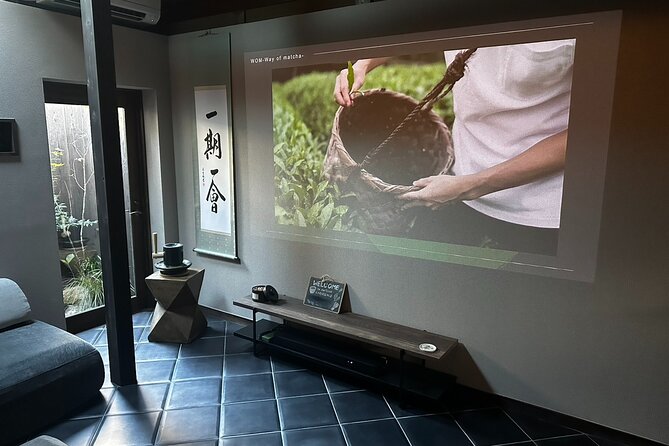
The first step is watching footage of tea plantations. This gives the activity a useful beginning because you see where the tea starts before handling the powder yourself.
The film is not a substitute for visiting a tea-growing area, but it supplies context in a compact format. In a 45-minute session, that is a sensible use of time. You get a visual connection to tea production without adding another stop to your Kyoto schedule.
I also like this opening for families. Young children may find a long explanation of tea production hard to follow, but footage offers an immediate visual hook. It helps explain that matcha is not simply green-colored tea. The experience then moves quickly from watching to doing.
Do not expect a full agricultural lesson. The available details promise footage of tea plantations, not a farm visit or a detailed account of growing regions. Think of this portion as a short introduction that prepares you for the practical work ahead.
Stone milling gives the lesson a tactile center
Next, you make matcha powder with stone milling. This is one of the most distinctive parts of the activity because it lets you take part in an earlier stage of preparation rather than starting with a ready-made bowl.
The stone-milling step also gives the experience a physical rhythm. You are not only listening to an explanation. You are handling the process and seeing how the powder used in the ceremony comes together.
The activity promises techniques you can recreate at home. That is a real advantage if you want your Kyoto experience to continue after you return. You can remember the sequence, practice making matcha in your own kitchen, and use the lesson as a starting point rather than a one-time photo opportunity.
Still, keep the scale in mind. The session lasts about 45 minutes and includes several separate activities. You should expect an introduction to stone milling, not a long technical workshop on tea production or grinding equipment.
The demonstration shows how the pieces fit
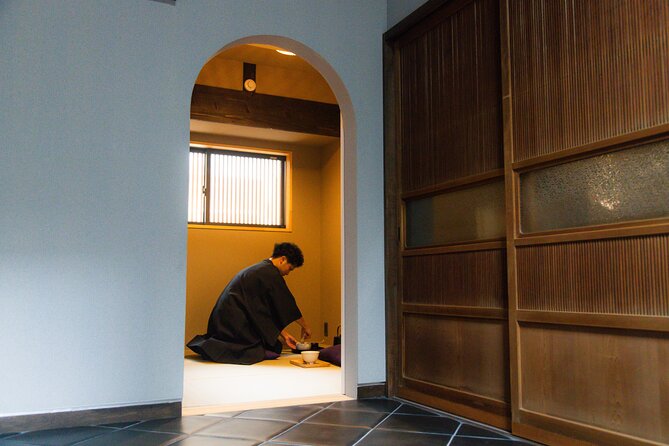
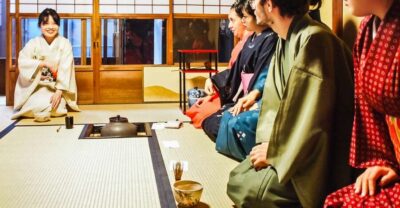
After the powder-making portion, the host gives a tea ceremony demonstration. This is where the earlier steps become easier to understand.
You can watch the order of preparation before making your own cup. That format is helpful for first-time visitors because you see the process once without the pressure of doing it yourself. Then, when it is your turn, you already know the basic flow.
A private demonstration can also make the ceremony feel less intimidating. Traditional tea customs may appear precise from the outside, and a large audience can make you hesitant to ask simple questions. Here, the personal format gives you room to pause and follow along at your own pace within the scheduled session.
The activity is still a shortened cultural experience. The information provided does not promise an extended discussion of tea ceremony history, formal etiquette, or every traditional movement. If you want a long, highly formal ceremony, this may not be the right match. If you want a clear introduction with direct participation, the format makes good sense.
A completely different kind of day out:
- PERFECT KYOTO 1-Day Bus Tour
★ 5.0 · 13,518 reviews - [Kyoto & Nara Day Tour] Sagano Scenic Railway & Nara Park & Fushimi Inari Taisha Thousand Torii Gates & Togetsukyo Bridge & Bamboo Grove & Kimono Forest (Departing from Osaka)
★ 4.9 · 10,942 reviews - Kyoto: Fushimi Inari, Kinkakuji, Bamboo Grove 1 Day Bus Tour
★ 4.8 · 4,316 reviews - Kyoto: Gion Make Your Own Chopsticks with Engraving Option
★ 5.0 · 3,465 reviews
Making and tasting your own matcha
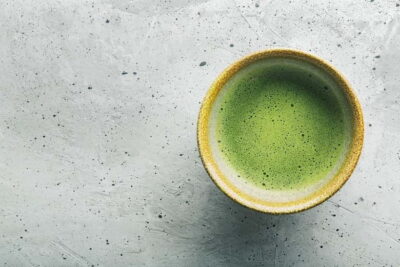
The most useful part for many visitors will be the hands-on tea making and tasting. After watching the demonstration, you prepare your own cup.
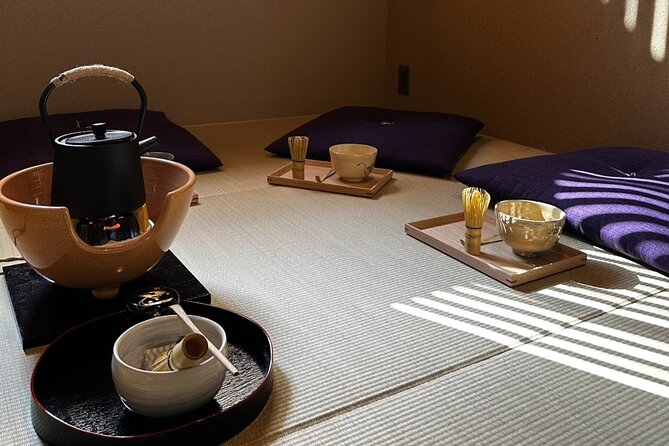
This changes the experience from passive viewing into a small skill lesson. You learn by copying the steps, noticing the texture, and tasting the result. If your first cup is not perfect, that is part of the value. You leave with a better sense of what matcha preparation involves than you would get from drinking a bowl made entirely by someone else.
The tasting also gives you a chance to notice the difference between matcha and ordinary steeped tea. The details provided do not describe a full tasting menu, so I would not book this expecting several tea varieties or a large meal. The focus is on the matcha you prepare and the related activities.
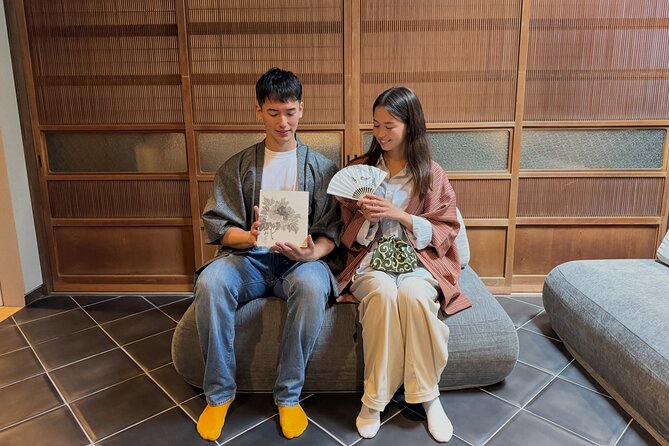
The private setting helps here. Your group can take photos during the ceremony, and you have time to record the experience without the hurried feeling common in a large group activity. Be respectful with your camera, but the activity specifically includes time for pictures, which is useful if you want a visual memory of the process.
Matcha latte making adds a modern finish
The final listed activity includes making a matcha latte. This is a smart addition because it connects a traditional preparation to something many people already recognize.
Some visitors love tea ceremony customs but are unsure about drinking strong matcha. A latte gives you another way to enjoy the powder, and children may find it more approachable than plain matcha. It also reinforces the idea that the preparation technique is useful beyond the townhouse.
For home practice, the latte portion may be especially practical. You can take the basic method back to your own kitchen and adjust it to your taste. The experience therefore has two sides: a cultural introduction through the ceremony and a familiar drink that feels easy to repeat.
The supplied information does not specify the ingredients, equipment, or whether food is served with the drinks. Plan on a tea-focused activity, not a snack stop or full refreshment break.
Why the private format works for families
Children are welcome, and the private booking is designed for your personal group only. That is a major advantage for parents. You can ask questions suited to your child’s age, and the group does not have to follow the pace or needs of strangers.
The activity also changes tasks often. You watch a film, handle stone milling, observe a demonstration, make tea, taste it, and prepare a latte. That variety can help hold a child’s attention during a short cultural lesson.
I would still explain the format before you arrive. A tea ceremony involves careful preparation and quiet attention, even if this version is relaxed and family-friendly. Children who enjoy making things, watching demonstrations, or trying new drinks are likely to get more from it than children who only want a fast sightseeing stop.
The private setting may also suit older relatives or anyone who prefers a calmer outing. The available information does not describe accessibility features, seating arrangements, or special support, so you should ask the provider directly if those points matter to your group.
Is $51.24 per person good value?
At $51.24 per person, this is not the cheapest way to sample matcha in Kyoto. You are paying for a private experience, a dedicated host, instruction, stone milling, tea preparation, tasting, latte making, and the use of a townhouse setting.
That price makes more sense when you share it with a small personal group. You receive direct attention rather than joining a large class. The value is also stronger if you want to learn a method you can repeat at home, rather than simply receive a prepared drink.
The 4.9 rating from 20 ratings and a 100 percent recommendation record suggest that the format is meeting its main purpose. The praise focuses on the host’s care and the relaxing private atmosphere. Yuki is specifically described as polite, friendly, and informative, which matters in a hands-on lesson where clear instruction shapes the whole experience.
The price is less compelling if you are already experienced with matcha or want a longer ceremony. The session lasts approximately 45 minutes, so it is best viewed as a compact introduction. I would compare it with the cost of other private cultural activities in Kyoto, not with the price of a cup of tea.
Timing, tickets, and cancellation
The duration is about 45 minutes. That makes it easy to fit between other Kyoto plans, but you should not schedule it as if it were a half-day cultural visit. The activity begins and ends at the meeting point, with no separate return transfer.
A mobile ticket is available, and booking confirmation is provided at the time of booking. The experience is private, so only your group participates.
Free cancellation is available if you cancel at least 24 hours before the local start time. Cancellations made less than 24 hours before the start are not refunded, and changes within that period are not accepted. If your Kyoto schedule is still unsettled, pay close attention to that cutoff.
Who should book this matcha experience?
I would choose this activity for families, couples, and small groups who want a cultural experience with direct participation. It also fits people who prefer a quiet indoor activity and want something more meaningful than a quick tea purchase.
It is particularly suitable if you want to:
- Learn a matcha method you can try at home
- Take part in the preparation instead of only watching
- Keep the group private
- Include children in a Japanese cultural activity
- Make time for photos
- Add a short, focused experience to a busy Kyoto day
I would hesitate if your main goal is a long, formal tea ceremony with extensive etiquette instruction. I would also look elsewhere if you want a full meal, a tea plantation visit, or a broad tasting of many teas, since none of those are included in the supplied details.
Final verdict: a friendly first step into matcha
I recommend booking this private tea ceremony if you want a compact, hands-on introduction to matcha in Kyoto. The stone milling, personal guidance, tea making, tasting, and latte preparation give the 45 minutes a clear purpose.
The best reason to choose it is the balance between culture and participation. You see a demonstration, then try the process yourself. Children can join, your own group gets the host’s attention, and the setting leaves room for photos without turning the activity into a large production.
Choose another experience if you want a longer or more formal ceremony. For everyone else, especially families and first-time matcha drinkers, $51.24 is a reasonable price for a private lesson that gives you something to remember and a technique to practice at home.
FAQ
Where does the tea ceremony take place?
It takes place at WOM-Way of Matcha, 863-41 Jurakucho, Kamigyo Ward, Kyoto, 602-8156, Japan.
How long does the activity last?
The tea ceremony lasts approximately 45 minutes.
Is this a private activity?
Yes. Only your personal group participates.
Are children allowed to join?
Yes. The experience is family-friendly, and children are welcome.
What happens during the activity?
You watch footage of tea plantations, make matcha powder with stone milling, watch a tea ceremony demonstration, make and taste your own tea, and make a matcha latte.
Can I make my own cup of matcha?
Yes. The experience includes hands-on tea making and tasting after the demonstration.
Is there time to take photos?
Yes. The experience allows time to capture photos of your tea ceremony.
Where does the activity end?
It ends back at the same meeting point where it begins.
Can I cancel for a full refund?
Yes, if you cancel at least 24 hours before the experience start time. Cancellations made less than 24 hours in advance are not refunded.
Just added in Kyoto
- The “Golden Route” and Ancient Japan by DIAMIR Erlebnisreisen – 14-Day Tour★ 2.0 · 2 reviews
- Japan: Castles & Cuisine by G Adventures – 6-Day Kyoto to Osaka Tour★ 4.5 · 4 reviews
- Cycle Japan by Explore! – 13-Day Kyoto to Tokyo Tour★ 4.7 · 12 reviews
- Cycle Japan by Intrepid Travel – 11-Day Kyoto to Tokyo Tour★ 4.8 · 2 reviews
- Classic Japan by Intrepid Travel – 11-Day Kyoto to Tokyo Tour★ 4.4 · 14 reviews
- Ancient & Modern Japan 14-Day Tour by Exodus Adventure Travels★ 4.4 · 40 reviews
- 5 Day Cultural Adventure of Kyoto, Nara & Osaka by Tourist Journey★ 2.5 · 2 reviews
- 12 Days Kinosaki Onsen Escape: A Journey Through Japan’s Timeless Towns by UME Travel★ 4.8 · 5 reviews
Tea Ceremonies, compared.
Tea Ceremony in a Traditional Tea House in Kiyomizu
Read our review →
World Heritage Kyoto & Nara Uji Authentic Matcha Experience
Read our review →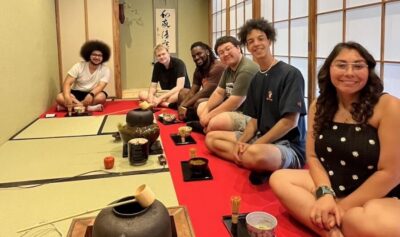
Browse the lists this tour appears in