
Reviewed · TEA CEREMONIES
Kyoto Private Tea Ceremony with Tea Master at Home
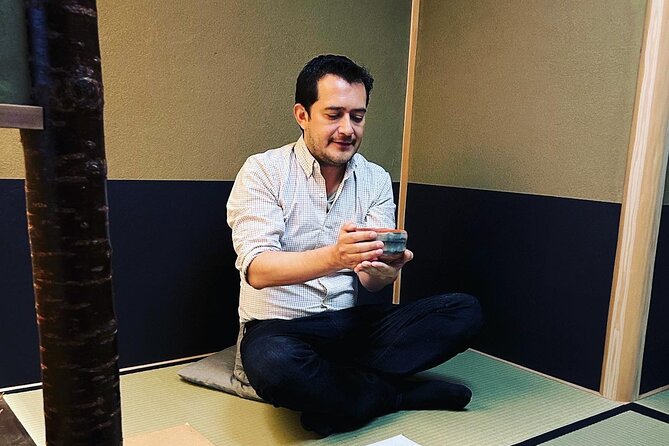
Kyoto’s quietest lessons often happen at home. Near Nijo Castle, Aya-sensei welcomes you into a traditional tea room for a private ceremony, careful instruction, and hands-on matcha preparation. I like the intimate setting and the chance to see the ritual as a living practice rather than a stage show.
The experience includes three seasonal wagashi from a long-established Kyoto confectioner, two bowls of blended Uji matcha, and a small booklet to take home. The sweets are gluten-free and vegan, which makes this an unusually easy cultural activity to fit into many itineraries and diets.
The main limitation is the short one-hour format. You will learn a great deal, but this is an introduction, not a full tea-school course. Strict arrival, clothing, fragrance, and age rules also matter, so read the practical notes before booking.
In This Review
- Key Points
- Entering a Traditional Home Near Nijo Castle
- What Happens During the One-Hour Ceremony
- Three Wagashi With a Seasonal Taste
- Why Aya’s Teaching Makes the Difference
- Tea Bowls, Uji Matcha, and Kyoto Craft
- What the Price of $99.08 Really Buys
- Dress Rules You Should Take Seriously
- Timing, Punctuality, and Cancellation
- Who Will Enjoy This Most
- Should You Book the Kyoto Home Tea Ceremony?
- FAQ
- Where does the Kyoto tea ceremony take place?
- How long does the tea ceremony last?
- How much matcha is included?
- Are the Japanese sweets suitable for vegan and gluten-free diets?
- Can children join the experience?
- What should I wear to the tea ceremony?
Key Points
- A real Kyoto home near Nijo Castle: You enter a private residence and use its traditional tea rooms, Koma and Hiroma.
- Aya-sensei leads the ceremony: Her calm teaching, clear English, patience, and warm manner are central to the experience.
- Two bowls of Uji matcha: You watch a formal preparation, then whisk matcha yourself under guidance.
- Three seasonal wagashi: The handcrafted sweets come from a long-established Kyoto confectioner and are gluten-free and vegan.
- Private rather than crowded: Only your own party takes part, allowing time for questions and a quieter pace.
- Tatami etiquette matters: Wear socks, long pants or a long skirt, and a sleeved top. Arrive no more than 15 minutes late.
Entering a Traditional Home Near Nijo Castle
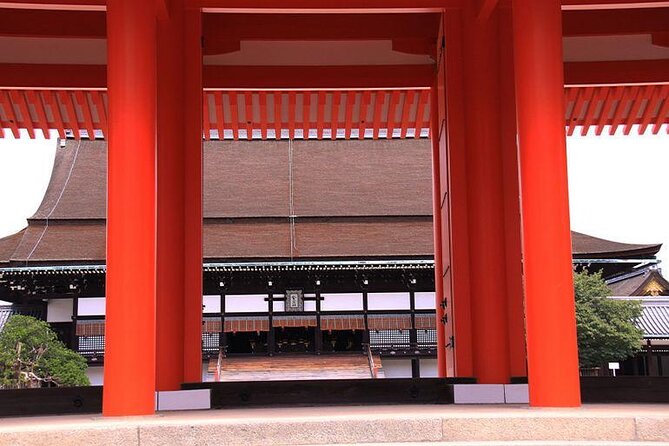
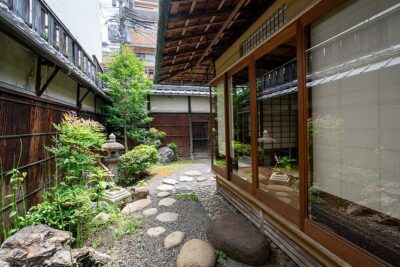
The meeting point is Sakura Experience Japanese Culture Nijo Home at 660 Izumicho in Nakagyo Ward. It is near public transportation and about a six-minute walk from Hotel Mitsui, according to one detailed account of the location. The activity begins and ends here, so you do not need to arrange a separate return transfer.
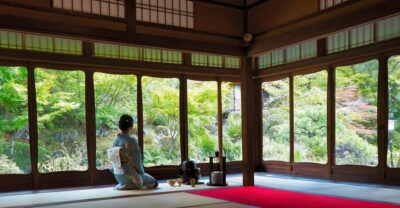
The setting is important. This is not a large hall with several dozen people watching a demonstration from the back. You enter a local home, remove yourself from the busy rhythm of Kyoto, and move into a room where the arrangement of tea utensils, bowls, sweets, and flowers carries meaning.
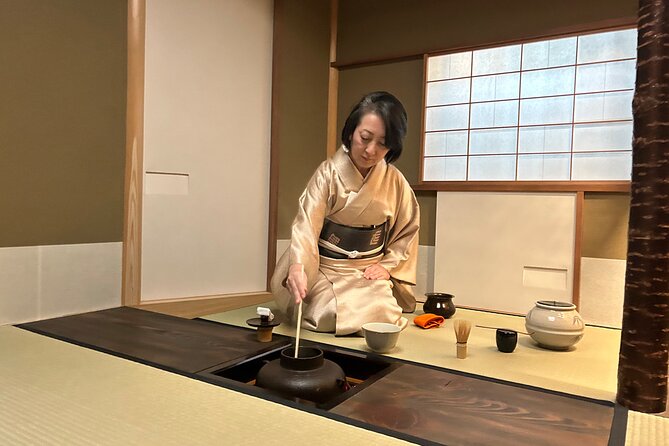
The home includes two traditional tea rooms, Koma and Hiroma. The exact room used can depend on the session, but the essential point is the scale: you are close enough to see how Aya handles each tool and to ask questions without raising your voice.
That privacy gives the ceremony its strongest quality. You are not simply watching a Japanese custom. You are being shown how it works, why each gesture matters, and how the host prepares a calm space for the person receiving tea.
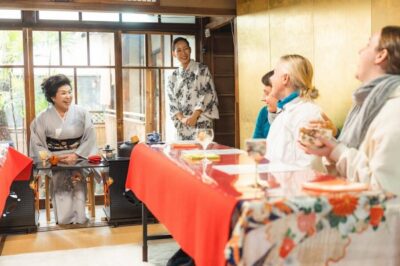
The atmosphere is quiet and formal, but it is not cold. Aya’s teaching style is repeatedly praised for being friendly and patient, especially with international participants. Her English is described as very clear, which matters here because tea ceremony has many small movements that are difficult to understand through gestures alone.
More Tea Ceremonies in Kyoto
- Kyoto: Tea Ceremony in a Traditional Tea House in Kiyomizu
★ 4.9 · 3,519 reviews - Kyoto: Tea Ceremony Ju-An at Jotokuji Temple
★ 4.9 · 3,207 reviews - Kyoto: 45-Minute Tea Ceremony Lesson Experience
★ 4.3 · 2,378 reviews
What Happens During the One-Hour Ceremony
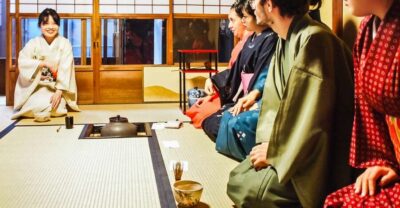
The hour begins with an introduction to the tea ceremony and its place in Japanese culture. Aya explains the basic etiquette and the order of the ritual before asking you to take part.
Expect to learn where to sit, how to receive the tea bowl, and how to appreciate the sweets and tea in the proper sequence. These details may look minor at first, but they help you understand that the ceremony is not just about drinking matcha. It is a carefully arranged exchange between host and visitor.
The demonstration is the visual heart of the session. Aya prepares tea with deliberate movements, using traditional equipment and custom-made tea bowls commissioned from Kiyomizu and Raku potters. The bowl is not just a cup. Its shape, glaze, season, and position in the room all contribute to the experience.
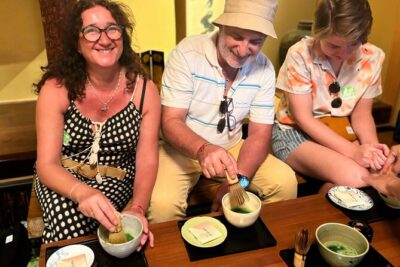
You then prepare your own matcha with a bamboo whisk. This hands-on section is a major reason to choose this activity over a ceremony where you only watch. Whisking looks simple, but producing a smooth, light foam takes a little control. Aya guides you through the process so you can focus on the motion rather than worry about getting it perfect.
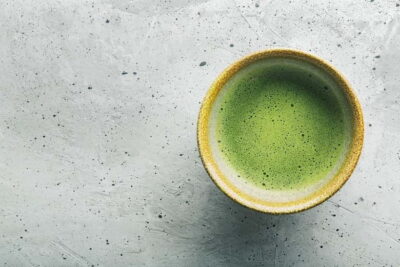
The package includes two bowls of matcha made with an original blend from Uji, one of Japan’s most respected tea-growing areas. One bowl is prepared for you as part of the formal service, and the other is connected to your own preparation. The information provided confirms two bowls are included, while the precise order may vary slightly during the class.
Do not expect a large tasting flight or a café-style matcha lesson. The emphasis is on the ritual, the tools, and the relationship between host and recipient. If you already drink matcha regularly, you may find the cultural explanation more valuable than the beverage itself.
Three Wagashi With a Seasonal Taste
The sweets are more than a snack placed beside the tea. Three types of seasonal wagashi are included, prepared by a long-established Kyoto confectioner. Their changing forms help connect the ceremony to the time of year.
Wagashi are often small and restrained in appearance, but they can carry seasonal references through color, shape, and ingredients. Here, they prepare your palate for the matcha and give Aya a natural way to explain how food fits into the tea ceremony.
The dietary information is particularly useful. All three sweets are gluten-free and vegan, making this activity easier for people who often need to ask detailed questions at Japanese food experiences. You should still communicate any serious allergy before booking, since the available information confirms dietary categories but does not provide a full ingredient list.
The balance between bitter matcha and sweet wagashi is part of the lesson. The sweetness softens the tea, while the tea keeps the sweets from becoming heavy. It is a small example of how the ceremony considers the whole experience rather than treating each item separately.
Why Aya’s Teaching Makes the Difference
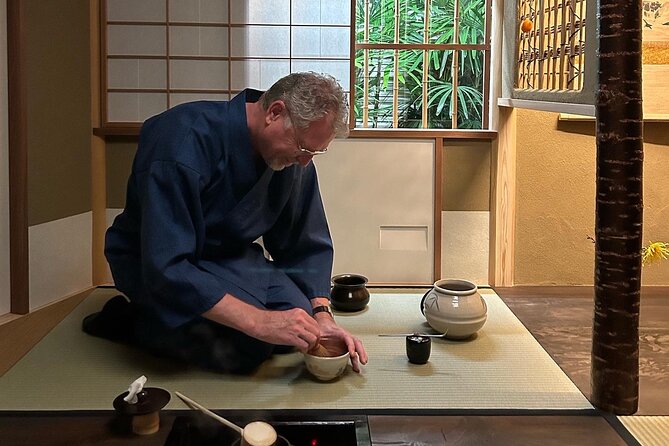
A tea ceremony can be difficult to understand if it is presented only as a list of rules. Aya appears to avoid that problem by explaining both the action and the reason behind it.
She has been praised for making the session informative and hands-on, with enough patience for beginners to feel comfortable. That is especially useful if you are unfamiliar with Japanese etiquette or worried about making a mistake on tatami.
Her approach also seems well suited to families with older children and teenagers. One account describes a teen daughter enjoying the balance of learning and fun. However, the age policy is firm: children aged 13 and under cannot join. If you arrive with a younger child without prior notice, you will not be able to participate and will not receive a refund.
Aya’s husband has sometimes taken photographs during the ceremony and sent them to the group while the session was still underway. This is a thoughtful extra when available, since it lets you remain focused on the ritual instead of stopping to use your own phone. It is best viewed as a welcome possibility rather than a guaranteed inclusion in every booking.
The teaching is not limited to matcha technique. Aya introduces the spirit of tea, the background of the practice, and the care given to each guest and object. That wider context is what gives the hour lasting value. You may leave thinking less about how to make foam and more about hospitality, attention, and the Japanese idea of giving full care to a single meeting.
A completely different kind of day out:
- PERFECT KYOTO 1-Day Bus Tour
★ 5.0 · 13,518 reviews - [Kyoto & Nara Day Tour] Sagano Scenic Railway & Nara Park & Fushimi Inari Taisha Thousand Torii Gates & Togetsukyo Bridge & Bamboo Grove & Kimono Forest (Departing from Osaka)
★ 4.9 · 10,942 reviews - Kyoto: Fushimi Inari, Kinkakuji, Bamboo Grove 1 Day Bus Tour
★ 4.8 · 4,316 reviews - Kyoto: Gion Make Your Own Chopsticks with Engraving Option
★ 5.0 · 3,465 reviews
Tea Bowls, Uji Matcha, and Kyoto Craft
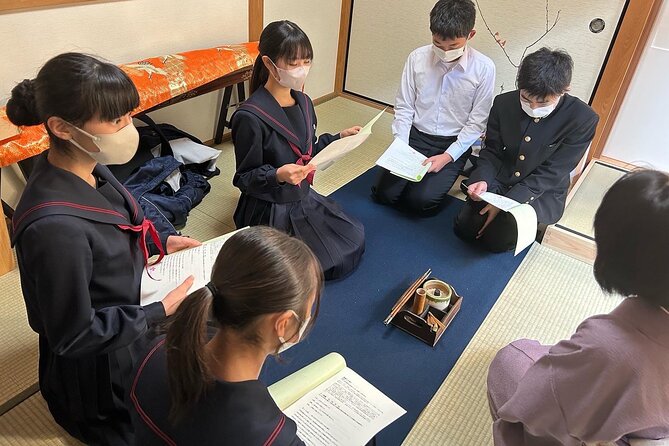
The materials used here add a layer of local character. The matcha comes from historic tea gardens in Uji, while the tea bowls include custom pieces commissioned from Kiyomizu and Raku potters.
You do not need to be a ceramics expert to appreciate the difference. A bowl feels personal in the hand, and its design affects how you see the tea. The shape can guide the way you hold it. The glaze can change the color of the matcha. The weight and texture become part of the quiet attention that defines the ceremony.
This is also a good place to ask questions. If you are curious about Kyoto pottery, tea gardens, or the difference between a formal tea bowl and an everyday cup, the private format gives you a better chance to receive a direct answer.
The tea is served in small quantities, so do not book this as a way to satisfy a serious caffeine craving. Book it for the chance to understand why the bowl, whisk, sweets, room, and host are treated as one composition.
What the Price of $99.08 Really Buys
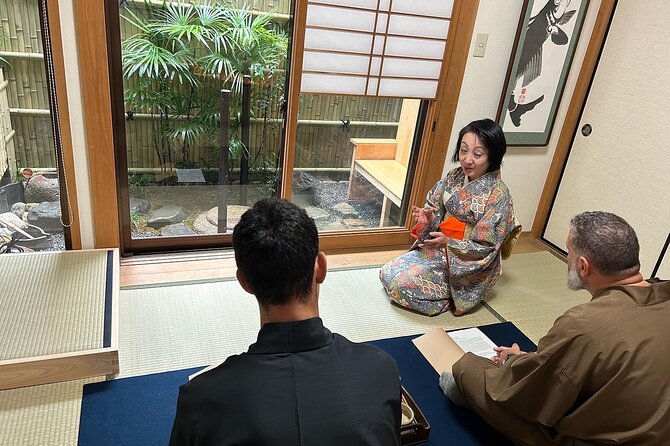
At $99.08 per person, this is not the cheapest matcha activity in Kyoto. You can find casual tea-making demonstrations and tasting sessions for less, especially in larger group settings.
The value here comes from the private home setting and the attention from a licensed instructor. You are paying for a small cultural lesson with direct teaching, two bowls of matcha, three handmade sweets, access to a traditional tea room, and a booklet that helps you remember the etiquette afterward.
The private format matters most when your group has questions or different comfort levels. A first-time participant can ask for clarification. Someone already familiar with matcha can focus on finer points. Nobody has to compete with a large crowd for a view of the whisk or tea bowl.
Group discounts are available, though the exact saving depends on the booking details. For couples, families with eligible children, or small groups of friends, compare the total cost with a larger public ceremony. The extra cost may be worthwhile if privacy and direct instruction are high on your list.
The booklet is a modest souvenir, not a major gift. Its value is practical: you can revisit the basic spirit and etiquette after leaving Kyoto, and perhaps use the knowledge when you prepare matcha at home.
Dress Rules You Should Take Seriously
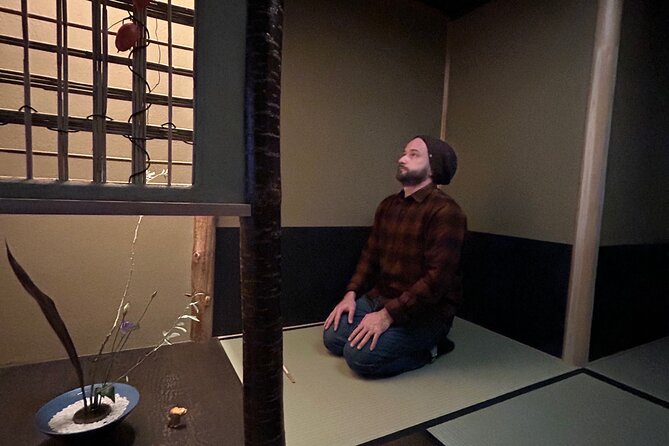
Tea ceremony is performed on tatami, so clothing and hygiene rules are part of the experience rather than a minor suggestion.
Wear socks. Bare feet are not permitted, and socks can be purchased on site if you forget. Choose long pants or a long skirt and a top with sleeves. Shorts, mini skirts, and sleeveless tops are not allowed.
Leave perfume and strong fragrance at the hotel. The tea room depends on subtle smells from tea, sweets, wood, and seasonal items. A heavy scent can disturb that balance, and you may be asked to remove the fragrance before entering.
Small chairs are available for anyone who needs them, but you should request one in advance. The supplied information does not give a full accessibility assessment, so contact the provider if you have mobility concerns or need a specific seating arrangement.
These rules can feel strict if you arrive expecting a casual workshop. They make sense once you understand that the room is being treated as a formal cultural space. Plan your outfit before you leave, and you will avoid an awkward start.
Timing, Punctuality, and Cancellation
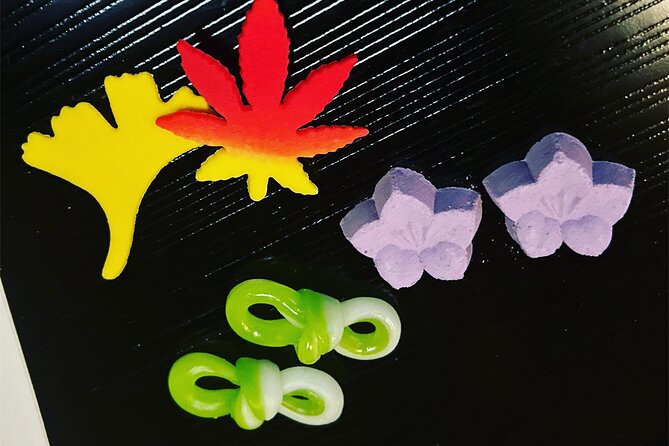
The session lasts about one hour, making it easy to pair with Nijo Castle or other nearby sightseeing. One useful plan is to attend the ceremony in the morning and walk to Nijo Castle afterward, as the location makes that combination practical.
Arrive on time. Anyone more than 15 minutes late cannot participate, and no refund is provided. This is stricter than many sightseeing activities because entering late would interrupt the ceremony and disturb the room’s quiet rhythm.
Confirmation is provided when you book, and the activity accepts mobile tickets. Free cancellation is available up to 24 hours before the local start time. Cancellations or changes made within 24 hours are not accepted for a refund.
The experience is often booked well ahead, with an average booking lead time of about 48 days. That suggests you should reserve early if your Kyoto dates are fixed, especially if you want a particular time for a private group.
Who Will Enjoy This Most
I would choose this experience if you want cultural context, not just a photograph in a kimono. You will see no kimono rental here, and that is worth noting because one former participant expected one. The provider previously offered kimono but now focuses on a more traditional lesson and fuller explanation of the tea ceremony.
It suits couples, adult family groups, friends, and older teenagers. It is also a strong choice for anyone who appreciates crafts, quiet rooms, Japanese etiquette, or small food details.
You may want something else if you prefer a lively class, a long food tasting, or a broad introduction to several Japanese arts in one booking. The hour is focused tightly on tea ceremony, and the mood is calm rather than theatrical.
If you have already attended a large tea demonstration, the private setting may feel more personal and less meditative in the best sense. You can see the host’s hands, ask questions, and prepare tea yourself instead of simply watching from a distance.
Should You Book the Kyoto Home Tea Ceremony?
Yes, if you want a quiet, personal introduction to Kyoto’s tea tradition and value direct instruction. Aya’s warmth, clear English, careful use of Uji matcha, handmade wagashi, and beautiful tea bowls make this more meaningful than a quick tourist demonstration.
The price is fair for a private one-hour session, though not a bargain activity. Book it early, follow the dress and fragrance rules, and arrive well before the start time.
I would skip it only if your schedule is too tight for a fixed appointment, you are bringing a child aged 13 or under, or you expect kimono dressing and a longer ceremony. For everyone else, this offers a thoughtful hour in Kyoto, with enough practical knowledge to continue the ritual after you return home.
FAQ
Where does the Kyoto tea ceremony take place?
It takes place at Sakura Experience Japanese Culture Nijo Home, located at 660 Izumicho in Nakagyo Ward, Kyoto, near Nijo Castle and public transportation.
How long does the tea ceremony last?
The experience lasts approximately one hour and ends at the same location where it begins.
How much matcha is included?
Two bowls of matcha are included. The tea is made with an original blended matcha sourced from Uji.
Are the Japanese sweets suitable for vegan and gluten-free diets?
Yes. The three seasonal wagashi included with the ceremony are gluten-free and vegan. A full ingredient list is not provided, so contact the provider about serious allergies.
Can children join the experience?
Children aged 13 and under are not permitted to participate. The age rule is strict, and arriving with an unannounced younger child can result in a refused booking without a refund.
What should I wear to the tea ceremony?
Wear socks, long pants or a long skirt, and a top with sleeves. Shorts, mini skirts, sleeveless tops, bare feet, and perfume are not permitted. Small chairs can be arranged if requested in advance.
Just added in Kyoto
- The “Golden Route” and Ancient Japan by DIAMIR Erlebnisreisen – 14-Day Tour★ 2.0 · 2 reviews
- Japan: Castles & Cuisine by G Adventures – 6-Day Kyoto to Osaka Tour★ 4.5 · 4 reviews
- Cycle Japan by Explore! – 13-Day Kyoto to Tokyo Tour★ 4.7 · 12 reviews
- Cycle Japan by Intrepid Travel – 11-Day Kyoto to Tokyo Tour★ 4.8 · 2 reviews
- Classic Japan by Intrepid Travel – 11-Day Kyoto to Tokyo Tour★ 4.4 · 14 reviews
- Ancient & Modern Japan 14-Day Tour by Exodus Adventure Travels★ 4.4 · 40 reviews
- 5 Day Cultural Adventure of Kyoto, Nara & Osaka by Tourist Journey★ 2.5 · 2 reviews
- 12 Days Kinosaki Onsen Escape: A Journey Through Japan’s Timeless Towns by UME Travel★ 4.8 · 5 reviews
Tea Ceremonies, compared.
Tea Ceremony in a Traditional Tea House in Kiyomizu
Read our review →
World Heritage Kyoto & Nara Uji Authentic Matcha Experience
Read our review →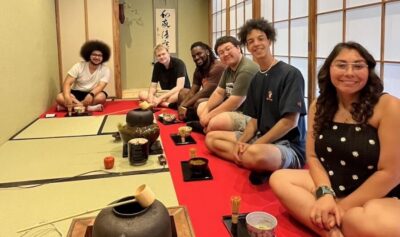
Browse the lists this tour appears in