
Reviewed · TEA CEREMONIES
Kyoto: Quiet and Graceful Tea Ceremony
Kyoto slows down over a bowl of tea. This 45-minute ceremony offers careful instruction from a tea master, plus premium matcha and seasonal Japanese sweets in a private tea room. I also like the small group size, capped at eight, which gives the ritual a calm, personal feel. The main drawback is simple: kimono rental is not included, and photography is restricted during the tea preparation.
This is not a flashy stage show or a costume photo opportunity. It takes place in a tea master’s private home, specially designed for tea ceremony. That makes the setting feel genuine, though some people may find it less polished than a formal tea house. At $56.49 per person, you are paying for quiet instruction and cultural context, not a long outing or a full afternoon of entertainment.
In This Review
- Key points to know before booking
- Entering a private tea room in central Kyoto
- The opening explanation makes the ritual easier to follow
- Seasonal sweets come before the matcha
- Watching a tea master prepare premium matcha
- Your turn to whisk the tea
- What the quiet atmosphere does well
- Is $56.49 a fair price?
- Who will enjoy this Kyoto tea ceremony?
- Practical details that affect your visit
- Should you book this tea ceremony?
- FAQ
- How long does the tea ceremony last?
- How much does the tea ceremony cost?
- What is included in the experience?
- Is kimono rental included?
- Can I take photos during the ceremony?
- Where does the activity meet?
- Where does the activity end?
- How many people can join?
- Can I cancel for a full refund?
Key points to know before booking
- The ceremony lasts about 45 minutes, making it easy to fit between Kyoto sightseeing stops.
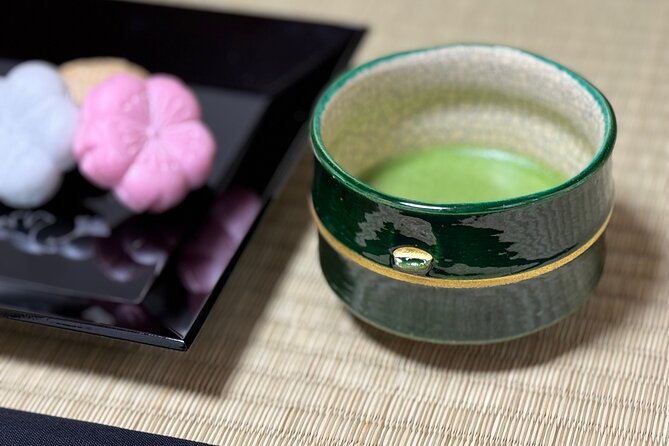
- Matcha and traditional seasonal sweets are included, with the sweets served as a counterpoint to the tea’s bitterness.
- You learn the ritual, then take part yourself, including preparing your own matcha.
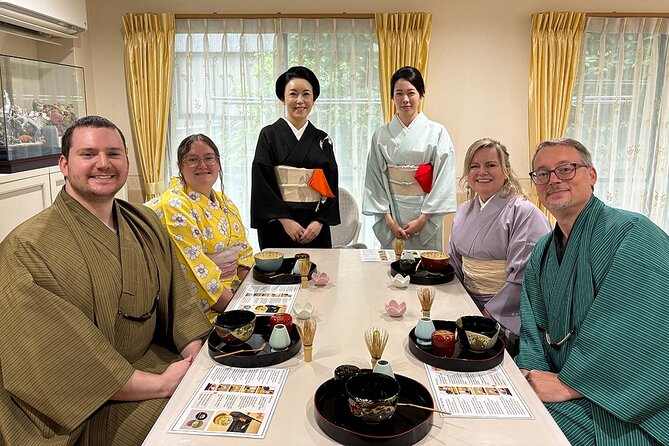
- The group is limited to eight people, so the experience feels personal rather than crowded.
- Kimono rental is not part of the booking, and no photos or videos are allowed during the tea performance.
- The setting is a private tea master’s home, near public transportation in central Kyoto.
Entering a private tea room in central Kyoto
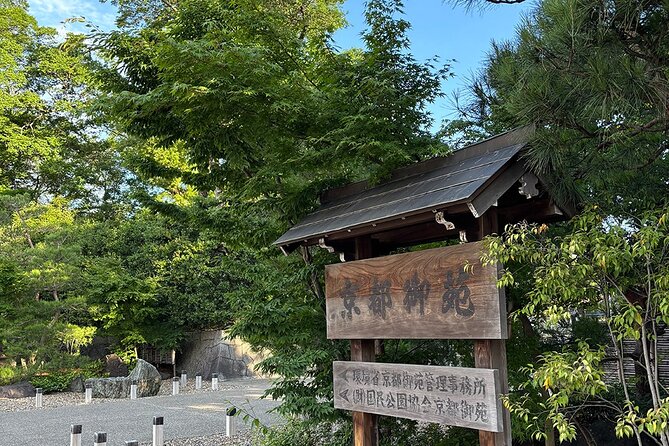
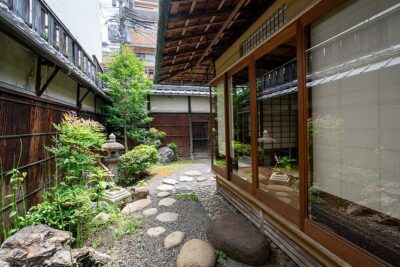
The meeting point is at 450-1 Sanbongichō, Nakagyo Ward, Kyoto, 604-0871. The listed address is associated with 南総合会計事務所, so check your booking confirmation carefully and allow a little time to identify the entrance. The location is near public transportation, which helps when you are moving around central Kyoto without a car.
The activity ends where it begins. That matters in Kyoto, where a short cultural stop can fit neatly into a day that already includes temples, markets, or shopping streets. You do not need to commit half a day to this experience.
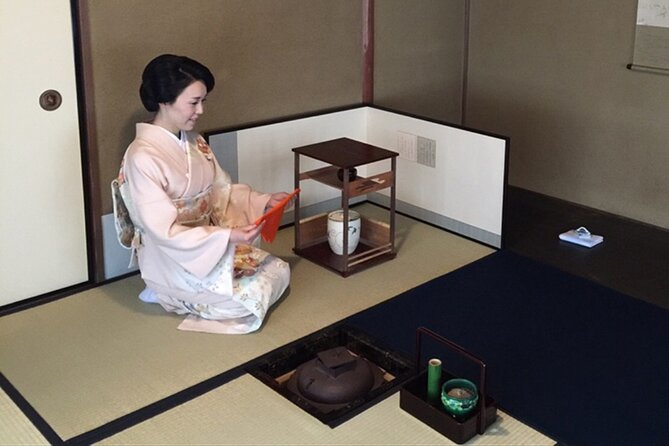
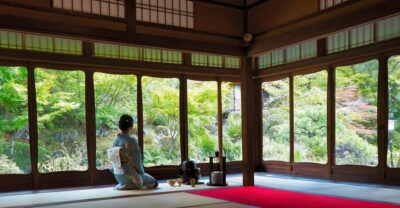
Once inside, expect a quiet tatami room rather than a large commercial venue. The ceremony is held in the tea master’s private house, a detail that divides opinion in a useful way. I see it as a strength if you want to understand how the ritual feels in a real domestic setting. If you expect an ornate tea house, a garden view, or a grand historical building, the surroundings may feel plain.
The room is designed for tea ceremony, and the presentation is built around restraint. The focus is on the tea utensils, the host’s movements, and the rhythm of the process. One practical note comes from a November visit: the house felt cold. If you are visiting in cooler weather, dress warmly enough to sit comfortably on a tatami floor.
More Tea Ceremonies in Kyoto
- Kyoto: Tea Ceremony in a Traditional Tea House in Kiyomizu
★ 4.9 · 3,519 reviews - Kyoto: Tea Ceremony Ju-An at Jotokuji Temple
★ 4.9 · 3,207 reviews - Kyoto: 45-Minute Tea Ceremony Lesson Experience
★ 4.3 · 2,378 reviews
The opening explanation makes the ritual easier to follow
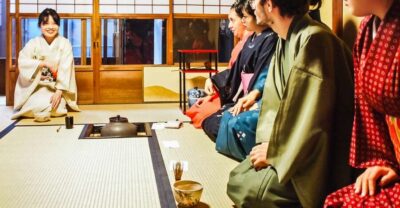
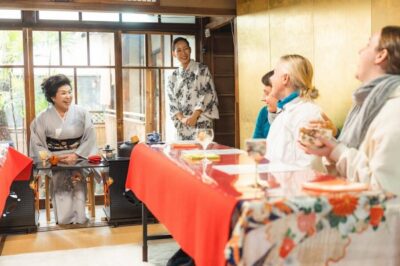
A tea ceremony can look mysterious if you do not know what you are seeing. The host helps by explaining the etiquette, how to enter and sit, and the meaning behind the sequence of movements.
This guidance is valuable because Japanese tea ceremony is not simply a matter of whisking green tea. The order of actions, the handling of utensils, and the way tea and sweets are received all form part of the experience. You will have a better sense of purpose when the host pauses, turns, bows, or places an item with care.
The best part is that the tone appears to be relaxed rather than strict. Several visitors found the teachers patient and welcoming, especially for first-time participants. One host, Mai, received particular praise for her graceful presentation, clear explanations, warmth, and thoughtful answers during the question period.
English support is available from at least one host, who was described as speaking very clearly. Still, staffing can vary. One person found a newer host well prepared and open to questions, though not every session may have the same presenter.
You should not expect a lecture packed with dates and terminology. The value is more practical. You learn how to sit, how to receive the tea, and why small gestures matter. That approach works well for people who want cultural understanding without a formal academic lesson.
Seasonal sweets come before the matcha
Traditional Japanese sweets are served with the tea. They are not just a small snack added to the ticket. Their sweetness balances the strong, grassy taste of matcha and prepares your palate for the drink.
The sweets are seasonal, which gives this short experience a connection to the time of year. The exact sweet can change, so do not book expecting one specific item. Several people found the local sweets delicious, though one family discovered that not every child liked the flavor. The host kindly brought Oreos for the children, a small gesture that says a lot about the friendly tone of the experience.
You will likely eat the sweet before drinking the matcha. That order is part of the etiquette and helps explain why the tea does not need sugar. If you are used to sweetened café drinks, premium matcha may surprise you. It is vegetal, slightly bitter, and more concentrated than ordinary green tea.
I like this pairing because it gives you something tangible to notice. You are not simply told that Japanese tea culture values balance. You taste the contrast yourself.
Watching a tea master prepare premium matcha
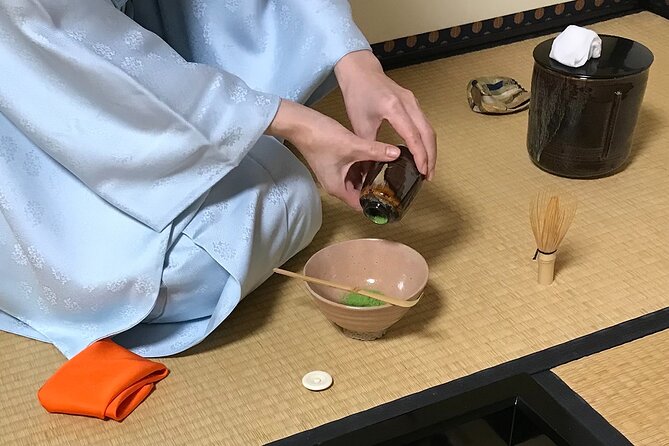
The central performance is the preparation of matcha. The host works through each step with deliberate movements, placing and handling the utensils in a set order.
This is where the room’s quiet becomes important. The ceremony is not built around constant conversation. The pauses allow you to notice the sound of the whisk, the movement of the hands, and the careful placement of each object. Several people found this calm and almost meditative, especially after a busy day of sightseeing.
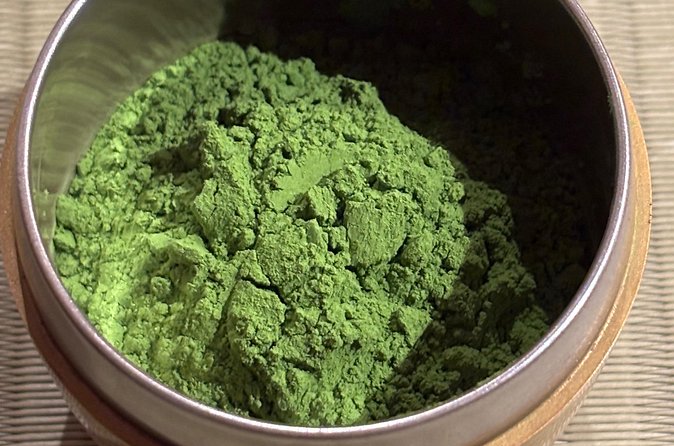
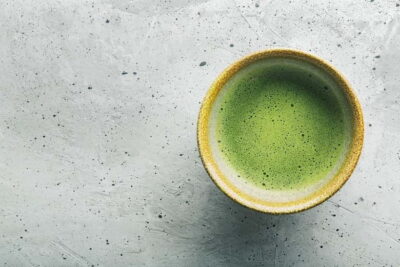
The tea is described as premium matcha sourced from Kyoto producers. Taste is personal, of course, but the matcha received strong praise for its quality. One person called it the best matcha they had tried, while others simply noted its pleasant flavor alongside the sweets.
Photography and video are not allowed during the tea performance. This rule may disappoint anyone hoping to record every movement, but it protects the quiet concentration of the ceremony. Photos are allowed before and after the ceremony, and the host’s response specifically clarifies that you may take pictures while making your own matcha.
That distinction is important. Bring your camera if you like, but plan to keep it away during the main demonstration. You will get more from the experience if you watch with both hands free and your attention off the screen.
A completely different kind of day out:
- PERFECT KYOTO 1-Day Bus Tour
★ 5.0 · 13,518 reviews - [Kyoto & Nara Day Tour] Sagano Scenic Railway & Nara Park & Fushimi Inari Taisha Thousand Torii Gates & Togetsukyo Bridge & Bamboo Grove & Kimono Forest (Departing from Osaka)
★ 4.9 · 10,942 reviews - Kyoto: Fushimi Inari, Kinkakuji, Bamboo Grove 1 Day Bus Tour
★ 4.8 · 4,316 reviews - Kyoto: Gion Make Your Own Chopsticks with Engraving Option
★ 5.0 · 3,465 reviews
Your turn to whisk the tea
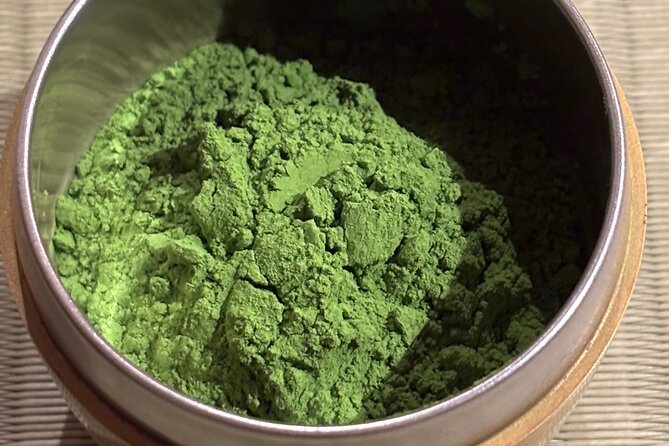
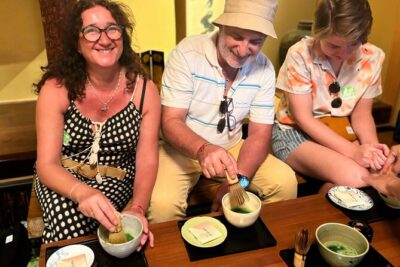
After watching the host, you get to take part in the process. You prepare your own matcha with guidance, turning the ceremony from a demonstration into a hands-on lesson.
This is a strong feature for first-time visitors. You do not need prior knowledge, and you are not expected to perform perfectly. The host explains what to do and helps you feel at ease. Several people especially enjoyed making the tea themselves, and families found that children could take part too.
The activity is still fairly short, so do not expect an extended workshop on tea tools or multiple bowls of matcha. One person felt the session was rushed. That criticism is worth taking seriously, particularly if you want a slow, detailed study of every utensil and movement.
The 45-minute length works best if you view this as an introduction. You get the main ideas, see the proper preparation, taste the tea, and practice the method yourself. If you want a long ceremonial performance with extended conversation, this may feel brief.
The group limit helps here. With no more than eight people, the host can give instructions without shouting across a crowded room. Solo visitors also seem to fit naturally into the setting. One person attending alone felt warmly received and found the ceremony personal.
What the quiet atmosphere does well
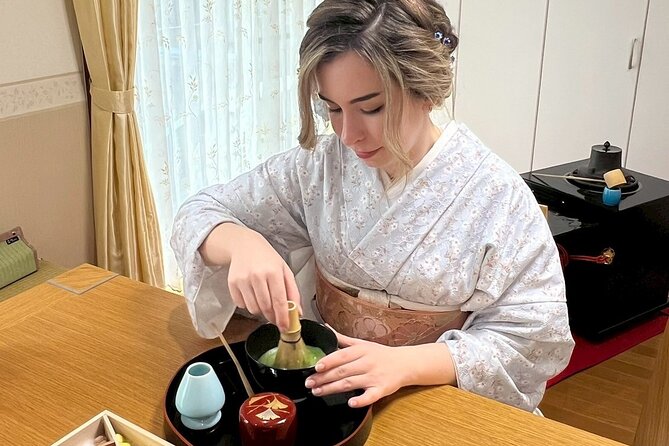
The strongest quality is the mood. This experience gives you a pause from Kyoto’s busy streets and packed sightseeing schedule.
The host’s movements are choreographed, but the ceremony does not need to feel stiff. The most successful sessions combine precision with warmth. You watch a disciplined art form, then have room to ask questions and try it yourself.
I especially like the way the experience encourages you to slow down without making a grand claim about it. You sit, observe, taste, and listen. For many people, that is enough to create a memorable hour.
There are limits. One account described the atmosphere as cold and cumbersome, perhaps because of the setting. Another person arrived late and still received a friendly welcome, but arriving early can also cause problems if it interrupts the previous session. Try to arrive at the scheduled time, not far ahead of it and not at the last moment.
The ceremony’s quiet style will suit you if you prefer careful cultural instruction. It may not suit you if you want animated storytelling, costumes, lots of photos, or a highly decorated venue.
Is $56.49 a fair price?
At $56.49 per person, the price is not cheap for 45 minutes. You need to decide what you are buying.
The fee includes the ceremony, instruction from a tea master, matcha, seasonal sweets, and the chance to prepare your own tea. The small group limit adds value because the experience is less likely to feel like a demonstration delivered to a roomful of strangers.
You are not paying for kimono dressing, a photo session, a garden visit, or a lengthy meal. Similar tea activities may include costumes or more elaborate surroundings, so compare carefully before booking. If wearing a kimono is central to your plan, this is not the right choice.
For me, the price makes the most sense for someone who values an authentic, quiet introduction and has limited time in Kyoto. It is harder to justify if you mainly want a visual souvenir or a large-scale cultural show.
The rating is 4.4 out of 5 from 19 evaluations, which reflects a generally positive experience with a few clear reservations. The praise centers on the host’s kindness, the calm setting, the quality of the matcha, and the chance to participate. The lower scores focus on value, cold temperatures, the short or rushed feeling, and the absence of kimono rental and photography during the ceremony.
That pattern gives you a useful buying guide. The ceremony itself is the product. The extras are minimal.
Who will enjoy this Kyoto tea ceremony?
I would recommend it most strongly to:
- First-time visitors who want a gentle introduction to matcha and tea etiquette
- Couples looking for a quiet cultural activity
- Solo visitors who prefer a small and welcoming setting
- Families with children who can manage a short period of quiet sitting
- People interested in Japanese hospitality and traditional arts
- Anyone who wants a calm break between larger Kyoto sights
Families should know that the ceremony is not designed as a children’s entertainment show. Some children may enjoy whisking the tea, while others may not care for the traditional sweet. The kind response to one family’s children is encouraging, but food preferences will vary.
This is also a good choice for people who dislike large group activities. The maximum of eight keeps the lesson manageable, and the host can respond to questions. If you need a fully private booking, confirm the arrangements before paying, because the stated maximum does not mean every departure is private.
You may want another experience if a kimono is important to you. You should also look elsewhere if you need photos during the central ceremony, want a grand tea house, or expect more than 45 minutes of instruction.
Practical details that affect your visit
Confirmation is provided at booking, and the experience accepts service animals. It is near public transportation, so you can reach it without arranging a private vehicle.
The activity is booked, on average, six days ahead. That is not a guarantee of availability, but it is a useful sign that you should not wait until the final evening if your Kyoto schedule is fixed.
Cancellation is free up to 24 hours before the start time. Cancel at least 24 hours ahead for a full refund. Inside that window, the cost is not refunded, and changes are not accepted. The cut-off follows local Kyoto time.
Wear clothing that lets you sit comfortably and keep a warm layer handy in cool months. Since photography is restricted during the main performance, decide in advance that your first priority is watching the ceremony rather than documenting it.
Read the meeting instructions carefully. The address is specific, and the activity returns to that same point. A calm arrival helps you enter the room in the right frame of mind.
Should you book this tea ceremony?
Book it if you want a small, quiet, hands-on introduction to Kyoto tea culture. The host’s graceful preparation, premium matcha, seasonal sweets, and patient explanations create a meaningful experience in less than an hour.
Skip it if you are paying mainly for a kimono, photographs, elaborate architecture, or a long workshop. The private-home setting is genuine but not fancy, and the short duration can feel rushed at this price.
For the right person, $56.49 buys a peaceful pause and a better understanding of why Japanese tea ceremony is built around attention to small things. Just arrive on time, bring a warm layer in cool weather, and expect tradition rather than spectacle.
FAQ
How long does the tea ceremony last?
The experience lasts approximately 45 minutes.
How much does the tea ceremony cost?
The listed price is $56.49 per person.
What is included in the experience?
The ceremony includes matcha, traditional Japanese seasonal sweets, instruction from a tea master, and the opportunity to prepare your own tea.
Is kimono rental included?
No. Kimono rental is not included in this experience.
Can I take photos during the ceremony?
Photos and videos are not allowed during the tea performance. Photos are allowed before and after the ceremony, and the provider states that photos may be taken while you are making your own matcha.
Where does the activity meet?
It meets at 南総合会計事務所, 450-1 Sanbongichō, Nakagyo Ward, Kyoto, 604-0871, Japan.
Where does the activity end?
The activity ends back at the meeting point.
How many people can join?
The activity has a maximum of eight people.
Can I cancel for a full refund?
Yes. You can receive a full refund by canceling at least 24 hours before the experience start time. Cancellations or changes made within 24 hours are not refunded or accepted.
Just added in Kyoto
- The “Golden Route” and Ancient Japan by DIAMIR Erlebnisreisen – 14-Day Tour★ 2.0 · 2 reviews
- Japan: Castles & Cuisine by G Adventures – 6-Day Kyoto to Osaka Tour★ 4.5 · 4 reviews
- Cycle Japan by Explore! – 13-Day Kyoto to Tokyo Tour★ 4.7 · 12 reviews
- Cycle Japan by Intrepid Travel – 11-Day Kyoto to Tokyo Tour★ 4.8 · 2 reviews
- Classic Japan by Intrepid Travel – 11-Day Kyoto to Tokyo Tour★ 4.4 · 14 reviews
- Ancient & Modern Japan 14-Day Tour by Exodus Adventure Travels★ 4.4 · 40 reviews
- 5 Day Cultural Adventure of Kyoto, Nara & Osaka by Tourist Journey★ 2.5 · 2 reviews
- 12 Days Kinosaki Onsen Escape: A Journey Through Japan’s Timeless Towns by UME Travel★ 4.8 · 5 reviews
Tea Ceremonies, compared.
Tea Ceremony in a Traditional Tea House in Kiyomizu
Read our review →
World Heritage Kyoto & Nara Uji Authentic Matcha Experience
Read our review →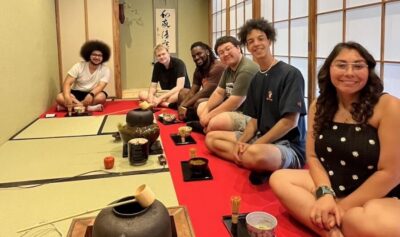
Browse the lists this tour appears in