
Reviewed · TEA CEREMONIES
Kyoto: Tea Ceremony Experience in a Small Tea Room
Small rooms can teach big lessons. This one-hour Kyoto tea ceremony gives you hands-on matcha practice with a teacher who has 30 years of experience. I like the calm setting near the Kamogawa Delta, and I like the small group size, limited to six people. The main consideration is time: one hour gives you a warm introduction, not a long study of every tea tradition.
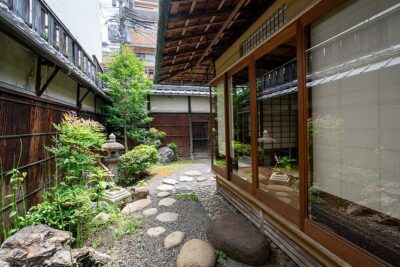
You meet at a Japanese house marked Tisato, about a 15-minute walk from Demachiyanagi Station and the Kamogawa Delta. The session is welcoming to beginners, with English instruction and traditional dried sweets. Ms. Yamazaki has been praised for her patience and clear explanations, which matters when every movement feels new.
In This Review
- Key points to know before booking
- Why this small Kyoto tea room works
- Finding Tisato near Demachiyanagi
- What happens during the one-hour session
- Learning to whisk matcha yourself
- The cultural meaning behind the movements
- What the praise tells you about the teaching
- Pairing the ceremony with Kamogawa Delta
- Is $38 a fair price?
- Who should book this tea ceremony?
- Practical details that affect your choice
- Should you book it?
- FAQ
- How long does the Kyoto tea ceremony last?
- How much does the experience cost?
- Is the ceremony held in English?
- How many people can join the group?
- Do I need prior tea ceremony experience?
- Can I make my own matcha?
- What is included in the price?
- Where is the meeting point?
- How far is the tea room from Kamogawa Delta?
- Can I cancel for a full refund?
Key points to know before booking
- A teacher with 30 years of practice: You learn from someone who has spent decades studying and teaching the art of tea.
- Hands-on matcha preparation: You can whisk and prepare your own tea under close guidance.
- A six-person maximum: The small group keeps the lesson personal and makes it easier to ask questions.
- A peaceful Kyoto setting: The tea room sits near the Kamogawa Delta, with Demachiyanagi Station nearby.
- A beginner-friendly format: You do not need previous tea ceremony experience, and the session is conducted in English.
Why this small Kyoto tea room works
Kyoto offers grand temples, crowded lanes, and polished cultural shows. A small tea room offers something different. It asks you to slow down and pay attention to a few simple actions: how tea is measured, how water is used, how the whisk moves, and how a sweet is served before the bitter matcha.
That slower pace is the point. You are not simply watching a local custom from the edge of the room. You get a chance to take part in it, while an experienced teacher explains why the movements matter.
The setting also helps. The tea room is about 15 minutes on foot from the Kamogawa Delta, a pleasant riverside spot where local people and visitors spend time beside the water. You can pair the ceremony with a walk along the river, giving your day a useful change of rhythm.
The room is small, and that brings both benefits and limits. With no more than six participants, the teacher can watch your technique and correct you without making the session feel like a class in a large hall. At the same time, anyone hoping for a full formal ceremony lasting several hours will find this format fairly brief.
More Tea Ceremonies in Kyoto
- Kyoto: Tea Ceremony in a Traditional Tea House in Kiyomizu
★ 4.9 · 3,519 reviews - Kyoto: Tea Ceremony Ju-An at Jotokuji Temple
★ 4.9 · 3,207 reviews - Kyoto: 45-Minute Tea Ceremony Lesson Experience
★ 4.3 · 2,378 reviews
Finding Tisato near Demachiyanagi
The meeting point is a Japanese house with a sign reading Tisato. That detail is important, since you are not meeting at a major temple gate or a large public attraction. Keep the name in front of you as you approach, and look for the house and sign rather than expecting a large commercial entrance.
Demachiyanagi Station is about a 15-minute walk away. The station is also a useful base for exploring the area around Kibune Shrine and Rurikou Temple, according to the activity information. The tea ceremony therefore fits neatly into a day of northern Kyoto sightseeing.
The Kamogawa Delta is also about a 15-minute walk from the tea room. I would plan the ceremony alongside the river walk, rather than treating it as an isolated appointment across town. You can arrive early, stroll by the water, then head to Tisato with less rushing.
The exact route and starting time depend on the session you choose, so check availability before building a tight schedule. Kyoto transit and walking times can vary, and a calm tea ceremony is a poor place to arrive breathless.
What happens during the one-hour session
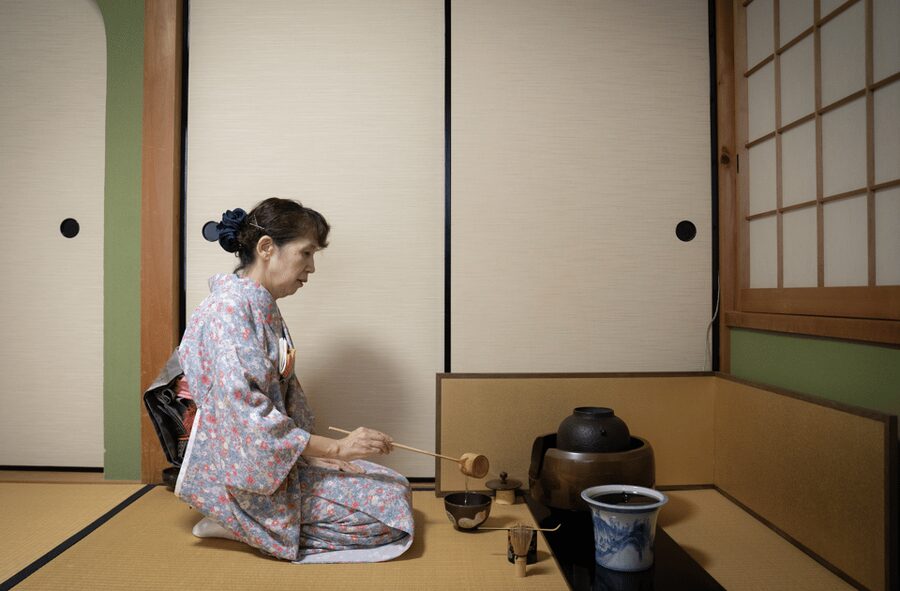
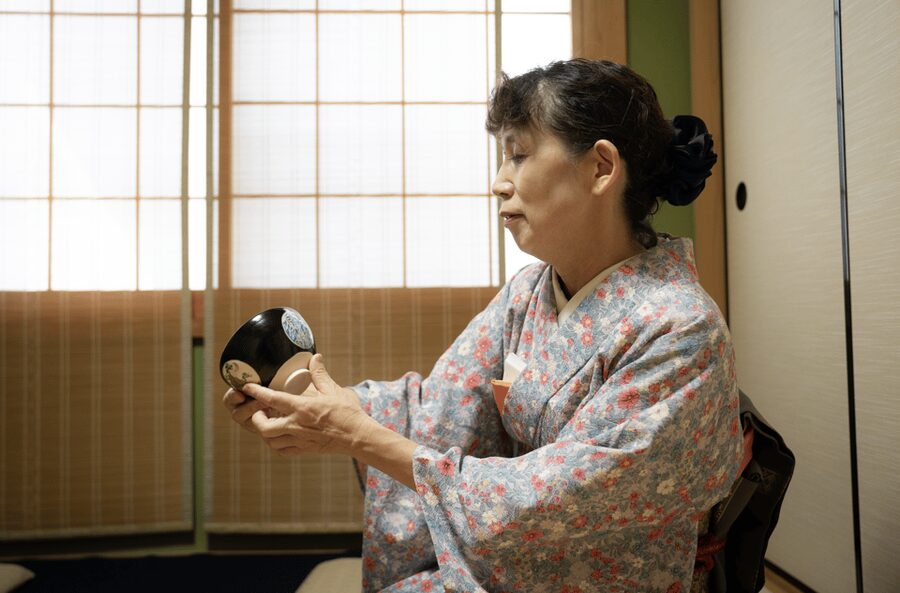
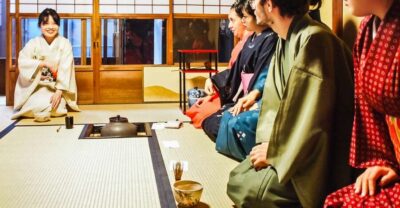
The hour is built as an introduction to Japanese tea culture. You learn from an English-speaking instructor, receive matcha and traditional dried sweets, and get a practical explanation of the ceremony rather than just a short demonstration.
The opening portion helps you understand the setting and the purpose of the tea ceremony. You may be unfamiliar with the order of actions, the tools, or the quiet manners involved. The teacher’s role is to make those details understandable instead of leaving you to copy movements without context.
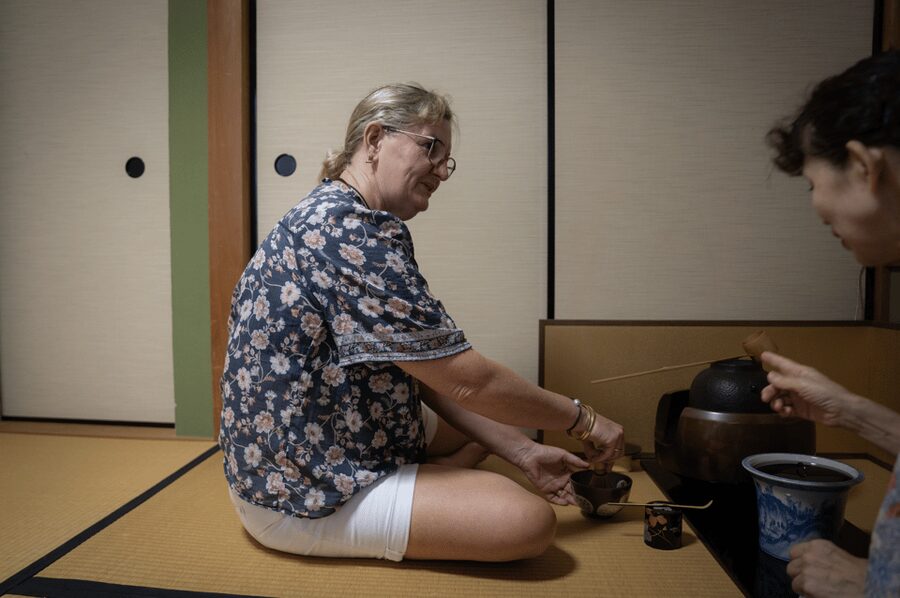
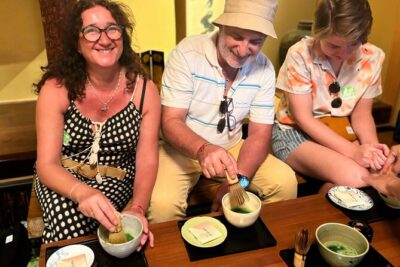
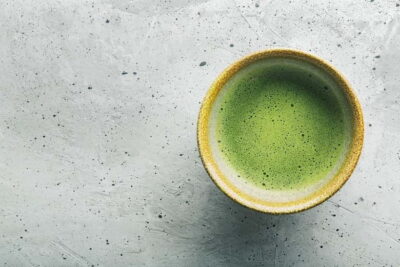
The ceremony then moves toward matcha preparation. If you wish, you can make your own tea. Under guidance, you learn how to whisk powdered tea and how the hand movements are carried out with care. The focus is not on speed. It is on accuracy, attention, and the calm quality of the process.
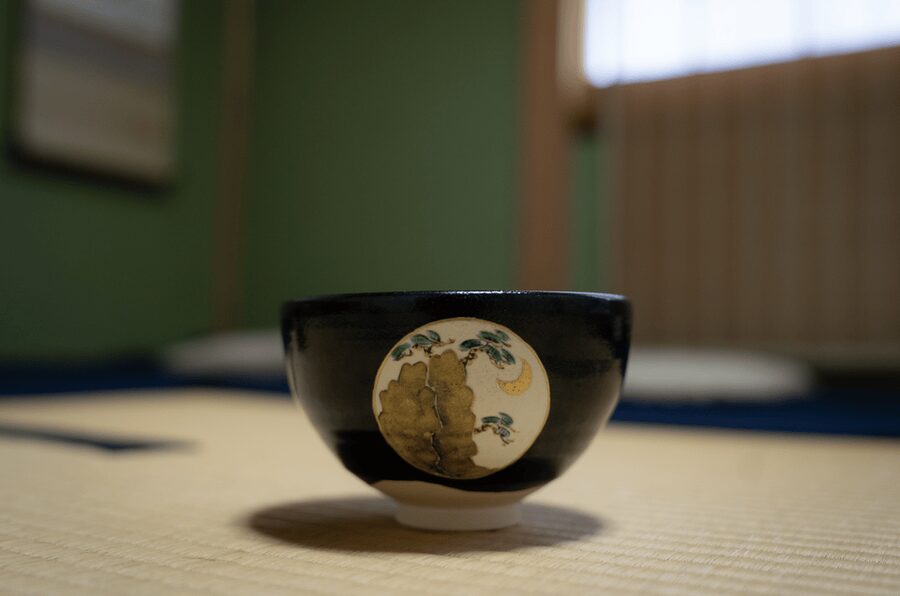
You also receive a traditional dried sweet with the tea. The sweet is not just a snack placed beside your drink. It helps balance matcha’s strong, earthy taste and gives you a small taste of the way food and tea work together in the ceremony.
Because the session lasts one hour, expect a focused introduction. You will gain a practical sense of the ceremony and prepare tea yourself, but you should not expect every school of tea or every historical detail to be covered. That is a fair trade for a session that fits easily into a busy Kyoto itinerary.
Learning to whisk matcha yourself
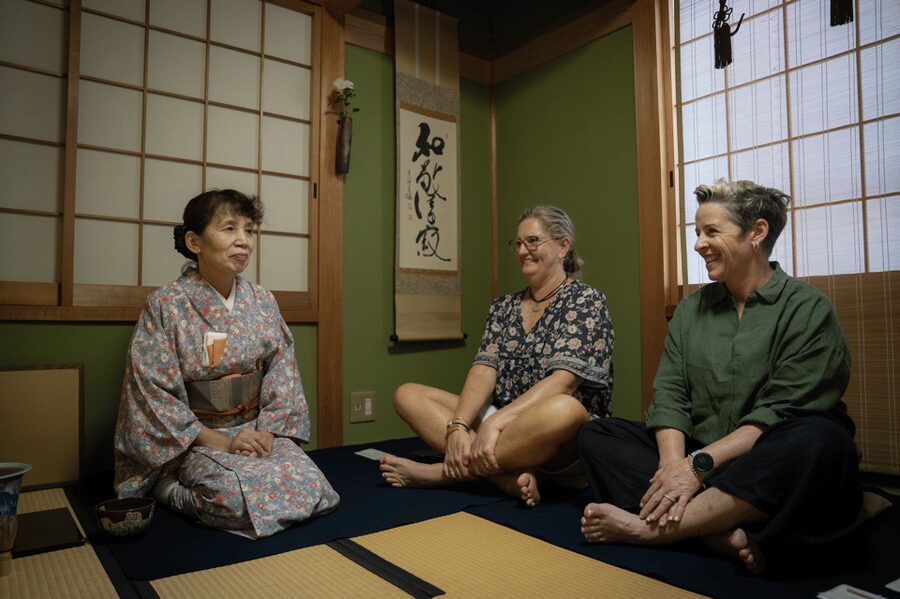
The hands-on element is the best reason to choose this activity over a ceremony where you only watch. Matcha preparation can look simple until you try it. The whisking motion, the quantity of tea, and the controlled movements all require attention.
A seasoned teacher makes a difference here. Instead of worrying about doing everything perfectly, you can follow one step at a time. Ms. Yamazaki has been praised for her patience, and that quality is especially useful for first-time participants who may feel unsure about etiquette.
You should also expect the experience to be more about learning than producing a perfect bowl of tea. Your first whisked matcha may not look exactly like a master’s. That is normal. The value comes from understanding the method and feeling how much care goes into an everyday drink.
The format suits curious beginners, couples, families, and solo visitors who want a cultural activity with real participation. It also works for people who have already seen a tea ceremony and now want to try making matcha themselves.
A completely different kind of day out:
- PERFECT KYOTO 1-Day Bus Tour
★ 5.0 · 13,518 reviews - [Kyoto & Nara Day Tour] Sagano Scenic Railway & Nara Park & Fushimi Inari Taisha Thousand Torii Gates & Togetsukyo Bridge & Bamboo Grove & Kimono Forest (Departing from Osaka)
★ 4.9 · 10,942 reviews - Kyoto: Fushimi Inari, Kinkakuji, Bamboo Grove 1 Day Bus Tour
★ 4.8 · 4,316 reviews - Kyoto: Gion Make Your Own Chopsticks with Engraving Option
★ 5.0 · 3,465 reviews
The cultural meaning behind the movements
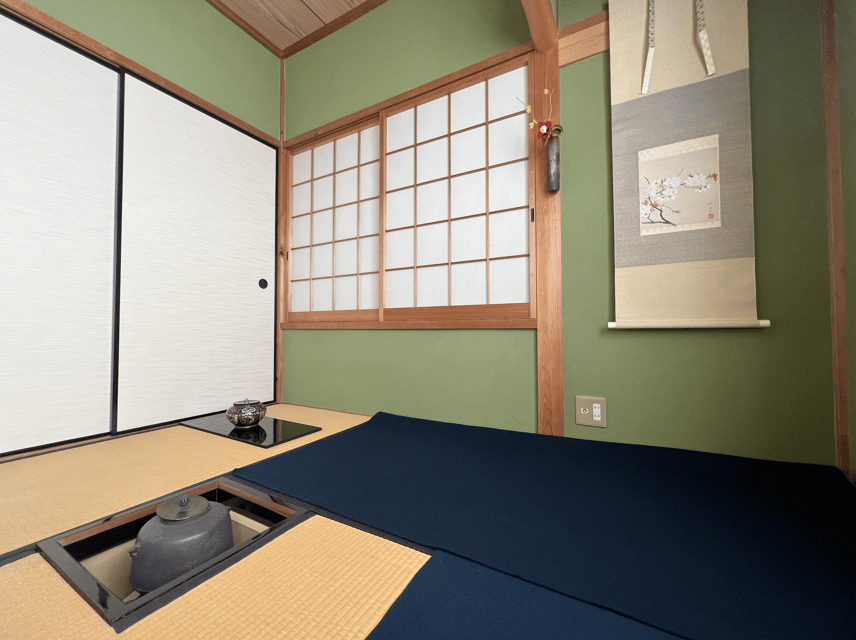
Japanese tea ceremony is often described through ideas of harmony, respect, purity, and tranquility. You do not need to memorize those principles to appreciate the session, but the movements make more sense when you see them as expressions of attention and courtesy.
The ceremony brings focus to ordinary objects. A bowl, a whisk, hot water, powdered tea, and a sweet become part of a carefully ordered exchange. The teacher’s actions show how preparation and presentation can carry meaning.
This is also why the small room matters. In a large performance space, you might concentrate on taking photographs or following the general action. In a compact tea room, you are closer to the process. You can observe the teacher’s hand movements and then try them yourself.
The activity aims to lower the barriers often connected with formal Japanese tea ceremonies. You do not need previous knowledge, and the instruction is designed to make you feel at ease. That makes it a good choice if you have worried that you might break a rule or fail to understand what is happening.
Still, some formality remains. The ceremony is not a casual café workshop. You should be ready to listen, watch carefully, and respect the order of the session. The quiet mood is part of the experience, not an awkward pause that needs filling.
What the praise tells you about the teaching
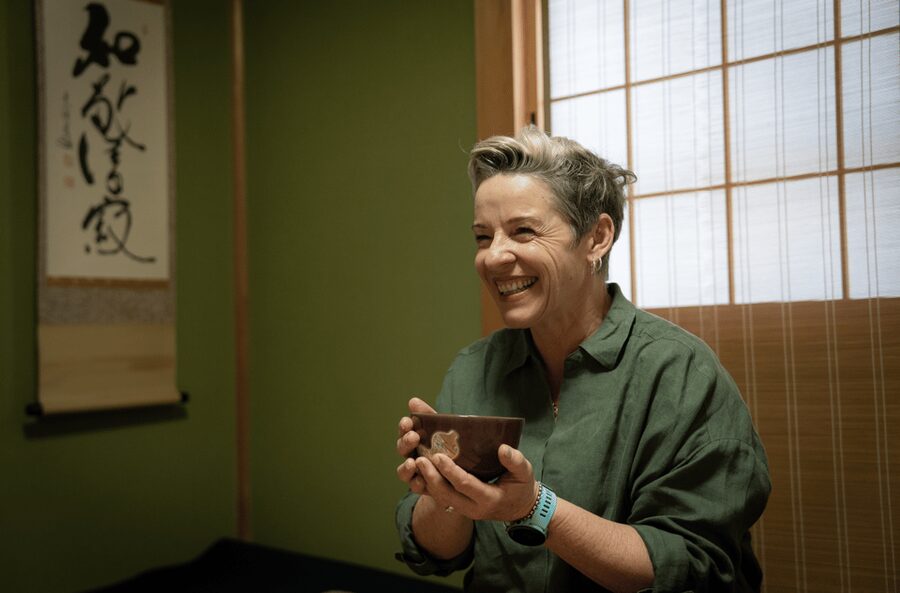
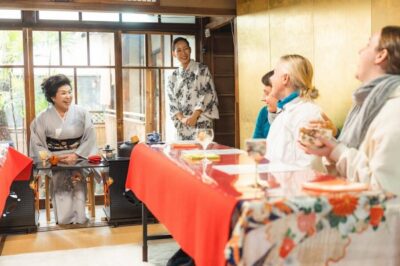
The strongest pattern in the feedback is clear instruction and a kind host. One participant described the explanations as very good, while another called the session informative and authentic. That lines up with the design of the activity, which combines cultural explanation with practical work.
Patience comes up often, especially in comments about the host. That is valuable because tea ceremony etiquette can feel unfamiliar at first. A patient teacher gives you room to learn without turning the session into a test.
The tea and sweets also receive specific praise. This may sound like a small detail, but flavor affects your impression of matcha. The dried sweet prepares your palate for the tea, and the contrast helps you understand why both are served together.
The overall rating is 4.9 from 70 reviews, and the praise is consistent across several countries. German, American, and British participants have all described the activity as calming, educational, and distinctive. That broad appeal suggests the English explanations do their job for an international audience.
You should keep one boundary in mind: positive feedback about the host does not mean every session will feel identical. The mood can depend on the group, the instructor’s pace, and your own interest in the subject. The six-person limit gives the format a good chance of staying personal, but it cannot turn a one-hour session into a private master class.
Pairing the ceremony with Kamogawa Delta
The ceremony’s location is one of its practical strengths. The Kamogawa Delta is close enough to visit on foot, and the riverside setting gives you a peaceful place to walk before or after the tea room.
I would use the area as a small Kyoto day plan rather than rushing in for the ceremony and leaving immediately. A riverside walk can help you shift from sightseeing mode to the quieter pace of the tea room. Afterward, you can continue toward nearby cultural sites or return to Demachiyanagi Station.
The connection to Kibune Shrine and Rurikou Temple is useful for itinerary planning, but do not assume the tea ceremony includes transport or visits to those places. They are nearby options, not part of the one-hour activity.
This location may be less convenient if your schedule is built around central Kyoto attractions on the opposite side of the city. In that case, allow enough time for the journey. The benefit is that you gain a more local-feeling stop away from a major temple tour.
Is $38 a fair price?
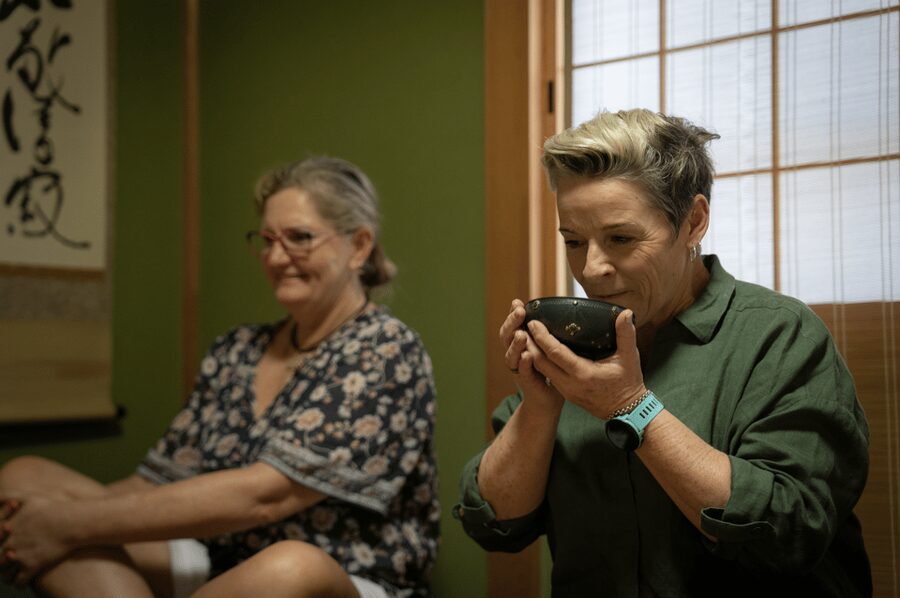
At $38 per person, the value depends on what you want from a tea ceremony. The price includes the ceremony, English instruction, matcha, and traditional dried sweets. Most important, it includes the chance to prepare your own tea with help from a teacher who has 30 years of experience.
That makes the price reasonable for a small-group cultural lesson. You are paying for access to instruction, not just a drink and a photo opportunity. The six-person maximum also supports the value, since the teacher can give attention to each participant.
The activity is less compelling if you only want to taste matcha. Kyoto has other ways to buy and drink tea, often for less. Choose this session for the cultural explanation, the formal setting, and the chance to take part.
The one-hour duration also keeps the cost manageable for a packed trip. You can fit it between other plans without giving up half a day. Just remember that the short format means a first look at the tradition rather than a full education in Japanese tea schools.
Who should book this tea ceremony?
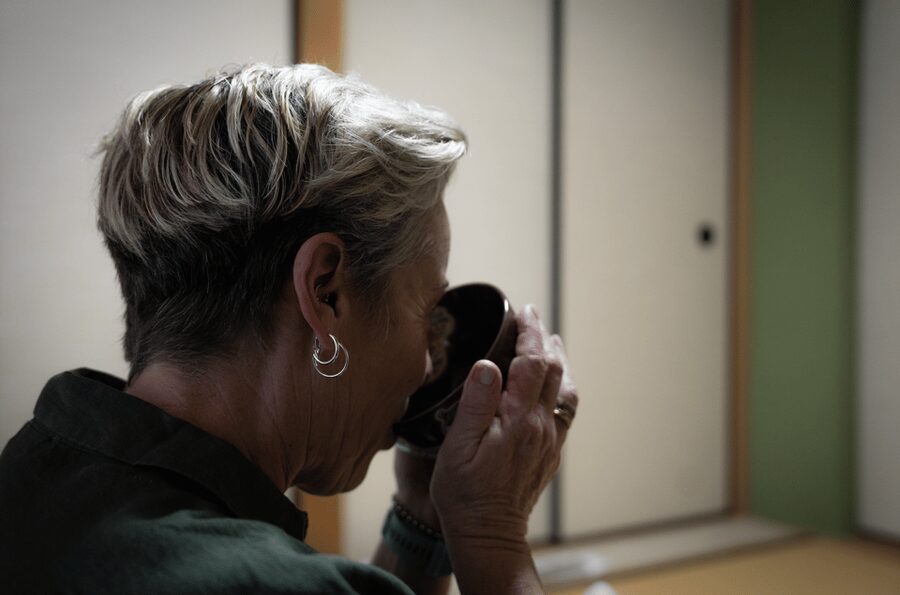
I would recommend it to first-time visitors who want one thoughtful cultural activity in Kyoto. It is especially suitable if you have never attended a tea ceremony and want clear English guidance without a large audience.
It also suits people who prefer small groups. Six participants is enough to share the moment with others, but small enough that you should not disappear into a crowd. Couples and families can take part together, provided everyone is comfortable with a quiet and attentive activity.
This may not be the right choice if you want a long, highly formal ceremony, an extensive meal, or a tour led through several historic sites. None of those are promised here. The strength is simple: one hour, one tea room, one experienced teacher, and a chance to make matcha.
You should also think about your walking plan. The tea room is around 15 minutes from both the Kamogawa Delta and Demachiyanagi Station. That is easy for many people, but it matters if you have limited time or a schedule with close connections.
Practical details that affect your choice
The instructor speaks English, and the group is limited to six participants. You can reserve now and pay later, which helps if your Kyoto plans are still shifting. Cancellation is free up to 24 hours before the session for a full refund.
Starting times vary, so check availability when selecting your date. The meeting point is the Japanese house with the Tisato sign. Since it is not described as a large public venue, allow time to identify the entrance.
The activity includes matcha and dried sweets, but no other food or transport is listed. Plan your meal separately, and do not count on the session to carry you through the day.
Should you book it?
Book this tea ceremony if you want a calm, personal introduction to Kyoto’s tea traditions, especially if you value clear teaching and hands-on practice. The combination of an experienced instructor, a six-person limit, and a location near the Kamogawa Delta gives you good cultural value for $38.
Skip it if you prefer grand temple tours, a long formal performance, or a broad sightseeing itinerary in one booking. For everyone else, this is a sensible one-hour pause in Kyoto, with enough substance to feel like more than a quick cup of tea.
FAQ
How long does the Kyoto tea ceremony last?
The tea ceremony lasts one hour.
How much does the experience cost?
The price is $38 per person.
Is the ceremony held in English?
Yes. The instructor and activity language are English.
How many people can join the group?
The group is limited to six participants.
Do I need prior tea ceremony experience?
No. The session is designed to welcome complete beginners as well as people with some previous familiarity.
Can I make my own matcha?
Yes. You can prepare your own tea if you wish, with guidance from the teacher.
What is included in the price?
The price includes the tea ceremony, instruction from an experienced teacher, matcha tea, and traditional dried sweets.
Where is the meeting point?
Enter the Japanese house marked with a sign reading Tisato.
How far is the tea room from Kamogawa Delta?
The tea room is about a 15-minute walk from Kamogawa Delta.
Can I cancel for a full refund?
Yes. You can cancel up to 24 hours in advance for a full refund.
Just added in Kyoto
- The “Golden Route” and Ancient Japan by DIAMIR Erlebnisreisen – 14-Day Tour★ 2.0 · 2 reviews
- Japan: Castles & Cuisine by G Adventures – 6-Day Kyoto to Osaka Tour★ 4.5 · 4 reviews
- Cycle Japan by Explore! – 13-Day Kyoto to Tokyo Tour★ 4.7 · 12 reviews
- Cycle Japan by Intrepid Travel – 11-Day Kyoto to Tokyo Tour★ 4.8 · 2 reviews
- Classic Japan by Intrepid Travel – 11-Day Kyoto to Tokyo Tour★ 4.4 · 14 reviews
- Ancient & Modern Japan 14-Day Tour by Exodus Adventure Travels★ 4.4 · 40 reviews
- 5 Day Cultural Adventure of Kyoto, Nara & Osaka by Tourist Journey★ 2.5 · 2 reviews
- 12 Days Kinosaki Onsen Escape: A Journey Through Japan’s Timeless Towns by UME Travel★ 4.8 · 5 reviews
Tea Ceremonies, compared.
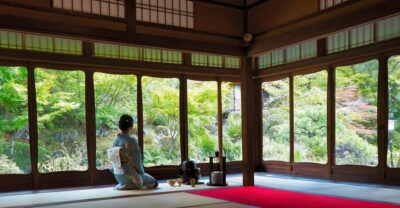
Tea Ceremony in a Traditional Tea House in Kiyomizu
Read our review →
World Heritage Kyoto & Nara Uji Authentic Matcha Experience
Read our review →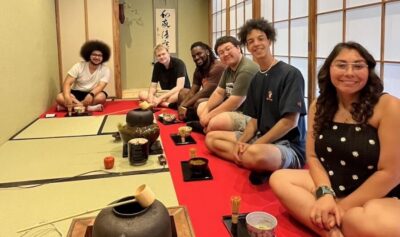
Browse the lists this tour appears in