
Reviewed · TEA CEREMONIES
Kyoto: Tea Ceremony in 100-year-old Kyo-Machiya Townhouse
Slow down, sip carefully, and pay attention. This Kyoto tea ceremony offers a friendly introduction to the Japanese Way of Tea inside a 100-year-old Kyo-Machiya townhouse, where tatami floors, paper screens, and quiet ritual do much of the teaching. I like that you do not simply watch: you learn the basic etiquette, taste matcha with a traditional sweet, and prepare your own bowl under the tea master’s guidance. I also like the optional kimono rental, which lets you wear traditional clothing around Kyoto after the ceremony. The main consideration is timing: the kimono plan can take up to three hours, and the walk between the rental shop and townhouse is your responsibility.
This is a group activity, with as many as 20 people in the room, so it is not a private tea gathering. Still, the teaching is designed for first-timers, and the staff keeps the ritual understandable rather than stiff. English interpretation is provided, and past sessions have featured hosts such as Lim and Maki, along with translators who explain the gestures and background clearly.
In This Review
- Key points to know before you book
- Why this tea ceremony feels more substantial than a photo stop
- Entering the machiya near Kyoto Gosho
- What happens during the 50-minute tea lesson
- The kimono option: more time, more atmosphere
- The optional 30-minute machiya moment
- How good is the English instruction?
- Is $31 a good value?
- Who will enjoy this most?
- Small practical details that matter
- Should you book this Kyoto tea ceremony?
- FAQ
- How long does the tea ceremony last?
- Where does the tea ceremony take place?
- Do I need to sit on the floor?
- Can I make my own matcha?
- Is kimono rental included?
- When does the tea ceremony start with the kimono plan?
- What should I bring and what is not allowed?
Key points to know before you book
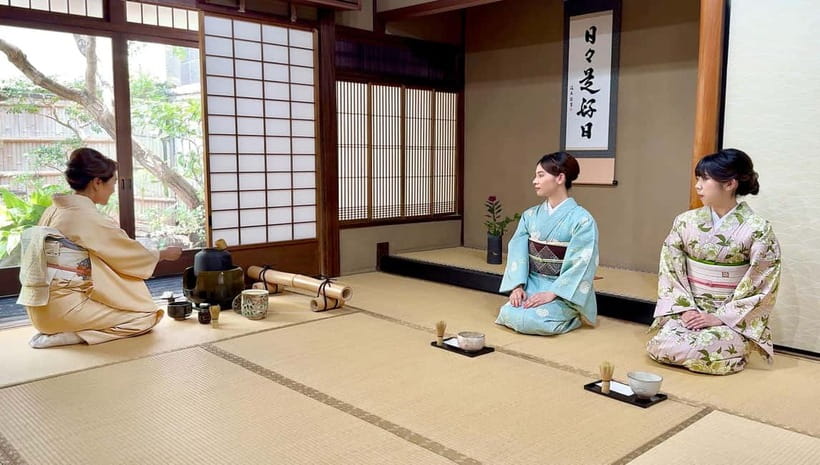
- You make your own matcha: After watching the tea master prepare tea for one participant, you whisk your own bowl under supervision.
- The building is part of the experience: The ceremony takes place in a traditional machiya near Kyoto Gosho, not in a modern activity room.
- Kimono timing matters: You choose your clothing at the Gojo shop, then attend the ceremony two hours after your selected rental start time.
- Floor sitting is optional: Small chairs are available if sitting on tatami is uncomfortable.
- The lesson goes beyond tea: You learn how to bow, greet, eat the sweet, drink the tea, and look at the tea bowl with care.
- The optional townhouse visit adds photos: The 30-minute machiya session includes a 20-minute architectural tour and 10 minutes for photographs.
Why this tea ceremony feels more substantial than a photo stop
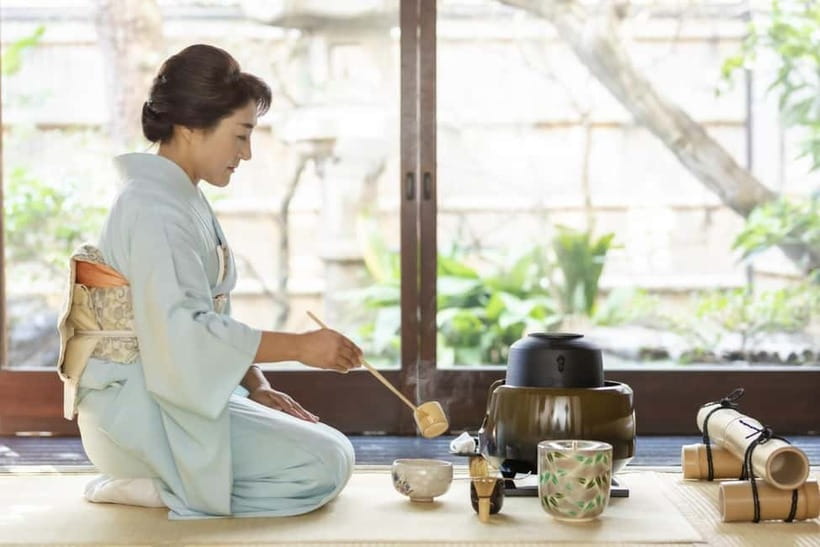
Many cultural activities give you a costume, a quick demonstration, and a photograph. This one gives you a set of actions to understand. You learn why the host moves slowly, how guests respond, and why the bowl, sweet, and placement of each item matter.
The introduction covers the arrival of tea in Japan from China about 1,200 years ago and traces how the practice became the Japanese Way of Tea. That short history helps you see the ceremony as more than a method for preparing powdered tea. It is a formal way to welcome people, show respect, and give full attention to a small shared moment.
I especially like the balance between explanation and participation. The tea master first prepares tea for a guest, allowing you to watch the hand movements without trying to copy them. Then you get your turn. Under supervision, you prepare matcha yourself, which makes the lesson stick far better than a demonstration alone.
The ceremony also introduces the social setting around tea. The house is near Kyoto Gosho, the former center of imperial and aristocratic life, and close to the former residence of Nijō Yoshimoto, a high-ranking court noble from the 14th century. That setting gives useful context for the refined culture associated with tea gatherings, poetry, and artistic exchange.
More Tea Ceremonies in Kyoto
- Kyoto: Tea Ceremony in a Traditional Tea House in Kiyomizu
★ 4.9 · 3,519 reviews - Kyoto: Tea Ceremony Ju-An at Jotokuji Temple
★ 4.9 · 3,207 reviews - Kyoto: 45-Minute Tea Ceremony Lesson Experience
★ 4.3 · 2,378 reviews
Entering the machiya near Kyoto Gosho
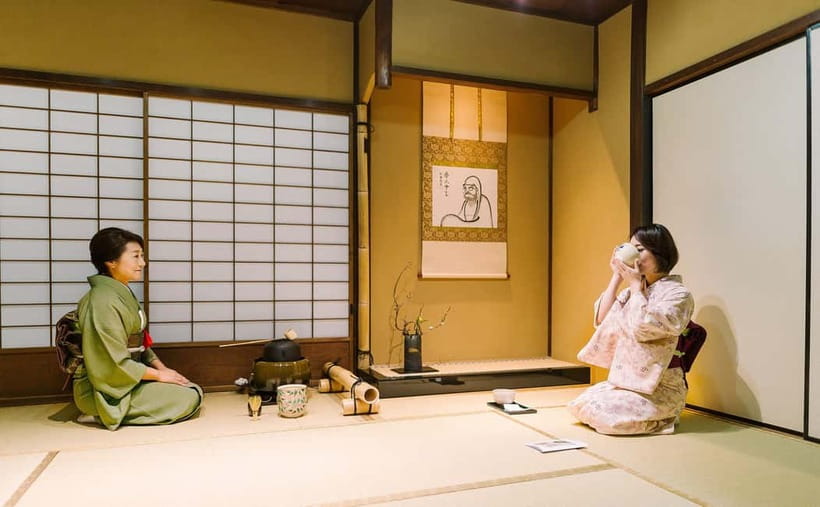
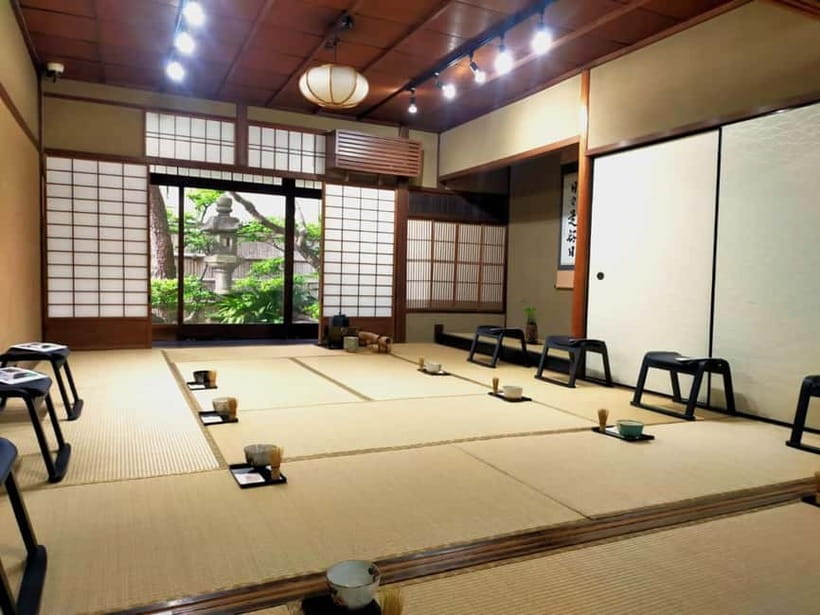
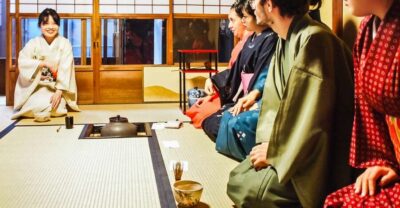
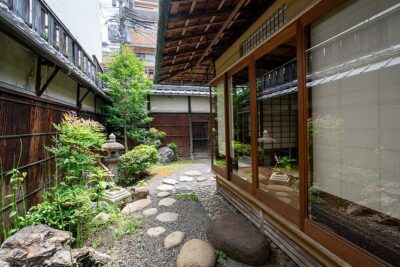
The ceremony takes place at Yumeyakata Oike Bettei, a traditional townhouse with the features you hope to see in old Kyoto architecture. Expect tatami, wooden elements, paper screens, and a calm room suited to quiet conversation.
A machiya was built as a practical urban home and business space, so its design reflects compact Kyoto living. The building itself gives the tea lesson a sense of place. You are not just learning about an old custom in a generic studio. You are sitting inside the sort of architecture that helps explain the custom’s mood.
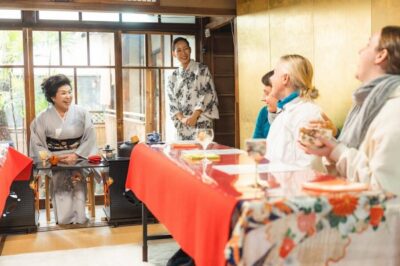
The exact room can change depending on group size. With a full group of up to 20 people, the setting may feel more like a class than an intimate ceremony. A smaller session can feel quieter and more personal. The activity works in both formats, but you should book it for cultural instruction rather than private luxury.
The hosts ask for a quiet atmosphere. That is not an empty rule. Silence lets you notice the sound of the whisk, the movement of the tea bowl, and the careful pauses between each action. The activity is suitable for ages 10 and above, and disruptive behavior can lead to removal from the session.
What happens during the 50-minute tea lesson
For the tea-only option, arrive at Oike Bettei five to 10 minutes before the start time on your voucher. The session begins with an explanation of the ceremony’s background, followed by practical instruction.
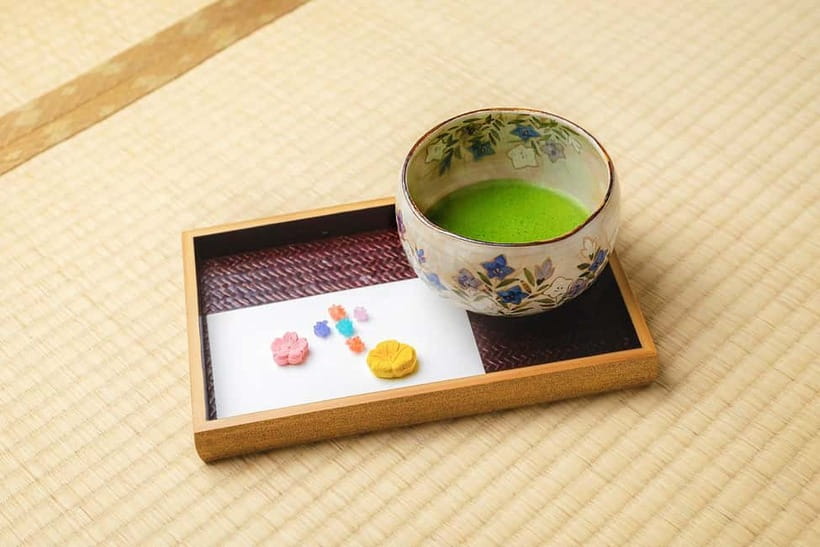
You learn how to bow and which greeting words to use. You are shown how to receive and eat the traditional sweet before drinking the tea. You also learn how to hold the bowl, drink from it, and observe its shape and decoration.
These details may seem fussy at first. They become easier once you understand that the ceremony gives every movement a purpose. The sweet prepares your palate for the slightly bitter matcha, while the bowl is treated as an object worthy of attention rather than a disposable cup.
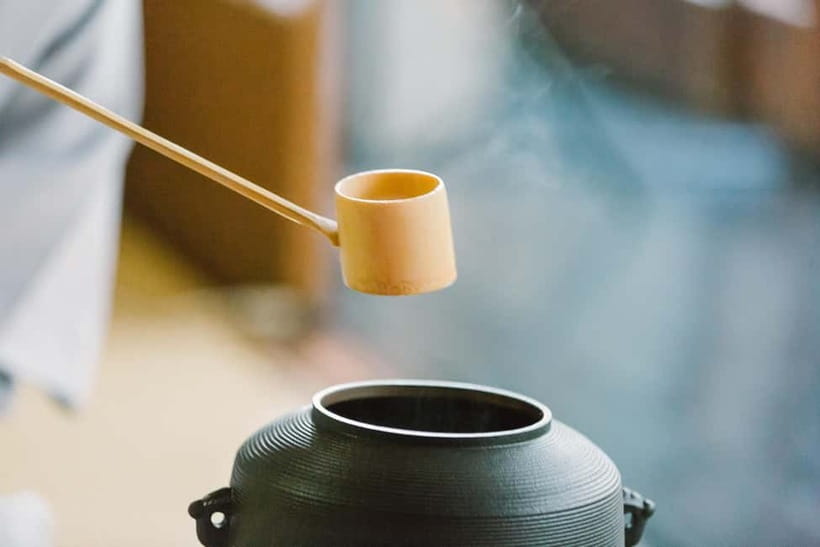
Next, the tea master brings in the necessary utensils and prepares the first tea. One participant may be invited to receive this bowl at the front, though participation in that role is not guaranteed. Watching the preparation at close range can be useful because you see the rhythm before making your own tea.
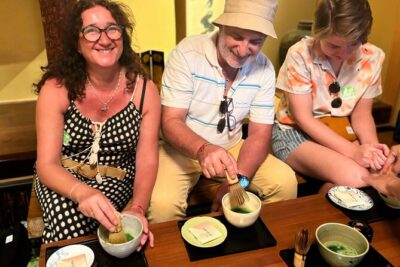
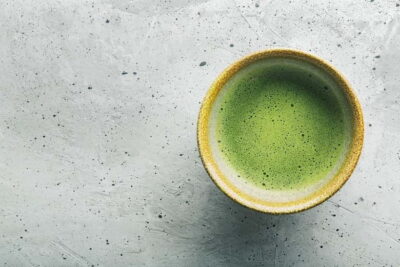
Then comes the most enjoyable part for many first-timers: preparing your own matcha. The tea master or interpreter guides you through the process, correcting your movements when needed. You do not need prior knowledge, and you are not expected to perform perfectly. The point is to learn the method and feel the care involved.
The matcha is served with a Japanese sweet. The sweet gives the experience a pleasant food element without turning it into a meal. Several participants have singled out the tea’s quality and flavor, while others appreciated that the ceremony remained relaxed and accessible.
At the end, the master closes the ceremony. You can ask questions before leaving. There may also be time for photographs around the tea house, but professional photographs and videos are not included.
The kimono option: more time, more atmosphere
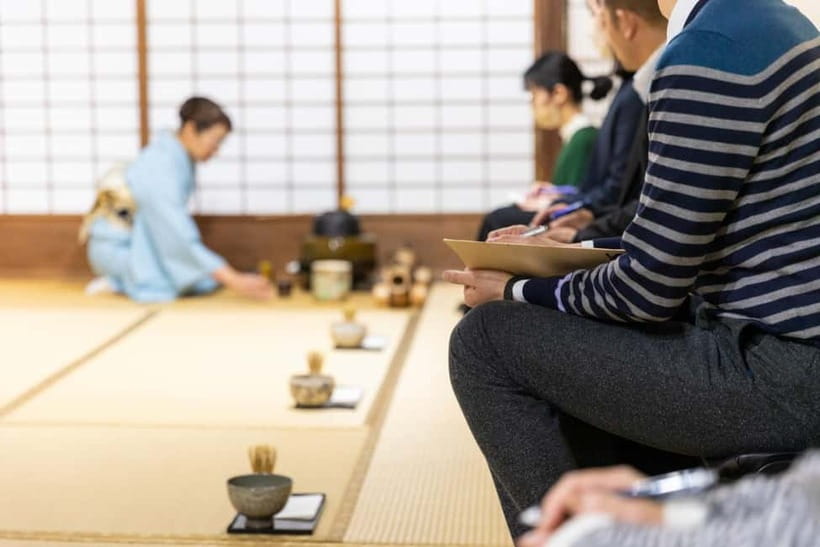
The kimono plan begins at the Yumeyakata Gojo Shop. Go at the starting time printed on your voucher to select a kimono from different colors, patterns, and sizes.
After dressing, you make your own way to Yumeyakata Oike Bettei. Transportation between the shop and townhouse is not included, so allow enough time for the transfer. The tea ceremony begins two hours after the selected kimono start time. For example, an 11:00 AM rental start leads to a 1:00 PM ceremony.
That two-hour gap is useful rather than wasted. Dressing in a kimono takes time, and the clothing has several layers. You can also enjoy the ceremony without rushing into the building at the last moment. The tradeoff is that this version occupies a large part of your day.
Once the ceremony ends, you can walk around Kyoto in the kimono before returning it to the Gojo Shop by 5:30 PM the same day. This is the strongest reason to choose the clothing option. The kimono is not only a costume for the ceremony. It becomes part of your afternoon in Kyoto.
Keep comfort in mind. Traditional clothing can feel restrictive, especially on a hot day, and walking is less easy than in ordinary clothes. Wear socks, as sandals and flip-flops are not allowed. The clothing plan is best for people who enjoy taking their time, posing for pictures, and accepting a little inconvenience in exchange for a stronger sense of occasion.
Women can add hairstyling, makeup, a hair accessory, and an upgrade from a casual kimono to a formal Houmongi. The premium option costs more, but it offers a fuller dressing experience. If your main goal is simply to attend the ceremony, the basic plan may be enough. If photographs and traditional presentation matter to you, the styling add-ons make more sense.
A completely different kind of day out:
- PERFECT KYOTO 1-Day Bus Tour
★ 5.0 · 13,518 reviews - [Kyoto & Nara Day Tour] Sagano Scenic Railway & Nara Park & Fushimi Inari Taisha Thousand Torii Gates & Togetsukyo Bridge & Bamboo Grove & Kimono Forest (Departing from Osaka)
★ 4.9 · 10,942 reviews - Kyoto: Fushimi Inari, Kinkakuji, Bamboo Grove 1 Day Bus Tour
★ 4.8 · 4,316 reviews - Kyoto: Gion Make Your Own Chopsticks with Engraving Option
★ 5.0 · 3,465 reviews
The optional 30-minute machiya moment
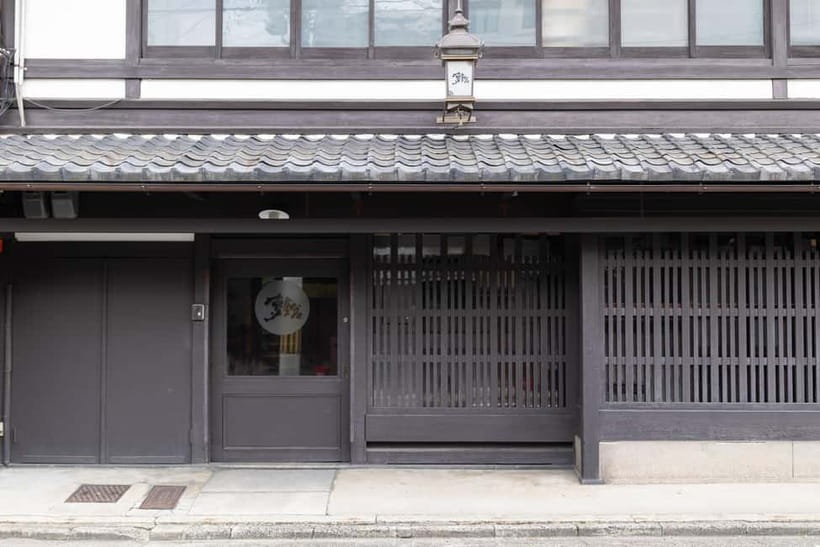
An add-on after the tea ceremony includes a 30-minute townhouse experience. The first 20 minutes are a tour of the building, followed by 10 minutes for selfies and photographs.
The tour explains the machiya’s architecture, cultural role, and less obvious functions. That is a worthwhile addition if you want to understand how the building worked, not just admire its tatami rooms. The ceremony shows you how people use the space for tea; the townhouse tour helps you read the space itself.
The photography time is informal. Professional photos and videos are not included, but the setting can provide memorable images, especially if you have selected a kimono. Past participants have enjoyed using garden areas and props such as an umbrella and katana for photographs. Those props and photo opportunities should be treated as part of the optional session, not as a promise of a professional portrait service.
How good is the English instruction?
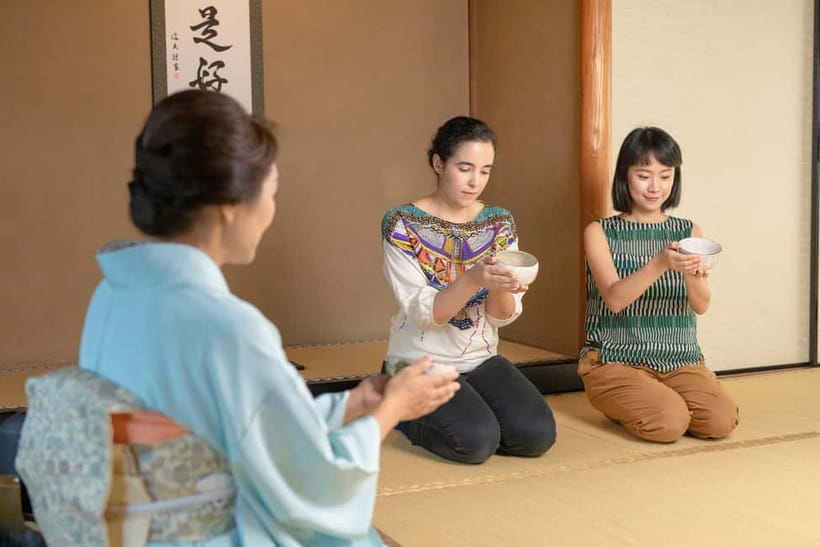
The activity is offered in English and Japanese, with a tea master and interpreter working together. The tea master may explain or perform the ceremony in Japanese while the guide gives the meaning in English.
This arrangement can actually preserve some of the ceremony’s natural character. You hear the Japanese language used in the ritual, then receive a clear explanation of what is happening. The quality of spoken English can vary slightly by session, but the structure is easy to follow, and the demonstrations help bridge any gaps.
Names noted in past sessions include Lim, Maki, and Ling. Their roles and availability can vary, so you should not book expecting one particular instructor. The consistent strength is the teaching approach: calm, patient, and willing to answer questions.
I would encourage you to ask about the bowl, the utensils, the meaning of the gestures, and the social setting of tea. The final question period is where the activity can shift from a set demonstration into a more useful cultural conversation.
Is $31 a good value?
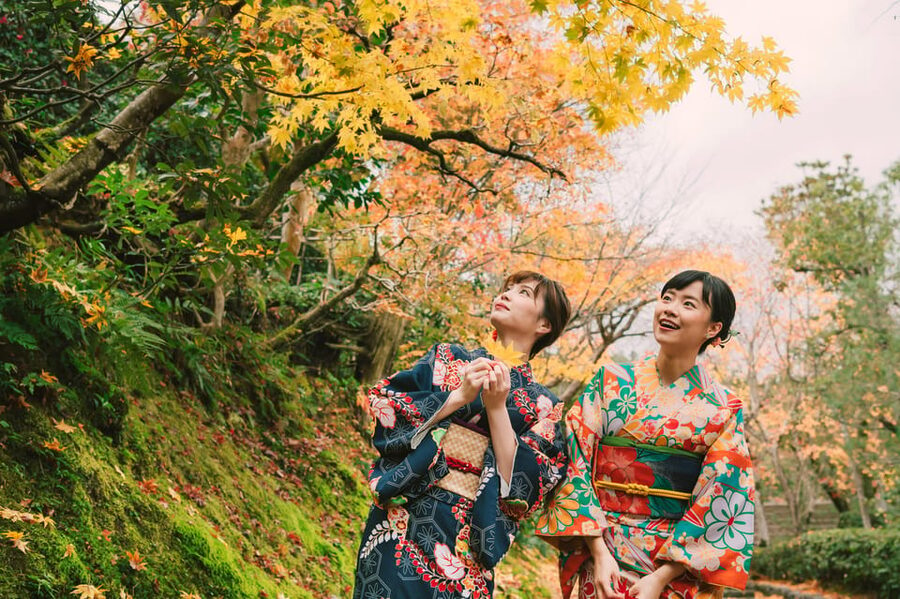
At about $31 per person, the tea-only experience is reasonably priced for a structured cultural activity in central Kyoto. You receive the lesson, matcha, a traditional sweet, a leaflet, an English interpreter, and access to a historic townhouse.
The value comes from participation. You are not paying only to sit in a pretty room while someone else makes tea. You receive instruction, try the preparation yourself, and gain enough etiquette knowledge to recognize what you are seeing at other Japanese cultural sites.
The kimono plan changes the calculation. It takes more time and may involve extra costs for hairstyling, makeup, a formal Houmongi upgrade, or the machiya session. I would choose it if you want a full half-day cultural outing and photographs. I would choose tea-only if your Kyoto schedule is tight or you care most about the ceremony itself.
The session’s high rating reflects strong satisfaction with the hosts, explanations, setting, and chance to make matcha. Even so, the group format means you should not expect a private lesson. The price is best viewed as good value for a well-run introduction, not as a bespoke tea master appointment.
Who will enjoy this most?
I would recommend this experience to first-time visitors who want a clear introduction to Japanese tea culture without needing to study etiquette beforehand. It also suits couples, families with children aged 10 and older, and anyone interested in Kyoto architecture.
The kimono plan is particularly appealing if you want photographs that feel connected to the setting. It also works well for a special occasion, though you should allow for the longer schedule and reduced walking comfort.
This may not suit you if you dislike quiet group activities, cannot sit or remain still for a short ceremony, or want a completely private experience. Chairs are available for people who prefer not to sit on the floor, but the activity still requires attention and calm.
The operator lists several restrictions. The experience is not suitable for wheelchair users, pregnant women, babies under one year, people over 200 centimeters or 95 kilograms, or people with visual impairments. Electric wheelchairs are also not permitted.
Small practical details that matter
Bring socks. This is the easiest preparation step and one you should not forget.
Do not bring food or drinks into the room, and do not smoke indoors. Flash photography is not allowed, and noisy behavior can interrupt the ceremony for everyone.
If you arrive late, you may still be allowed into the session, but the end time will not move. For the kimono plan, return the clothing to the Gojo Shop by 5:30 PM that day. Plan your sightseeing route around that deadline rather than treating the kimono as an all-evening rental.
Cancellation is free up to 24 hours before the experience, and a reserve-now, pay-later option is available. Those policies are helpful if your Kyoto schedule is still changing.
Should you book this Kyoto tea ceremony?
Yes, if you want more than a quick matcha tasting. The combination of a 100-year-old machiya, a tea master’s demonstration, hands-on preparation, and traditional sweets gives you a useful look at how tea works as both food and etiquette.
Choose tea-only for a focused 50-minute cultural lesson. Choose the kimono plan if you want the ceremony to become part of a longer Kyoto outing, and add the townhouse session if architecture and photographs matter to you. Just allow time for the transfer, dressing, walking, and return deadline.
This is not a private or silent retreat. It is a guided group lesson, sometimes with as many as 20 people. But for a first look at Japanese tea culture, it offers the right mix of explanation, ritual, and participation at a fair starting price.
FAQ
How long does the tea ceremony last?
The tea-only ceremony lasts about 50 minutes. Plans that include kimono rental and optional additions can take between 50 minutes and three hours.
Where does the tea ceremony take place?
It takes place at Yumeyakata Oike Bettei, a traditional machiya townhouse near Kyoto Gosho, also called the Kyoto Imperial Palace area.
Do I need to sit on the floor?
No. You may sit on the floor or use a small chair. Chairs are available for participants who prefer not to sit on tatami.
Can I make my own matcha?
Yes. After the tea master demonstrates the preparation, you make your own tea under supervision.
Is kimono rental included?
Kimono rental is included only when you select the kimono plan. The basic tea-only option does not include it. Hairstyling, makeup, hair accessories, and a Houmongi upgrade require the relevant add-on.
When does the tea ceremony start with the kimono plan?
The ceremony begins two hours after the selected kimono rental start time. An 11:00 AM rental start, for example, leads to a 1:00 PM tea ceremony.
What should I bring and what is not allowed?
Bring socks. Sandals, flip-flops, pets, food and drinks, indoor smoking, flash photography, electric wheelchairs, and noisy behavior are not allowed.
Just added in Kyoto
- The “Golden Route” and Ancient Japan by DIAMIR Erlebnisreisen – 14-Day Tour★ 2.0 · 2 reviews
- Japan: Castles & Cuisine by G Adventures – 6-Day Kyoto to Osaka Tour★ 4.5 · 4 reviews
- Cycle Japan by Explore! – 13-Day Kyoto to Tokyo Tour★ 4.7 · 12 reviews
- Cycle Japan by Intrepid Travel – 11-Day Kyoto to Tokyo Tour★ 4.8 · 2 reviews
- Classic Japan by Intrepid Travel – 11-Day Kyoto to Tokyo Tour★ 4.4 · 14 reviews
- Ancient & Modern Japan 14-Day Tour by Exodus Adventure Travels★ 4.4 · 40 reviews
- 5 Day Cultural Adventure of Kyoto, Nara & Osaka by Tourist Journey★ 2.5 · 2 reviews
- 12 Days Kinosaki Onsen Escape: A Journey Through Japan’s Timeless Towns by UME Travel★ 4.8 · 5 reviews
Tea Ceremonies, compared.
Tea Ceremony in a Traditional Tea House in Kiyomizu
Read our review →
World Heritage Kyoto & Nara Uji Authentic Matcha Experience
Read our review →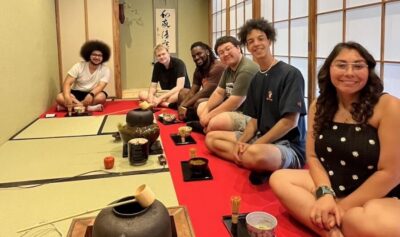
Browse the lists this tour appears in