
Reviewed · TEMPLES AND SHRINES
Kyoto: Zen Meditation at a Private Temple with a Monk
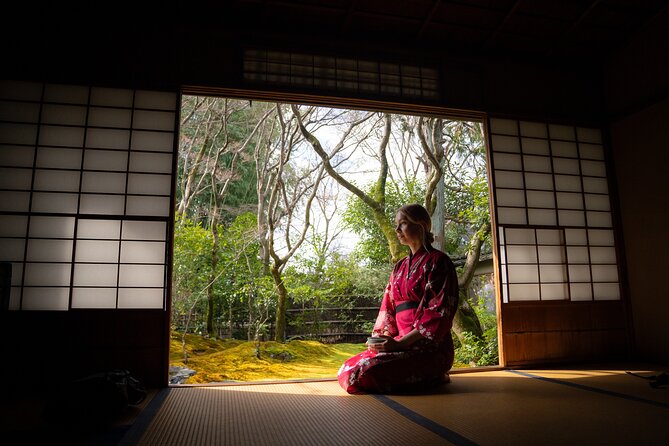
Quiet can be hard to find in Kyoto. This 90-minute experience takes you from Kodaiji Park to a small private temple usually closed to the public, where a monk introduces Zen meditation, Japanese culture, and the art of sitting with care. I like the small group limit of nine and the rare temple access. I also like that the visit includes matcha tea and traditional snacks, so the experience is not only about instruction.
The main consideration is the price: $98.83 per person is a fair amount for an hour and a half. You are paying for a private setting and direct time with a monk, not a long sightseeing tour. If you want a broad temple tour or a full afternoon activity, this will feel short.
In This Review
- Key points to know before booking
- Starting near Kodaiji Park in Higashiyama
- Entering a temple normally closed to the public
- Learning Zen from a monk
- Trying the meditation instead of just hearing about it
- Matcha, snacks, and the cultural finish
- Why the group size matters
- The 90-minute schedule and final walk
- Is $98.83 a good value?
- Who should book this Kyoto experience?
- Booking details worth keeping in mind
- Should you book this private-temple meditation?
- FAQ
- Where does the experience begin?
- Where does the experience finish?
- How long does the experience last?
- How large is the group?
- Is the temple open to the public?
- Are refreshments included?
- Can I cancel for a full refund?
Key points to know before booking
- The experience begins at Kodaiji Park in Kyoto’s Higashiyama Ward and finishes along Nene-no-michi.
- The temple is private and usually closed to the public, which gives the visit a sense of occasion that ordinary temple visits may not provide.
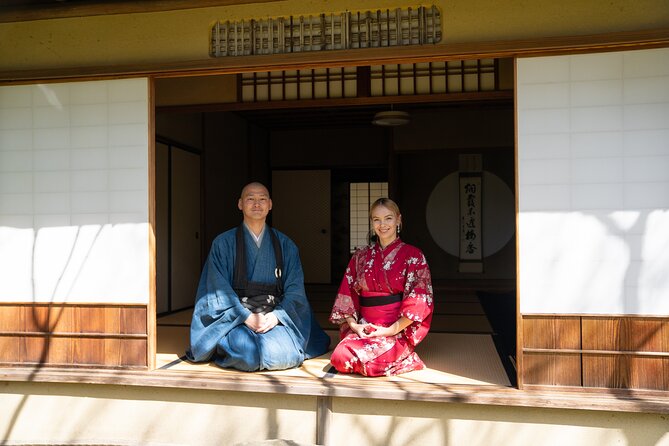
- A monk leads the meditation session, explains basic Zen ideas, and offers practical advice on posture and practice.
- The group is capped at nine people, a useful size for a personal lesson without making the session feel crowded.
- Matcha tea and traditional Japanese snacks are included, adding a calm cultural moment after the meditation.
- The total time is about 90 minutes, making it easy to fit around other sightseeing in eastern Kyoto.
Starting near Kodaiji Park in Higashiyama
Your meeting point is Kodaiji Park, at 463-28 Shimokawaracho in Kyoto’s Higashiyama Ward. This puts you in one of Kyoto’s most atmospheric areas, close to the lanes around Kodaiji and the stone-paved route of Nene-no-michi.
The activity then takes you to a private temple near the park. The exact temple is not presented as a major public attraction, and that is part of the appeal. You are not simply joining the queue at a famous temple with a large crowd. Instead, you are being brought to a quieter religious space that normally does not receive regular public visitors.
That difference matters. Kyoto has many beautiful temples, but the famous ones can turn into photo stops. Here, the setting supports the lesson. You have a place where the monk can explain Zen without the noise and movement that often surround popular sightseeing sites.
You should allow a little time to arrive at Kodaiji Park before the start. The meeting point and ending point are both in the Higashiyama area, but this is not a hotel pickup service or a city transport tour. Your booking confirmation supplies the meeting details, and the activity finishes on Nene-no-michi.
More Temples and Shrines in Kyoto
- [Kyoto & Nara Day Tour] Sagano Scenic Railway & Nara Park & Fushimi Inari Taisha Thousand Torii Gates & Togetsukyo Bridge & Bamboo Grove & Kimono Forest (Departing from Osaka)
★ 4.9 · 10,942 reviews - Kyoto: Fushimi Inari, Kinkakuji, Bamboo Grove 1 Day Bus Tour
★ 4.8 · 4,316 reviews - Kyoto: Tea Ceremony in a Traditional Tea House in Kiyomizu
★ 4.9 · 3,519 reviews
Entering a temple normally closed to the public
The temple visit is the heart of this experience. Its value comes less from a list of famous buildings and more from the chance to enter a religious space that is not generally open to the public.
That gives the visit a more personal character. You are not trying to see every gate, garden, and hall in ten minutes. The focus is on sitting, listening, and paying attention to the place around you. A small temple can be especially effective for this kind of activity because the room itself does not need to compete with a huge collection of sights.
You should also keep your expectations in check. The supplied details do not promise a famous garden, a major art collection, or an elaborate temple tour. If your main goal is architecture or photography, other Kyoto visits may offer more. This experience is about access, conversation, and practice.
The setting is also a useful counterpoint to Kyoto’s better-known temples. After spending time in crowded sightseeing areas, a private room and a slower pace can feel like a real change of gear. You are still learning about Kyoto, but you are doing so through religious practice rather than through monuments alone.
Learning Zen from a monk
A monk leads the meditation session and explains the core principles of Zen. That direct instruction is one of the strongest reasons to book. You are not receiving a general talk from a sightseeing guide. You are being introduced to meditation by someone connected to the tradition.
The session is suitable for beginners. It is described as an introduction to Zen meditation, with practical tips that help you understand how to sit and pay attention. One especially useful lesson concerns sitting upright correctly. That sounds simple, but posture can make meditation far easier, particularly when you are trying it for the first time.
The teaching also uses clear metaphors to explain the practice. That is helpful because Zen concepts can become vague when they are presented as abstract ideas. A good comparison gives you something practical to remember after you leave the temple.
Clear translation is important here, and the experience has been praised for making the monk’s teaching accessible. The quality of the explanation matters as much as the setting. A quiet temple is nice, but you need to understand what you are being asked to do and why it matters.
The cultural side adds another layer. The monk shares insights into Japanese culture and Zen that you would not normally get from walking through a temple on your own. You may not leave with a complete education in Zen, but you should come away with a better sense of how meditation fits into Japanese religious life.
Trying the meditation instead of just hearing about it
After the introduction, you get a chance to practice meditation in the temple. This is important. The activity does not stop at a lecture about Zen. You are given time to test the posture, settle your attention, and experience the quiet for yourself.
For some people, the most useful part will be the practical correction. Beginners often wonder if they are sitting properly, breathing properly, or doing anything at all. A monk’s guidance can make the practice feel less mysterious.
For others, the value will be the pause itself. Kyoto sightseeing involves walking, navigating, taking photographs, and making decisions all day. Ninety minutes devoted to sitting quietly can refresh you in a way another attraction may not.
Do not book this expecting a dramatic spiritual breakthrough. Meditation can feel awkward, especially when your mind keeps moving. That is normal, and the experience seems designed to introduce the practice rather than promise instant calm. You will get more from it if you treat the session as a lesson and a first step, not as a test you must pass.
The setting helps, but it does not do all the work. A private temple can offer calm surroundings, yet your experience still depends on your willingness to sit quietly and listen. That is why this activity suits curious beginners and people who already have some interest in meditation.
A completely different kind of day out:
- PERFECT KYOTO 1-Day Bus Tour
★ 5.0 · 13,518 reviews - Kyoto: Gion Make Your Own Chopsticks with Engraving Option
★ 5.0 · 3,465 reviews - Kyoto Nara Day Trip │ Kiyomizu-dera Temple + Fushimi Inari-taisha Shrine + Nara Park (Departing from Osaka/Kyoto)
★ 4.7 · 3,408 reviews - Kyoto Geisha Walking Tour: Gion District & Hidden Gems
★ 4.7 · 3,273 reviews
Matcha, snacks, and the cultural finish
The visit includes matcha tea and traditional Japanese snacks. These are small details, but they make the experience feel complete. You have time to shift from meditation into a relaxed cultural exchange rather than leaving immediately after the practice ends.
Matcha is also a fitting part of the visit. It connects the quiet pace of the temple with a familiar Japanese tradition. The snacks give you a chance to enjoy something local without turning the experience into a formal meal.
The supplied information does not specify the type of sweets or the style of tea service, so you should not expect a full tea ceremony unless that is stated separately in your booking details. Think of this as a modest refreshment and cultural touch, not a separate multi-course event.
I like this balance. The snacks do not distract from the meditation, but they give the visit a social finish. They also make the activity easier to share with a companion who may be less interested in sitting practice.
Why the group size matters
The maximum group size is nine people. That is small enough to keep the session personal, while still giving you the comfort of joining a shared activity rather than arranging a private appointment.
A small group is especially useful during meditation instruction. The monk has a better chance to explain basic posture and respond to questions without speaking to a large room. It also reduces the risk of the experience feeling like a performance for a crowd.
The group size is a limit, not a guarantee that every departure will have nine people. Your actual group could be smaller. Either way, the design of the experience favors a quiet, intimate atmosphere.
This also means you should respect the nature of the visit. It is not a place for constant conversation or casual sightseeing behavior. You will get more from it if you arrive ready to listen and allow the temple to set the pace.
The 90-minute schedule and final walk
The full experience lasts about one hour and 30 minutes. The time includes the visit to the private temple, the monk’s introduction, the meditation practice, and the matcha and snacks.
That duration is well judged for a first meditation session. A shorter visit might feel rushed, while a much longer session could be difficult for beginners who are not used to sitting still. You can fit it into a morning or afternoon of exploring Higashiyama without giving up an entire day.
The activity ends at Nene-no-michi in Shimokawaracho. This is useful for continuing your sightseeing on foot. You are not returned to Kodaiji Park, so plan your next stop from Nene-no-michi rather than assuming you will finish at the starting point.
The route and timing also make this easy to pair with other eastern Kyoto sights. The supplied details do not provide a precise walking time between the meeting point and temple, so check your confirmation for any final directions and arrive with enough time to find the starting point.
Is $98.83 a good value?
At $98.83 per person, this is not a budget activity. Kyoto has many temples you can visit for a much lower admission fee, and some religious sites are free. The comparison, however, is not quite fair.
You are paying for several things that ordinary temple entry does not provide:
- Access to a private temple usually closed to the public
- Direct instruction from a monk
- A guided meditation session
- Cultural explanations about Zen and Japan
- A small group capped at nine people
- Matcha tea and traditional snacks
The question is how much those elements matter to you. If you want a private setting, an authentic cultural exchange, and a practical introduction to meditation, the price can make sense. If you mainly want to see another temple, the cost will feel high for 90 minutes.
The perfect audience is someone who values access and interpretation more than a long itinerary. You are paying for the quality of the encounter, not the number of sights covered. That can be good value in Kyoto, where a thoughtful local experience often tells you more than another quick stop at a famous gate.
The perfect audience is not someone rushing through a packed schedule. You need to be willing to slow down. The activity also may not suit anyone who dislikes sitting quietly or has no interest in meditation, even if the cultural side remains appealing.
Who should book this Kyoto experience?
I would recommend it to first-time visitors who want to understand more than Kyoto’s visual beauty. Temples can be hard to interpret when you only walk through them. A monk’s explanation gives you a clearer way to think about Zen and its place in Japanese culture.
It also suits people who have tried meditation before and want to improve the basics. Practical advice about sitting upright and using a memorable metaphor can be useful long after the visit ends.
Couples, friends, and solo visitors can all fit the format. The group is small, and the tea and snacks provide a gentle way to share impressions afterward. Families should consider the needs of each person, since the central activity requires quiet attention and stillness.
I would be more cautious if you are choosing between this and a full temple tour, garden visit, or food walk. This is a focused experience. It will not show you a long list of Kyoto sights, and the details do not promise an extended tour of the temple grounds.
The strongest parts are the monk-led instruction, private access, small group, and calm setting. Those features are why the experience receives a full five-star rating from 25 published assessments, with 100 percent recommending it. Praise focuses on the beautiful ceremony, genuine teaching, useful translation, and accessible introduction to meditation.
Booking details worth keeping in mind
Confirmation is provided when you book, and a mobile ticket is available. Most people can participate, according to the supplied activity details.
Free cancellation is available if you cancel at least 24 hours before the experience start time. Cancellations or changes made less than 24 hours before the start are not accepted for a refund, and the cut-off follows local Kyoto time.
The experience is operated by Travel Japan Together. Since the tour begins at a specific park address and ends elsewhere on Nene-no-michi, read the meeting instructions carefully before setting out.
Should you book this private-temple meditation?
Book it if you want a quiet, personal encounter with Kyoto and have genuine interest in Zen, Japanese culture, or meditation. The private temple, monk-led teaching, small group, and simple tea service make it feel more meaningful than a standard sightseeing stop.
Skip it if you are mainly looking for famous architecture, a long temple visit, or the lowest possible price. At $98.83, the value depends on appreciating the access and instruction.
For the right person, this is a thoughtful way to slow down in Higashiyama. You may not leave as a seasoned meditator, but you can leave knowing how to sit a little straighter, listen a little more carefully, and look at Kyoto’s temples with better context.
FAQ
Where does the experience begin?
It begins at Kodaiji Park, located at 463-28 Shimokawaracho, Higashiyama Ward, Kyoto, 605-0825, Japan.
Where does the experience finish?
The activity finishes on Nene-no-michi in Shimokawaracho, Higashiyama Ward, Kyoto.
How long does the experience last?
The experience lasts approximately one hour and 30 minutes.
How large is the group?
The activity has a maximum of nine participants.
Is the temple open to the public?
The experience visits a private temple that is typically closed to the public.
Are refreshments included?
Yes. The experience includes matcha tea and traditional snacks.
Can I cancel for a full refund?
Yes, if you cancel at least 24 hours before the experience start time. Cancellations made less than 24 hours before the start time are not refunded.
Just added in Kyoto
- The “Golden Route” and Ancient Japan by DIAMIR Erlebnisreisen – 14-Day Tour★ 2.0 · 2 reviews
- Japan: Castles & Cuisine by G Adventures – 6-Day Kyoto to Osaka Tour★ 4.5 · 4 reviews
- Cycle Japan by Explore! – 13-Day Kyoto to Tokyo Tour★ 4.7 · 12 reviews
- Cycle Japan by Intrepid Travel – 11-Day Kyoto to Tokyo Tour★ 4.8 · 2 reviews
- Classic Japan by Intrepid Travel – 11-Day Kyoto to Tokyo Tour★ 4.4 · 14 reviews
- Ancient & Modern Japan 14-Day Tour by Exodus Adventure Travels★ 4.4 · 40 reviews
- 5 Day Cultural Adventure of Kyoto, Nara & Osaka by Tourist Journey★ 2.5 · 2 reviews
- 12 Days Kinosaki Onsen Escape: A Journey Through Japan’s Timeless Towns by UME Travel★ 4.8 · 5 reviews
Temples and Shrines, compared.
![[Kyoto & Nara Day Tour] Sagano Scenic Railway & Nara Park & Fushimi Inari Taisha Thousand Torii Gates & Togetsukyo Bridge & Bamboo Grove & Kimono Forest (Departing from Osaka)](https://media.japanvisits.com/wp-content/uploads/kyoto-nara-day-tour-sagano-scenic-railway-nara-park-fushimi-inari-taisha-thousand-torii-gates-togetsukyo-bridge-bamboo-grove-kimono-forest-departing-from-osaka-k110001-400x257.jpg)
Kyushu One-Day Tour: Yufuin no Mori Train & Yufuin Town & Nyoirin-ji Temple & Dazaifu & Hell Hot Springs (Departing from Fukuoka)
Read our review →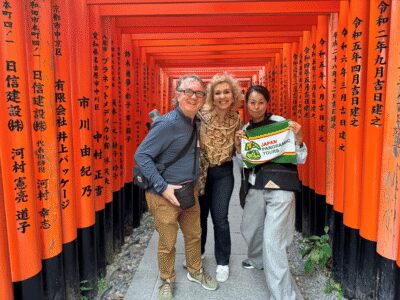
Fushimi Inari, Kinkakuji, Bamboo Grove 1 Day Bus Tour
Read our review →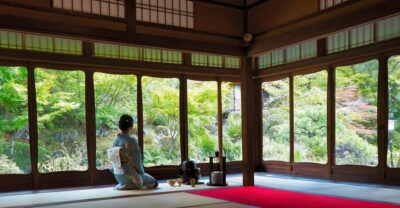
Tea Ceremony in a Traditional Tea House in Kiyomizu
Read our review →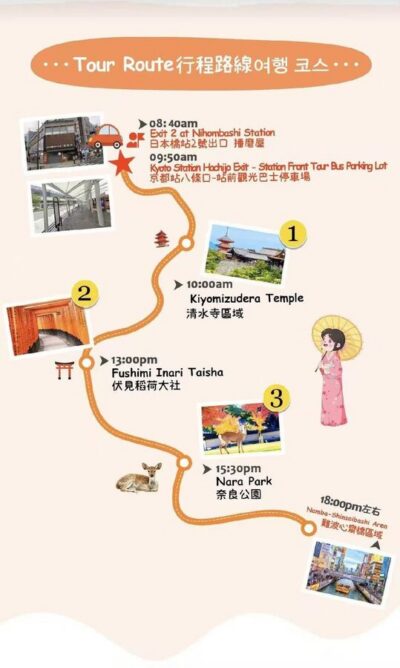
Kyoto Nara Day Trip │ Kiyomizu-dera Temple + Fushimi Inari-taisha Shrine + Nara Park (Departing from Osaka/Kyoto)
Read our review →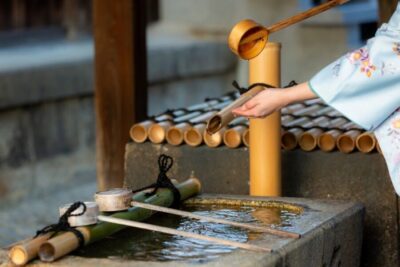
Browse the lists this tour appears in