
Reviewed · TEA CEREMONIES
Nerikiri and Matcha Making Class in Kyoto
Small sweets, careful hands, quiet tea. This Kyoto class offers more than a cooking lesson. You learn how to shape five traditional nerikiri designs, prepare matcha at a table, and enjoy the results in a calm home setting. I especially like the hands-on instruction and the chance to take unfinished sweets home in a provided container.
I also like that the class is small, with no more than eight participants. The main consideration is the price, $84.92 per person, and the strict non-refundable policy. This is not a quick snack stop. It takes about two and a half hours, and children must be older than 10.
In This Review
- Key points to know before booking
- What makes nerikiri worth learning
- Starting at Matsugasaki Station
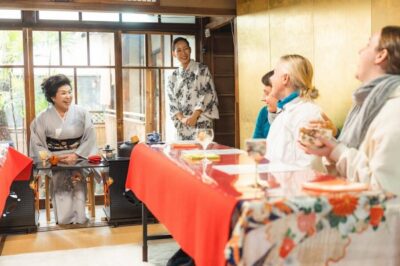
- A small class in a welcoming home
- Step one: learning how the dough works
- Step two: shaping five different designs
- Step three: making matcha at the table
- Step four: tasting your work
- Is $84.92 a fair price?
- Who will enjoy this Kyoto activity most?
- Timing and practical details
- Should you book the nerikiri and matcha class?
- FAQ
- Where does the nerikiri and matcha class begin?
- What time does the class start?
- How long does the experience last?
- How many nerikiri designs will I make?
- Is matcha included?
- Can I take the nerikiri home?
- Are children allowed to participate?
Key points to know before booking
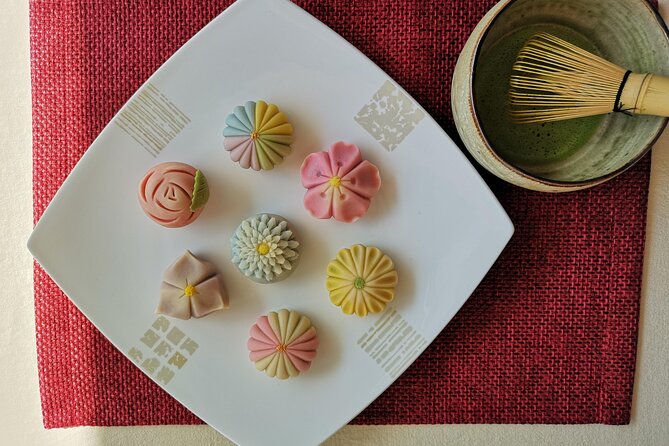
- Five nerikiri designs: You learn several shaping methods rather than making one simple sweet.
- A peaceful home setting: The instructor welcomes you into her home, creating a personal atmosphere.
- Matcha included: You prepare table-style matcha and enjoy it with your handmade sweets.
- Small group size: A maximum of eight people allows room for individual guidance.
- Take-home treats: Any remaining nerikiri goes home with you in a provided container.
- Useful follow-up recipes: The instructor can email you two versions of the nerikiri dough recipe after class.
What makes nerikiri worth learning
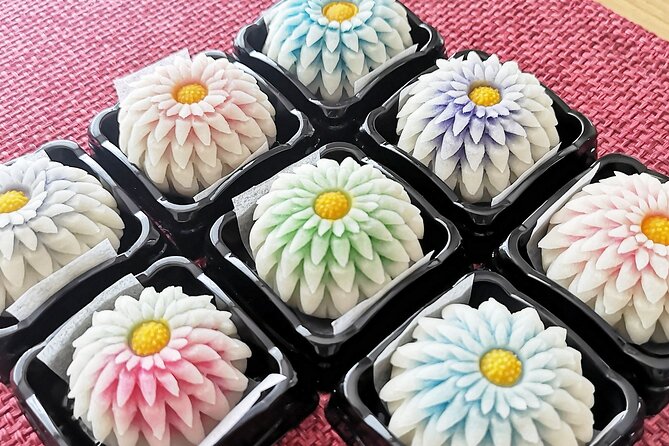
Nerikiri are Japanese confections traditionally served during a tea ceremony. They are mainly made from sweet white beans and shaped into delicate designs. Their beauty is part of the point: these sweets are made to be appreciated before they are eaten.
That makes the class different from a standard dessert workshop. You are not simply mixing ingredients, baking something, and rushing to the next activity. The work depends on touch, balance, and small changes in pressure. You shape soft dough with care, then use tools to add form and detail.
The process is peaceful and therapeutic. That does not mean it is effortless, but the pace gives you time to focus. If Kyoto sightseeing has left you tired from crowds, traffic, and temple steps, this class offers a welcome change of rhythm.
You also get a useful introduction to an important part of Japanese food culture. Nerikiri is closely linked with tea ceremony, so making the sweets and drinking matcha together makes sense. You are learning a small food tradition in the setting where it is meant to be enjoyed.
More Cooking Classes in Kyoto
- Ramen Cooking Class at Ramen Factory in Kyoto
★ 5.0 · 1,937 reviews - Sushi Making in Kyoto! Same-day bookings welcome!
★ 5.0 · 713 reviews - Kyoto: Ramen Cooking Class at a Ramen Factory with Souvenir
★ 4.9 · 532 reviews
Starting at Matsugasaki Station
The class begins at 10:00 a.m. at Matsugasaki Station in Sakyo Ward, at Matsugasaki Rokunotsubocho, Kyoto, postal code 606-0915. The meeting point is near public transportation, which keeps the arrival fairly simple for anyone already moving around Kyoto by train or subway.
You should allow enough time to find the station exit and get organized before the start. Confirmation arrives within 48 hours of booking, subject to availability, so do not treat a last-minute reservation as guaranteed.
The activity ends back at the meeting point. That is helpful if you have another plan afterward, since you are not left trying to locate a separate finish point in an unfamiliar neighborhood.
Private transportation is not included. You arrange your own way to and from Matsugasaki Station, so add that local transport cost when working out your total budget.
A small class in a welcoming home
The class has a maximum of eight participants. That number matters here. Nerikiri requires close attention to shape, and you may need to watch a technique more than once before trying it yourself. A small group gives the instructor a better chance to see what your hands are doing and offer corrections.
The setting also appears to be personal rather than formal. The instructor welcomes participants into her home, and the atmosphere is described as comfortable from the beginning. You should expect a more intimate experience than a large commercial cooking studio.
This kind of setting suits you if you enjoy meeting people through food and prefer a calm activity to a crowded attraction. It may not suit you if you want complete privacy, a private lesson, or a highly polished restaurant-style venue. The class is shared, and only paying participants may attend because space is limited.
There are no spectators. That means friends or family members who are not taking the class cannot simply sit in and watch. Everyone in the room must be part of the activity.
Step one: learning how the dough works
The instructor begins by explaining how nerikiri dough is made. The dough is prepared before the class, so you do not spend your time cooking the base mixture from scratch.
That is a practical choice for a two-and-a-half-hour session. Making the dough from beginning to end would take time away from the main lesson, which is shaping. You get to see and understand the basic method without losing the hands-on part that makes the class worthwhile.
The prepared dough also lets you focus on texture. Nerikiri shaping depends on working with the right consistency, and the instructor can show you how the dough should feel in your hands before you begin.
After the class, the instructor can send you two versions of the nerikiri dough recipe by email. You must provide an email address if you want them. This is a useful extra for anyone who hopes to practice at home, since the class is designed not only for a one-time experience but also for people who want to improve their skills.
More Tea Ceremonies in Kyoto
- Kyoto: Tea Ceremony in a Traditional Tea House in Kiyomizu
★ 4.9 · 3,519 reviews - Kyoto: Tea Ceremony Ju-An at Jotokuji Temple
★ 4.9 · 3,207 reviews - Kyoto: 45-Minute Tea Ceremony Lesson Experience
★ 4.3 · 2,378 reviews - Kyoto: Table-Style Tea Ceremony at a Kyo-Machiya
★ 4.9 · 1,211 reviews
Step two: shaping five different designs
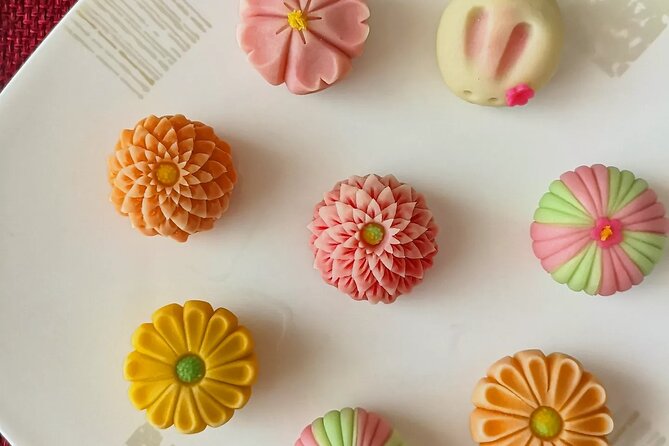
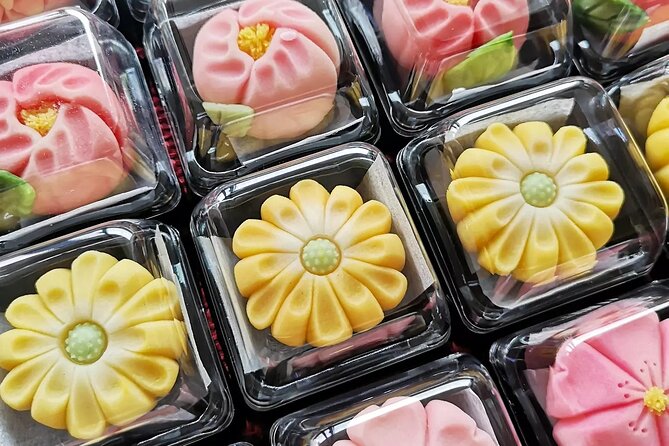
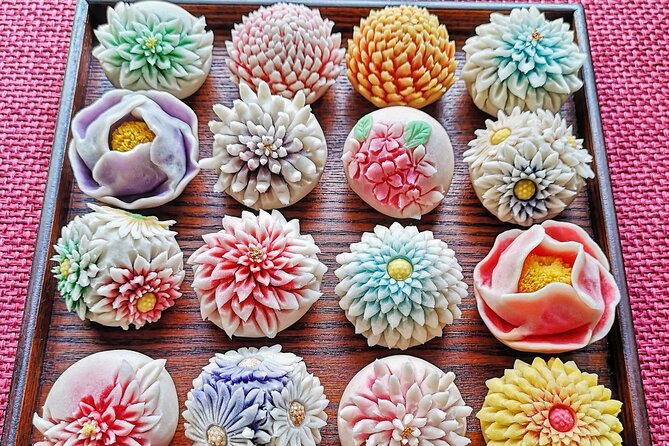
The main part of the class is making five nerikiri designs. You learn how to shape each one step by step, using different techniques and various nerikiri tools.
Five designs give the session a clear sense of progress. You can try a basic movement, then apply what you have learned to a new form. The work remains approachable, but there is enough variety to keep it from feeling repetitive.
The sweets are delicate, but the instruction makes them manageable. You should not expect every piece to look perfect on your first try. That is part of the charm. Small differences in shape make each sweet your own, even while you are following the same demonstration.
The class suits both beginners and people who already enjoy Japanese sweets or decorative food. If you are new to nerikiri, you receive a structured introduction. If you have some experience, the tools and repeated practice give you a chance to refine your technique.
The instructor is described as precise and well organized, which is important for this type of lesson. A vague demonstration would leave you guessing about pressure, timing, and tool use. Clear step-by-step guidance helps turn an intricate-looking sweet into a series of manageable actions.
Step three: making matcha at the table
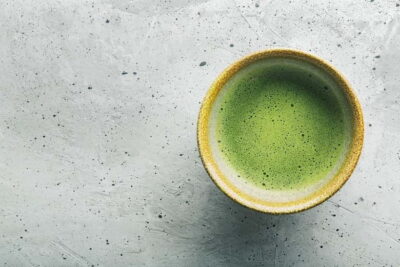
Once the nerikiri work is complete, you make matcha tea. This is table-style matcha, so the activity does not require a formal tea ceremony setting.
The matcha gives the class a natural pause. After concentrating on fine shapes and tools, you can sit down and enjoy what you made. The slightly bitter tea pairs well with the sweetness of nerikiri, creating the contrast that makes the tasting feel complete.
You prepare the matcha yourself rather than simply receiving a cup. That adds another small skill to the session and gives you a better sense of how the tea is served with Japanese confections.
The tea portion is also valuable because it places nerikiri in context. These sweets are not just pretty bean-based treats. They are traditionally served with tea, and the class lets you experience the pairing directly.
Step four: tasting your work
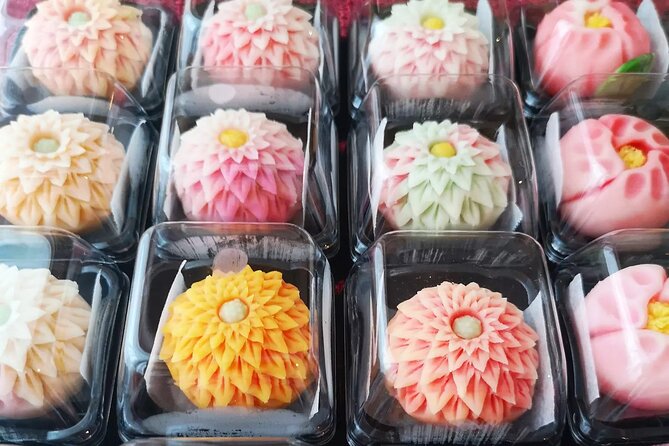
The class includes five nerikiri and matcha. You taste the sweets with the tea after making them, so the final part is not rushed or treated as an afterthought.
This is where the activity becomes social and relaxed. You have spent time learning, shaping, and correcting your work. Sitting down to taste the results gives the class a satisfying finish.
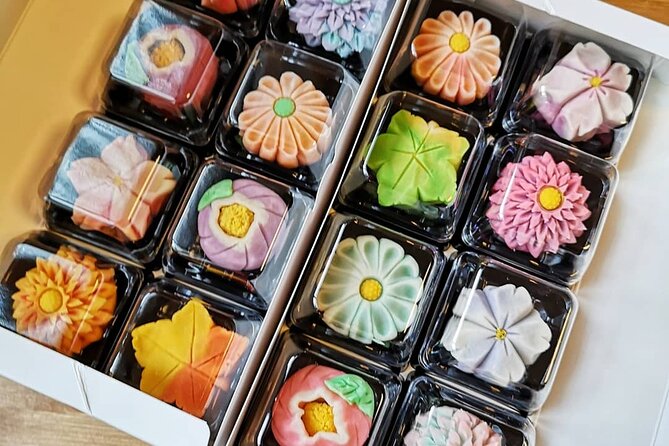
You can take the remaining nerikiri home. A container is provided, which saves you from having to bring your own box or worry about carrying soft sweets loose in a bag.
The take-home portion adds value, especially if you want to share the experience later. Still, handle the container carefully. Nerikiri are delicate by nature, and the designs are meant to keep their shape.
Is $84.92 a fair price?
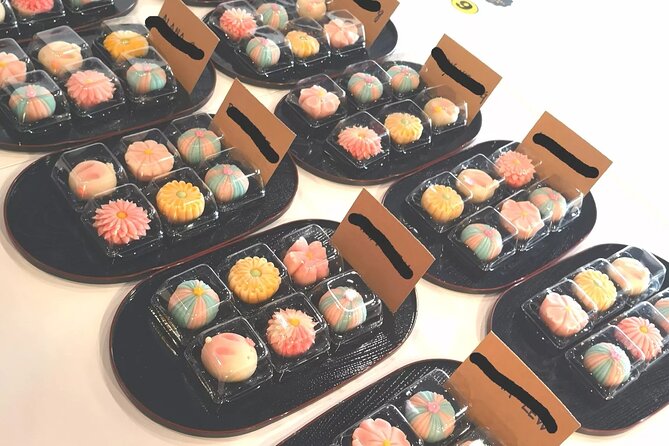
At $84.92 per person, this is not the cheapest food activity in Kyoto. You are paying for a two-and-a-half-hour lesson, five handmade confections, matcha, instruction, a take-home container, and a small-group setting.
The value improves if you want to learn a technique rather than simply eat a local snack. The instructor explains the dough, demonstrates five designs, introduces the tools, and provides recipes for future practice. That makes the experience more useful than a short tasting session.
The price also covers time and personal attention. With no more than eight participants, you are not watching a demonstration from the back of a large room. You have a chance to make each design under guidance.
I would consider the class a good value for a food-minded visitor, a couple looking for a quiet shared activity, or anyone interested in Japanese sweets. It is less compelling if you only want a quick introduction to matcha or if you are mainly seeking a low-cost meal.
Since private transportation is not included, remember to budget for getting to Matsugasaki Station. The meeting point is near public transportation, so the added cost should be limited to your regular local fare.
Who will enjoy this Kyoto activity most?
This class is a strong fit for anyone who likes making things with their hands. The five-design format gives you enough practice to feel involved, while the instructor’s guidance keeps the process from becoming frustrating.
It is also well suited to people who value slower cultural experiences. You are not rushing between sights. Instead, you spend a focused morning learning one food tradition in a small setting.
Families should note the age rule. Participants must be older than 10, and only people enrolled in the class may attend. That makes the experience better for a group in which everyone is ready to take part.
I would also recommend it for visitors who want a memorable souvenir that is not another packaged item from a shop. Your take-home sweets are made during the class, and the recipes give you a chance to recreate the process later.
You might want to skip it if you dislike precise handwork, have no interest in sweet bean confections, or prefer a private activity. The class is gentle, but it still asks you to concentrate and follow instructions.
Timing and practical details
The experience lasts approximately two hours and 30 minutes, beginning at 10:00 a.m. That makes it easy to use as a morning activity, with time left afterward for lunch or more sightseeing.
The class ends where it begins, at the Matsugasaki Station meeting point. This simple start and finish reduces the chance of losing time on an unfamiliar transfer between locations.
The experience is offered with a mobile ticket. You should have the ticket available on your phone when you arrive.
Confirmation is sent within 48 hours of booking, subject to availability. The cancellation rule is strict: the experience is non-refundable and cannot be changed for any reason. Only book once your Kyoto plans are firm.
Should you book the nerikiri and matcha class?
I would book this class if you want a quiet, personal Kyoto activity with real participation. The strongest reasons are the five designs, the small group, the home setting, and the recipe follow-up. You leave with sweets, new skills, and a better understanding of why nerikiri belongs beside matcha.
The $84.92 price is reasonable when you value instruction and a longer cultural experience, but it is high for anyone looking only for a taste. The strict cancellation policy also calls for care when choosing your date.
For a food lover, a creative couple, or a visitor seeking a calm break from sightseeing, this is a thoughtful choice. For children under 10, spectators, or anyone wanting private transportation and a private lesson, it is not the right fit.
FAQ
Where does the nerikiri and matcha class begin?
The class begins at Matsugasaki Station, Matsugasaki Rokunotsubocho, Sakyo Ward, Kyoto, 606-0915, Japan.
What time does the class start?
The start time is 10:00 a.m.
How long does the experience last?
The class lasts approximately two hours and 30 minutes.
How many nerikiri designs will I make?
You will learn to make five nerikiri designs using different shaping techniques and various nerikiri tools.
Is matcha included?
Yes. Matcha is included, and you will prepare it in a table-style setting before enjoying it with the nerikiri.
Can I take the nerikiri home?
Yes. You can take the remaining nerikiri home, and a container is provided.
Are children allowed to participate?
Participants must be older than 10. Only people participating in the class may attend, and spectators are not allowed.
Just added in Kyoto
- The “Golden Route” and Ancient Japan by DIAMIR Erlebnisreisen – 14-Day Tour★ 2.0 · 2 reviews
- Japan: Castles & Cuisine by G Adventures – 6-Day Kyoto to Osaka Tour★ 4.5 · 4 reviews
- Cycle Japan by Explore! – 13-Day Kyoto to Tokyo Tour★ 4.7 · 12 reviews
- Cycle Japan by Intrepid Travel – 11-Day Kyoto to Tokyo Tour★ 4.8 · 2 reviews
- Classic Japan by Intrepid Travel – 11-Day Kyoto to Tokyo Tour★ 4.4 · 14 reviews
- Ancient & Modern Japan 14-Day Tour by Exodus Adventure Travels★ 4.4 · 40 reviews
- 5 Day Cultural Adventure of Kyoto, Nara & Osaka by Tourist Journey★ 2.5 · 2 reviews
- 12 Days Kinosaki Onsen Escape: A Journey Through Japan’s Timeless Towns by UME Travel★ 4.8 · 5 reviews
Tea Ceremonies, compared.
Tea Ceremony in a Traditional Tea House in Kiyomizu
Read our review →
World Heritage Kyoto & Nara Uji Authentic Matcha Experience
Read our review →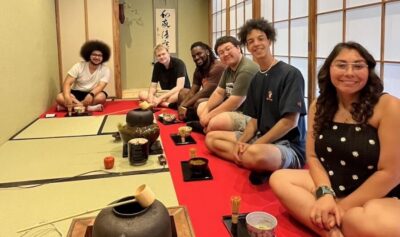
Browse the lists this tour appears in