
Reviewed · COOKING CLASSES
Kyoto: Ramen Cooking Class at a Ramen Factory with Souvenir
Ramen tastes better when you make the noodles. At Ramen Factory Kyoto, you turn flour into fresh noodles, season chicken, choose a soup and sauce, and sit down to eat your own bowl. It is a hands-on break from shrine and temple visits, with English-speaking instruction and plenty of laughs along the way.
I like the from-scratch noodle work, especially the mixing, punching, kneading, folding, draining, and shaking. I also like the freedom to combine miso, salt, and soy flavors rather than receiving one fixed bowl. At $127 per person, the price is not low, but the meal, class, digital recipe, and souvenir make it more than a simple lunch.
The main consideration is the pace. Ninety minutes goes quickly, and some ingredients are prepared ahead because a true ramen broth can take days. You get the satisfying parts of ramen-making, but not a full professional kitchen apprenticeship.
In This Review
- Key points at a glance
- Why this Kyoto ramen class works so well
- Finding the basement near Demachiyanagi
- Aprons, headscarves, and the quick introduction
- From flour to noodles, the best part of the session
- Choosing between miso, salt, and soy
- Building and eating your own bowl
- Dietary needs and family appeal
- Souvenirs and the take-home recipe
- Is $127 a fair price?
- Small drawbacks to consider before booking
- Who should book this experience?
- Should you book the Kyoto Ramen Factory class?
- FAQ
- How long does the ramen cooking class last?
- How much does the experience cost?
- Where is the Ramen Factory located?
- How do I find the entrance?
- Which languages are available?
- What types of ramen sauce can I choose from?
- Is the recipe provided after the class?
- Is a souvenir included?
- Can dietary requirements be accommodated?
Key points at a glance
- Knead noodles from flour: You handle the dough through mixing, punching, folding, and shaping before cooking it.
- Build your own bowl: Pick from miso, salt, and soy flavor combinations, then add toppings, egg, and condiments to your taste.
- Learn in English or Japanese: The instructors guide each stage clearly, with staff such as Sakura, Fuku, Akemi, Moeka, and others praised for keeping the class lively.
- Eat what you make: The finished ramen is not just a demonstration dish. You cook and enjoy your own bowl at the end.
- Take home more than a memory: A selective souvenir is included, and you receive the recipe digitally so you can try again at home.
- Convenient Demachiyanagi location: The basement classroom is about a five-minute walk from Demachiyanagi Keihan-line station, though the entrance can be easy to miss.
Why this Kyoto ramen class works so well
Kyoto offers endless temples, gardens, and old streets. Those are essential, but a cooking class gives you a different view of Japan. You learn through your hands, not just through photographs.
This experience is run by a ramen school established by Menbaka Fire Ramen, a well-known Kyoto ramen house. The focus is practical rather than formal. You are not sitting through a long lecture. You are making food, making choices, and eating the result before the 90 minutes are over.
I especially like the balance between instruction and fun. The teachers keep the room upbeat, but the cooking still has enough substance to feel worthwhile. Fuku has been praised for his humor and clear teaching, while Sakura is often described as energetic, friendly, and helpful with photographs. Moeka, Akemi, Kazuma, Maya, Haruka, and other instructors have also received warm praise for making the steps easy to follow.
That matters if you are nervous about cooking in front of strangers. The class is designed for beginners. You do not need to arrive with knife skills, noodle-making experience, or a carefully developed ramen palate.
More Cooking Classes in Kyoto
- Ramen Cooking Class at Ramen Factory in Kyoto
★ 5.0 · 1,937 reviews - Sushi Making in Kyoto! Same-day bookings welcome!
★ 5.0 · 713 reviews - Kyoto: Ramen, Gyoza, and Onigiri Cooking Class
★ 5.0 · 445 reviews
Finding the basement near Demachiyanagi
The meeting point is about a five-minute walk from Demachiyanagi Station on the Keihan Line. The class is on the basement floor, so you need to look for the staircase leading down rather than a prominent street-level shopfront.
Here is the useful detail: the entrance may not match the location shown on Google Maps. Look for the stairs on the street side behind the bus stop, or take the staircase to the right of the supermarket and go down. This small bit of preparation can save you from wandering around the block before your start time.
Transportation is not included, so you make your own way there. The location works well as a short side trip from nearby sightseeing areas, especially if you want a meal and activity without giving up half a day.
Aprons, headscarves, and the quick introduction
The session begins with a Ramen apron and headscarf. This is partly practical and partly theatrical. You look the part, and the outfit makes the class feel like an event rather than an ordinary cooking lesson.
An overview video explains the process before you start. It gives you a useful map of the session, which helps because several things happen in quick succession. You learn about ramen and its ingredients, along with some background on the dish in Japan.
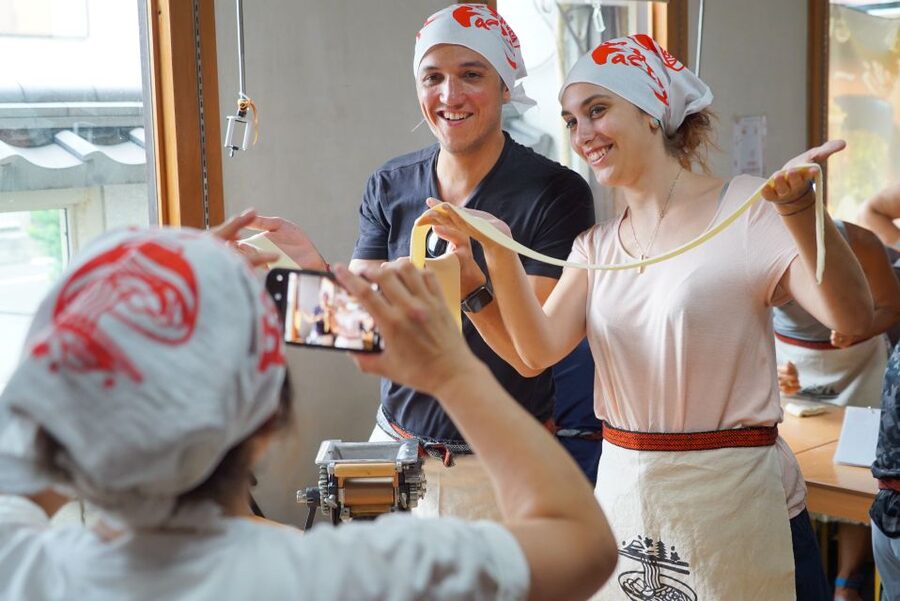
The staff also help take photos and videos. That is a nice touch for solo visitors, couples, and families who want proof that they actually made the noodles. One solo participant appreciated the staff making sure there were plenty of photographs and videos throughout the process.
The media notice is worth knowing before you book. You may be photographed or filmed during professional video, photo, or 360-degree camera work. The material may be used on the company website, in media coverage, or in advertising around the world.
From flour to noodles, the best part of the session
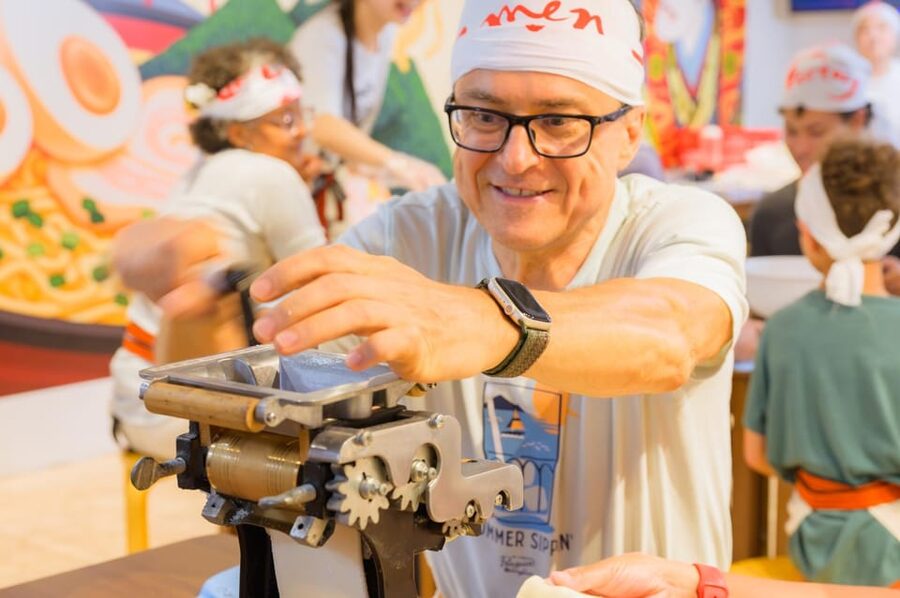
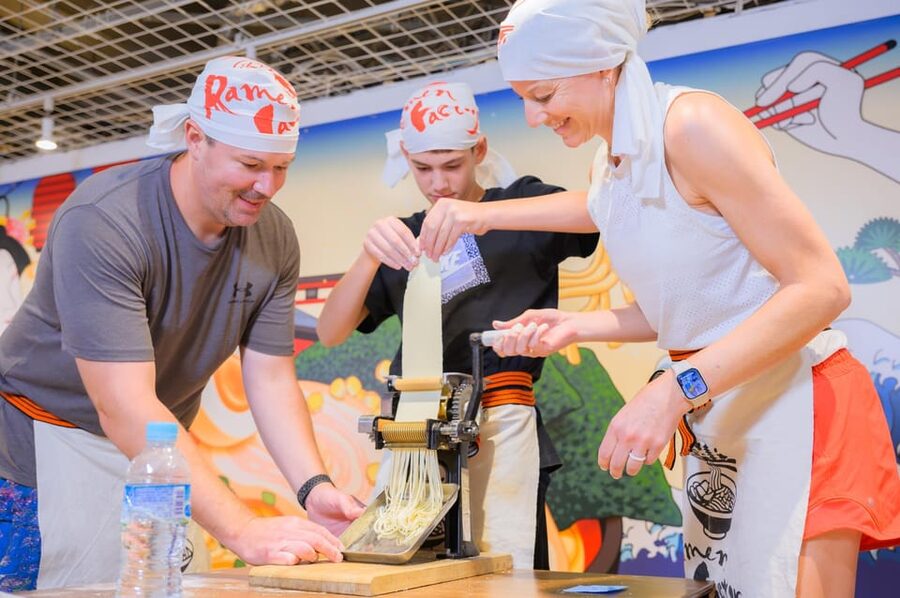
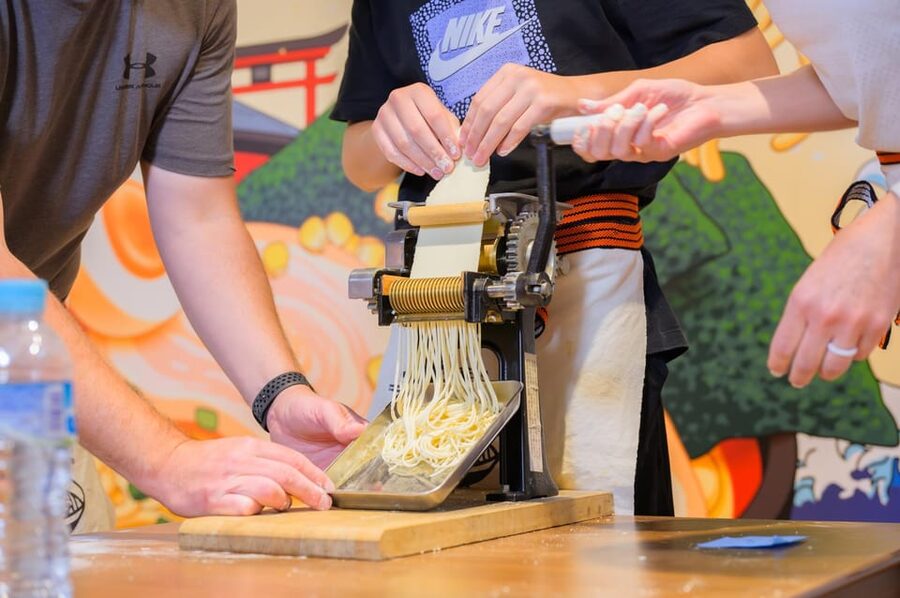
The noodle-making section is the heart of the class. You start with flour and work toward a finished noodle rather than simply boiling a pre-made packet.
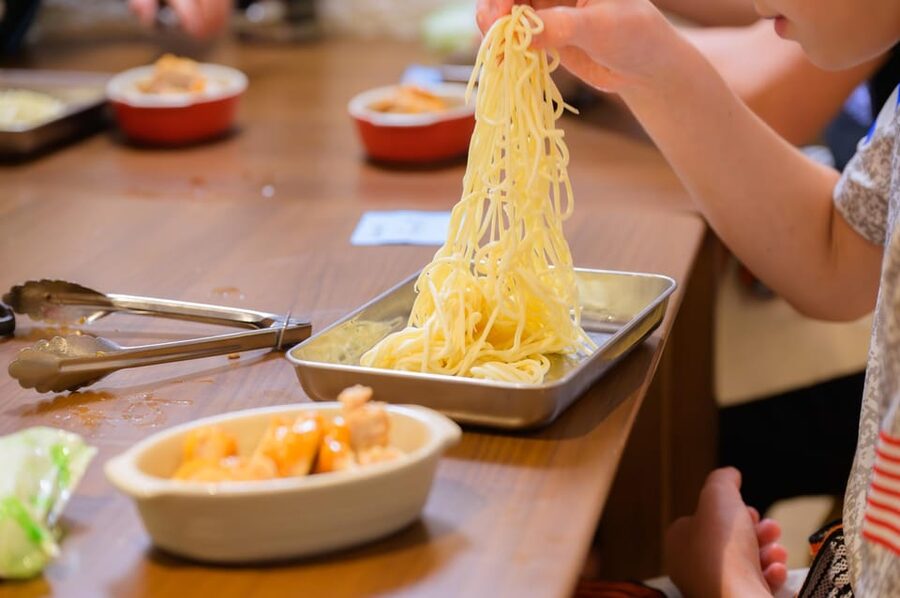
The process includes mixing, punching, kneading, folding, draining, and shaking. The dough is folded more than 100 times, giving you a physical sense of the care behind the texture of ramen noodles. It is simple enough for a first-timer, but active enough to keep your hands busy.
I like this part because it explains why ramen is more than soup with noodles dropped into it. Texture matters. The repeated folding and handling are not just ceremonial actions. They help you understand that the noodle itself is a major part of the dish.
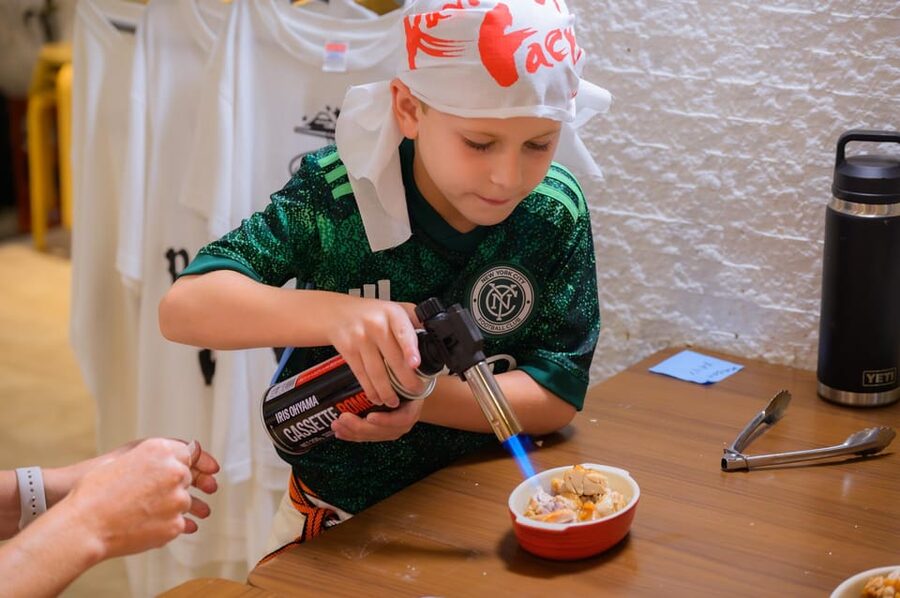
You also prepare and season the chicken used in the bowl. The chicken chashu approach is well suited to a 90-minute class. Traditional ramen components can take days to prepare, so the class wisely concentrates on the parts you can complete and appreciate within the available time.
Do not expect to make every broth component from raw ingredients in one sitting. Some preparation happens before you arrive. That is not a flaw, but it is important to understand the experience correctly. You are learning the key techniques and assembling a well-prepared bowl, not recreating an entire ramen shop kitchen in an hour and a half.
A completely different kind of day out:
- PERFECT KYOTO 1-Day Bus Tour
★ 5.0 · 13,518 reviews - [Kyoto & Nara Day Tour] Sagano Scenic Railway & Nara Park & Fushimi Inari Taisha Thousand Torii Gates & Togetsukyo Bridge & Bamboo Grove & Kimono Forest (Departing from Osaka)
★ 4.9 · 10,942 reviews - Kyoto: Fushimi Inari, Kinkakuji, Bamboo Grove 1 Day Bus Tour
★ 4.8 · 4,316 reviews - Kyoto: Tea Ceremony in a Traditional Tea House in Kiyomizu
★ 4.9 · 3,519 reviews
Choosing between miso, salt, and soy
Once the noodles and chicken are ready, you choose the flavor direction for your bowl. The three featured sauces are miso, salt, and soy.
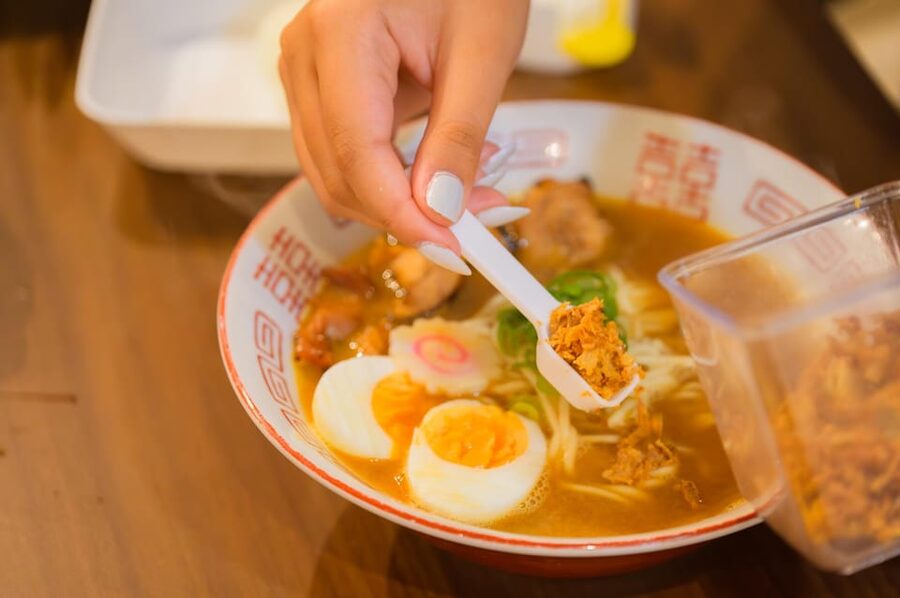
This choice gives the session a personal angle. You can select a familiar flavor or experiment with a combination. Staff help you understand the soup and sauce options, as well as the oils and other additions that complete the ramen.
The class also lets you customize toppings, egg, and condiments. That makes the meal more forgiving. If you prefer a stronger taste, a milder bowl, or a particular mix of additions, you have some control over the final result.
The flavor choices are not presented as a serious exam. The instructors guide you, and the atmosphere remains relaxed. For children, this is a chance to make decisions and see them turn into lunch. For adults, it is a pleasant reminder that ramen has many styles rather than one correct formula.
Building and eating your own bowl
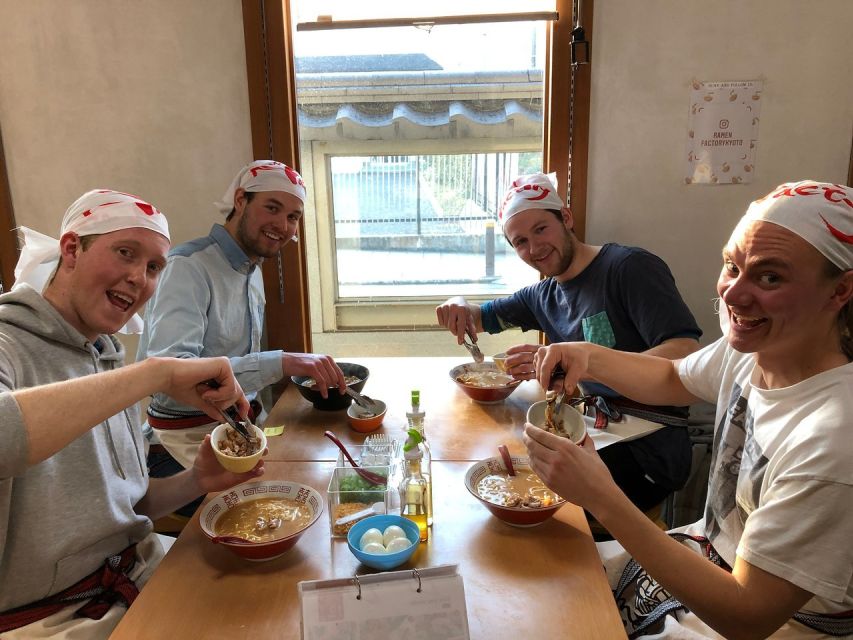
The final assembly is where the separate tasks come together. You arrange the noodles, soup, chicken, toppings, egg, and condiments, then display the bowl according to your taste.
This part is more satisfying than it sounds. You have already handled the dough and prepared the ingredients, so the finished bowl feels personal. The class then gives you time to eat what you made while looking back at the process.
The ramen receives especially strong praise for taste. Several people described it as among the best ramen they ate during their Japan trip, which is a high bar in Kyoto. One particularly fussy eater finished the whole bowl, while another participant said the result was much better than expected for a first attempt.
Naturally, your bowl will depend on your choices and how you work with the ingredients. Still, the class uses good-quality ingredients and careful preparation. The entertaining format does not appear to come at the expense of the meal, which is important at this price.
Drinks are not included, so plan to buy one separately if you want something with lunch. The ramen itself is included as part of the cooking course.
Dietary needs and family appeal
If you have a dietary requirement, contact the local supplier after booking. Do not wait until you arrive and hope the kitchen can make a last-minute change.
The class has accommodated different diets. A pescatarian participant received tofu and fish broth, and other accounts describe individual help for people who do not eat meat, including vegan arrangements. These options are encouraging, but they still need to be confirmed ahead of time.
Families are a strong match for this activity. Parents have described it as a hit with children and teenagers, and one family said their boys, aged 15 and 23, could not stop talking about it. The work is active, the instructors keep the mood light, and the reward is immediate: you eat your creation.
It also works for couples and solo visitors. Couples can compare their flavor combinations, while solo participants can count on the staff to help with photos and instructions. The warm atmosphere makes it less awkward than some group classes can be.
Souvenirs and the take-home recipe
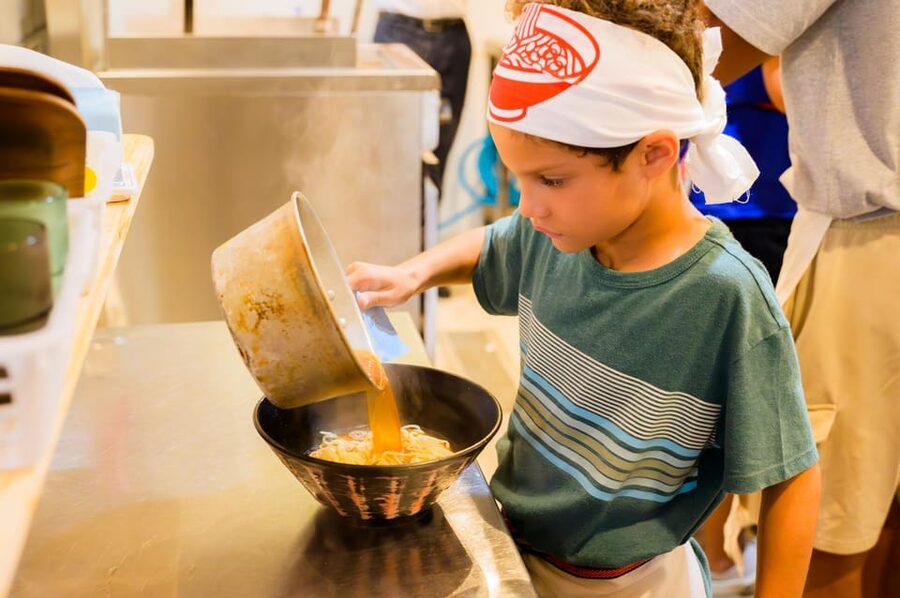
A selective souvenir is included, with four types to choose from. The exact selection can vary, but the experience has included ramen bowls, bandanas, printed photos, certificates, and other ramen-themed items.
The bowl is a particularly useful souvenir if it is among your choices. It connects directly to the meal and gives you something practical to use at home. Keeping the apron-style headscarf or a printed photo adds a lighter reminder of the session.
You also receive the full recipe digitally. The information is sent by email, and the recipe has also been provided through a QR code. Either way, you have a way to repeat the dish at home instead of leaving with only a photograph.
Keep your expectations sensible. You can recreate the noodles, seasoning, and assembly, but a home kitchen may not reproduce every prepared broth component exactly. The value is in learning a repeatable method and understanding the choices that shape your bowl.
Is $127 a fair price?
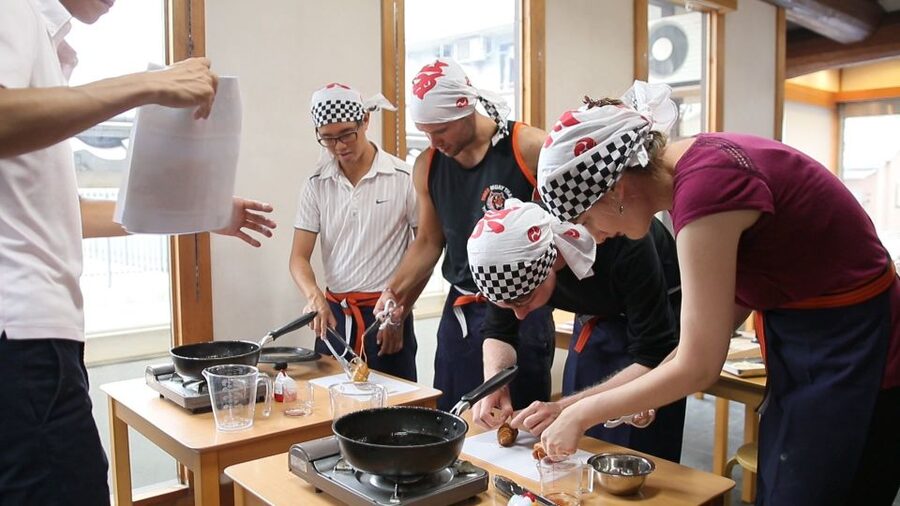
At $127 per person, this is a premium cooking class. If you are judging it against the cost of a regular ramen lunch, it is expensive. You could eat excellent ramen in Kyoto for much less.
The better comparison is with a short cultural activity that includes a meal, instruction, ingredients, a souvenir, and a recipe. You receive 90 minutes of guided participation, not simply a tasting. The staff also take photos and videos for many participants, adding practical value for people who are documenting a special trip.
I think the price makes the most sense for families, ramen fans, and visitors who want a structured activity between sightseeing stops. It is less appealing if you are on a tight budget, dislike group entertainment, or mainly want to eat ramen without cooking it.
The time commitment helps. Ninety minutes is long enough to feel substantial but short enough to fit into a busy Kyoto day. You finish fed, and you do not need to sacrifice an entire afternoon.
Small drawbacks to consider before booking
The class has a cheerful, high-energy style. That works for most people, but it may not suit you if you want a quiet, slow culinary lesson. The instructors keep the pace moving, and the fun is part of the design.
The class also teaches selected parts of ramen-making rather than every stage. Some broth and ingredient preparation happens ahead of time because authentic ramen production is lengthy. If you expect to make a complex stock entirely from scratch, this will feel more like a guided ramen workshop than chef training.
The basement entrance is another minor nuisance. It is easy to miss, especially if you rely on Google Maps alone. Give yourself a few extra minutes and look for the stairs behind the bus stop or beside the supermarket.
Finally, drinks cost extra, and dietary requests require advance contact. Neither issue is serious, but both are worth handling before the day of the class.
Who should book this experience?
You should book it if you want an activity that is:
- Short enough to fit between Kyoto sights
- Suitable for beginners and families
- Hands-on rather than demonstration-only
- Focused on noodles, flavor choices, and a meal
- Conducted in English or Japanese
- Useful after the trip because you receive a recipe
- More memorable than another standard restaurant lunch
Ramen lovers will appreciate the chance to compare miso, salt, and soy. Families will appreciate the clear stages and upbeat teachers. Solo visitors will benefit from the staff’s help with photographs.
You may want to skip it if you are seeking a quiet, highly technical lesson, or if $127 feels too high for a meal-centered activity. You should also confirm dietary arrangements before paying if you have strict requirements.
Should you book the Kyoto Ramen Factory class?
For most visitors, yes. This is a well-organized, filling, and genuinely participatory way to spend 90 minutes in Kyoto. The strongest reasons to book are the fresh noodle work, the freedom to shape your bowl, the consistently praised instructors, and the fact that you eat a good meal at the end.
Book it as a break from temples, not as a replacement for them. Arrive early enough to find the basement entrance, contact the supplier about dietary needs, and remember that the class favors fun and clear instruction over advanced culinary training.
If you want to say I made this in Kyoto and then sit down to enjoy it, the price is easier to justify.
FAQ
How long does the ramen cooking class last?
The class lasts 90 minutes.
How much does the experience cost?
The listed price is $127 per person.
Where is the Ramen Factory located?
It is in Kyoto, on Honshu, about a five-minute walk from Demachiyanagi Station on the Keihan Line.
How do I find the entrance?
The classroom is on the basement floor. Use the staircase to the right of the supermarket, or look for the street-side stairs behind the bus stop. The entrance may not match Google Maps exactly.
Which languages are available?
Instruction is available in English and Japanese.
What types of ramen sauce can I choose from?
You can choose among featured miso, salt, and soy sauces, with guidance on combining soup, sauce, oils, and other additions.
Is the recipe provided after the class?
Yes. The full recipe is provided digitally, described as being sent by email and also available through a QR code.
Is a souvenir included?
Yes. A selective souvenir is included, with four different types available to choose from.
Can dietary requirements be accommodated?
Dietary options may be available, including tofu and fish broth for pescatarians. Contact the local supplier after booking to arrange your needs.
Just added in Kyoto
- The “Golden Route” and Ancient Japan by DIAMIR Erlebnisreisen – 14-Day Tour★ 2.0 · 2 reviews
- Japan: Castles & Cuisine by G Adventures – 6-Day Kyoto to Osaka Tour★ 4.5 · 4 reviews
- Cycle Japan by Explore! – 13-Day Kyoto to Tokyo Tour★ 4.7 · 12 reviews
- Cycle Japan by Intrepid Travel – 11-Day Kyoto to Tokyo Tour★ 4.8 · 2 reviews
- Classic Japan by Intrepid Travel – 11-Day Kyoto to Tokyo Tour★ 4.4 · 14 reviews
- Ancient & Modern Japan 14-Day Tour by Exodus Adventure Travels★ 4.4 · 40 reviews
- 5 Day Cultural Adventure of Kyoto, Nara & Osaka by Tourist Journey★ 2.5 · 2 reviews
- 12 Days Kinosaki Onsen Escape: A Journey Through Japan’s Timeless Towns by UME Travel★ 4.8 · 5 reviews
Cooking Classes, compared.
Sushi Making Tokyo Roll and Authentic Japanese Sushi Class
Read our review →
Roll and Authentic Sushi Making Class in Asakusa
Read our review →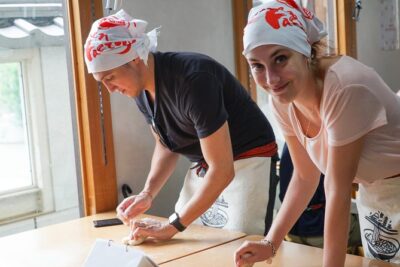
Ramen Cooking Class at Ramen Factory in Kyoto
Read our review →
Sushi Making Class in a Happi Coat near a Famous Spot
Read our review →
Sushi Making Osaka Roll and Authentic Japanese Sushi Class
Read our review →
Tokyo Sushi Making Class in Tsukiji with Professional Chef
Read our review →
Ramen & Gyoza Cooking Class in Tokyo with Local Supermarket Visit
Read our review →Browse the lists this tour appears in