Reviewed · TEA CEREMONIES
Premium Kimono Dressing, Tea Ceremony, Calligraphy, Samurai show
Put on a kimono, then pick up a brush. At -michi- in Osaka, you can dress in traditional clothing, prepare matcha, practice Japanese calligraphy, and watch or join samurai sword and music performances. I like the hands-on format, especially the kimono lesson and calligraphy session. I also like the warm, attentive staff, who explain the meaning behind each activity instead of rushing you through a photo stop.
The main thing to check is what your booking includes. Kimono dressing is for women, while armor dressing is listed separately from the included activities. At $123.49 for about three hours, this is not a cheap costume rental, but it can be good value if you want several cultural activities in one carefully guided visit.
In This Review
- Key points to know before booking
- A three-hour introduction to old Japan in central Osaka
- Kimono dressing for women, with time for photographs
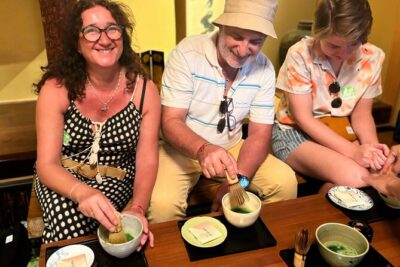
- Tea ceremony: quiet, careful, and participatory
- Calligraphy lets you leave with your own work
- Samurai armor and sword performances
- Traditional music and a historical gallery
- What the $123.49 price really buys you
- The staff make the difference
- Timing, location, and booking advice
- Who will enjoy this Osaka experience most
- Should you book it?
- FAQ
- Where does the experience take place?
- How long does the experience last?
- What activities are included?
- Is Samurai armor dressing included?
- Are the sword and Samurai performances included?
- Is the kimono session available for men?
- Is the experience near public transportation?
- Can I cancel for a full refund?
Key points to know before booking
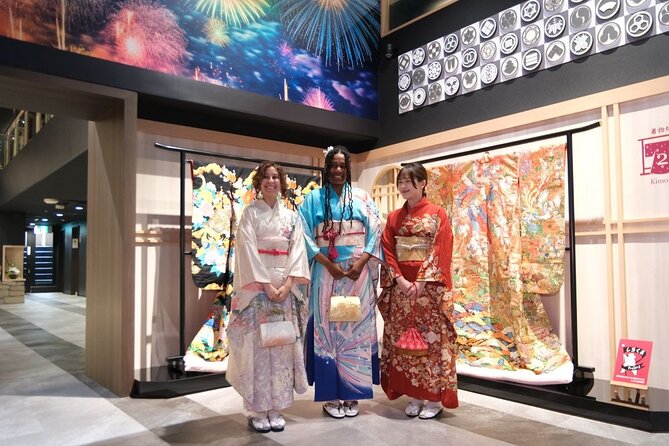
- Kimono dressing is included for women, with staff explaining the steps and details behind the clothing.
- Tea ceremony and calligraphy give you something to do, not just something to watch.
- Samurai sword and traditional music performances add a lively theatrical element.
- Armor dressing is not included, so confirm the extra cost and package details before you arrive.
- The experience takes place at Shinsaibashi ARTY Inn, near public transportation in Osaka.
- Free cancellation is available until 24 hours before the start time, which gives you some useful booking flexibility.
A three-hour introduction to old Japan in central Osaka
This experience works because it combines several activities that are often sold separately. In roughly three hours, you can wear a kimono, take part in a tea ceremony, try calligraphy, and watch traditional music and samurai sword performances.
That mix matters. A museum can explain Japanese culture, and a stage show can entertain you, but here you get a chance to use your hands and take part. You make matcha, hold a brush, and learn how clothing is put on. The result is more personal than simply posing beside an exhibit.
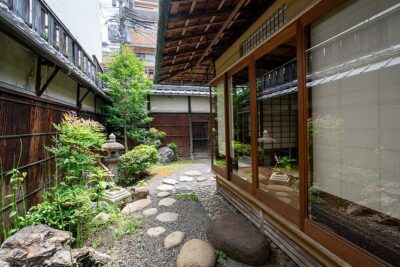
The setting is -michi- at Shinsaibashi ARTY Inn. The venue includes a serene courtyard and a historical gallery, giving you places to look around and take photographs between activities. The program also includes live cultural performances, so the three hours are not built around one long lecture.
I would think of this as a polished cultural introduction rather than a formal study of Japanese history. You get a broad taste of several traditions, with staff helping you understand what you are seeing and doing.
More Castles and Historic Sites in Osaka
- Osaka Castle: Museum and Tower Entry Ticket
★ 4.5 · 2,380 reviews - Ultimate Osaka Walking Tour: Castle, Dotonbori & Hidden Gems
★ 5.0 · 862 reviews - Osaka Castle Walking Tour and Castle Tower Admission
★ 5.0 · 561 reviews
Kimono dressing for women, with time for photographs
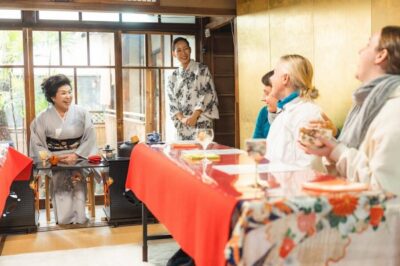
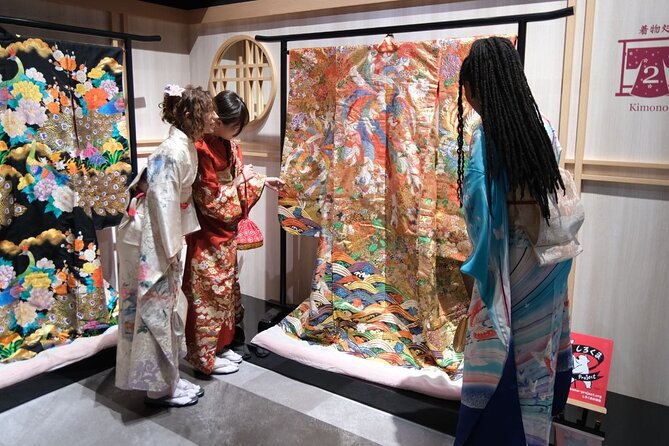
The kimono portion is one of the strongest reasons to book. The staff dress women in a carefully prepared kimono and explain the different steps along the way. One of the most useful parts is that the process is treated as a lesson, not just a quick change of clothes.
You should expect the dressing to take a meaningful part of the visit. That is important because a kimono is not simply a robe you slip on. The appeal is in learning how the layers, fabric, and styling come together. The explanations help turn the outfit into part of the cultural experience.
Once dressed, you have the courtyard and historical gallery as photo settings. The peaceful courtyard should appeal to you if you want portraits with a quieter Japanese feel rather than only taking pictures in the busy streets of Osaka.
There is one clear limitation: the included kimono dressing is for women only. If you are booking as a couple or family, check the arrangements for men and children before paying. The description also refers to Samurai armor, but armor dressing is not part of the listed inclusions, so do not assume every participant receives a costume.
The kimono session is especially suitable if you want a keepsake from Osaka that feels more meaningful than a rented outfit and a short photo opportunity. The staff’s explanations are a major part of the value.
Tea ceremony: quiet, careful, and participatory
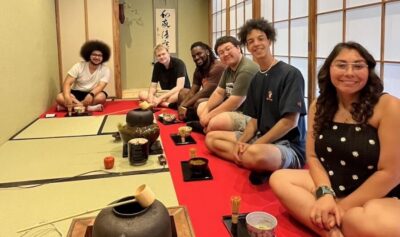
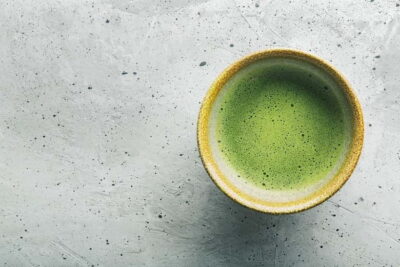
The tea ceremony gives the experience a slower rhythm. You do not simply sit through a demonstration. You have the chance to create your own matcha, which makes the activity more memorable and gives you a better sense of the care involved.
I like this part because it balances the more theatrical samurai material. The tea ceremony asks you to pay attention to small actions and manners. Even a first attempt can help you understand why preparation, presentation, and respect matter in Japanese tea culture.
You should not book this expecting a long, specialist tea-school lesson. The overall program also includes dressing, calligraphy, music, and sword performances, so the tea activity is one part of a wider three-hour visit. Still, it provides a useful change of pace and a chance to participate directly.
If you are visiting Osaka with someone who prefers calm cultural activities to stage action, this may be one of the most appealing sections. If you dislike structured demonstrations or careful instruction, the pace may feel formal. The staff’s clear explanations help, especially if you have never attended a tea ceremony before.
Calligraphy lets you leave with your own work
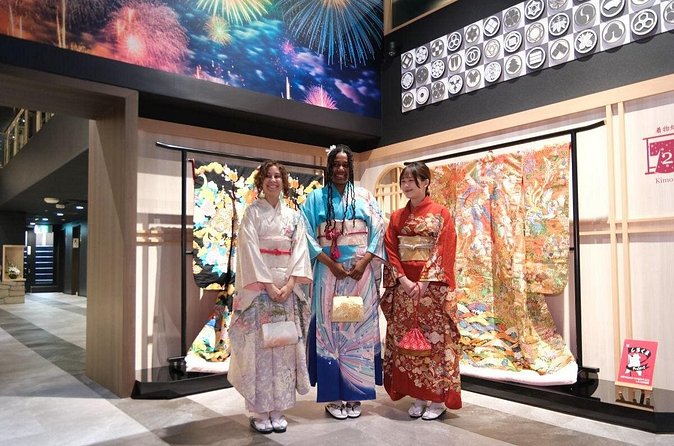
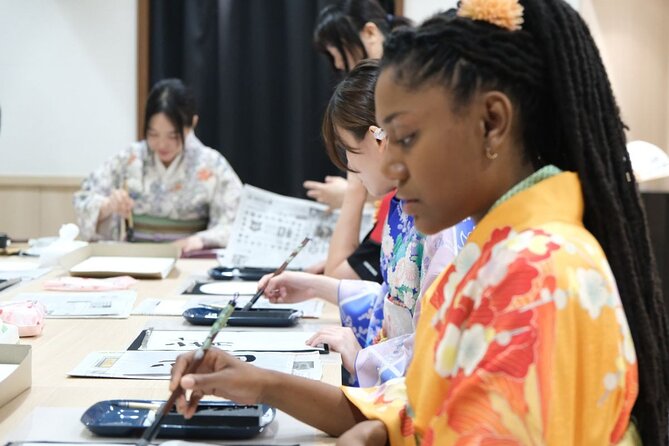
The calligraphy lesson is another hands-on highlight. You practice Japanese writing with guidance from the staff, creating your own amateur work rather than merely watching someone else write.
That distinction is important. Calligraphy can look effortless when an expert performs it, but trying it yourself gives you a feel for brush control, movement, and concentration. You may even want to frame your finished piece, as one participant planned to do.
Do not expect museum-quality results on your first attempt. That is part of the fun. The value is not in producing perfect characters. It is in learning through the process and taking home something connected to your own time in Osaka.
This section should suit families, couples, and solo visitors who want a simple creative activity. It also gives you a break from taking photographs. You are using your hands, listening to instructions, and focusing on the page.
The experience does not specify which characters or phrases you will write, so you should avoid booking with the expectation of producing a particular name or message. If you have a specific calligraphy request, ask the provider in advance.
More Kimono Experiences in Osaka
- Osaka: Sumo Show & Experience w/ Optional Kimono & Hot Pot
★ 4.5 · 609 reviews - Learning Zen of Japanese Calligraphy in kimono near Osaka Castle
★ 4.5 · 53 reviews - Samurai dress-up and shows, plus Tea Ceremony & Calligraphy
★ 5.0 · 27 reviews - Osaka: Kimono or Yukata Rental &Photos Service Options
★ 4.9 · 25 reviews
Samurai armor and sword performances
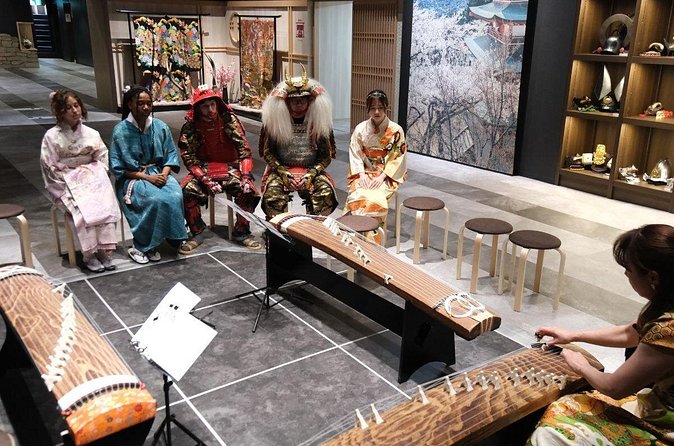
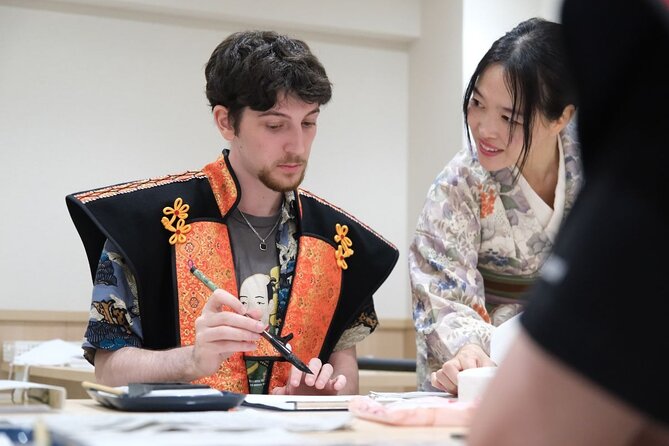
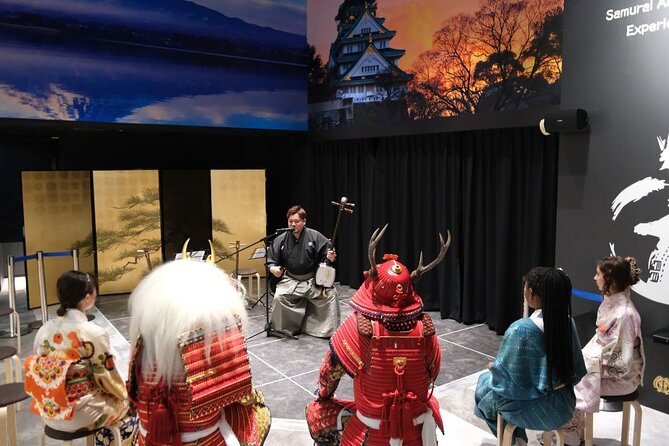
The samurai element gives the visit its most dramatic edge. You can watch traditional sword performances, and the program description also refers to participation in a Samurai show. This adds movement and excitement after the quieter tea and calligraphy sessions.
The venue also presents Samurai armor. Some descriptions refer to trying on real armor, but the included section specifically lists armor dressing as not included. That difference deserves attention when you book.
If armor is a priority, ask -michi- exactly what your selected option covers. Find out whether armor dressing is available as an add-on, whether it costs extra, and whether it is offered to all participants. The information supplied here does not give a separate armor price.
A ¥10,000-per-person souvenir is also listed as an extra. The wording places armor dressing and the souvenir outside the basic inclusions, so confirm whether the ¥10,000 charge refers to the souvenir only. You do not want to arrive expecting an all-inclusive Samurai costume session and discover that the most important part costs more.
The sword performance should appeal to you if you want an experience with more energy than a standard tea ceremony. At the same time, this is a cultural presentation, not a combat class. The available details do not promise sword handling lessons for every participant, so ask before booking if active participation is essential to you.
Traditional music and a historical gallery
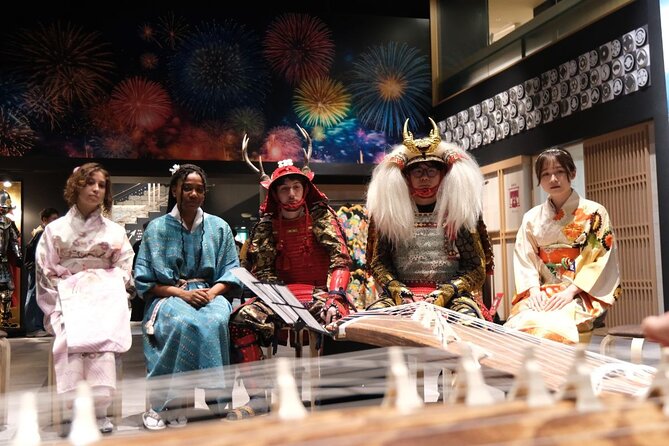
Traditional Japanese music is included, both as a performance to watch and as part of the broader cultural program. Live music gives the visit a welcome change in sound and mood. It also helps place the other activities in a wider setting instead of making the whole experience feel like a sequence of unrelated workshops.
The program includes a historical gallery, too. This is useful before or after the practical sessions because it gives you objects and visual context to connect with the clothing, armor, and performance traditions.
The supplied details do not identify the instruments or performers, so I would not book this expecting a particular style of music. Think of it as a cultural performance included in a varied visit. If traditional music is your main interest, contact the provider for more detail.
The courtyard and gallery also give you room to slow down. Osaka can be a fast city, especially around Shinsaibashi. A quiet interior space and courtyard can make this three-hour experience feel like a welcome pause from shopping streets and neon signs.
What the $123.49 price really buys you
At $123.49 per person, the price is higher than a simple kimono rental or a brief cultural demonstration. The question is whether you will use the full range of activities.
I think the price makes more sense if you value personal instruction. You are paying for staff time, dressing assistance, explanations, tea preparation, calligraphy practice, performances, and access to the venue’s photo areas. A cheaper option may offer only a costume and photographs, while this program gives you several things to do.
The value is also stronger for a first visit to Japan. You can sample several familiar cultural symbols in one stop without spending time arranging separate bookings. The high rating of 5 from 18 published reviews and a 100 percent recommendation mark support the idea that the hospitality is a major strength.
Still, you should compare the contents carefully. Women receive kimono dressing as an inclusion, but armor dressing is not included. A solo male visitor, or anyone mainly interested in Samurai armor, may find the base price less attractive unless an armor option is available and clearly priced.
The best value comes when you enjoy variety. If you want a serious tea ceremony, a full calligraphy course, or an extended Samurai performance, a specialist activity may suit you better. If you want a friendly introduction to several traditions in one afternoon, the price is easier to justify.
The staff make the difference
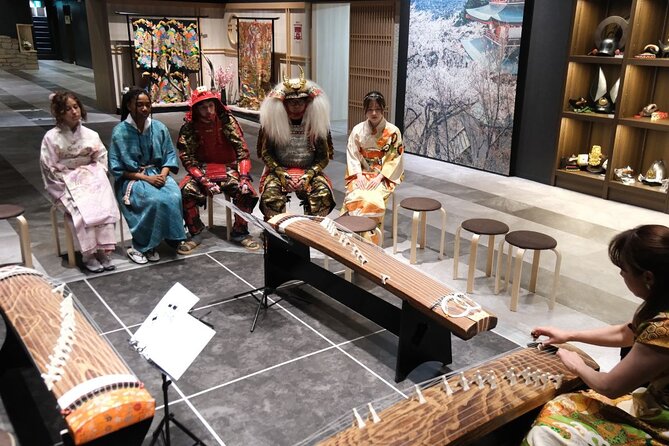
The strongest praise is directed at the staff. The experience is described as warm, friendly, attentive, and careful in its explanations. That matters more here than it would on a sightseeing cruise because each activity depends on personal guidance.
Kimono dressing can feel awkward if no one explains what is happening. Calligraphy can feel pointless if you are handed a brush without context. Tea ceremony can become a string of unfamiliar gestures. Good instruction turns each section into a lesson you can follow.
The staff also explain the meaning behind the activities. That helps you see the visit as more than costume play. You learn why the clothing is handled carefully, why tea preparation follows a set pattern, and why calligraphy requires controlled movement.
I would book this for you if friendly human interaction is part of the appeal. It is less suited to someone who wants to move independently, avoid demonstrations, or spend the entire time photographing the venue.
Timing, location, and booking advice
The experience lasts approximately three hours and takes place at Shinsaibashi ARTY Inn. It is near public transportation, making it practical to fit into a day in central Osaka.
Because the experience is booked an average of 42 days in advance, you should reserve early if your Osaka schedule is fixed. That lead time also suggests you should not wait until the final day of your trip if the activity is important to you.
You receive a mobile ticket, so keep it ready on your phone. Confirmation is provided when you book. The available information does not state the meeting procedure, start times, group size, or exact directions inside the property, so check those details before the day of your visit.
Most people can participate, according to the supplied information. However, the kimono inclusion is specifically for women, and the details do not spell out arrangements for every age group or mobility need. If you have a particular concern, ask the provider before booking rather than assuming.
Cancellation is free if you cancel at least 24 hours before the local start time. Changes or cancellations inside that window are not accepted and are not refunded. That is a fair policy, but put the activity in your schedule carefully once you are within the final day.
Who will enjoy this Osaka experience most
I would recommend it most strongly to first-time visitors to Japan who want a clear, friendly introduction to several cultural traditions. You get enough variety to keep the visit moving, while the staff provide the background that makes each activity easier to understand.
It also suits:
- Women who want a guided kimono dressing session and portrait photographs
- Couples who want different types of activities in one booking
- Families looking for a cultural experience with both quiet and lively sections
- Solo visitors who appreciate patient instruction and a structured afternoon
- Anyone who wants to try calligraphy and matcha preparation, not just observe
I would be more cautious if you mainly want armor dressing. Since that is listed outside the included activities, confirm the extra cost and availability first.
You may also prefer another option if your main goal is a long, formal tea ceremony or advanced calligraphy tuition. This program is broad and accessible. Its strength is the combination, not specialist depth in one art.
Should you book it?
Book this experience if you want three hours of guided cultural activities in a central Osaka venue, especially if kimono dressing, tea, and calligraphy all appeal to you. The warm staff, personal explanations, courtyard, gallery, music, and Samurai performance give the visit more substance than a quick costume photo stop.
Before booking, check two things: kimono dressing is for women only, and armor dressing is not included in the listed package. If those details fit your plans, the $123.49 price is reasonable for a varied, staff-led cultural session. If armor is the main reason you are interested, get the add-on price in writing first.
FAQ
Where does the experience take place?
It takes place at Shinsaibashi ARTY Inn in Osaka.
How long does the experience last?
The experience lasts approximately three hours.
What activities are included?
Included activities are kimono dressing for women, a tea ceremony, calligraphy, and a Japanese traditional music performance.
Is Samurai armor dressing included?
Armor dressing is listed separately from the included activities, so it is not included in the basic package. Confirm availability and pricing with the provider.
Are the sword and Samurai performances included?
The experience description includes viewing and participating in traditional music and Samurai sword performances. The exact level of participation is not specified.
Is the kimono session available for men?
The included kimono dressing is identified as women only. The provided details do not explain whether a separate clothing option is available for men.
Is the experience near public transportation?
Yes. The venue is described as being near public transportation.
Can I cancel for a full refund?
Yes, if you cancel at least 24 hours before the experience start time. Cancellations or changes made within 24 hours are not refunded or accepted.
More Show in Osaka
- Osaka: Sumo Stage Show with Bento or Snack + Fight & Photo
★ 4.3 · 364 reviews - Osaka: English Stand Up Comedy Show at Osaka Comedy Club
★ 4.7 · 203 reviews - Osaka: UTAGE Japanese Taiko Live Show
★ 4.9 · 167 reviews - OSAKA NIGHT FUSION Japanese Taiko Kabuki Samurai Dance Show
★ 4.8 · 155 reviews
More Tea Ceremonies in Osaka
- Osaka: Tea Ceremony Experience
★ 4.9 · 1,426 reviews - Tea Ceremony Experience in Osaka Doutonbori
★ 5.0 · 754 reviews - Matcha Making Class in Osaka with Authentic Japanese Sweets Set
★ 5.0 · 509 reviews - Osaka: Matcha Making Experience with Japanese Sweets
★ 5.0 · 146 reviews
Just added in Osaka
- Osaka: 2-Hour Nightlife District Walking & Local Food Culture★ 5.0 · 199 reviews
- Osaka Japanese Cooking And Matcha Class near Osaka Castle★ 5.0 · 22 reviews
- Osaka Dotonbori Daytime Food Tour★ 5.0 · 24 reviews
- Osaka Dotonbori Wonder Cruise★ 4.0 · 28 reviews
- Osaka Food Walking Tour with Market Visit★ 4.5 · 14 reviews
- Cooking Ramen&Gyoza/KatsuCurry/Bento/Okonomiyaki+Store Tour@Osaka★ 5.0 · 138 reviews
- Osaka Private Pop Culture Tour: Historic Tenma to Dotonbori★ 4.5 · 13 reviews
- Osaka Cooking Class and Sake Tasting with Local Supermarket Visit★ 5.0 · 79 reviews
Tea Ceremonies, compared.
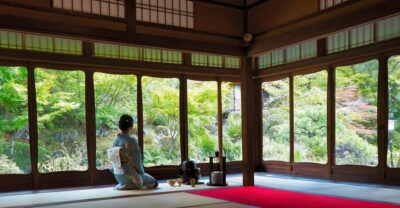
Tea Ceremony in a Traditional Tea House in Kiyomizu
Read our review →
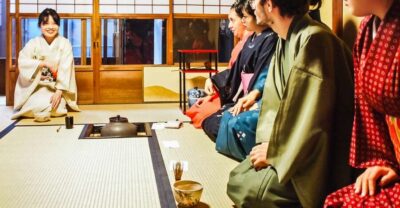
World Heritage Kyoto & Nara Uji Authentic Matcha Experience
Read our review →