
Reviewed · WORKSHOPS
Private Art Sushi Roll Class in Kyoto
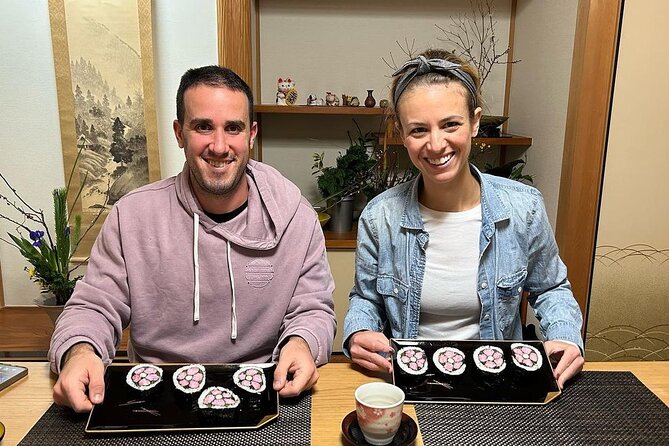
Make lunch look like a flower. This private Kyoto class turns sushi rice, seaweed, and natural food colors into a peach flower pattern you can eat. I like the clear, hands-on instruction and the warm home setting hosted by Aya Ito and her husband, Manabu. I also like that you receive a booklet and certificate, giving you a useful record of the technique.
The main caution is the one-hour schedule. Kazarimaki takes careful assembly, so beginners may need to work briskly, and one past participant felt the class suited people with some sushi-making experience. Bring socks, too. You cannot enter the tatami room without them.
In This Review
- Key points at a glance
- What makes kazarimaki different from ordinary sushi
- Arriving at the Nijo Home in Kyoto
- Putting on a kimono before the cooking begins
- A 60-minute lesson with a clear goal
- Aya Ito’s teaching style and the personal touch
- The value of natural colors and dietary choices
- Is $93.32 per person fair?
- Who will enjoy this Kyoto activity most
- Timing, booking, and cancellation details
- Should you book the private art sushi roll class?
- FAQ
- Where does the sushi class take place?
- What time does the class start?
- How long does the experience last?
- Is the class private?
- What sushi design will I make?
- Is the class taught in English?
- Are sushi ingredients included?
- Are vegan and vegetarian options available?
- Do I need to bring anything?
- Can children join the class?
- What happens if I arrive late?
- Can I cancel for a full refund?
Key points at a glance
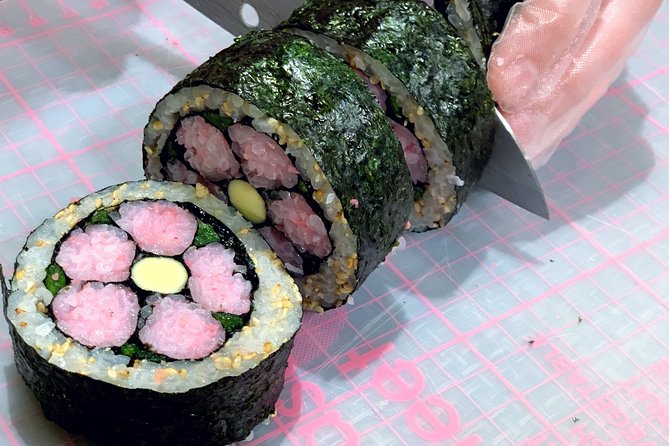
- A peach flower appears inside the roll: You build the design from separate pieces before slicing the finished sushi.
- Aya Ito teaches in English: Her instructions are described as clear and patient, with Manabu helping with photos and cleanup.
- Traditional clothing adds atmosphere: Women can wear a kimono, while men and children receive other traditional garments.
- The class is fully private: Only your own group participates, which works well for families and friends.
- Plant-based food colors are used: The class offers vegan and vegetarian options along with the standard ingredients.
- It costs $93.32 per person: For a private class with ingredients, drinks, clothing, a booklet, and certification, the value is strongest for small groups who want a cultural activity rather than a basic cooking lesson.
What makes kazarimaki different from ordinary sushi
Kazarimaki means decorative sushi rolling. Instead of placing fillings in the center and rolling everything into a simple cylinder, you arrange ingredients so a picture appears when the roll is cut.
That sounds simple until you consider the order. Each colored section must end up in the right place. The rice must hold its shape. The seaweed needs to wrap the whole design without crushing it. A roll can look like a plain bundle from the outside, then reveal a flower when sliced.
This is why the class has appeal beyond lunch. You are learning a Japanese food craft that is less familiar than standard makizushi. The finished peach flower pattern also gives you a clear goal during the short lesson.
The colors come from edible pigments extracted from plants. That matters if you prefer food that looks natural rather than brightly dyed. The ingredients include options for vegan and vegetarian participants, though the exact filling choices are not specified in the available details.
A few more options to weigh up in Kyoto
- PERFECT KYOTO 1-Day Bus Tour
★ 5.0 · 13,518 reviews - [Kyoto & Nara Day Tour] Sagano Scenic Railway & Nara Park & Fushimi Inari Taisha Thousand Torii Gates & Togetsukyo Bridge & Bamboo Grove & Kimono Forest (Departing from Osaka)
★ 4.9 · 10,942 reviews - Kyoto: Fushimi Inari, Kinkakuji, Bamboo Grove 1 Day Bus Tour
★ 4.8 · 4,316 reviews
Arriving at the Nijo Home in Kyoto
The class begins at 4:30 pm at SAKURA Experience Japanese Culture Nijo Home, at 660 Izumicho, Nakagyo Ward, Kyoto, postal code 604-0015. The activity ends at the same place.
The meeting point is near public transportation, but you should still allow time to locate the home. The late-arrival rule is strict: if you arrive more than 15 minutes late, you cannot join the class. For a 4:30 pm start, I would plan to be in the neighborhood early, not racing through Kyoto at the last minute.
Bring socks in an easy-to-reach part of your bag. The tatami room cannot be entered barefoot. This is a small rule, but forgetting it could spoil an otherwise well-planned afternoon.
The setting is a traditional home rather than a large cooking school. That gives the class a more personal feel. One family described cooking together in the home as a special part of the experience, especially with teenagers and grandparents included.
Putting on a kimono before the cooking begins
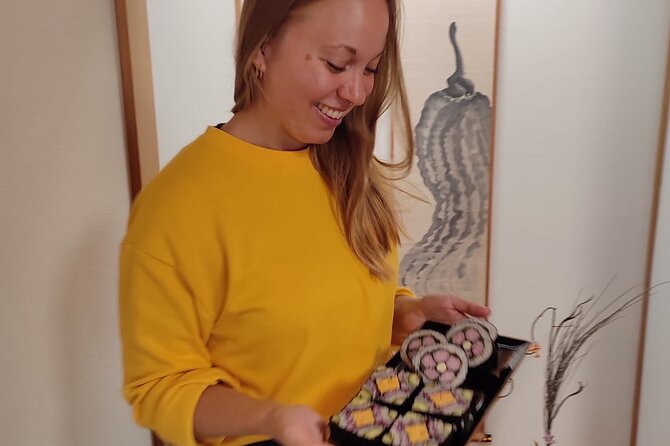
The experience provides a kimono for women and other traditional garments for men and children. The clothing is not just decoration for photographs. It helps mark the class as a cultural activity, not simply a quick food demonstration.
You should expect the clothing to be part of the overall experience, but the supplied information does not give a separate dressing schedule or explain how long you wear it. Since the total class lasts about an hour, the food lesson remains the main event.
For families, this can be a fun shared activity. Teenagers can take part in making the sushi, grandparents can enjoy the home setting, and younger children may sit or sleep on the tatami mat. Children under 18 must come with a parent or guardian who is at least 21.
A 60-minute lesson with a clear goal
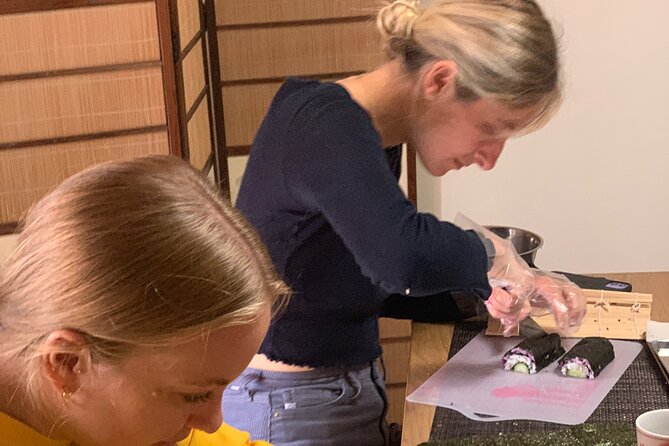
The lesson is built around making one peach flower sushi roll in roughly 60 minutes. That compact format suits a busy Kyoto itinerary. You can fit it into an afternoon without giving up half a day of sightseeing.
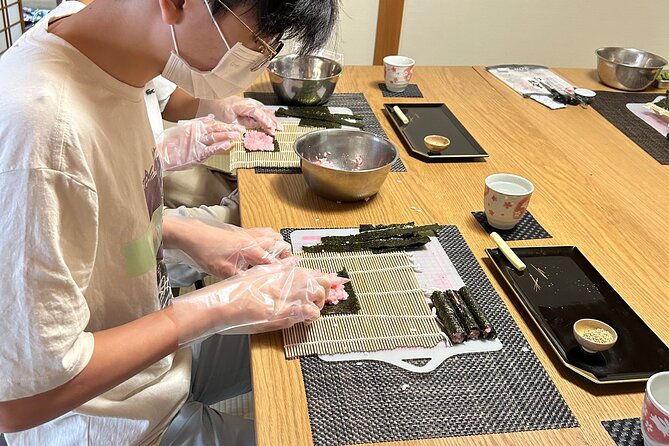
The class is hands-on. You do not simply watch Aya assemble a finished roll. You use the sushi ingredients, shape the sections, and put the pieces together under instruction. The instructor provides commentary while you work, helping explain what you are doing and why the arrangement matters.
The short duration is also the class’s main limitation. Kazarimaki is more precise than ordinary sushi rolling. If you are new to sushi preparation, you may need close guidance and quick hands. One participant found the instruction patient but suggested the activity might suit someone with a little previous sushi-making experience.
That should not discourage beginners. The class is designed for people without specialized training, and another participant praised the easy-to-follow steps. Just keep your expectations sensible. You are not likely to master every decorative sushi design in one hour. You are learning one attractive pattern well enough to recreate it at home.
A completely different kind of day out:
- Kyoto: Tea Ceremony in a Traditional Tea House in Kiyomizu
★ 4.9 · 3,519 reviews - Kyoto: Gion Make Your Own Chopsticks with Engraving Option
★ 5.0 · 3,465 reviews - Kyoto Nara Day Trip │ Kiyomizu-dera Temple + Fushimi Inari-taisha Shrine + Nara Park (Departing from Osaka/Kyoto)
★ 4.7 · 3,408 reviews - Kyoto Geisha Walking Tour: Gion District & Hidden Gems
★ 4.7 · 3,273 reviews
Aya Ito’s teaching style and the personal touch
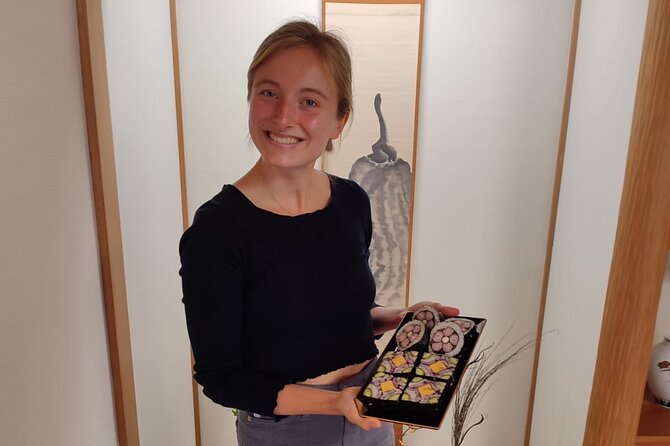
Aya Ito is the named host, and her husband, Manabu Ito, is also involved. The instruction is offered in English, and the available comments describe Aya’s English as clear. Her patient approach matters because decorative sushi depends on small visual details that can be hard to understand from a fast demonstration.
Manabu has helped take photographs and handle cleanup and dishes. That is a useful extra for a private activity. You can concentrate on the food and your group instead of worrying about documenting every step or leaving the kitchen in order.
One participant referred to the instructor as Ava, but the host’s responses identify her as Aya Ito. If you need help finding the correct home, look for the SAKURA Experience Japanese Culture Nijo Home name and the listed Izumicho address.
The class has a social side, too. You are welcomed into the hosts’ home, rather than processed through a large commercial room. For some people, that personal contact will be the best part. If you prefer a quiet, highly formal cooking school, the home setting may feel less polished, but it is likely to feel more intimate.
The value of natural colors and dietary choices
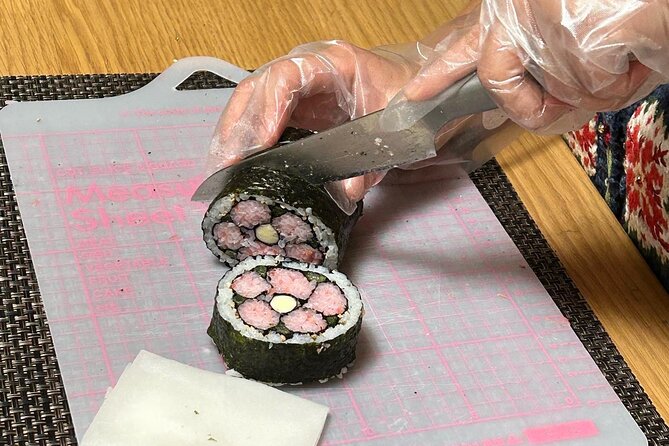
The sushi designs use edible pigments taken from plants. This gives the peach flower its color while keeping the focus on traditional ingredients and food preparation.
The class includes vegan and vegetarian options. That makes it easier to bring a mixed group with different diets, though you should still communicate any important dietary needs when booking if the booking process allows it. The details provided do not list every ingredient or identify which fillings are used.
All sushi ingredients are included, as are bottled water and tea or coffee. That means you do not need to shop for supplies or pay an extra ingredient fee during the lesson. The drinks are modest additions, but they make the experience feel complete.
The booklet is particularly useful. A decorative roll is easy to admire and hard to remember. Written guidance gives you a better chance of repeating the method in your own kitchen. The certificate is more of a keepsake than a professional qualification, but it is a nice memento from the class.
Is $93.32 per person fair?
The listed price is $93.32 per person. That is not the cheapest way to eat sushi in Kyoto, but you are paying for more than food.
The price covers a private instructor, a one-hour lesson, all sushi ingredients, bottled water, tea or coffee, traditional clothing, a booklet, and a certificate. You also receive the privacy of having only your own group in the class. For a couple or family that values personal instruction and a home setting, the package has reasonable value.
The calculation is less favorable if you only want a large amount of sushi or a long cooking session. This is a short cultural activity, not a full meal or a professional culinary course. The main purchase is the process of making something unusual and learning a skill you can repeat.
Group discounts may improve the price for a larger booking. Since the class is private, families and small friend groups can share the experience without mixing with strangers. The best value comes when everyone in the group wants to participate rather than having one person cook while the rest watch.
Who will enjoy this Kyoto activity most
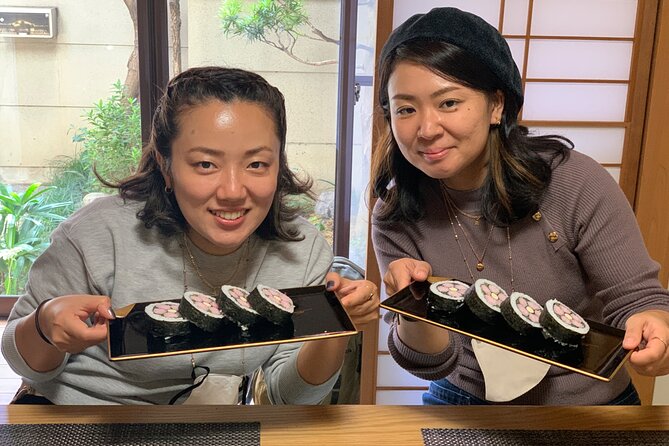
I would recommend this class to families, couples, and small groups looking for an activity they can do together. The private format is especially helpful if your group includes children, older relatives, or people who need a slower explanation.
It also suits anyone interested in Japanese food beyond restaurant dining. You learn how a familiar dish can become a piece of edible design. The plant-based colors, traditional clothing, and tatami setting add cultural context without requiring a full-day lesson.
The class may be less satisfying if you want advanced sushi instruction, a long menu, or a large meal. It focuses on one design, the peach flower, during a single hour. You should also be comfortable following a series of careful steps at a steady pace.
Photography-minded visitors will appreciate Manabu’s help with photos. The finished roll is made to be sliced and seen, so documenting the process is part of the fun. Just remember that the class’s real reward is being able to try the technique at home.
Timing, booking, and cancellation details
The activity is usually booked about six days ahead, so it is not normally a last-minute decision. Confirmation arrives at booking, and mobile tickets are available.
Free cancellation applies when you cancel at least 24 hours before the 4:30 pm start time. Cancellations made inside that window are not refunded, and changes made within 24 hours are not accepted. The cut-off follows Kyoto local time.
Because the class is private, the schedule matters. A late arrival does not simply affect your own group. The lesson cannot accept you after more than 15 minutes past the start time, so build in time for public transportation and finding the address.
Should you book the private art sushi roll class?
Book it if you want a personal Kyoto memory that combines food, craft, and time in a traditional home. Aya’s patient teaching, Manabu’s practical help, the private format, and the take-home booklet make this more useful than a quick photo opportunity.
Think twice if you want a long cooking course or a full sushi dinner. The lesson lasts about an hour and concentrates on one decorative roll, so the $93.32 price is easiest to justify when your group values the cultural setting and the chance to learn a repeatable technique.
For families and small groups, I would make this a strong candidate. Bring socks, arrive early, and expect to work carefully. You may leave with more than a certificate: you may have a flower blooming inside your next homemade sushi roll.
FAQ
Where does the sushi class take place?
It takes place at SAKURA Experience Japanese Culture Nijo Home, at 660 Izumicho, Nakagyo Ward, Kyoto, 604-0015, Japan.
What time does the class start?
The class starts at 4:30 pm.
How long does the experience last?
The class lasts approximately one hour.
Is the class private?
Yes. Only your own group participates in the activity.
What sushi design will I make?
You will make a peach flower pattern sushi roll.
Is the class taught in English?
Yes. The activity is operated by an English-speaking instructor.
Are sushi ingredients included?
Yes. All sushi ingredients are included in the experience.
Are vegan and vegetarian options available?
Yes. The class provides vegan and vegetarian options.
Do I need to bring anything?
You must bring socks because shoes and bare feet are not permitted in the tatami room.
Can children join the class?
Children can join, but anyone under 18 must come with a parent or guardian who is at least 21 years old. Babies and toddlers may sit or sleep on the tatami mat.
What happens if I arrive late?
If you arrive more than 15 minutes late, you cannot join the class.
Can I cancel for a full refund?
Yes, if you cancel at least 24 hours before the experience starts. Cancellations made less than 24 hours before the start time are not refunded.
Just added in Kyoto
- The “Golden Route” and Ancient Japan by DIAMIR Erlebnisreisen – 14-Day Tour★ 2.0 · 2 reviews
- Japan: Castles & Cuisine by G Adventures – 6-Day Kyoto to Osaka Tour★ 4.5 · 4 reviews
- Cycle Japan by Explore! – 13-Day Kyoto to Tokyo Tour★ 4.7 · 12 reviews
- Cycle Japan by Intrepid Travel – 11-Day Kyoto to Tokyo Tour★ 4.8 · 2 reviews
- Classic Japan by Intrepid Travel – 11-Day Kyoto to Tokyo Tour★ 4.4 · 14 reviews
- Ancient & Modern Japan 14-Day Tour by Exodus Adventure Travels★ 4.4 · 40 reviews
- 5 Day Cultural Adventure of Kyoto, Nara & Osaka by Tourist Journey★ 2.5 · 2 reviews
- 12 Days Kinosaki Onsen Escape: A Journey Through Japan’s Timeless Towns by UME Travel★ 4.8 · 5 reviews
Workshops, compared.
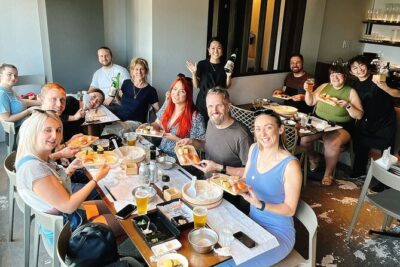
Sushi Making Tokyo Roll and Authentic Japanese Sushi Class
Read our review →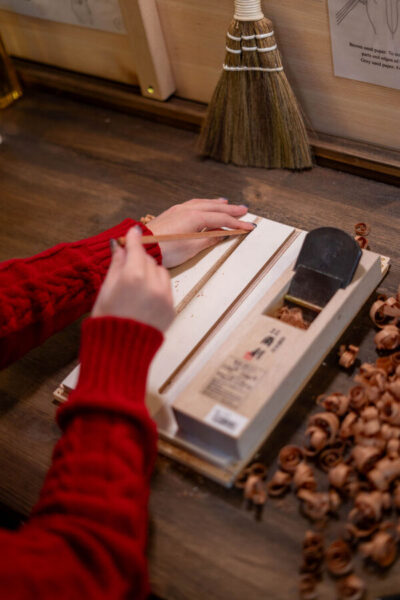
Gion Make Your Own Chopsticks with Engraving Option
Read our review →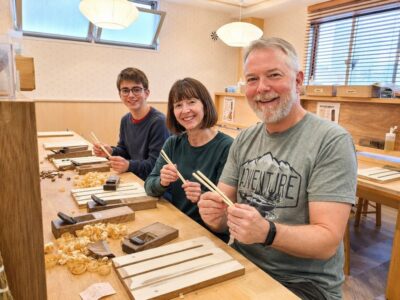
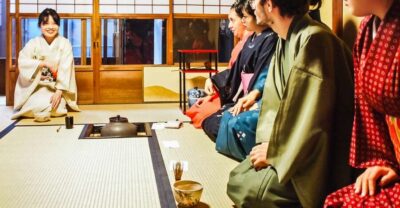
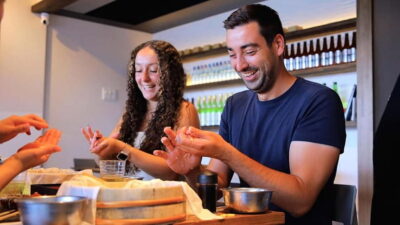
Roll and Authentic Sushi Making Class in Asakusa
Read our review →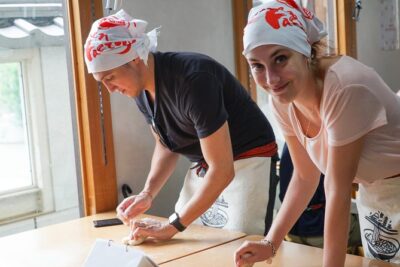
Ramen Cooking Class at Ramen Factory in Kyoto
Read our review →
Tokyo Asakusa Chopsticks Workshop: Make Your Own Pair
Read our review →
Ring Making Workshop : Vintage Japanese Coin Ring
Read our review →Browse the lists this tour appears in