
Reviewed · TEA CEREMONIES
Private Kyoto Sushi Cooking Class & Tea Ceremony with Emika
Food is the fastest way into local life. This private Kyoto class takes you into Emika’s home to prepare sushi or regional Obanzai dishes with seasonal produce, then sit down together for the meal. I like the home setting and the chance to use vegetables grown by Emika herself. I also like the relaxed mix of cooking, cultural conversation, matcha, and local drinks.
The main point to consider is location. The house is about a 10 to 15-minute walk from Kasura Station through residential streets, and hotel pickup is not provided. That walk is manageable, but you will need your phone map and a little extra time.
In This Review
- Key points to know before booking
- Arriving in a quiet Kyoto neighborhood
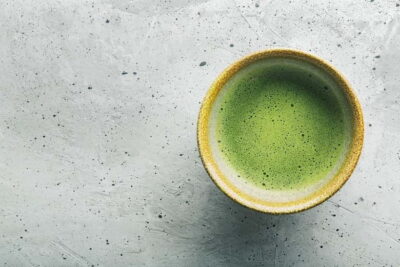
- The first cup of matcha sets the tone
- Pick sushi or Kyoto Obanzai
- Seasonal vegetables from Emika’s garden
- A class built for beginners and families
- Dietary needs are handled privately
- The meal is the heart of the experience
- Add the one-hour market visit after eating
- Matcha, conversation, and Kyoto culture
- Is $109 a fair price?
- Who should book this Kyoto cooking class?
- Should you book the class with Emika?
- FAQ
- How long does the Kyoto cooking class last?
- Where does the class meet?
- Does the activity end at the meeting point?
- How far is the home from the nearest station?
- Can I choose between sushi and Obanzai?
- Can dietary restrictions be accommodated?
- Is the supermarket tour included?
- Does the market tour happen before the cooking class?
- Are drinks included?
- Is this a private activity?
- Is hotel pickup provided?
- Is the experience suitable for beginners?
- Are service animals allowed?
- What is the cancellation policy?
Key points to know before booking
- Cook in a real Kyoto home: This is a private visit with Emika, not a large restaurant-style class.
- Choose your menu: Tell Emika at booking if you prefer sushi or Kyoto-style Obanzai cooking.
- Use seasonal ingredients: Some vegetables come from Emika’s own organic garden.
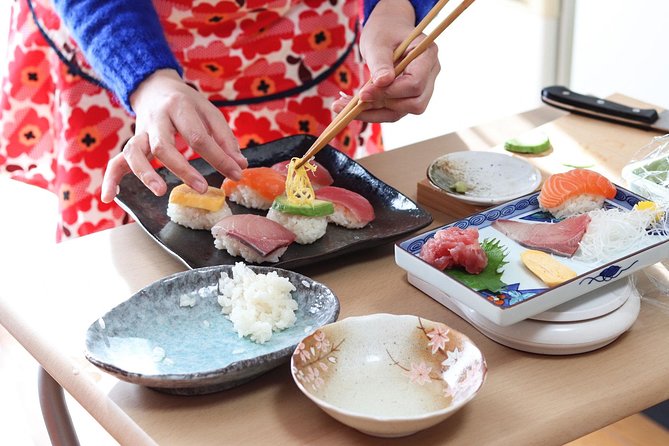
- Expect more than sushi: The meal can include miso soup, vegetable dishes, tofu, okonomiyaki, or other Japanese home-cooking options.
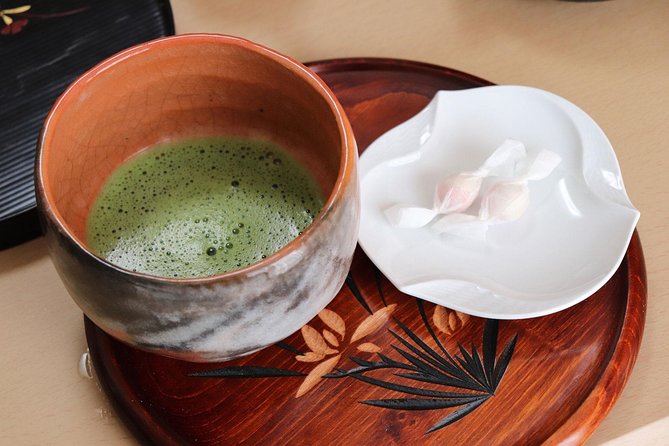
- Matcha closes the meal: A freshly prepared cup of matcha, made by Emika or her father, adds a calm cultural finish.
- Add the market tour: The optional one-hour visit takes place after lunch or dinner, not before.
Arriving in a quiet Kyoto neighborhood
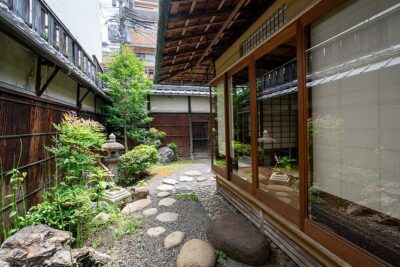
The meeting point is at 31-30 Katsurainariyamachō in Kyoto’s Nishikyo Ward. This is not a central sightseeing venue with a big sign out front. You are going to a private home, so clear directions and a working map app matter.
The house is roughly a 10 to 15-minute walk from Kasura Station. That walk leads through winding local streets, which can be part of the appeal. You get a quick look at ordinary residential Kyoto before the cooking begins, though the route may feel less direct than a simple city-center meeting point.
I would leave the station with time to spare. The experience is private, and arriving late could cut into the cooking session. Hotel pickup and drop-off are not included, so plan your train journey before booking your time slot.
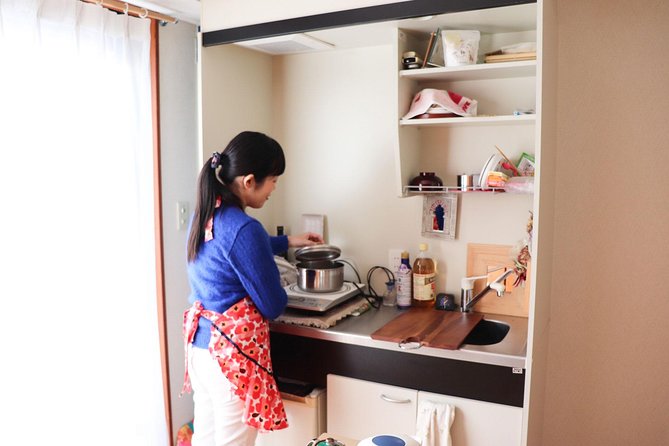
Once you arrive, Emika welcomes you into her family home. The setting makes the class feel personal from the start. You are not simply watching a chef demonstrate food behind a counter. You are sitting with a Kyoto resident and learning how Japanese food fits into daily home life.
More Cooking Classes in Kyoto
- Ramen Cooking Class at Ramen Factory in Kyoto
★ 5.0 · 1,937 reviews - Sushi Making in Kyoto! Same-day bookings welcome!
★ 5.0 · 713 reviews - Kyoto: Ramen Cooking Class at a Ramen Factory with Souvenir
★ 4.9 · 532 reviews
The first cup of matcha sets the tone
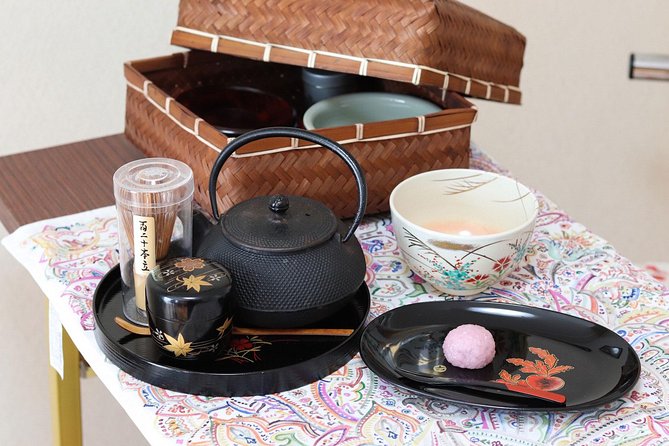
The experience includes a traditional matcha preparation by Emika or her father. Depending on the timing, the tea may begin the visit, though the meal is also described as ending with a tea ceremony.
That small detail matters. Matcha gives the class a cultural frame, not just a cooking lesson. You see how the tea is prepared, drink it in a home setting, and have a natural opening for questions about Japanese customs and etiquette.
The pace appears relaxed rather than formal. You should not expect a long ceremonial performance with a detailed historical lecture. Instead, the tea is a short, hands-on cultural moment woven into the meal.
Pick sushi or Kyoto Obanzai
At booking, tell Emika if you want sushi or an Obanzai menu. This choice helps shape the class around what you most want to learn, and it is worth deciding before you arrive.
Sushi is the obvious choice if you want practical skills to take home. The class may cover sushi rice, shaping nigiri, placing fish, and using nori. One participant described carefully rolling and shaping the rice by hand, with the freedom to add raw fish or seaweed. The useful lesson here is not perfect restaurant presentation. It is learning the basic feel of sushi preparation and finding out that your own homemade pieces can be quite good with sound ingredients.
Emika also shares tips on ingredients and supplies you can use after returning home. That makes the sushi portion more useful than a one-time meal. You leave with techniques, not just photographs.
The Obanzai option offers a different view of Kyoto cooking. Obanzai is home-style food built around vegetables, simple seasoning, and what is fresh at the time. Dishes may include marinated mushrooms, slow-cooked vegetables, tofu, miso soup, and other vegetable sides.
This menu may appeal more if you want to understand what people cook at home, rather than focus only on sushi. It is also a good choice for anyone who prefers cooked food or wants a broader meal.
Seasonal vegetables from Emika’s garden
A special part of the class is the use of vegetables grown organically by Emika. The exact produce will depend on the season, so you should not expect a fixed list of ingredients.
That changing menu is a strength. In a Kyoto home, food is shaped by what is available, and seasonal vegetables show how Japanese cooking often depends on careful preparation rather than heavy sauces. A simple side dish can teach you about texture, timing, and seasoning in ways a restaurant meal cannot.
You may prepare two Obanzai-style vegetable dishes alongside sushi or a main course. Miso soup is another common part of the class. The dishes are practical enough to try again at home, and Emika explains the ingredients as you work.
The cooking portion lasts about an hour, though some accounts describe the full food preparation taking closer to an hour and a half. The total experience is about three hours, including the meal, tea, and any market visit you select.
More Tea Ceremonies in Kyoto
- Kyoto: Tea Ceremony in a Traditional Tea House in Kiyomizu
★ 4.9 · 3,519 reviews - Kyoto: Tea Ceremony Ju-An at Jotokuji Temple
★ 4.9 · 3,207 reviews - Kyoto: 45-Minute Tea Ceremony Lesson Experience
★ 4.3 · 2,378 reviews - Kyoto: Table-Style Tea Ceremony at a Kyo-Machiya
★ 4.9 · 1,211 reviews
A class built for beginners and families
You do not need advanced cooking skills. The class welcomes all levels, and the teaching style is patient and clear.
That is important for sushi. Shaping rice and handling ingredients can feel awkward at first, especially for children or anyone who rarely cooks Japanese food. Emika demonstrates the steps and offers small corrections without turning the class into a test.
Families appear to fit this experience well. Children can take part in shaping food, preparing side dishes, and asking questions. Teenagers in particular may enjoy the practical nature of the class because they get to make something they can eat soon afterward.
The private format also helps. Only your own group participates, so you can ask questions at your own speed. A couple can focus on sushi technique, while a family can take a slower approach and involve everyone.
Dietary needs are handled privately
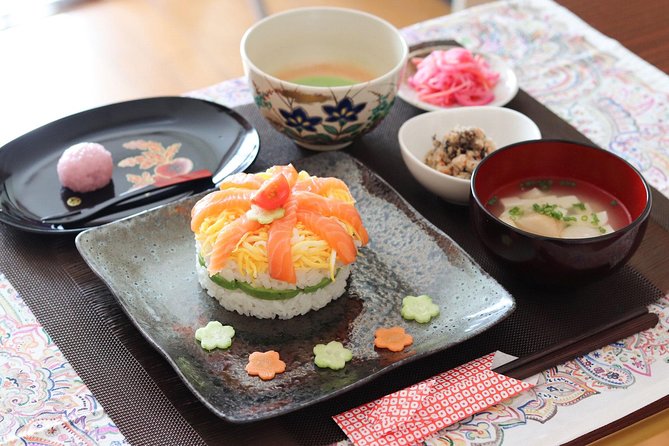
Tell Emika about allergies, dietary restrictions, or cooking preferences when you book. The private format allows the menu to be adjusted for your group, and vegetarian cooking has been accommodated successfully.
Still, you should give clear information in advance. Do not wait until you arrive, especially if you have a serious allergy or need to avoid particular ingredients. Japanese cooking can include fish, soy, seafood, miso, and other items that are not always obvious in a finished dish.
A private class is especially useful for dietary needs because the food is being prepared for your group rather than for a mixed room of participants. The exact menu remains something to confirm with Emika before the date.
The meal is the heart of the experience
After about an hour of preparation, you sit down and eat what you made. This is where the class shifts from instruction to hospitality.
The meal gives you time to ask about Kyoto, food customs, and life in Japan. Emika also offers recommendations for the city, which can be more useful than a standard sightseeing list because the conversation grows naturally from your interests.
Drinks are included. You can have one or two glasses of local alcohol, and matcha is part of the tea experience. Some participants chose nigori sake with their meal. If you do not drink alcohol, the tea option gives you a non-alcoholic way to take part.
The food is not presented as a polished restaurant tasting menu. That is precisely the point. You prepare it together, sit comfortably, and share a home meal. If you want a quiet, formal dining experience, choose a restaurant. If you want to understand how dishes are made and enjoy conversation with a local host, this format offers more value.
Add the one-hour market visit after eating
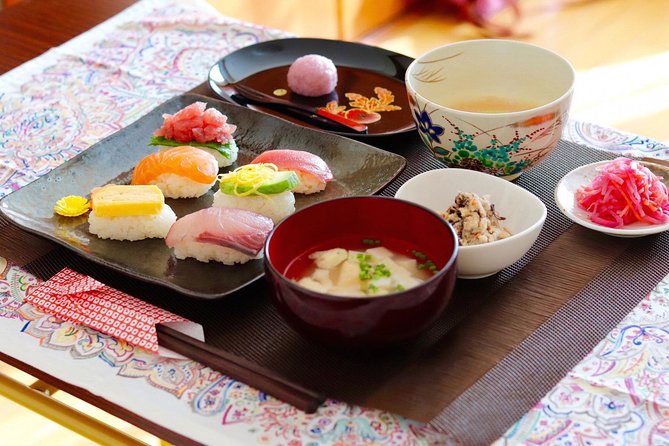
The market option is easy to misunderstand. It does not happen before the class. After your meal, you walk about 10 minutes with Emika to a supermarket and produce store used by local residents.
This visit adds a useful second lesson. Emika can point out Japanese seasonings, ingredients, and food products that you may have seen in shops without knowing how to use them. She can also help you buy ingredients to take home.
I like this add-on for anyone who plans to cook Japanese food after the trip. A supermarket often teaches you more about daily eating habits than a famous food street. You can see the ordinary products people buy, compare unfamiliar labels, and ask practical questions.
The drawback is timing. Since the market visit comes after lunch or dinner, the entire outing can feel full if you are already tired or have evening plans. Keep your schedule open after the class if you choose this option.
Matcha, conversation, and Kyoto culture
The tea ceremony is short, but it gives the experience a wider purpose. You are learning more than recipes. You are seeing how food, hospitality, and etiquette connect in a Japanese home.
Emika and her father prepare matcha, and the setting keeps the moment personal. The class also leaves room for questions about customs that may not appear in a guidebook, from how food is served to how ingredients are used.
This is not the right pick if you want a full formal tea ceremony with specialized historical instruction. It is better understood as a home cooking visit with a tea ceremony included. The tea works as a gentle close to the meal rather than the sole focus.
Is $109 a fair price?
At $109 per person, this is not the cheapest way to eat in Kyoto. You could buy a meal for much less. But the price includes a private three-hour experience, cooking instruction, food, matcha, and one or two glasses of local alcohol. The market tour is included if you select that option.
The value depends on what you want from a food activity. If you only want dinner, the price is high. If you want a private lesson, cultural exchange, a home visit, and advice you can use after Japan, the cost is easier to justify.
Group discounts may improve the price for larger parties. Since only your group takes part, you also avoid the limited attention common in big cooking classes. I would consider it strongest value for couples, families, or friends who will actively ask questions and cook rather than simply watch.
The experience is commonly booked well ahead, around 49 days in advance on average. That suggests you should not leave it until the last days of a short Kyoto stay, especially if you need a certain lunch or dinner time.
Who should book this Kyoto cooking class?
I would recommend it most strongly to:
- First-time visitors who want a local food experience outside the usual restaurant circuit
- Families looking for an activity that can hold a teenager’s attention
- Couples who prefer a private class to a large group
- Beginner cooks who want clear, practical instruction
- People interested in seasonal vegetables and everyday Kyoto food
- Anyone with dietary needs who can explain them before booking
- Home cooks who want Japanese ingredients and techniques to use later
It may be less suitable if you want a central Kyoto location, a formal professional kitchen, or a class focused only on advanced sushi. The walk from Kasura Station and the home setting require a little independence. You also need to tell Emika your menu preference and dietary needs in advance.
Free cancellation is available if you cancel at least 24 hours before the local start time. Changes or cancellations inside that window are not accepted for a refund.
Should you book the class with Emika?
Yes, if you value personal contact more than a polished tourist production. The strongest parts are the private home setting, Emika’s patient instruction, seasonal vegetables from her garden, and the chance to eat what you prepare.
Choose sushi if you want a focused skill to repeat at home. Choose Obanzai if you want a closer look at everyday Kyoto cooking. Add the market tour if you have room in your schedule and want help finding Japanese ingredients.
I would skip it only if the location feels inconvenient or if you want a formal tea ceremony rather than a cooking experience that includes tea. For most food-focused visits to Kyoto, this offers a warm, practical way to spend three hours and leave with more than a full stomach.
FAQ
How long does the Kyoto cooking class last?
The experience lasts approximately three hours.
Where does the class meet?
It begins at 31-30 Katsurainariyamachō, Nishikyo Ward, Kyoto, 615-8025, Japan.
Does the activity end at the meeting point?
Yes. The activity ends back at the meeting point.
How far is the home from the nearest station?
The home is about a 10 to 15-minute walk from Kasura Station.
Can I choose between sushi and Obanzai?
Yes. You should tell Emika when booking whether you prefer a sushi menu or a traditional Kyoto Obanzai menu.
Can dietary restrictions be accommodated?
Yes, but you must advise Emika about allergies, dietary restrictions, or cooking preferences when booking.
Is the supermarket tour included?
It is included if you choose the Market tour option.
Does the market tour happen before the cooking class?
No. The private market tour takes place after the cooking class and lunch or dinner.
Are drinks included?
Yes. The experience includes one or two glasses of local alcohol. Matcha is also prepared as part of the tea experience.
Is this a private activity?
Yes. Only your own group participates.
Is hotel pickup provided?
No. Hotel pickup and drop-off are not included.
Is the experience suitable for beginners?
Yes. All cooking skill levels are welcome.
Are service animals allowed?
Yes. Service animals are allowed.
What is the cancellation policy?
You can cancel at least 24 hours before the local start time for a full refund. Cancellations or changes made less than 24 hours before the start time are not accepted.
Just added in Kyoto
- The “Golden Route” and Ancient Japan by DIAMIR Erlebnisreisen – 14-Day Tour★ 2.0 · 2 reviews
- Japan: Castles & Cuisine by G Adventures – 6-Day Kyoto to Osaka Tour★ 4.5 · 4 reviews
- Cycle Japan by Explore! – 13-Day Kyoto to Tokyo Tour★ 4.7 · 12 reviews
- Cycle Japan by Intrepid Travel – 11-Day Kyoto to Tokyo Tour★ 4.8 · 2 reviews
- Classic Japan by Intrepid Travel – 11-Day Kyoto to Tokyo Tour★ 4.4 · 14 reviews
- Ancient & Modern Japan 14-Day Tour by Exodus Adventure Travels★ 4.4 · 40 reviews
- 5 Day Cultural Adventure of Kyoto, Nara & Osaka by Tourist Journey★ 2.5 · 2 reviews
- 12 Days Kinosaki Onsen Escape: A Journey Through Japan’s Timeless Towns by UME Travel★ 4.8 · 5 reviews
Tea Ceremonies, compared.
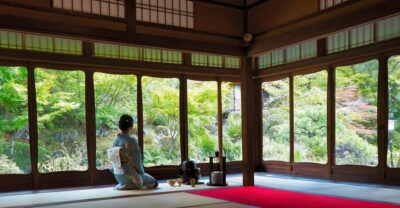
Tea Ceremony in a Traditional Tea House in Kiyomizu
Read our review →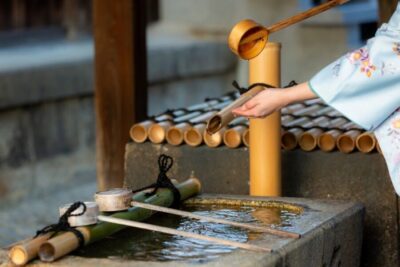
World Heritage Kyoto & Nara Uji Authentic Matcha Experience
Read our review →
Browse the lists this tour appears in