
Reviewed · WORKSHOPS
Sekka Cotton Furoshiki Class
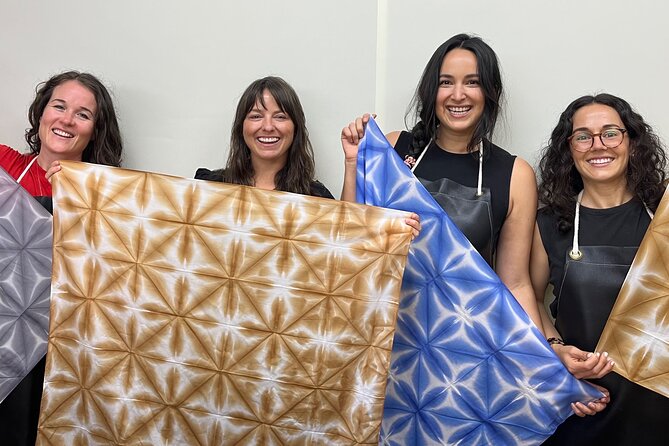
A small cloth can carry a big Kyoto memory. This private workshop at the Kyoto Shibori Museum lets you fold and dye an 86 by 89 centimeter cotton furoshiki using the sekka shibori method. I like the hands-on work and the chance to take home something useful, not just another souvenir. I also like that the waiting time becomes a museum visit rather than dead time.
The class is friendly, family-friendly, and easy to fit into a sightseeing day. English-speaking staff are available, and the museum displays striking textiles, tools, and samples. My one caution is that the craft process is fairly standardized and quick, so serious textile artists may want a more advanced workshop.
In This Review
- Key things to know before booking
- Why this Kyoto craft class is worth your time
- Arriving at the Kyoto Shibori Museum
- Choosing color and learning the sekka method
- The dyeing step and the 30-minute wait
- Inside the museum’s textile displays
- A useful souvenir, not a shelf ornament
- Is $43.35 a fair price?
- Who should book this class?
- Practical planning for a smooth visit
- Final verdict: Book it for the craft, not just the cloth
- FAQ
- Where does the Sekka Cotton Furoshiki Class take place?
- How long does the class last?
- Is the class private?
- What will I make?
- What is the sekka shibori method?
- What happens while the cloth dries?
- Is the museum visit included?
- Is the activity suitable for most people?
- Can I cancel for a refund?
Key things to know before booking
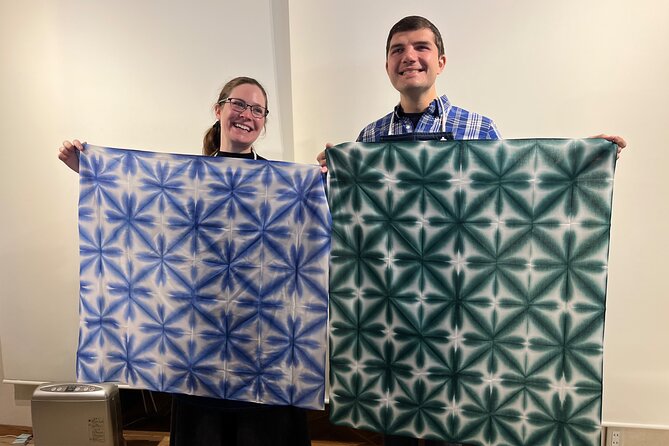
- Your own dyed furoshiki: Fold and dye a cotton wrapping cloth, then take it home as a practical Kyoto souvenir.
- A private class: Only your party participates, which gives you direct help and room to ask questions.
- The museum fills the waiting time: While your cloth dries for about 30 minutes, you can see textile art, tools, and samples upstairs.
- A short but complete activity: The class usually takes 30 to 60 minutes, depending on the pace of your group.
- A simple traditional technique: Sekka shibori creates a patterned result through careful folding, boards, and dye.
- A shop worth budgeting for: The museum sells shibori fabrics, finished goods, and other souvenirs.
Why this Kyoto craft class is worth your time
Kyoto offers temples by the dozen, but a traditional craft class gives you a different way to understand the city. Here, you do not simply look at finished cloth behind glass. You fold the material, choose a color, place the folded fabric between boards, and watch the dye create a pattern.
I like that the finished item has a real purpose. A furoshiki is a Japanese wrapping cloth, so you can use it for gifts, clothing, books, or small purchases. At 86 by 89 centimeters, this is not a tiny token. It is large enough to be useful, while still easy to pack.
The class is also a good choice if your group has mixed ages. The steps are clear, the session is private, and most people can participate. Teenagers and children can work alongside adults, while the instructors provide help when the folds become confusing.
The catch is that you are following an established process rather than inventing your own textile design. The folding and dyeing are approachable, but some adults may find the practical portion too easy. I see that as a strength for families and first-time crafters, but a limitation for anyone seeking a long, demanding studio course.
A few more options to weigh up in Kyoto
- PERFECT KYOTO 1-Day Bus Tour
★ 5.0 · 13,518 reviews - [Kyoto & Nara Day Tour] Sagano Scenic Railway & Nara Park & Fushimi Inari Taisha Thousand Torii Gates & Togetsukyo Bridge & Bamboo Grove & Kimono Forest (Departing from Osaka)
★ 4.9 · 10,942 reviews - Kyoto: Fushimi Inari, Kinkakuji, Bamboo Grove 1 Day Bus Tour
★ 4.8 · 4,316 reviews
Arriving at the Kyoto Shibori Museum
The activity begins at the Kyoto Shibori Museum, at 135-5 Shikiamicho in Nakagyo Ward. The museum is near public transportation, which makes it a sensible stop between central Kyoto sights.
Your booking confirmation arrives when you reserve, and the activity uses a mobile ticket. Since the meeting point and ending point are the same, you do not need to arrange a second pickup or find your way across town after the class.
The setting matters. You are not working in a generic craft room with no connection to the subject. The museum gives the lesson a clear home, surrounded by examples of Japanese textile work. It also means you can see the finished quality that skilled artisans can achieve before or after making your own simpler piece.
Plan your day with the class time in mind. The activity lasts about one hour, though individual sessions can take from 30 to 60 minutes. I would avoid booking it immediately before a train or timed attraction. The class is short, but the museum portion and questions can make the visit feel less rushed.
Choosing color and learning the sekka method
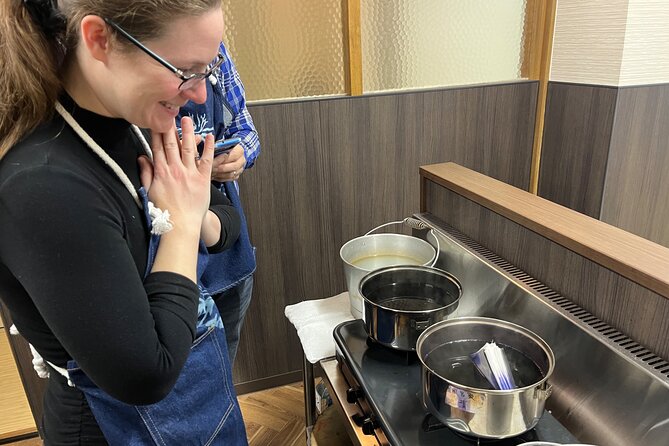
The first practical choice is your color. You select a favorite shade, then receive instructions for folding the cloth in a particular way.
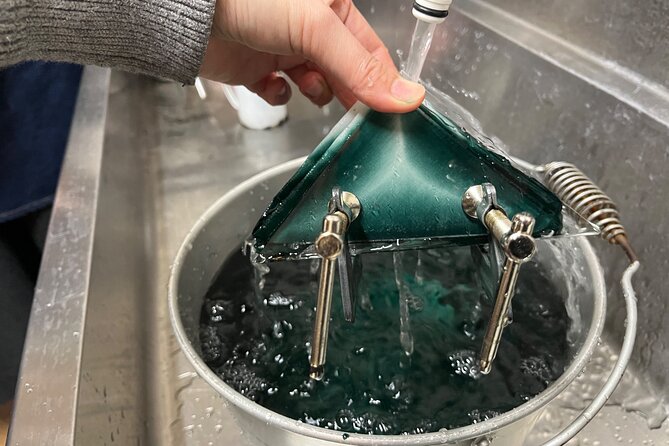
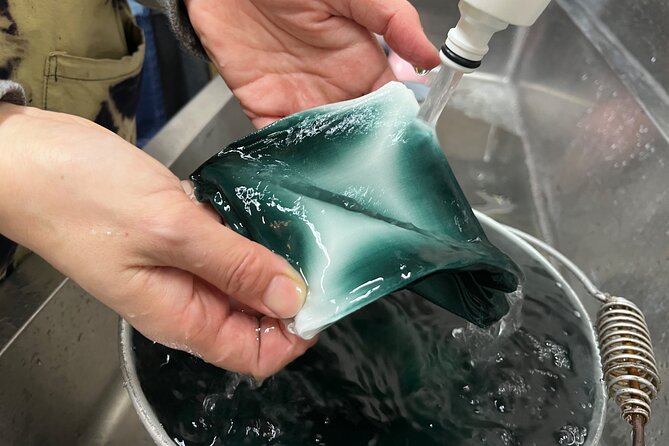
This is the heart of the lesson. Shibori is a family of Japanese resist-dyeing techniques, and the folding controls where the dye reaches the fabric. For sekka shibori, the cloth is folded in a set pattern and placed between two boards before it is dyed.
The teacher guides you through the process in detail. You are not simply handing over the cloth and waiting for an artisan to finish it. You take part in the folding and dyeing yourself, with help available if you need it.
That personal role is important. The class gives you a basic understanding of why the pattern appears, even if you do not become a shibori expert in one sitting. You leave knowing that the design comes from preparation and pressure, not from painting a pattern onto a blank cloth.
The technique is straightforward enough for beginners. It is also structured enough that your finished furoshiki should look like a proper shibori piece rather than an accidental splash of color. If you want complete artistic freedom, this format may feel limited. If you want a reliable first introduction, the structure works well.
The dyeing step and the 30-minute wait
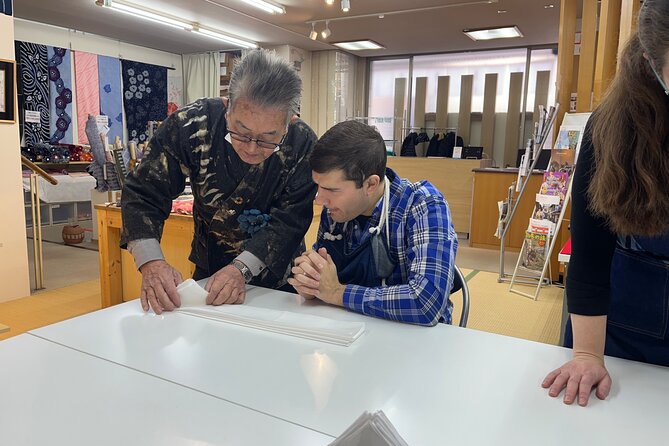
Once the cloth is folded, it goes between two boards and into the dye. This is the moment when the careful folds begin to pay off.
Your cloth then needs about 30 minutes to dry. Instead of leaving you with nothing to do, the class uses that time to introduce you to the museum. This two-part design is one of the best features of the activity: first you make something, then you see the wider craft tradition around it.
The waiting period also gives your group a natural pause. You can look at the displays, ask questions, and see how the small project relates to larger textile works. The museum includes art pieces, tools, and samples, along with an educational film.
Do not expect the furoshiki portion to occupy the full hour. Much of the actual folding and dyeing is quick and carefully directed. The broader visit comes from pairing that activity with the museum displays.
I find this format especially useful for families. The hands-on work keeps younger participants involved, while the museum adds enough context for adults. It also suits anyone who wants a short cultural activity rather than a full-day workshop.
A completely different kind of day out:
- Kyoto: Tea Ceremony in a Traditional Tea House in Kiyomizu
★ 4.9 · 3,519 reviews - Kyoto: Gion Make Your Own Chopsticks with Engraving Option
★ 5.0 · 3,465 reviews - Kyoto Nara Day Trip │ Kiyomizu-dera Temple + Fushimi Inari-taisha Shrine + Nara Park (Departing from Osaka/Kyoto)
★ 4.7 · 3,408 reviews - Kyoto Geisha Walking Tour: Gion District & Hidden Gems
★ 4.7 · 3,273 reviews
Inside the museum’s textile displays
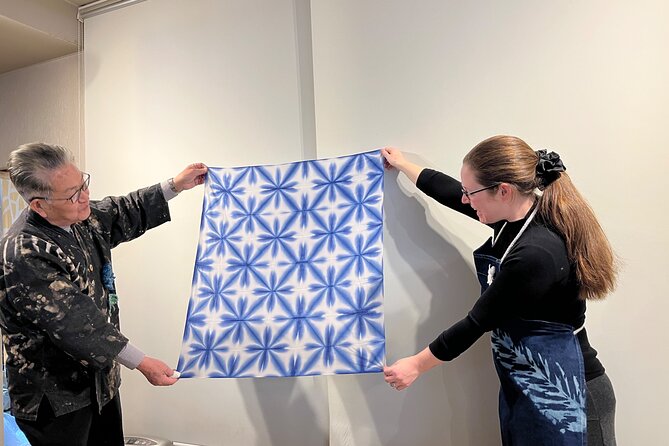
The museum adds meaning to what could otherwise be a simple souvenir-making session. You can see examples of shibori cloth, traditional tools, and textile pieces created using techniques far more intricate than the class version.
One particularly memorable display features shibori fabric created by 50 artisans over 50 years. That detail helps put your own one-hour project in perspective. You are learning a small part of a craft tradition that can demand enormous patience and teamwork.
The displays also connect shibori to kimono-making techniques. The staff explain the process and answer questions, and the museum’s educational material helps make the craft easier to understand.
I would not treat the museum as a minor extra. For many people, it may become the strongest part of the visit. The class gives you a reason to pay attention to the patterns, tools, and labor on display. After folding your own cloth, you look at the museum pieces with sharper eyes.
At the same time, the museum is compact enough to fit into a short schedule. This is not a major city museum requiring half a day. It is a focused stop about one craft, paired with a practical lesson.
A useful souvenir, not a shelf ornament
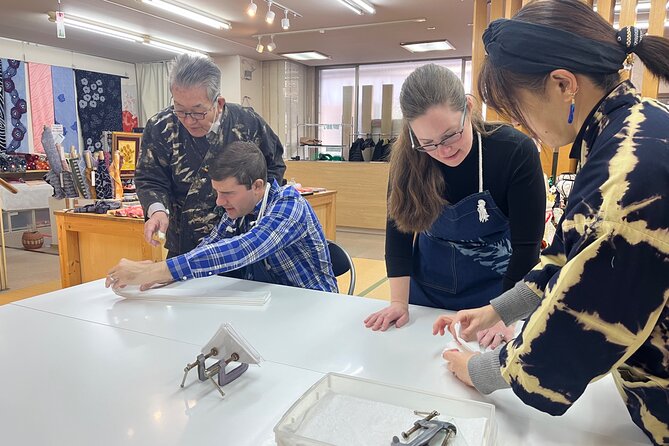
At the end, you leave with your cotton furoshiki. The personal connection makes it more meaningful than a pre-made item from a tourist shop. You chose the color, folded the cloth, and took part in the dyeing.
A furoshiki is also easy to use after your trip. You can wrap a present, carry a small bundle, cover a lunch container, or use it as a light cloth in your luggage. Its size gives you more options than a small decorative square.
The result will reflect the method you learned, not necessarily a completely original design. That is fine for most first-time participants. The value is in learning the process and having a finished object that recalls your time in Kyoto.
If you already collect Japanese textiles or want a highly refined artisan piece, compare the class with the items in the museum shop. The shop carries fabrics, finished shibori goods, and souvenirs. You can buy something made by experts, make your own simpler cloth, or do both.
Bring a little extra spending money if you are likely to be tempted. The shop is part of the appeal, but purchases are separate from the class price.
Is $43.35 a fair price?
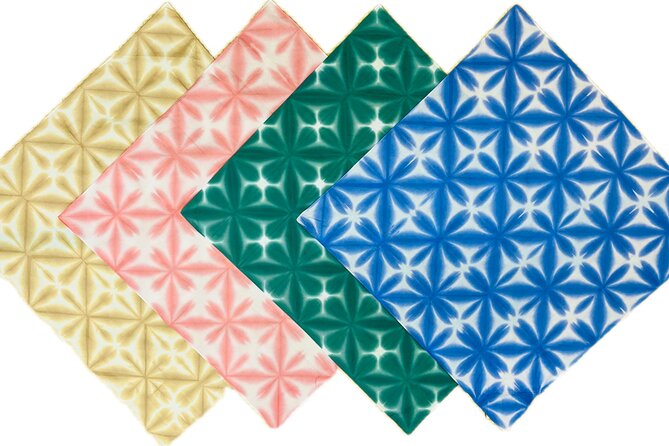
At $43.35 per person, this is not the cheapest short activity in Kyoto. The price makes more sense when you count what is included: a private lesson, the cotton cloth, instruction, dyeing, the finished souvenir, and access to the museum displays during the drying period.
The private format is a real part of the value. Your group does not share the lesson with strangers, so the pace can suit your party. You can ask questions directly, and a family or small group can treat the class as a shared project.
The price is easiest to justify if you value an authentic craft activity and a useful object. It is less appealing if you only want a quick souvenir or expect a long, technically demanding workshop.
The activity is booked, on average, 19 days ahead. That suggests you should reserve before your Kyoto schedule fills, especially if your dates are fixed. Free cancellation is available up to 24 hours before the start time, which gives you some flexibility. Canceling later or changing the booking within 24 hours does not qualify for a refund.
Who should book this class?
I would recommend it most strongly to:
- Families: The clear steps and private format make it easy to work together.
- First-time crafters: You get direct instruction without needing previous textile experience.
- Teenagers and older children: The hands-on activity offers a break from temple visits and long walks.
- Couples and small groups: You can create matching or complementary cloths while sharing the lesson.
- Visitors seeking a practical souvenir: The finished furoshiki can be used long after you return home.
- Anyone interested in Japanese textiles: The museum adds tools, examples, film, and background to the craft.
I would be more cautious if you want a highly creative class with many design choices. The process is intentionally standardized, which keeps it accessible but limits experimentation.
Practical planning for a smooth visit
Wear something comfortable and allow enough time to reach the museum without rushing. The class is near public transportation, but the exact route depends on where you are staying and which line you use.
Keep your mobile ticket and booking confirmation easy to access. The activity begins and ends at the museum, so your next stop should be planned from the same area.
The class is suitable for most people, and it is a private activity for your party alone. If someone in your group has a concern about participating, the provided information does not list special restrictions, so it is wise to ask the provider before booking.
I would schedule the workshop during a day with at least a little breathing room. The making portion may be finished quickly, but you will get more from the visit if you give yourself time to see the exhibits rather than racing off as soon as the cloth is dyed.
Final verdict: Book it for the craft, not just the cloth
You should book the Sekka Cotton Furoshiki Class if you want a friendly, compact introduction to Japanese textile work. The private instruction, finished cotton cloth, and museum visit make the $43.35 price reasonable for many people.
Book it especially if your group includes children or teens, or if you need a quieter cultural activity between Kyoto’s major sights. The class is easy to follow, and the museum turns a simple craft project into a lesson about patience, pattern, and kimono-related textile techniques.
Skip it if you want advanced dyeing skills or a long, free-form studio session. The hands-on steps are short and quite standardized. For everyone else, this is a pleasant way to make a useful souvenir and spend an hour with one of Kyoto’s traditional crafts.
FAQ
Where does the Sekka Cotton Furoshiki Class take place?
The class takes place at the Kyoto Shibori Museum, located at 135-5 Shikiamicho, Nakagyo Ward, Kyoto, 604-8261, Japan.
How long does the class last?
Classes usually take between 30 and 60 minutes. The activity is described as approximately one hour.
Is the class private?
Yes. Only your group participates, so the lesson is private and personalized.
What will I make?
You will dye an 86 by 89 centimeter cotton furoshiki, which is a Japanese wrapping cloth.
What is the sekka shibori method?
The method involves folding the fabric in a particular way, placing it between two boards, and dyeing it to create the pattern.
What happens while the cloth dries?
The cloth takes about 30 minutes to dry. During that time, you can learn more about shibori and view art pieces, tools, and samples in the museum.
Is the museum visit included?
Yes. The museum displays are part of the activity while your furoshiki dries.
Is the activity suitable for most people?
The additional information says most people can participate. The class is also described as family-friendly in the experience feedback.
Can I cancel for a refund?
You can cancel up to 24 hours before the start time for a full refund. Cancellations or changes made less than 24 hours before the activity are not accepted for a refund.
Just added in Kyoto
- The “Golden Route” and Ancient Japan by DIAMIR Erlebnisreisen – 14-Day Tour★ 2.0 · 2 reviews
- Japan: Castles & Cuisine by G Adventures – 6-Day Kyoto to Osaka Tour★ 4.5 · 4 reviews
- Cycle Japan by Explore! – 13-Day Kyoto to Tokyo Tour★ 4.7 · 12 reviews
- Cycle Japan by Intrepid Travel – 11-Day Kyoto to Tokyo Tour★ 4.8 · 2 reviews
- Classic Japan by Intrepid Travel – 11-Day Kyoto to Tokyo Tour★ 4.4 · 14 reviews
- Ancient & Modern Japan 14-Day Tour by Exodus Adventure Travels★ 4.4 · 40 reviews
- 5 Day Cultural Adventure of Kyoto, Nara & Osaka by Tourist Journey★ 2.5 · 2 reviews
- 12 Days Kinosaki Onsen Escape: A Journey Through Japan’s Timeless Towns by UME Travel★ 4.8 · 5 reviews
Workshops, compared.
Sushi Making Tokyo Roll and Authentic Japanese Sushi Class
Read our review →
Gion Make Your Own Chopsticks with Engraving Option
Read our review →
Roll and Authentic Sushi Making Class in Asakusa
Read our review →
Ramen Cooking Class at Ramen Factory in Kyoto
Read our review →
Tokyo Asakusa Chopsticks Workshop: Make Your Own Pair
Read our review →
Ring Making Workshop : Vintage Japanese Coin Ring
Read our review →Browse the lists this tour appears in