
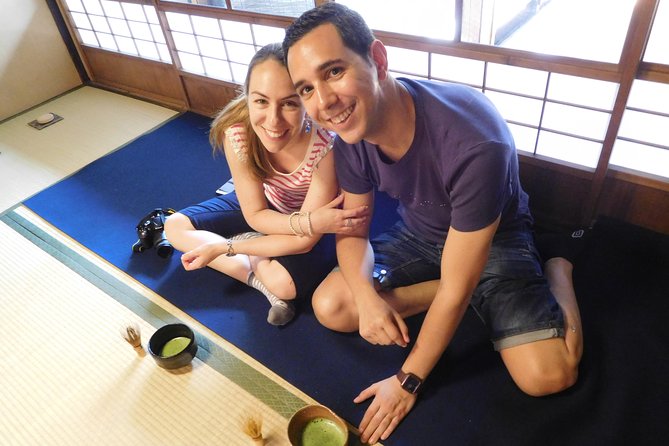
Reviewed · TEA CEREMONIES
Tea Ceremony Experience in Traditional Kyoto Townhouse
Tea turns into a small lesson in Kyoto. This one-hour experience brings you into an approximately 80-year-old machiya, where you learn how matcha is prepared and see a formal tea ceremony in a setting that feels tied to the city itself. I like the hands-on format, and I like that the group is limited to six people, so the session should feel more personal than a large cultural demonstration.
The second strong point is the clear cultural background, including the ceremony’s links to monks and samurai. The main consideration is time: one hour gives you a focused introduction, not a full study of Japanese tea culture or a long visit to the townhouse.
In This Review
- What makes this Kyoto tea experience worth your time
- Entering an 80-year-old Kyoto machiya
- Learning why matcha became a serious ritual
- Watching the demonstration before you make tea
- Making your own bowl of matcha
- The ceremony gives the workshop its shape
- Matcha and Kyoto sweets at the end
- Why the small group size matters
- Getting to 605 Nishidacho in Kyoto
- Who will get the most from this experience
- Booking value at $27.59 per person
- Should you book the Kyoto tea ceremony?
- FAQ
- Where does the tea ceremony take place?
- How long does the experience last?
- What is included in the price?
- Is hotel pickup included?
- Where does the activity end?
- How many people can join the experience?
- Is the activity near public transportation?
- Can I cancel for a full refund?
What makes this Kyoto tea experience worth your time
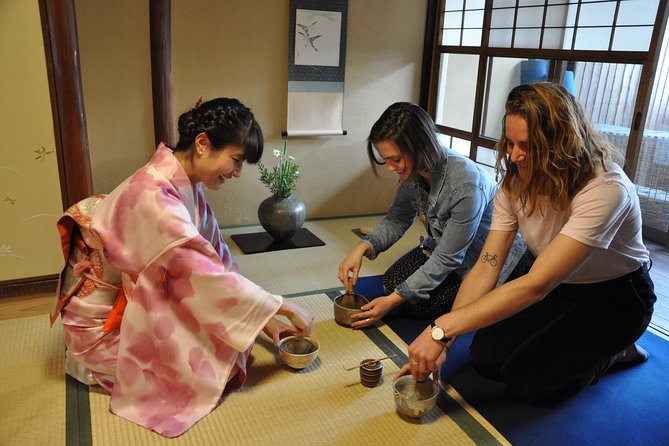
- An 80-year-old machiya: Spend the session inside one of Kyoto’s remaining traditional wooden townhouses.
- Hands-on matcha preparation: Learn how to brew your own bowl instead of only watching a demonstration.
- A formal ceremony included: The workshop also shows you the careful movements and meaning behind the ritual.
- Organic-farm matcha: The tea used for preparation comes from an organic farm.
- Kyoto sweets with your tea: Japanese cakes from a famous Kyoto confectionary are included.
- Small group setting: The maximum group size is six, a useful advantage for questions and personal demonstrations.
Entering an 80-year-old Kyoto machiya
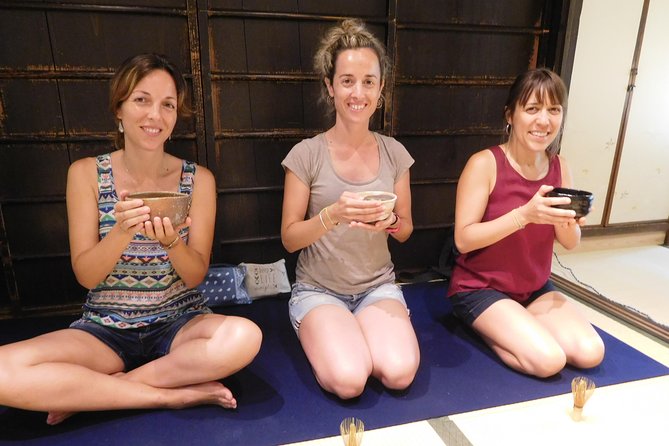
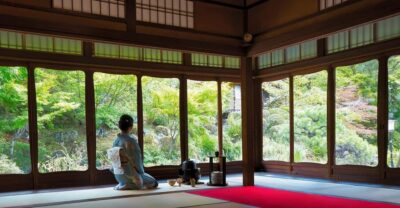
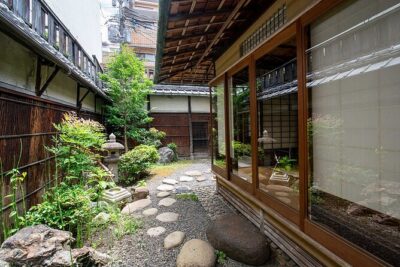
The setting is half the experience. Ami Kyoto is at 605 Nishidacho in Kyoto’s Shimogyo Ward, inside a traditional wooden townhouse said to be about 80 years old. Kyoto once had many homes of this kind, but far fewer remain in daily use, so the address gives you something beyond a standard classroom.
A machiya was built for practical city life. The narrow wooden-house style is closely tied to old Kyoto, where space was valuable and homes often served both family and working needs. You are not simply sitting in a modern room while someone explains tea. You are spending an hour in a piece of the city’s built past.
I like that the experience keeps the townhouse central without turning it into a museum visit. You have enough time to appreciate the atmosphere, but the focus stays on tea. If you want a long architectural tour, this will feel brief. If you want a meaningful setting for a short cultural activity, the balance works well.
The description calls the space quaint and elegant. Those words are fair as a guide to what you should expect, but the practical point matters more: this is a rare chance to see how a traditional Kyoto home can frame a cultural lesson. The room itself gives the ceremony a sense of place that a hotel conference room could not match.
More Tea Ceremonies in Kyoto
- Kyoto: Tea Ceremony in a Traditional Tea House in Kiyomizu
★ 4.9 · 3,519 reviews - Kyoto: Tea Ceremony Ju-An at Jotokuji Temple
★ 4.9 · 3,207 reviews - Kyoto: 45-Minute Tea Ceremony Lesson Experience
★ 4.3 · 2,378 reviews
Learning why matcha became a serious ritual
Matcha is more than powdered green tea. The ceremony grew into a careful cultural form with strong links to Buddhist practice and the world of samurai. This experience gives you background on those connections before asking you to make tea yourself.
That context helps. Without it, whisking green tea can seem like a charming craft activity with a few formal gestures added on. With it, you can begin to understand why the process values attention, order, hospitality, and restraint. The session does not promise an academic lecture, and you should not expect one. Its purpose is to give you enough background to make the ceremony feel meaningful.
The workshop is especially useful if you are new to Japanese tea. You do not need prior knowledge, and the information is presented in a way that families can follow. One especially positive account describes the explanations as clear and simple, with a thorough demonstration that parents and children could enjoy together.
That is a practical strength. Cultural activities can sometimes drown you in unfamiliar terms. Here, the teaching appears designed to help you follow the basic ideas first, then try the technique.
Watching the demonstration before you make tea
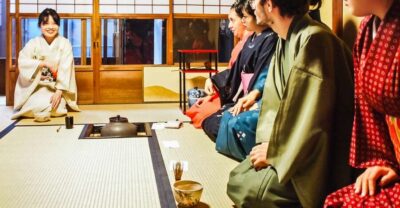
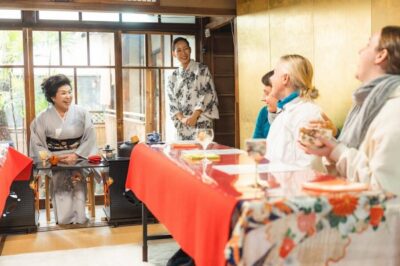
A good hands-on class needs a clear example. The session begins with personalized demonstrations of matcha preparation and a tea ceremony. You can watch the order of the actions, the handling of the tools, and the care given to the final bowl before trying it yourself.
The demonstration is important because matcha preparation is not just a matter of stirring powder into water. The ceremony has its own rhythm, and watching first lets you see how the pieces fit together. The emphasis here is on showing rather than rushing you into an activity.
Kimi from Ami Kyoto signs the provider’s responses to the feedback, so Kimi is a name you may see connected with the experience. The teaching style praised in the available comments was kind, professional, clear, and thorough. Those qualities matter more than theatrical presentation. You want an instructor who can explain the steps without making you feel clumsy for asking a basic question.
The personal format should help. With no more than six people, the guide has a better chance to pay attention to each participant than in a packed group. You might also find it easier to ask about the ceremony’s meaning or your own preparation. The exact amount of individual instruction can vary, but the small maximum is a real advantage.
Making your own bowl of matcha
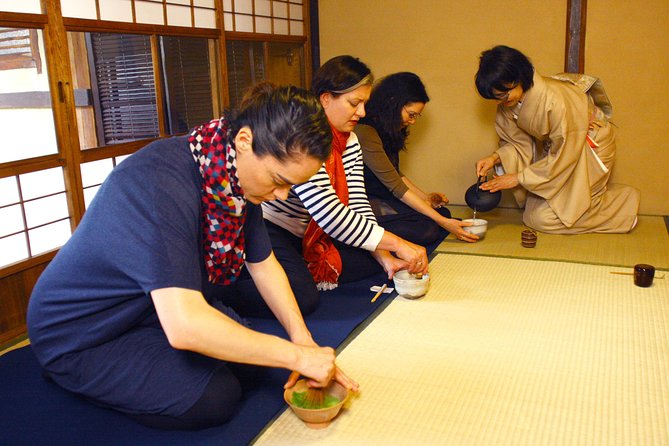
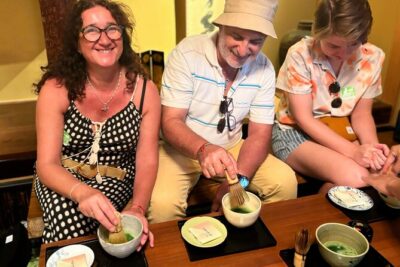
The best part for many people will be the chance to prepare tea yourself. Instead of leaving with only an impression of the ceremony, you get to handle the process and taste the result.
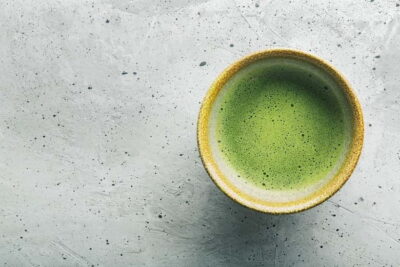
The tea is made from matcha supplied by an organic farm. That detail gives the class a useful point of comparison with ordinary green tea. Matcha is consumed as a powder, rather than brewed and discarded like loose leaves, so the preparation produces a fuller tea experience.
You can expect the instructor to guide you through the basic method. The supplied information does not list each tool or step, so I would not promise a detailed equipment lesson. What is clear is that you will learn how to brew a good cup, watch a demonstration, and then take part yourself.
That hands-on element makes the price easier to understand. At $27.59 per person, you are paying for instruction, a cultural presentation, a bowl of matcha, sweets, and access to a traditional townhouse. It is not the cheapest drink you could order in Kyoto, but it is not priced as a long luxury ceremony either. For a compact cultural activity, the value is strongest if you want to learn a skill rather than simply sip tea.
Do not worry about producing a perfect bowl on your first attempt. The point is to learn the method and understand the care behind it. One account describes making the tea as fun, which is a useful reminder that this is participatory, not stiff or intimidating.
A completely different kind of day out:
- PERFECT KYOTO 1-Day Bus Tour
★ 5.0 · 13,518 reviews - [Kyoto & Nara Day Tour] Sagano Scenic Railway & Nara Park & Fushimi Inari Taisha Thousand Torii Gates & Togetsukyo Bridge & Bamboo Grove & Kimono Forest (Departing from Osaka)
★ 4.9 · 10,942 reviews - Kyoto: Fushimi Inari, Kinkakuji, Bamboo Grove 1 Day Bus Tour
★ 4.8 · 4,316 reviews - Kyoto: Gion Make Your Own Chopsticks with Engraving Option
★ 5.0 · 3,465 reviews
The ceremony gives the workshop its shape
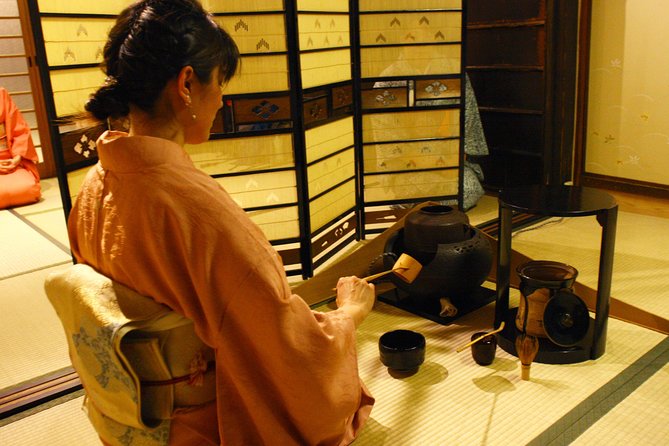
The formal tea ceremony adds a second layer to the class. First, you see the practiced form. Then, you have a better sense of what you are trying to do when it is your turn.
A ceremony is built around deliberate actions, and that slower pace can be a welcome change during a busy Kyoto day. You are asked to pay attention to small details instead of moving quickly from one sight to the next. That makes the experience feel less like a checklist stop.
At the same time, keep the one-hour duration in mind. This is an introduction, not an extended ceremony with a long sequence of formal courses. The activity includes a demonstration and hands-on preparation, so the hour should feel full. If you want a very traditional, lengthy ritual with a highly formal atmosphere, you may prefer a more specialized tea school.
For most first-time visitors, the shorter format is a benefit. You can fit it between other plans without giving up half a day. It also works well for families or anyone who wants cultural depth without committing to an intensive lesson.
Matcha and Kyoto sweets at the end
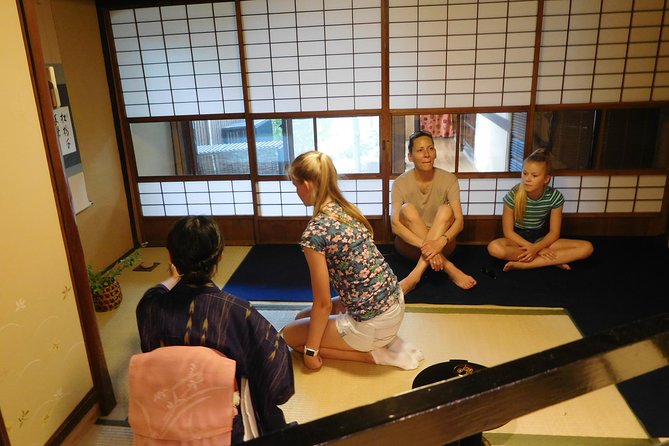
The included refreshments are simple but well chosen: one bowl of matcha and Japanese sweets. The sweets come from a famous Kyoto confectionary, adding a local food element to the lesson.
The pairing matters because Japanese sweets are traditionally designed to balance the bitterness of matcha. You do not need to be a serious tea enthusiast to appreciate the contrast. The sweet gives you another way to notice the character of the tea, while the tea keeps the snack from becoming the entire focus.
This is also where the experience feels most complete. You learn about the ritual, watch it performed, make the tea, and enjoy it with a Kyoto-style sweet. Nothing suggests that a full meal is included, so plan this as a cultural snack rather than a replacement for lunch or dessert.
Matcha fans will probably get the most from this portion, especially if you already enjoy the flavor and want to understand its preparation. If you dislike green tea, the workshop may still be interesting, but the tasting will be less of a reward.
Why the small group size matters
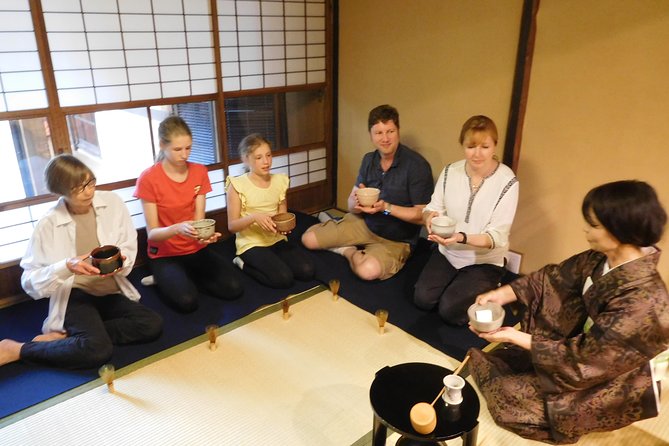
The maximum of six people is one of the strongest practical details. Small groups make cultural demonstrations easier to follow, especially when the activity involves precise movements and a chance to practice.
You should have a better view than you would in a large room, and you may have more room to ask questions. The available feedback specifically praises the clear explanations and personal feel of the session. A small group does not guarantee a private class, but it does limit the chance of feeling lost in a crowd.
This format also suits parents traveling with children. One family account describes both the parents and children enjoying the demonstration and the tea-making activity. The information does not state a minimum age, so you should confirm any age concerns when booking if you are traveling with very young children.
The class is also a good fit for solo visitors. A six-person limit can make it easier to meet others without turning the activity into a loud social event. You can focus on the lesson while still sharing a small cultural moment with the group.
Getting to 605 Nishidacho in Kyoto
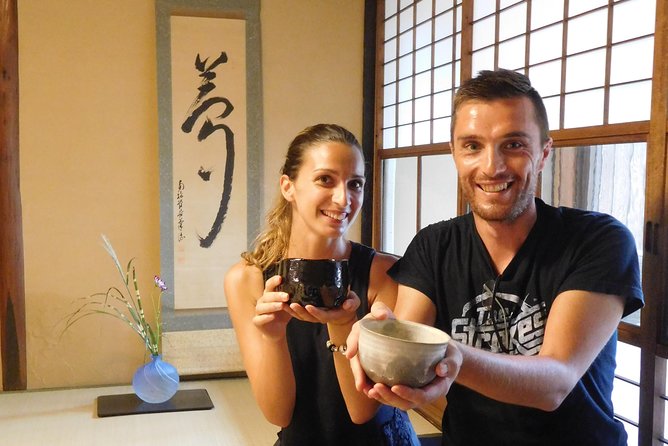
The meeting point is 605 Nishidacho, Shimogyo Ward, Kyoto, postal code 600-8397. The activity is near public transportation, which makes it practical to reach without a hotel transfer.
There is no hotel pickup or drop-off. You need to make your own way to the townhouse and return to your plans afterward. Since the activity lasts about one hour and ends at the same meeting point, it is easy to combine with nearby sightseeing, shopping, or a meal.
Give yourself enough time to find the address. Traditional Kyoto streets can be confusing, and arriving late to a small, timed activity may cut into your own session. The supplied information does not name a station or provide walking directions, so check the route from your accommodation before leaving.
The mobile ticket is useful for a day of sightseeing. Keep the booking confirmation accessible on your phone, and make sure your phone has enough battery for navigation and ticket display.
Who will get the most from this experience
I would recommend this to you if you want a short activity with real cultural content. It suits first-time visitors who want more than a photo stop, matcha drinkers curious about proper preparation, and families looking for something most age groups can share.
It is also a smart choice if your Kyoto schedule is tight. One hour is long enough to learn, taste, and take part, but short enough to fit around major sights. The small group size gives it a personal edge without the cost of a private tour.
You may want to skip it if you are looking for a full-day tea study, a long formal ceremony, or extensive instruction in Japanese arts. The session is focused and introductory. It gives you a respectful starting point, not mastery.
The activity is rated five out of five from 19 pieces of feedback, with 100 percent recommending it. That is a strong signal, though the sample is small. The praise centers on the hosts’ kindness and professionalism, clear explanations, thorough demonstration, and the fun of making tea. Those are exactly the areas that matter most in a one-hour workshop.
Booking value at $27.59 per person
At $27.59, the experience sits in an accessible price range for Kyoto activities. You receive a bowl of matcha, Japanese sweets, instruction, a ceremony demonstration, and time inside an approximately 80-year-old machiya.
The value depends on what you want from your hour. If you only want to taste matcha, you can spend less elsewhere. If you want a guided introduction with a ceremony and the chance to prepare tea yourself, the package is more compelling.
The cost also covers an experience that would be difficult to recreate on your own. You could order a matcha drink, but you would not receive the cultural explanation, personalized demonstration, or access to this traditional townhouse. That makes the class a better buy for curious visitors than for people focused only on refreshments.
Confirmation is sent within 48 hours, subject to availability. The activity is booked an average of 19 days ahead, so I would not leave it until the last moment if your schedule is fixed. You can cancel for a full refund up to 24 hours before the start time. Changes or cancellations inside that window are not accepted for a refund.
Should you book the Kyoto tea ceremony?
Book it if you want a friendly, hands-on introduction to matcha in a small group and a traditional Kyoto setting. The 80-year-old machiya, organic-farm tea, Kyoto sweets, and clear demonstration give the hour more substance than a simple tasting.
I would especially choose it for a first Kyoto visit, a family itinerary, or a day when you want a quiet cultural pause between larger attractions. The main limit is the short duration, so serious tea students should seek a longer and more formal lesson.
For $27.59, this is a sensible way to learn the basics, take part in a ceremony, and see a traditional townhouse without giving up half your day.
FAQ
Where does the tea ceremony take place?
It takes place at Ami Kyoto, 605 Nishidacho, Shimogyo Ward, Kyoto, 600-8397, Japan.
How long does the experience last?
The activity lasts approximately one hour.
What is included in the price?
The experience includes one bowl of matcha green tea and Japanese sweets.
Is hotel pickup included?
No. Hotel pickup and drop-off are not included. You must meet the group at the stated Kyoto address.
Where does the activity end?
The activity ends back at the meeting point.
How many people can join the experience?
The maximum group size is six people.
Is the activity near public transportation?
Yes. The experience is described as being near public transportation.
Can I cancel for a full refund?
Yes. You can cancel at least 24 hours before the experience start time for a full refund. Cancellations or changes made less than 24 hours before the start time are not accepted for a refund.
Just added in Kyoto
- The “Golden Route” and Ancient Japan by DIAMIR Erlebnisreisen – 14-Day Tour★ 2.0 · 2 reviews
- Japan: Castles & Cuisine by G Adventures – 6-Day Kyoto to Osaka Tour★ 4.5 · 4 reviews
- Cycle Japan by Explore! – 13-Day Kyoto to Tokyo Tour★ 4.7 · 12 reviews
- Cycle Japan by Intrepid Travel – 11-Day Kyoto to Tokyo Tour★ 4.8 · 2 reviews
- Classic Japan by Intrepid Travel – 11-Day Kyoto to Tokyo Tour★ 4.4 · 14 reviews
- Ancient & Modern Japan 14-Day Tour by Exodus Adventure Travels★ 4.4 · 40 reviews
- 5 Day Cultural Adventure of Kyoto, Nara & Osaka by Tourist Journey★ 2.5 · 2 reviews
- 12 Days Kinosaki Onsen Escape: A Journey Through Japan’s Timeless Towns by UME Travel★ 4.8 · 5 reviews
Tea Ceremonies, compared.
Tea Ceremony in a Traditional Tea House in Kiyomizu
Read our review →
World Heritage Kyoto & Nara Uji Authentic Matcha Experience
Read our review →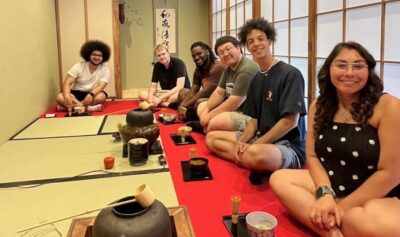
Browse the lists this tour appears in