
Reviewed · TEA CEREMONIES
Tea Ceremony Experience in Traditional Kyoto Townhouse
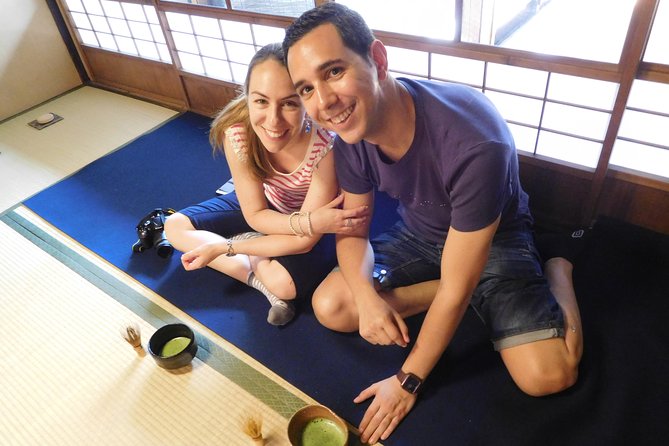
Tea becomes a quiet window into Japanese culture. At Ami Kyoto, you step into an old wooden machiya, watch a carefully explained tea ceremony, then prepare and drink your own bowl of matcha. I especially like the small group of no more than six and the use of matcha from Uji, Kyoto’s famous tea-growing area. The traditional sweets also come from a well-known Kyoto confectioner, which adds more than a sugary extra.
The main drawback is finding the townhouse. The address is in a traditional residential area, and one visitor found the entrance difficult because English street names and numbers were not easy to spot. The experience lasts about one hour, so it offers a useful introduction rather than a long, formal ceremony. At $27.74 per person, I consider it a strong value for a cultural activity in Kyoto.
In This Review
- Key Points to Know Before You Book
- Entering a Traditional Kyoto Machiya
- What Happens During the One-Hour Session
- Why the Small Group Makes a Difference
- Uji Matcha and Kyoto Confectionery
- The Cultural Value Beyond Making Tea
- How the Setting Compares With a Formal Tea House
- Timing, Location, and Planning Your Visit
- Is $27.74 a Good Price?
- Who Will Enjoy This Tea Ceremony Most?
- Should You Book Ami Kyoto?
- FAQ
- Where does the tea ceremony take place?
- How long does the experience last?
- What is included in the price?
- Is transportation included?
- Where does the activity end?
- How many people can join?
- Can I choose the start time?
- Where does the matcha come from?
- What sweet is served with the tea?
- What happens during the ceremony?
- Is the activity near public transportation?
- Can most people participate?
- What is the cancellation policy?
- How soon do I receive booking confirmation?
Key Points to Know Before You Book
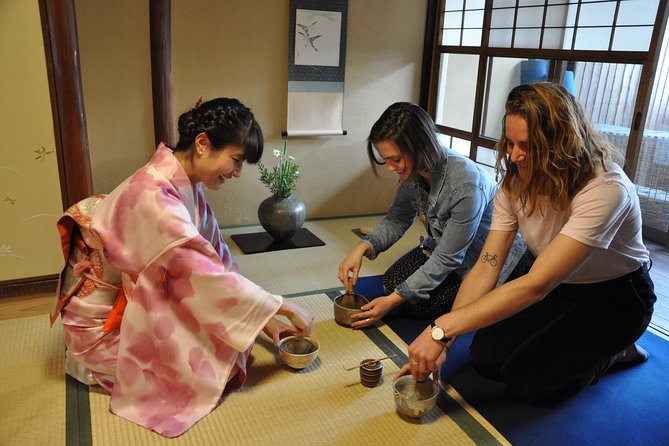
- An 80-year-old Kyoto machiya: The ceremony takes place inside a wooden townhouse, not a modern hotel or purpose-built tourist room.
- A genuinely small group: The maximum is six people, allowing time for questions and individual instruction.
- You do more than watch: After the demonstration, you prepare your own matcha and learn how to drink it properly.
- Uji matcha and Kyoto sweets: The tea comes from a farm in Uji City, and the confectionery is supplied by a famous Kyoto maker.
- A compact one-hour format: The timing works well before lunch, between sightseeing stops, or at the end of a busy day.
- Bring careful directions: The meeting point is at 605 Nishidacho, Shimogyo Ward, and the townhouse can blend into its residential surroundings.
Entering a Traditional Kyoto Machiya
The setting does much of the teaching before anyone picks up a tea whisk. Kyoto was once filled with machiya, simple wooden townhouses built for daily life and trade. This one is about 80 years old, and its modest design gives the session a sense of place that a generic classroom cannot provide.
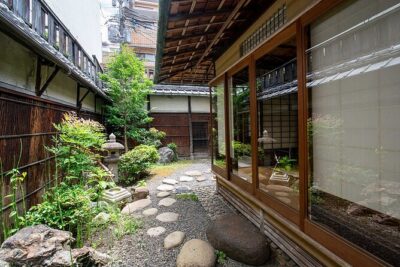
The building is in a residential part of Kyoto. That is useful to understand before you go. You are not arriving at a grand temple gate or a large tea museum. You are looking for a smaller building that can blend with its neighbors.
The meeting address is 605 Nishidacho, Shimogyo Ward, Kyoto, 600-8397. Use the supplied map link and allow extra time to locate the entrance. One person described the venue as difficult to find at first because street names and numbers were not clearly marked in English. Another noted that the building does have a sign outside, but it still blends in well with the surrounding houses.
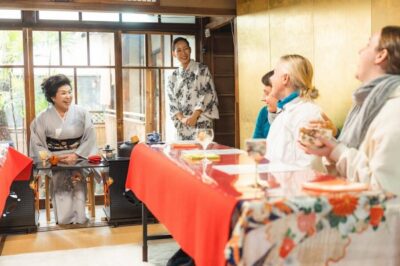
That small bit of advance planning matters. Arriving rushed and uncertain is a poor way to begin a ceremony built around calm attention. Once inside, the room is described as comfortable and cozy, with two friendly hostesses leading the session.
More Tea Ceremonies in Kyoto
- Kyoto: Tea Ceremony in a Traditional Tea House in Kiyomizu
★ 4.9 · 3,519 reviews - Kyoto: Tea Ceremony Ju-An at Jotokuji Temple
★ 4.9 · 3,207 reviews - Kyoto: 45-Minute Tea Ceremony Lesson Experience
★ 4.3 · 2,378 reviews
What Happens During the One-Hour Session
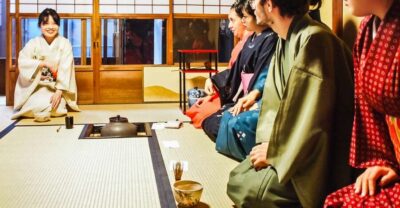
The experience begins with an explanation of the basic ideas behind the way of tea. You learn that the ceremony is not simply a method for making a powdered drink. The movements, posture, order, and handling of each object all have meaning.
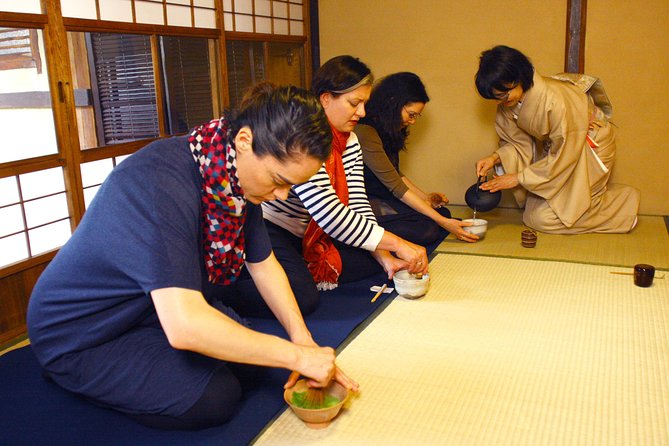
The instructors then demonstrate the process from start to finish. Their explanations cover the practical etiquette required in a tea room, including how to enter and how to behave during the ceremony. One particularly detailed account praised the way each movement was explained for both its symbolic and practical purpose.
You are not expected to know the rules in advance. The hosts guide you through them clearly and invite you to take part. That makes the experience suitable for a first introduction, even if you have never tasted matcha or attended a formal Japanese ceremony.
The demonstration is the quiet center of the hour. You watch the preparation, the presentation of the tea, and the accompanying sweet. The pace is deliberate. Some people will find this peaceful and absorbing. If you prefer fast-moving sightseeing, the slow rhythm may feel less familiar at first, but that is also the point.
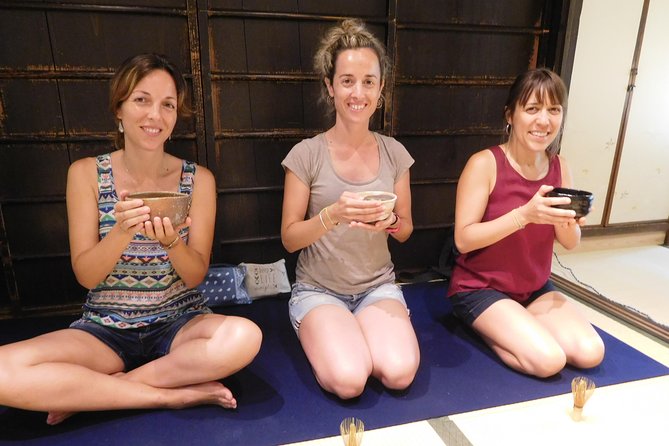
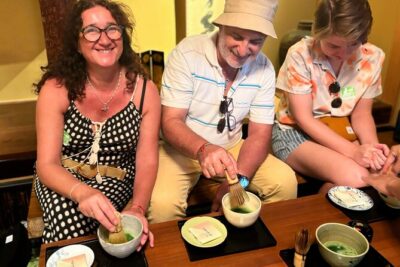
After watching, you make your own bowl of matcha. The hosts explain what to do and help you as needed. You also learn how to drink it correctly, rather than simply being handed a cup and told to enjoy it.
The session is short enough to hold your attention without taking over your day. A family of four found the one-hour length just right, especially because it included explanation, demonstration, practice, and tasting. For most people, the schedule offers enough substance without demanding the time or formality of an extended tea gathering.
Why the Small Group Makes a Difference
A maximum of six people is one of the strongest features here. Tea etiquette involves small movements, and they are easier to see in an intimate room than in a large class. You can hear the explanation, watch the demonstration closely, and ask questions without shouting across a crowded space.
The small size also makes it easier to try the preparation yourself. You are not just observing from the back of a room. The hosts have room to correct your technique and explain the next step.
The supplied material includes one account describing a group of eight, so the exact number may vary in practice or may reflect an older arrangement. The current tour details list a maximum of six. Either way, this is designed as a small-scale activity, not a large bus tour.
Two hostesses lead the ceremony. Their warmth is praised repeatedly, along with their clear instruction and willingness to answer questions about Japanese tea culture. Kimi is named in several host responses and appears to be one of the regular hosts.
That personal contact is important. A tea ceremony can seem intimidating if you worry about making a mistake. The friendly tone helps turn etiquette into something you can understand and try, rather than a list of rules you must fear breaking.
Uji Matcha and Kyoto Confectionery
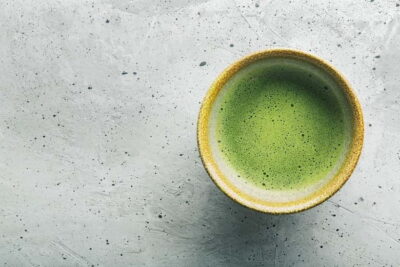
The quality of the food and drink helps justify the price. The matcha comes from a tea farm in Uji City, an area near Kyoto known for its tea production. You receive a bowl of matcha as part of the experience, along with a traditional Japanese sweet.
One person called the matcha among the best they had tasted. Another enjoyed the sweets enough to ask about their name. The treat was identified as suhama, a traditional confection made with roasted soybean flour and sugar. The exact sweet served may depend on the session, but the important point is that it is not an ordinary packaged cookie placed beside the tea.
The sweet balances matcha’s strong, grassy bitterness. In the tea ceremony tradition, the confectionery is not just decoration. It prepares your palate for the tea and gives the tasting a clear rhythm.
You may also have the chance to buy selected matcha to take home. That option appears in the experience feedback, though it is not listed as an included part of the $27.74 price. If you enjoy the tea, ask the hosts about purchasing it at the end.
A completely different kind of day out:
- PERFECT KYOTO 1-Day Bus Tour
★ 5.0 · 13,518 reviews - [Kyoto & Nara Day Tour] Sagano Scenic Railway & Nara Park & Fushimi Inari Taisha Thousand Torii Gates & Togetsukyo Bridge & Bamboo Grove & Kimono Forest (Departing from Osaka)
★ 4.9 · 10,942 reviews - Kyoto: Fushimi Inari, Kinkakuji, Bamboo Grove 1 Day Bus Tour
★ 4.8 · 4,316 reviews - Kyoto: Gion Make Your Own Chopsticks with Engraving Option
★ 5.0 · 3,465 reviews
The Cultural Value Beyond Making Tea
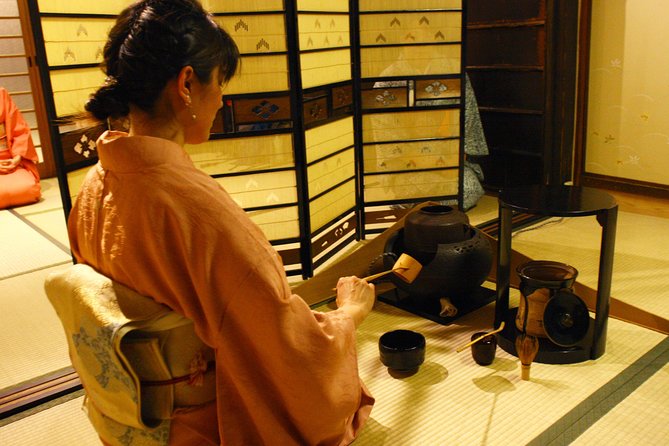
You can learn to whisk matcha from a short video. The value of this session is the setting, the etiquette, and the explanation of why the actions matter.
The instructors discuss the ceremony as a way of life and as a form of meditation. That does not mean you need a background in Buddhism or Japanese philosophy. It simply gives the activity more meaning than a quick food demonstration.
You enter a room, observe a series of intentional actions, receive the tea, and then take part yourself. The process asks you to slow down and pay attention. For many people, this becomes one of those Kyoto activities that connects everyday practice with a larger cultural tradition.
The hosts also explain the sacred or reverent side of the ceremony. You can appreciate that dimension without treating the session as a religious service. The tone is respectful, but the instruction remains approachable.
I like this balance. You get cultural context, but you also get to do something with your hands. You leave with a better understanding of the ceremony because you have practiced its basic movements instead of only watching a staged performance.
How the Setting Compares With a Formal Tea House
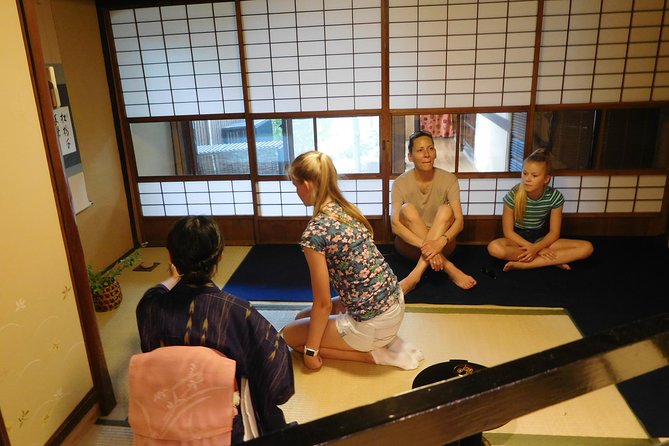
This is a practical introduction, not a full-length formal tea ceremony. The hour includes teaching, demonstration, participation, matcha, and sweets. That makes it easier to fit into a first visit to Kyoto.
The machiya provides a traditional atmosphere, but you should not book this expecting an elaborate temple ritual or a long silent ceremony. The hosts focus on explaining the customs so you can understand them.
That format suits first-time visitors, families, couples, and anyone curious about Japanese culture. It also works well for people who enjoy matcha but have never learned how it is prepared.
The room is described as comfortable, and one party found the hosts accommodating when a member used a wheelchair. Still, the supplied information does not provide full details about entrances, steps, or restroom access. If mobility is a concern, contact Ami Kyoto before booking and explain your needs clearly.
Timing, Location, and Planning Your Visit
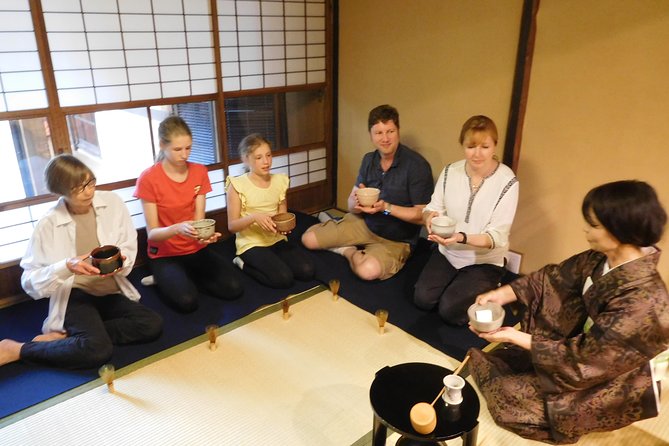
You can choose from several start times, which makes the activity easy to place around sightseeing. The tour lasts about one hour and ends back at the meeting point. There is no hotel pickup or drop-off, so you must make your own way to the townhouse.
The venue is near public transportation. Since the address sits in a traditional neighborhood, I would not cut your arrival time too closely. Save the address, open the map before leaving, and look for the sign outside.
A mobile ticket keeps the booking simple. Confirmation is sent within 48 hours, subject to availability. The experience is often booked about 25 days ahead, so reserve early if you need a particular time during a busy Kyoto visit.
Cancellation is free if you cancel at least 24 hours before the start time. Cancellations or changes made inside that window are not refunded or accepted. That policy is reasonable, but it is worth noting before you lock the experience into a tight itinerary.
Is $27.74 a Good Price?
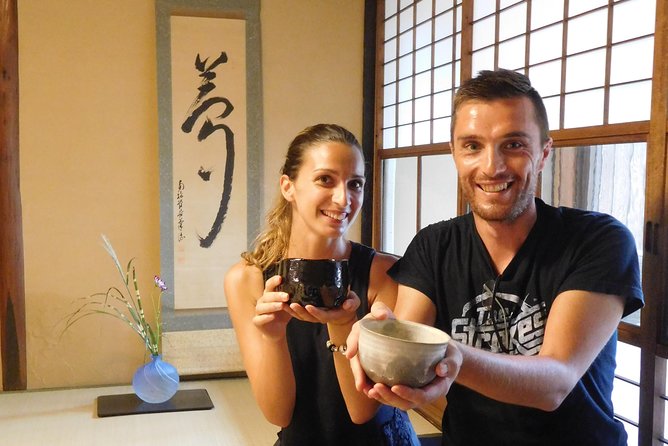
For $27.74, you receive a one-hour cultural activity, a bowl of matcha, a Japanese sweet, instruction from two hosts, and access to a traditional townhouse. The price is especially fair if you value direct participation rather than simply taking photographs of a historic setting.
The small group improves the value. A cheaper large class might give you less time with the instructor and fewer chances to practice. Here, the hosts can explain the etiquette, answer questions, and guide you through making your tea.
The price does not include transportation or hotel service. You also pay separately if you choose to buy matcha to take home. Those are minor costs, but you should include them in your planning.
Compared with a major sightseeing attraction, this is not a full-day activity. It is a focused hour. That is its strength. You can add it to a day that already includes temples, gardens, or markets without giving up half your schedule.
The overall rating is 4.9 from 38 reviews, with 100 percent recommending it. The most consistent praise goes to the welcoming hosts, clear demonstrations, comfortable room, good matcha, and personal nature of the session.
Who Will Enjoy This Tea Ceremony Most?
I would recommend it to first-time visitors who want a clear introduction to tea ceremony etiquette. You do not need prior knowledge, and the instructors explain the steps before asking you to try them.
It is also a good choice for families. The one-hour length is manageable, and children or teenagers can take part instead of sitting through a long formal performance. The hands-on element gives younger participants something concrete to remember.
Matcha fans will appreciate the Uji tea and the chance to ask about the preparation. People interested in Japanese customs will get more cultural context than they would from a simple tasting.
It may be less suitable if you want a grand setting, a long ceremony, or a completely private experience. The group is small, but the standard format is shared. You should also be comfortable following basic etiquette and sitting through a calm, deliberate presentation.
Should You Book Ami Kyoto?
Book this experience if you want an intimate, practical introduction to tea ceremony in a real Kyoto townhouse. The hosts make the customs understandable, and you get to prepare and drink your own matcha rather than only watch.
I would choose it for a first or second day in Kyoto, when you are still learning how the city’s traditions fit together. Just plan your route carefully, arrive early, and do not mistake the one-hour format for a complete formal ceremony.
At $27.74, the combination of Uji matcha, Kyoto sweets, a small group, and a traditional machiya makes this a worthwhile cultural stop. If your schedule allows only one tea-related activity, this is a friendly and well-priced place to begin.
FAQ
Where does the tea ceremony take place?
It takes place at Ami Kyoto, located at 605 Nishidacho, Shimogyo Ward, Kyoto, 600-8397, Japan.
How long does the experience last?
The tea ceremony lasts approximately one hour.
What is included in the price?
The experience includes one bowl of matcha green tea and Japanese sweets.
Is transportation included?
No. Hotel pickup and drop-off are not included, and you must travel to the meeting point yourself.
Where does the activity end?
The experience ends back at the meeting point.
How many people can join?
The activity has a maximum of six participants.
Can I choose the start time?
Yes. Multiple start times are available.
Where does the matcha come from?
The matcha is supplied by a tea farm in Uji City.
What sweet is served with the tea?
The supplied information identifies one traditional sweet as suhama. The exact sweet may vary by session.
What happens during the ceremony?
You receive an explanation of tea ceremony ideas and etiquette, watch a demonstration, prepare your own matcha, and learn how to drink it.
Is the activity near public transportation?
Yes. The venue is near public transportation.
Can most people participate?
Yes. Most people can participate. If you have specific accessibility needs, contact Ami Kyoto before booking because detailed access information is not provided.
What is the cancellation policy?
You can cancel for a full refund up to 24 hours before the experience begins. Cancellations or changes made less than 24 hours in advance are not accepted or refunded.
How soon do I receive booking confirmation?
Confirmation is received within 48 hours of booking, subject to availability.
Just added in Kyoto
- The “Golden Route” and Ancient Japan by DIAMIR Erlebnisreisen – 14-Day Tour★ 2.0 · 2 reviews
- Japan: Castles & Cuisine by G Adventures – 6-Day Kyoto to Osaka Tour★ 4.5 · 4 reviews
- Cycle Japan by Explore! – 13-Day Kyoto to Tokyo Tour★ 4.7 · 12 reviews
- Cycle Japan by Intrepid Travel – 11-Day Kyoto to Tokyo Tour★ 4.8 · 2 reviews
- Classic Japan by Intrepid Travel – 11-Day Kyoto to Tokyo Tour★ 4.4 · 14 reviews
- Ancient & Modern Japan 14-Day Tour by Exodus Adventure Travels★ 4.4 · 40 reviews
- 5 Day Cultural Adventure of Kyoto, Nara & Osaka by Tourist Journey★ 2.5 · 2 reviews
- 12 Days Kinosaki Onsen Escape: A Journey Through Japan’s Timeless Towns by UME Travel★ 4.8 · 5 reviews
Tea Ceremonies, compared.
Tea Ceremony in a Traditional Tea House in Kiyomizu
Read our review →
World Heritage Kyoto & Nara Uji Authentic Matcha Experience
Read our review →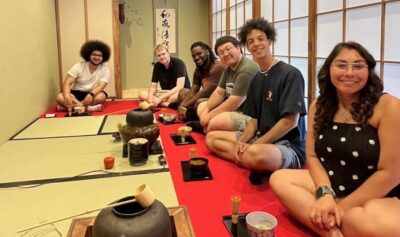
Browse the lists this tour appears in