
Reviewed · TEA CEREMONIES
Tea Ceremony in 150 Years Old Townhouse with Tables and Chairs
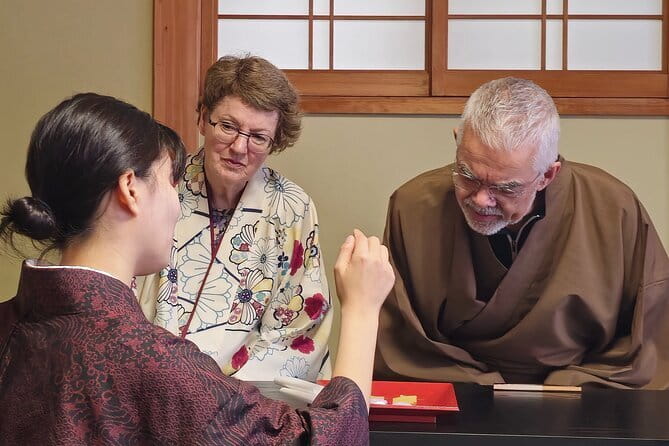
Tea makes Kyoto slow down. This 50-minute ceremony in a 150-year-old townhouse gives you a clear, hands-on introduction to matcha, with a tea master explaining the utensils, manners, and meaning behind each step. I especially like the chance to make your own cup and the serving of two seasonal Japanese sweets, not just a quick sample of powdered tea.
The small-group setting, capped at 15 people, keeps the session friendly and easier to follow in English. I also like the setting in Ninenzaka, one of Kyoto’s most atmospheric old districts. The main thing to consider is that this is a group class, not a private one-to-one ceremony, and late arrivals can hold up the whole room.
In This Review
- Key points at a glance
- Arriving in Kyoto’s Ninenzaka tea district
- What the 50-minute ceremony actually covers
- Making your own bowl of Uji matcha
- Seasonal sweets make the tea easier to appreciate
- Understanding the ceremony without feeling lost
- Clothing rules and practical preparation
- How the price compares with the experience
- What the setting and group size mean for you
- Fitting Kangetsu into your Kyoto day
- Who will enjoy this tea ceremony most
- Should you book the Kangetsu experience?
- FAQ
- How long does the tea ceremony last?
- Where does the tea ceremony take place?
- Is the ceremony held in English?
- Can I make my own matcha?
- What food and drink are included?
- Do I need to wear socks?
- Can children join the experience?
Key points at a glance
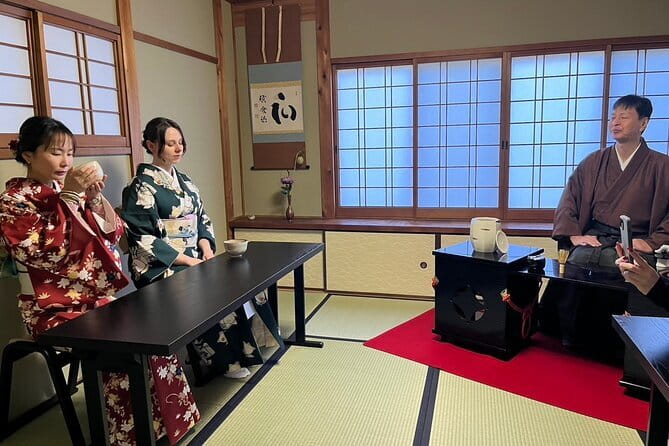
- Whisk your own Uji matcha: You do more than watch a demonstration, with tools provided for your own preparation.
- Held in a 150-year-old townhouse: The traditional setting adds a sense of place before the tea even reaches your bowl.
- Two seasonal Japanese sweets included: These handcrafted confections balance matcha’s strong, grassy taste.
- English instruction every day: A tea master and assistant explain etiquette, utensils, history, and technique step by step.
- Near Ninenzaka and Sannenzaka: The location fits neatly into a walking day around eastern Kyoto.
- Good value at $28.90: The fee includes the ceremony, all equipment, two cups of Uji matcha, and sweets.
Arriving in Kyoto’s Ninenzaka tea district
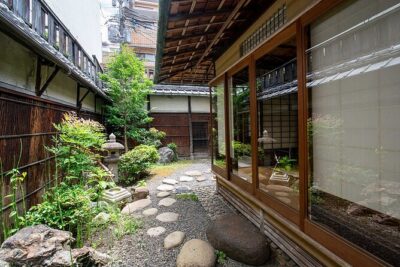
The experience takes place at Tea Ceremony & Cultural Experience Kangetsu Kyoto, at 349-19 Masuyacho in Higashiyama Ward. It is in the Sannenzaka and Ninenzaka area, a useful location if you already plan to visit the old streets, temples, and traditional shops of eastern Kyoto.
You meet at the townhouse, and the activity returns to the same place at the end. That makes the logistics simple. You do not need to follow a guide across town or wonder where the final stop will be.
Ninenzaka is a busy sightseeing area, so allow enough time to find the address. The staff send a text with location details, which helps. Arriving promptly matters here. One delayed group has previously caused other participants to wait, an especially awkward situation in a ceremony built around courtesy and careful timing.
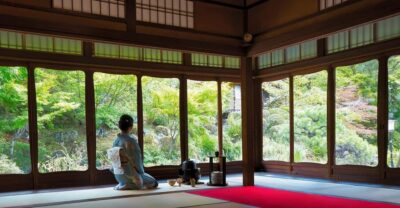
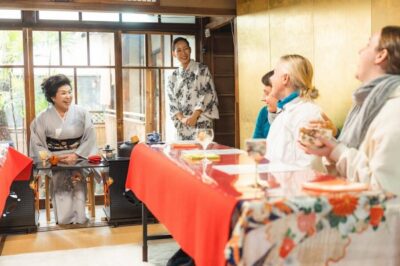
The house itself is part of the appeal. A 150-year-old townhouse gives the session a setting that a modern hotel room cannot match. You are not simply learning about tea in a neutral classroom. The building helps connect the activity to Kyoto’s older domestic architecture and traditional arts.
More Tea Ceremonies in Kyoto
- Kyoto: Tea Ceremony in a Traditional Tea House in Kiyomizu
★ 4.9 · 3,519 reviews - Kyoto: Tea Ceremony Ju-An at Jotokuji Temple
★ 4.9 · 3,207 reviews - Kyoto: 45-Minute Tea Ceremony Lesson Experience
★ 4.3 · 2,378 reviews
What the 50-minute ceremony actually covers
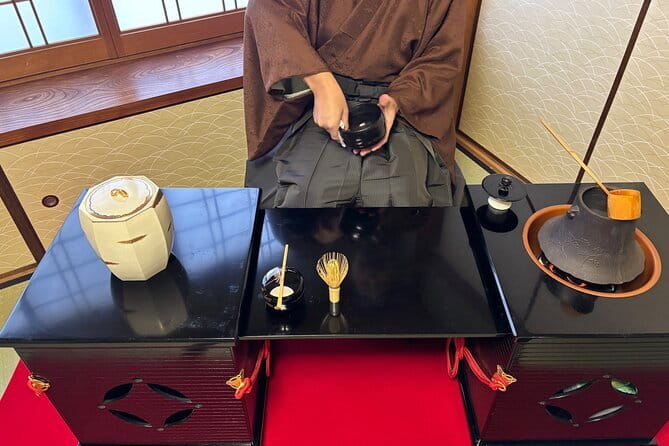
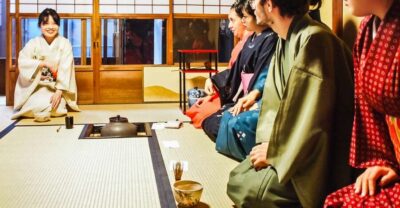
The session is short enough to fit into a packed Kyoto day, but it is not just a photo opportunity. The tea master first explains the background of Japanese tea culture and introduces the purpose of the ceremony.
You learn about the tools used to prepare matcha and the etiquette that shapes the ritual. This matters because the ceremony can seem mysterious if you only watch it from the outside. The explanations give you a key to the small movements, bows, gestures, and order of service.
The instructors provide English sessions every day. An assistant or interpreter helps explain the process step by step, so you are not left guessing what is happening. That point has been especially valuable for first-time visitors who know little about tea ceremony customs.
The format is educational, but it is not presented as a stern lesson. The tone is generally relaxed and welcoming. You can ask questions during the final question-and-answer portion, which gives you a chance to clarify anything that seemed unfamiliar.
The group can include up to 15 people. That is still fairly intimate for a bookable cultural activity, though it is not the same as sitting alone with a tea master. If you want quiet, personal attention at every moment, the group size may feel larger than expected.
Making your own bowl of Uji matcha
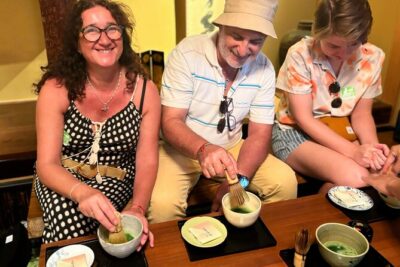
The hands-on section is the heart of the activity. After watching the tea master, you get to use the tools yourself and prepare your own matcha.
You learn the basic motions needed to make a good cup. The value is not only in producing a drink you can taste. Preparing the tea helps you understand why the utensils matter and why the ceremony places such care on each stage.
Matcha from Uji, in Kyoto Prefecture, is included. The package lists two cups of high-quality matcha, along with coffee and/or tea. The exact wording groups several drink options together, but the clear attraction is the opportunity to taste Uji matcha during the session.
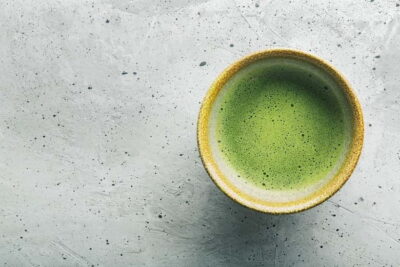
Matcha has a forceful character. It is grassy, earthy, and more intense than ordinary steeped green tea. Making it yourself helps you notice how texture and flavor change according to preparation. One of the strongest aspects of the experience is that you do not leave with only a general idea of matcha. You get a practical sense of how it is whisked and served.
You may also be able to buy high-quality matcha at the shop. That is useful if you find the tea appealing and want to continue the experience at home. The activity does not require you to purchase anything, but the option is there.
Seasonal sweets make the tea easier to appreciate
Two different traditional Japanese sweets are included. They are beautiful seasonal confections, made to pair with the tea rather than served as a separate dessert course.
The sweets provide a useful contrast to matcha’s bitter edge. Eating them with the tea lets you experience the balance intended in the ceremony. It also introduces you to a part of Japanese food culture that many short tea tastings skip.
The presentation matters here. Traditional sweets often reflect the season through their color, shape, or decoration. Even without a long culinary lecture, the sweets give the ceremony a visual and edible connection to Kyoto’s changing calendar.
If you have allergies, tell the provider in advance. The activity specifically asks you to provide that information before arrival. Do not assume that a small sweet is automatically safe simply because it looks plain.
A completely different kind of day out:
- PERFECT KYOTO 1-Day Bus Tour
★ 5.0 · 13,518 reviews - [Kyoto & Nara Day Tour] Sagano Scenic Railway & Nara Park & Fushimi Inari Taisha Thousand Torii Gates & Togetsukyo Bridge & Bamboo Grove & Kimono Forest (Departing from Osaka)
★ 4.9 · 10,942 reviews - Kyoto: Fushimi Inari, Kinkakuji, Bamboo Grove 1 Day Bus Tour
★ 4.8 · 4,316 reviews - Kyoto: Gion Make Your Own Chopsticks with Engraving Option
★ 5.0 · 3,465 reviews
Understanding the ceremony without feeling lost
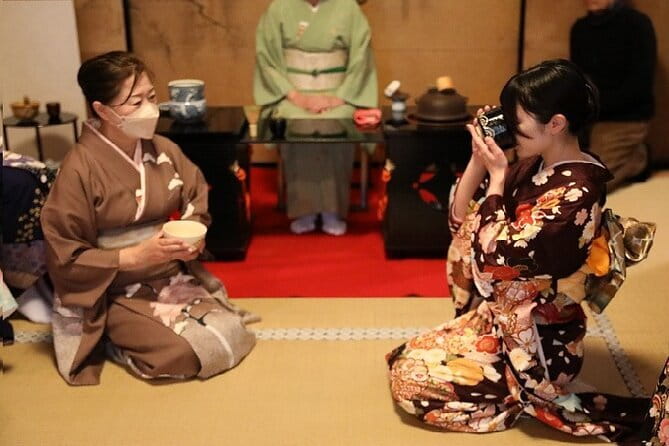
Tea ceremony has a formal side, and the rules can feel intimidating if you do not know what is expected. This course helps by explaining etiquette, utensils, and rituals before asking you to take part.
You should expect to learn not just how to drink the tea, but why certain actions happen in a certain order. The meaning behind the ceremony is part of what makes the experience worthwhile. Otherwise, you may remember only a bowl of green tea and a few unfamiliar gestures.
The instructions are described as clear, and the tea master is supported by a friendly assistant. That combination works well for an international audience. The tea master can preserve the traditional form, while the assistant helps make the details understandable.
You are also given time for questions. Use it. Ask about the origin of matcha, the role of the tea utensils, the meaning of particular movements, or how the sweets are chosen. The question period is your chance to turn a polished demonstration into a real cultural exchange.
The ceremony is meant to be respectful. Some people have found that poor behavior by a few participants can inconvenience the rest of the group. Come ready to listen, follow instructions, and keep your phone use limited. That is not merely good manners. It protects the calm atmosphere that makes the activity appealing.
Clothing rules and practical preparation
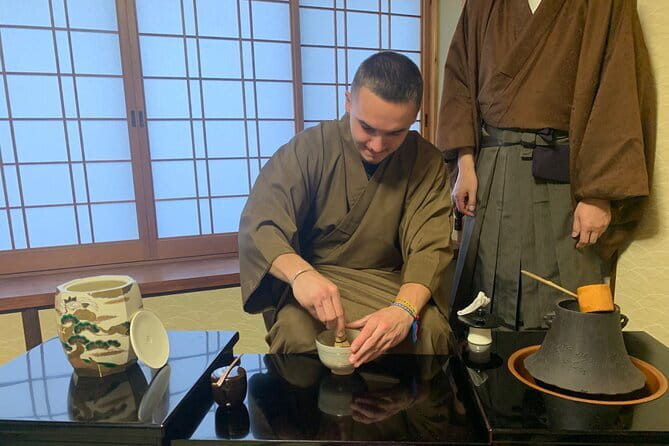
The clothing requirements are simple but important. Wear socks, since you may enter the tea room without shoes. If you forget, socks are available for purchase, but bringing your own is easier.
Choose clothing that does not expose too much skin. The activity asks you to dress modestly, which fits the formal nature of the room. You can also add a two-piece kimono rental for 1,000 yen, according to the stated information. That rental is not included in the $28.90 price.
Perfume is strictly prohibited. This is more than a ceremonial rule. Strong fragrance can interfere with the smell of incense and tea, both of which are part of the room’s sensory experience. Skip perfume before you arrive.
Only smartphones are allowed in the tea room. Video recording during the tea master’s demonstration is prohibited. You may have opportunities for photographs, including a possible group picture with the tea master, but you should follow the staff’s instructions rather than filming the full presentation.
Children under seven cannot participate. Older children may find the activity accessible, especially because it includes a practical preparation step. Families with children aged 11 and 13 have enjoyed the history and the chance to make tea, but children still need to understand that this is a quiet, respectful activity rather than a free-form craft session.
How the price compares with the experience
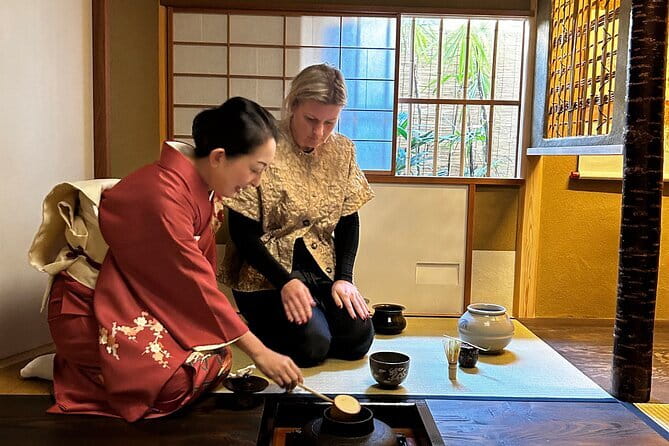
At $28.90 per person, this is a reasonable price for a focused Kyoto cultural activity. The fee includes all taxes and fees, use of the tea-making tools, two cups of Uji matcha, and two types of seasonal Japanese sweets.
That package gives you more than a standard drink stop. You receive instruction, context, participation, and food in a traditional building. For a first introduction to matcha, the hands-on element makes the cost easier to justify.
The session is only about 50 minutes, so do not expect a full-day study of tea ceremony. You are paying for a compact introduction. That is a strength if your Kyoto schedule is tight, but a limitation if you want a long, highly formal ceremony with extensive one-to-one teaching.
The optional kimono costs an additional 1,000 yen per person. This can make the occasion feel more special and offers a traditional visual touch, but you should treat it as an add-on, not part of the core experience.
Drinks such as bottled water, soda, and alcohol are not included. That is hardly a problem for a tea ceremony, but you should not expect a broad refreshment service beyond the listed tea and sweets.
What the setting and group size mean for you
The townhouse setting creates a stronger sense of occasion than a standard activity room. You are surrounded by an older Kyoto environment while learning an art that depends on place, order, and attention.
The group format also has advantages. You can hear questions from other participants, compare your own preparation with the demonstration, and enjoy a more relaxed social atmosphere. The English interpreter or assistant can repeat instructions in a way that helps the whole room.
The tradeoff is privacy. A group of up to 15 people can include different levels of interest and different expectations. Someone who wants a private photo session or a one-to-one lesson may be disappointed, especially if they booked while expecting traditional attire to be included.
The provider has clarified that this activity is offered as a group session, so read the description carefully before booking. Kimono rental is optional, and the ceremony itself is not a private appointment.
Fitting Kangetsu into your Kyoto day
Because the meeting point is in Ninenzaka, pair the ceremony with a walking route through eastern Kyoto. You can plan it around the old streets and nearby cultural sights, but keep the timing realistic. The experience begins and ends at the townhouse, so it works best as one stop within a larger neighborhood visit.
The 50-minute length gives you flexibility. You can schedule it before continuing through Ninenzaka and Sannenzaka, or use it as a calm break after walking. Since the area attracts many sightseers, avoid cutting the arrival time too close.
The activity is near public transportation, but the final approach may still involve walking through busy historic streets. The address is in Higashiyama Ward, and the location text sent by staff can help you get your bearings.
Free cancellation is available if you cancel at least 24 hours before the start time. Changes made within 24 hours are not accepted, and late cancellations are not refunded. The experience also requires good weather, with a different date or full refund offered if poor weather causes a cancellation.
Who will enjoy this tea ceremony most
I would recommend Kangetsu to you if you want a short, approachable introduction to Japanese tea culture rather than a long academic session. It suits first-time matcha drinkers, couples, families with children aged seven and older, and anyone interested in traditional arts.
It is particularly useful if you want to understand what makes matcha special. The combination of explanation, demonstration, personal preparation, and tasting gives you a complete introduction in less than an hour.
You should think twice if your main goal is a private ceremony, guaranteed kimono wear, or a completely silent and highly formal event. The group setting, optional clothing rental, and occasional delays caused by late arrivals are important realities.
The strongest qualities are the tea master’s clear instruction, the friendly assistance in English, the relaxing mood, and the chance to make your own tea. The setting and seasonal sweets add charm without distracting from the central lesson.
Should you book the Kangetsu experience?
Yes, if you want good value and a practical first taste of matcha in Kyoto. The $28.90 price covers the essential parts, and the hands-on preparation gives the activity more substance than a simple tea tasting.
Book it as a group cultural class in a traditional townhouse, not as a private costume photo session. Wear socks, leave perfume at the hotel, arrive on time, and tell the provider about allergies in advance.
If that format suits you, Kangetsu offers a friendly, informative way to slow down in Ninenzaka and understand a Japanese tradition through your own hands, eyes, and taste buds.
FAQ
How long does the tea ceremony last?
The experience lasts approximately 50 minutes.
Where does the tea ceremony take place?
It takes place at Tea Ceremony & Cultural Experience Kangetsu Kyoto, 349-19 Masuyacho, Higashiyama Ward, Kyoto, 605-0826, Japan, in the Sannenzaka and Ninenzaka area.
Is the ceremony held in English?
Yes. English experiences are provided every day, with detailed guidance from the instructors.
Can I make my own matcha?
Yes. You can use the provided tools to prepare your own cup of matcha.
What food and drink are included?
The experience includes two cups of high-quality matcha from Uji, Kyoto, and two different seasonal traditional Japanese sweets. Bottled water, soda, and alcohol are not included.
Do I need to wear socks?
Yes. You must wear socks in the tea room. If you forget, you can purchase socks there.
Can children join the experience?
Children under seven years old are not allowed to participate. The activity can suit older children who are comfortable taking part in a quiet and respectful cultural session.
Just added in Kyoto
- The “Golden Route” and Ancient Japan by DIAMIR Erlebnisreisen – 14-Day Tour★ 2.0 · 2 reviews
- Japan: Castles & Cuisine by G Adventures – 6-Day Kyoto to Osaka Tour★ 4.5 · 4 reviews
- Cycle Japan by Explore! – 13-Day Kyoto to Tokyo Tour★ 4.7 · 12 reviews
- Cycle Japan by Intrepid Travel – 11-Day Kyoto to Tokyo Tour★ 4.8 · 2 reviews
- Classic Japan by Intrepid Travel – 11-Day Kyoto to Tokyo Tour★ 4.4 · 14 reviews
- Ancient & Modern Japan 14-Day Tour by Exodus Adventure Travels★ 4.4 · 40 reviews
- 5 Day Cultural Adventure of Kyoto, Nara & Osaka by Tourist Journey★ 2.5 · 2 reviews
- 12 Days Kinosaki Onsen Escape: A Journey Through Japan’s Timeless Towns by UME Travel★ 4.8 · 5 reviews
Tea Ceremonies, compared.
Tea Ceremony in a Traditional Tea House in Kiyomizu
Read our review →
World Heritage Kyoto & Nara Uji Authentic Matcha Experience
Read our review →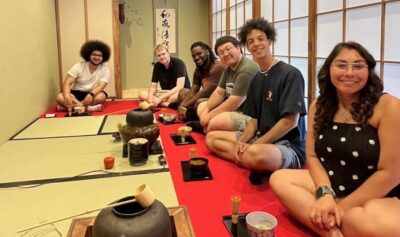
Browse the lists this tour appears in