Reviewed · TEA CEREMONIES
Tea Ceremony with Kimono and Professional Photoshoot in Kyoto
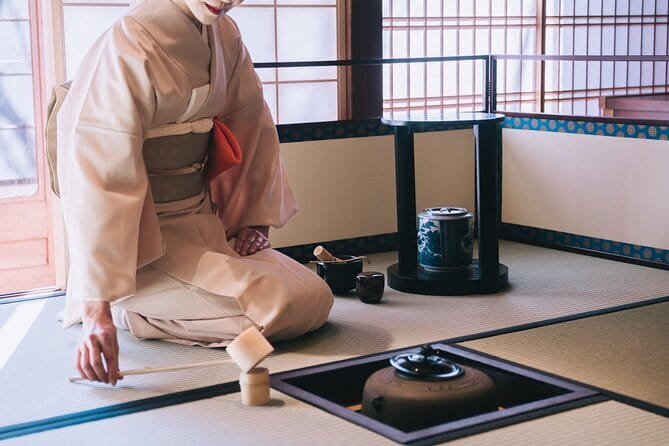
Put on a kimono, then make the tea. This Kyoto experience pairs a wide choice of traditional kimono with a clear tea ceremony demonstration, so you get both the visual fun and a real introduction to matcha etiquette. I especially like that an English-speaking tea master explains the ritual before you try making your own tea. The professional photos and three digital images add useful value, too.
The main caution is comfort. Much of the ceremony takes place close to the floor, and kneeling can be hard for some older women or anyone with stiff knees. You should also confirm that you can receive email attachments, since your three souvenir photos are sent digitally rather than printed on-site.
In This Review
- Five things to know before you book
- A Kyoto introduction built around the tea table
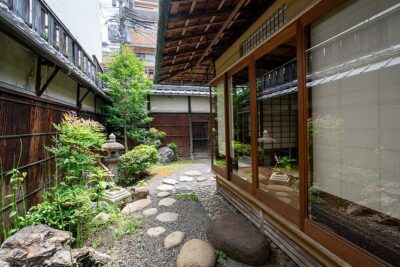
- Arriving at Nishiki Orizuruya in central Kyoto
- Choosing a kimono and getting ready
- Watching the tea master demonstrate the ritual
- Making matcha and tasting Japanese sweets
- The photoshoot and your three digital souvenirs
- Floor seating, chairs, and physical comfort
- Is $130.78 a fair price?
- Who will enjoy this Kyoto tea experience?
- Booking, cancellation, and practical planning
- Should you book this experience?
- FAQ
- Where does the tea ceremony take place?
- How long does the experience last?
- Where does the activity end?
- How early should I arrive?
- What happens if I arrive more than 30 minutes late?
- Are children under 5 allowed?
- How do I receive the photos?
- Can I cancel for a full refund?
Five things to know before you book
- You choose your own kimono: The dressing room offers a variety of styles, making the clothing part feel personal rather than fixed.
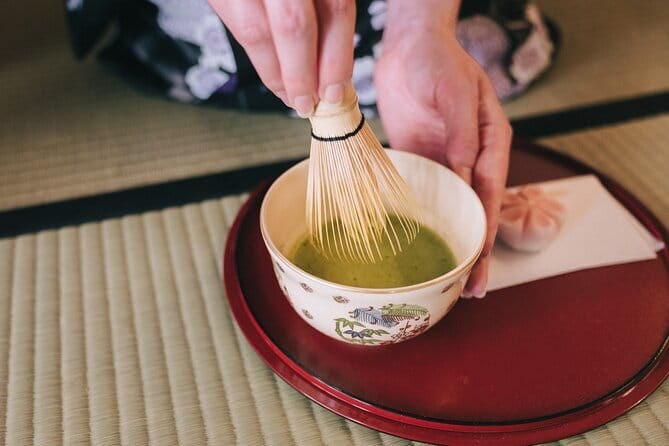
- You make matcha yourself: First watch the tea master, then prepare your own green tea and enjoy it with Japanese sweets.
- Three photos arrive by email: A professional photographer takes pictures during the experience, but you need reliable email access.
- The group is limited to 10 people: This keeps the activity fairly small, though the exact feel depends on the day’s group.
- The setting is a traditional house: The ceremony takes place indoors at Nishiki Orizuruya in central Kyoto and returns to the same meeting point.
- Kneeling may matter: Chairs and tables are available, but you should raise seating needs in advance if floor sitting is difficult.
A Kyoto introduction built around the tea table
Kyoto is one of Japan’s best places to learn about tea culture, and this activity gives you a short, approachable way to do it. Rather than spending several hours on a formal tea school, you get a 1-hour-45-minute visit that combines dressing, instruction, tasting, and photos.
That shorter format is a strength for many people. I can see it fitting neatly between sightseeing stops in central Kyoto, especially if you want a cultural activity without giving up half a day. It is also less intimidating than attending a ceremony with no explanation of what to do.
At the same time, you should set your expectations correctly. This is a structured cultural introduction with a kimono photoshoot, not an extended study of tea ceremony practice. If you want a long, highly formal ceremony with many courses and strict traditional rules, this may feel compact.
The experience is provided by Japan Wonder Travel and is rated 4.8 out of 5 from 44 ratings, with 95 percent recommending it. That matches the strongest parts of the activity: the friendly instruction, the clothing, and the pleasant ceremony itself.
More Kimono Experiences in Kyoto
- [Kyoto & Nara Day Tour] Sagano Scenic Railway & Nara Park & Fushimi Inari Taisha Thousand Torii Gates & Togetsukyo Bridge & Bamboo Grove & Kimono Forest (Departing from Osaka)
★ 4.9 · 10,942 reviews - Kyoto Geisha Walking Tour: Gion District & Hidden Gems
★ 4.7 · 3,273 reviews - Kyoto: Gion Magical Night Walking Tour with Geisha Trivia
★ 4.9 · 2,393 reviews
Arriving at Nishiki Orizuruya in central Kyoto
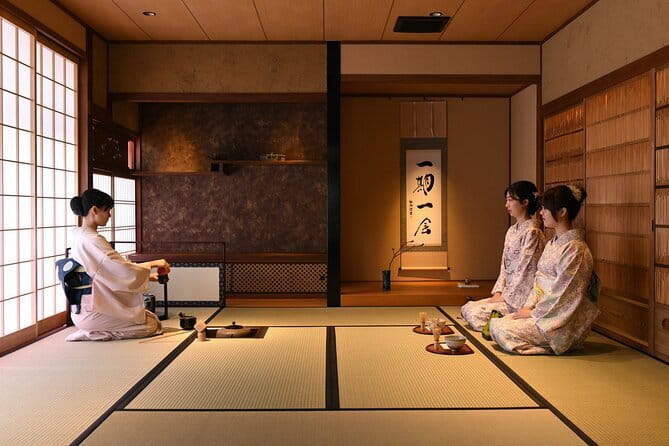
Your meeting point is Nishiki Orizuruya, at 452 Jūmonjichō, Nakagyo Ward, Kyoto, postal code 604-8121. The activity begins and ends there, so you do not need to arrange a separate return transfer.
You should arrive 10 minutes before the start time and check in at the reception desk. This is not the place to cut things close. If you arrive more than 30 minutes after the scheduled start, you cannot join and no refund is offered.
The venue is near public transportation, which makes the meeting point practical for a day in central Kyoto. The mobile ticket also means you can keep confirmation on your phone rather than managing a printed voucher. I would still save the address and start time in an easy-to-find place before leaving your hotel.
No hotel pickup, transportation to other attractions, extra food or drink, or personal expenses are included. Since the activity ends where it starts, plan your route to and from the venue separately.
Choosing a kimono and getting ready
After check-in, you are escorted to the dressing room. You can choose your favorite kimono from the available selection, which is one of the most appealing parts of the experience.
The clothing is not just a quick prop for a photograph. It changes how the ceremony feels and gives you a physical connection to Japanese customs. You will spend part of the visit moving, sitting, holding the tea bowl, and posing in traditional dress, so the kimono becomes part of the activity rather than a costume put on for five minutes.
The provider needs each participant’s height and gender in advance so a suitable kimono set can be prepared. Give this information when booking, and make sure it is accurate. The details matter because the clothing preparation happens before you arrive.
A past participant particularly enjoyed the combination of kimono dressing and hair styling. Hair arrangements are not described in the formal activity details, so I would not book this expecting a specific hairstyle, but the experience may include styling as part of the preparation.
Allow yourself time to enjoy this stage without treating it as a rushed prelude. The kimono selection is a major part of the appeal, especially if you want photographs that feel distinctly tied to Kyoto.
Watching the tea master demonstrate the ritual
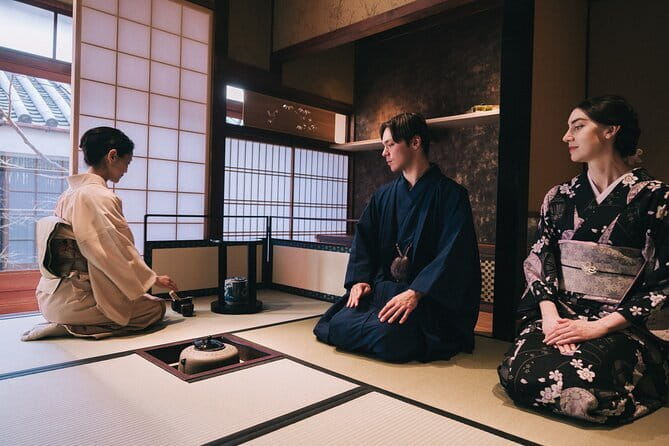
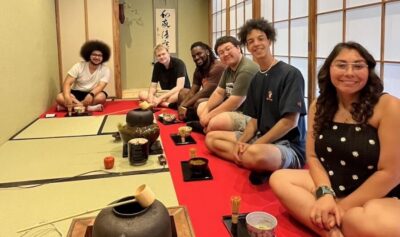
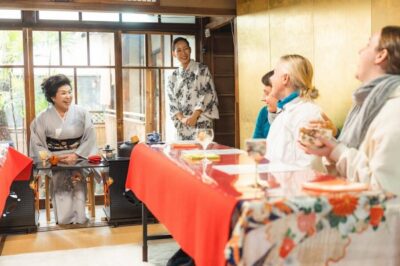
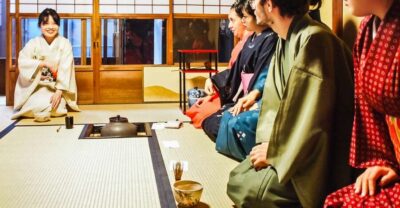
Once you are dressed, you watch a tea ceremony demonstration by an English-speaking tea master. This is where the activity gains much of its cultural value.
Japanese tea ceremony is not simply a method for preparing a drink. The careful movements, the handling of the bowl, and the order of actions give the ritual its character. An explanation in English helps you understand what you are seeing instead of merely copying hand movements.
The tea master also explains the history and culture connected with the ceremony. The strongest praise for this activity centers on the clarity and kindness of the instruction. One participant described the explanation of the ritual as especially good and said the ceremony itself was lovely.
That matters for first-time visitors. Without guidance, a tea ceremony can seem quiet and mysterious, with rules you are expected to know already. Here, you are given a framework before being asked to participate.
The group size is capped at 10 people. That is small enough for the demonstration to remain visible, though it is not a private lesson unless your booking happens to fill the group. If you prefer a one-on-one ceremony, check the booking terms before paying.
More Photography Sessions in Kyoto
- Kyoto: Maiko Makeover and Photoshoot Experience
★ 4.7 · 239 reviews - Kyoto: Private Photoshoot Service
★ 5.0 · 158 reviews - Kyoto: Tea Ceremony with Kimono and Photoshoot
★ 4.9 · 90 reviews - Kyoto: Private Gion District Photoshoot Experience
★ 5.0 · 79 reviews
Making matcha and tasting Japanese sweets
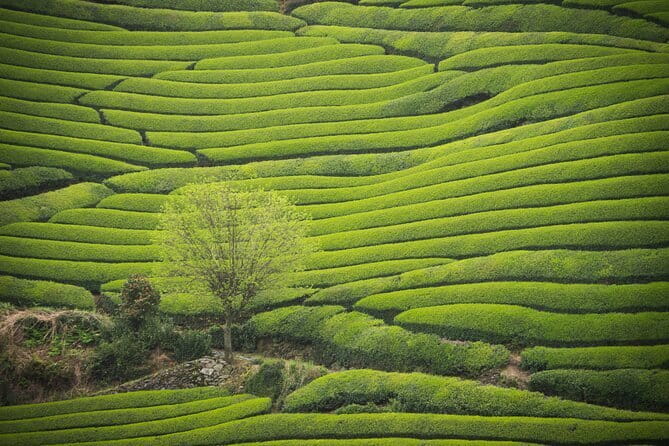
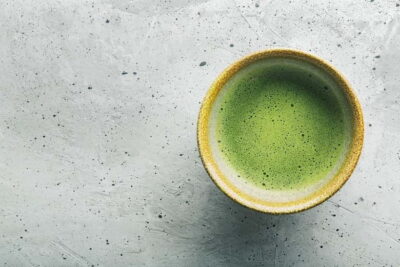
After the demonstration, you learn how to make your own matcha. This hands-on step is more memorable than simply watching the tea master work.
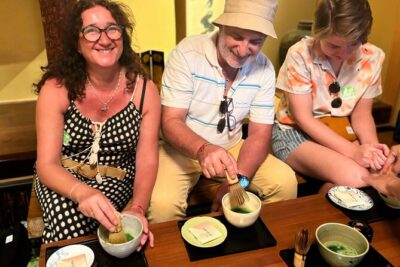
You will prepare the green tea and then drink it with Japanese sweets. The sweets provide a traditional partner for the bitter, grassy flavor of matcha, and the tasting gives you a simple way to notice how the two are meant to balance each other.
I like this part because it turns the ceremony into something you do, not just something you observe. You leave with a better sense of the care involved in whisking matcha and presenting it.
If you have food allergies, tell the provider in advance. The activity includes Japanese sweets, but the supplied details do not identify their ingredients or list substitutions. Do not assume an allergy-friendly alternative will be available unless you receive confirmation.
The same applies to additional food and drink. The listed tasting is part of the experience, while extra refreshments are not included.
The photoshoot and your three digital souvenirs
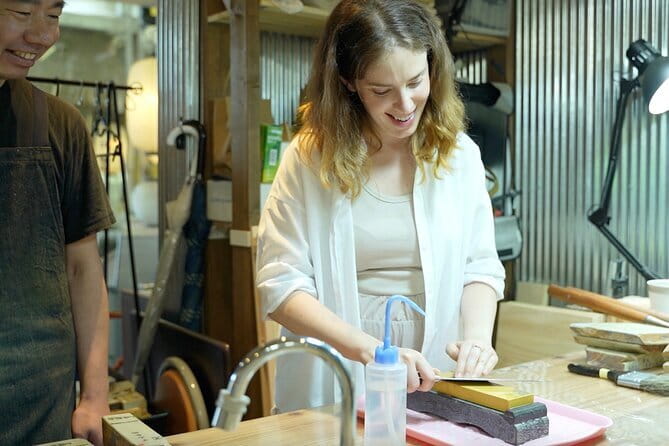
A professional photographer takes pictures during the experience. This is a useful addition because you are already dressed for the occasion, and it saves you from relying entirely on hurried phone photographs.
The photographer works during the ceremony experience, so the photos should reflect more than a posed kimono portrait. You might receive images of the tea preparation, the formal setting, and your participation at the tea table. The exact number of shots taken is not stated, but three finished photos are sent to you digitally by email.
Three images are a modest souvenir, not a full studio package. I consider that fair for an activity priced at $130.78 per person, provided you value the kimono, instruction, and ceremony as much as the photographs. If you are mainly paying for a large collection of professional portraits, the package may feel limited.
Make sure you can receive email from the provider after the visit. One important practical point is that your photos are not described as printed souvenirs. Check your spam folder if they do not appear, and keep the booking email available in case you need to contact the provider.
Floor seating, chairs, and physical comfort
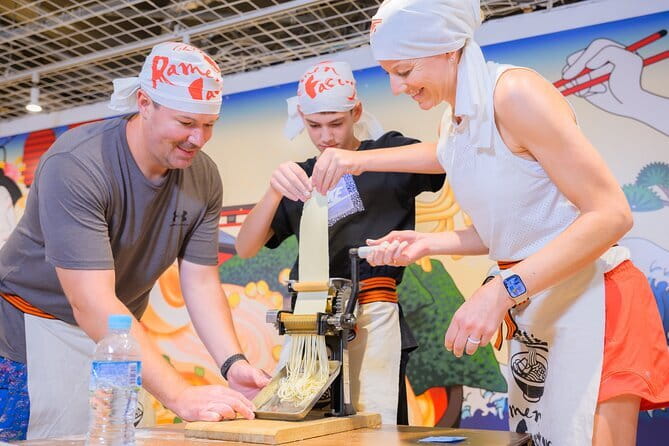
The seating arrangement deserves more attention than most short cultural activities receive. One participant noted that women are expected to kneel rather than sit cross-legged, and that kneeling can be difficult for older women.
Two chairs and tables are available, which helps, but you should not assume the entire ceremony can be done in a chair without prior discussion. If kneeling, bending, or sitting near the floor is a concern, tell the provider before the activity.
This is also worth considering when choosing clothing underneath the kimono. The supplied information does not specify what you should wear, so ask the provider if you need exact dressing guidance. The important point is to arrive ready for a traditional indoor setting rather than treating this like a quick standing photoshoot.
Children under 5 are not permitted. The experience may suit older children, but the available information does not give a specific minimum age beyond that restriction.
Is $130.78 a fair price?
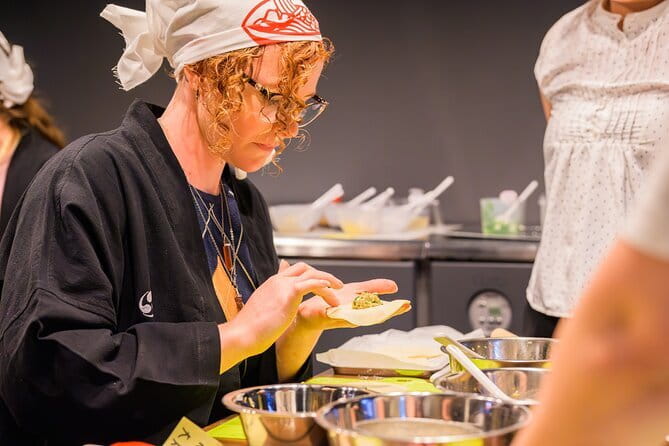
At $130.78 per person, this is not a budget matcha tasting. You are paying for several services bundled together: kimono preparation, the tea master’s demonstration and instruction, matcha and sweets, a professional photographer, and three digital photos.
I think the price makes reasonable sense if you want a polished cultural activity with a visual souvenir. The kimono and photography make it more than a standard tea lesson, while the English instruction makes it easier for a first-time visitor to follow the ceremony.
The value is weaker if you only want to drink matcha. Kyoto has other ways to taste green tea, and this experience charges for the clothing and photo element as much as for the beverage itself.
The compact duration helps. At about 105 minutes, you receive a focused activity rather than a full-day commitment. A group limit of 10 also adds some comfort compared with a large commercial demonstration.
The 4.8 rating from 44 ratings suggests the package usually delivers what it promises. Still, one lower rating raised an important expectation issue: if you are seeking something highly formal or deeply traditional, you may find the activity more like a friendly cultural presentation and dress-up session.
Who will enjoy this Kyoto tea experience?
I would recommend it most strongly to you if you want:
- A first introduction to Japanese tea ceremony
- The chance to choose and wear a kimono
- An English-speaking explanation of the ritual
- A hands-on matcha activity
- Professional photographs without arranging a separate photographer
- A short cultural stop in central Kyoto
It is especially suitable for couples, families with children old enough to participate, and solo visitors who want a few good images from their Kyoto trip. The small maximum group also makes it more personal than a large sightseeing show.
I would be more cautious if you have difficulty kneeling, severe food allergies, or no reliable way to receive email. I would also choose another format if your main goal is a long, strict tea ceremony rather than a blend of tea culture, kimono, and photography.
Booking, cancellation, and practical planning
Confirmation is provided when you book, and the mobile ticket makes check-in simple. Send the required height and gender information for every participant in advance, and disclose food allergies before arriving.
Free cancellation is available if you cancel at least 24 hours before the local start time. Cancellations or changes made within 24 hours are not accepted, and no refund is offered for arriving more than 30 minutes late.
Plan your day around the fixed start time. Since the activity ends at Nishiki Orizuruya, you can continue sightseeing afterward, but transportation to your next stop is your responsibility.
Should you book this experience?
You should book it if you want an easy, well-organized Kyoto culture activity that combines kimono, matcha, and professional photography in one visit. The English explanation, hands-on tea preparation, and three digital photos give the experience more substance than a simple costume rental.
I would not book it expecting an exhaustive or highly formal tea ceremony. The best way to view it is as a welcoming introduction with a traditional setting, a chance to participate, and a polished visual record of the moment.
Before paying, consider two questions: Are you comfortable with some kneeling, and will you be happy receiving only three photos by email? If the answers are yes, the $130.78 price is reasonable for the mix of instruction, dressing, tasting, and photography. If either answer is no, Kyoto offers better-fitting cultural options for your needs.
FAQ
Where does the tea ceremony take place?
It takes place at Nishiki Orizuruya, 452 Jūmonjichō, Nakagyo Ward, Kyoto, 604-8121, Japan.
How long does the experience last?
The experience lasts approximately 1 hour and 45 minutes.
Where does the activity end?
It ends back at the meeting point, Nishiki Orizuruya.
How early should I arrive?
You should arrive 10 minutes before the start time and check in at the reception desk.
What happens if I arrive more than 30 minutes late?
You will not be allowed to join, and no refund is available for arriving more than 30 minutes after the scheduled start.
Are children under 5 allowed?
No. Children under 5 years old are not permitted.
How do I receive the photos?
Three souvenir photos are sent to you digitally by email.
Can I cancel for a full refund?
Yes, if you cancel at least 24 hours before the experience start time. Cancellations within 24 hours are not refunded, and changes during that period are not accepted.
More Tea Ceremonies in Kyoto
- Kyoto: Tea Ceremony in a Traditional Tea House in Kiyomizu
★ 4.9 · 3,519 reviews - Kyoto: Tea Ceremony Ju-An at Jotokuji Temple
★ 4.9 · 3,207 reviews - Kyoto: 45-Minute Tea Ceremony Lesson Experience
★ 4.3 · 2,378 reviews - Kyoto: Table-Style Tea Ceremony at a Kyo-Machiya
★ 4.9 · 1,211 reviews
Just added in Kyoto
- The “Golden Route” and Ancient Japan by DIAMIR Erlebnisreisen – 14-Day Tour★ 2.0 · 2 reviews
- Japan: Castles & Cuisine by G Adventures – 6-Day Kyoto to Osaka Tour★ 4.5 · 4 reviews
- Cycle Japan by Explore! – 13-Day Kyoto to Tokyo Tour★ 4.7 · 12 reviews
- Cycle Japan by Intrepid Travel – 11-Day Kyoto to Tokyo Tour★ 4.8 · 2 reviews
- Classic Japan by Intrepid Travel – 11-Day Kyoto to Tokyo Tour★ 4.4 · 14 reviews
- Ancient & Modern Japan 14-Day Tour by Exodus Adventure Travels★ 4.4 · 40 reviews
- 5 Day Cultural Adventure of Kyoto, Nara & Osaka by Tourist Journey★ 2.5 · 2 reviews
- 12 Days Kinosaki Onsen Escape: A Journey Through Japan’s Timeless Towns by UME Travel★ 4.8 · 5 reviews
Tea Ceremonies, compared.
Tea Ceremony in a Traditional Tea House in Kiyomizu
Read our review →
World Heritage Kyoto & Nara Uji Authentic Matcha Experience
Read our review →