
Reviewed · TEA CEREMONIES
Tokyo: Casual Japanese Tea Ceremony Experience
Slow down with a bowl of matcha. This one-hour Tokyo experience offers a friendly introduction to Japanese tea culture without the stiff rules or pressure of a formal ceremony. I like the small group size of no more than eight people, which gives you room to ask questions, and I like that you make your own matcha instead of simply watching someone else prepare it. The $25 price is also fair for a hands-on cultural activity in central Tokyo.
The main point to consider is that this is a casual version, not a full traditional tea ceremony. You will not wear a kimono, and the setting is a relaxed lounge rather than a formal tea room. That makes the session easier for beginners, but anyone seeking a highly ceremonial performance may find it too simple.
In This Review
- Key Points At a Glance
- Why This Casual Ceremony Works for First-Time Visitors
- Arriving at the Tokyo Tourist Lounge Asakusa
- Understanding the Tea Ceremony Before You Make Tea
- Whisking Your Own Bowl of Matcha
- Japanese Sweets and the Taste of Matcha
- What Makes the One-Hour Timing Useful
- The Value of the $25 Price
- Photos, Questions, and Cultural Confidence
- Who Should Book This Experience
- Practical Details Before You Reserve
- Should You Book the Casual Japanese Tea Ceremony?
- FAQ
- How long does the Tokyo tea ceremony experience last?
- How much does the experience cost?
- Where does the experience begin?
- Where does the activity end?
- Is the experience near public transportation?
- How many people can join the activity?
- Can beginners attend?
- Will I make my own matcha?
- Are traditional Japanese sweets included?
- Is kimono rental included?
- Can I take photos and ask questions?
- Is cancellation free?
Key Points At a Glance
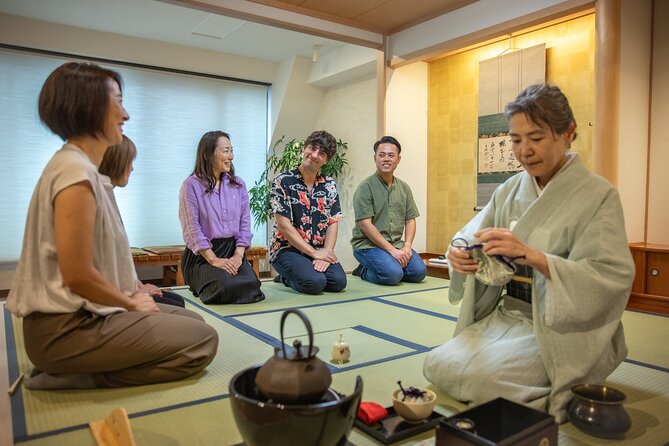
- You whisk your own matcha: The session is hands-on, so you learn by making your own bowl rather than only observing.
- A beginner-friendly format: The host explains the steps, meaning, and etiquette in clear terms, helping you avoid cultural mistakes.
- Small groups of up to eight: The limited size should make it easier to hear the guide and ask personal questions.
- Traditional sweets are included: You taste Japanese sweets alongside freshly prepared matcha.
- A convenient Asakusa meeting point: The activity begins and ends at the Tokyo Tourist Lounge Asakusa, near public transportation.
- A relaxed one-hour introduction: It fits well into a busy Tokyo day and works as a gentle break from sightseeing.
Why This Casual Ceremony Works for First-Time Visitors
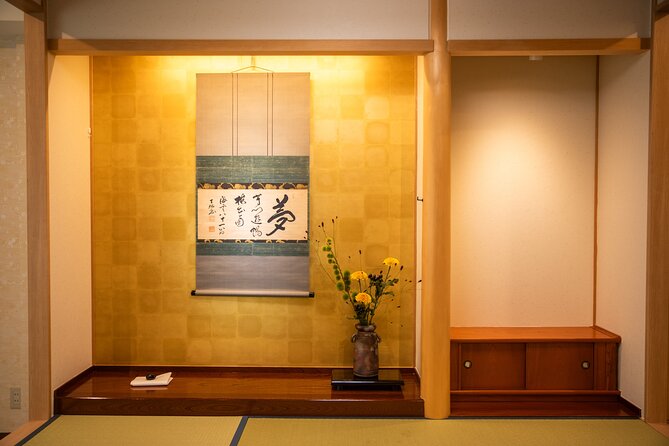
Formal Japanese tea ceremonies can feel intimidating. There may be set movements, precise manners, quiet pauses, and rules that are not obvious to someone seeing them for the first time. This session removes much of that worry.
You still learn the heart of the way of tea, including the care involved in preparing and presenting matcha. But the tone is friendly and open. You can ask questions, take photos, and learn without worrying that one small mistake will spoil the experience.
I think that balance is the main strength here. You receive an introduction to an important part of Japanese culture, but you do not need previous knowledge or special clothing. It is a practical choice if you want cultural context rather than a staged show.
The session is also suitable for people who feel unsure about language barriers. The activity is designed for visitors, and the host explains each part as you go. That matters because tea ceremony customs can be difficult to understand from a quick museum display or a short guidebook paragraph.
More Tea Ceremonies in Tokyo
- Matcha Making Class in Tokyo with Authentic Japanese Sweets Set
★ 5.0 · 744 reviews - Tokyo: Traditional Tea Ceremony with a Tea Master
★ 5.0 · 528 reviews - Tokyo: Matcha Making Experience with Mochi Sweets in Asakusa
★ 4.9 · 388 reviews
Arriving at the Tokyo Tourist Lounge Asakusa
The meeting point is the Tokyo Tourist Lounge Asakusa, at 5F, 2-18-15 Kaminarimon, Taito City, Tokyo 111-0034. The location is near public transportation, and the activity returns to this same point when the hour is over.
That central Asakusa setting is useful for planning. You can pair the ceremony with other sightseeing in the area before or after your visit. The exact activity remains indoors at the lounge, so you are not moving through several attractions or spending time on a long transfer.
I recommend allowing enough time to find the building and reach the fifth floor. The meeting point is a specific lounge rather than a famous temple entrance, so checking the address before leaving your hotel is sensible. A mobile ticket is provided, which means you can keep the booking details on your phone.
The activity has a maximum of eight people. That number is small enough to keep the demonstration personal without making the session feel like a private class. If you prefer a quiet cultural activity over a large group performance, this format should suit you well.
Understanding the Tea Ceremony Before You Make Tea
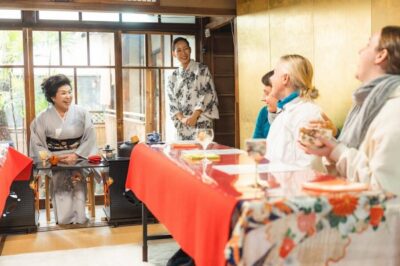
The session begins with an explanation of Japanese tea culture and the meaning behind the main steps. The host covers the process from pouring the water to presenting the finished tea.
This introduction gives the activity more value than simply drinking matcha in a pleasant room. You learn why the movements matter and how hospitality shapes the ceremony. The focus is not just on the powder, water, and whisk. It is also on attention, care, harmony, and the relationship between the person preparing tea and the person receiving it.
The relaxed setting makes it easier to ask about details that might otherwise be unclear. You can find out what you are doing before you do it, rather than copying a sequence of movements without understanding it.
A past session with Midori was praised for its detailed explanation of the ceremony and its process. That name is useful to note when you book, although the available information does not promise a particular host for every time slot. The important point is the personal teaching style: the experience is built around explanation and conversation, not silent observation.
Whisking Your Own Bowl of Matcha
The hands-on part is the best reason to book this experience. You learn how to whisk powdered green tea and then prepare your own bowl.
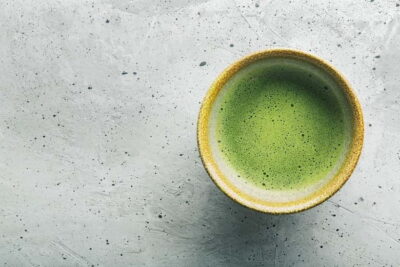
Matcha is not brewed like ordinary loose-leaf tea. The powdered tea is mixed directly with water, so the whisking step affects the texture and foam. Under the host’s direction, you can try the process yourself and see how the tea changes as you work.
This is a simple activity, but it gives you a better sense of the skill involved in tea preparation. You are not expected to perform like a tea master. The point is to take part, notice the movement, and understand why the whisk is used.
I like this approach because it turns a cultural lesson into something you can remember physically. Afterward, you will know what it feels like to prepare matcha, not just what the finished bowl looks like.
You can then drink the tea at your own pace. That slower rhythm is part of the appeal. Tokyo can fill a day with fast trains, crowded crossings, shopping streets, and temples. A quiet hour with one bowl of tea gives you a chance to reset.
A completely different kind of day out:
- Tokyo Disney Resort – Tokyo Disneyland & Tokyo DisneySea Park Tickets
★ 4.8 · 99,488 reviews - SHIBUYA SKY Ticket
★ 4.7 · 46,509 reviews - JR Whole Japan Rail Pass
★ 4.8 · 29,150 reviews - Mt Fuji and Hakone 1-Day Bus Tour Return by Bullet Train
★ 5.0 · 26,383 reviews
Japanese Sweets and the Taste of Matcha
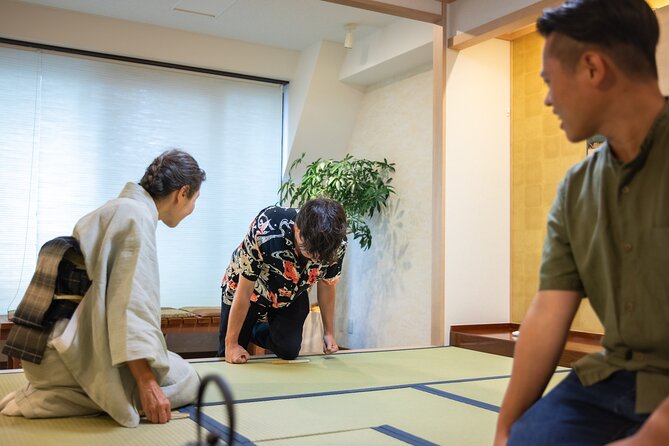
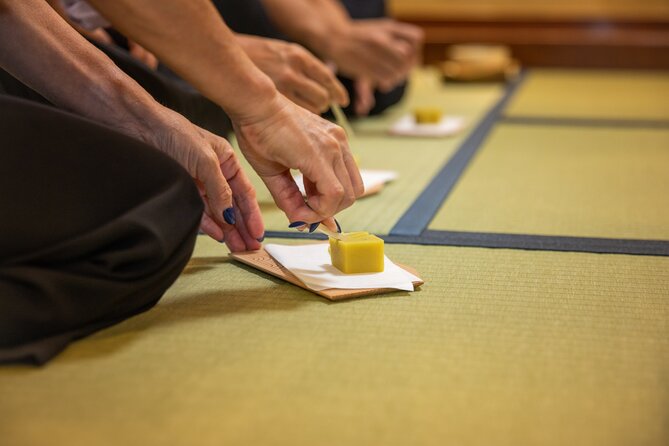
Traditional Japanese sweets are served with the tea. Their presence is not just a small extra. Sweet foods help balance matcha’s distinctive bitter edge and show how the tea is traditionally enjoyed.
The session includes coffee and/or tea, though the central focus is clearly the matcha preparation. If you do not usually drink green tea, the sweet provides a useful contrast. You can taste the food first, then try the tea, and notice how the flavors change.
The activity is not presented as a full meal. I would plan it as a cultural stop between meals rather than relying on it for lunch or dinner. The available details do not specify the type or amount of sweets, so you should treat them as a tasting portion rather than a substantial food experience.
That is still enough to make the ceremony feel complete. You receive the tea, the sweet, the preparation lesson, and the cultural explanation in one compact visit.
What Makes the One-Hour Timing Useful
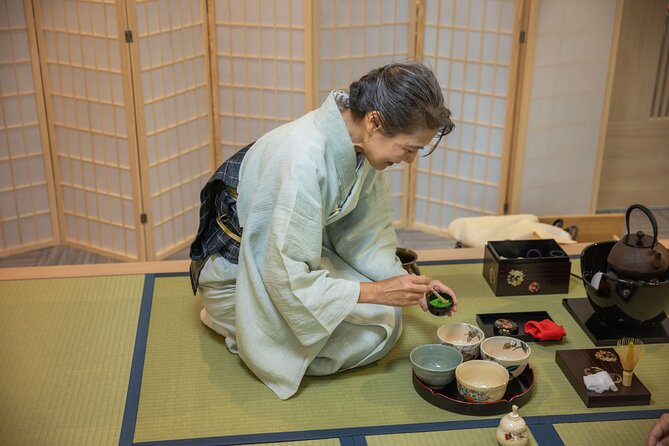
The experience lasts approximately one hour. That is long enough to explain the tradition and let you prepare matcha, but short enough to fit into most Tokyo itineraries.
I would consider booking it when you want a cultural activity that does not take half a day. It could work before an afternoon visit around Asakusa, after sightseeing in the neighborhood, or during a break from shopping and walking.
The short length also lowers the risk for first-time visitors. If you are curious about tea ceremony customs but unsure about committing to a lengthy formal event, this gives you a clear introduction without a large time investment.
The tradeoff is that the experience cannot cover every detail of Japanese tea culture in sixty minutes. You will learn the basic meaning and process, but not receive an advanced lesson in ceremony schools, utensils, seasonal customs, or formal etiquette. That is not a flaw as long as you book it for what it is: an approachable first step.
The Value of the $25 Price
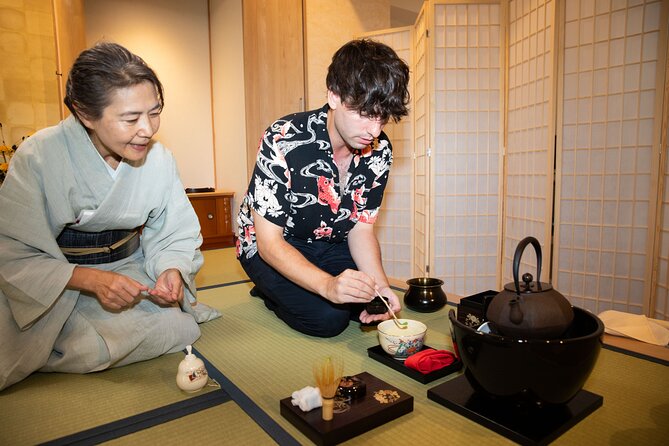
At $25 per person, this is priced as an accessible cultural activity rather than a luxury ceremony. The value comes from the combination of instruction and participation.
You are paying for more than a cup of matcha. The session includes a host who explains the steps, a chance to make your own tea, traditional sweets, and time to ask questions in a small group. For someone who wants context around Japanese customs, that is a reasonable use of an hour in Tokyo.
The price is especially appealing if you are traveling with family or friends and want an activity everyone can share. The format is not built around specialist knowledge, and the relaxed tone should make it comfortable for a mixed group.
Still, expectations matter. Kimono rental and kimono wear are not included. You are also not booking a private ceremony or an elaborate formal performance. If clothing, a historic setting, or an extended ritual is central to your plans, you may want a different type of tea experience.
For a low-cost introduction with a practical activity, I find the pricing convincing. The 4.9 rating from 74 ratings and the 96 percent recommendation figure also point to a consistently well-received experience, especially for people who value a warm welcome and clear teaching.
Photos, Questions, and Cultural Confidence
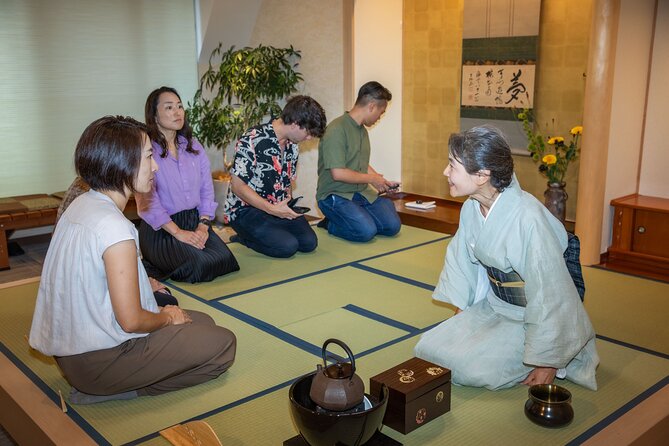
You are encouraged to take photos and ask questions during the session. That permission changes the mood in a useful way.
Many cultural activities become less enjoyable when you are worried about when to speak, where to sit, or how to hold an object. Here, the host helps explain the customs before you take part. You can focus on learning instead of trying to guess every rule.
This is particularly helpful if you have never attended a Japanese tea ceremony. The casual setup lets you ask about the meaning of each action, the taste of matcha, or the role of the sweets. Questions are part of the experience rather than an interruption.
Photos can also help you remember the process, though the available details do not specify any photography restrictions or exact photo opportunities. Follow the host’s instructions in the room, especially during quiet moments.
The strongest praise connected with this activity centers on the detailed explanation, kindness, and sense of sharing. That tells me the teaching style matters as much as the tea itself. A good host can make a simple preparation lesson feel thoughtful and memorable.
Who Should Book This Experience
I would recommend this experience to:
- First-time visitors who want a clear introduction to matcha
- People who feel nervous about formal Japanese etiquette
- Families and friends seeking a short shared activity
- Anyone staying or sightseeing around Asakusa
- Visitors who enjoy asking questions and taking part
- People who want a cultural pause between larger Tokyo attractions
It should also suit you if you are interested in Japanese traditions but do not want to wear special clothing. You can learn about the ceremony without committing to kimono rental or a strict dress-based experience.
The activity may be less suitable if you want a highly formal ritual, a long historical lecture, or an advanced lesson in tea preparation. It is intentionally casual. That word describes both its strength and its limit.
Practical Details Before You Reserve
You receive confirmation at the time of booking, and the ticket is mobile. The activity begins and ends at the Tokyo Tourist Lounge Asakusa, so there is no separate return transfer to arrange.
The group size can reach eight people. That is still intimate, but it is not necessarily private. If you are booking for a couple or a small family, you may share the session with other people.
The experience does not include kimono rental or wearing a kimono. Dress for a normal indoor activity and arrive ready to sit comfortably while you listen and prepare tea. The supplied information does not state any special clothing requirement.
Free cancellation is available if you cancel at least 24 hours before the local start time. Cancellations made within 24 hours are not refunded, and changes during that period are not accepted. This policy is worth noting if your Tokyo schedule is still changing.
Should You Book the Casual Japanese Tea Ceremony?
Book it if you want an easy, well-priced introduction to Japanese tea culture with actual participation. The small group, friendly explanations, matcha preparation, sweets, and chance to ask questions make it more useful than a simple tea tasting.
I especially like it for first-time visitors who want cultural insight without fear of making a mistake. The one-hour length and Asakusa meeting point also make it easy to fit into a full day.
Skip it if your main goal is a formal ceremony with kimono, strict etiquette, or a grand traditional setting. This is a relaxed lounge experience made for beginners, and that is exactly why it works. For $25, it gives you a calm hour, a new skill, and a better understanding of why matcha is prepared with such care.
FAQ
How long does the Tokyo tea ceremony experience last?
The activity lasts approximately one hour.
How much does the experience cost?
The listed price is $25 per person.
Where does the experience begin?
It begins at the Tokyo Tourist Lounge Asakusa, located on the fifth floor at 2-18-15 Kaminarimon, Taito City, Tokyo 111-0034, Japan.
Where does the activity end?
The activity ends back at the same meeting point.
Is the experience near public transportation?
Yes. The meeting point is described as being near public transportation.
How many people can join the activity?
The group can include a maximum of eight people.
Can beginners attend?
Yes. The experience is designed as a warm introduction for visitors and is intended to be comfortable for novices.
Will I make my own matcha?
Yes. You will learn how to whisk powdered green tea and make your own bowl of matcha.
Are traditional Japanese sweets included?
Yes. Traditional Japanese sweets are included with the tea experience.
Is kimono rental included?
No. Wearing a kimono and kimono rental are not included.
Can I take photos and ask questions?
Yes. You are encouraged to ask questions and take photos during the relaxed session.
Is cancellation free?
Yes, if you cancel at least 24 hours before the local start time. Cancellations within 24 hours are not refunded.
Just added in Tokyo
- Very popular in Harajuku♡Animal petting zoo★ 4.6 · 39 reviews
- Yokohama Port: Private Customizable Tour with Transfer★ 5.0 · 19 reviews
- Wagyu & Sake 8 Course Tasting Dinner in Shinjuku★ 4.9 · 20 reviews
- Warner Bros. Studio Tour Tokyo – The Making of Harry Potter★ 4.8 · 181 reviews
- Yanaka District: Historical Walking Tour in Tokyo’s Old Town★ 4.8 · 117 reviews
- Tokyo: Classic Tsukiji Food Tour★ 4.9 · 78 reviews
- Tokyo: Tsukiji Fish Market Tour with 6 Stops & Seafood Lunch★ 4.5 · 165 reviews
- Tokyo Wagyu & Sake Pairing Tasting Experience with Local Flavors★ 5.0 · 108 reviews
Tea Ceremonies, compared.
Tea Ceremony in a Traditional Tea House in Kiyomizu
Read our review →
World Heritage Kyoto & Nara Uji Authentic Matcha Experience
Read our review →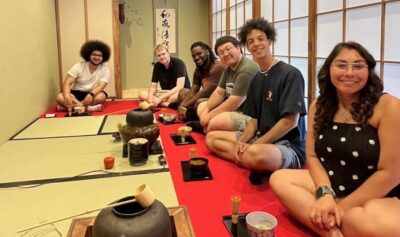
Browse the lists this tour appears in