
Reviewed · SAKE TASTINGS
3 Hours Kyoto Insider Sake Experience | Tasting Konteki
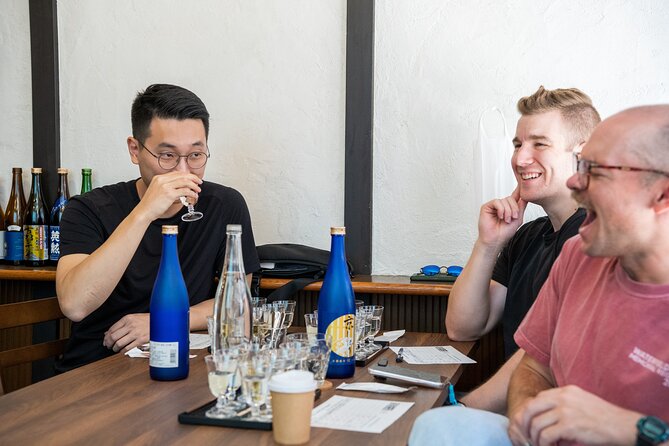
Sake makes more sense after one good lesson. This three-hour Fushimi experience combines a guided brewery visit with a focused tasting of 10 or more sakes, including bottles that have never been exported. I like the small maximum of 12 people, which gives you room to ask questions, and I like the useful sake cheat sheet that helps you read Japanese labels later. The main consideration is simple: you need to enjoy alcohol, and you should eat before arriving.
The tasting is not just a row of tiny glasses. Your certified sake sommelier explains how dry, sweet, fruity, and rich flavors are made, then pairs the pours with Japanese otsumami snacks. The experience has a perfect 5 out of 5 rating from 24 ratings, with 100 percent recommending it, though the non-refundable policy means you should choose your date carefully.
In This Review
- Key points to know before you book
- Why Fushimi is the right place for a sake lesson
- The first 90 minutes at Kizakura Kappa Museum
- The private tasting room and its 10-plus pours
- Why the food pairing matters
- The sake cheat sheet is the most useful souvenir
- How the small group changes the experience
- Is $92.24 a fair price?
- Who will enjoy this experience most?
- Timing, walking, and practical details
- Should you book the Kyoto sake experience?
- FAQ
- Where does the sake experience start?
- Where does the activity end?
- How long does the experience last?
- How many types of sake are included?
- Is food included?
- Are vegetarian snacks available?
- Can people under 20 drink sake?
- Is transportation included?
Key points to know before you book

- Fushimi setting: You visit one of Kyoto’s best-known sake-producing areas and the Kizakura Kappa Museum.
- 10 or more samples: A sake sommelier selects different styles, including some bottles not exported outside Japan.
- Food pairing included: Traditional otsumami snacks show how food can change the taste of each pour.
- Small group size: The tour accepts no more than 12 people, allowing for personal questions and guidance.
- Useful takeaway: A sake cheat sheet and tasting notes help you choose bottles from Japanese labels and restaurant menus.
- Three-hour format: About 90 minutes are spent at the museum and brewery, followed by 90 minutes of tasting.
Why Fushimi is the right place for a sake lesson
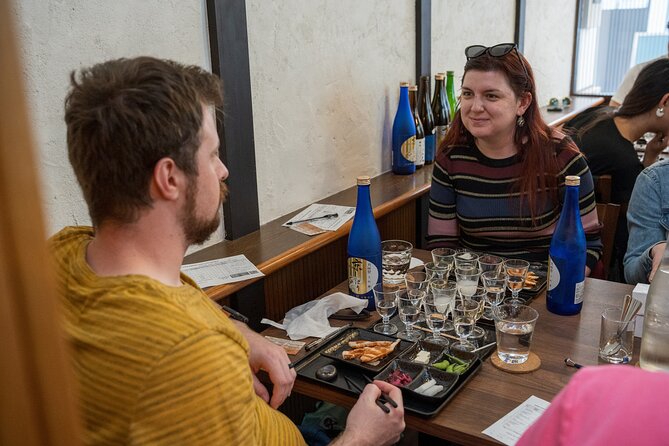
Fushimi gives this experience a useful sense of place. You are not simply seated in a bar with a flight of sake. You walk to a local brewery and learn about production in the district where this drink has been made for generations.
The visit takes place at the Kizakura Kappa Museum, part of the Higashiyama Sake Brewery experience. The museum adds a local touch, while the brewery visit gives you a look at the methods behind the bottles you later taste.
That order matters. If you taste first, sake can seem like a list of unfamiliar Japanese names. After seeing how it is made and hearing the basic terms, you have a better framework for comparing the pours.
The tour begins at 271-1 Kurumamachi in Fushimi Ward. It ends at the same meeting point, and you make your own way there and back. The location is near public transportation, which is important because Japanese law strictly prohibits drinking and driving.
More Sake Tastings in Kyoto
- 3-Hour Kyoto Insider Sake Brewery Tour with Tastings & Pairings
★ 5.0 · 917 reviews - Arashiyama Bamboo, Temple, Monkeys, or Secret Sake Brewery
★ 4.8 · 886 reviews - Kyoto: Insider Sake Brewery Tour with Sake and Food Pairing
★ 5.0 · 704 reviews
The first 90 minutes at Kizakura Kappa Museum
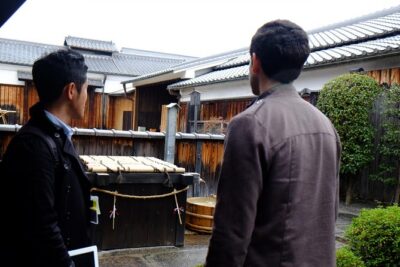
The first part lasts about an hour and a half. You take a short walk to the local brewery and museum, then follow a guided visit focused on sake production and its background in Fushimi.
You can expect an explanation of traditional brewing processes passed down through generations. The supplied details do not promise that every piece of equipment will be operating during your visit, so think of this as a guided look at the brewing tradition rather than a guaranteed production-day observation.
The Kappa Museum gives the stop a character of its own. Kappa are playful Japanese folklore creatures often linked with water, and the museum name makes this more than a plain industrial tour. It also provides a break from tasting, so the alcohol does not become the whole story.
You will have a chance to taste several flavors produced at the brewery during or after the visit. This first tasting helps set up the larger session that follows, where the sommelier compares a wider range of styles.
The museum and brewery portion is included in the price, so you do not need to budget for a separate admission ticket. Comfortable walking shoes are sensible because the tour includes a small amount of walking.
The private tasting room and its 10-plus pours
The second 90-minute session takes place in a dedicated private sake tasting room. This is where the experience becomes especially useful for someone who likes sake but still feels lost when facing a Japanese menu.
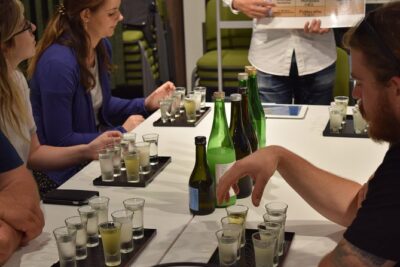
You taste at least 10 different types selected by a sake sommelier. The exact bottles can vary, but the purpose is to show a broad spread of flavors rather than offer ten near-identical pours.
You may try sake that is dry, sweet, rich, or fruity. Your guide explains how these differences are produced and helps you compare what is in the glass. That guidance is more useful than simply being told which bottle is the most expensive or famous.
Some samples may be bottles that have never been exported. That gives you a chance to taste styles you are unlikely to find at home. It also makes the session worthwhile for someone who already knows the basic categories and wants something less familiar.
The tasting is organized rather than rushed. A published 5 out of 5 rating specifically praises how well the tasting is arranged and how much the participant learned about making sake, flavors, and drinking customs. That matches the structure here: the lesson gives each pour a job.
Why the food pairing matters
The otsumami are Japanese snacks traditionally served with alcohol. They are not just something to nibble while waiting for the next glass. They let you see how the same sake can taste different alongside salty, savory, or other snack flavors.
Food pairing is often the quickest way to understand a drink. A sake that seems too sharp on its own may work better with food. A sweeter or fruitier pour may feel more balanced with a different snack. The guide helps you notice those changes instead of leaving you to guess.
Vegetarian snacks are available if you tell the guide on site. The supplied information does not specify every snack or ingredient, so if you have allergies or strict dietary needs, ask clearly before eating. Vegetarian visitors have a stated option, but other dietary requests are not confirmed.
You are also advised to eat lunch or brunch before the tour. That is practical advice. The session includes 10 or more alcoholic samples over 90 minutes, so arriving with a proper meal in you is wiser than treating the otsumami as lunch.
Bring a bottle of water, too. It is a small step, but it makes a long tasting more comfortable and helps you pace yourself.
A completely different kind of day out:
- PERFECT KYOTO 1-Day Bus Tour
★ 5.0 · 13,518 reviews - [Kyoto & Nara Day Tour] Sagano Scenic Railway & Nara Park & Fushimi Inari Taisha Thousand Torii Gates & Togetsukyo Bridge & Bamboo Grove & Kimono Forest (Departing from Osaka)
★ 4.9 · 10,942 reviews - Kyoto: Fushimi Inari, Kinkakuji, Bamboo Grove 1 Day Bus Tour
★ 4.8 · 4,316 reviews - Kyoto: Tea Ceremony in a Traditional Tea House in Kiyomizu
★ 4.9 · 3,519 reviews
The sake cheat sheet is the most useful souvenir
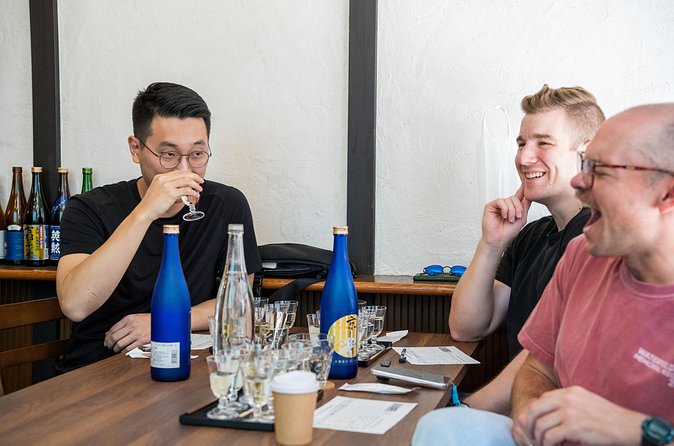
The best feature for many people is not the tasting itself. It is the sake cheat sheet and tasting note that help you remember what you liked.
Sake labels can look intimidating when you cannot read Japanese. Even when a restaurant offers several bottles, the names may not tell you enough about sweetness, dryness, flavor, or style. A written guide gives you something to consult after the tour.
During the tasting, you can record the types you prefer. Maybe you like a dry pour with food, a fruity style on its own, or a richer sake that suits a cold evening. The point is not to decide which sake is objectively best. It is to work out what you like.
That personal approach is why the class suits beginners particularly well. You do not need a vocabulary of technical terms before arriving. You can start with basic reactions and leave with a clearer way to order.
It also suits experienced sake drinkers who want access to bottles not exported from Japan. The session is not limited to an introductory explanation, though the exact level of detail will depend on the questions your group asks.
How the small group changes the experience

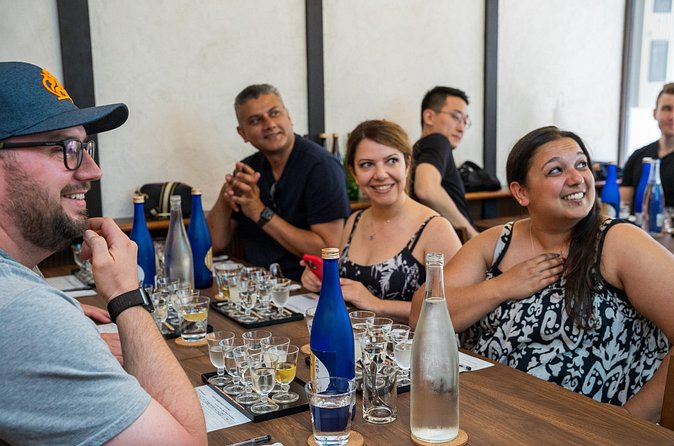
The maximum group size is 12 people. That is small enough for a more personal session without making the tour feel like a private lesson.
A small group matters during the tasting because people often have different reactions to the same sake. You can ask why one sample seems sweet to you while another person finds it dry, or ask how to identify a similar bottle in a shop.
The available details do not name the individual guide, but the experience is led by a certified sake sommelier. That qualification is relevant here because the value lies in explanation and comparison, not simply in serving drinks.
The tour has been praised for teaching both the making and the flavors of sake. I would treat that as the central promise. You are paying for a guided way to understand what is in your glass, not merely for the number of pours.
Is $92.24 a fair price?
At $92.24 per person, this is not a budget tasting. The price makes more sense when you count what is included: a guided museum and brewery visit, admission, 10 or more sake samples, otsumami, a private tasting room, a certified sommelier, and written tasting help.
You also get about three hours of structured attention. If you bought ten separate pours, food, and a brewery admission on your own, the total could add up quickly, though the exact comparison would depend on the bottles and venues you chose.
The value is strongest if you want to learn how to select sake afterward. If you only want a quick drink in Fushimi, you can likely find simpler and cheaper options. This experience earns its price through context, variety, and guidance.
The included samples that have not been exported are another reason the cost may feel worthwhile. You are not guaranteed a particular label, but the chance to compare less familiar Japanese bottles adds something you may not get at home.
Who will enjoy this experience most?
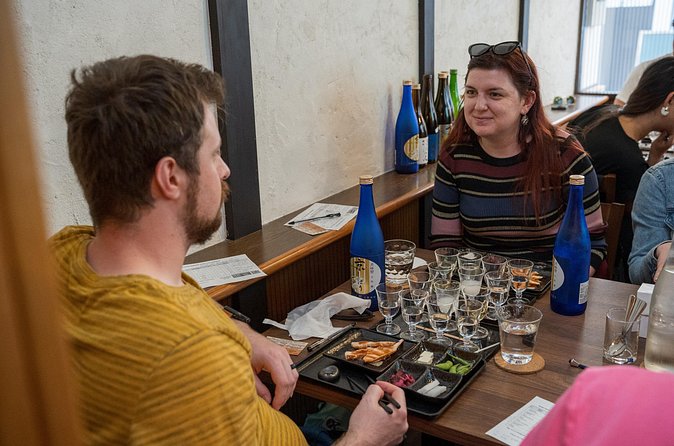
I would recommend it to you if you like Japanese food and want to understand sake beyond ordering by price. It is also a good fit if you have tried sake before but cannot tell junmai from other styles, or if Japanese labels leave you guessing.
It works well for couples, friends, and small groups who enjoy tasting sessions with a learning element. The food pairing gives the group something to discuss, and the small size should make it easier to ask questions.
You should think twice if you do not drink alcohol, dislike scheduled tastings, or want a broad tour of Fushimi rather than a sake-focused activity. People under 20 can attend, but they will receive non-alcoholic drinks only. The legal drinking age in Japan is 20.
This is also not ideal for anyone who expects hotel pickup. You must arrange your own transportation to the meeting point and return from it. Since drinking and driving is illegal, public transportation is the correct plan.
Timing, walking, and practical details
The full experience lasts approximately three hours. The first half is the museum and brewery visit, followed by the tasting and food pairing in the private room.
A small amount of walking is involved, including the short walk to the brewery. Comfortable shoes will do. Most people can participate, but the supplied information does not give detailed accessibility specifications, so contact the provider if you need a particular accommodation.
Your mobile ticket is convenient, and confirmation is sent when you book. The activity starts and ends at 271-1 Kurumamachi, Fushimi Ward, Kyoto, 612-8365.
The cancellation terms are strict. The experience is non-refundable and cannot be changed for any reason after booking. If poor weather causes the operator to cancel, you are offered another date or a full refund. The same choice applies if the minimum number of people is not reached.
Because of that policy, I would avoid booking this as a loose backup plan. Confirm your schedule, arrange public transportation, eat beforehand, and arrive ready to stay for the full session.
Should you book the Kyoto sake experience?
Book it if you want more than a few drinks. The strongest parts are the well-organized tasting, the 10 or more carefully selected pours, the food pairing, and the practical notes that help you choose sake later.
The experience is especially good for a first serious introduction because it turns unfamiliar labels and flavor terms into something you can use. It also has enough less-common bottles to interest someone who already drinks sake.
Skip it if you want a cheap, casual bar stop or if you need flexible cancellation. At $92.24, the price is justified by the three-hour format and expert instruction, but only if the educational side matters to you.
For the right person, this is a smart Kyoto food experience: local, focused, and useful long after the last glass is empty.
FAQ
Where does the sake experience start?
It starts at Kyoto Insider Sake Experience, 271-1 Kurumamachi, Fushimi Ward, Kyoto, 612-8365, Japan.
Where does the activity end?
The activity ends back at the meeting point.
How long does the experience last?
It lasts approximately three hours. About 90 minutes are spent at the Kizakura Kappa Museum and brewery, followed by about 90 minutes of sake tasting and food pairing.
How many types of sake are included?
The experience includes 10 or more types of sake selected by a sake sommelier.
Is food included?
Yes. Traditional Japanese otsumami snacks are included for food pairing.
Are vegetarian snacks available?
Yes. A vegetarian option is available, but you need to tell the guide on site.
Can people under 20 drink sake?
No. The legal drinking age in Japan is 20. Customers under 20 are served non-alcoholic drinks.
Is transportation included?
No. Hotel pickup, hotel drop-off, and transportation to and from the attractions are not included. You should use public transportation because drinking and driving is strictly prohibited in Japan.
Just added in Kyoto
- The “Golden Route” and Ancient Japan by DIAMIR Erlebnisreisen – 14-Day Tour★ 2.0 · 2 reviews
- Japan: Castles & Cuisine by G Adventures – 6-Day Kyoto to Osaka Tour★ 4.5 · 4 reviews
- Cycle Japan by Explore! – 13-Day Kyoto to Tokyo Tour★ 4.7 · 12 reviews
- Cycle Japan by Intrepid Travel – 11-Day Kyoto to Tokyo Tour★ 4.8 · 2 reviews
- Classic Japan by Intrepid Travel – 11-Day Kyoto to Tokyo Tour★ 4.4 · 14 reviews
- Ancient & Modern Japan 14-Day Tour by Exodus Adventure Travels★ 4.4 · 40 reviews
- 5 Day Cultural Adventure of Kyoto, Nara & Osaka by Tourist Journey★ 2.5 · 2 reviews
- 12 Days Kinosaki Onsen Escape: A Journey Through Japan’s Timeless Towns by UME Travel★ 4.8 · 5 reviews
Sake Tastings, compared.
3-Hour Kyoto Insider Sake Brewery Tour with Tastings & Pairings
Read our review →
Arashiyama Bamboo, Temple, Monkeys, or Secret Sake Brewery
Read our review →
Insider Sake Brewery Tour with Sake and Food Pairing
Read our review →
1.5-Hour Kyoto Insider Sake Experience with 7 Tastings & Pairings
Read our review →
Sake Tasting Masterclass in Shinjuku (8+ Varieties with a Pro)
Read our review →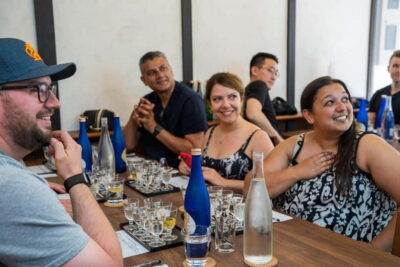
Insider Sake Experience with 7 Tastings and Snacks
Read our review →
Private Tea Ceremony and Sake Tasting in Kyoto Samurai House
Read our review →Browse the lists this tour appears in