
Reviewed · SAKE TASTINGS
Kyoto: Beyond the Insider Sake Tasting Experience
Sake gets much stranger, and better, after the basics. This Kyoto tasting goes past familiar styles with ten hard-to-find varieties, including bottles made with old brewing methods, unusual microorganisms, and local wood. I like the private tasting room, which keeps the lesson focused, and I like that every guide is a certified sake sommelier. The main consideration is simple: there is no food pairing, so this is a drinks lesson rather than a full evening out.
You do not need prior sake experience. The session explains ingredients, production, and categories before moving into the more unusual pours, so beginners can keep up while experienced drinkers get something new. At $66 per person, the price is fair for ten tastings and expert instruction, though it will feel less worthwhile if you only want a casual drink.
In This Review
- Key points before you book
- What makes this Kyoto sake session different
- Beginning with rice, water, yeast, and fermentation
- Tasting ten varieties rarely found overseas
- Ancient methods and new sake ideas
- Local wood and the taste of place
- Why the certified sommelier matters
- The private room improves the lesson
- Is $66 per person good value?
- Who should choose this experience?
- Practical details that can affect your day
- Basic course or Beyond the Insider?
- Should you book Kyoto Beyond the Insider Sake Tasting?
- FAQ
- Where does the experience start and finish?
- How many kinds of sake are included?
- Is the experience suitable for beginners?
- Is the experience suitable for experienced sake drinkers?
- Is food included?
- Is transportation included?
- What happens if I arrive by car or bicycle?
- Can people under 20 drink sake?
- What is the cancellation policy?
Key points before you book

- Ten rare sake varieties: The tasting focuses on bottles that are rarely found outside Japan, with styles shaped by unusual ingredients, organisms, and brewing methods.
- Ancient and modern ideas together: You may taste sake made with older techniques alongside newer styles that use the special traits of microorganisms.
- Local wood brewing: One part of the selection shows how wood from the region can affect the character of sake.
- A private tasting room: You get a dedicated space for the lesson, rather than trying to follow a technical explanation in a noisy public bar.
- Suitable for all levels: The guide covers the fundamentals first, then builds toward more complex examples.
- A return visit makes sense: The regular Kyoto Insider Sake Experience is a sensible starting point, while this session works as the next step for people who want unusual bottles.
What makes this Kyoto sake session different
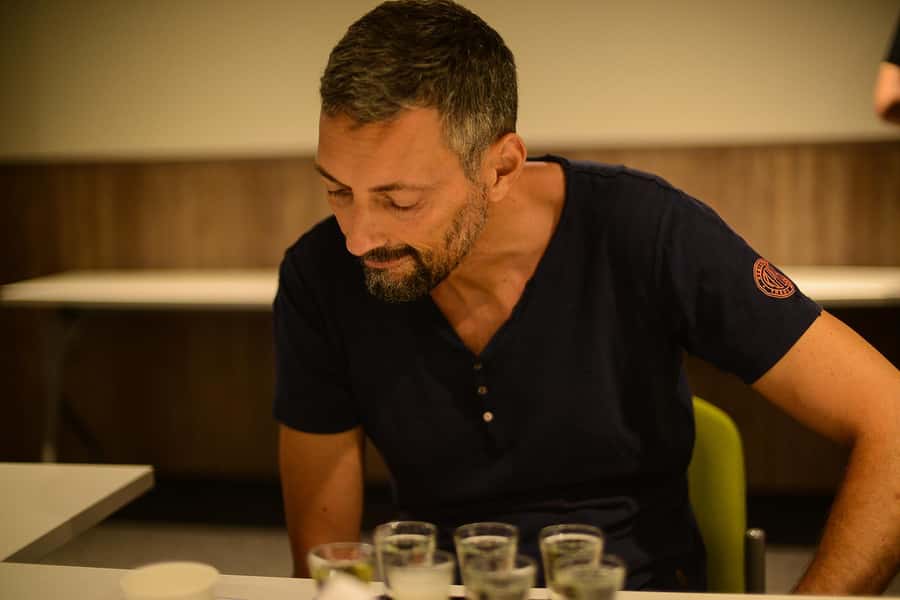
Many sake tastings stay with the familiar categories: dry, sweet, fragrant, polished, and perhaps sparkling. This experience takes a different route. It uses ten selected varieties to show how far the drink can change when brewers alter the method, the ingredients, or the conditions that shape fermentation.
That matters because sake is not just one flavor family. Rice polishing, yeast, water, fermentation, aging, and brewing technique all affect the finished drink. Here, you are not simply sampling ten unrelated glasses. You are using each pour to compare what happens when one part of the process changes.
The selection includes sake made with ancient methods that differ from current standard practice. You also taste a newer type that makes use of the traits of microorganisms. Another variety uses local wood, giving it a regional character that you may not encounter in imported sake.
The value is in the contrast. A beginner can start with a basic idea of how sake is made, then taste the results of unusual choices. If you already know the main sake categories, these examples give you a reason to pay closer attention.
More Sake Tastings in Kyoto
- 3-Hour Kyoto Insider Sake Brewery Tour with Tastings & Pairings
★ 5.0 · 917 reviews - Arashiyama Bamboo, Temple, Monkeys, or Secret Sake Brewery
★ 4.8 · 886 reviews - Kyoto: Insider Sake Brewery Tour with Sake and Food Pairing
★ 5.0 · 704 reviews
Beginning with rice, water, yeast, and fermentation
The session starts with the building blocks of sake production. You learn about the important ingredients and the broad categories of sake before the tasting turns to its more unusual selections.
This opening is useful even if you have attended a sake tasting before. Sake terminology can become a fog of labels, polishing percentages, styles, and production methods. A clear explanation gives you a way to organize what is in the glass rather than relying only on whether you like the taste.
For a first-time drinker, this part removes pressure. You are not expected to recognize every aroma or know the difference between categories before you arrive. The basic material is part of the course, and the guide can connect it to the pours that follow.
For an experienced drinker, the introduction sets up the more interesting questions. How does a traditional method affect the sake? What happens when a brewer works with microorganisms in a different way? How does wood alter the final impression? Those questions make the tasting more than a parade of samples.
The exact timing and order of the session are not specified, so you should think of it as a guided progression rather than a fixed sightseeing itinerary. You meet at the Kyoto Insider Sake Experience location, remain there for the session, and finish back at the same meeting point.
Tasting ten varieties rarely found overseas
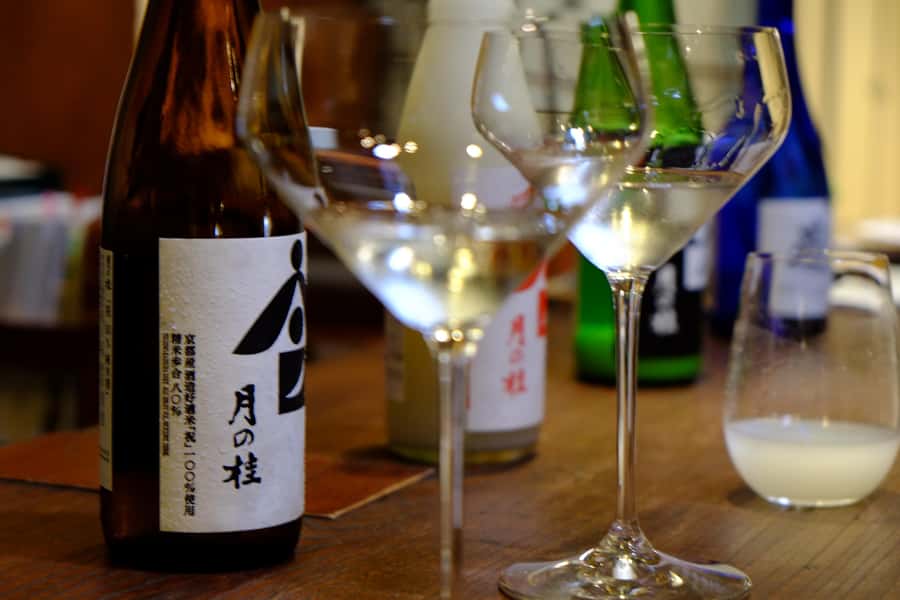
The heart of the experience is the ten-sake tasting. A certified sommelier selects the bottles to show the range of the drink and leads you through the differences.
Ten samples is a substantial number for a guided tasting. It gives you enough comparison to notice patterns, but it also means you should pay attention to the tasting notes rather than trying to remember every glass on your own. The included tasting note is useful here. Write down the styles you prefer, along with any production detail that changes your impression.
The bottles are not presented as ordinary export selections. The focus is on varieties that are rarely found overseas, which gives the tasting a clear purpose for someone visiting Japan. You may find flavors and techniques that are difficult to explore through a local sake list back home.
The most useful way to approach the pours is to compare them in terms of process. Notice how an older brewing method changes the drink from a more modern example. Then consider the sake made with microorganisms and the one shaped by local wood. You do not need professional tasting language. A few plain notes about aroma, sweetness, acidity, texture, and finish will be enough.
The guide’s role is especially important because unusual sake can be confusing without context. A bottle may taste unfamiliar for a reason. The explanation helps you decide if you dislike the style itself or simply need to understand what makes it different.
Ancient methods and new sake ideas
The ancient-method examples are one of the strongest reasons to choose this session instead of a basic introduction. They show that sake brewing is not a single straight line from old to new. Older approaches can create qualities that modern production does not always reproduce.
That does not mean traditional is automatically better. The point is comparison. You can taste how the method affects the result and decide which qualities appeal to you. This is a more useful lesson than being told that one style is superior.
The newer microorganism-based sake adds another layer. Microorganisms are central to fermentation, but this tasting highlights how their characteristics can be used to create a different kind of drink. The result is a chance to see sake as a changing craft, not simply a drink tied to one fixed tradition.
This combination should suit curious drinkers who enjoy understanding why something tastes the way it does. If you only want a quick introduction to common sake styles, the basic course may be enough. If you want to see the possibilities of the brewing process, this advanced session has more to offer.
A completely different kind of day out:
- PERFECT KYOTO 1-Day Bus Tour
★ 5.0 · 13,518 reviews - [Kyoto & Nara Day Tour] Sagano Scenic Railway & Nara Park & Fushimi Inari Taisha Thousand Torii Gates & Togetsukyo Bridge & Bamboo Grove & Kimono Forest (Departing from Osaka)
★ 4.9 · 10,942 reviews - Kyoto: Fushimi Inari, Kinkakuji, Bamboo Grove 1 Day Bus Tour
★ 4.8 · 4,316 reviews - Kyoto: Tea Ceremony in a Traditional Tea House in Kiyomizu
★ 4.9 · 3,519 reviews
Local wood and the taste of place
The local-wood example gives the experience a strong connection to Kyoto and its wider region. The wood is not just a decorative detail. It contributes a taste that makes the sake distinctive to the area.
That kind of regional detail is valuable because it connects the drink to place without requiring a separate brewery visit. You get an example of how local materials can influence flavor, and you can compare it with sake made through other methods.
Do not expect this to be a full tour of Kyoto’s sake district. Transportation to and from attractions is not included, and the activity takes place in the dedicated tasting room. The regional element comes through the sake itself, not through a series of outdoor stops.
I see that as both a strength and a limitation. The room keeps the lesson efficient and gives the sommelier control over the tasting. But if you want architecture, brewery machinery, or a walk between producers, you will need to add those plans separately.
Why the certified sommelier matters

The strongest praise for this experience centers on the guide’s presentation and explanations. The instruction is described as clear, friendly, and thorough, with particular approval for the range of sake and the way the production process is explained.
A certified sake sommelier can do more than pour a glass and name it. The guide can explain the ingredients, place each variety in a category, and show how the brewing method affects the final taste. That is important when the selection includes styles that you are unlikely to recognize from a normal restaurant menu.
The guide also helps keep the session welcoming. Beginners should not feel out of place, while experienced drinkers can ask more detailed questions. The activity is conducted in English, so it is designed for English-speaking visitors who want a clear lesson rather than a language puzzle.
The guide names are not provided in the available information, so you should not expect to book a particular individual. What you can count on is the certified sommelier qualification and the focus on explanation.
The private room improves the lesson
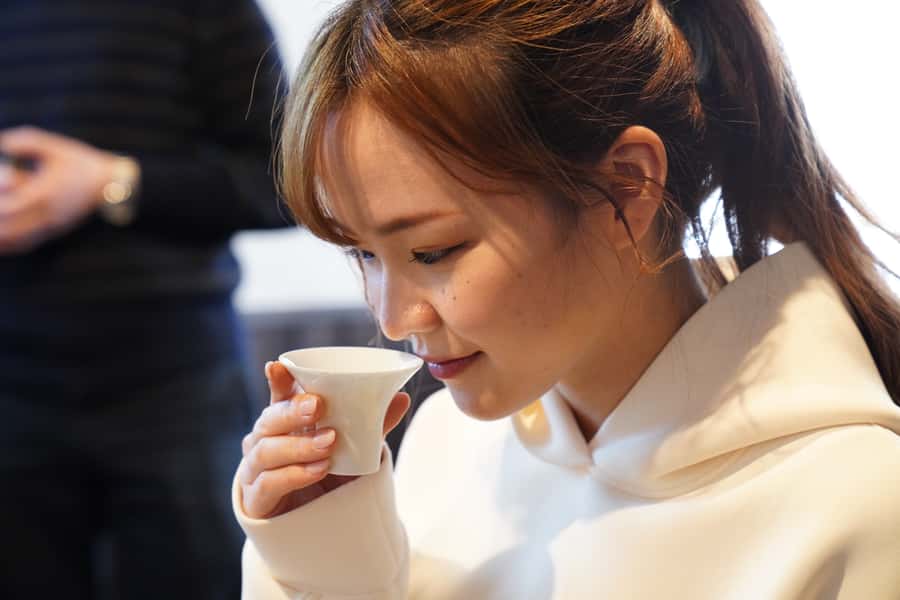
A dedicated private sake tasting room is a practical advantage. Sake has subtle differences, and a busy setting can make it hard to hear a production explanation or concentrate on a small change in aroma and texture.
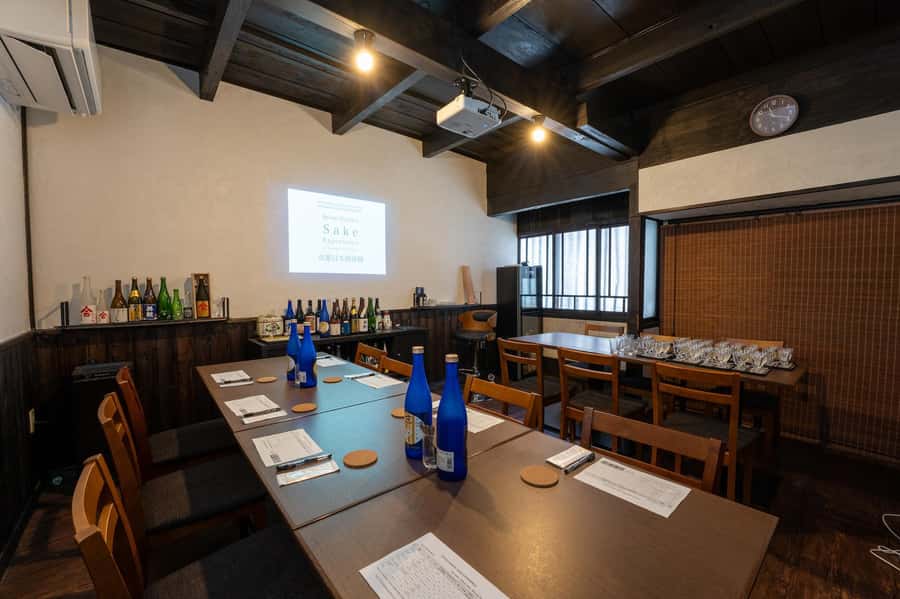
The room also gives the session a more structured feel. You can work through the tasting note, listen to the explanation, and compare the ten pours without the distractions of a normal bar. For a drinks lesson, that is worth something.
Still, the setting is not a substitute for food or a full dinner. Food pairing is not included, and there is no mention of snacks or a meal. If you tend to drink better with food, plan your meal before or after the activity rather than assuming you will eat during it.
Is $66 per person good value?
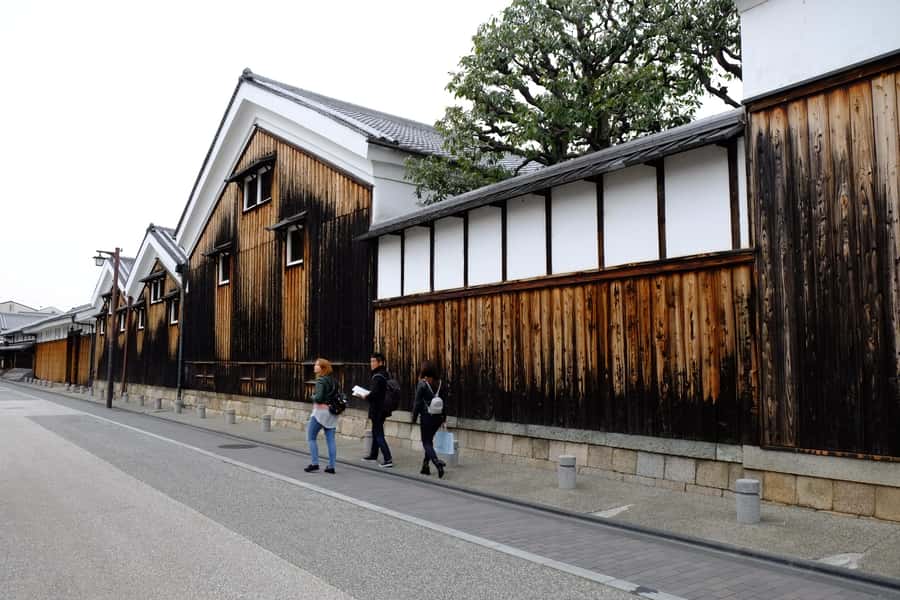
At $66 per person, the experience is not the cheapest way to sample sake in Kyoto. You can certainly buy a single glass for less. The comparison is not quite fair, though, because this price includes ten selected varieties, a tasting note, a private room, and a certified sommelier-led lesson.
The value is strongest if you want access to sake that is rarely available overseas. You are paying for selection and context as much as for the liquid itself. A casual drinker who wants one pleasant cup may find the price high. A person who wants to understand sake and discover bottles to seek out later will get more from it.
The lack of food pairing keeps the cost from feeling like a complete evening package. Think of the $66 as the price of a focused tasting class, not dinner and entertainment. If you plan another meal around it, the overall outing will cost more.
I would also consider the number of tastings. Ten samples can teach you a lot, but it is more than a simple aperitif. Take the explanations seriously, use the tasting note, and pace yourself. The activity is about comparison and learning, not rushing through ten drinks.
Who should choose this experience?
This session fits several kinds of visitors:
- You are new to sake but want more than a basic introduction.
- You have tried sake abroad and want styles that are difficult to find at home.
- You enjoy food and drink lessons where the production method matters.
- You have already taken a beginner sake course and want a more unusual follow-up.
- You prefer a private, focused room to a noisy bar setting.
- You want an English-language guide who can explain technical points clearly.
It is less suitable if you are looking for a brewery tour, a food-focused evening, or a casual drink with no instruction. It also will not work if you arrive by car or bicycle and intend to drink. For safety and legal reasons, alcohol is not served in that case, and there is no refund if you cannot take part in the tasting.
Japan’s legal drinking age is 20. People under 20 receive non-alcoholic drinks only, and the activity is listed as unsuitable for people under 19, children under 3, and pregnant women. Everyone who attends, including non-drinkers and children, must have a reservation.
Practical details that can affect your day
The meeting point is the Kyoto Insider Sake Experience location, and the activity ends there. Transportation to attractions and hotel pickup or drop-off are not included, so leave enough time to reach the meeting point on your own.
Arrive early. If you are more than ten minutes late, the booking will be canceled. This is especially important because a guided tasting depends on the group starting together, and late arrival can interrupt the opening explanation.
The activity is offered in English. You receive a tasting note, which makes it easier to remember the styles and production ideas after you leave. If you are serious about sake, bring your own questions and write down the varieties you prefer.
Cancellation is allowed up to seven days in advance for a full refund. Check that rule against your plans before booking, especially if your Kyoto schedule may change.
Basic course or Beyond the Insider?
The two-course progression is clear. Start with the beginners course if you want a first look at sake categories and production. Then return for this Beyond experience when you want uncommon brewing methods and less familiar styles.
You can also choose this session first if you are comfortable learning as you go. The basics are covered, so prior experience is not required. The difference is that the tasting quickly moves toward sake made with ancient techniques, microorganism-based ideas, and local wood.
I like that the experience does not shut out beginners, but its best audience is someone who wants to keep learning. The most enthusiastic praise focuses on how much people learn, the quality of the presentation, and the broad selection of sake. Those are good signs for a visitor who values instruction over spectacle.
Should you book Kyoto Beyond the Insider Sake Tasting?
Book it if you want a serious but approachable sake lesson, especially if you have already tried common styles or completed a basic tasting. Ten unusual varieties, a private room, and a certified sommelier make the $66 price reasonable for a focused Kyoto activity.
Skip it if you need food included, want to visit breweries, or only want one quick drink. For everyone else, this is a smart way to learn how brewing choices shape sake, with enough variety to make the experience memorable and useful after you return home.
FAQ
Where does the experience start and finish?
It starts at the Kyoto Insider Sake Experience location and ends back at the same meeting point.
How many kinds of sake are included?
The tasting includes ten varieties selected by a certified sake sommelier.
Is the experience suitable for beginners?
Yes. The session covers basic sake production and categories, so you do not need previous sake experience.
Is the experience suitable for experienced sake drinkers?
Yes. The selection focuses on unusual varieties, ancient brewing methods, microorganism-based sake, and sake made with local wood.
Is food included?
No. Food pairing is not included.
Is transportation included?
No. Transportation to and from attractions, as well as hotel pickup and drop-off, is not included.
What happens if I arrive by car or bicycle?
Alcohol will not be served for safety and legal reasons. Non-alcoholic drinks are available, but there is no refund if you cannot participate in the sake tasting.
Can people under 20 drink sake?
No. Japan’s legal drinking age is 20. People under 20 are served non-alcoholic drinks only.
What is the cancellation policy?
You can cancel up to seven days in advance for a full refund.
Just added in Kyoto
- The “Golden Route” and Ancient Japan by DIAMIR Erlebnisreisen – 14-Day Tour★ 2.0 · 2 reviews
- Japan: Castles & Cuisine by G Adventures – 6-Day Kyoto to Osaka Tour★ 4.5 · 4 reviews
- Cycle Japan by Explore! – 13-Day Kyoto to Tokyo Tour★ 4.7 · 12 reviews
- Cycle Japan by Intrepid Travel – 11-Day Kyoto to Tokyo Tour★ 4.8 · 2 reviews
- Classic Japan by Intrepid Travel – 11-Day Kyoto to Tokyo Tour★ 4.4 · 14 reviews
- Ancient & Modern Japan 14-Day Tour by Exodus Adventure Travels★ 4.4 · 40 reviews
- 5 Day Cultural Adventure of Kyoto, Nara & Osaka by Tourist Journey★ 2.5 · 2 reviews
- 12 Days Kinosaki Onsen Escape: A Journey Through Japan’s Timeless Towns by UME Travel★ 4.8 · 5 reviews
Sake Tastings, compared.
3-Hour Kyoto Insider Sake Brewery Tour with Tastings & Pairings
Read our review →
Arashiyama Bamboo, Temple, Monkeys, or Secret Sake Brewery
Read our review →
Insider Sake Brewery Tour with Sake and Food Pairing
Read our review →
1.5-Hour Kyoto Insider Sake Experience with 7 Tastings & Pairings
Read our review →
Sake Tasting Masterclass in Shinjuku (8+ Varieties with a Pro)
Read our review →
Insider Sake Experience with 7 Tastings and Snacks
Read our review →
Private Tea Ceremony and Sake Tasting in Kyoto Samurai House
Read our review →Browse the lists this tour appears in