Reviewed · GUIDED
Kyoto Highlights 7-Hour Private Guided Tour
Kyoto gives you a lot to take in fast. This private day tour links four major sights on one route, with a guide who can explain the customs, history, and practical details that are easy to miss when you explore alone. I like the one-on-one format, and I like that you can choose between a northwest route of temples, gardens, a bamboo grove, and a castle, or a southeast route built around shrines, old streets, and a sake brewery. The main drawback is simple: one route cannot cover all of Kyoto’s highlights, and seven hours can still feel busy.
The guides are the strongest part of the experience. Mie is praised for making the Edo period easier to understand, while Choca is described as friendly, helpful with local transport, and willing to point out a good ramen lunch stop. At $215 per person, the tour costs more than joining a group, but the private guidance can be good value if you want efficient sightseeing and cultural explanations rather than a day of figuring out buses and entrances yourself.
In This Review
- Key details before you book
- Starting at Kyoto Station at 9:00
- Northwest Kyoto: bamboo, stone, gold, and a castle
- Bamboo Grove
- Ryoanji Temple and its stone garden
- Kinkakuji, the Golden Pavilion
- Nijo Castle or Nishiki Market
- Southeast Kyoto: sake, shrine gates, and old slopes
- Sake brewery
- Fushimi Inari Taisha
- Sanjusangendo Temple
- Kiyomizudera Temple
- Ninenzaka or Sannenzaka
- Why a private guide changes the day
- Is $215 per person good value?
- Who should choose this Kyoto tour?
- My verdict: book the route that matches your priorities
- FAQ
- Where does the tour begin?
- How long does the tour last?
- Which attractions are included on the northwest route?
- Which attractions are included on the southeast route?
- Is transportation included?
- Are food and drinks included?
Key details before you book
- Two clear routes: Choose northwest for the Bamboo Grove, Ryoanji Temple, Kinkakuji, and either Nijo Castle or Nishiki Market.
- The southeast route mixes old Kyoto and food culture: Expect a sake brewery, Fushimi Inari Taisha, Sanjusangendo Temple, Kiyomizudera Temple, and either Ninenzaka or Sannenzaka.
- Private English-speaking guidance: Your licensed guide can shape explanations around your questions and help you handle Kyoto’s transport system.
- Seven hours from 9:00 to 16:00: The day begins at Hotel Granvia Kyoto in the JR Kyoto Station building and ends near Gion, according to the route details.
- A bus pass is included: You can continue using the one-day pass after the tour, which adds practical value.
- A second route may be available: Taking both tours lets you see eight locations at a slower pace, but you should check how the two bookings fit your schedule.
Starting at Kyoto Station at 9:00
The tour begins at Hotel Granvia Kyoto, inside the JR Kyoto Station building, at 9:00. That is a sensible meeting point because Kyoto Station is the city’s main transport hub, but you should check your booking carefully because the exact meeting point may vary with the option selected.
This is not a hotel pickup service. You need to reach the central meeting point yourself, and hotel drop-off is not included at the end. The supplied details say the tour finishes near Gion at 16:00, while the meeting-point information also says the activity ends back at the meeting point. Since those statements do not fully match, confirm the final drop-off location before departure.
The timing gives you a full day without stretching into the evening. You have enough hours to see four major places, ask questions, and pause for food, though the number of stops means you should not expect long, unhurried visits everywhere. The private format helps here. Your guide can explain why a site matters while you move between stops instead of leaving you to read every sign on your own.
Transportation is included, along with entrance fees for the temples and a one-day bus pass. The pass can be used after the tour, a useful extra for anyone staying in Kyoto and planning more sightseeing later. Food and drinks are not included, so budget for lunch separately.
A few more options to weigh up in Kyoto
- PERFECT KYOTO 1-Day Bus Tour
★ 5.0 · 13,518 reviews - [Kyoto & Nara Day Tour] Sagano Scenic Railway & Nara Park & Fushimi Inari Taisha Thousand Torii Gates & Togetsukyo Bridge & Bamboo Grove & Kimono Forest (Departing from Osaka)
★ 4.9 · 10,942 reviews - Kyoto: Fushimi Inari, Kinkakuji, Bamboo Grove 1 Day Bus Tour
★ 4.8 · 4,316 reviews
Northwest Kyoto: bamboo, stone, gold, and a castle
The northwest route is the best choice if you want a broad first look at Kyoto’s classic sights. It combines nature, temple gardens, an ornate pavilion, and a major castle. That mix gives the day a good rhythm, although the attractions are spread across the northwest side of the city.
Bamboo Grove
The Bamboo Grove offers one of Kyoto’s most recognizable settings. Tall bamboo creates a narrow green corridor, and the walk gives you a change of pace from grand buildings and crowded temple grounds. It is a place where your guide’s timing and context can matter, since the path itself is more about atmosphere than a long list of monuments.
Do not expect the grove alone to fill a major part of the day. Its value comes from fitting it into a wider Arashiyama visit, where the contrast between natural scenery and formal temple grounds helps you understand why this part of Kyoto is so popular.
Ryoanji Temple and its stone garden
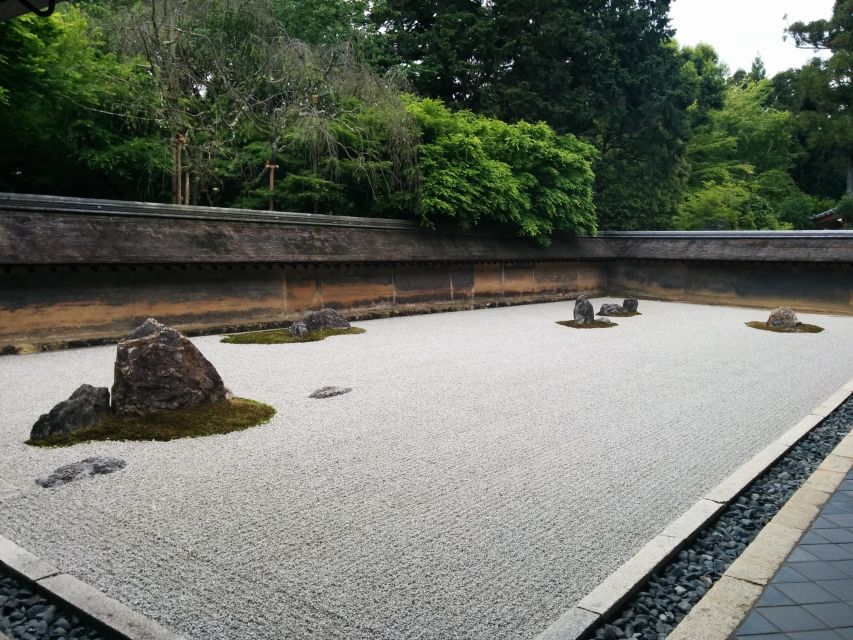
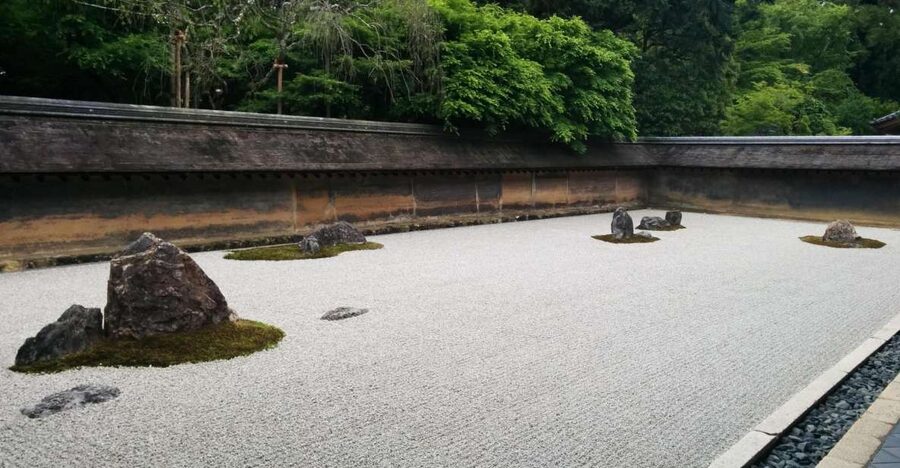
Ryoanji Temple is home to Kyoto’s famous rock garden. Its simplicity can be puzzling at first. Instead of bright decoration or towering statues, you get carefully arranged stones, pale gravel, and a quiet space designed for observation.
A private guide can make this stop more rewarding by explaining the setting and the ideas behind Japanese garden design. One guide, Mie, received particular praise for giving useful context about the Edo period and the cultural meaning behind the places visited. That kind of explanation can turn a quick photograph stop into a more thoughtful visit.
The possible weakness is that a rock garden does not offer the visual variety of Kinkakuji or the Bamboo Grove. If you prefer busy streets and active displays, this may feel restrained. Give it time, though, and its calm becomes part of the point.
A completely different kind of day out:
- Kyoto: Tea Ceremony in a Traditional Tea House in Kiyomizu
★ 4.9 · 3,519 reviews - Kyoto: Gion Make Your Own Chopsticks with Engraving Option
★ 5.0 · 3,465 reviews - Kyoto Nara Day Trip │ Kiyomizu-dera Temple + Fushimi Inari-taisha Shrine + Nara Park (Departing from Osaka/Kyoto)
★ 4.7 · 3,408 reviews - Kyoto Geisha Walking Tour: Gion District & Hidden Gems
★ 4.7 · 3,273 reviews
Kinkakuji, the Golden Pavilion
Kinkakuji is the dazzling stop on this route. Its upper stories are covered in gold leaf, and the pavilion is set beside a pond that reflects the building when conditions cooperate. The sight is striking even if you have seen photographs before.
This is one of Kyoto’s places where the guide can help separate appearance from meaning. You will learn more about the building, its religious setting, and the repeated rebuilding that has shaped what you see today. The site can be crowded, so a private guide cannot remove the crowds, but can keep the visit focused and help you understand the layout.
Nijo Castle or Nishiki Market
The route includes Nijo Castle or Nishiki Market, depending on the option selected. These are very different experiences, so this choice deserves attention when you book.
Nijo Castle gives you grand architecture and political history. It is linked with the Tokugawa shoguns and offers a look at power in early modern Japan. The castle works especially well after Ryoanji and Kinkakuji because it adds a strong historical setting to the day.
Nishiki Market is more sensory and everyday. You can expect a covered market street with food, local products, and a closer look at Kyoto’s culinary culture. Food is not included, but the market can be a convenient place to buy something at your own expense. If you want buildings and formal history, choose Nijo Castle. If you want to see what Kyoto eats and sells, Nishiki Market may suit you better.
Southeast Kyoto: sake, shrine gates, and old slopes
The southeast route offers a different picture of the city. It is less about one grand garden sequence and more about religious sites, traditional streets, and sake-making. Choose it if Fushimi Inari and Kiyomizudera are high on your list.
Sake brewery
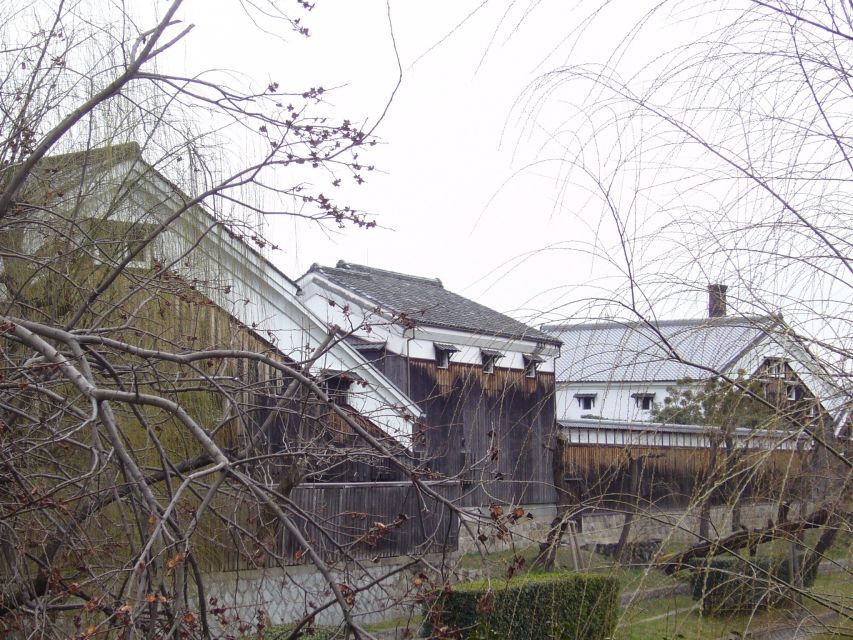
The brewery stop adds a local industry angle that the northwest route does not offer. Kyoto is associated with sake, and a brewery visit can help you understand how the drink fits into the city’s food culture and craft traditions.
The supplied details do not promise a tasting, so do not book this route expecting drinks to be included. Food and beverages are excluded from the tour. The value of the stop is the chance to connect Kyoto with something made and consumed locally, rather than seeing only famous religious buildings.
Fushimi Inari Taisha
Fushimi Inari is known for its long rows of orange torii gates. The shrine is dedicated to Inari, a deity associated with rice, prosperity, and business, and the gates create one of Kyoto’s most memorable walks.
The full shrine complex extends well beyond the most photographed section. On a seven-hour tour with several other stops, your guide will need to manage the visit carefully. You may see a focused portion rather than walk every path. That is a reasonable trade-off if you want a survey of southeast Kyoto instead of spending most of the day at one shrine.
Sanjusangendo Temple
Sanjusangendo is famous for its long hall and rows of Buddhist statues. It offers a more interior, contemplative experience than the open paths at Fushimi Inari or the street scenes near Kiyomizudera.
This stop is valuable because it adds scale and visual detail to the route. It also gives your guide room to explain Buddhist imagery and Japanese religious practice. If you are new to Kyoto’s temples, that help can prevent the day from becoming a blur of similar-looking roofs and courtyards.
Kiyomizudera Temple
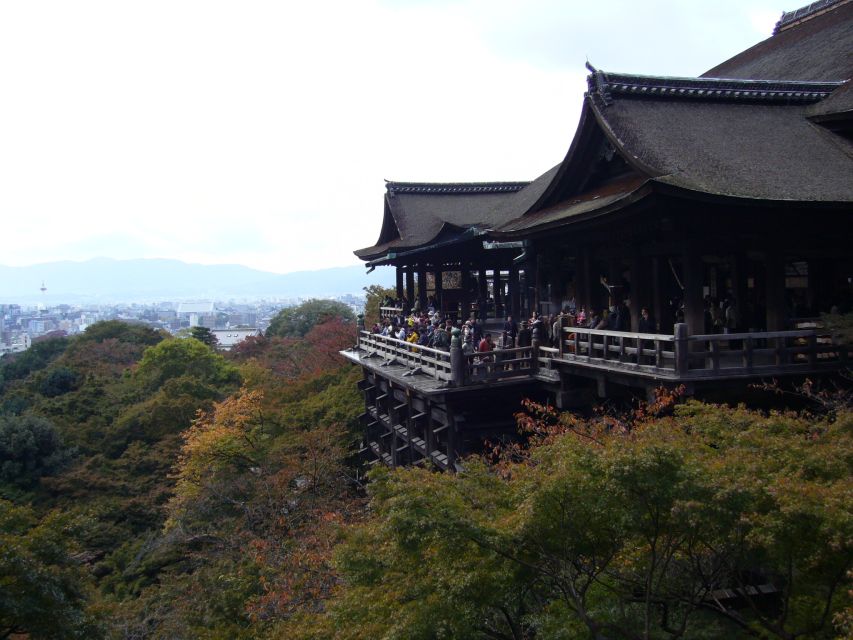
Kiyomizudera is one of Kyoto’s essential temple visits. Its elevated wooden structure and hillside setting make it one of the city’s most recognizable monuments. The temple also provides a broad sense of how Kyoto’s religious sites connect architecture, ritual, and views.
The grounds can be busy, and the approach involves walking through an active sightseeing area. That is not necessarily a flaw. It gives you a chance to see Kyoto as a living city rather than a collection of isolated monuments, but you should be ready for a less quiet experience than Ryoanji.
Ninenzaka or Sannenzaka
The Ninenzaka and Sannenzaka slopes lead through traditional-looking streets toward Kiyomizudera. Their wooden buildings, shops, and sloping lanes make them good places to finish the sightseeing portion of the day.
The slopes are attractive but can be crowded. Your guide can help you move through them with a clearer sense of where you are and what to look for. The route ends near Gion, Kyoto’s geisha district, so you finish close to one of the city’s best-known evening areas.
Why a private guide changes the day
The biggest advantage is not simply having someone point out buildings. It is the chance to ask direct questions throughout the day. One-on-one conversation can help you avoid small cultural mistakes and understand customs that are not obvious from a sign or brochure.
The guides receive praise for being friendly, engaging, and helpful, not just for reciting facts. Mie is noted for making the day leisurely while still providing useful historical context. Choca is praised for helping with local transportation and suggesting a ramen place for lunch. Another guide, Mei, is described as making the day fun, informative, and memorable.
The tour is private, but the supplied details do not state the maximum group size. It can work for a couple, a family, or a small group of friends. If you are traveling with two couples, the format may offer a comfortable way to share a guide without joining a large bus group.
The main limitation is that the quality of the day depends partly on the guide assigned to you. The strong guide feedback is encouraging, but you should still make your interests clear at the start. Tell your guide if you care most about gardens, Buddhist art, castles, food, photography, or transport advice.
Is $215 per person good value?
At $215 per person, this is a premium sightseeing day. You are paying for a private licensed guide, transportation, temple entrance fees, and a seven-hour route rather than simply paying for admission to a few attractions.
I think the price makes the most sense if you have limited time in Kyoto, want to see several major sites in one day, or feel uncertain about navigating local buses and trains. It is also easier to justify for a small group, since the cost buys private attention rather than a seat in a large tour.
The value is weaker if you enjoy researching every site yourself, prefer a slow morning at one temple, or want to control every stop. Food and drinks cost extra, and a full day of sightseeing can leave little room for spontaneous detours.
The included bus pass helps. You can use it after the tour, so it is not only a transport ticket for the guided portion. The ability to reserve now and pay later also gives you some planning flexibility, though the cancellation terms need care: cancellation up to 24 hours in advance is listed as eligible for a full refund, while the separate conditions state that two days before departure incurs a 50 percent charge and one day before or the same day incurs the full fee.
Who should choose this Kyoto tour?
I would recommend it to first-time visitors who want the major sights explained in plain English. It is also a strong choice for anyone with only a short stay, since the route gathers places that would take more planning to connect independently.
Families and small groups may appreciate the private setting. You can ask questions without holding up strangers, and the guide can help make public transport less confusing. The tour also suits travelers who want cultural context, not just a checklist of photo stops.
I would hesitate if you dislike set routes or need a highly relaxed pace. Four major attractions in seven hours is manageable, but it is still a full sightseeing day. If you want both the northwest and southeast routes, booking both can bring the total to eight locations, but that is a much larger commitment.
My verdict: book the route that matches your priorities
Choose the northwest route for the widest mix of bamboo, gardens, temple architecture, a gold-covered pavilion, and either a castle or market. Choose southeast for Fushimi Inari, Kiyomizudera, old Kyoto slopes, a sake brewery, and a closer look at religious art.
I like this tour most for its private guidance and efficient route planning. The guides add the human touch that turns a fast sightseeing day into a useful introduction to Kyoto. Book it if you want to see a lot without spending your holiday studying maps, but confirm the precise meeting and ending points and decide carefully between the two routes before paying.
FAQ
Where does the tour begin?
The tour starts at 9:00 from Hotel Granvia Kyoto in the JR Kyoto Station building. The exact meeting point may vary depending on the option booked.
How long does the tour last?
The scheduled duration is seven hours, from 9:00 until 16:00.
Which attractions are included on the northwest route?
The northwest route includes the Bamboo Grove, Ryoanji Temple and its rock garden, Kinkakuji, and either Nijo Castle or Nishiki Market.
Which attractions are included on the southeast route?
The southeast route includes a sake brewery, Fushimi Inari Taisha, Sanjusangendo Temple, Kiyomizudera Temple, and either Ninenzaka or Sannenzaka.
Is transportation included?
Yes. Transportation is included, and a one-day bus pass is provided. You can also use the pass after the tour.
Are food and drinks included?
No. Food and drinks are not included. Hotel pickup and drop-off are also not included.
Just added in Kyoto
- The “Golden Route” and Ancient Japan by DIAMIR Erlebnisreisen – 14-Day Tour★ 2.0 · 2 reviews
- Japan: Castles & Cuisine by G Adventures – 6-Day Kyoto to Osaka Tour★ 4.5 · 4 reviews
- Cycle Japan by Explore! – 13-Day Kyoto to Tokyo Tour★ 4.7 · 12 reviews
- Cycle Japan by Intrepid Travel – 11-Day Kyoto to Tokyo Tour★ 4.8 · 2 reviews
- Classic Japan by Intrepid Travel – 11-Day Kyoto to Tokyo Tour★ 4.4 · 14 reviews
- Ancient & Modern Japan 14-Day Tour by Exodus Adventure Travels★ 4.4 · 40 reviews
- 5 Day Cultural Adventure of Kyoto, Nara & Osaka by Tourist Journey★ 2.5 · 2 reviews
- 12 Days Kinosaki Onsen Escape: A Journey Through Japan’s Timeless Towns by UME Travel★ 4.8 · 5 reviews
Guided, compared.
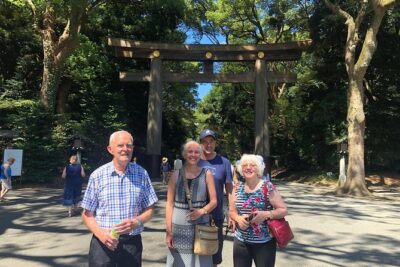
Tokyo 6hr Private Tour with Government-Licensed Guide
Read our review →
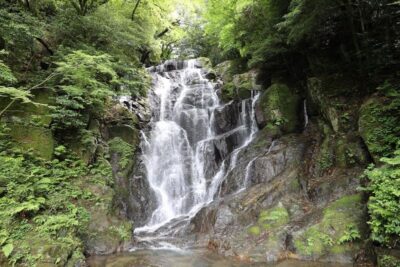
Shiraito Falls & Forest Cafe & Handmade Flower Salt Pudding & Grilled Seafood & Totoro Forest & Sakurai Futamigaura & Angel’s Wings & Coconut Tree Swing Day Tour (Departing from Hakata Station, with Mandarin, English, and Cantonese speaking guide)
Read our review →
Shinjuku Local Bar and Izakaya Guided Walking Tour
Read our review →
Private City Highlights Tour with Local Guide
Read our review →
Kyoto Early Morning Tour with English-Speaking Guide
Read our review →