Reviewed · GUIDED
Kyoto: Kinkakuji, Golden Pavilion Guided Tour
Golden light, still water, unforgettable Kyoto. This guided visit makes Kinkakuji easier to understand, not just photograph, with a live guide explaining its design, Buddhist connections, and long story. I especially like the well-planned route to the pavilion and the chance to ask questions in a private or small group. The main consideration is crowds, especially around midday, when the famous pond reflection can be hard to enjoy quietly.
I also like that several guides, including Teppei, Tomoko, Hikari, Juraj, and Kaito, have been praised for clear explanations and personal help. The tour can be a good fit for families, too, since one guide helped a seven-year-old enjoy the visit. Check your selected option carefully, though, because the total duration can range from 90 to 210 minutes and may include nearby Ryoanji.
In This Review
- Key points at a glance
- Why Kinkakuji deserves more than a quick photograph
- The Golden Pavilion and its famous reflection
- A guide who turns a beautiful place into a useful visit
- The garden walk and the small details
- When Ryoanji becomes part of the route
- Is $64 a fair price?
- Who will enjoy this tour most?
- Practical details before you book
- Should you book it?
- FAQ
- Where does the Kinkakuji tour take place?
- How long does the experience last?
- Is admission to Kinkakuji included?
- What languages are available?
- Is this a private tour?
- Where is the meeting point?
- Can I cancel for a full refund?
- Does the tour include Ryoanji?
Key points at a glance
- The Golden Pavilion is the star: Kinkakuji’s upper two floors are covered in gold leaf and reflected in a pond.
- The guide adds meaning: Expect explanations about architecture, Buddhism, Shinto connections, temple customs, and daily care.
- The route may include Ryoanji: Some options continue to this famous temple after Kinkakuji.
- Small groups can feel personal: Private and small-group formats are available, with guides able to answer questions and adjust their pace.
- Midday can be crowded: You may get better photographs and a calmer walk at a quieter time, though starting times depend on availability.
- The $64 price needs context: Admission and the guide fee are included, so the value is strongest if you want interpretation rather than a quick look.
Why Kinkakuji deserves more than a quick photograph
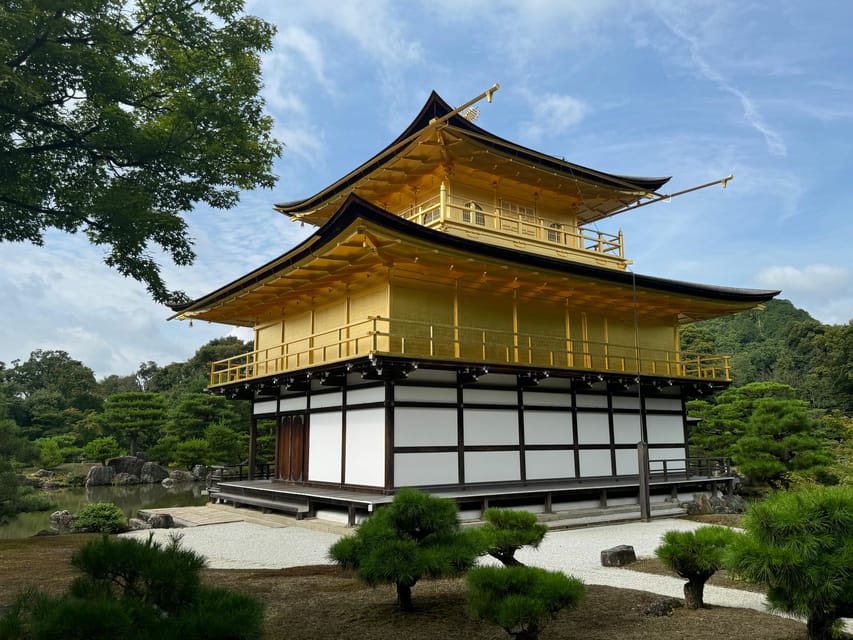
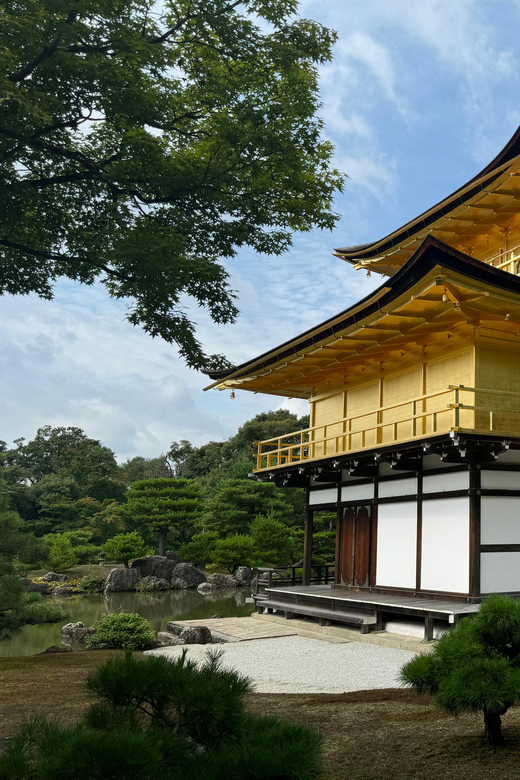
Kinkakuji, formally known as Rokuonji, is one of Kyoto’s most recognizable sights. The name Golden Pavilion is not marketing fluff. The top two floors really are coated in gold leaf, and the bright structure changes character with the light, clouds, and reflections on the pond.
You follow a set path around the grounds rather than wandering freely through every building. That is important to know before you arrive. The experience is built around carefully framed views of the pavilion, the water, the gardens, and smaller features such as a teahouse.
I like this kind of visit because the famous image is only the beginning. Without context, you may spend ten minutes taking pictures and leave. With a good guide, you can connect the building’s look to its religious purpose, its architecture, and the way the site is cared for today.
The tour is also efficient. The Kinkakuji portion is listed at about 1.5 hours, which gives you enough time to see the main points without turning the stop into an exhausting half-day visit. You will still want to slow down for photographs, so keep your camera ready before reaching the best pond views.
A few more options to weigh up in Kyoto
- PERFECT KYOTO 1-Day Bus Tour
★ 5.0 · 13,518 reviews - [Kyoto & Nara Day Tour] Sagano Scenic Railway & Nara Park & Fushimi Inari Taisha Thousand Torii Gates & Togetsukyo Bridge & Bamboo Grove & Kimono Forest (Departing from Osaka)
★ 4.9 · 10,942 reviews - Kyoto: Fushimi Inari, Kinkakuji, Bamboo Grove 1 Day Bus Tour
★ 4.8 · 4,316 reviews
The Golden Pavilion and its famous reflection
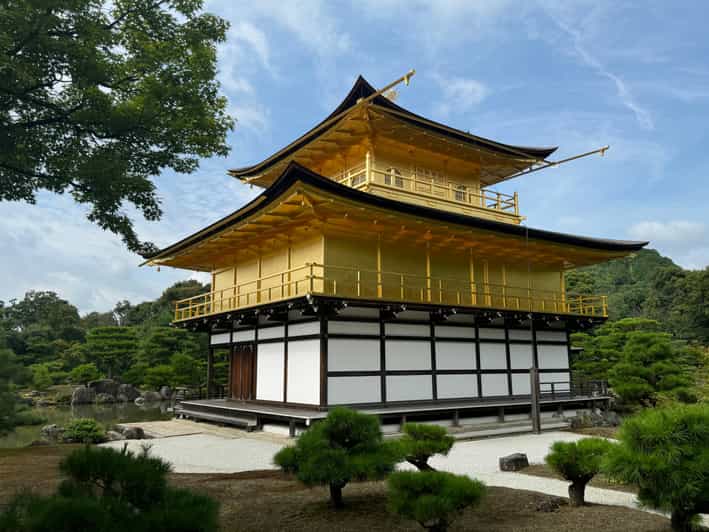
The first major stop is Kinkakuji itself. The pavilion sits beside a pond, and the classic view places the gold building, dark roof, green surroundings, and water in one frame. On a calm day, the reflection can be striking. On a crowded day, people and movement may become part of the picture too.
The upper two levels are covered in gold leaf. This bright finish gives the pavilion its famous appearance, but the guide helps you look beyond the shine. You can ask about the building’s design, religious role, and the traditions connected with the grounds.
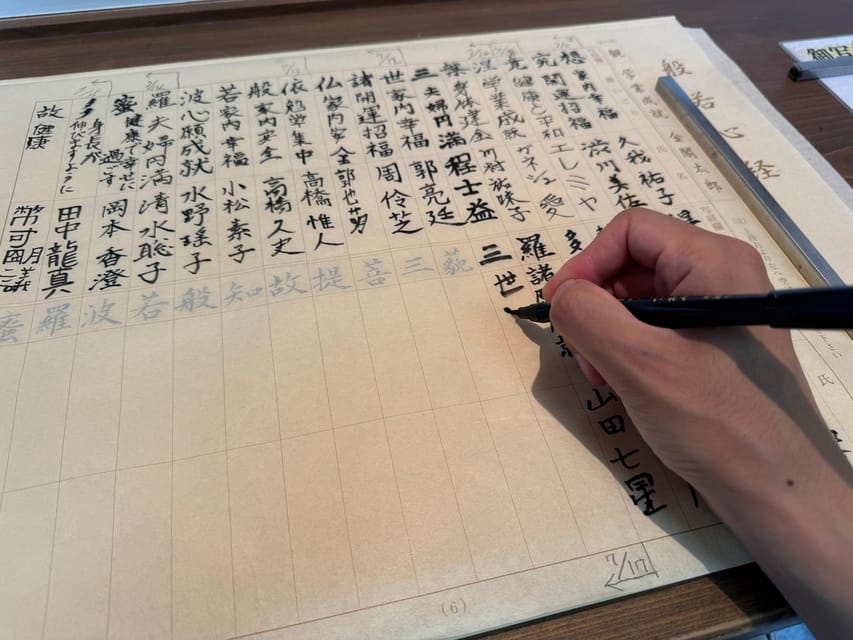
This is where a live guide earns the admission price. A guide can point out details that are easy to miss when you are moving with the crowd. Teppei, for example, has been praised for explaining religious beliefs and temple maintenance, as well as showing how to write a wish in Japanese in a monastic style.
You should expect a sightseeing route rather than private access to the pavilion. One guide did help a group find experiences that the general public could not normally arrange, but that should be treated as a pleasant possibility, not a guaranteed feature of every booking.
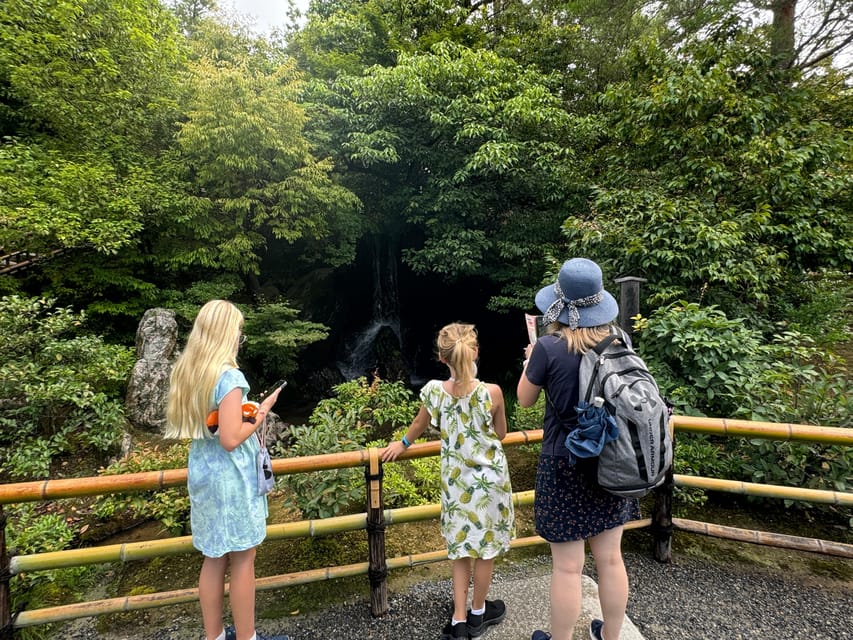
The pond is the visual center of the visit, but do not rush past the garden paths. The grounds include landscaped areas and a small teahouse, giving you a quieter contrast to the bright pavilion. I find that this balance makes the visit more satisfying. You get the grand photograph, then a chance to notice the softer details.
A guide who turns a beautiful place into a useful visit
The strongest part of this experience is the guide service. The praise is unusually consistent, with repeated comments about patience, preparation, clear communication, and an ability to answer questions. That matters at a site where the visual impact can overwhelm the cultural context.
Several guides have received especially warm feedback. Julien was described as well prepared and passionate about helping people make the most of the visit. Tomoko was praised for her command of the site’s past. Hikari was noted for explaining the temples clearly and offering useful Kyoto suggestions beyond the tour.
Juraj has guided in English and German, and one family found his explanations easy to follow. Teppei has also received praise for being patient with children and for sharing extra details about religious practice and temple upkeep.
These names do not mean you can select a particular guide every time. They do show the sort of service you might receive: a guide who does more than walk ahead and point. If you have questions about Buddhism, Shinto, architecture, photography, or customs, this format gives you someone to ask.
English and Japanese tours are available. English quality has been praised directly, including a guide who helped with communication before, during, and after the visit. If clear explanations matter to you, a live guide is a better choice than simply entering on your own and reading a few signs.
The garden walk and the small details
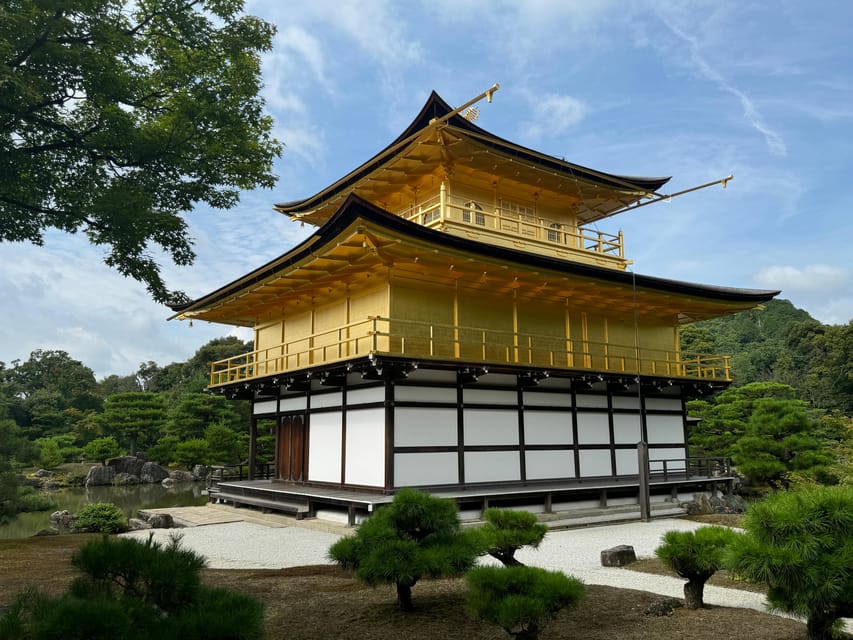
Kinkakuji’s setting is carefully maintained, and the garden is part of the visit rather than a background accessory. You walk beside the pond, pass viewpoints of the pavilion, and continue through grounds that include a teahouse and other details connected to the temple setting.
I would give yourself time to look away from the main building. The gold catches your eye immediately, but the quieter value of the grounds comes from the way water, trees, paths, and structures work together. A guide can help you understand why the site feels composed instead of simply ornamental.
The route is not described as a strenuous hike. Still, you are walking through temple grounds, so comfortable shoes are sensible. This is practical advice rather than a claim about a specific accessibility setup, since accessibility details are not provided.
Photography is a major reason people choose Kinkakuji, and the tour supports that interest. The pond reflection is the obvious target, but your guide may also help you find better angles or take pictures for your group. One guide was specifically praised for making a crowded visit feel more personal and for taking photographs.
Do not expect every shot to be quiet or empty. The pavilion is one of Kyoto’s best-known sights, and the most popular viewpoint can fill quickly. If your booking offers a choice of starting times, a less crowded period may improve the experience, though the available times change by date.
A completely different kind of day out:
- Kyoto: Tea Ceremony in a Traditional Tea House in Kiyomizu
★ 4.9 · 3,519 reviews - Kyoto: Gion Make Your Own Chopsticks with Engraving Option
★ 5.0 · 3,465 reviews - Kyoto Nara Day Trip │ Kiyomizu-dera Temple + Fushimi Inari-taisha Shrine + Nara Park (Departing from Osaka/Kyoto)
★ 4.7 · 3,408 reviews - Kyoto Geisha Walking Tour: Gion District & Hidden Gems
★ 4.7 · 3,273 reviews
When Ryoanji becomes part of the route
The published route also includes Ryoanji, with a guided visit listed at about 1.5 hours. This means some bookings may offer more than a Kinkakuji visit, bringing the total duration up to 210 minutes.
Ryoanji gives the day a different mood. Kinkakuji is bright, reflective, and visually dramatic. Ryoanji is presented as a separate guided stop, so the combined route can give you two contrasting temple experiences rather than two versions of the same sight.
Pay close attention to the option you select. The information lists two starting locations, marked in Japanese as 総門 and やまざき庵, and two possible drop-off points, 総門 and 龍安寺山門. The meeting point depends on the option booked.
This matters because the shorter format may focus on Kinkakuji, while the longer format can include Ryoanji. Do not assume that every 90-minute booking contains both temples. Confirm the route, duration, meeting point, and end point before paying.
If you want a quick introduction to Kinkakuji, 90 minutes may be enough. If you like temple design and want more time with a guide, the longer option offers better value, provided Ryoanji is included in your selected format.
Is $64 a fair price?
The price is $64 per person. Admission to Kinkakuji and the guide fee are included, which removes two common extras. You are paying mainly for explanation, organization, and the chance to ask questions in English or Japanese.
For a short visit focused only on Kinkakuji, the cost is not the cheapest way to see the building. You can visit a famous temple without a guide, so budget-minded visitors who only want the photograph may find the price hard to justify.
I see stronger value in three situations. First, you want the site explained instead of simply viewed. Second, you are traveling with children or family members who benefit from questions and a flexible pace. Third, your option includes Ryoanji, making the guide time and admission more useful across a longer route.
Private and small-group formats are available. The exact group arrangement depends on the option, but a smaller group generally gives you more room to ask about details than a large scheduled tour. Several guide experiences have felt personal even when the grounds were busy.
The reserve-now, pay-later feature also gives you some flexibility. Cancellation is allowed up to 24 hours before the activity for a full refund. Those policies are useful when Kyoto plans are still shifting, but you should still check your selected start time and meeting point carefully.
Who will enjoy this tour most?
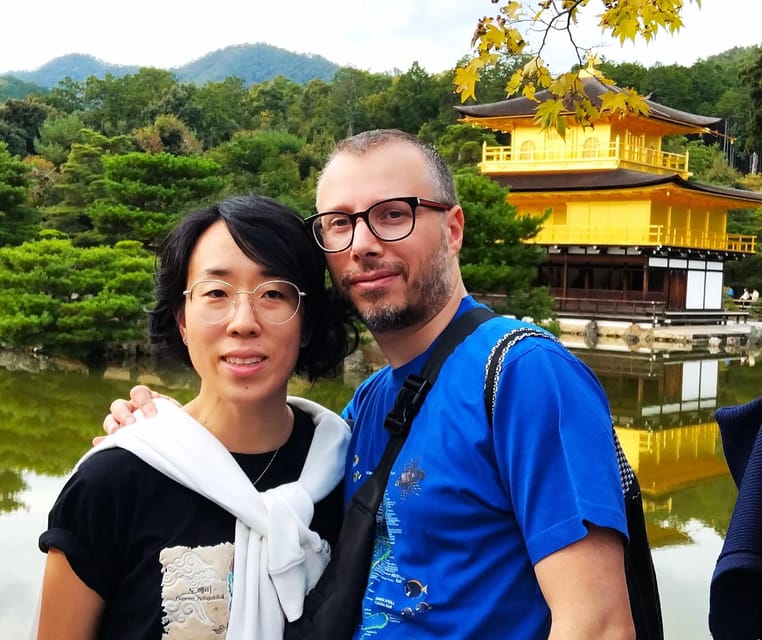
I would recommend this tour to first-time Kyoto visitors who want help making sense of a major temple. Kinkakuji is easy to admire, but a guide gives the visit more shape and helps you notice details beyond the gold facade.
It also suits families. A seven-year-old reportedly enjoyed the experience with Teppei, and another guide adjusted the visit so a child could take part more fully. That does not guarantee the same guide or exact approach, but it suggests the format can work well for children when the guide is attentive.
Culture-focused visitors will get the most from the tour. You can ask about Buddhism, Shinto, temple customs, architecture, wishes, and the care needed to maintain such a famous site. The ability to ask follow-up questions is the main advantage over a self-guided walk.
Photographers should enjoy the pond views, but perfectionists need patience. Crowds are a real factor, especially around the middle of the day. The guide can help with timing and pictures, yet no tour can remove other people from Kyoto’s most famous viewpoint.
I would be less likely to choose it if you want a completely quiet temple visit or if you prefer exploring at your own speed. The route is guided and structured, and the pavilion area can feel busy. If you dislike fixed meeting points or planned stops, an independent visit may suit you better.
Practical details before you book
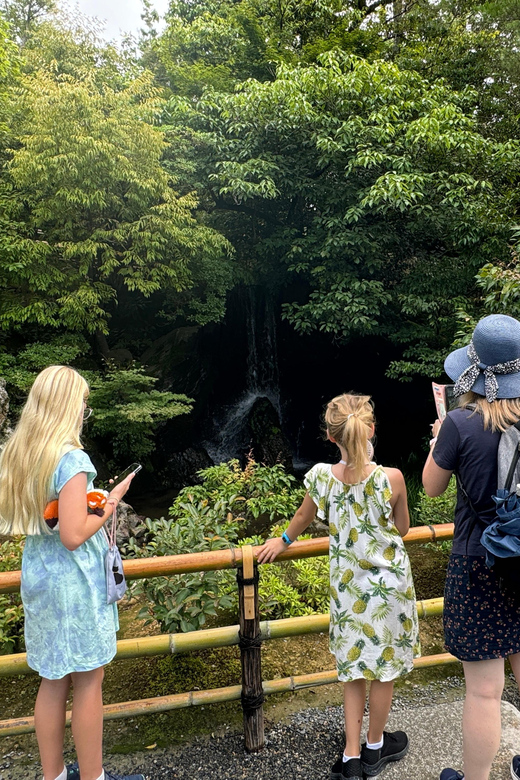
The tour is available in English and Japanese. You can choose a private or small-group format when offered, and the meeting point varies by booking.
The Kinkakuji visit lasts about 90 minutes. Some options extend the experience to as long as 210 minutes and include Ryoanji. Check the starting time through the available booking options, since times are not fixed in the information provided.
The starting points are listed as 総門 and やまざき庵. The possible drop-offs are 総門 and 龍安寺山門. Write down the Japanese name of your chosen meeting point, especially if you are using a taxi or asking for directions.
Admission to Kinkakuji is included. The guide fee is also included, but transportation is not listed as part of the package, so plan your route to and from the meeting point separately.
Bring questions. This is the kind of tour that rewards curiosity. Ask about the gold leaf, the pond design, the religious traditions, the temple’s maintenance, or the meaning of what you see. The best guides on this experience have been praised for sharing extra Kyoto advice, including restaurant suggestions.
Should you book it?
Book this Kinkakuji tour if you want the Golden Pavilion explained, not merely photographed. The guides have been praised for warmth, clear English, patience, and strong preparation, while the private and small-group choices can make a crowded sight feel more manageable.
At $64, it is most worthwhile for families, first-time visitors, culture lovers, and anyone choosing the longer route with Ryoanji. If you only need a quick photo and already know the temple’s background, the price may feel high.
My practical pick would be a small-group or private option at a time that avoids the busiest midday period, if available. Confirm whether Ryoanji is included, note the Japanese meeting point, and allow enough time for photographs. Do that, and this becomes a well-focused way to see one of Kyoto’s most dazzling sights without missing the meaning behind it.
FAQ
Where does the Kinkakuji tour take place?
The experience takes place at Kinkakuji, also called the Golden Pavilion, in Kyoto on Honshu, Japan. Some options also include Ryoanji.
How long does the experience last?
The listed duration ranges from 90 to 210 minutes. The Kinkakuji guided visit is about 1.5 hours, while longer options may include a 1.5-hour guided visit at Ryoanji.
Is admission to Kinkakuji included?
Yes. Admission to Kinkakuji, Golden Pavilion, and the guide fee are included.
What languages are available?
The live tour guide is available in English and Japanese.
Is this a private tour?
Private and small-group options are available. The exact group type depends on the option you book.
Where is the meeting point?
There are two possible starting locations listed: 総門 and やまざき庵. The meeting point may vary by booking option.
Can I cancel for a full refund?
Yes. You can cancel up to 24 hours in advance for a full refund.
Does the tour include Ryoanji?
Some route options include Ryoanji, but the selected duration and option determine this. Check the details before booking.
Just added in Kyoto
- The “Golden Route” and Ancient Japan by DIAMIR Erlebnisreisen – 14-Day Tour★ 2.0 · 2 reviews
- Japan: Castles & Cuisine by G Adventures – 6-Day Kyoto to Osaka Tour★ 4.5 · 4 reviews
- Cycle Japan by Explore! – 13-Day Kyoto to Tokyo Tour★ 4.7 · 12 reviews
- Cycle Japan by Intrepid Travel – 11-Day Kyoto to Tokyo Tour★ 4.8 · 2 reviews
- Classic Japan by Intrepid Travel – 11-Day Kyoto to Tokyo Tour★ 4.4 · 14 reviews
- Ancient & Modern Japan 14-Day Tour by Exodus Adventure Travels★ 4.4 · 40 reviews
- 5 Day Cultural Adventure of Kyoto, Nara & Osaka by Tourist Journey★ 2.5 · 2 reviews
- 12 Days Kinosaki Onsen Escape: A Journey Through Japan’s Timeless Towns by UME Travel★ 4.8 · 5 reviews
Guided, compared.
Tokyo 6hr Private Tour with Government-Licensed Guide
Read our review →
Shiraito Falls & Forest Cafe & Handmade Flower Salt Pudding & Grilled Seafood & Totoro Forest & Sakurai Futamigaura & Angel’s Wings & Coconut Tree Swing Day Tour (Departing from Hakata Station, with Mandarin, English, and Cantonese speaking guide)
Read our review →
Shinjuku Local Bar and Izakaya Guided Walking Tour
Read our review →
Private City Highlights Tour with Local Guide
Read our review →
Kyoto Early Morning Tour with English-Speaking Guide
Read our review →