
Reviewed · MARKETS AND FOOD HALLS
Nishiki Market Walking Food Tour with Local guide
Kyoto tastes better one small bite at a time. This three-hour walk links Daimaru’s food basement with Nishiki Market, giving you a guided look at local foods that are easy to miss on your own. I like the small group size, limited to six people, and the mix of food, temples, shops, and shrine time. You also get 5 to 8 local tastings, including possible wagashi, nikuman, sashimi, skewered wagyu, tempura, fried foods, and sake.
The main drawback is the pace. One low-rated experience found the schedule too strict and felt there was not enough time to enjoy each stop. Tastings can also change with shop availability and group preferences, so you should book this for guided discovery rather than a fixed menu.
In This Review
- Key points to know before booking
- Why this Kyoto food walk works
- Starting near Sanjo Karasuma at 10:00
- Rokkakudo Temple adds a quiet pause
- Daimaru Kyoto and the polished world of depachika
- Nishiki Market, Kyoto’s food corridor
- Food tastings and what you may actually eat
- The guides make the difference
- Ending at Nishiki Tenmangu Shrine
- Group size, pace, and practical comfort
- Who should book this food tour?
- Should you book the Nishiki Market food walk?
- FAQ
- How long does the Nishiki Market food tour last?
- What time does the tour begin?
- Where does the tour meet?
- Where does the tour end?
- How many food tastings are included?
- What foods might be included?
- Is the food suitable for all dietary needs?
- How large is the group?
- Is transportation included?
- Can I cancel for a refund?
Key points to know before booking
- Daimaru Kyoto’s depachika comes first: The department store basement offers a polished introduction to Kyoto sweets, sushi, fried foods, and seasonal specialties.
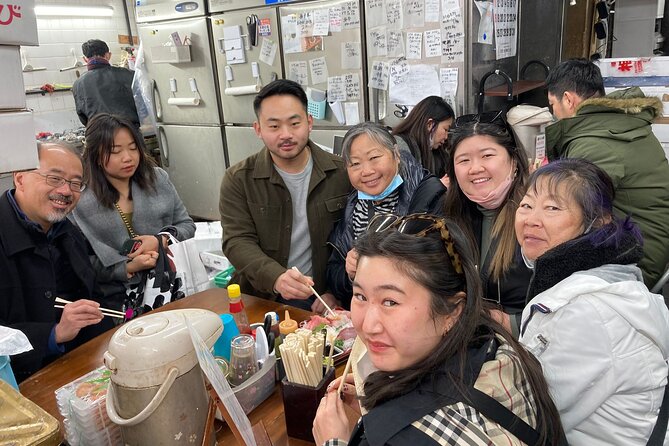
- Nishiki Market is the main event: You spend about an hour seeing the market’s many food stalls and trying several local bites.
- The group is capped at six: That makes it easier to ask questions and keep up in busy shopping areas.
- Your guide shapes the experience: Aoki and Yoriko received especially warm praise for being attentive, friendly, and helpful.
- Food choices can change: Possible tastings include bread, meat buns, wagashi, sashimi, skewered wagyu, and sake, but no exact menu is promised.
- The walk ends at a shrine: Nishiki Tenmangu Shrine gives the food-heavy morning a quiet finish.
Why this Kyoto food walk works
Kyoto has no shortage of places to eat. The problem is knowing what to order, which shops are worth your time, and how to understand foods that may look unfamiliar. This tour solves part of that problem by putting a local guide beside you.
You meet at 10:00 am outside Starbucks in the Kyoto Sanjo Karasuma Building. From there, the route moves through central Kyoto toward Daimaru Kyoto, Nishiki Market, and Nishiki Tenmangu Shrine. Rokkakudo Temple is also part of the experience, adding a calm cultural stop between food visits.
I like this arrangement because it avoids making the morning only about eating. You see how Kyoto food is presented in a department store, how it is sold in a traditional market, and how religious sites fit into the city center. In about three hours, you get several different views of everyday Kyoto.
The tour costs $79.07 per person. That is not cheap for a short walk, but the price includes lunch tastings of 5 to 8 local foods and a guide for a maximum of six people. The value is strongest if you want help choosing foods and intend to return to the shops later. If you already know Nishiki Market well and prefer to browse slowly, paying as you go may suit you better.
More Food Tours in Kyoto
- Kyoto Night Foodie Tour in Gion (9+ dishes + 6 Sake tastings)
★ 5.0 · 1,762 reviews - Kyoto: Gion Food Tour 13 Dishes at 4 Eateries
★ 5.0 · 408 reviews - Kyoto Foodie Night Tour
★ 5.0 · 376 reviews
Starting near Sanjo Karasuma at 10:00
The meeting point is Starbucks Coffee in the Kyoto Sanjo Karasuma Building, at 85-1 Mikuracho in Nakagyo Ward. It is near public transportation, which makes the start fairly practical, especially if you are staying in central Kyoto.
A mobile ticket is provided, and confirmation arrives when you book. Still, give yourself enough time to locate the building and the correct entrance. The meeting point is a recognizable commercial location, but central Kyoto streets can be confusing when you are watching traffic, signs, and your phone at the same time.
The morning start matters. You are not joining a late lunch crawl. The first part of the route takes you through shops and market areas before the day gets further along, and the food is treated as a tasting lunch rather than a full restaurant meal.
Rokkakudo Temple adds a quiet pause
Rokkakudo Temple is listed as one of the stops, offering a peaceful historical pause during the walk. The available details do not specify how long you stay there or whether the guide gives a formal temple talk, so you should think of it as a short cultural visit rather than a full temple tour.
That pause is useful. Food markets can become a blur of colors, smells, samples, and people. A quiet temple gives you a chance to reset and notice the contrast between Kyoto’s crowded commercial streets and its religious spaces.
I would not book this tour mainly for Rokkakudo Temple. Its value is in the balance it gives the route. If you want detailed Buddhist art or architectural commentary, you will need a separate temple visit.
Daimaru Kyoto and the polished world of depachika
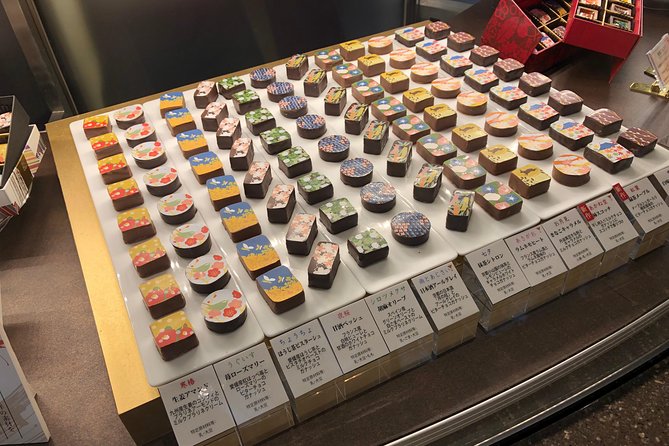
The first major food stop is Daimaru Kyoto. Its basement food floor, known in Japan as a depachika, is one of the most interesting parts of the tour for anyone who has not seen this style of food shopping.
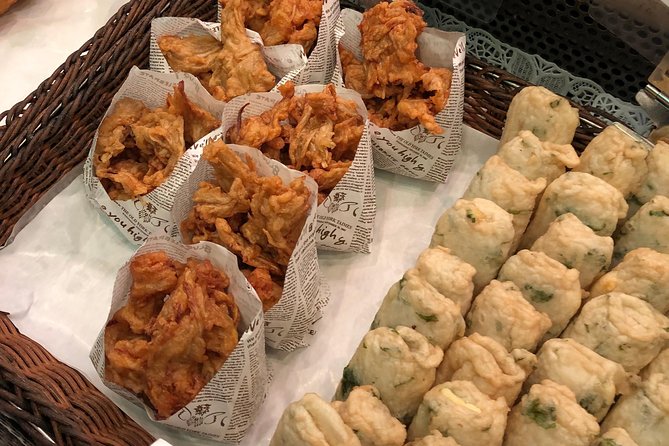
You can expect a wide selection of Kyoto delicacies, fresh sushi, carefully made sweets, seasonal items, tempura, and other fried foods. The setting is more polished than Nishiki Market, with food presented in neat displays and attractive packages.
Possible tastings at Daimaru include nikuman, or Japanese meat buns, and wagashi from a wagashi shop with centuries of tradition. The food floor may look like an ordinary department store basement at first, but it offers a useful lesson in Japanese food culture. Quality, presentation, season, and gifting all matter here.
I especially like this stop for first-time visitors. You can see foods that may be harder to identify at a market stall, while your guide explains what you are looking at and how it fits into local eating habits. It also gives you a chance to notice the difference between food prepared for quick eating and food prepared as a present.
The stop lasts about 30 minutes, and admission is free. That is enough time for a guided introduction, but not enough for a leisurely solo shopping trip. If you find something you want to buy, make a note of the shop and return later.
More Markets and Food Halls in Kyoto
- Nishiki Market Brunch Walking Tour (7 Tastings + Brunch)
★ 5.0 · 1,355 reviews - Kimono Tea Ceremony at Kyoto Maikoya, NISHIKI
★ 5.0 · 911 reviews - Kyoto Nishiki Market Food and Culture Walking Tour
★ 5.0 · 412 reviews - Kyoto: Nishiki Market Tea Ceremony with Koto Performance
★ 4.8 · 294 reviews
Nishiki Market, Kyoto’s food corridor
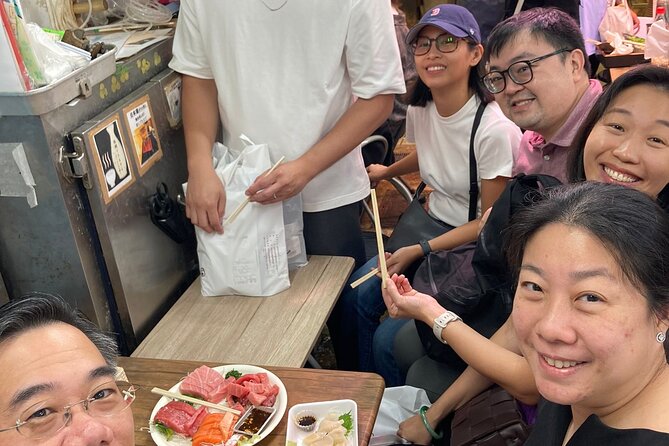
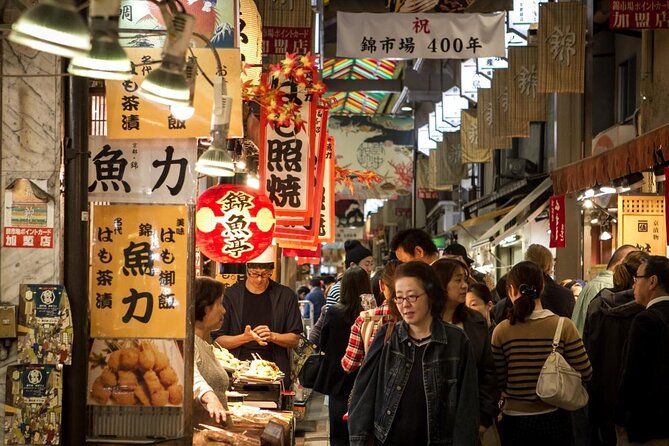
Nishiki Market is the heart of the walk. You spend about an hour in the Nishiki Market Shopping District, seeing many foods and sampling several local specialties.
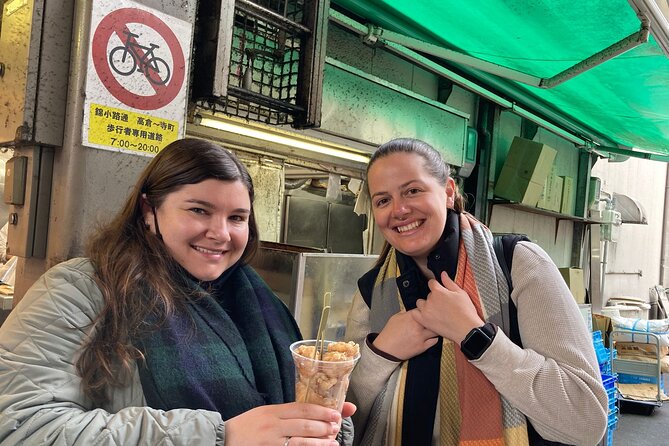
Possible tastings include rolled omelets, skewers, fresh sashimi, skewered wagyu beef, and sake. Other stops may include bread popular with local residents. The exact mix depends on shop availability and the preferences of the small group, so you should not arrive expecting every example listed above.
That uncertainty is both a strength and a weakness. It allows the guide to respond to what is available that day. It also means the food portion is not a fixed tasting menu with guaranteed dishes.
Nishiki is the kind of place where an independent visitor can easily walk past something special. A guide can point out recommended shops and explain what you are seeing before you decide what to taste. The tour also helps you avoid spending your limited Kyoto time on random choices.
You should keep your expectations realistic. An hour is enough to get an introduction, but not enough to explore every lane, shop, and food stall. The market can tempt you to stop constantly, yet the group still has to keep moving. One person who disliked the experience felt the schedule left too little time to enjoy the food. That is a fair warning for anyone who likes to eat slowly.
A good strategy is to treat the included tastings as a first look. If you discover a favorite shop, return after the tour or later in your Kyoto stay. The guide introduces places and foods, but the tour is not designed to give you unlimited time at each one.
Food tastings and what you may actually eat
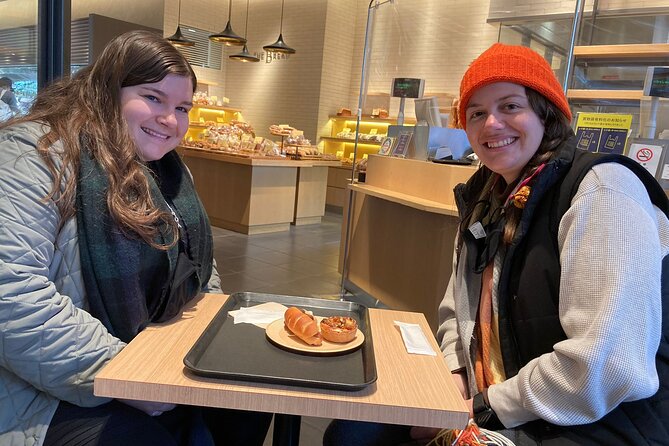
The tour includes lunch tastings of 5 to 8 local foods. That is a useful amount for a morning walk, especially if you want to continue sightseeing afterward. It is not a large sit-down meal, so you may still want another meal later in the day.
The possible foods cover several categories:
- Tempura and other fried foods at Daimaru
- Nikuman, or meat buns
- Wagashi, traditional Japanese sweets
- Rolled omelet
- Bread from a popular local shop
- Sashimi
- Skewered wagyu beef
- Sake
This range gives you more than one type of Kyoto flavor. You may try something sweet, something fried, something raw, and something grilled. The variety is more important than the size of any one portion.
The tour provider warns that food may include meat, seafood, wheat, and dairy. If you have an allergy or dietary restriction, contact the provider before reserving. Do not wait until the morning of the tour and assume substitutions will be possible.
Snacks beyond the included tastings are not covered. Bring money if you want to buy extra food from the shops the guide introduces. That can be one of the best uses of the tour, since you will have a local starting point instead of choosing at random.
The guides make the difference
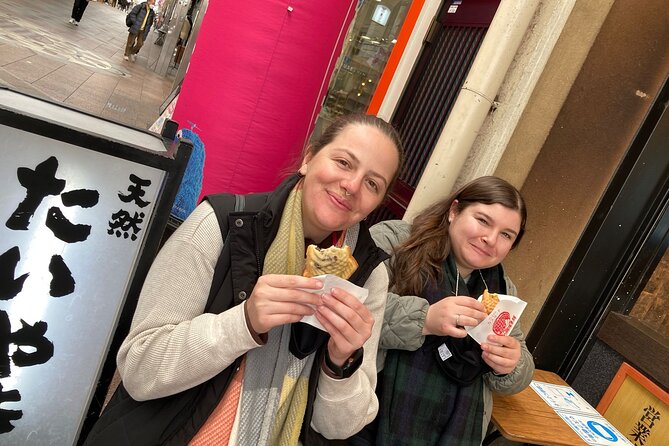
A food walk depends heavily on the guide. The best part of this experience appears to be the personal attention provided by guides such as Aoki and Yoriko.
Aoki was praised for being attentive, personable, and sweet while explaining Nishiki Market. Yoriko was praised for introducing many different shops and foods, including a sake tasting at a small shop. Those details matter because they suggest the tour is not only a series of purchases. The guide can help connect each bite to the place selling it.
Another guide, Andrea, was praised for humor, cultural information, and taking a group to places used by local people. That account also referred to Gion and the geisha district, so it may describe a different version or related food experience rather than this exact route. I would not book this tour expecting a Gion evening outing. The confirmed route here ends at Nishiki Tenmangu Shrine.
The guide can also make the tour more flexible. One particularly positive account praised a friendly guide who adjusted to the group’s needs. That is valuable in a group of six, where food preferences and walking speeds may vary.
At the same time, flexibility has limits. The tour lasts about three hours and must reach its final stop. If you want to linger at every stall, you may find the schedule restrictive.
Ending at Nishiki Tenmangu Shrine
The final stop is Nishiki Tenmangu Shrine at 537 Nakanocho in Nakagyo Ward. Ending here gives the walk a calmer finish after the market’s food stalls and shopping activity.
The shrine is not presented as a long guided visit, so expect a brief closing stop rather than a full religious tour. It is a good place to pause, reflect on the morning, and decide which foods or shops you want to revisit.
This ending also leaves you in a useful central area. Since the tour does not return you to the starting point, plan your next activity from Nishiki Tenmangu Shrine. Your mobile map can help you continue independently.
Group size, pace, and practical comfort
The maximum group size is six people. That is a real advantage in a market setting. A smaller group is easier to keep together, and you have a better chance to ask the guide why a particular food matters or how it is normally eaten.
Most people can participate, and the meeting point is near public transportation. The available information does not provide a detailed walking-distance figure, step count, or seating arrangements. You should therefore expect a walking tour with standing and time spent in food shops and market areas.
The tour requires good weather. If poor weather cancels it, you are offered another date or a full refund. For a full refund after booking, cancel at least 24 hours before the 10:00 am start. Changes or cancellations inside that window are not accepted.
Because the food selection can change, this experience suits people who enjoy a little uncertainty. If you need a precise menu, guaranteed substitutions, or a long seated meal, it may not be the right choice.
Who should book this food tour?
I would recommend it to you if you are visiting Kyoto for the first time and want a guided introduction to central Kyoto food. It is also a good choice if you are curious about depachika food floors, unsure what to order at Nishiki Market, or interested in trying several small portions instead of committing to one large meal.
The tour suits solo visitors and couples who want company, as well as small groups that prefer a guide without joining a large crowd. The six-person limit is particularly helpful for questions and food decisions.
Families may also find the variety useful, but the food restrictions deserve careful attention. Meat, seafood, wheat, and dairy may appear in the tastings, and accommodations should be discussed before booking.
I would hesitate if your main goal is a slow market wander. The one-hour Nishiki visit and three-hour total schedule keep the route moving. You also need to accept that the tastings vary and that extra snacks cost more.
Should you book the Nishiki Market food walk?
Book it if you want a well-organized first taste of Kyoto, with a guide pointing out foods you might otherwise miss. The strongest reasons are the small group, the mix of Daimaru and Nishiki Market, the 5 to 8 included tastings, and the personal help offered by guides such as Aoki and Yoriko.
Skip it if you already know Nishiki Market, want a fixed menu, or prefer to set your own pace. At $79.07, the tour earns its price through guidance and variety, not through a large quantity of food.
For most first-time Kyoto visitors who want food context without spending a full day on a culinary tour, I think it is a sensible booking. Go in ready to sample, listen, and remember the shops you want to revisit.
FAQ
How long does the Nishiki Market food tour last?
The experience lasts approximately three hours.
What time does the tour begin?
The tour starts at 10:00 am.
Where does the tour meet?
The meeting point is Starbucks Coffee in the Kyoto Sanjo Karasuma Building, at 85-1 Mikuracho, Nakagyo Ward, Kyoto.
Where does the tour end?
The tour ends at Nishiki Tenmangu Shrine, at 537 Nakanocho, Nakagyo Ward, Kyoto.
How many food tastings are included?
Lunch tastings include 5 to 8 local foods.
What foods might be included?
Possible tastings include tempura, fried foods, nikuman, wagashi, bread, rolled omelet, sashimi, skewered wagyu beef, and sake. Items can vary according to availability and group preferences.
Is the food suitable for all dietary needs?
The food may contain meat, seafood, wheat, and dairy. Contact the provider before booking if you have allergies or dietary restrictions.
How large is the group?
The tour has a maximum of six participants.
Is transportation included?
No transportation is listed as included. The meeting point is near public transportation, and the experience is a walking tour.
Can I cancel for a refund?
Yes. You can cancel at least 24 hours before the start time for a full refund. Cancellations or changes made less than 24 hours before the start are not accepted. If poor weather causes the tour to be canceled, you are offered another date or a full refund.
More Walking Tours in Kyoto
- Kyoto Geisha Walking Tour: Gion District & Hidden Gems
★ 4.7 · 3,273 reviews - Kyoto: Gion Magical Night Walking Tour with Geisha Trivia
★ 4.9 · 2,393 reviews - Kyoto: Gion Geisha District Walking Tour – Stories of Geisha
★ 4.7 · 2,187 reviews - Night Walk in Gion: Kyoto’s Geisha District
★ 4.5 · 2,003 reviews
Just added in Kyoto
- The “Golden Route” and Ancient Japan by DIAMIR Erlebnisreisen – 14-Day Tour★ 2.0 · 2 reviews
- Japan: Castles & Cuisine by G Adventures – 6-Day Kyoto to Osaka Tour★ 4.5 · 4 reviews
- Cycle Japan by Explore! – 13-Day Kyoto to Tokyo Tour★ 4.7 · 12 reviews
- Cycle Japan by Intrepid Travel – 11-Day Kyoto to Tokyo Tour★ 4.8 · 2 reviews
- Classic Japan by Intrepid Travel – 11-Day Kyoto to Tokyo Tour★ 4.4 · 14 reviews
- Ancient & Modern Japan 14-Day Tour by Exodus Adventure Travels★ 4.4 · 40 reviews
- 5 Day Cultural Adventure of Kyoto, Nara & Osaka by Tourist Journey★ 2.5 · 2 reviews
- 12 Days Kinosaki Onsen Escape: A Journey Through Japan’s Timeless Towns by UME Travel★ 4.8 · 5 reviews
Markets and Food Halls, compared.
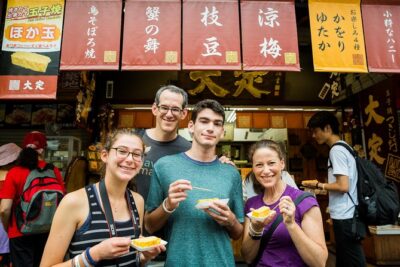
Tokyo Tsukiji Fish Market Food and Culture Walking Tour
Read our review →
Senkyaku Banrai Toyosu Manyo Club Onsen Experience in Tokyo
Read our review →
Nishiki Market Brunch Walking Tour (7 Tastings + Brunch)
Read our review →
Tokyo Sushi Making Class in Tsukiji with Professional Chef
Read our review →
Tsukiji Fish Market Guided Tour and Sushi Making with Pro Chef
Read our review →Browse the lists this tour appears in