
Reviewed · TEA CEREMONIES
Privately visit local home for relax tea ceremony &music, Tokyo
Tea tastes better when the rules relax. This private visit to Noriko’s home near Tokyo gives you hands-on matcha making and a live koto performance, all in an informal setting where questions are welcome. I especially like the personal scale and the chance to play the koto yourself. The main consideration is the location: you leave central Tokyo for Shin-Urayasu in Chiba, though the trip takes about 20 minutes from Tokyo Station.
I also like the optional yukata dressing and photo session, which adds a visual memory to the tea and music. At $81 per person, the price is fair for a private two-hour visit, but it will appeal most to you if conversation and personal attention matter more than a formal, highly polished ceremony.
In This Review
- Key points at a glance
- Why this home visit feels different from a formal tea ceremony
- Meeting Noriko at Shin-Urayasu Station
- The first bowl of matcha sets the tone
- Making your own second bowl of matcha
- Hearing the koto, then trying it yourself
- Adding the 3,500-yen yukata experience
- Is $81 a fair price for two hours?
- Who should book this experience?
- Timing, comfort, and practical planning
- Should you book the tea, music, and yukata visit?
- FAQ
- Where does the experience begin?
- How far is the home from the station?
- How long does the experience last?
- Is this a private activity?
- What happens during the tea ceremony?
- Do I get to play the koto?
- How much does the yukata option cost?
- Can I cancel for a full refund?
Key points at a glance
- A private visit inside a Japanese home: Only your group participates, giving you time to ask Noriko direct questions about tea, music, history, and everyday Japanese culture.
- You prepare your own second bowl of matcha: Noriko makes the first bowl, then guides you through the process step by step.
- Two live koto pieces plus hands-on playing: You hear the instrument performed and then try to make a melody yourself.
- Three small sweets accompany the tea: You receive two small sweets and one seasonal sweet during the ceremony.
- Optional yukata for 3,500 yen: The cotton kimono includes dressing and photos, with a simple hairstyle for women.
- Easy final connection from Tokyo Station: Meet at Shin-Urayasu Station, about 20 minutes from Tokyo Station, then walk four minutes to the home.
Why this home visit feels different from a formal tea ceremony
A formal tea ceremony can be beautiful, but it can also leave you worrying about where to kneel, how to turn the bowl, or which movement comes next. This experience takes a softer approach. Noriko explains the background, prepares the first matcha, and lets you take part without demanding perfect form.
That difference matters. You can focus on the taste, the tools, the sweets, and the conversation instead of trying to pass a test in etiquette. If you have never had matcha before, this is a gentle introduction. If you already know something about Japanese tea, the private format gives you room to ask more specific questions.
Noriko is the host, guide, performer, and teacher. That creates a more personal visit than a large cultural demonstration. A particularly strong part of the experience is the range of subjects she can discuss, including tea, music, history, and questions about Japan. I would come prepared with a few questions, because this is where the private format earns its keep.
The tradeoff is that the setting is a private home, not a grand tea house or historic temple. You should book this for contact and participation, not for elaborate architecture or a formal ceremony performed by a large staff.
More Tea Ceremonies in Tokyo
- Matcha Making Class in Tokyo with Authentic Japanese Sweets Set
★ 5.0 · 744 reviews - Tokyo: Traditional Tea Ceremony with a Tea Master
★ 5.0 · 528 reviews - Tokyo: Matcha Making Experience with Mochi Sweets in Asakusa
★ 4.9 · 388 reviews
Meeting Noriko at Shin-Urayasu Station
You meet Noriko at Shin-Urayasu Station, identified as JE08, at 1 Chome-1 Irifune, Urayasu, Chiba 279-0012. From there, you walk together for about three minutes to her home. The directions describe the home as roughly four minutes from the nearest station, so the walk is short and manageable.
The connection from Tokyo Station is one of the practical advantages. At about 20 minutes, Shin-Urayasu is close enough for a half-day cultural stop without taking over your entire Tokyo schedule. Still, allow enough time to reach the station. The meeting point is outside central Tokyo, so this is not a stop you can casually add between nearby sights in Ginza or Asakusa.
The activity ends back at the meeting point. That makes the return simple, especially if you are planning another stop in the Tokyo area afterward. You will not need to arrange a separate ride from an unfamiliar neighborhood.
A mobile ticket is available, and confirmation arrives at booking. The activity is private, so only your own group takes part. That is useful for couples, families, and friends who want to ask questions freely, though a solo visitor may find the per-person price less attractive.
The first bowl of matcha sets the tone
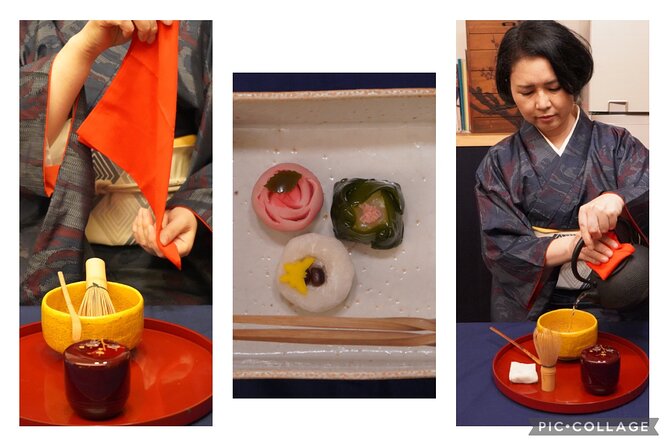
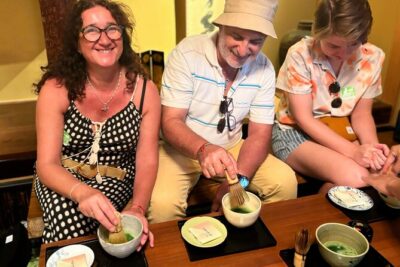
Once you reach the home, the experience begins with a relaxed tea ceremony. Noriko first gives you a little context about the ceremony and its background. She then prepares the first bowl of matcha for you.
The value here is not simply drinking green tea. Noriko connects the preparation with the customs around it, giving you a way to understand what you are seeing. The relaxed format also means you can ask about the tea as it is being made rather than waiting for a scripted explanation to end.
You receive two small sweets and one seasonal sweet with the tea. These are important companions to matcha, whose flavor can be strong and bitter if you are not used to it. The sweets provide a useful contrast and make the tasting feel like a small seasonal ritual rather than a plain beverage demonstration.
Do not expect a large meal. The sweets are small, and the activity is cultural rather than culinary. If you need lunch or a substantial snack, plan that separately.
Making your own second bowl of matcha
The most useful hands-on moment comes next. After showing you how she prepares the first bowl, Noriko guides you through making your own second bowl. She explains each step, so you do not need previous experience.
I like this order. You first watch the process, then repeat it while the details are fresh. You can feel the difference between hearing about matcha and handling the preparation yourself. Even if your technique is not elegant, the point is participation, not a perfect performance.
This is also where the informal setting helps. A private teacher can adjust the pace to your group and respond to your questions. You are not trying to catch instructions from the back of a crowded room, and you are less likely to feel self-conscious if the whisking or serving feels unfamiliar.
The tea segment is only one part of a two-hour experience, so you should expect an introduction rather than an intensive lesson in every school of tea ceremony. If your main goal is formal etiquette, this may feel too casual. If your goal is to understand the basic idea and make matcha yourself, it offers better value.
A completely different kind of day out:
- Tokyo Disney Resort – Tokyo Disneyland & Tokyo DisneySea Park Tickets
★ 4.8 · 99,488 reviews - SHIBUYA SKY Ticket
★ 4.7 · 46,509 reviews - JR Whole Japan Rail Pass
★ 4.8 · 29,150 reviews - Mt Fuji and Hakone 1-Day Bus Tour Return by Bullet Train
★ 5.0 · 26,383 reviews
Hearing the koto, then trying it yourself
The next part introduces the koto, a traditional Japanese string instrument. Noriko performs two pieces for you before handing over the experience and letting you try it.
Live music changes the pace nicely. After the quiet focus of tea preparation, you get to listen without needing to do anything. The performance also gives you a better sense of the instrument before you attempt it. You may be surprised by how quickly you can produce a melody, although the experience does not promise a full music lesson.
The chance to play is what makes this more than a short concert. You get a direct feel for the instrument and can see how the sound is made. For families, this hands-on section may be the part children remember best. For adults, it breaks down the distance between watching a traditional art and taking part in it.
Music is also one reason this activity works well for people who have already seen a tea ceremony elsewhere. The visit is not limited to one cultural practice. Noriko’s performance and instruction add another doorway into Japanese culture without requiring you to travel to a second venue.
The exact pieces and playing time are not specified, so you should view this as a welcome introduction rather than a concert-length performance or a technical koto workshop.
Adding the 3,500-yen yukata experience
You can add a cotton kimono, or yukata, for 3,500 yen. Request this option when you book. The additional charge can be paid in cash, by card, or through PayPal.
The dressing time differs by guest. It takes about 10 minutes for a man. For a woman, it takes about 20 to 30 minutes, including choosing the yukata, and a simple hairstyle is also provided. The extra time extends the visit, so do not plan your next appointment too tightly.
Noriko helps you take photos afterward. This is a good add-on if you want a clear visual memory of the visit or are marking a special occasion. It also gives the experience a more complete shape: tea, music, traditional clothing, and photographs in the same home setting.
The yukata is not included in the $81 price, so consider the total cost before booking. I would add it for a first visit to Japan, a couple’s outing, or a family photo opportunity. If you mainly want matcha and music, the base experience is likely enough.
Because the dressing time varies, be clear about the option when you make your reservation. Adding it at the last moment may not work.
Is $81 a fair price for two hours?
At $81 per person, this is not the cheapest way to drink tea in Tokyo. You are paying for a private visit, a guided activity, live music, your own chance to play the koto, sweets, and direct time with Noriko. That package makes the cost easier to justify than a simple café stop or a short public demonstration.
The strongest value comes from privacy. Your group can ask questions about Japanese culture without competing with other people for the host’s attention. You also avoid the pressure of a large class, where the experience may move at one fixed speed.
Group discounts are available, which may improve the price for families or friends booking together. The information provided does not state the discount amount, so check the final price before you commit. The optional yukata costs extra, and that should be treated as a separate purchase rather than part of the base value.
I would rate the price as reasonable for a small private cultural lesson, especially if you take part in both the matcha preparation and koto playing. It is less compelling if you only want to watch. The experience rewards curiosity and participation.
Who should book this experience?
I would recommend it most strongly to you if you want a calm, personal introduction to Japanese culture. It suits first-time visitors who want more explanation than a photo stop can provide, and it gives repeat visitors a different side of Japan beyond temples, museums, and major neighborhoods.
Families may appreciate the variety. Children can watch the tea, prepare their own bowl with help, hear music, and try the koto. Couples can add the yukata and photos. Solo visitors can benefit from the private conversation, though the price per person deserves closer thought.
This is also a good choice if you have questions about Japan that do not fit neatly into a standard tour. The private setting encourages conversation, and Noriko has been praised for going well beyond the planned activities to discuss tea, music, history, and Japanese culture.
I would hesitate only if you want a large-scale stage performance, a meal, a formal religious ceremony, or a full kimono experience. The clothing option is a yukata, a casual cotton garment, and the visit takes place in a home.
Timing, comfort, and practical planning
The main activity lasts about two hours. Add extra time if you choose the yukata, especially if you are a woman selecting clothing and receiving the hairstyle. The activity is near public transportation and begins and ends at Shin-Urayasu Station.
Service animals are allowed. The activity is private, and only your group participates. No other accessibility details are provided, so if you have specific mobility or access needs, ask before booking rather than assuming the home setup will meet them.
Free cancellation is available if you cancel at least 24 hours before the local start time. Cancellations or changes made less than 24 hours before the start are not accepted for a refund. That rule is simple, but keep the local time cutoff in mind when changing plans.
Should you book the tea, music, and yukata visit?
Book it if you want personal contact, gentle instruction, and several cultural activities in one visit. Noriko’s warm approach is the heart of the experience, and the combination of matcha, sweets, koto music, and optional yukata gives you more to do than a standard tea demonstration.
Skip it if your schedule is packed with central Tokyo sights or if you want a formal ceremony with strict rules and ceremonial grandeur. The trip to Shin-Urayasu is easy, but it still takes you outside the city center.
For most curious visitors, I see this as a strong two-hour choice. The private home setting makes questions easy, the second bowl of matcha gives you real participation, and the koto session adds a pleasant surprise. Add the yukata when photos and traditional dress are part of your goal. Otherwise, the base visit offers the better balance of cost and content.
FAQ
Where does the experience begin?
You meet Noriko at Shin-Urayasu Station, JE08, at 1 Chome-1 Irifune, Urayasu, Chiba 279-0012, Japan.
How far is the home from the station?
Noriko walks with you from Shin-Urayasu Station to her home. The walk takes about three to four minutes.
How long does the experience last?
The main experience lasts approximately two hours. Choosing the yukata option extends the total time.
Is this a private activity?
Yes. Only your group participates in the activity.
What happens during the tea ceremony?
Noriko explains some of the ceremony’s history, prepares the first bowl of matcha, and guides you as you make the second bowl yourself. Two small sweets and one seasonal sweet are served with the tea.
Do I get to play the koto?
Yes. Noriko performs two pieces on the koto, then gives you a chance to try playing it yourself.
How much does the yukata option cost?
The optional yukata experience costs 3,500 yen. Payment is accepted in cash, by card, or through PayPal.
Can I cancel for a full refund?
Yes, if you cancel at least 24 hours before the experience start time. Cancellations or changes made less than 24 hours in advance are not accepted for a refund.
Just added in Tokyo
- Manga Lesson with a Professional Japanese Manga Artist in Nakano★ 5.0 · 77 reviews
- Making a bento box with cute character look in Japan★ 5.0 · 15 reviews
- Tokyo/Ikebukuro Manga drawing workshop by pro-Manga artists★ 5.0 · 65 reviews
- Luxury Tokyo Sake, Cocktail, Whisky and Pairing Tour★ 5.0 · 18 reviews
- Tokyo Ueno Food & Nature & Localtown Tour: 10Dishes+ Drinks★ 5.0 · 34 reviews
- Make Your Own Bonsai with a Professional Bonsai Artist in Tokyo★ 4.5 · 18 reviews
- Make Traditional Nerikiri Sweets & Matcha experience in Shibuya★ 5.0 · 130 reviews
- Daikoku Parking Tokyo Drift & APIT Car Meet JDM Culture Tour★ 5.0 · 79 reviews
Tea Ceremonies, compared.
Tea Ceremony in a Traditional Tea House in Kiyomizu
Read our review →
World Heritage Kyoto & Nara Uji Authentic Matcha Experience
Read our review →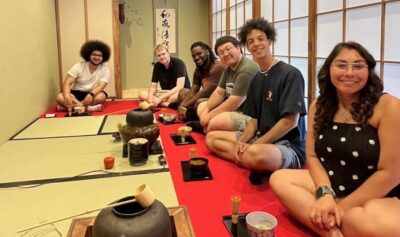
Browse the lists this tour appears in