
Reviewed · MARKETS AND FOOD HALLS
Tokyo Tsukiji Fish Market Food and Walking Tour
Come hungry, leave full of Tokyo stories. This two-hour walk combines the calm of Tsukiji Hongwanji Temple with the noise, smells, and sharp-eyed shopping of Tsukiji’s seafood district. I like the small maximum of 10 people, and I like that guides such as Yayoi, Shino, Jim, and Nao have been praised for food advice and local context. One important catch: food and drinks are not included, so your tasting budget is separate.
The tour costs about $21.14 per person, which is a fair price for a short orientation in one of Tokyo’s most famous food areas. I especially like the practical vendor tips, since Tsukiji can feel like a maze of tiny shops. The main limitation is that the exact amount of food you taste depends on what you buy, and one account found only a few small samples rather than a full food tour.
In This Review
- Key points at a glance
- Why Tsukiji is still worth your morning
- Meeting at Tsukiji Station
- A quiet beginning at Tsukiji Hongwanji Temple
- Tsukiji Fish Market and its 80-year story
- Tsukiji Jogai Market: the main food stop
- What the guides add
- How much food should you expect?
- Value at $21.14 per person
- Timing, comfort, and practical planning
- Who should book this Tsukiji walk?
- Should you book it?
- FAQ
- How long does the Tokyo Tsukiji Fish Market Food and Walking Tour last?
- What places does the tour visit?
- Is food included in the tour price?
- How large is the tour group?
- Where does the tour start and finish?
- Are admission fees included?
- Is cancellation free?
Key points at a glance
- Start with a 400-year-old temple: Tsukiji Hongwanji gives the market visit a useful cultural opening rather than sending you straight to the food stalls.
- See the modern Tsukiji district: The guide explains the market’s 80-year role as one of Japan’s major fish markets and the changes that followed its relocation.
- Spend most of the time around 400 shops: Tsukiji Jogai Market is the main eating and browsing stop, with tuna, seafood, sweets, snacks, and other Japanese specialties.
- Keep your group small: A cap of 10 makes it easier to hear explanations and ask where to eat.
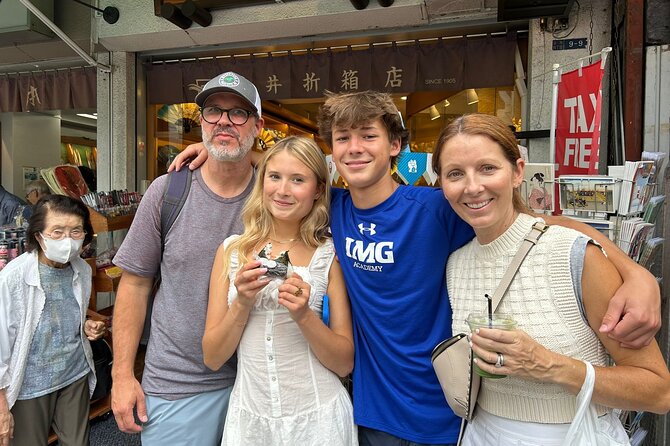
- Plan to pay for tastings: Food and drinks are excluded, even though several participants bought or sampled sushi, oysters, eel, wagyu beef, tamagoyaki, and sweets.
- Get photos without posing for a fee: Digital photos taken during the tour are included.
Why Tsukiji is still worth your morning
Tsukiji is no longer the home of Tokyo’s wholesale fish auction. That part of the operation moved away, but the outer market remains a busy food district with hundreds of shops and vendors. The tour focuses on the public-facing area, where you can browse, eat, ask questions, and watch the daily trade of seafood and prepared food.
That distinction matters. You should not book this expecting to enter a working wholesale auction or see the old market exactly as it appeared decades ago. You are coming for Tsukiji’s current food streets, local customs, history, and the chance to find good stalls without spending your first hour guessing.
I see the tour as an introduction rather than a full meal. At roughly two hours, it gives you a useful map of the district and leaves time to stay on your own. A few accounts describe the walk as closer to 90 minutes, so the pace and finish may vary. Either way, it is short enough to fit neatly into a morning in central Tokyo.
More Markets and Food Halls in Tokyo
- Tokyo Tsukiji Fish Market Food and Culture Walking Tour
★ 5.0 · 3,184 reviews - Tokyo: Tsukiji Fish Market Food and Walking tour
★ 5.0 · 1,724 reviews - Senkyaku Banrai Toyosu Manyo Club Onsen Experience in Tokyo
★ 4.7 · 1,690 reviews
Meeting at Tsukiji Station
The meeting point is the Starbucks Coffee by Tsukiji Station, at 2-chome 12-8, Daiko Building 1F, Tsukiji, Chuo City, Tokyo 104-0045. This is practical for a first visit because the tour begins near public transportation and returns to the same meeting point.
I would arrive early enough to identify the café and find the guide before the group moves. The small group limit should help, but markets are not quiet places, and a late arrival could be awkward. Bring a phone with the mobile ticket ready, since confirmation is provided at booking and the experience uses a mobile ticket.
The starting point also makes the tour easy to pair with the rest of your day. You can begin in the morning, eat as you go, and then continue exploring Tokyo after the walk. Since the route ends where it starts, you do not need to plan a separate pickup or figure out an unfamiliar drop-off point.
A quiet beginning at Tsukiji Hongwanji Temple
The first stop lasts about 15 minutes at Tsukiji Hongwanji Temple. The guide introduces its long history, customs, and practices before taking you into the market.
This is a smart opening. The temple gives you a calmer place to learn about local religious customs before the food streets take over your attention. One account specifically appreciated the temple’s Indian-style architecture, which adds an unusual visual note to a Tsukiji visit.
Do not expect a long temple tour. Fifteen minutes is enough for an explanation and a look around, but not enough for a detailed architectural study. Still, this brief stop gives the day more shape. You are not simply moving from snack to snack. You get a little context for the relationship between food, tradition, and daily life in Japan.
I also like the contrast. The temple is a place for quiet observation, while the market requires you to watch your footing, notice shop displays, and keep track of the group. That change comes quickly, and it helps make the walk feel like a tour of a neighborhood rather than a single attraction.
Tsukiji Fish Market and its 80-year story
The second stop is Tsukiji Fish Market, with about 50 minutes devoted to the district’s story and main points. The guide explains Tsukiji’s 80-year history as one of the largest fish markets in Japan and the world.
This portion is valuable if you want to understand why the name Tsukiji still carries such weight. The market’s identity did not vanish when the wholesale operation moved. The public market continues to draw people for seafood, cooking items, snacks, and the atmosphere of a long-running food quarter.
The walk is not presented as a museum visit. You will be outside, moving through a working commercial area, and stopping at notable points. That makes the guide’s explanation especially useful. A first-time visitor can easily mistake a famous name for a single building or a clearly marked attraction. Here, the guide helps connect the district’s past with what you see in front of you.
Guides have been praised for explaining tuna cuts, wagyu types, Japanese customs, and the role of food in Shinto practice. Jim, in particular, was appreciated for tying the market to Japanese culture, while Shingo was singled out for explaining food details. Those comments suggest that the best part of the tour is not just pointing out stalls. It is giving you enough information to make better choices once you are on your own.
More Walking Tours in Tokyo
- Tokyo: Imperial Palace and Shogun Historical Walking Tour
★ 5.0 · 2,251 reviews - Tokyo: Shinjuku Local Bar and Izakaya Guided Walking Tour
★ 4.9 · 1,794 reviews - Tokyo: Asakusa Walking Tour with Sensoji Temple Visit
★ 4.8 · 1,583 reviews - Tokyo: Tsukiji Fish Market Guided Walking Tour
★ 4.9 · 1,397 reviews
Tsukiji Jogai Market: the main food stop
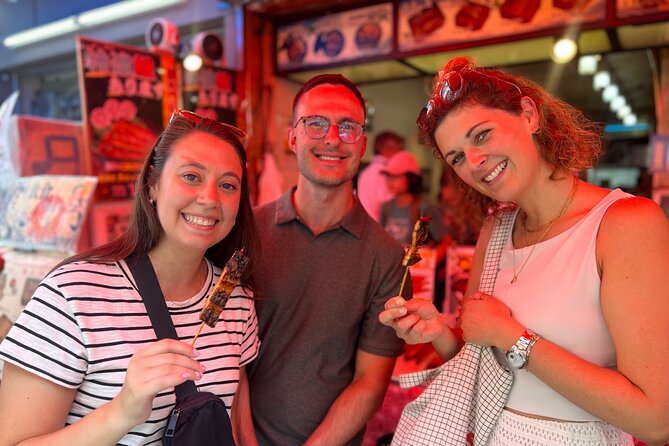
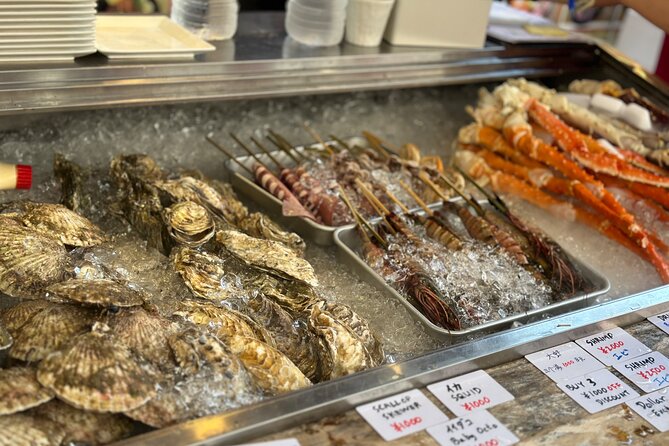
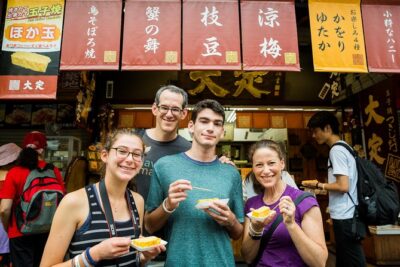
The final and longest section lasts about 50 minutes in Tsukiji Jogai Market. This area has around 400 street shops and vendors selling seafood, tuna, prepared foods, snacks, and other products.
This is where the tour earns its price, provided you want help choosing what to eat. The guide can lead you toward stalls with good value and away from places that feel aimed only at first-time sightseers. Nao, Yota, Yayoi, and other guides received strong praise for explaining produce, customs, and places to eat.
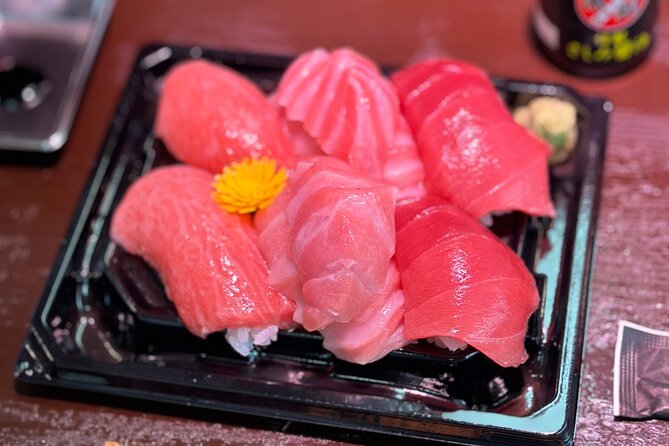
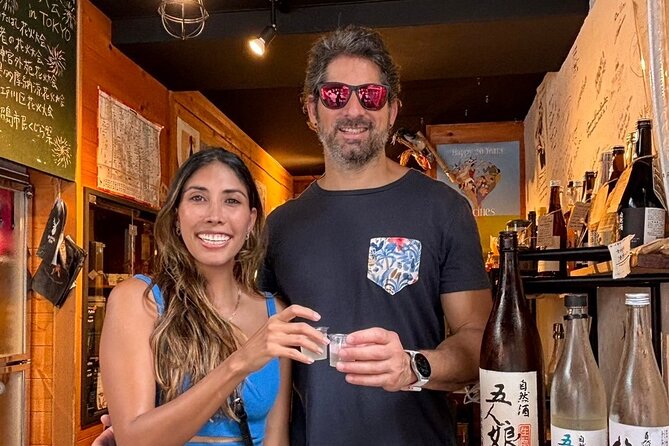
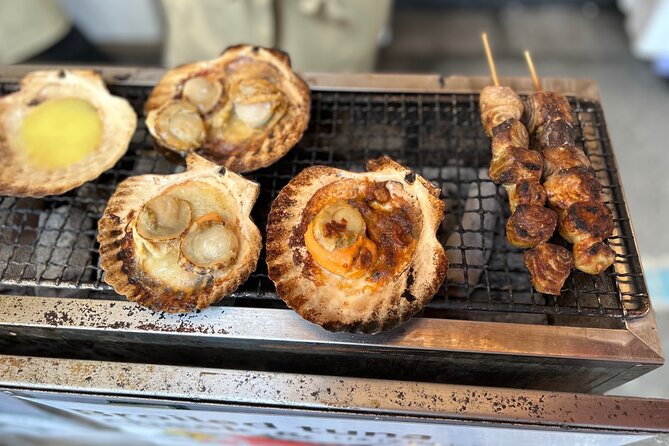
The possible food choices are broad. Accounts describe sushi, oysters, Japanese rolled omelet, eel, whiskey, wagyu beef, nuts, seaweed snacks, scallops, and sweets. You might discover foods you would never have ordered alone, which is one of the best reasons to use a guide in Tsukiji.
But keep the payment arrangement clear. Food and drinks are not included in the tour price. Some outings appear to include small tastings or samples arranged at stalls, while other accounts describe buying food directly. One person expected more included samples and felt the experience was closer to a guided walk with suggestions. I would book it expecting guidance, not an included tasting menu.
That approach gives you more control. You can spend only on the foods that interest you, avoid ingredients you dislike, and continue buying after the official walk ends. If you want a large meal, you should plan to purchase it separately. If you skip breakfast, as several people recommended, the market can easily become your main morning meal.
What the guides add
The guide is the difference between a pleasant stroll and a useful introduction. The strongest feedback centers on clear explanations, friendly personalities, and practical advice about vendors.
Yayoi was praised for finding many foods that participants would not have discovered alone. Shino was appreciated for being thoughtful about group needs. Jim brought years of life in Japan into his explanations of etiquette and customs. Nao was praised for his knowledge of both culture and food, and Yota was described as easy to understand.
Those names do not guarantee which guide you will receive, but they show the range of the guiding style. You can expect the tour to be shaped by the person leading it. One guide may focus more on history, another on food, and another on practical shopping advice.
The group size helps here. With no more than 10 people, you have a better chance of asking about a particular fish, ingredient, or shop. The exception is a day when staffing problems cause groups to combine. One account described a guide handling a much larger group after a partner arrived late. The guide still managed the situation well, but a larger group would reduce the personal feel.
How much food should you expect?
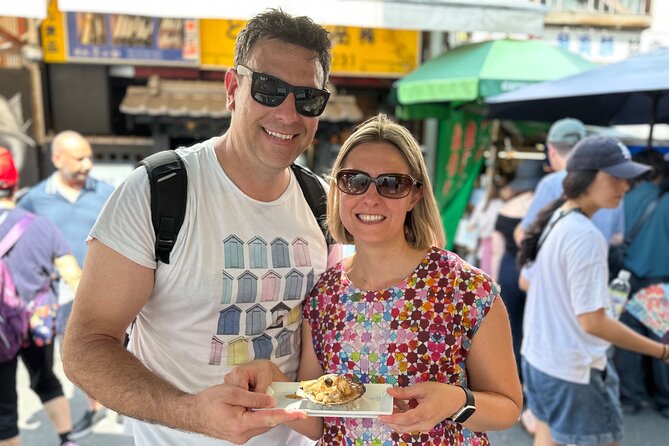
The honest answer is: plan for possibilities, not guarantees. The official price excludes food and drinks, while the accounts describe everything from small samples to a generous parade of purchases.
Some people sampled enough food to skip dinner. Others found only modest samples and felt they could have taken a free walk and made their own purchases. Both experiences can fit the same tour because the market offers food for purchase, but the amount you eat depends on the guide’s route, stall availability, and your own spending.
I would bring enough money for several small purchases and treat the included guiding as the core product. Sushi, tuna, oysters, grilled seafood, tamagoyaki, eel, wagyu, and sweets can add up quickly. You do not need to buy everything. A good strategy is to ask the guide which one or two foods best represent the market, then save room for something you spot later.
One useful tip came from a participant who suggested buying food near the back of the market and renting a grill on top of the market for a different kind of meal. The guide may not cover that option, so ask if it interests you. It is a reminder that the official two-hour route is only an introduction to a much larger food district.
Value at $21.14 per person
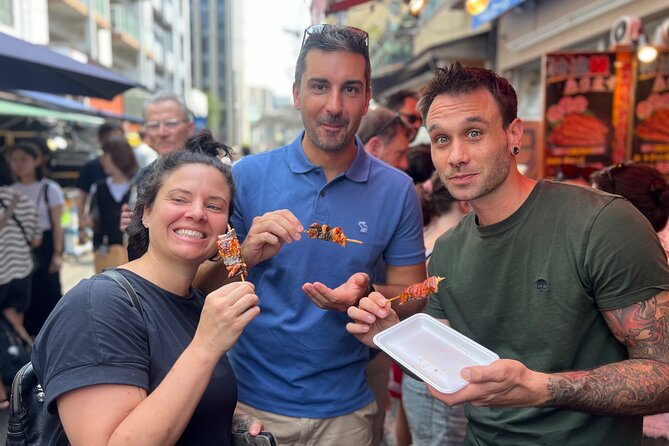
At about $21.14, the tour is inexpensive for a guided small-group walk in Tokyo. The price includes the professional guide, historical explanations, access to Tsukiji Fish Market, Tsukiji Jogai Market, Hongwanji Temple, and digital photos.
The value is strongest for first-time visitors who want a quick orientation. You are paying to avoid guesswork, learn which customs matter, and get recommendations before spending your own money. The small group also gives the experience more personal value than a large coach-style tour.
The value is weaker if you already know Tsukiji well or want a guaranteed full meal. Since food is extra, your final cost depends on what you buy. If you want a structured tasting menu with all dishes included, this is not that kind of tour.
I would also remember that a 4.9 rating from 107 ratings and a 98 percent recommendation rate indicate a strong record, but they do not remove the food-inclusion question. Go in with the right expectation and the price looks sensible. Expect a complete breakfast and you may feel shortchanged.
Timing, comfort, and practical planning
The route lasts approximately two hours, though some accounts describe a shorter 90-minute version. It is a morning-friendly activity, especially if you want the afternoon for other parts of Tokyo.
Most people can participate, and the meeting point is close to public transportation. The experience ends back at the Starbucks meeting point, which makes onward planning simple. You should wear comfortable shoes and keep your belongings manageable, since you will be walking through a crowded food district, but the supplied details do not promise a specific accessibility arrangement.
The market is an active shopping area, not a quiet indoor hall. Expect people, narrow passages, strong food smells, and frequent stops. If you are not a serious food fan, that does not rule out the tour. One couple who did not consider themselves food-focused still enjoyed the history, company, and range of dishes.
The digital photos are a nice extra. They let you stay involved instead of constantly stopping to take pictures, especially when your hands are occupied with food. Do not treat them as a professional photo session, but they are a useful record of the morning.
Who should book this Tsukiji walk?
I would recommend it to first-time visitors to Tokyo who want a quick, friendly introduction to Tsukiji. It suits people who enjoy trying unfamiliar foods, learning basic Japanese customs, and getting direct suggestions instead of wandering stall by stall.
It also works well for independent visitors who normally plan their own days. Several accounts praised the tour as a useful exception to doing everything alone. You get a short dose of local explanation, then you can return to the market or continue elsewhere.
Families and mixed-interest groups may also find it useful, since the experience includes a temple and history as well as food. Picky eaters can choose carefully, although nobody should assume every stall will suit every diet.
I would hesitate if you want a fixed menu, an included meal, or access to the wholesale auction. I would also think twice if you dislike crowded food markets or prefer to browse alone. In that case, a self-guided visit may give you more freedom, though you will miss the organized background and vendor suggestions.
Should you book it?
Book this tour if you want a low-cost introduction to Tsukiji, a small group, and a guide who can explain both the market and the culture around it. The temple opening, market history, vendor advice, and digital photos make the short route more useful than simply arriving and eating at the first stall you see.
Do not book it expecting food to be included. Set aside extra money for tastings and purchases, and think of the tour as a guided orientation with optional eating. If that sounds right, the strong ratings, flexible format, and practical local advice make it a good value for a first Tsukiji visit.
Free cancellation is available when you cancel at least 24 hours before the start time. Changes or cancellations within 24 hours are not accepted for a refund.
FAQ
How long does the Tokyo Tsukiji Fish Market Food and Walking Tour last?
The experience is advertised as approximately two hours. Some accounts describe a version lasting about 90 minutes, so the exact duration may vary.
What places does the tour visit?
The route includes Tsukiji Hongwanji Temple, Tsukiji Fish Market, and Tsukiji Jogai Market.
Is food included in the tour price?
No. Food and drinks are not included. You may have opportunities to sample or purchase items, but you should budget separately for anything you eat or drink.
How large is the tour group?
The experience has a maximum of 10 participants.
Where does the tour start and finish?
It starts at Starbucks Coffee near Tsukiji Station, at 2-chome 12-8, Daiko Building 1F, Tsukiji, Chuo City, Tokyo. It ends back at the same meeting point.
Are admission fees included?
Yes. Admission to Tsukiji Fish Market, Tsukiji Jogai Market, and Tsukiji Hongwanji Temple is included.
Is cancellation free?
You can cancel for a full refund if you cancel at least 24 hours before the experience start time. Cancellations or changes made less than 24 hours before the start time are not accepted for a refund.
Just added in Tokyo
- Very popular in Harajuku♡Animal petting zoo★ 4.6 · 39 reviews
- Yokohama Port: Private Customizable Tour with Transfer★ 5.0 · 19 reviews
- Wagyu & Sake 8 Course Tasting Dinner in Shinjuku★ 4.9 · 20 reviews
- Warner Bros. Studio Tour Tokyo – The Making of Harry Potter★ 4.8 · 181 reviews
- Yanaka District: Historical Walking Tour in Tokyo’s Old Town★ 4.8 · 117 reviews
- Tokyo: Classic Tsukiji Food Tour★ 4.9 · 78 reviews
- Tokyo: Tsukiji Fish Market Tour with 6 Stops & Seafood Lunch★ 4.5 · 165 reviews
- Tokyo Wagyu & Sake Pairing Tasting Experience with Local Flavors★ 5.0 · 108 reviews
Markets and Food Halls, compared.
Tokyo Tsukiji Fish Market Food and Culture Walking Tour
Read our review →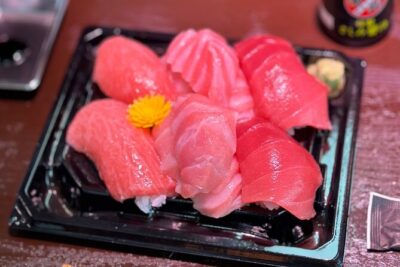

Senkyaku Banrai Toyosu Manyo Club Onsen Experience in Tokyo
Read our review →
Nishiki Market Brunch Walking Tour (7 Tastings + Brunch)
Read our review →
Tokyo Sushi Making Class in Tsukiji with Professional Chef
Read our review →
Tsukiji Fish Market Guided Tour and Sushi Making with Pro Chef
Read our review →Browse the lists this tour appears in