Reviewed · GUIDED
Tour in Kyoto with a Goverment Certified Tour Guide
Kyoto rewards curious walkers. This six to eight hour private tour packs in major sights such as Fushimi Inari and Kiyomizu-dera, then adds Gion, Nishiki Market, Arashiyama, and several famous temples. I like the chance to shape the day around your priorities, and I like having a local guide explain the religious customs, legends, and historic districts instead of simply pointing at buildings.
The price is $110 per person, before some transport and entrance costs. That can be fair if your guide is as helpful as Andrea or Roberto, both praised for patience, cultural explanations, and practical help. The serious concern is organization: several bookings reportedly faced late changes, missing guides, reduced sightseeing, or a private tour becoming a much larger group.
In This Review
- Key points before you book
- What the Kyoto day is trying to do
- Fushimi Inari and its endless red gates
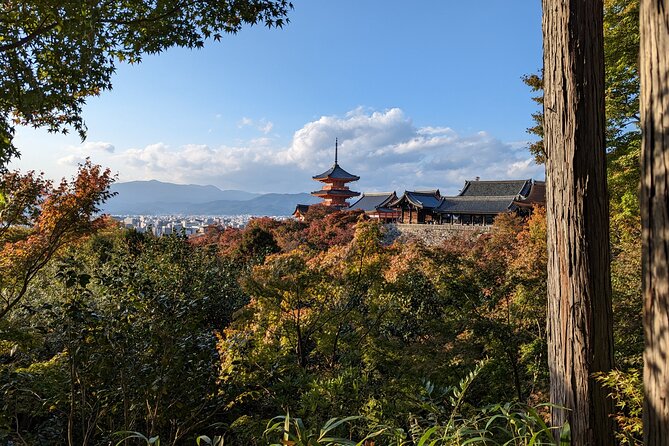
- Kiyomizu-dera above Higashiyama
- Nijo Castle and the story of power
- Gion, where atmosphere matters more than box-ticking
- Nishiki Market for Kyoto’s food culture
- Kinkaku-ji, the Golden Pavilion
- Ginkaku-ji, the Silver Pavilion that is not silver
- Arashiyama’s bamboo forest
- Tenryu-ji and the final temple setting
- The guide can make or break the day
- The organization problems are not minor
- Is $110 a fair price?
- How to protect your day in Kyoto
- Who should book this experience?
- Should you book it?
- FAQ
- How long does the Kyoto tour last?
- What is the price per person?
- Is hotel pickup available?
- Is this a private tour?
- Can the tour be customized?
- Which places are included in the route?
- Are transportation costs included?
- Is food included?
- Is Ginkaku-ji admission included?
- What is the cancellation policy?
Key points before you book
- Nine major Kyoto stops are listed: Fushimi Inari, Kiyomizu-dera, Nijo Castle, Gion, Nishiki Market, Kinkaku-ji, Ginkaku-ji, Arashiyama, and Tenryu-ji.
- The day is customizable: You can adjust the plan to match your interests and the time available.
- The pace is demanding: The advertised stops total several hours before travel, meals, queues, and entrance fees are added.
- The group promise needs clarification: The activity is described as private, but some bookings became shared tours with many participants.
- Extra expenses are real: Guide transport is estimated at $5 to $8, and Ginkaku-ji admission is listed at $8 per person. Other transport, food, drinks, and some admissions are also excluded.
- Guide quality can be excellent: Andrea and Roberto received especially warm praise for clear explanations, friendliness, patience, and practical assistance.
What the Kyoto day is trying to do
This is an ambitious greatest-hits tour rather than a slow study of one neighborhood. You get a broad look at Kyoto’s Shinto shrines, Buddhist temples, former imperial power, geisha district, food culture, and bamboo groves in one day.
That breadth is the main attraction. If Kyoto is your only stop in Japan, or you have just one free day in the city, a guide can help you make quick decisions and move between places without constantly checking a map. The guide may also adjust the order or replace stops according to your interests and available time.
But the same breadth creates the tour’s central problem. Nine places spread across Kyoto cannot always receive equal attention during a six to eight hour day. Crowds, weather, queues, public transport, and the pace of other members can eat into the schedule. Some people reported seeing only three or four locations, while others had a rewarding full day with a guide.
I would treat the listed stops as a menu, not a guarantee that every location will receive a full hour.
A few more options to weigh up in Kyoto
- PERFECT KYOTO 1-Day Bus Tour
★ 5.0 · 13,518 reviews - [Kyoto & Nara Day Tour] Sagano Scenic Railway & Nara Park & Fushimi Inari Taisha Thousand Torii Gates & Togetsukyo Bridge & Bamboo Grove & Kimono Forest (Departing from Osaka)
★ 4.9 · 10,942 reviews - Kyoto: Fushimi Inari, Kinkakuji, Bamboo Grove 1 Day Bus Tour
★ 4.8 · 4,316 reviews
Fushimi Inari and its endless red gates
Fushimi Inari-taisha is a strong opening stop. The shrine is dedicated to Inari, the Shinto deity linked with rice, and its famous rows of red torii gates create one of Kyoto’s most recognizable scenes.
The scheduled visit is about one hour. That gives you time to enter the shrine grounds, see the lower gates, and begin walking uphill. It is not enough for a leisurely climb through the entire mountain route, so ask your guide how far the group plans to go.
This is a place where explanation adds real value. A guide can help you understand why the gates are there and how the shrine connects to Japanese religious practice. The grounds are free, which helps keep the basic tour price reasonable.
Bring comfortable shoes. Fushimi Inari is not a quick photo stop if you want to walk beyond the main entrance.
Kiyomizu-dera above Higashiyama
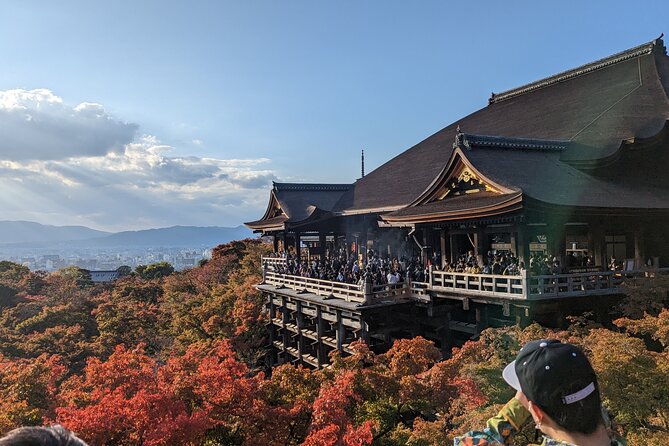
Kiyomizu-dera sits on the hills of Kyoto’s Higashiyama district and is one of the city’s essential temple visits. Its elevated setting gives you a broad view over the surrounding city, while the temple grounds offer a strong sense of traditional Kyoto.
The planned stop is about one hour, with no admission fee included in the stated price. The temple itself is a major draw, but the surrounding approach also matters. Higashiyama is known for traditional streets and architecture, so this portion of the day can feel more like a walk through old Kyoto than a single monument visit.
Crowds can make this stop slower than expected. If your group arrives during a busy period, ask whether you will have time to explore independently or need to stay close to the guide. That simple question can prevent disappointment.
Nijo Castle and the story of power
Nijo Castle offers a different view of Kyoto. Instead of shrine rituals or temple gardens, it connects you with the political power of the shoguns and the castle architecture of the 17th century.
The visit is planned for about one hour, but admission is not included. The extra cost matters because this is one of several stops where the final bill can rise above the advertised $110.
A guide is useful here because the castle’s importance is not always obvious from its walls and rooms alone. Ask for the background of the building and its former residents. If the day is running late, confirm whether this stop remains in the plan, since the schedule may need to be shortened.
A completely different kind of day out:
- Kyoto: Tea Ceremony in a Traditional Tea House in Kiyomizu
★ 4.9 · 3,519 reviews - Kyoto: Gion Make Your Own Chopsticks with Engraving Option
★ 5.0 · 3,465 reviews - Kyoto Nara Day Trip │ Kiyomizu-dera Temple + Fushimi Inari-taisha Shrine + Nara Park (Departing from Osaka/Kyoto)
★ 4.7 · 3,408 reviews - Kyoto Geisha Walking Tour: Gion District & Hidden Gems
★ 4.7 · 3,273 reviews
Gion, where atmosphere matters more than box-ticking
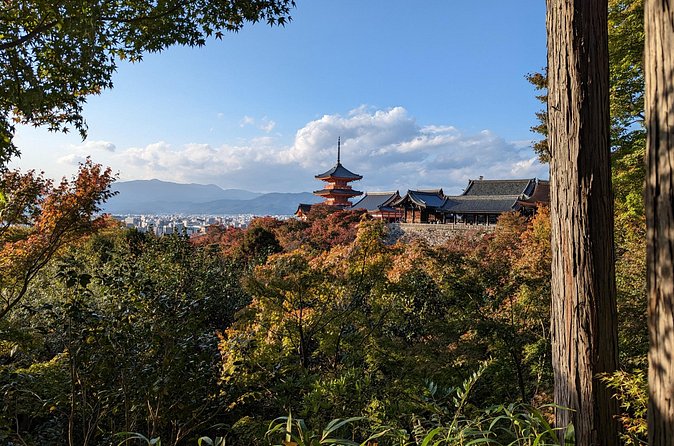
Gion is Kyoto’s best-known district for traditional architecture and geisha culture. The value of this stop comes from walking slowly enough to notice the narrow lanes, old-style facades, and changing mood of the neighborhood.
The planned hour is a reasonable amount of time for a guided walk. It is less useful if the group simply pauses for a photograph and moves on. Tell your guide if you want Gion to be a priority.
Be respectful here. This is a living neighborhood, not a stage set. The tour description refers to geisha mystique, but you should expect cultural context and a walk through the district, not a guaranteed geisha performance.
Nishiki Market for Kyoto’s food culture
Nishiki Market brings a welcome change of pace. Its five-block shopping area is associated with local produce, prepared foods, traditional goods, and Kyoto specialties.
An hour is enough to look around and sample a few items, though food and drinks are your responsibility. This is one of the best places to use the guide’s local advice. Ask what is worth trying and how to avoid spending your meal budget on the first appealing snack.
Nishiki can be crowded, and a large group makes movement harder. If food is important to you, ask whether you can stop for a proper meal or whether the visit is mainly a short market walk. The answer will affect how much value you get from this part of the day.
Kinkaku-ji, the Golden Pavilion
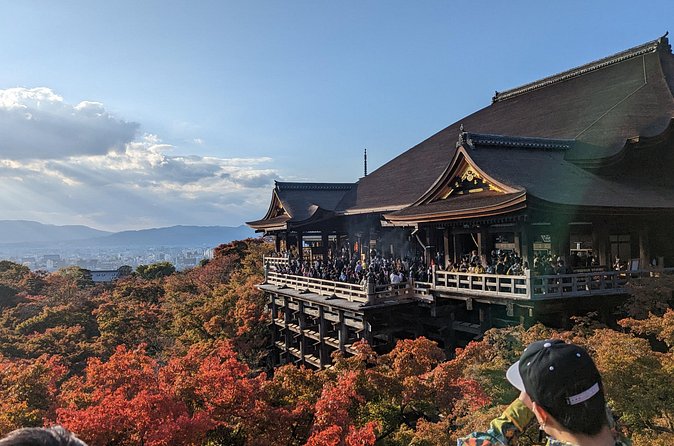
Kinkaku-ji, or the Golden Pavilion, is one of Kyoto’s most recognizable sights. The temple’s bright exterior is designed to catch the eye, and the surrounding grounds give you a brief break from the city streets.
The stated stop is about one hour, with admission not listed as an extra cost in the supplied details. Still, you should confirm all entrance arrangements before departure because the tour separately identifies some admission fees and excludes transportation.
This is another location where a guide can make a short visit more useful. Ask about the building’s role, the temple grounds, and why the site has become such a powerful symbol of Kyoto. Expect a popular stop rather than a quiet one.
Ginkaku-ji, the Silver Pavilion that is not silver
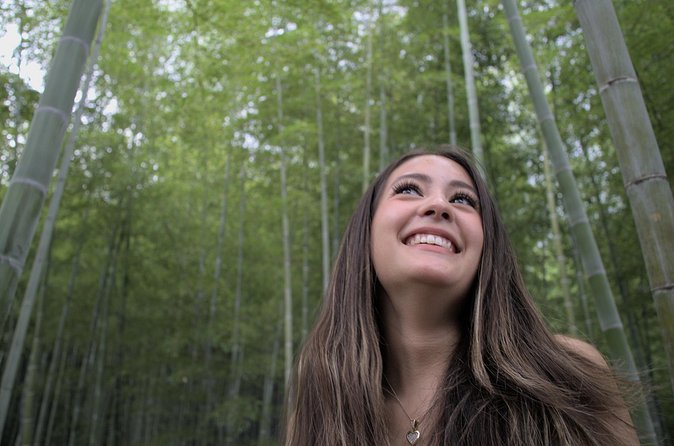
Ginkaku-ji is often called the Silver Pavilion, although it does not have silver plating. That small detail makes it a good stop for travelers who want to look beyond postcard labels.
The visit is planned for about one hour, but the $8 admission fee per person is specifically excluded. Transportation is also extra, and the tour lists guide transport at roughly $5 to $8.
Ginkaku-ji gives the day a calmer Zen counterpoint to the shine of Kinkaku-ji. If your schedule becomes crowded, ask whether this is being kept as a full visit or reduced to a quick exterior stop. It is too far from several other locations to treat casually if time is tight.
Arashiyama’s bamboo forest
Arashiyama is one of the day’s most appealing changes of scenery. The bamboo forest offers a short walk among tall green stalks, and the district is known for a quieter natural feel than central Kyoto.
Only 30 minutes are allocated here. That is enough for a taste, but not enough for an extended walk through the area. One person particularly enjoyed the Arashiyama mountain area and the monkey park, yet the monkey park is not included in the stated nine-stop schedule. Do not assume it is part of the standard route. Ask before booking if you want it added.
The bamboo area is a popular photo location, so timing matters. A guide who manages the route well can help you get more from a short stop, but no guide can remove the crowds entirely.
Tenryu-ji and the final temple setting
Tenryu-ji is a major Zen temple in Arashiyama and a UNESCO World Heritage Site. Its history reaches back to the 14th century, and it pairs well with the bamboo forest because both stops are in the same district.
The planned visit is 30 minutes, and admission is not included. That is a tight window for a temple with grounds worth seeing. If Tenryu-ji matters to you, ask whether the tour will enter the grounds or only pause nearby.
Arashiyama itself deserves more time than this schedule allows. For many people, combining the bamboo forest and Tenryu-ji in a short final segment will feel rushed. You may prefer to select Arashiyama as a major focus and drop one or two distant temples.
The guide can make or break the day
The strongest part of this experience is the human element. Andrea received praise for being friendly, patient, and attentive, including accommodating disabilities and shaping the day around individual needs. Another visitor described her as passionate and careful with explanations.
Roberto was also praised for showing important city sights, explaining religion and mythology, and helping with bullet train tickets. That kind of practical assistance can be worth more than a standard scripted talk, especially early in a Japan trip.
English ability varies by guide, but one booking specifically praised a guide’s fluent English and patient manner. Since the provider assigns the guide, you cannot assume you will receive a particular person. If Andrea or Roberto is named during communication, confirm that arrangement in writing rather than relying on a casual message.
The organization problems are not minor
I would not brush aside the negative accounts. Several people reported that the guide did not arrive, phone calls went unanswered, or messages through WhatsApp and the booking platform were unclear. Others described late cancellations, delayed starts, and last-minute changes to meeting points or pickup plans.
There were also serious differences between what people expected and what they received. Some bookings described a private tour becoming a shared excursion, in one case involving more than 30 people. Other accounts reported that a planned nine-stop day was reduced to three or four locations.
The provider has responded in some cases by saying a refund was approved, that messages were sent through the booking system, or that pickup was available only within Kyoto and not from Osaka’s Tempozan area. These details point to a practical lesson: confirm the exact meeting place, pickup boundary, group size, start time, and route before the day begins.
The overall rating is 3.5 out of 5 from 117 ratings. That middle result fits the pattern: some excellent guide experiences, mixed execution, and a troubling number of service failures.
Is $110 a fair price?
At $110 per person, this can be good value if you want a full day of explanations and help with transport. The guide is included, and the plan can be customized. For a solo visitor or couple, joining another solo visitor or couple may also make the cost more manageable.
The price is less attractive if the tour becomes a large group or covers only a few stops. You also pay for transportation, food, drinks, personal expenses, and stated admission fees. Guide transportation is estimated at $5 to $8, and Ginkaku-ji costs $8 per person.
Compare the price with what you value most. If you want a calm, carefully paced temple day, this schedule is too broad. If you want an introduction to many parts of Kyoto and can accept changes, the potential value is stronger.
How to protect your day in Kyoto
Send your accommodation or meeting details well ahead of time, even if pickup is offered. Confirm that your location is inside the available Kyoto pickup area, since Osaka pickup is not offered according to the provider’s clarification.
Ask these questions before the tour:
- Is this definitely a private tour for my booking?
- How many people are expected?
- Which stops are realistic in six to eight hours?
- Are hotel pickup and guide transport included?
- Which admissions must I pay?
- What is the exact meeting point and guide identification?
- What happens if the tour starts late?
Keep the booking confirmation and all messages. If nobody appears, contact the operator through every supplied channel and document the time and attempts. The cancellation policy allows a full refund when you cancel at least 24 hours before the start, but changes or cancellations inside 24 hours are not refundable under the stated terms.
Who should book this experience?
I would consider it for a first visit to Kyoto when time is short and you want help choosing among major sights. It also suits people who value cultural explanations, need assistance with public transport, or want a guide who can adapt the day to mobility needs.
I would be cautious if you have only one precious day and cannot tolerate a late start or a route reduction. I would also avoid booking it without written clarification if a private group is essential.
Should you book it?
Book this tour only after confirming the details in writing. The best-case experience is appealing: Andrea, Roberto, or another strong guide can turn a packed day into a useful introduction to Kyoto, with context at shrines, temples, markets, and historic districts.
The risk is unusually high for a tour built around a single important day. If the operator confirms your meeting point, pickup, guide, group size, and realistic number of stops, $110 may be reasonable. If the answers are vague, choose a smaller, more tightly defined tour, or split Kyoto across two days. The sights are excellent. The question is whether the day will be managed well enough for you to enjoy them.
FAQ
How long does the Kyoto tour last?
The experience lasts approximately six to eight hours.
What is the price per person?
The listed price is $110 per person.
Is hotel pickup available?
Pickup is offered, but the available pickup area should be confirmed. The provider states that pickup is within Kyoto and not from Osaka’s Tempozan area.
Is this a private tour?
The experience is described as a private activity for your group only. However, solo visitors or couples may be asked to join another solo visitor or couple, and group size should be confirmed before booking.
Can the tour be customized?
Yes. The included service says you can customize the tour based on your expectations and the time available.
Which places are included in the route?
The scheduled places are Fushimi Inari-taisha Shrine, Kiyomizu-dera Temple, Nijo Castle, Gion, Nishiki Market, Kinkaku-ji Temple, Ginkaku-ji Temple, Arashiyama Forest, and Tenryu-ji Temple.
Are transportation costs included?
No. Transportation fees are excluded. Guide transportation is estimated at $5 to $8, and personal transportation costs are also not included.
Is food included?
No. Food and drinks are excluded from the price.
Is Ginkaku-ji admission included?
No. Ginkaku-ji admission is listed at $8 per person and is not included.
What is the cancellation policy?
You receive a full refund if you cancel at least 24 hours before the experience starts. Cancellations or changes made less than 24 hours before the start are not accepted for a refund.
Just added in Kyoto
- The “Golden Route” and Ancient Japan by DIAMIR Erlebnisreisen – 14-Day Tour★ 2.0 · 2 reviews
- Japan: Castles & Cuisine by G Adventures – 6-Day Kyoto to Osaka Tour★ 4.5 · 4 reviews
- Cycle Japan by Explore! – 13-Day Kyoto to Tokyo Tour★ 4.7 · 12 reviews
- Cycle Japan by Intrepid Travel – 11-Day Kyoto to Tokyo Tour★ 4.8 · 2 reviews
- Classic Japan by Intrepid Travel – 11-Day Kyoto to Tokyo Tour★ 4.4 · 14 reviews
- Ancient & Modern Japan 14-Day Tour by Exodus Adventure Travels★ 4.4 · 40 reviews
- 5 Day Cultural Adventure of Kyoto, Nara & Osaka by Tourist Journey★ 2.5 · 2 reviews
- 12 Days Kinosaki Onsen Escape: A Journey Through Japan’s Timeless Towns by UME Travel★ 4.8 · 5 reviews
Guided, compared.
Tokyo 6hr Private Tour with Government-Licensed Guide
Read our review →
Shiraito Falls & Forest Cafe & Handmade Flower Salt Pudding & Grilled Seafood & Totoro Forest & Sakurai Futamigaura & Angel’s Wings & Coconut Tree Swing Day Tour (Departing from Hakata Station, with Mandarin, English, and Cantonese speaking guide)
Read our review →
Shinjuku Local Bar and Izakaya Guided Walking Tour
Read our review →
Private City Highlights Tour with Local Guide
Read our review →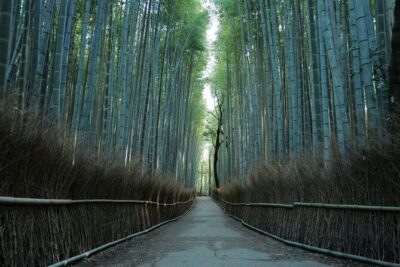
Kyoto Early Morning Tour with English-Speaking Guide
Read our review →