
Reviewed · 3-HOUR EXPERIENCES
Kyoto: Private Flexible 3 hours tour with a local guide
Kyoto rewards curiosity. This private tour lets you choose one to three sights, then shapes the outing around your party instead of forcing you through a fixed route. I like the personal itinerary and the chance to ask a local guide about customs, food, and daily life. I also like the private format, especially for families or first-time visitors who want help with trains and directions. The main catch is time: two to three hours is not enough for every major Kyoto sight.
You might choose Fushimi Inari Taisha, Kiyomizu-dera, Gion, Arashiyama Bamboo Forest, a market, or another place that fits your interests. Guides such as Steven, Toshiki, Teppei, Nanako, and Kyoichi have been praised for patience and flexibility, though one poor experience raises a fair warning: the quality of a private tour depends heavily on the individual guide and how clearly you plan the route.
In This Review
- Key points to know before booking
- What this Kyoto tour actually gives you
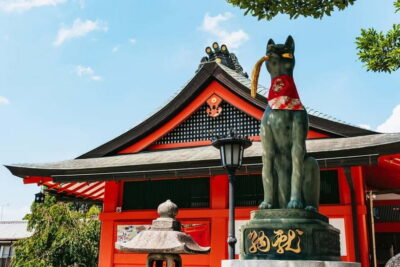
- Fushimi Inari Taisha and the red-gate climb
- Kiyomizu-dera and the hills of eastern Kyoto
- Gion, old streets, and a slower look at Kyoto
- Arashiyama, markets, and requests beyond the sample route
- The guide can make or break the experience
- Timing, transport, and the cost of flexibility
- Who will get the most from this private format
- How to plan your three hours well
- Should you book this Kyoto tour?
- FAQ
- How long does the private Kyoto tour last?
- Is the tour private?
- How many locations can I choose?
- Which Kyoto sights can I request?
- Is transportation included?
- Is a guide included?
- Are entrance tickets included?
- Are food and drinks included?
- Can the guide help with travel tasks?
- Can I cancel for a full refund?
Key points to know before booking
- Choose one to three Kyoto locations: You control the route, so you can focus on shrines, temples, old streets, food, or a mix.
- Fushimi Inari requires uphill walking: The famous red gates climb a mountain, and one hour may only give you a taste of the trail.
- Private means only your party joins: This is useful for families, couples, and small groups with different interests.
- Transportation costs extra: The guide provides navigation and support, but fares, meals, drinks, and Kiyomizu-dera admission are not included.
- Guide quality matters: Steven and Toshiki receive especially warm praise for adapting plans, explaining culture, and helping with children.
- Plan for a realistic route: Trying to fit every famous temple into a short tour can leave you seeing Kyoto through a train window.
What this Kyoto tour actually gives you
At its core, this is a short, private walking and sightseeing service with a local guide. You do not receive a fixed sightseeing circuit. Instead, you discuss what matters most to you and select up to three locations.
That flexibility is the strongest feature. If you have already visited temples in Tokyo or Nara, you might ask for Gion and a food market. If Kyoto is your first stop in Japan, you could choose Fushimi Inari Taisha and Kiyomizu-dera for classic sights, then finish with a walk through Gion.
The guide can also help with practical travel tasks. Support may include booking a taxi or helping you buy a SIM card. That is a small but useful benefit when you have just arrived, are dealing with unfamiliar machines, or need help sorting out local transport.
I would think of this experience as a Kyoto orientation with a personal guide, not as a full-day tour. It can help you understand the city and make better use of a short visit. It cannot cover all of Kyoto’s major districts in a relaxed way within two or three hours.
A few more options to weigh up in Kyoto
- PERFECT KYOTO 1-Day Bus Tour
★ 5.0 · 13,518 reviews - [Kyoto & Nara Day Tour] Sagano Scenic Railway & Nara Park & Fushimi Inari Taisha Thousand Torii Gates & Togetsukyo Bridge & Bamboo Grove & Kimono Forest (Departing from Osaka)
★ 4.9 · 10,942 reviews - Kyoto: Fushimi Inari, Kinkakuji, Bamboo Grove 1 Day Bus Tour
★ 4.8 · 4,316 reviews
Fushimi Inari Taisha and the red-gate climb
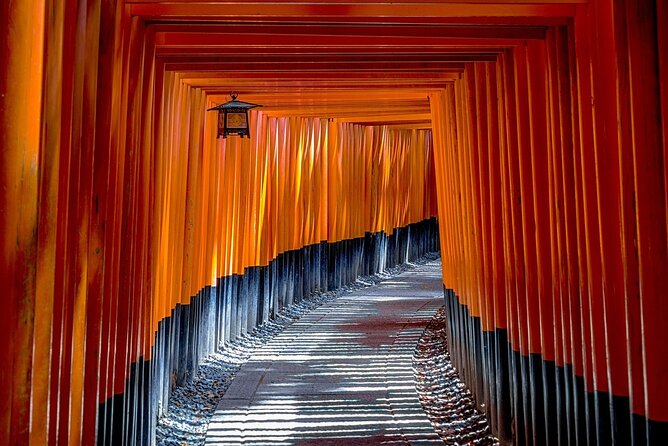
Fushimi Inari Taisha is one of Kyoto’s most recognizable sights. Its long corridors of bright red torii gates lead up the wooded slopes of a mountain, creating the classic Kyoto scene many people hope to see.
The shrine itself is free, which keeps this stop simple from a budget point of view. The physical effort is the bigger issue. You will be walking uphill through the gates, and the advertised one-hour stop is unlikely to cover the full mountain route. Ask your guide how far you plan to go before setting off.
This is a good choice if you want an iconic shrine and do not mind uneven or uphill walking. It is less suitable if anyone in your group has limited stamina or wants a slow, sit-down cultural visit.
A private guide helps here because you can adjust the pace. Families can turn around when children tire, while energetic visitors can continue farther up the trail. The guide can also explain shrine customs and help you know how to behave at the site, an especially useful service if Japanese religious practices are new to you.
Try to avoid overloading the schedule after Fushimi Inari. Even when the route looks close on a map, moving between Kyoto sights takes time. If you select this shrine, I would pair it with Gion rather than trying to add several distant temples.
Kiyomizu-dera and the hills of eastern Kyoto
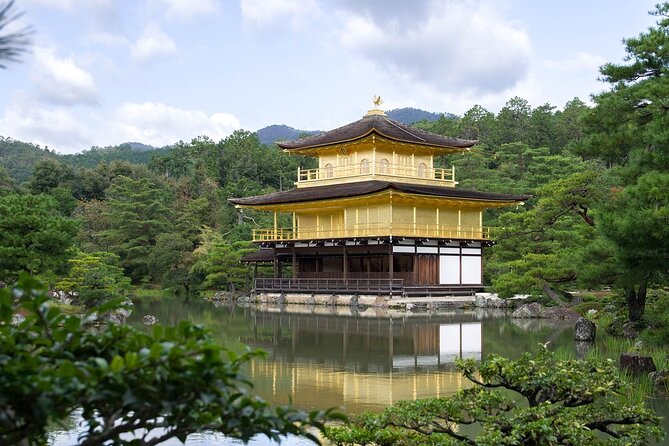
Kiyomizu-dera is another major Kyoto choice. The temple’s large wooden structure overlooks the city, and the surrounding streets provide much of the appeal. You can walk through the old area before or after visiting the temple, browsing shops and taking photographs along the way.
Admission is not included, so budget separately for the entrance fee. The tour information does not give the current ticket price, so check close to your visit.
This stop suits you if you want a major temple plus traditional-looking streets in one area. It also gives the guide room to explain local customs and answer questions rather than simply pointing out a famous building.
The drawback is crowding and time pressure. Kiyomizu-dera is popular, and the approach involves walking through a busy sightseeing area. Add Fushimi Inari and you may spend much of your short tour moving between two major attractions instead of enjoying either one at an easy pace.
For a two-hour booking, I would choose Kiyomizu-dera with Gion, since both are in eastern Kyoto and can create a more coherent outing. For three hours, you may be able to include Fushimi Inari, but confirm the exact plan with the guide before the day begins.
Gion, old streets, and a slower look at Kyoto
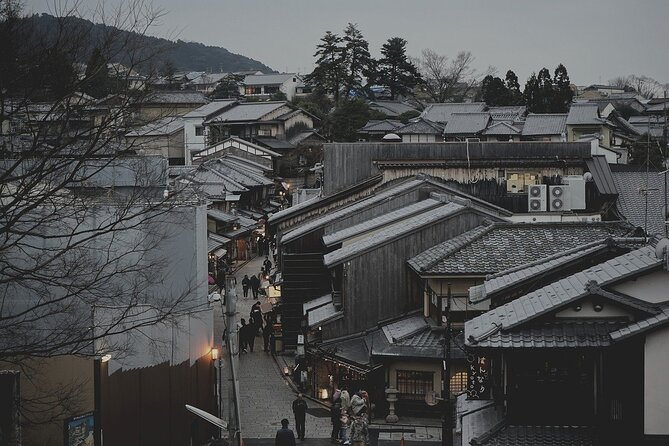
Gion offers a different experience from the major shrines. This old district is known for traditional buildings, small shops, and streets that invite a slower walk. The activity here is simple: look around, take photographs, and notice the architecture and atmosphere.
Gion is a strong choice for visitors who want to see Kyoto as a living city rather than only a collection of ticketed sites. It also works well for families because the pace can be adjusted more easily than on the Fushimi Inari climb.
Several successful outings focused on Gion and Fushimi Inari, especially when families had only a few hours in town. That combination gives you one famous shrine and one traditional neighborhood without attempting an impossible list of attractions.
Gion may not satisfy you if you want a long historical lecture or several temple interiors. Its value comes from walking, observing, and asking questions. I would tell your guide if you are interested in photography, local shops, architecture, or food, since the tour can be shaped around those interests.
Be respectful when taking pictures. The tour information does not provide specific photography rules, so listen to your guide and avoid treating residential or working areas as a stage.
A completely different kind of day out:
- Kyoto: Tea Ceremony in a Traditional Tea House in Kiyomizu
★ 4.9 · 3,519 reviews - Kyoto: Gion Make Your Own Chopsticks with Engraving Option
★ 5.0 · 3,465 reviews - Kyoto Nara Day Trip │ Kiyomizu-dera Temple + Fushimi Inari-taisha Shrine + Nara Park (Departing from Osaka/Kyoto)
★ 4.7 · 3,408 reviews - Kyoto Geisha Walking Tour: Gion District & Hidden Gems
★ 4.7 · 3,273 reviews
Arashiyama, markets, and requests beyond the sample route
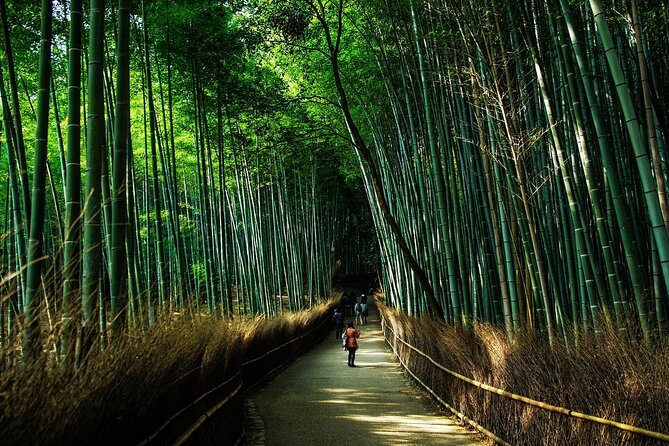
The suggested choices include Arashiyama Bamboo Forest, but the tour can also be adapted around other interests. Past outings included local markets, ramen, several temples and shrines, traditional areas, and even a church service requested by one participant.
That range tells you how broad the guide’s role can be. You are not limited to photographing famous sites. You can ask for food, local customs, transport help, or a particular cultural interest.
Arashiyama deserves careful planning. It is not a natural companion to every central or eastern Kyoto route within a short booking. If the bamboo forest is your priority, make it the main destination and ask whether another location can fit without rushing.
A market or food-focused outing may be a better use of time if you have already seen the headline temples. One guide was praised for selecting excellent food that remained approachable rather than overly unusual. Food is not included, so you pay separately, but a local recommendation can make the extra cost worthwhile.
The important point is to name your priority before the tour starts. Everything in Kyoto is not a workable two-hour plan. One participant wanted to see nearly everything and had to accept that some places would remain for another visit.
The guide can make or break the experience
The strongest praise centers on personal attention. Steven is described as friendly, patient, flexible, and good at adjusting plans for families, including children aged eight and eleven. He also helped fit sightseeing, learning, and food into a short visit.
Toshiki receives similar praise for kindness, local insight, practical answers, and a willingness to alter the plan. One particularly personal outing included a visit to a church because that mattered to the guest. Another included major shrines, temples, a bamboo forest, and a local market.
Teppei is praised for warmth and professionalism. Kyoichi, also called Mark, made a hot-weather tour more manageable by bringing cooling wipes during a day with temperatures around 98 degrees and a heat index of 103. That detail is a useful reminder that a walking tour can become physically demanding in Kyoto’s summer heat.
Nanako is praised for leading an enjoyable walking tour of key sights. These names are helpful because they show the range of guides connected with the experience, but you may not be able to request a particular person. Ask at booking if guide preference matters to you.
There is also one serious negative account. The guide was described as pleasant and communicative during planning but struggled with the actual route, including missing trains and providing little real touring. That criticism does not erase the many positive experiences, but it does suggest a practical step: confirm the meeting point, transport plan, selected sights, and expected walking route in writing before the day.
The overall rating is 4.8 from 18 reviews, with 94 percent recommending the experience. That is a strong result, though the small number of reviews means you should still set clear expectations.
Timing, transport, and the cost of flexibility
The listed price is $131.38 per person, with group discounts offered. Whether that is good value depends on your group size and goals.
For a solo visitor or couple, the price may feel high compared with simply using a guidebook and public transport. For a family or small private group, the calculation changes. You are paying for a guide’s time, planning help, language support, and the ability to adjust the route around your own interests.
The price does not include a private car and driver. Transportation fees are also extra, along with food, drinks, and Kiyomizu-dera admission. One past participant selected a private vehicle option, but the standard details specifically exclude a private car and driver, so confirm that arrangement before paying or planning around it.
The guide can help book a taxi and navigate public transport, but you should expect to cover those fares yourself. This matters in Kyoto because a short tour can lose much of its value if you spend it making wrong turns or waiting through an overly ambitious route.
The duration is described as approximately two to three hours. The sample itinerary gives one hour each to Fushimi Inari, Kiyomizu-dera, and Gion, but those three hours do not include travel time between them. Treat the stops as examples, not a promise that all three will fit comfortably.
For the best value, choose locations that work together geographically. A focused route gives you more time for explanations, photographs, and questions. A scattered route gives you a checklist, plus extra transport costs.
Who will get the most from this private format
I would recommend this tour most strongly to:
- First-time visitors who want help understanding Kyoto’s shrines, temples, and customs
- Families who need a flexible pace and a guide willing to adjust plans
- Visitors with only a few hours in Kyoto
- Couples or friends with a specific interest in food, markets, architecture, or traditional neighborhoods
- People who feel uneasy navigating trains, taxis, or unfamiliar ticket machines
- Returning visitors who want to build a route around personal interests instead of repeating standard sightseeing
It is less suitable if you want a large amount of sightseeing for a low price, a full-day schedule, or guaranteed transport in a private vehicle. It is also not ideal if you prefer to wander alone and already feel confident finding your way around Kyoto.
The tour can accommodate most participants, and service animals are allowed. It is near public transportation, but the details do not promise step-free access or a particular vehicle arrangement. If mobility needs are important, ask before booking and explain exactly what your group requires.
How to plan your three hours well
Start with one must-see place. Then add a second stop only if it is nearby or naturally connected. For example, Kiyomizu-dera and Gion make more sense together than Kiyomizu-dera and Arashiyama.
Tell the guide about your walking ability, children’s ages, food preferences, and interest in history or local life. The more specific you are, the more useful the customization becomes.
If you want Fushimi Inari, decide how much of the mountain you hope to walk. If you want photos, say so. If you want food, ask whether a market or ramen stop can fit, remembering that you pay for food separately.
Kyoto’s weather also deserves respect. The experience is primarily on foot, and the hot-weather account shows how quickly conditions can affect the day. Carry water and wear comfortable shoes, even if your route looks short.
You should receive confirmation at booking unless you book within one day of departure. Last-minute confirmation depends on availability. Free cancellation is available up to 24 hours before the start time, while cancellations or changes within 24 hours are not accepted and are not refunded.
Should you book this Kyoto tour?
Book it if you value a private, adjustable route more than a low-cost sightseeing checklist. The best use is a focused two or three-hour introduction, especially with a family, a short Kyoto stop, or a clear request such as Gion and Fushimi Inari, a market and food walk, or Kiyomizu-dera with nearby streets.
I would not book it expecting a car, included admission, or a complete tour of Kyoto’s famous sights. Confirm the guide, meeting point, transport plan, and realistic number of stops before you go.
With those limits understood, the experience offers something a standard group tour cannot: a local person who can answer your questions, adjust the pace, and help you see Kyoto in a way that fits your party.
FAQ
How long does the private Kyoto tour last?
The experience lasts approximately two to three hours.
Is the tour private?
Yes. Only your own party participates, so you do not share the tour with unrelated visitors.
How many locations can I choose?
You can create a customized route using one to three locations.
Which Kyoto sights can I request?
Suggested locations include Fushimi Inari Taisha Shrine, Kiyomizu-dera Temple, Gion, and Arashiyama Bamboo Forest. Other interests may also be discussed with the guide.
Is transportation included?
No. Transportation fees are not included. A private car and driver are also not included in the standard experience details.
Is a guide included?
Yes. A local tour guide is included.
Are entrance tickets included?
Fushimi Inari Taisha and Gion are listed as free. Admission to Kiyomizu-dera is not included.
Are food and drinks included?
No. Food and beverages are not included.
Can the guide help with travel tasks?
Yes. The included support may cover tasks such as booking a taxi or helping you buy a SIM card.
Can I cancel for a full refund?
Yes, if you cancel at least 24 hours before the experience start time. Cancellations or changes made within 24 hours are not accepted and are not refunded.
Just added in Kyoto
- The “Golden Route” and Ancient Japan by DIAMIR Erlebnisreisen – 14-Day Tour★ 2.0 · 2 reviews
- Japan: Castles & Cuisine by G Adventures – 6-Day Kyoto to Osaka Tour★ 4.5 · 4 reviews
- Cycle Japan by Explore! – 13-Day Kyoto to Tokyo Tour★ 4.7 · 12 reviews
- Cycle Japan by Intrepid Travel – 11-Day Kyoto to Tokyo Tour★ 4.8 · 2 reviews
- Classic Japan by Intrepid Travel – 11-Day Kyoto to Tokyo Tour★ 4.4 · 14 reviews
- Ancient & Modern Japan 14-Day Tour by Exodus Adventure Travels★ 4.4 · 40 reviews
- 5 Day Cultural Adventure of Kyoto, Nara & Osaka by Tourist Journey★ 2.5 · 2 reviews
- 12 Days Kinosaki Onsen Escape: A Journey Through Japan’s Timeless Towns by UME Travel★ 4.8 · 5 reviews
3-Hour Experiences, compared.
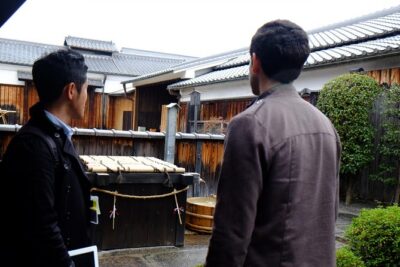
3-Hour Kyoto Insider Sake Brewery Tour with Tastings & Pairings
Read our review →

3h Tokyo E-Bike Tour: Hidden Gems, and Local Life with guide
Read our review →

3-hour Guided E-Bike Tour of the City’s Hidden Gems
Read our review →
3-Hour Bike/E-Bike Tour of the City’s Highlights
Read our review →
Browse the lists this tour appears in